Politics
Iran threatens Israeli embassies: military escalation and a US response
A dangerous escalation in the Iranian-Israeli conflict. Tehran threatens to target Israeli embassies in retaliation for any attack in Beirut, and Washington confirms that military operations are in their early stages.

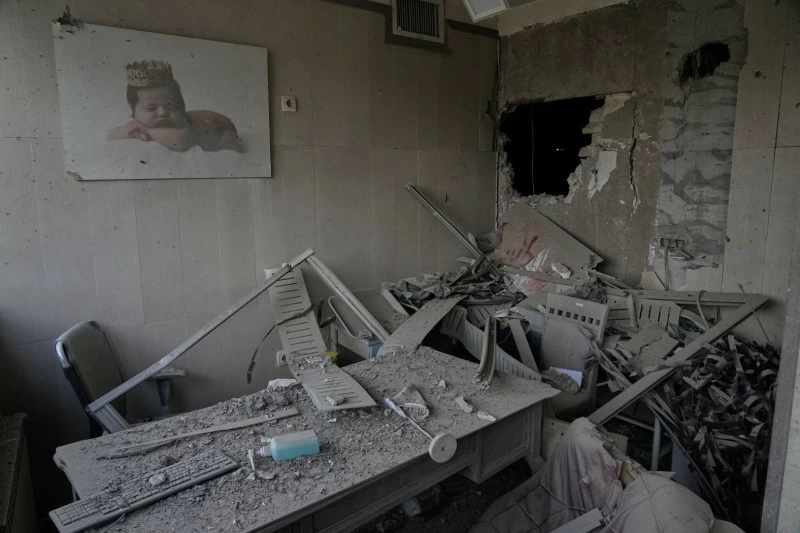
The regional arena has witnessed a dramatic development in the course of the Iranian-Israeli conflict, as the confrontation has moved from the stage of covert operations and shadow wars to the direct threat of targeting diplomatic missions, which portends a radical change in the traditional rules of engagement between the two sides.
A clear and direct Iranian threat
In an immediate response to the recent Israeli attacks, Iranian Armed Forces spokesman Brigadier General Abolfazl Shekarchi issued an unprecedented warning to Israel. In televised remarks, Shekarchi emphasized that Tehran has thus far exercised restraint toward Israeli embassies worldwide, respecting international norms and diplomatic relations with host countries. However, the Iranian official drew a new red line, threatening that if the Iranian mission in Beirut is targeted, the response will "certainly include all Israeli embassies." He asserted that his country harbors no animosity toward any nation other than the United States and Israel, affirming that Tehran's strategic objective is to subdue these two entities.
Details of the Israeli strike on command centers
On the other hand, in a major escalation, Israeli military spokesman Avichai Adraee announced a precise airstrike targeting a massive military complex in Tehran. According to the Israeli account, this complex is not merely a military barracks, but rather the "security nerve center" of the Iranian regime, housing key headquarters for the Revolutionary Guard, the intelligence agency, the Basij militia, the Quds Force, as well as internal security and cyber operations units. Adraee posted a video on the X platform documenting the moment the complex was targeted, indicating that the strike occurred while regime soldiers and commanders were present, reflecting a significant intelligence penetration.
The American role and the future of the confrontation
The United States was not far removed from this explosive situation; reports revealed high-level coordination between Washington and Tel Aviv. An Israeli military official indicated that there were between 4,000 and 5,000 calls daily to coordinate through the joint command chain, explaining that planning for this "opening strike" began three weeks prior. In a related context, US Defense Secretary Pete Hegseth confirmed that military operations against Iran "are still in their early stages," relaying the US president's assertion that larger and more powerful waves are to come, adding firmly, "We are only at the beginning, and we are accelerating, not slowing down.".
Background of the conflict and its regional repercussions
This event gains significance from breaking previous taboos in the long-standing conflict between the two sides. Historically, Israel and Iran have relied on a “gray zone” strategy, where battles are fought through proxies, cyberattacks, or targeted assassinations without escalating into a full-blown, direct war. The explicit threat to strike embassies brings to mind past diplomatic incidents that led to major international crises, and it presents the entire region with open-ended scenarios that could expand the conflict to include multiple capitals, directly threatening regional stability and international security.




Politics
Emergency Gulf-European ministerial meeting to discuss Iranian attacks
An emergency Gulf-European ministerial meeting will be held tomorrow with the participation of Kaya Kallas and Jassem Al-Budaiwi to discuss the repercussions of the Iranian attacks on the Gulf states and ways to stop the escalation in the region.

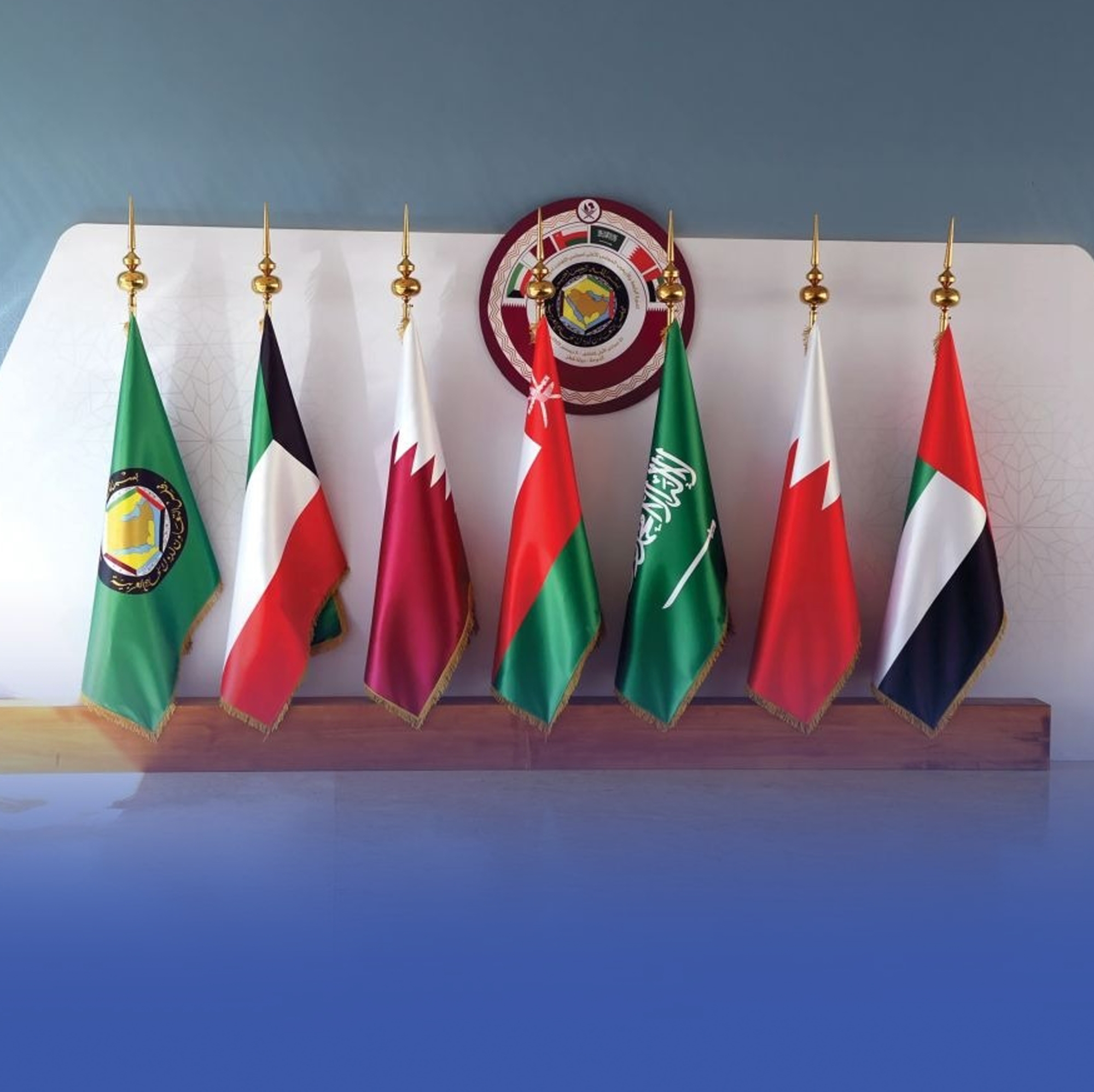
In a significant development reflecting the gravity of the current situation in the Middle East, the General Secretariat of the Gulf Cooperation Council (GCC) announced an emergency joint ministerial meeting to be held tomorrow, Thursday, bringing together the foreign ministers of the GCC member states and their counterparts from the European Union. This high-level diplomatic initiative aims to address the repercussions of the brutal Iranian attacks against GCC countries and to discuss the rapidly evolving situation that threatens regional security and peace.
Meeting details and participants
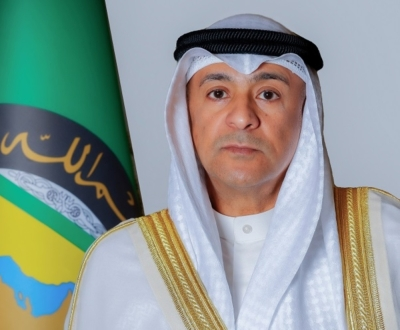
His Excellency the Secretary-General of the Cooperation Council for the Arab States of the Gulf, Mr. Jassim bin Mohammed Al-Budaiwi, explained that the meeting will witness broad participation from Their Highnesses and Excellencies the Foreign Ministers of the GCC countries and the European Union. Her Excellency Ms. Kaja Kallas, High Representative of the European Union for Foreign Affairs and Security Policy and Vice-President of the European Commission, will also participate in the meeting via video conference, which lends significant international weight to the outcomes of this gathering.
Dimensions of the Gulf-European strategic partnership
This meeting is of exceptional importance, transcending its immediate reactive nature; it reflects the depth of the strategic partnership between the two blocs. The European Union has always considered the security of the Gulf region an integral part of global security and international energy security. This joint coordination underscores the commitment of both parties to protecting international waterways and ensuring the flow of energy, particularly in light of the geopolitical tensions gripping the world. The unified Gulf and European stance sends a clear message of the international community's rejection of destabilizing policies.
Confronting escalation and protecting civilians
His Excellency Al-Badawi indicated that the talks will focus primarily on condemning the treacherous Iranian attacks, which have targeted not only military objectives but also innocent civilians, vital infrastructure, and diplomatic missions—a blatant violation of international conventions and norms. Through this intensive diplomatic effort, the Gulf Cooperation Council seeks to urge the international community, particularly its European partners, to uphold their legal and moral responsibilities by pressing for an immediate end to this war and these attacks.
Towards a firm international stance
Observers hope the meeting will produce decisive resolutions and joint action mechanisms that will help curb Iranian recklessness and strengthen regional security. The ultimate goal of this diplomatic effort is to restore stability to the region, spare its people the horrors of open conflict, and reaffirm that collective diplomacy is the best way to address current security challenges.
Politics
America uses Prism missiles for the first time and destroys 20 Iranian ships
The US Central Command announced the first use of PRISM missiles and the destruction of 20 Iranian ships, including the Soleimani barge, amid heavy Israeli bombardment and diplomatic tension with Türkiye.

In a significant military development indicating a radical shift in the rules of engagement at sea and in the air in the Middle East, the US Central Command (CENTCOM) announced on Wednesday the first-ever use of PrSM (Precision-Sensitive Micro-Specific Missiles) in warfare during the ongoing confrontations with Iranian forces. This announcement marks a turning point in US military strategy, replacing conventional systems with more lethal and precise technologies.
Details of Operation "Epic Fury" and the use of Prism missiles
Central Command described the event as a "historic precedent," confirming that these advanced missiles entered active combat service during what it called "Operation Epic Fury." The PRISM (Precision Strike Missile) missiles are distinguished by their superior maneuverability and ability to target both moving and stationary targets at ranges exceeding the capabilities of previous ATACMS systems, providing US forces with an unprecedented ability to deliver deep and impactful strikes in record time.
Commenting on this military achievement, the commander of the US Central Command, Admiral Brad Cooper, stated: “I am extremely proud of our men and women in the armed forces who employ innovation to put the enemy in a difficult position,” noting that the integration of modern technology in the field has confounded the adversary’s calculations.
Heavy naval losses: The sinking of the "Soleimani" ship
On the ground, the US Central Command revealed heavy Iranian losses, with US forces targeting and sinking more than 20 Iranian regime vessels since the start of operations. Reports indicated that last night saw a significant blow: the destruction of the advanced Soleimani-class warship, sending it to the bottom of the sea. This vessel is considered one of the most modern ships in the Iranian navy, and its destruction carries considerable symbolic and military weight, diminishing Tehran's ability to maneuver its ships in vital waterways.
Air Front: 5,000 Israeli bombs
In parallel with the American operations, the Israeli military is escalating its aerial campaign to an unprecedented degree. The military spokesperson announced that the air force has dropped more than 5,000 bombs on targets inside Iran since the start of the current conflict. Israeli military sources confirmed that their aircraft continue to consolidate air superiority and control over the skies throughout Iran, with a heavy focus on operations over the capital, Tehran, indicating the targeting of command and control centers and critical infrastructure.
Regional repercussions: Diplomatic tension with Türkiye
The repercussions of this military escalation were not confined to Iran's borders, but extended to neighboring countries. A Turkish diplomatic source stated that Ankara summoned the Iranian ambassador to the Foreign Ministry today to deliver a formal protest note. This diplomatic move came to express Turkey's deep concern over Iran's launch of a ballistic missile that took a dangerous trajectory toward Turkish airspace, reflecting fears of a wider conflict and the possibility of military miscalculations that could draw other countries into the confrontation.
This combined escalation, by sea and air, and the use of weapons entering the field for the first time, represents a dangerous indication of a new phase of conflict that could redraw the security and political maps of the region for years to come.
Politics
Qatar warns Iran: Targeting Hamad Airport and gas will not go unanswered
Qatar’s foreign minister warns Iran that attacks on Hamad Airport and gas facilities will not go unanswered, while Iranian President Pezeshkian justifies the position as self-defense.
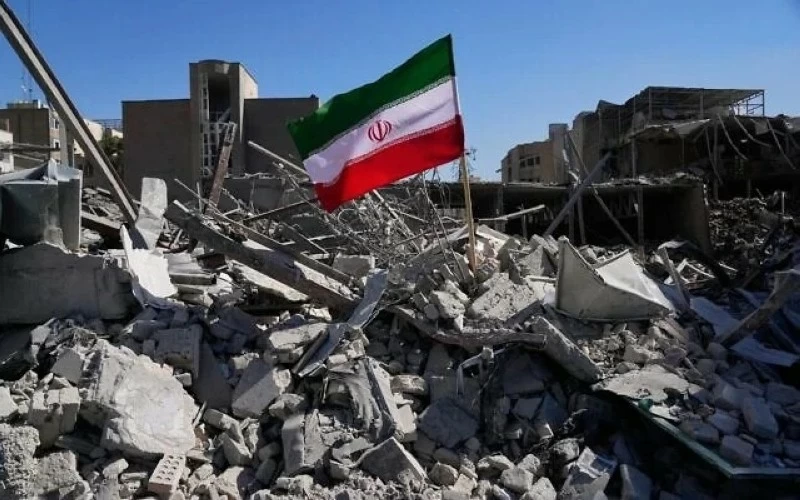
In a significant development in the Gulf region, Qatar issued a strongly worded warning to its neighbor Iran, asserting that targeting its territory and vital infrastructure constitutes a red line that cannot be crossed. This came during a phone call between Qatari Prime Minister and Foreign Minister Sheikh Mohammed bin Abdulrahman Al Thani and his Iranian counterpart Abbas Araqchi, in which the two discussed the serious repercussions of the recent attacks.
Details of the Qatari warning: a violation of sovereignty
Sheikh Mohammed bin Abdulrahman Al Thani expressed Doha's strong condemnation of Iranian actions targeting civilian and residential areas within the country. According to a statement from the Qatari Ministry of Foreign Affairs, on-the-ground evidence confirmed that the vicinity of Hamad International Airport , as well as vital infrastructure and industrial areas housing liquefied natural gas production facilities, were targeted. The Qatari minister considered these actions a "flagrant violation of Qatar's sovereignty and the principles of international law," emphasizing that these attacks "cannot go unanswered."
The minister indicated that Tehran's current approach seeks to drag neighboring countries into "a war that is not theirs," calling for an immediate halt to these hostile acts, which reflect no genuine desire for de-escalation but rather confirm an escalatory trajectory that harms the security and stability of the entire region. He affirmed that Doha will confront any aggression that threatens its national security or territorial integrity.
Iran's position: Self-defense amid tensions
In response, Iranian President Masoud Pezeshkian attempted to defuse the escalating diplomatic crisis, emphasizing his country's respect for the sovereignty of its neighbors. Pezeshkian stated that Tehran had made intensive diplomatic efforts to avert war, but that what he termed "American-Israeli military aggression" left his country with no option but to defend itself.
In a message addressed via the "X" platform to the leaders of neighboring countries, the Iranian president said: "Your Majesties, heads of friendly and neighboring countries, we have sought with you and through diplomacy to avoid war… We respect your sovereignty and believe that the security and stability of the region must be achieved through the combined efforts of its countries.".
Regional context and repercussions of the crisis
This unprecedented tension between Doha and Tehran comes at a time of heightened geopolitical turmoil in the Middle East. The incident is particularly significant given Qatar's position as a major player in the global energy market, as targeting its liquefied natural gas facilities not only threatens the Qatari economy but also casts a shadow over global energy security.
Observers believe that Qatar's shift in diplomatic rhetoric from its usual conciliatory tone to one of threatening retaliation reflects the extent of the damage and danger Doha perceived. This escalation also raises international concerns about the conflict widening to directly involve the Gulf states, potentially leading to fundamental changes in regional security and political alliances and putting the principle of "collective security," as advocated by the Iranian president, to the test.
-

 Local News 6 days ago
Saudi Arabia approves regulations for the continued presence of Gulf vehicles: duration and penalties
-
Local news one week ago
The Ministry of Interior begins procedures for a royal pardon for common law prisoners
-
Local news one week ago
The deadline for property registration in Hail and Riyadh is Thursday
-
Local news one week ago
Under the patronage of the Minister of Information, an agreement was signed between the Ministry of Information and Waves Marketing Company
-
Culture and Art, 1 week ago
The Devil's Prisons series was halted: The full story of "The Emperor's" being moved to YouTube
-
Local News 6 days ago
The Food and Drug Administration is recalling Bebelac and Aptamil milk due to potential contamination
-
Local News 6 days ago
Saudi Energy: A new identity for electricity that aligns with Vision 2030
-
Local news one week ago
Registration is now open for domestic pilgrims for the 1447 AH season: Dates and conditions via Nusuk