Politics
Humanitarian aid arrives in Sweida: Urgent relief support
Humanitarian aid arrives in Sweida via the Red Crescent, providing urgent relief support to affected areas in southern Syria amid ongoing efforts to alleviate suffering.

Aid flows into Sweida: Humanitarian efforts amid tensions
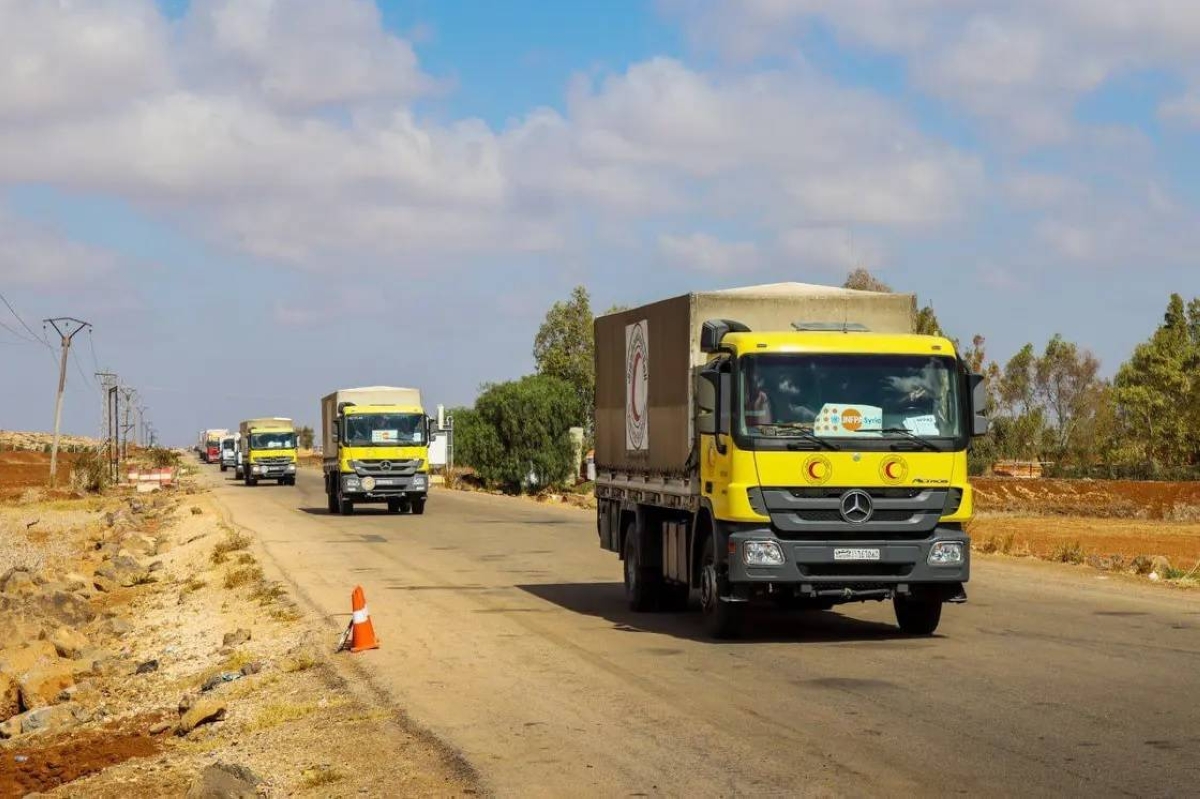
Relief and food aid convoys from the Syrian Arab Red Crescent entered the Suwaida governorate on Tuesday via the Bosra al-Harir crossing in the Daraa countryside. This comes as part of ongoing efforts to provide humanitarian support to affected areas in southern Syria, according to the Syrian Arab News Agency (SANA).
Emphasis on facilitating the entry of aid
The Syrian Foreign Ministry reiterated that there are no restrictions preventing aid from reaching the southern regions of the country, including the governorates of As-Suwayda and Daraa. This statement followed a meeting with several Syrian security officials, during which the ministry called for strengthening the humanitarian response for those affected in these areas.
The Syrian Foreign Ministry noted that more than 12 aid convoys have been sent to Sweida since the beginning of the crisis, calling on donor countries to increase the amount of funding directed to humanitarian programs in the country.
Background of the conflict and its repercussions
The Suwaida governorate witnessed a week of fierce clashes last July between Druze fighters and Bedouin tribes. Government security forces intervened to stop the fighting, which resulted in the displacement of approximately 200,000 people, according to UN estimates.
Since July 19, the province has been under a ceasefire following bloody clashes that left hundreds dead. In this context, Syrian President Ahmed al-Sharaa affirmed the unity of Syrian territory, noting that there are “parties that are emboldened by Israel,” but they will not be able to achieve their goals.
International reactions and human rights reports
Meanwhile, France welcomed the publication of the recently released report by the Independent International Commission of Inquiry on Syria on violations committed against civilians in the Sahel and central-western regions between January and March 2025. France considered the document a major step towards uncovering the facts and ensuring accountability for those responsible for these violations.
The French Foreign Ministry stressed that the recommendations contained in the report must be fully implemented, as the Syrian authorities have committed to doing, in order to contribute to consolidating civil peace, preventing the recurrence of crimes, and protecting civilians.
Positions of the different parties
In a related context, Syrian Foreign Minister Asaad al-Shaibani sent a letter to the head of the Independent International Commission of Inquiry, Paulo Sergio Pinheiro, in which he affirmed the Syrian government’s position regarding the report and its commitment to addressing the issues raised in it.
Regional and international context
The Kingdom of Saudi Arabia plays a significant diplomatic and regional role in the Syrian crisis. Riyadh supports efforts to achieve stability and peace in the region through diplomatic means and constructive dialogue with the various parties involved in the Syrian conflict.
Saudi Arabia's role reflects a strategic balance : the Kingdom seeks to enhance regional stability by supporting humanitarian and political initiatives aimed at ending the conflict and achieving lasting peace for the Syrian people. It also works to mobilize international support to increase funding for humanitarian and relief programs within Syria.




Politics
Trump announces Khamenei's death: Will the balance of power in the Middle East change?
In a historic development, Trump announced the killing of Iranian Supreme Leader Ali Khamenei in US-Israeli strikes, asserting that this event paves the way for a new and easier diplomatic path with Tehran.
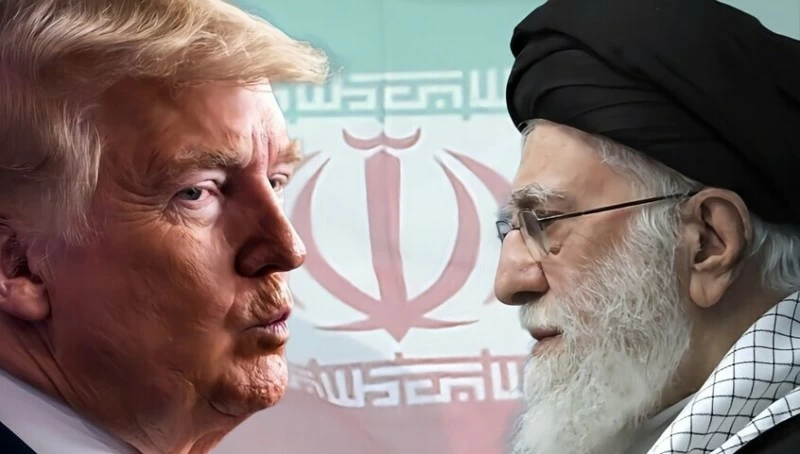
In a dramatic development described by observers as the biggest political earthquake in the Middle East in decades, US President Donald Trump officially announced the death of Iran's Supreme Leader, Ali Khamenei, following a series of joint US-Israeli airstrikes. This announcement, which brings to a close an era spanning more than three decades, opens the door to multiple scenarios for the future of relations between Washington and Tehran.
Trump's statements: Towards a new diplomatic path
In an exclusive interview with CBS News , President Trump asserted that the geopolitical landscape has fundamentally changed. He indicated that Khamenei's absence from the scene could remove the formidable obstacles that had hindered negotiations, stating that conditions are now "much easier than they were yesterday." The US president believes that these strikes, which he described as having very positive results for US national security, could be the key to forging new agreements that guarantee regional stability, expressing his complete confidence in his administration's strategy.
The end of an era and the beginning of the unknown
Ali Khamenei, who has served as Supreme Leader since 1989, succeeding the founder of the Islamic Republic, Ruhollah Khomeini, is the most powerful and influential figure in Iran. As the Supreme Leader, he has the final say on all strategic issues, including foreign policy, the nuclear program, and the military operations of the Islamic Revolutionary Guard Corps. His passing is not merely the loss of a political figure; it represents a profound upheaval within the Iranian regime, where the Supreme Leader controls the judiciary, the media, and the military.
Succession challenges and the future of the region
This event presents the ruling establishment in Tehran with a difficult historical test. According to the Iranian constitution, the Assembly of Experts is tasked with choosing the new successor, a process that could witness sharp disagreements between different factions within the regime. The international community, particularly the White House, is closely monitoring Tehran's expected reactions, amid concerns about a potential military escalation or retaliatory actions through proxies in the region.
American-Israeli alliance
The announcement that the strikes were a joint operation between the United States and Israel underscores the depth of security and military coordination between the two allies in confronting Iranian influence. Analysts believe this operation could alter the rules of engagement in the region and impose a new reality that might push Tehran either toward further intransigence or toward accepting the diplomatic path being pursued by Trump.
Politics
Iran forms a temporary leadership council after the assassination of Ali Khamenei
Iran announces the formation of a temporary leadership council comprising the president and the head of the judiciary following the assassination of Supreme Leader Ali Khamenei in US-Israeli airstrikes, amid a declaration of national mourning and regional tension.
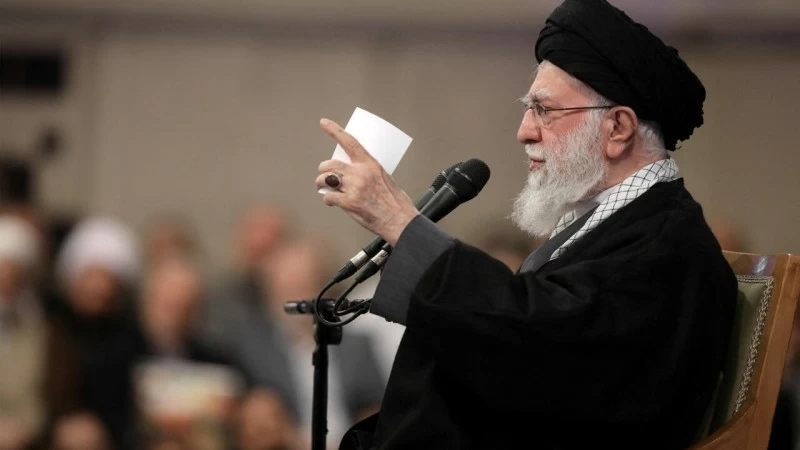
In a dramatic development that represents a historic turning point in the Middle East, the official Iranian news agency IRNA announced news that shook international political circles, confirming the temporary transfer of power in the Islamic Republic to a three-member leadership council, following the official announcement of the assassination of the country’s Supreme Leader, Ali Khamenei, in joint airstrikes carried out by US and Israeli forces.
Details of the new Transitional Council
According to the official statement, and based on the constitutional arrangements in place in Tehran, the interim leadership council consists of three key figures representing the pillars of the regime:
- Masoud Pezeshkian: The President of the Republic, who represents the executive authority.
- Gholam Hossein Mohseni Ejei: Head of the judiciary, who represents the hardline judicial wing.
- One of the jurists of the Guardian Council: to be chosen to complete the legal and legitimate quorum of the council.
This step comes to fill the sudden leadership vacuum and ensure the continued functioning of state institutions during the critical transitional phase the country is going through.
Constitutional context and mechanism for transfer of power
These procedures are based on Article 111 of the Iranian Constitution, which explicitly states that in the event of the Supreme Leader's death, removal, or resignation, the Assembly of Experts, composed of the President, the Head of the Judiciary, and one of the Guardian Council's jurists, assumes the leadership temporarily. This article also mandates that the Assembly of Experts convene immediately to begin intensive consultations to appoint the new Supreme Leader as quickly as possible—a process that could witness significant political wrangling between conservative and reformist factions within the regime.
Declaration of mourning and the repercussions of the national shock
In the first official response reflecting the magnitude of the political earthquake, the Iranian government declared a 40-day period of national mourning, a tradition deeply symbolic in Shia Islam. A full week of public holiday was also declared, with markets, educational institutions, and government offices closed, amidst an atmosphere of heightened anticipation and caution on the Iranian street.
Geopolitical dimensions and regional risks
This event comes at a highly sensitive time, as the region witnesses an unprecedented escalation. The position of Supreme Leader in Iran carries broad powers, including command of the armed forces, control of the Revolutionary Guard, and the formulation of foreign and nuclear policies. Therefore, Khamenei's removal from the scene in such a violent manner opens the door to multiple scenarios, ranging from direct military escalation in response to the assassination, to the region entering a period of strategic uncertainty and a realignment of alliances.
The international community, especially Western capitals and neighboring countries, is watching the next steps of the interim leadership council and how Tehran manages this thorny issue, amid fears that things could slide into an open confrontation that could change the map of the Middle East for decades to come.
Politics
Egypt reveals alternatives to Israeli gas after supplies halt
The Egyptian Ministry of Petroleum announces an emergency plan to secure alternatives after the cessation of Israeli gas supplies. Learn about the repercussions of the military escalation and its impact on energy supplies both locally and globally.
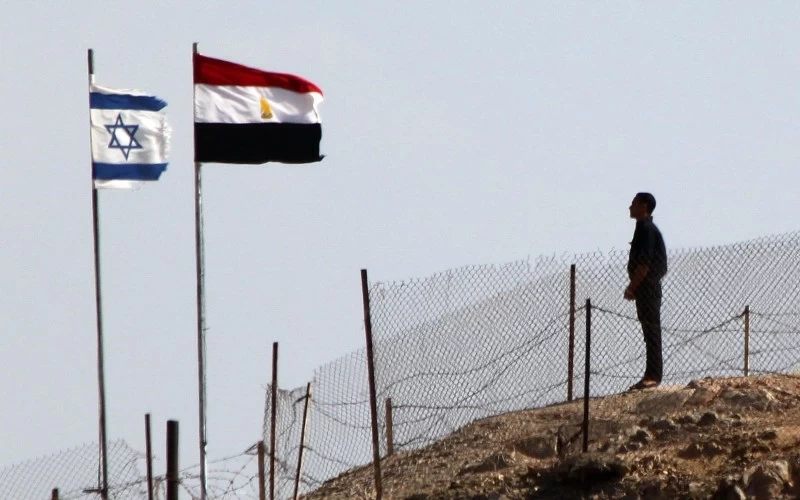
The Egyptian Ministry of Petroleum and Mineral Resources issued an official statement in response to the rapidly evolving situation in the region, which led to Israel's announcement of a suspension of natural gas supplies to Egypt. This halt, estimated at approximately 1.1 billion cubic feet per day from the Tamar and Leviathan fields in the Eastern Mediterranean, is based on the activation of the "force majeure" clause in the signed agreements, as a precautionary measure following the recent military escalation and exchange of strikes between the United States and Israel on one side, and Iran on the other.
Egypt's action plan and diversification of sources
The Ministry affirmed in its statement that it is closely monitoring all geopolitical developments and their direct impact on energy supplies in the region. In a message of reassurance to the public, the Egyptian government explained that it has a strategic plan to address such emergencies, based on diversifying energy sources and avoiding reliance on a single energy supplier. The Ministry indicated the readiness of alternative capacities, including utilizing the strategic reserve of fuel oil to operate power plants and increasing reliance on domestic production to compensate for temporary losses in the national gas grid.
Regional context and the importance of East Mediterranean gas
To understand the implications of this event, it is necessary to consider the broader context of energy relations in the region. Egypt and Israel have significant gas agreements primarily aimed at liquefying Israeli gas at Egyptian liquefaction plants (Idku and Damietta) for re-export to Europe, as well as helping to bridge a portion of Egypt's peak domestic consumption gap. These supplies are part of Egypt's ambition to become a regional energy hub, an ambition bolstered by the establishment of the East Mediterranean Gas Forum, headquartered in Cairo.
Economic and geopolitical repercussions
The supply disruptions have repercussions that extend beyond local borders. Domestically, the government is prioritizing securing the needs of power plants and factories to avoid any significant outages. Regionally and internationally, these disruptions cast a shadow over European energy security, especially with the approach of winter and the continent's reliance on liquefied natural gas (LNG) from Egypt as an alternative to Russian gas. Analysts emphasize that continued military tensions between Israel and Iran could lead to fluctuations in global energy prices, posing new challenges to emerging economies in the region.
The ministry concluded by emphasizing that the crisis management is being carried out in full coordination between all state agencies to ensure the continued flow of services to citizens and to maintain the stability of the local market despite the current regional challenges.
-

 Local News 3 days ago
Saudi Arabia approves regulations for the continued presence of Gulf vehicles: duration and penalties
-
Local News 6 days ago
The Ministry of Interior begins procedures for a royal pardon for common law prisoners
-
Local news one week ago
19 requirements to reduce dust from projects in Riyadh and fines for violators
-
Politics, one week ago
Trump plans to create a $2 billion alternative to the World Health Organization
-
Local news 18 hours ago
Jeddah Airport alerts for travelers due to airspace closure and flight disruptions
-
Culture and Art, 1 week ago
Amr Diab appears with his four sons and a highly anticipated concert in Türkiye
-
 Local news one week ago
Three billion riyals deposited as Ramadan aid for social security beneficiaries
-
Local News 5 days ago
The deadline for property registration in Hail and Riyadh is Thursday