
Politics
How did Israel assassinate the 14 Iranian scientists in "The Rising Lion"?
At least 14 Iranian nuclear scientists have been killed since Israel launched its military operation "Rising Lion" against Iran, with the support of forces

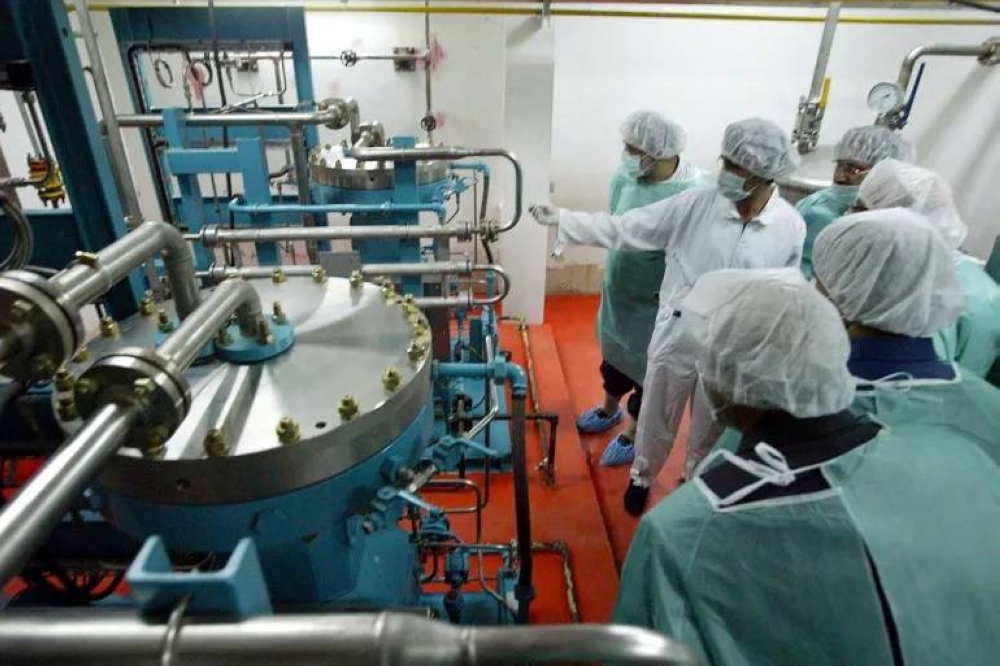
At least 14 Iranian nuclear scientists have been killed since Israel began its military operation “Rising Lion” against Iran, with the support of special forces from its intelligence agency “Mossad,” which led a series of covert operations deep inside Iran, preceding the strikes on Friday.
Two sources confirmed that some of these scientists were killed in car bombings. Simultaneously, an Iranian source stated that Israel resorted to car bombings in Tehran, according to the IRNA news agency. The source indicated that five explosive devices detonated on Sunday in various parts of the capital.
The Hebrew newspaper Maariv also reported on an assassination operation in Tehran, but did not mention any additional details.
The Hebrew Broadcasting Authority quoted an Israeli official denying the operation, stressing that Israel “did not detonate car bombs in Tehran.”.
The Israeli army had previously announced the assassination of first and second-tier leaders of nuclear scientists, namely: nuclear engineer Fereydoon Abbasi, physics expert Mohammad Mehdi Tehranchi, chemical engineer Akbar Matalebzadeh, materials engineering expert Saeed Borji, physics expert Amir Hassan Fakhei, nuclear reactor physics specialist Abdolhamid Manouchehr, nuclear engineering experts Mansour Askari and Ahmad Reza Zolfaghari Dariani, as well as mechanical scientist Ali Pakvaei Ketrami.
Israel confirmed the assassination of military leaders as well, while Iran announced the killing of Chief of Staff Mohammad Bagheri, as well as Revolutionary Guard commander Hossein Salami, Aerospace Force commander Amir Ali Hajizadeh, and 7 other prominent Aerospace Force commanders.
Since last Friday, Israel has launched a series of airstrikes against various Iranian sites, targeting a range of military locations as well as nuclear facilities, most notably Natanz, Fordow, and Isfahan. It has also threatened further attacks, asserting that it possesses a long list of targets.
Related News




Politics
A new cooperation agreement strengthens relations between Saudi Arabia and Slovakia
The Saudi Foreign Minister signed a cooperation agreement with the Deputy Prime Minister of Slovakia in Riyadh, with the aim of developing bilateral relations and discussing regional and international issues.
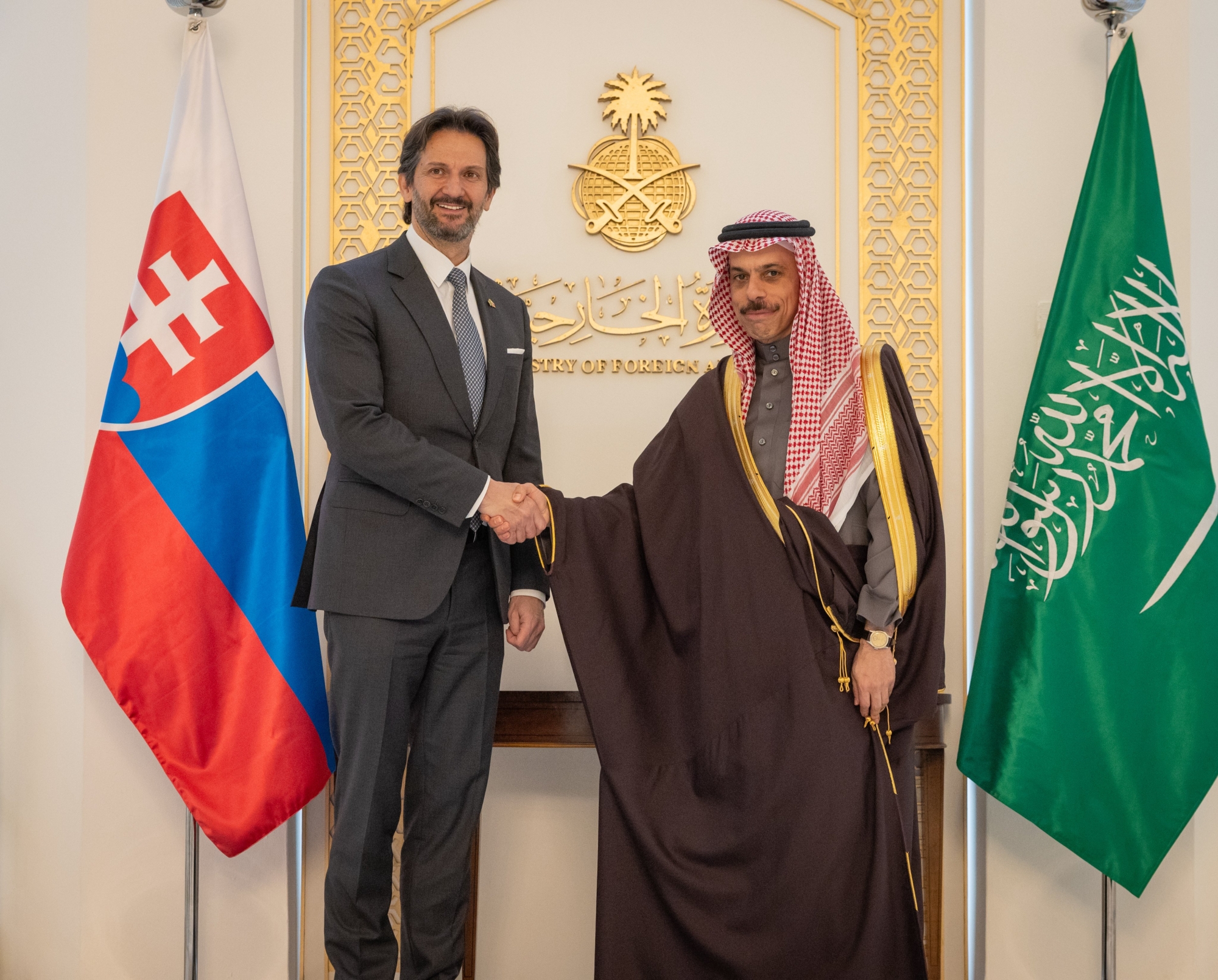
In a diplomatic move aimed at strengthening international cooperation and expanding the Kingdom’s strategic partnerships, His Highness Prince Faisal bin Farhan bin Abdullah, Minister of Foreign Affairs, received today, Monday, at the Ministry’s headquarters in Riyadh, His Excellency the Deputy Prime Minister and Minister of Defense of the Slovak Republic, Mr. Robert Kališák.
The meeting witnessed the signing of a general cooperation agreement between the government of the Kingdom of Saudi Arabia and the government of the Slovak Republic. This ambitious agreement aims to establish a legal and regulatory framework that enhances mutual understanding and opens new horizons for cooperation in various vital areas that serve the interests of both friendly countries.
During the reception, a comprehensive review was conducted of ways to strengthen bilateral cooperation relations, as the two sides discussed the opportunities available to develop joint work in the political, economic and defense sectors, especially in light of the presence of the Slovak Minister of Defense, which reflects an interest in strengthening security and military coordination and exchanging experiences between the two sides.
Strategic dimensions and important timing
This agreement comes within the context of the active diplomatic efforts led by the Kingdom of Saudi Arabia as part of its Vision 2030, which focuses on diversifying international partnerships and engaging with various global powers, including the countries of the European Union and Central Europe. Slovakia is considered an important partner in Europe, and through this agreement, both countries seek to institutionalize bilateral relations and elevate them to broader levels.
The meeting also addressed the latest regional and international developments and the efforts being made in this regard. Given the current global tensions, the importance of such meetings is highlighted in unifying perspectives and coordinating political positions on issues of common interest, thereby contributing to the strengthening of international peace and security.
High-level diplomatic presence
The reception and signing ceremony was attended by a number of senior officials, including the Undersecretary of the Ministry of Foreign Affairs for Political Affairs, Ambassador Dr. Saud Al-Sati, and the Director General of the European Department, Ambassador Abdulrahman Al-Ahmad, which confirms the importance that the Ministry of Foreign Affairs attaches to this file and to relations with the European side.
This Saudi-Slovak rapprochement reflects a shared desire to invest in the assets that both countries possess, whether in terms of strategic geographical location or economic and political weight, to achieve sustainable development and mutual interests that benefit the people of both countries.
Politics
Eight countries condemn Israeli actions in the West Bank: Joint Arab-Islamic statement
Foreign ministers of eight Arab and Islamic countries issued a joint statement condemning Israel’s actions in the West Bank, warning against annexation plans and the undermining of the two-state solution and international resolutions.
The foreign ministers of eight Arab and Islamic countries issued a strongly worded joint statement expressing their unequivocal condemnation of recent Israeli actions in the occupied West Bank. The statement, signed by the foreign ministers of Saudi Arabia, Jordan, Egypt, Turkey, the United Arab Emirates, Qatar, Indonesia, and Pakistan, affirmed their absolute rejection of any attempts to alter the legal or historical status of the Palestinian territories.
A firm rejection of the fait accompli policy
The ministers affirmed in their statement that Israeli decisions and measures aimed at imposing sovereignty over parts of the West Bank are null and void under international law. The statement indicated that these steps seek to entrench illegal settlements and impose a new administrative reality that paves the way for the de facto annexation of territory, threatening the displacement of the Palestinian people from their land—a matter the eight countries deemed a red line that cannot be crossed.
Legal context and international resolutions
Expanding on the context of the condemnation, the ministers relied on international law, stressing that these practices constitute a flagrant violation of UN Security Council resolutions, specifically Resolution 2334. This resolution, adopted by the Security Council in 2016, explicitly states the illegality of settlements in the Palestinian territories occupied since 1967, including East Jerusalem, and demands that Israel immediately and completely cease all settlement activities.
The statement also noted the advisory opinion issued by the International Court of Justice in 2024, which represents an important legal document that concluded that the continued Israeli presence in the occupied Palestinian territories is illegal, stressing the need to end the occupation and the invalidity of any measures to annex the territories.
The repercussions of undermining the two-state solution
The ministers warned that the continuation of these expansionist policies not only threatens the rights of Palestinians but also systematically undermines the two-state solution, which is the cornerstone of the peace process. They explained that Israeli actions constitute a direct attack on the inalienable right of the Palestinian people to self-determination and to establish their independent and sovereign state within the June 4, 1967 borders, with East Jerusalem as its capital.
These warnings come at a time of escalating tensions in the region, with ministers cautioning that persisting with these policies will inevitably fuel violence and conflict, threatening both regional and international security and stability.
A call to the international community
In closing, the foreign ministers reiterated their call upon the international community to uphold its moral and legal responsibilities and take immediate action to compel Israel to cease its dangerous escalation and the inflammatory statements made by its officials. They emphasized that the only path to achieving a just and comprehensive peace lies in adherence to international law and the Arab Peace Initiative, thereby guaranteeing the rights of all parties and ensuring lasting security in the region.
Politics
Trump hosts Chinese President in Washington to discuss trade issues
US President Donald Trump announced that Chinese President Xi Jinping is expected to visit Washington later this year to discuss trade issues and strengthen relations between the two countries.
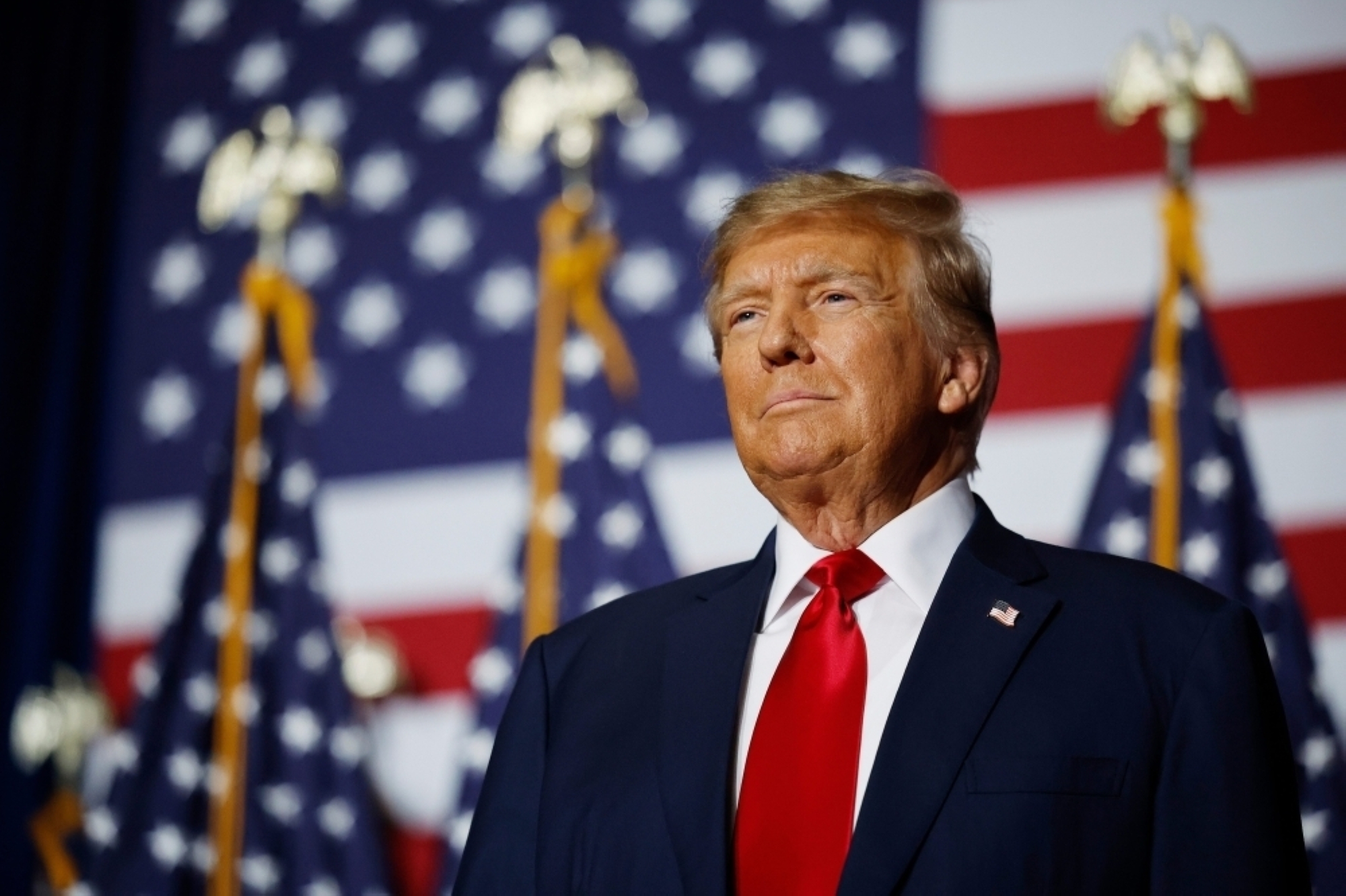
In a significant development in international relations between the world's two largest economies, US President Donald Trump confirmed that he will host his Chinese counterpart, Xi Jinping, at the White House near the end of this year. This anticipated visit is a pivotal step towards discussing numerous contentious issues, with trade matters expected to top the agenda between the two leaders.
Details of the presidential declaration
President Trump told the media, clarifying the nature of the upcoming meeting, "Xi will be coming to the White House toward the end of the year. These two countries (the United States and China) are the most powerful in the world, and we have a very good relationship." This statement reflects the US administration's desire to maintain open and direct channels of communication with Beijing, despite the occasional political and economic tensions.
Context of economic and trade relations
This visit is of paramount importance given the historical context of trade relations between Washington and Beijing. Trade has always been the primary driver, and simultaneously, the central point of contention, between the two countries. Through this highly anticipated summit, both sides seek to overcome the obstacles posed by protectionist policies and reciprocal tariffs in the past. The meeting of the leaders of the world's two largest economies aims not only to resolve bilateral issues but also to send reassuring signals to global markets, which are directly affected by any tension in Sino-American relations.
The importance of strategic dialogue and its global impact
The importance of the Chinese president's visit to Washington extends beyond the economic sphere to include geopolitical dimensions. Coordination between the United States and China is crucial for the stability of the international order. Observers believe this meeting could pave the way for broader understandings on regional security, technology, and climate issues. Trump's description of the two countries as "the most powerful in the world" places a significant responsibility on the two leaders to find common ground that ensures global stability.
Towards building trust and mutual respect
On the other hand, and underscoring the positive atmosphere preceding the meeting, Chinese President Xi Jinping remarked to his American counterpart, Donald Trump, in a recent phone call that "outstanding issues can be resolved in an atmosphere of mutual respect." Xi emphasized the importance of a step-by-step approach, stating, "By addressing issues one by one and continuing to build mutual trust, we can find the right path for harmony between our two countries." These remarks indicate Beijing's willingness to adopt quiet diplomacy and constructive dialogue as an alternative to confrontation, thus raising expectations for the outcome of this anticipated summit in Washington.
-

 Local News 5 days ago
Launch of the city's shuttle bus service in Ramadan 1447 AH: Routes and stations
-
Local news one week ago
Rabigh inaugurates the world's largest water innovation oasis and enters the Guinness World Records
-
Culture and Art 6 days ago
The series "Rouh OFF" was permanently canceled by a decision of the Actors' Syndicate
-
Culture and Art 4 days ago
Yasser Galal and Radwa El Sherbiny: Details of a new artistic project that brings them together
-
Local News 7 days ago
Schedule of Taraweeh and Tahajjud prayers at the Two Holy Mosques for Ramadan 1447 AH
-
Local News 5 days ago
The Ministry of Education revokes the licenses of 74 private schools due to safety and quality violations
-
Local News 7 days ago
Saudi Arabia weather: Rain in Riyadh, the Eastern Province, and Qassim, and dense fog
-
Local News 4 days ago
Mohammed Al-Rasasmeh appointed as official spokesperson for the Ministry of Municipalities and Housing


