
Politics
Hamas agrees, Netanyahu rejects temporary truce
Hamas agrees to a temporary truce, while Netanyahu faces internal pressure to reject it, increasing tensions over the deal for Israeli prisoners in Gaza.

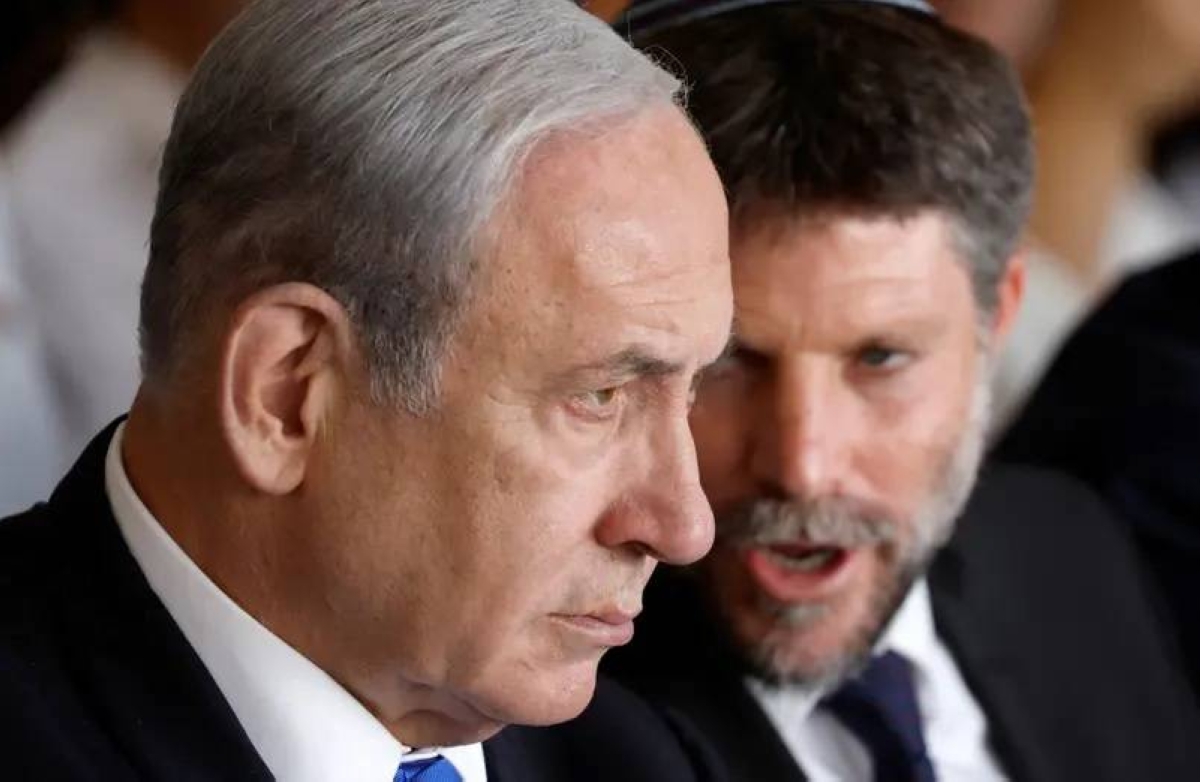
Political tensions in Israel over the prisoner exchange deal
The Israeli government, led by Prime Minister Benjamin Netanyahu, is facing increasing pressure regarding the possibility of a partial deal to release Israeli prisoners held in the Gaza Strip. This pressure comes amid strong objections from his coalition partners, particularly from far-right ministers within his Likud party.
Internal and external pressures
Informed Israeli sources indicate that Netanyahu is inclined to reject any partial deal due to pressure from his political allies. However, his stance could change if US President Donald Trump asks him to approve such a deal. Netanyahu faces strong opposition from prominent ministers such as Finance Minister Bezalel Smotrich and National Security Minister Itamar Ben-Gvir, who have strongly criticized any partial plan.
Smotrich pointed to what he described as the weakness of the Israeli leadership, emphasizing that there was no room for compromise and rejecting any partial agreement. Ben-Gvir, meanwhile, stressed his rejection of partial and temporary solutions, asserting that the days of making partial agreements were over.
Differing views within the government
In contrast, Foreign Minister Gideon Sa'ar and Shas party leader Ariel Deri expressed their willingness to discuss a partial agreement that could lead to the release of half of the Israeli captives held in Gaza as an initial step. This stance reflects the division within the government regarding how to handle this sensitive issue.
Popular protests and family pressure
Protests and demonstrations by families of prisoners continue in Tel Aviv, pressuring the government to move forward with a ceasefire agreement that would lead to the release of their loved ones. These protests add a popular dimension to the political pressure facing Netanyahu's government.
The Palestinian proposal and international mediation
On the Palestinian side, Hamas informed the mediators of its acceptance of a proposed 20-day truce that includes the release of half of the Israeli captives as an initial step, with a pledge to resume negotiations later to discuss a permanent solution. A well-informed Palestinian source confirmed that the mediators provided assurances that the agreement would be implemented and that negotiations would continue to achieve a comprehensive settlement.
It is reported that approximately 20 Israeli prisoners remain in captivity in the besieged Gaza Strip, while around 30 others have died. Meanwhile, thousands of Palestinian prisoners have been languishing in Israeli prisons for many years.
Analysis of the current situation
These developments reflect the complexities of the political and security landscape between Israel and the Palestinians. While some parties seek to achieve progress, however limited, through partial agreements, there remain strong voices opposing this for political and ideological reasons.
The Kingdom of Saudi Arabia , although not mentioned directly in the current context, plays a pivotal role by supporting diplomatic efforts to achieve comprehensive stability and peace in the region, thus enhancing its position as an influential diplomatic power seeking to achieve strategic balance between the various parties.


Politics
Saudi Arabia discusses with Kuwait and Syria the repercussions of Iranian attacks
The Saudi Foreign Minister held talks with his Kuwaiti and Syrian counterparts to condemn the Iranian attacks, stressing the Kingdom's solidarity with Kuwait and its right to defend its territory.

As part of the intensive diplomatic efforts led by the Kingdom of Saudi Arabia to enhance security and stability in the region, His Highness Prince Faisal bin Farhan bin Abdullah, Minister of Foreign Affairs, held important telephone talks today (Saturday) with his counterparts in the State of Kuwait and the Syrian Arab Republic, which addressed the rapid and dangerous developments taking place in the region as a result of the recent Iranian attacks.
His Highness the Foreign Minister began his diplomatic efforts by making a telephone call to His Excellency the Foreign Minister of the sisterly State of Kuwait, Sheikh Jarrah Jaber Al-Ahmad Al-Sabah. The call focused on discussing the repercussions of the brutal Iranian aggression that targeted Kuwaiti territory and several other countries in the region. During the call, both sides expressed their strong condemnation and absolute denunciation of these hostile acts, which constitute a flagrant violation of international norms and laws, and a direct threat to regional security and peace.
In reaffirming the deep fraternal ties and shared destiny that bind the Gulf Cooperation Council (GCC) states, Prince Faisal bin Farhan reiterated the Kingdom of Saudi Arabia's unwavering position and complete solidarity with the sisterly State of Kuwait. His Highness emphasized the Kingdom's unwavering support for Kuwait and its commitment to utilizing all Saudi resources and capabilities to assist and support Kuwait in all measures it takes to preserve its security, stability, and territorial integrity, stressing that Kuwait's security is an integral part of the Kingdom's own security.
In a related development, the Foreign Minister received a telephone call from his Syrian counterpart, His Excellency Mr. Asaad Hassan Al-Shaibani, during which they reviewed the latest developments in the region and discussed the current dangerous escalation. Both sides agreed on the gravity of the current situation, which necessitates joint Arab coordination to confront the challenges.
Both the Saudi and Syrian sides strongly condemned the brutal Iranian attacks targeting the Kingdom of Saudi Arabia and several neighboring countries. In this regard, they affirmed the Kingdom's legitimate right to take all necessary measures to protect its territory, ensure the safety of its citizens and residents, and deter any aggression that threatens its national resources and achievements.
These contacts come at a time when the region is witnessing increasing geopolitical tensions, reflecting the importance of the leading role played by the Kingdom of Saudi Arabia in unifying the Arab ranks and coordinating diplomatic positions to reduce threats that destabilize the Middle East, and to emphasize the need to respect the sovereignty of states and good neighborliness.
Politics
Widespread Arab condemnation of Iranian attacks on Saudi Arabia
Arab states strongly condemn the Iranian attacks on Riyadh and the Eastern Province, affirming their full solidarity with Saudi Arabia and its right to defend its sovereignty and the security and stability of the region.
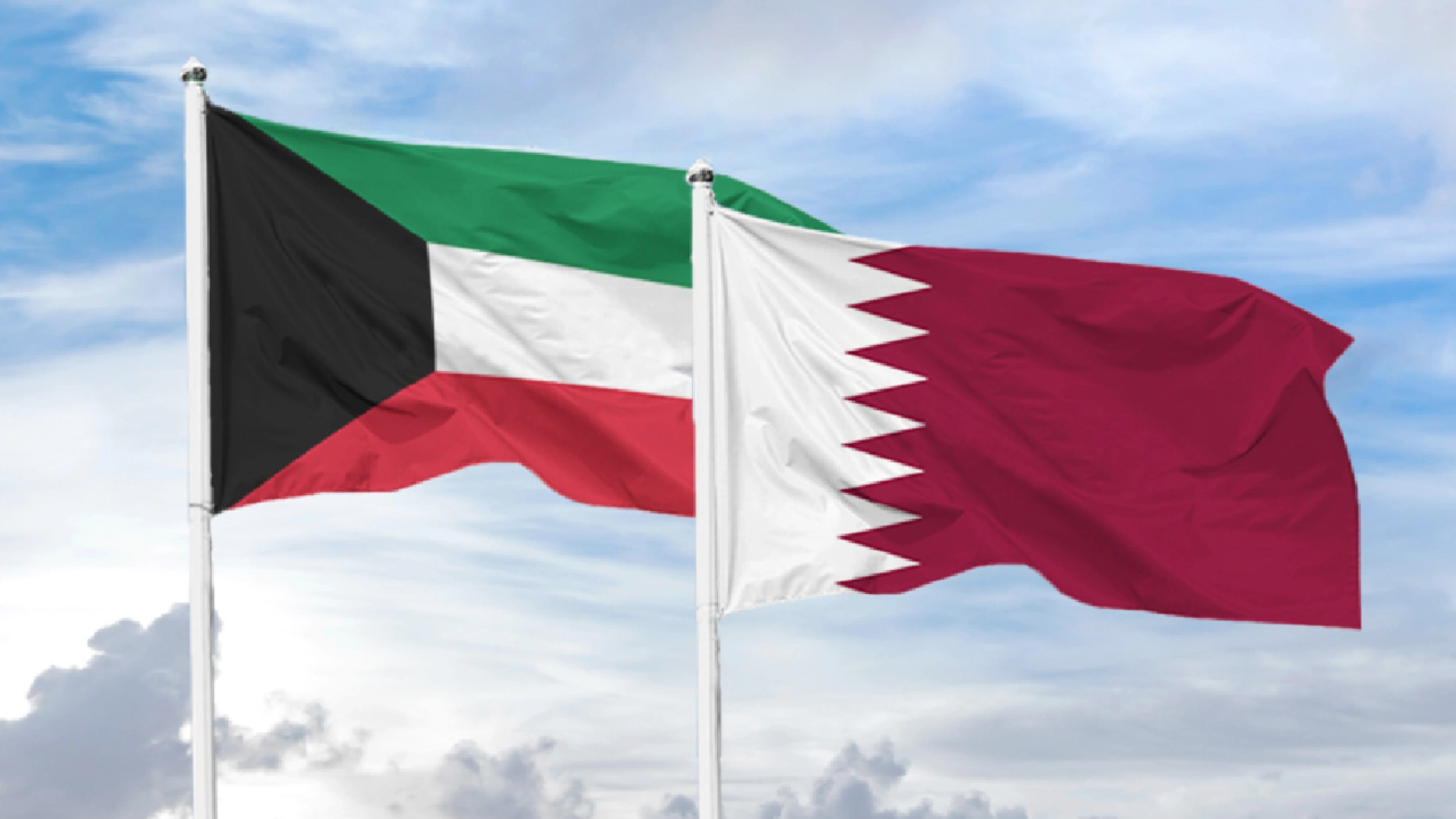
The region witnessed a wave of widespread Arab condemnation and strong denunciation on Saturday following the Iranian attacks targeting the Saudi capital, Riyadh, and the Eastern Province, which were successfully thwarted. Arab capitals expressed their complete solidarity with the Kingdom of Saudi Arabia, affirming that any threat to the Kingdom's security is a threat to Arab and regional national security.
Firm Gulf and Arab stances
Among the first to condemn the attacks, the Kuwaiti Ministry of Foreign Affairs strongly denounced them, describing them as a flagrant violation of international law and the UN Charter. Kuwait emphasized its full solidarity with the Kingdom of Saudi Arabia and its unwavering support for all measures taken to preserve its sovereignty, security, and stability, considering Saudi Arabia's security an integral part of Kuwait's own.
In the same vein, the State of Qatar issued a statement affirming that these attacks constitute a blatant violation of the Kingdom's sovereignty and an unacceptable military escalation that threatens the security and stability of the entire region. Doha expressed its full solidarity with Riyadh in all the steps it takes to deter these attacks and protect its territory.
For its part, the United Arab Emirates strongly condemned the Iranian missile attacks, describing them as a blatant act that violates national sovereignty and the principles of international law. The UAE affirmed its unwavering support for the targeted sister nations, emphasizing the principle that "the security of sister nations is indivisible," and that any threat to one of the Gulf states is a direct threat to the security of the entire region.
Jordan also joined the chorus of condemnation, denouncing in the strongest terms the Iranian attacks and affirming its categorical rejection of these attacks, which constitute a violation of Saudi sovereignty and a dangerous escalation threatening regional peace. Jordan expressed its absolute solidarity with the Kingdom and its support for all measures taken by Saudi Arabia to protect its citizens and resources.
The Saudi position and the regional context
The Kingdom of Saudi Arabia expressed its categorical rejection and condemnation of these attacks, stating that they cannot be justified under any pretext. The Kingdom emphasized a crucial point in the context of these events: these attacks occurred despite Riyadh's previous assurances that it would not allow its airspace or territory to be used to attack Iran, thus demonstrating the aggressive nature of these attacks. The Kingdom affirmed its right to respond and take all necessary measures to defend its security and protect its territory, citizens, and residents.
The importance of regional stability
These condemnations come at a time of sensitive geopolitical challenges in the region. The targeting of Riyadh and the Eastern Province is seen not only as an attack on a specific state, but also as an attempt to destabilize global energy supplies and threaten international shipping lanes, given the strategic and economic importance of the Eastern Province. The Arab consensus on condemnation underscores the awareness among the region's countries of the gravity of these escalations and the necessity of a collective response in accordance with international conventions that criminalize attacks on sovereign states.
Politics
Crown Prince and Macron discuss the repercussions of Iranian attacks and regional security
Crown Prince Mohammed bin Salman received a call from the French President to discuss the escalation. His Highness affirmed his condemnation of the Iranian attacks and the Kingdom's readiness to defend its territory and sovereignty.

His Royal Highness Prince Mohammed bin Salman bin Abdulaziz Al Saud, Crown Prince and Prime Minister, received a telephone call today from His Excellency President Emmanuel Macron, President of the French Republic, as part of the ongoing consultations between the two leaderships regarding the rapidly evolving developments on the regional and international scenes.
During the call, the serious developments in the Middle East region were discussed, along with the worrying repercussions of the ongoing military escalation and its direct effects on the security and stability of the region, in addition to exploring ways to spare the region the risks of sliding into further tension.
A firm stance and a defense of sovereignty
During the telephone conversation, His Royal Highness the Crown Prince reaffirmed the Kingdom of Saudi Arabia's firm and unwavering stance in condemning the Iranian missile attacks targeting the Kingdom's territory and several other brotherly nations. He emphasized that the Kingdom will not hesitate to take all necessary and deterrent measures to defend its territory, resources, and people, while simultaneously expressing full support for the brotherly nations in all steps and measures they take to preserve their sovereignty, security, and stability against any external aggression that threatens their territorial integrity.
The depth of the Saudi-French partnership
This call reflects the depth of the strategic relationship between Riyadh and Paris, with France being a pivotal European partner for the Kingdom on numerous political, security, and economic issues. Relations between the two countries are characterized by a long history of joint coordination on Middle Eastern issues, often aligning on the need to promote stability, combat terrorism, and respect the sovereignty of nations. President Macron's contact with His Royal Highness the Crown Prince underscores the leading and central role played by the Kingdom of Saudi Arabia as a stabilizing force in the region and the most influential player in the regional security equation.
The repercussions of the escalation on international security
These discussions are of paramount importance under the current circumstances. The Arabian Gulf and the Middle East represent the lifeblood of the global economy and a vital energy artery, and any threat to their security directly and negatively impacts international peace and security. Military escalation and missile attacks not only threaten the security of the targeted countries but also undermine international diplomatic efforts aimed at de-escalating tensions and building a prosperous future for the peoples of the region. Therefore, Saudi Arabia's diplomatic efforts aim to garner international support in rejecting these violations and ensuring adherence to international laws and conventions that criminalize attacks on the sovereignty of states. This underscores the Kingdom's commitment to exhausting all diplomatic avenues while maintaining its full military readiness.
-

 Local news two days ago
Saudi Arabia approves regulations for the continued presence of Gulf vehicles: duration and penalties
-
Local News 5 days ago
The Ministry of Interior begins procedures for a royal pardon for common law prisoners
-
Local news one week ago
19 requirements to reduce dust from projects in Riyadh and fines for violators
-
Sports one week ago
Dates for the Al-Nassr vs. Al-Wasl match in the 2026 AFC Champions League quarter-finals
-
Politics, one week ago
Trump plans to create a $2 billion alternative to the World Health Organization
-
Culture and Art, 1 week ago
Amr Diab appears with his four sons and a highly anticipated concert in Türkiye
-
 Local news one week ago
Three billion riyals deposited as Ramadan aid for social security beneficiaries
-
Sports one week ago
Laporta attacks refereeing: A systematic conspiracy against Barcelona


