
Politics
Gaza Administration: A temporary Palestinian committee from the people of the Gaza Strip
Palestinian factions agree on a temporary administration for Gaza to improve humanitarian conditions and promote stability amid international reconstruction efforts.

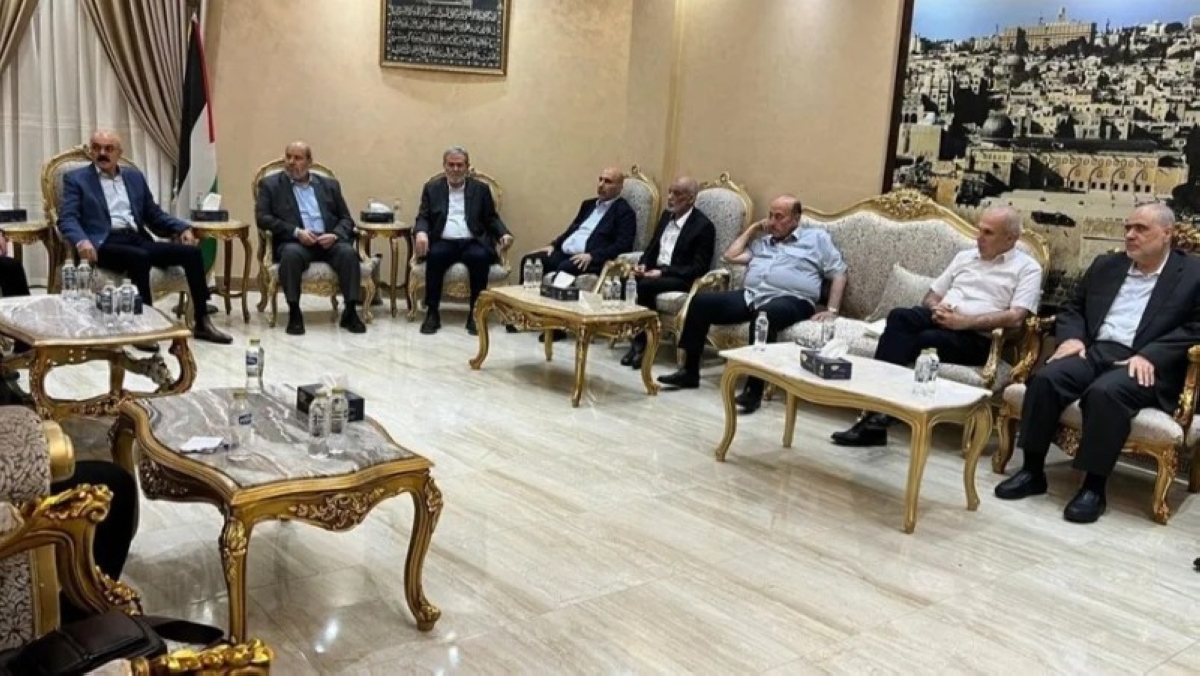
Palestinian factions agree on a temporary administration for Gaza amid international reconstruction efforts
In a move aimed at bolstering stability and improving the humanitarian situation in the Gaza Strip, Palestinian factions, meeting in Cairo, agreed to form a temporary committee of Gazans to manage its affairs. This decision comes amidst ongoing challenges facing the region, and the factions declared their support for the continued implementation of the ceasefire agreement with Israel, including the withdrawal of Israeli forces and the complete lifting of the blockade on the Gaza Strip.
Palestinian consensus: A step towards unity
The factions meeting in Cairo emphasized the need to adopt a unified national stance and a political vision based on unity of purpose to confront current challenges. These forces stressed their rejection of all forms of annexation and displacement, noting the importance of collective action to achieve national goals.
In this context, it was agreed to hand over the administration of the Gaza Strip to a temporary Palestinian committee composed of independent technocrats from the Strip. This committee will manage essential services and daily life in cooperation with Arab states and international organizations, reflecting the desire of all parties involved to achieve lasting stability and improve the living conditions of Gaza's residents.
Reconstruction: A top priority
The factions announced the formation of an international committee to oversee the funding and implementation of a comprehensive reconstruction process for the Gaza Strip. This announcement comes as part of efforts to alleviate human suffering and improve infrastructure damaged by the ongoing conflict.
In the context of strengthening security and stability, the factions stressed the importance of taking all necessary measures to maintain security within the Gaza Strip. They also called for a UN resolution to establish a temporary UN force to monitor the ceasefire and ensure compliance with it.
Prisoners' rights and the call for national unity
The factions demanded an end to all forms of torture and abuse against Palestinian prisoners in Israeli jails, stressing the need to adhere to international human rights laws and conventions. They also called for continued joint efforts to unify visions and positions in order to confront common challenges.
In a related context, the factions called for an urgent meeting of all Palestinian forces and factions to agree on a national strategy and to activate the Palestine Liberation Organization as the sole legitimate representative of the Palestinian people.
The Egyptian and Saudi role: Supporting stability and consensus
Egypt plays a pivotal role in hosting and supporting these talks between Palestinian factions, aiming to reach a consensus that contributes to achieving peace and stability in the region. Saudi Arabia also supports stabilization and reconstruction efforts by providing the necessary political and economic support to ensure the success of these initiatives.
Analysis:
These developments reflect a clear desire among the parties involved to improve the humanitarian and living conditions of Gaza's residents through practical and well-considered steps. Cooperation between Arab states and international institutions is a crucial element for achieving the goals of reconstruction and lasting stability in the region.


Politics
Mohammed bin Salman and Erdogan discuss strengthening relations in Riyadh
Crown Prince Mohammed bin Salman received Erdogan at Al-Yamamah Palace. Official talks addressed strengthening bilateral relations, investment opportunities, and regional issues.

In a move reflecting the depth of the growing relations between the two regional powers, His Royal Highness Prince Mohammed bin Salman bin Abdulaziz, Crown Prince and Prime Minister, received this evening at the Royal Court in Al-Yamamah Palace in Riyadh, His Excellency President Recep Tayyip Erdoğan, President of the Republic of Turkey, where an official reception ceremony was held for His Excellency befitting the level of fraternal relations between the two countries.
An extensive and comprehensive session of talks
The Crown Prince and the Turkish President held an expanded official meeting, which began with His Royal Highness Prince Mohammed bin Salman welcoming President Erdoğan to the Kingdom of Saudi Arabia. The Turkish President expressed his great pleasure at this visit and at meeting with His Royal Highness the Crown Prince. The discussions focused on reviewing the prospects for bilateral relations between the two brotherly countries and exploring ways to develop them in various political, economic, and defense fields.
Context of the visit and its strategic importance
This visit comes at a crucial time, as Saudi-Turkish relations are witnessing active diplomatic and economic engagement aimed at establishing a new phase of strategic cooperation. These talks are of paramount importance given the political and economic weight of both countries in the Middle East, as they seek to align their joint efforts to achieve the goals of Saudi Arabia's Vision 2030 and Turkey's development plans, particularly in the energy, investment, defense industries, and trade sectors.
The talks also touched in depth on the rapidly evolving events in the region and the world, where the importance of joint coordination and efforts to enhance regional and international security and stability, and to confront the current challenges facing the region, was emphasized.
High-level attendance from both sides
The large ministerial presence from both sides reflected the comprehensiveness of the discussions and the diversity of the issues raised. The Saudi side was represented by: Minister of Energy Prince Abdulaziz bin Salman, Minister of State Prince Turki bin Mohammed bin Fahd, Deputy Governor of Riyadh Prince Mohammed bin Abdulrahman, Minister of Sports Prince Abdulaziz bin Turki bin Faisal, Minister of the National Guard Prince Abdullah bin Bandar, Minister of Defense Prince Khalid bin Salman, Minister of Foreign Affairs Prince Faisal bin Farhan, Minister of Culture Prince Badr bin Abdullah, National Security Advisor Dr. Musaed Al-Aiban, Minister of Commerce Dr. Majid Al-Qasabi, Minister of Finance Mr. Mohammed Al-Jadaan, Minister of Investment Engineer Khalid Al-Falih, Minister of Transport Engineer Saleh Al-Jasser, and the Kingdom’s Ambassador to Turkey Fahd Abu Al-Nasr.
The Turkish delegation included ministers and senior officials, including: Foreign Minister Hakan Fidan, Family Minister Mahinur Ozdemir, Energy Minister Alparslan Bayraktar, Youth and Sports Minister Osman Aşkin Bak, Finance Minister Mehmet Şimşek, Defense Minister Yaşar Güler, Health Minister Kemal Memişoğlu, Industry Minister Mehmet Fatih Kacır, Trade Minister Ömer Polat, Intelligence Chief İbrahim Kalın, Head of Defense Industries Haluk Gürgün, and a number of senior advisors and officials in the Turkish Presidency.
Politics
Trump demands $1 billion in damages from Harvard amid political accusations
Donald Trump is demanding $1 billion in damages from Harvard University and deciding to sever ties, accusing the university of anti-Semitism and extreme leftism in an escalating legal and financial battle.
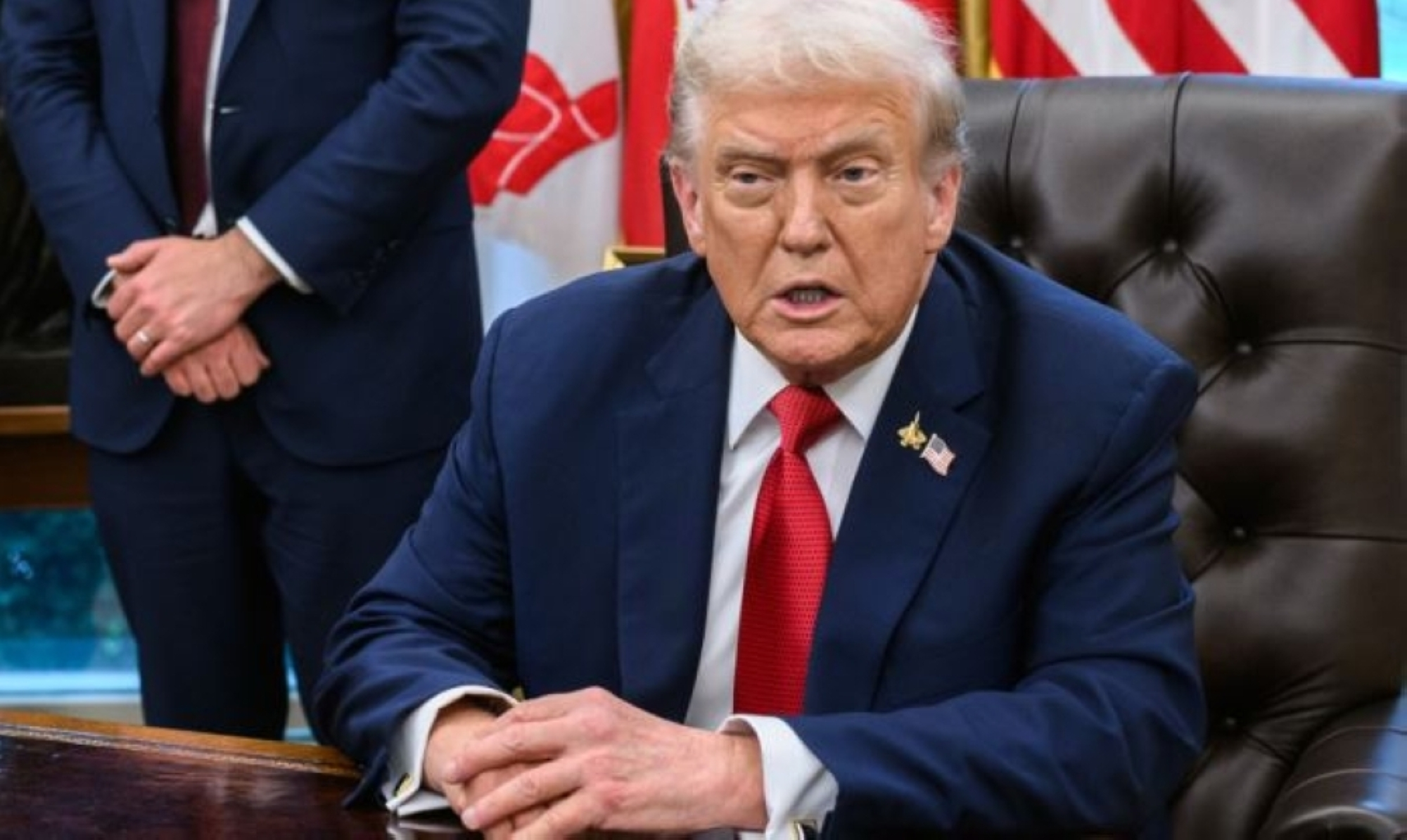
In an unprecedented escalation of the strained relationship between the White House and prestigious academic institutions, US President Donald Trump announced that his administration intends to demand substantial financial compensation from Harvard University, amounting to $1 billion. This announcement came via a post on the social media platform TruthSocial, where Trump affirmed his intention to sever all future ties with the university. He cited unspecified damages in his post, but linked them to a broader ideological and political context.
This demand comes amid a heated legal and administrative battle. Last December, the Trump administration appealed a previous court ruling that deemed the government's withholding of more than $2 billion in federal grants to Harvard University illegal. The administration insists on its right to freeze or cancel this research funding, a move that would severely impact the finances of one of the world's richest and most prestigious universities.
The US president bases his ongoing attacks on Harvard on accusations that the university has become susceptible to what he calls "anti-Semitic ideologies" and "radical leftist" tendencies. This stance reflects a broader conflict between the Republican Party and prestigious American universities (the Ivy League), where conservatives accuse these institutions of failing to protect Jewish students, allowing hate speech to flourish under the guise of free speech, and promoting liberal agendas that, in their view, conflict with traditional American values.
Historically and financially, major research universities like Harvard rely heavily on federal funding to support scientific and medical discoveries. Therefore, Trump's threat to cut funding and demand compensation is not merely a political maneuver; it poses an existential threat to the existing scientific research model in the United States and could negatively impact the university's global academic standing if these threats are carried out.
Trump had indicated earlier last year that his administration was close to reaching a settlement with Harvard involving a $500 million payment from the university after months of negotiations over its internal policies. However, the current demand for $1 billion suggests that those negotiations have collapsed and that the situation is heading toward further legal and political escalation, making the future of the relationship between Washington and America's oldest university fraught with risk and uncertainty.
Politics
Pezeshkian agrees to talks with America: Terms and details
Iranian President Masoud Pezeshkian announces his agreement to talks with the US under specific conditions. Learn about the background of this decision and its impact on the nuclear agreement and economic sanctions.
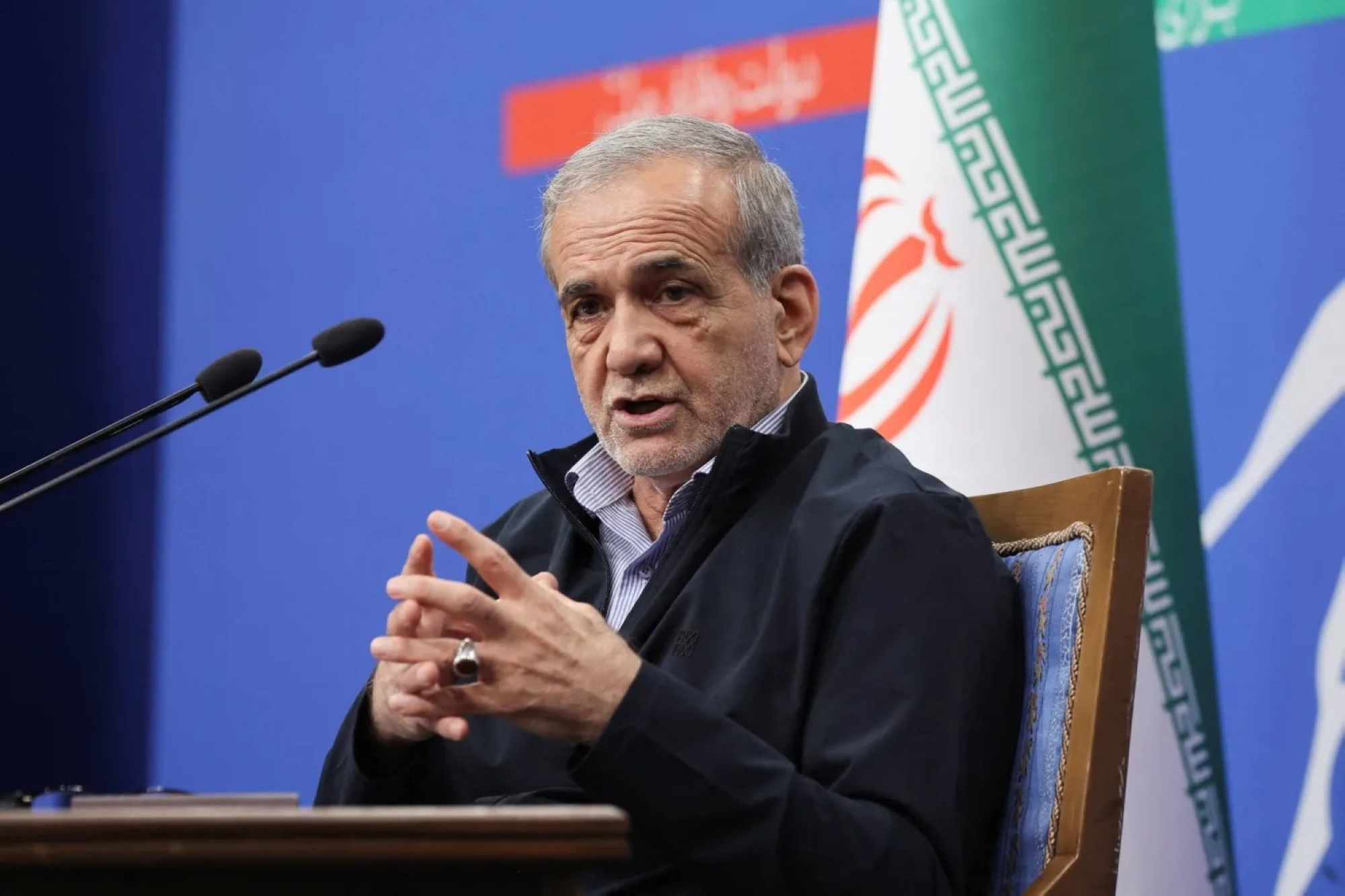
In a significant diplomatic development that could reshape the strained relations between Tehran and Washington, Iranian President Masoud Pezeshkian gave the green light on Tuesday to begin a new round of negotiations with the United States. Pezeshkian emphasized that this step is in response to Iran's supreme national interests, while also stressing the need for a healthy negotiating environment free from the language of threats and maximum pressure that characterized previous rounds.
In an official statement posted on the "X" platform, the Iranian president explained that he had given direct instructions to the foreign minister and his diplomatic team to create the appropriate conditions for fair and equitable negotiations. This Iranian move came in response to urgent demands from friendly regional countries that had played a mediating role in bridging the gap between the two sides, urging Tehran to engage positively with the proposals put forward by the US president regarding opening channels for direct dialogue.
the historical context and the complexities of the nuclear agreement
. This crisis has escalated considerably since 2018, when the United States unilaterally withdrew from the nuclear agreement (the Joint Comprehensive Plan of Action, or JCPOA) and reimposed crippling economic sanctions on Tehran. Since then, attempts to revive the agreement have repeatedly faltered due to mutual distrust and Washington's insistence on expanding its scope to include Iran's ballistic missile program and regional influence—demands that Tehran vehemently rejects.
Economic motives and internal pressures:
Observers believe that President Pezeshkian's flexibility, as a reformist, reflects a genuine desire to break the international isolation and alleviate the burden of sanctions that have crippled the Iranian economy and caused high inflation rates. This call for talks is part of Pezeshkian's campaign promises to improve the living conditions of citizens through constructive diplomacy with the West, provided that national sovereignty is preserved.
Regionally and internationally
, this potential rapprochement is of paramount importance to Middle Eastern states, as US-Iranian dialogue is seen as crucial for de-escalating tensions in the region, from maritime security in the Gulf to the complex issues in Yemen, Syria, and Lebanon. Internationally, global energy markets are watching closely for any breakthrough that might allow Iranian oil to flow freely again, potentially contributing to price stability. However, the success of this initiative hinges on Washington's willingness to offer concrete guarantees and avoid what Pezeshkian termed "unreasonable expectations."
-
 Local news one week ago
Landslide in Riyadh: Details of the incident in Al-Sahafa neighborhood and containment efforts
-

 Culture and Art, 1 week ago
Haifa Wehbe's absence in Riyadh: A photo crisis or a strained relationship with the media?
-
 Local news one week ago
Riyadh collapse: Emergency plans to secure water after a main pipeline burst
-

 Culture and Art, 1 week ago
City Kitchen series: A drama of conflict and the middle class during Ramadan
-

 Culture and Art, 1 week ago
The series "Kasra": Dawood Hussein in a moving social drama this Ramadan
-

 Local news one week ago
Applying for the 1447 Opportunities Program for Teachers via the Fares System
-

 Local News 6 days ago
Ramadan 2026 discounts in Saudi Arabia: Offers valid for 54 days
-
 Culture and Art 5 days ago
The death of artist Huda Shaarawi “Umm Zaki” and her funeral in Damascus