Politics
Secrets of the Gaza Plan: Unraveling the Mysteries and Hidden Objectives
Discover the secrets of the Gaza plan: American optimism faces challenges and ambiguity; the Sharm el-Sheikh summit document reveals hidden objectives and raises questions about the future.

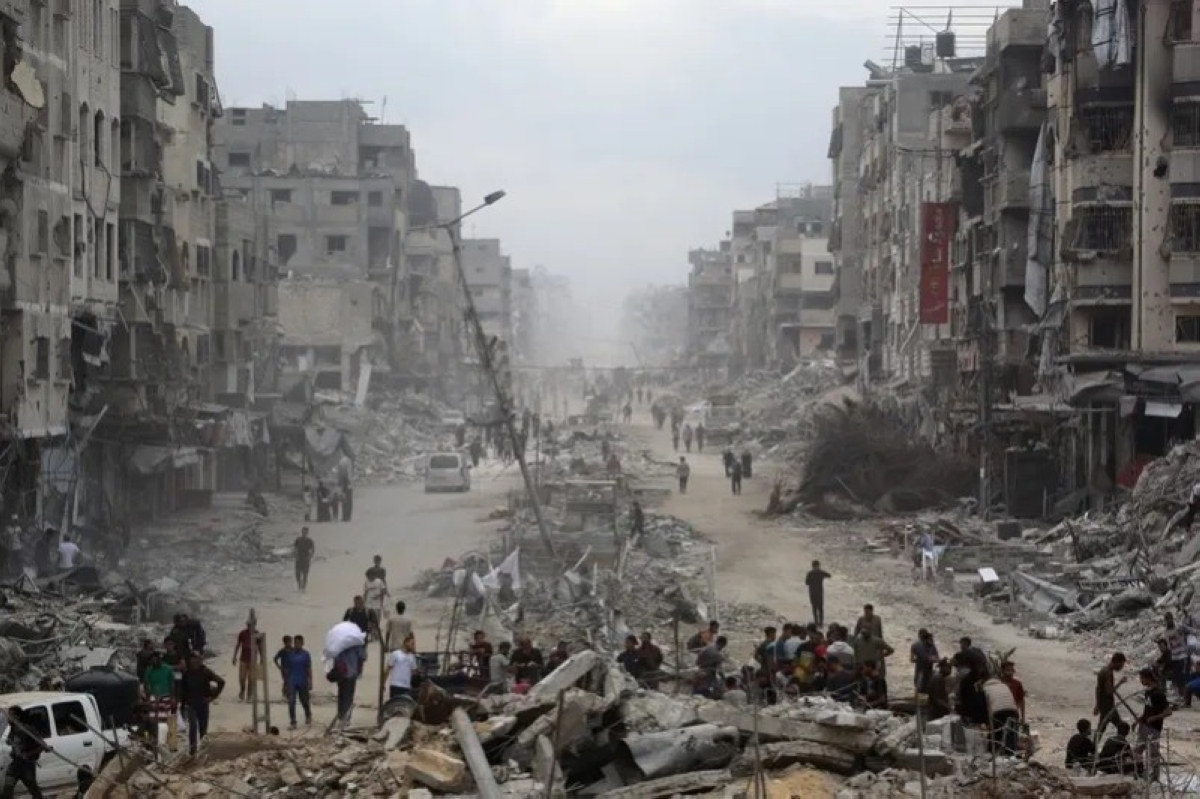
American optimism about Gaza's future: challenges and uncertainty
Following the Sharm el-Sheikh summit, the United States released a document reflecting the prevailing optimism in American circles regarding ending the conflict in Gaza. However, this document, signed by the presidents of the United States, Egypt, Turkey, and Qatar, did not include any clear security guarantees or pledges to prevent a resumption of hostilities or further bloodshed after the release of the hostages. Furthermore, it made no mention of a full or partial Israeli withdrawal from the Gaza Strip, nor of a timeline for such a withdrawal.
Ambiguous points and future challenges
The document raises numerous questions about how Hamas will be disarmed and the fate of its fighters, as well as failing to specify who will govern Gaza during the transitional period and its duration. Furthermore, the document offers no clarification regarding Palestinian self-determination or the establishment of an independent Palestinian state.
Political observers believe that several points in the proposed plan remain unresolved or unclear, raising concerns that it could collapse at any moment. These points include the disarmament of Hamas, the Israeli withdrawal, the international body that would oversee the administration of Gaza, and the security arrangements.
Positions of the concerned parties
Hamas has previously refused to surrender its weapons, arguing that this issue should be addressed internally through Palestinian-Palestinian dialogue. It has also demanded American guarantees for a complete Israeli withdrawal from Gaza. In contrast, Israel has repeatedly stated that it will not accept Hamas retaining its weapons, and the Israeli prime minister has hinted at a possible incomplete withdrawal from the Gaza Strip, despite his declared commitment to the Trump plan.
On the ground, Israeli army forces have withdrawn from most of Gaza City, Khan Yunis to the south and other areas, but they remain present in most of Rafah to the south, in towns in the far north of Gaza and along the border between the Strip and Israel.
The fate of governance in the Gaza Strip
The future of governance in the Gaza Strip remains unclear. The American plan proposes an international body to administer the Strip, overseeing Palestinian technocrats who would manage day-to-day affairs. Hamas, however, maintains that the government of Gaza should be determined by the Palestinians themselves.
The plan also discussed a possible future role for the Palestinian Authority in managing the sector, reflecting the international trend towards restoring the Palestinian Authority as a legitimate body to manage the affairs of the sector.
Saudi position and regional role
The Kingdom of Saudi Arabia plays a pivotal role in supporting regional stability and promoting diplomatic solutions to existing conflicts. Riyadh has expressed its readiness to support international efforts aimed at achieving peace and stability in the region, in line with the interests and legitimate rights of the Palestinian people.
Saudi Arabia’s positions reflect its firm commitment to supporting Arab and Islamic causes through balanced diplomatic and strategic means aimed at promoting regional security and peace.




Politics
Britain and the Netherlands summon Iranian ambassadors over Gulf attacks
Diplomatic escalation: Britain and the Netherlands summon Iran's ambassadors in protest against targeting Gulf states, and Washington sets military targets to destroy Tehran's missile and naval capabilities.

In a move reflecting escalating diplomatic tensions between European capitals and Tehran, the British and Dutch foreign ministries summoned their respective Iranian ambassadors on Wednesday to protest what they described as Iran's destabilizing role and recent attacks targeting Gulf states. This coordinated action underscores the international community's growing impatience with Iranian policies in the region.
The British position: Holding Tehran accountable is essential
The British Foreign Office announced in an official statement that the Minister for the Middle East, Hamish Falconer, summoned the Iranian ambassador to London, Seyed Ali Mousavi, to the ministry. The statement explained that this move was a direct response to "Iran's role in recent developments in the Middle East." London asserted that the Iranian regime's actions constitute a "dangerous escalation" and an attempt to drag the entire region into a wider conflict, particularly by targeting countries that have not initiated attacks.
The ministry stressed that this escalation not only threatens the security of the region but also poses a direct danger to hundreds of thousands of British citizens residing in the Gulf states, asserting firmly that “Iran must be held accountable for its actions.” As a precautionary measure, Britain temporarily withdrew some of its staff and their families from its embassy in Bahrain, while confirming that the embassy remains operational—a move reflecting the seriousness of the potential security risks.
European coordination and a firm Dutch stance
In tandem with the British move, the Netherlands took a similar step, with Dutch Foreign Minister Tom Berendsen announcing the summoning of the Iranian ambassador in Amsterdam. This summons came in response to Iranian attacks on Gulf states, demonstrating a high level of European coordination to counter Iranian threats and deliver a unified diplomatic message to Tehran.
United States: Clear military objectives
Across the Atlantic, the American position appeared more assertive and leaning toward a military option. US Secretary of State Marco Rubio stated that the United States was steadily progressing toward achieving its objectives in its military operation in Iran. Rubio, speaking on the “X” platform, precisely defined these objectives, indicating that they included “destroying missile launch sites, missile factories, and the Iranian navy,” to ensure that Tehran could not use these facilities as a cover for developing a nuclear weapon.
Evacuation of citizens and the repercussions of the crisis
Indicating the gravity of the situation on the ground, Assistant Secretary of State for Global Affairs Dylan Johnson revealed staggering figures for evacuations: more than 17,500 American citizens have returned to the United States from the Middle East since February 28, including more than 8,500 who returned yesterday alone. Johnson noted that others have left for Europe and Asia, reflecting growing concern about a full-blown conflict that could have catastrophic consequences for international peace and security.
Politics
Emergency Gulf-European ministerial meeting to discuss Iranian attacks
An emergency Gulf-European ministerial meeting will be held tomorrow with the participation of Kaya Kallas and Jassem Al-Budaiwi to discuss the repercussions of the Iranian attacks on the Gulf states and ways to stop the escalation in the region.

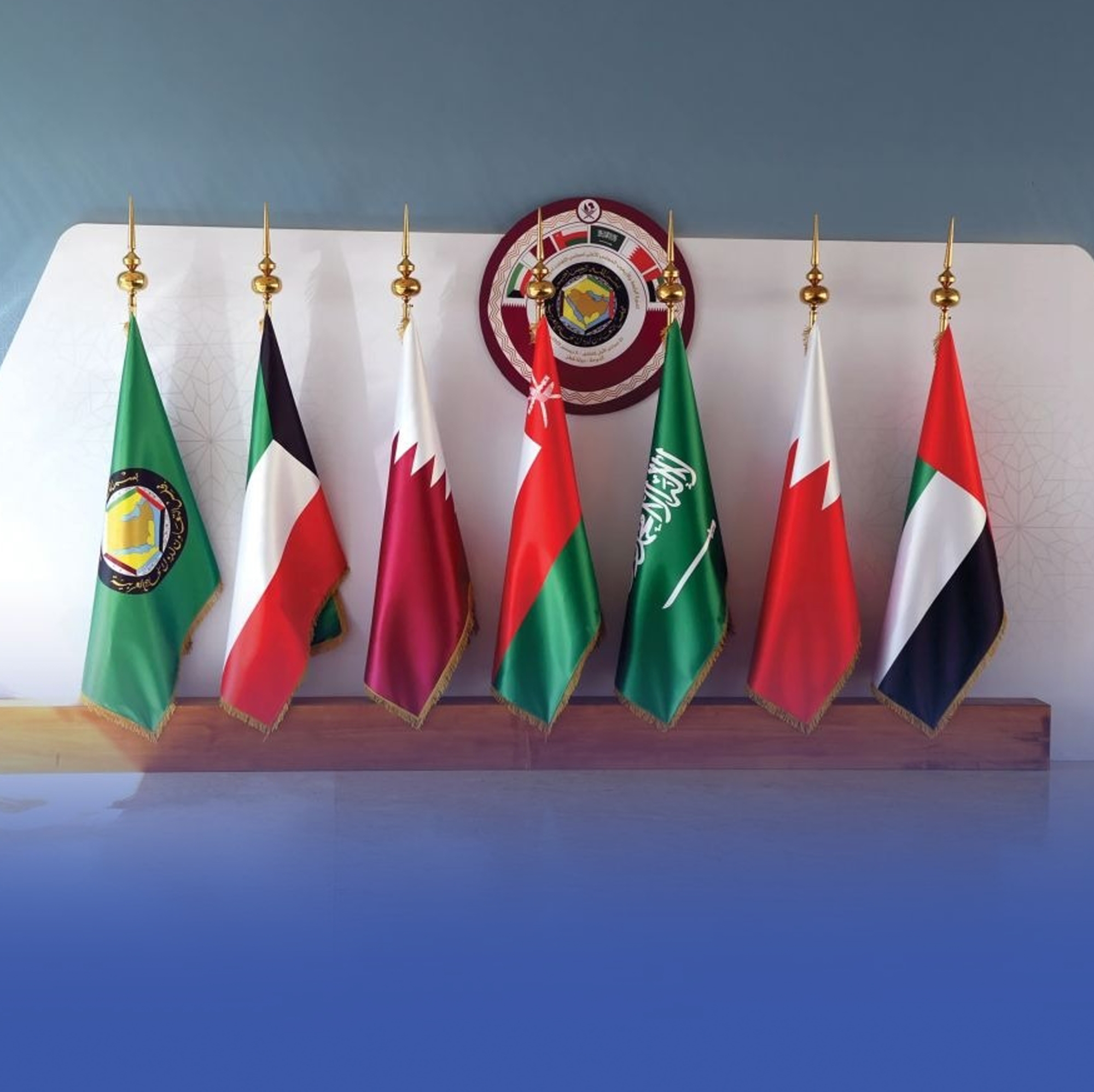
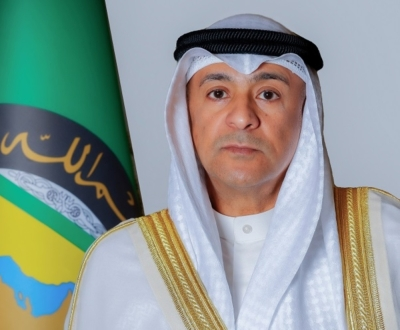
In a significant development reflecting the gravity of the current situation in the Middle East, the General Secretariat of the Gulf Cooperation Council (GCC) announced an emergency joint ministerial meeting to be held tomorrow, Thursday, bringing together the foreign ministers of the GCC member states and their counterparts from the European Union. This high-level diplomatic initiative aims to address the repercussions of the brutal Iranian attacks against GCC countries and to discuss the rapidly evolving situation that threatens regional security and peace.
Meeting details and participants
His Excellency the Secretary-General of the Cooperation Council for the Arab States of the Gulf, Mr. Jassim bin Mohammed Al-Budaiwi, explained that the meeting will witness broad participation from Their Highnesses and Excellencies the Foreign Ministers of the GCC countries and the European Union. Her Excellency Ms. Kaja Kallas, High Representative of the European Union for Foreign Affairs and Security Policy and Vice-President of the European Commission, will also participate in the meeting via video conference, which lends significant international weight to the outcomes of this gathering.
Dimensions of the Gulf-European strategic partnership
This meeting is of exceptional importance, transcending its immediate reactive nature; it reflects the depth of the strategic partnership between the two blocs. The European Union has always considered the security of the Gulf region an integral part of global security and international energy security. This joint coordination underscores the commitment of both parties to protecting international waterways and ensuring the flow of energy, particularly in light of the geopolitical tensions gripping the world. The unified Gulf and European stance sends a clear message of the international community's rejection of destabilizing policies.
Confronting escalation and protecting civilians
His Excellency Al-Badawi indicated that the talks will focus primarily on condemning the treacherous Iranian attacks, which have targeted not only military objectives but also innocent civilians, vital infrastructure, and diplomatic missions—a blatant violation of international conventions and norms. Through this intensive diplomatic effort, the Gulf Cooperation Council seeks to urge the international community, particularly its European partners, to uphold their legal and moral responsibilities by pressing for an immediate end to this war and these attacks.
Towards a firm international stance
Observers hope the meeting will produce decisive resolutions and joint action mechanisms that will help curb Iranian recklessness and strengthen regional security. The ultimate goal of this diplomatic effort is to restore stability to the region, spare its people the horrors of open conflict, and reaffirm that collective diplomacy is the best way to address current security challenges.
Politics
Iran threatens Israeli embassies: military escalation and a US response
A dangerous escalation in the Iranian-Israeli conflict. Tehran threatens to target Israeli embassies in retaliation for any attack in Beirut, and Washington confirms that military operations are in their early stages.
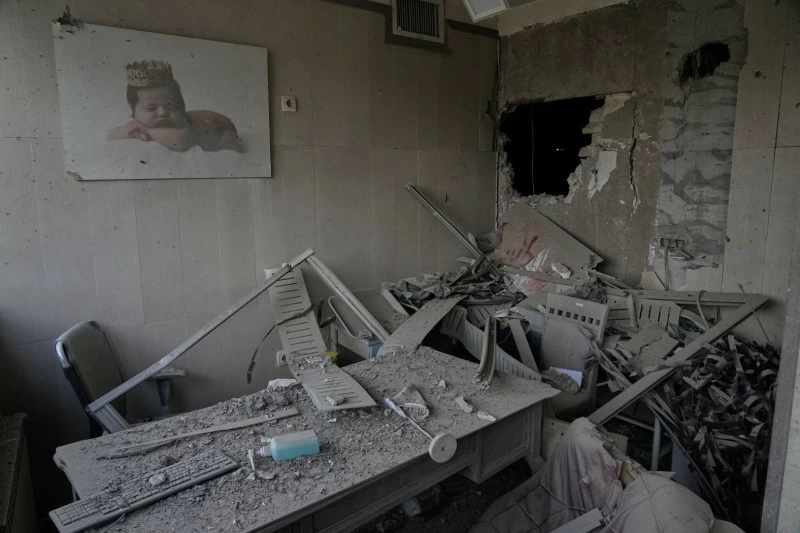
The regional arena has witnessed a dramatic development in the course of the Iranian-Israeli conflict, as the confrontation has moved from the stage of covert operations and shadow wars to the direct threat of targeting diplomatic missions, which portends a radical change in the traditional rules of engagement between the two sides.
A clear and direct Iranian threat
In an immediate response to the recent Israeli attacks, Iranian Armed Forces spokesman Brigadier General Abolfazl Shekarchi issued an unprecedented warning to Israel. In televised remarks, Shekarchi emphasized that Tehran has thus far exercised restraint toward Israeli embassies worldwide, respecting international norms and diplomatic relations with host countries. However, the Iranian official drew a new red line, threatening that if the Iranian mission in Beirut is targeted, the response will "certainly include all Israeli embassies." He asserted that his country harbors no animosity toward any nation other than the United States and Israel, affirming that Tehran's strategic objective is to subdue these two entities.
Details of the Israeli strike on command centers
On the other hand, in a major escalation, Israeli military spokesman Avichai Adraee announced a precise airstrike targeting a massive military complex in Tehran. According to the Israeli account, this complex is not merely a military barracks, but rather the "security nerve center" of the Iranian regime, housing key headquarters for the Revolutionary Guard, the intelligence agency, the Basij militia, the Quds Force, as well as internal security and cyber operations units. Adraee posted a video on the X platform documenting the moment the complex was targeted, indicating that the strike occurred while regime soldiers and commanders were present, reflecting a significant intelligence penetration.
The American role and the future of the confrontation
The United States was not far removed from this explosive situation; reports revealed high-level coordination between Washington and Tel Aviv. An Israeli military official indicated that there were between 4,000 and 5,000 calls daily to coordinate through the joint command chain, explaining that planning for this "opening strike" began three weeks prior. In a related context, US Defense Secretary Pete Hegseth confirmed that military operations against Iran "are still in their early stages," relaying the US president's assertion that larger and more powerful waves are to come, adding firmly, "We are only at the beginning, and we are accelerating, not slowing down.".
Background of the conflict and its regional repercussions
This event gains significance from breaking previous taboos in the long-standing conflict between the two sides. Historically, Israel and Iran have relied on a “gray zone” strategy, where battles are fought through proxies, cyberattacks, or targeted assassinations without escalating into a full-blown, direct war. The explicit threat to strike embassies brings to mind past diplomatic incidents that led to major international crises, and it presents the entire region with open-ended scenarios that could expand the conflict to include multiple capitals, directly threatening regional stability and international security.
-

 Local News 6 days ago
Saudi Arabia approves regulations for the continued presence of Gulf vehicles: duration and penalties
-
Local news one week ago
The Ministry of Interior begins procedures for a royal pardon for common law prisoners
-
Local news one week ago
The deadline for property registration in Hail and Riyadh is Thursday
-
Local news one week ago
Under the patronage of the Minister of Information, an agreement was signed between the Ministry of Information and Waves Marketing Company
-
Culture and Art, 1 week ago
The Devil's Prisons series was halted: The full story of "The Emperor's" being moved to YouTube
-
Local News 6 days ago
The Food and Drug Administration is recalling Bebelac and Aptamil milk due to potential contamination
-
Local News 6 days ago
Saudi Energy: A new identity for electricity that aligns with Vision 2030
-
Local news one week ago
Registration is now open for domestic pilgrims for the 1447 AH season: Dates and conditions via Nusuk