Politics
European sanctions against Sudanese individuals and a bank for supporting the Rapid Support Forces
In an effort to prevent any funding that could prolong the bloody conflict in Sudan, the European Union announced today (Friday) the listing of the Minaj Foundation


Introduction and analysis of recent events in Sudan
In a move aimed at curbing funding for the ongoing conflict in Sudan, the European Union announced the addition of the Red Rock Mining Corporation, a Sudanese bank, and two individuals to its sanctions list. This action comes as part of international efforts to mitigate the impact of the war between the Sudanese Armed Forces and the Rapid Support Forces.
The Central Bank of Sudan is accused of undermining the country's economic and political stability, as it is considered to be owned by the Rapid Support Forces and used as a tool to finance their military operations. This makes the bank a direct target of new European sanctions focused on parties fueling the Sudanese conflict.
Impact of sanctions on the local and international economy
Economic sanctions imposed on entities and individuals linked to the Sudanese conflict have both direct and indirect effects on the local economy. Freezing assets and prohibiting financial transactions hinders these entities' ability to finance military operations, potentially reducing their activities and influence in the conflict.
At the international level, these sanctions reflect the international community's commitment to trying to end the conflict through non-military means. They also send a clear message to the parties involved that destabilizing activities will not go unpunished.
Humanitarian and economic repercussions of the conflict
The conflict in Sudan has resulted in tens of thousands of deaths and the displacement of over 13 million people, including internally displaced persons and refugees. This critical humanitarian situation requires urgent international intervention to provide humanitarian assistance and alleviate the suffering of the affected population.
Economically, the conflict has led to the deterioration of infrastructure and the collapse of basic services, exacerbating the daily hardships faced by the population and deepening the economic crisis. The famine ravaging large parts of the country is a direct consequence of this economic and humanitarian decline.
Global context and future actions
The European sanctions follow similar US sanctions imposed last January against members of the Rapid Support Forces and allied militias for committing genocide. These measures indicate an international consensus on the need to take a firm stance against those responsible for the ongoing conflict.
International pressure is expected to continue on the warring parties to reach a political solution that ends the conflict and restores stability to the country. However, achieving this goal will require intensive diplomatic efforts and regional and international cooperation to support the peace process and reconstruction.
Future prospects and potential challenges
With clashes continuing and no clear signs of an imminent end to the conflict, the situation in Sudan remains fragile and complex. Key challenges include rebuilding trust between the warring parties and creating a safe environment for the return of internally displaced persons and refugees.
Despite international efforts, the success of any peace initiative depends largely on the will of the local parties and their ability to make genuine concessions to achieve lasting peace and stability.




Politics
Saudi Arabia condemns the Kabul attack and the repercussions of targeting Chinese interests
Saudi Arabia condemns the terrorist attack on a hotel in Kabul claimed by ISIS. The attack highlights the security challenges in Afghanistan and their impact on Chinese and international interests.
The Saudi Ministry of Foreign Affairs expressed the Kingdom of Saudi Arabia's strong condemnation of the terrorist attack that targeted a hotel in the Afghan capital, Kabul, resulting in the death and injury of a number of Afghan and Chinese citizens. In its statement, the Kingdom reiterated its categorical rejection of all forms of violence, terrorism, and extremism, affirming its full support and solidarity with the brotherly Afghan people in confronting these criminal acts.
The Ministry offered its deepest condolences to the families of the victims and to the governments of Afghanistan and China, expressing its wishes for a speedy recovery for the injured. This Saudi stance reaffirms its unwavering policy of rejecting terrorism in all its forms and motivations, and its continued call upon the international community to unite its efforts to eradicate this scourge that threatens global security and stability.
Background of the attack and its security context
The attack occurred on Monday at the Kabul Longan Hotel in the Shahr-e-Naw district, a bustling commercial area in the heart of the Afghan capital. The hotel is a popular destination for Chinese nationals and business travelers visiting the country. The Islamic State-Khorasan Province (ISIS-K) claimed responsibility for the attack, which is part of a series of attacks by the group aimed at destabilizing Afghanistan and challenging the authority of the ruling Taliban.
Since the Taliban's return to power in August 2021, ISIS-Khorasan has emerged as the country's most significant security challenge. The group focuses its attacks on religious minorities, Taliban forces, and foreign interests, attempting to demonstrate the current government's inability to maintain security and undermine its potential international relations. This attack follows previous targeting of sensitive sites, including the Russian and Pakistani embassies in Kabul, reflecting a clear strategy by the group to disrupt any attempts at normalization or foreign investment in Afghanistan.
Importance and potential impacts
The targeting of Chinese citizens carries significant implications both domestically and internationally. On the one hand, China, which has kept its embassy open in Kabul, seeks to bolster its economic influence in Afghanistan by investing in its rich natural resources, particularly in the mining sector. This attack sends a direct message to Beijing that its investments and citizens are not immune to danger, potentially prompting it to reassess the extent of its economic involvement in the country.
Regionally, the attack underscores that Afghanistan remains a security challenge for the entire region. Saudi Arabia's condemnation in this context reaffirms the need for a coordinated regional and international approach to support stability in Afghanistan and prevent it from once again becoming a safe haven for terrorist groups. The Saudi position reflects a commitment to regional stability and underscores that combating terrorism requires comprehensive international cooperation that goes beyond security solutions to address the root causes of extremism.
Politics
Trump's presidential plane malfunctioned en route to the Davos Forum
Details of the technical malfunction that forced US President Donald Trump's plane to turn back while en route to the Davos Economic Forum, and how he resumed his trip.
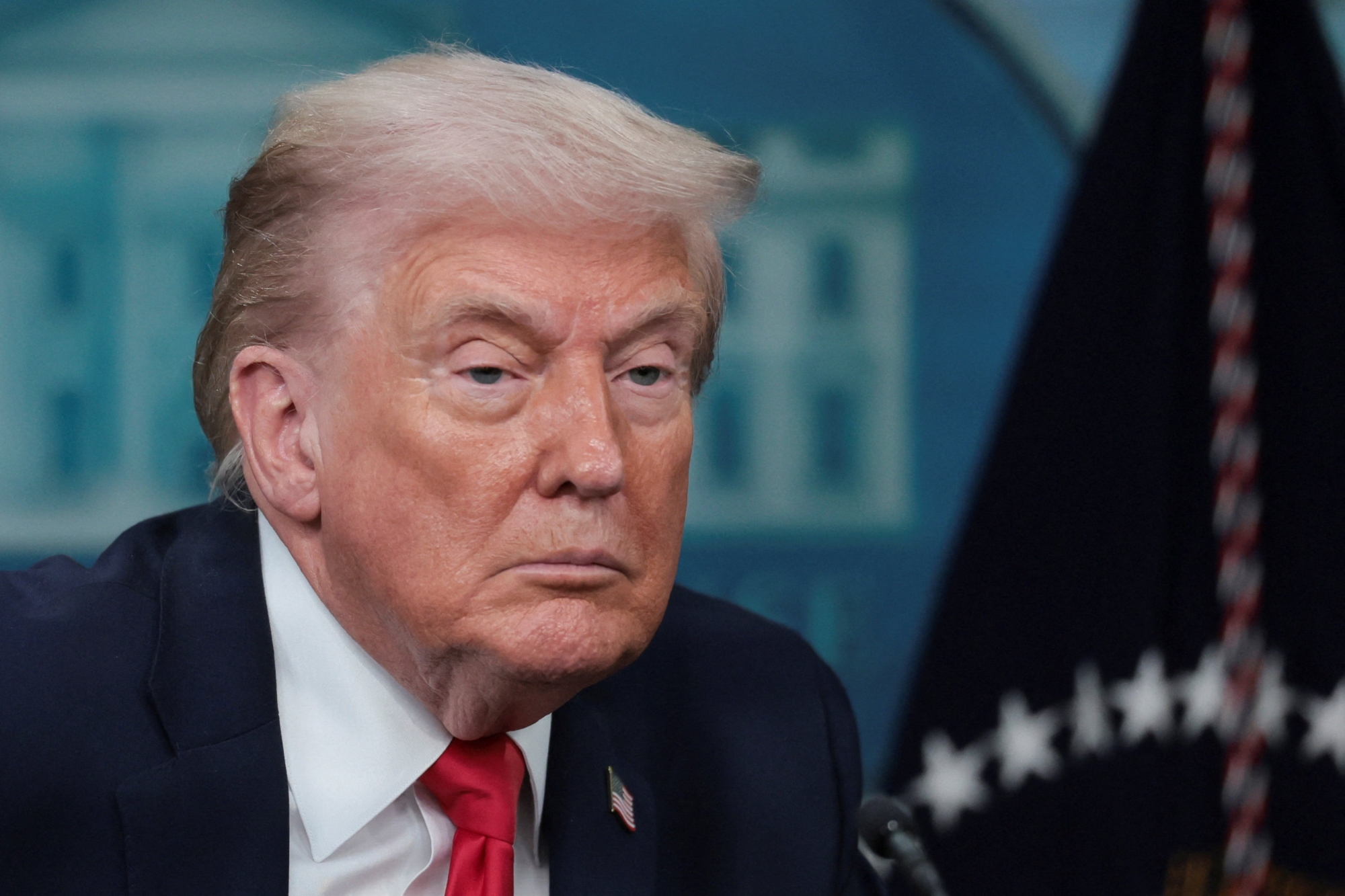
Former US President Donald Trump resumed his trip to Switzerland to participate in the World Economic Forum in Davos after his presidential plane, Air Force One, experienced a minor technical malfunction that forced it to return to its base as a precaution. The incident, though minor, highlighted the strict protocols and high level of preparedness surrounding the travel of the US president.
Details of the incident and the swift response
About 90 minutes after takeoff from Joint Base Andrews near Washington, the crew of Air Force One detected what was described as a “minor electrical issue.” The decision was immediately made to return to base to ensure the highest safety standards. The plane landed safely, and President Trump and his entourage were transferred to a replacement aircraft that was ready to depart, allowing them to continue their journey to Davos without significant delay.
The importance of the Davos Economic Forum
The World Economic Forum, held annually in Davos, Switzerland, is one of the most important international gatherings, bringing together heads of state, top executives from global corporations, and leading thinkers and academics. The forum aims to address the world's most pressing challenges, from the economy and trade to climate change and international security. Trump's participation in the forum garnered significant media attention, as the world awaited his speeches, which often championed his "America First" economic policies in a forum traditionally inclined towards globalization and free trade.
The US presidential plane: a symbol of power and safety
Air Force One (the call sign for any U.S. Air Force aircraft carrying the president) is more than just a means of transportation; it's a flying command center and mobile office equipped with state-of-the-art secure communications and advanced defense systems. The aircraft undergoes rigorous and continuous inspection and maintenance, making technical incidents extremely rare. Having a backup aircraft always ready is standard operating procedure to ensure the president's schedule is never disrupted by any unforeseen event.
Rare incidents in the history of presidential aviation
Despite the near-perfect safety record of the U.S. presidential air fleet, history records a few minor incidents that were handled efficiently. In 2011, former President Barack Obama's plane had to abort a landing attempt due to poor weather conditions. In 2012, a plane carrying then-Vice President Joe Biden experienced a bird strike mid-flight but landed safely without incident. These incidents underscore that the established procedures prioritize the safety of leaders.
Politics
A congratulatory message from the leadership to the Sultan of Brunei reflects the strength of relations between the two countries
The Custodian of the Two Holy Mosques and the Crown Prince sent congratulatory telegrams to the Sultan of Brunei on the success of his surgery, in a gesture that affirms the strength of the historical relations between the two kingdoms.
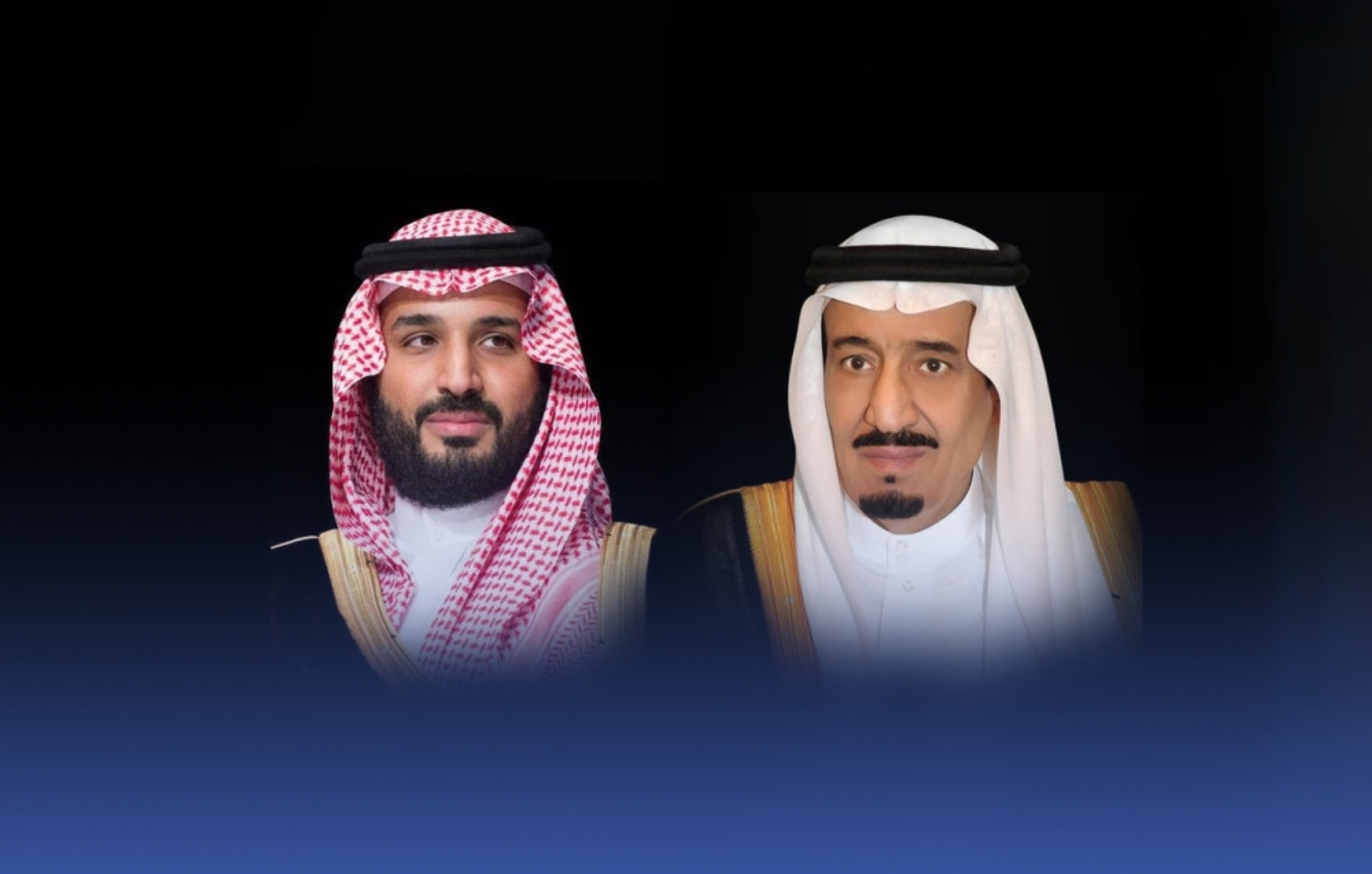
The Custodian of the Two Holy Mosques, King Salman bin Abdulaziz Al Saud, and His Royal Highness Prince Mohammed bin Salman bin Abdulaziz Al Saud, Crown Prince and Prime Minister, sent congratulatory telegrams to His Majesty Sultan Haji Hassanal Bolkiah, Sultan of Brunei Darussalam, on the occasion of the success of the surgery he recently underwent.
In his telegram, the Custodian of the Two Holy Mosques expressed his sincerest congratulations and best wishes to His Majesty, saying: “On the occasion of the success of the surgical operation performed on Your Majesty, we are pleased to send you our warmest congratulations and best wishes, asking God Almighty to grant you health and happiness, and to protect you from all harm and evil. He is the All-Hearing, the Responsive.”.
For his part, His Highness the Crown Prince expressed in his telegram his sincere congratulations and best wishes, saying: “On the occasion of the success of the surgical operation performed on Your Majesty, I am pleased to express to you my most sincere congratulations and best wishes, praying to the Almighty God to grant you continued health and happiness, and not to show you any harm, for He is the All-Hearing, the Responsive.”.
The depth of historical relations between the two kingdoms
This diplomatic gesture reflects the deep-rooted fraternal and historical ties between the Kingdom of Saudi Arabia and the Sultanate of Brunei Darussalam. Both countries are prominent members of the Organization of Islamic Cooperation and share strong religious and cultural bonds, in addition to being monarchies that strive to maintain stability and development in their respective regions. Their relationship extends beyond official protocols to include ongoing coordination in international forums and economic cooperation, particularly in the fields of energy and investment.
The importance of Brunei's leadership stability
Sultan Hassanal Bolkiah, who has reigned since 1967, is one of the longest-reigning monarchs in the modern world. Under his leadership, Brunei has undergone significant economic and social transformations, leveraging its vast oil wealth to achieve high living standards for its citizens. His Majesty's health and the stability of his leadership are crucial not only to Brunei's internal stability but also to its role as an active member of the Association of Southeast Asian Nations (ASEAN).
Diplomatic signals and messages of solidarity
These messages from the Saudi leadership are not merely personal greetings, but rather a reaffirmation of the enduring strategic alliances and strong ties between the two kingdoms. In a changing world, such messages are particularly important in strengthening solidarity between friendly nations and conveying a clear message of mutual support at the highest levels. They also highlight the pivotal role of personal diplomacy between leaders in establishing the foundations of robust and sustainable international relations. We wish His Majesty continued health and well-being.
-

 Reports 6 days ago
Achievements of Saudi government sectors in 2025
-
Local news two weeks ago
FDA warns of contaminated Nestle infant formula | Recall details
-
Technology 4 weeks ago
Artificial intelligence regulations in Saudi education and student data protection
-
Technology 4 weeks ago
US ban on drones: reasons and consequences
-
Technology 4 weeks ago
SRMG and Snapchat partnership: The future of digital media in the Middle East
-
Technology 4 weeks ago
Saudi Arabia's Ministry of Islamic Affairs is employing artificial intelligence in public speaking
-
Sports 4 weeks ago
Salah leads Egypt to a thrilling comeback against Zimbabwe in the Africa Cup of Nations
-
Sports 4 weeks ago
Napoli win the Italian Super Cup in Riyadh for the third time (2025)