
Politics
Egyptian parties: Saudi Arabia supports Arab unity amid exceptional circumstances
The head of the Egyptian Freedom Party, Dr. Mamdouh Mohamed Mahmoud, stressed that the region is going through exceptional and unprecedented circumstances that require solidarity

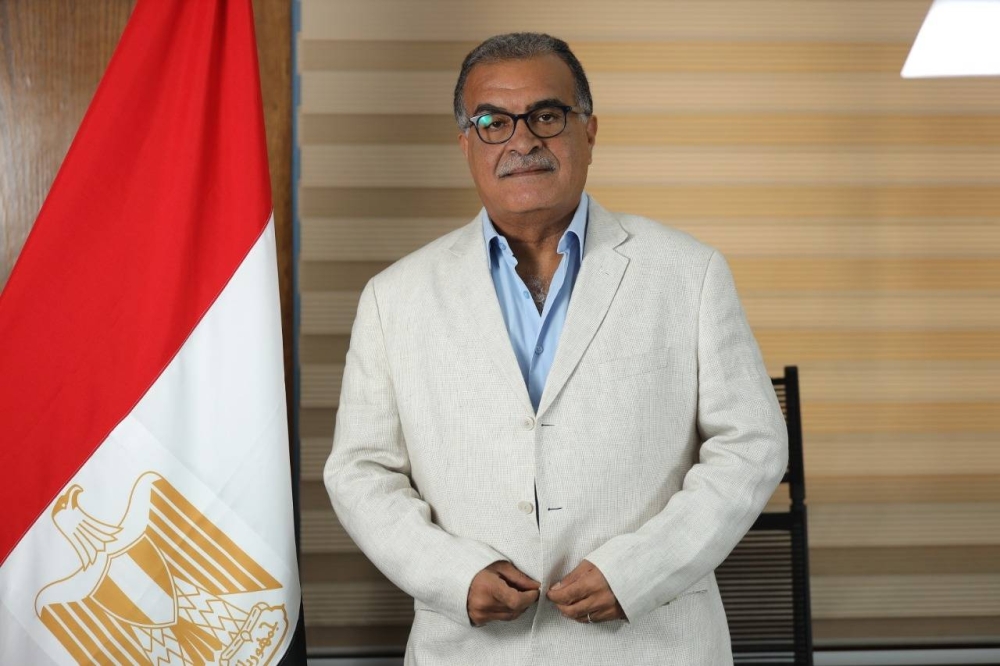
Dr. Mamdouh Mohamed Mahmoud, head of the Egyptian Freedom Party, stressed that the region is going through unprecedented and exceptional circumstances that require unity and solidarity behind the political leadership and the armed forces to confront the challenges and dangers that threaten national security, praising the pioneering support of the Kingdom of Saudi Arabia for the unity of the Arab ranks, solidarity and solidarity in the face of the dangers, challenges and changes that the Arab region is going through.
Dr. Mamdouh Mahmoud said: “The great victory achieved by the Egyptian army on October 6, 1973, is an immortal national epic in the history of the Egyptian military, after the men of the armed forces succeeded in crossing the Bar Lev Line and liberating the blessed land of Sinai.” He extended his congratulations to Egyptian President Abdel Fattah al-Sisi, Lieutenant General Abdel Majid Saqr, Minister of Defense, and the Egyptian people on this occasion.
For her part, the Secretary-General of the Voice of the People Party, Engineer Marwa Hussein Bouris, said: “On this great anniversary, we must remember with pride and honor the sacrifices of our righteous martyrs who sacrificed their blood and souls so that the homeland may remain held high,” calling on the Egyptian people of all sects, and the political forces, to rally behind the political leadership and the armed forces to confront regional and international challenges and deter anyone who dares to compromise national security.
She noted that the Kingdom hosted global, regional and local summits to support political solutions for Arab and Islamic countries, including Yemen, Sudan and Syria, and led the efforts of the Arab-Islamic team to stop the Israeli war on the Gaza Strip.







Politics
The Saudi leadership congratulates Laura Delgado on becoming President of Costa Rica
The Custodian of the Two Holy Mosques and the Crown Prince sent congratulatory telegrams to Costa Rican President Laura Fernandez Delgado on the occasion of her election victory, stressing the depth of bilateral relations.
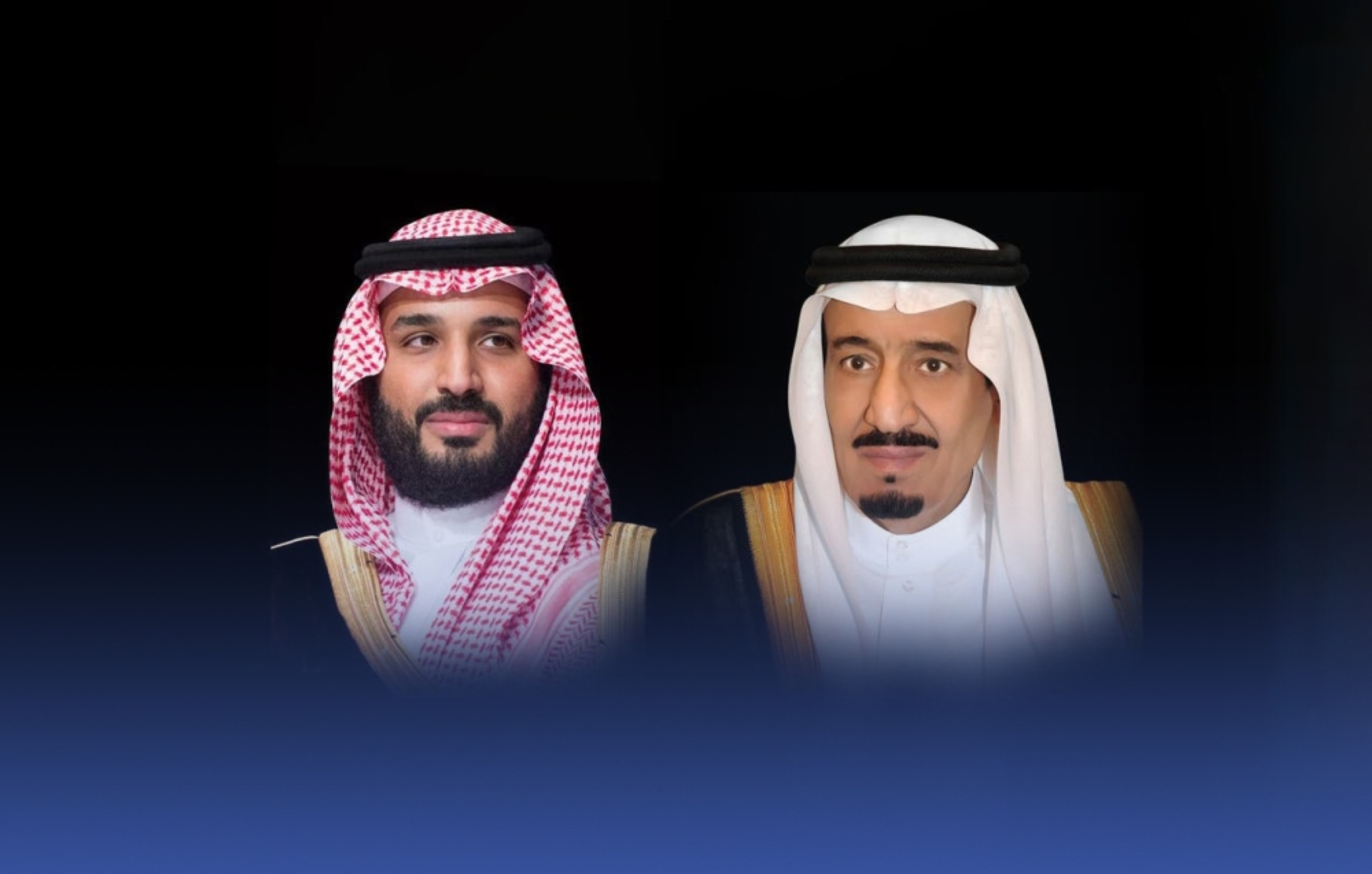
The Custodian of the Two Holy Mosques, King Salman bin Abdulaziz Al Saud, and His Royal Highness Prince Mohammed bin Salman bin Abdulaziz Al Saud, Crown Prince and Prime Minister, sent congratulatory telegrams to Her Excellency Laura Fernandez Delgado on the occasion of her victory in the presidential elections in the Republic of Costa Rica, in a step that reflects the wise leadership’s keenness to strengthen the bonds of friendship and cooperation with various countries of the world.
In his telegram, the Custodian of the Two Holy Mosques expressed his sincerest congratulations and best wishes for success to Her Excellency in her new presidential duties, affirming the Kingdom's keenness to strengthen bilateral relations and wishing the friendly people of Costa Rica further progress, prosperity, and growth. His Royal Highness the Crown Prince also conveyed his heartfelt congratulations to Her Excellency the President-elect in his telegram, wishing her every success in leading her country towards a bright future, and the Costa Rican people continued progress and stability.
Strengthening Saudi-Latin American relations
This congratulatory message comes within the framework of the Kingdom of Saudi Arabia's diplomatic approach, which is based on building bridges of communication with Latin American countries. Recent years have witnessed a remarkable development in Saudi relations with the countries of the continent. Through its Vision 2030, the Kingdom seeks to diversify its international partnerships and open new horizons for economic and political cooperation, making the relationship with Costa Rica an important milestone in this endeavor, given Costa Rica's political stability and distinguished position in Central America.
Prospects for joint cooperation
The election of Ms. Laura Fernandez Delgado is expected to open new horizons for cooperation between Riyadh and San Jose, particularly in areas where the two countries' interests intersect. Costa Rica is globally recognized for its leadership in ecotourism, sustainability, and nature conservation—areas that the Kingdom prioritizes within its green initiatives and major tourism projects. This convergence of interests creates fertile ground for the exchange of expertise and investments, serving mutual interests and enhancing both countries' presence on the international stage.
These official cables confirm the Kingdom of Saudi Arabia’s commitment to supporting political stability and democratic processes around the world, and its constant keenness to share the joys and national occasions of friendly countries, which consolidates the Kingdom’s position as a pivotal country that always seeks peace and constructive international cooperation.
Politics
Al-Khuraiji receives the head of British intelligence in Riyadh
Deputy Foreign Minister Waleed Al-Khuraiji receives the head of the British Joint Intelligence Committee, Madeleine Alessandri, in Riyadh to discuss bilateral relations and regional developments.
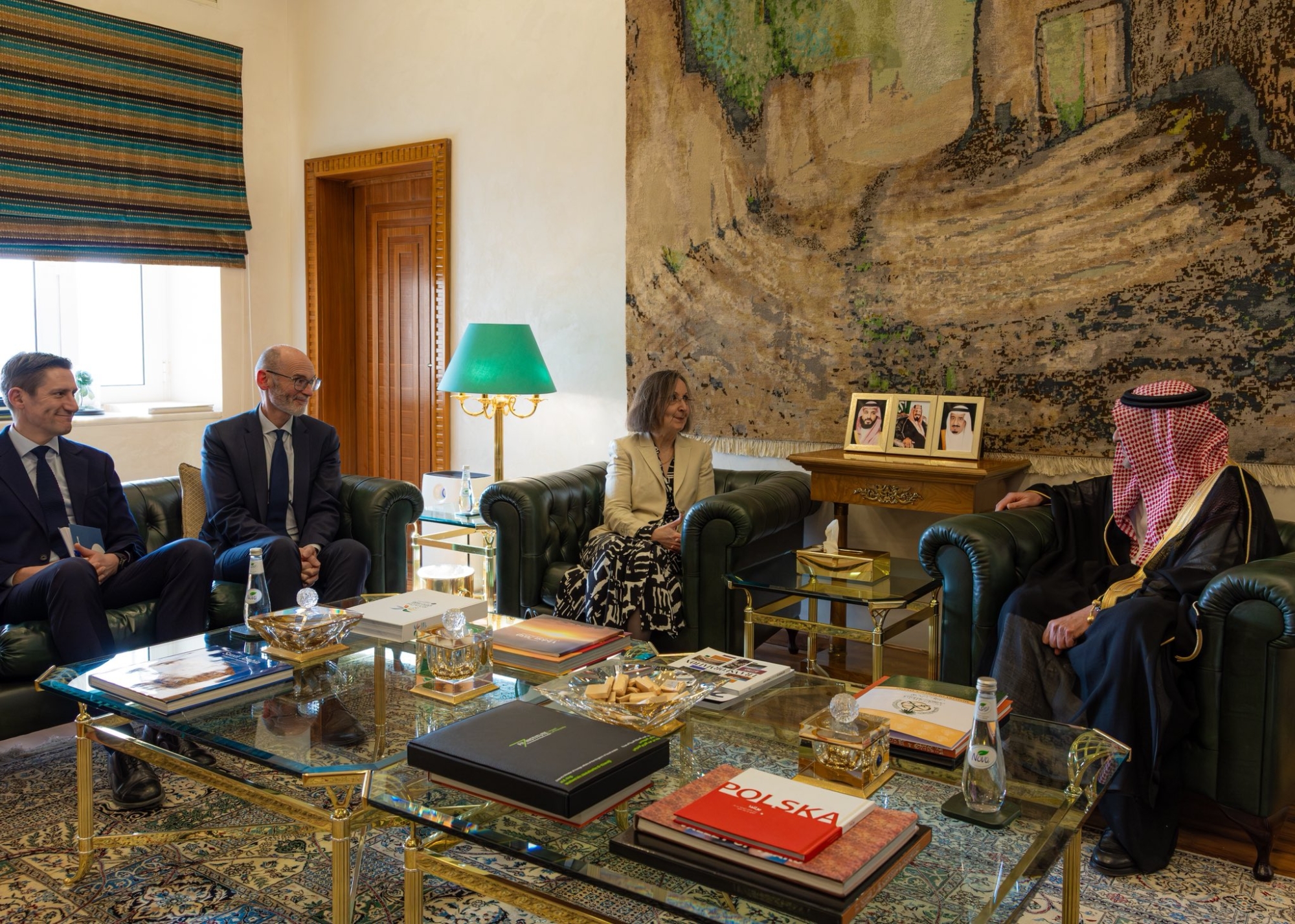
His Excellency the Deputy Minister of Foreign Affairs, Engineer Waleed bin Abdulkarim Al-Khuraiji, received today at the Ministry’s headquarters in Riyadh, the Chair of the Joint Intelligence Committee in the United Kingdom, Ms. Madeleine Alessandri, as part of strengthening diplomatic and security communication channels between the two kingdoms.
During the official reception, the two sides reviewed the strong and historic bilateral relations between the Kingdom of Saudi Arabia and the United Kingdom and discussed ways to enhance them in various fields to serve the interests of both friendly nations. They also discussed at length the most prominent developments and current events on the regional and international scenes, exchanged views on issues of common interest, and addressed diplomatic and security efforts aimed at achieving international peace and stability.
The meeting was attended by the United Kingdom’s Ambassador to the Kingdom, Mr. Stephen Charles Hitchin, reflecting the high importance that both sides attach to this meeting.
The depth of Saudi-British relations
This visit comes within the framework of the deep strategic partnership between Riyadh and London, which spans decades of fruitful cooperation. The United Kingdom is a key partner of Saudi Arabia on numerous vital issues, particularly in the areas of defense, security, and counterterrorism, in addition to growing economic partnerships under the Kingdom's Vision 2030. Such high-level meetings underscore the continued joint coordination to address the security challenges facing the region and the world.
The importance of intelligence and security coordination
The meeting between the Deputy Foreign Minister and the Chair of the UK's Joint Intelligence Committee (JIC) is particularly significant at this time, given the pivotal role of accurate intelligence in shaping political and strategic decisions. The JIC is a central body responsible for providing intelligence assessments to the Prime Minister and the National Security Council, making discussions with its chair particularly important for exchanging views on regional security threats.
The Kingdom's role in regional stability
This meeting reflects the leading role played by the Kingdom of Saudi Arabia as a cornerstone of stability in the Middle East. Through its proactive diplomacy, the Kingdom consistently seeks to build bridges of cooperation with influential international powers such as the United Kingdom, to ensure the security of waterways, combat extremism, and find political solutions to the region's escalating crises, thereby sparing people the ravages of conflict and fostering opportunities for development and prosperity.
Politics
The truth about the killing of Saif al-Islam Gaddafi and the clashes at the Hamada oil field
Details of the conflicting reports about the killing of Saif al-Islam Gaddafi in clashes near the Hamada field, and the denial of fighting by Brigade 444, along with a review of its history and the impact of the news on Libya.
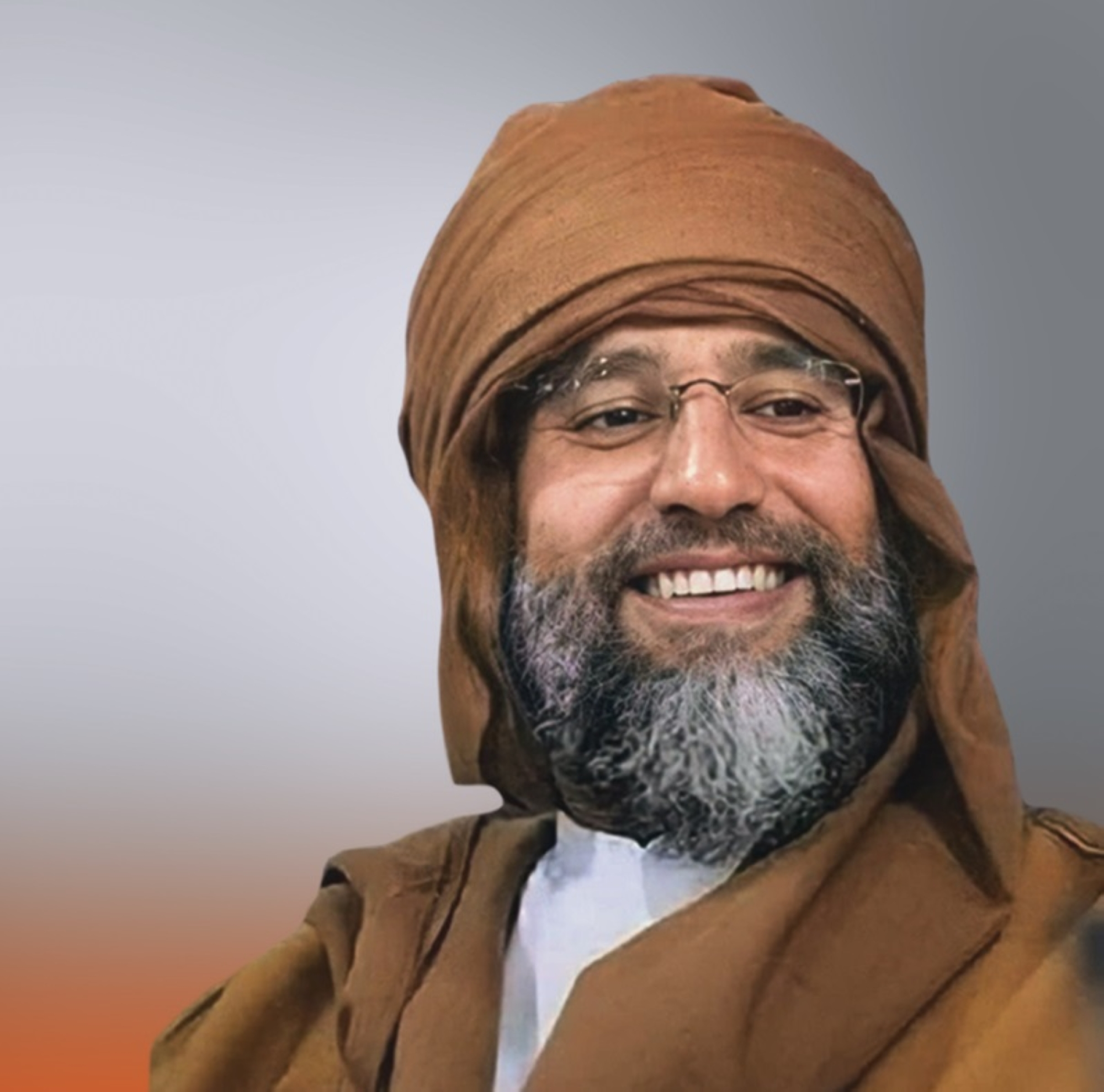
A state of uncertainty and anticipation prevailed in Libya in recent hours following widespread reports of the death of Saif al-Islam Gaddafi, son of the late Libyan leader Muammar Gaddafi. Saif al-Islam's political team announced his death, stating that it occurred during fierce armed clashes near the Hamada oil field. This sparked a wave of controversy and questions about the fate of one of the most prominent and controversial figures in the current Libyan political landscape.
Details of the incident and the denial by Brigade 444
Local media in western Libya confirmed the news, reporting that Saif al-Islam was killed during clashes with forces affiliated with the 444th Brigade. Amid these rapidly unfolding events, the 444th Brigade issued an official statement categorically denying any involvement in the alleged clashes or the reports circulating about the death of Gaddafi's son, further clouding the situation. Other reports suggested he may have been assassinated under mysterious circumstances south of Zintan, the stronghold that sheltered him for many years after the fall of his father's regime.
Saif al-Islam: From Reform Project to Persecution
To understand the dimensions of this event, it is necessary to go back a little. Saif al-Islam Gaddafi was born on June 5, 1972, and played a pivotal role in Libyan politics before the events of 2011. Despite not holding an official position, he was seen as the reformist face of the regime, as he led the “Libya of Tomorrow” project and oversaw sensitive files, including settling the issue of weapons of mass destruction and negotiations with the West, as well as his role in releasing Islamist detainees.
The complex legal and political path
Following the fall of his father's regime, Saif al-Islam was captured by the Zintan brigades in November 2011 and remained imprisoned there for years. He faced death sentences from a court in Tripoli and is still wanted by the International Criminal Court on charges of crimes against humanity. However, he reappeared publicly in recent years, taking advantage of a general amnesty law, and submitted his candidacy for the presidential elections scheduled for December 2021, thus reshuffling the political landscape in the country.
Potential repercussions of the event on the Libyan scene
If the reports of Saif al-Islam Gaddafi's death are definitively confirmed, it will represent a political earthquake in Libya. Saif al-Islam enjoys the support of a significant segment of the former regime's loyalists (the Green Movement) and some tribes, and was considered a key player in the national reconciliation process. His absence from the scene could lead to a political vacuum within this movement, potentially opening the door to a new wave of violence or reprisals, thus complicating international and UN efforts to unify Libyan institutions and hold comprehensive elections to end the long transitional period.
-

 Local news one week ago
Landslide in Riyadh: Details of the incident in Al-Sahafa neighborhood and containment efforts
-

 Culture and Art, 1 week ago
Haifa Wehbe's absence in Riyadh: A photo crisis or a strained relationship with the media?
-
 Local news one week ago
Riyadh collapse: Emergency plans to secure water after a main pipeline burst
-

 Culture and Art, 1 week ago
City Kitchen series: A drama of conflict and the middle class during Ramadan
-

 Culture and Art, 1 week ago
The series "Kasra": Dawood Hussein in a moving social drama this Ramadan
-
 Local news one week ago
Applying for the 1447 Opportunities Program for Teachers via the Fares System
-

 Local News 6 days ago
Ramadan 2026 discounts in Saudi Arabia: Offers valid for 54 days
-
 Culture and Art 5 days ago
The death of artist Huda Shaarawi “Umm Zaki” and her funeral in Damascus