
Politics
Egypt: Fugitive Muslim Brotherhood member Yahya Moussa and 15 others referred to criminal court on charges of financing terrorism
The Supreme State Security Prosecution in Cairo ordered the referral of fugitive Muslim Brotherhood member Yahya Moussa and 15 others to the Criminal Court, on charges of


The Supreme State Security Prosecution in Cairo ordered the referral of fugitive Muslim Brotherhood member Yahya Moussa and 15 others to the Criminal Court, on charges of financing a banned terrorist group and trading in foreign currency.
The referral order stated that during the period from 2014 until December 2023, inside and outside the Arab Republic of Egypt, they assumed leadership in a terrorist group, joined it, participated in financing terrorism, and dealt in foreign currency outside the banking framework.
The referral order added that the defendants committed a crime of financing terrorism, and provided, transported and supplied members of the group with money and forged documents, and participated in forging university graduation documents, in addition to using counterfeit seals of government agencies.
It is worth noting that Yahya Moussa, an orthopedic surgeon and Muslim Brotherhood leader (who has been a fugitive since the Brotherhood’s rule was overthrown in 2013), was sentenced to death by hanging by the Cairo Criminal Court for allegedly forming armed groups to carry out hostile operations against police officers and their facilities, and for sabotaging public property and facilities, especially electricity towers and transformers. He was also sentenced to death in the assassination of the late Attorney General Hisham Barakat, and to life imprisonment for attempting to assassinate the former Alexandria security director. He was listed on terrorist lists in mid-2020, and the US State Department also listed him on the global terrorism list.
Moussa rose through the ranks of the Muslim Brotherhood until he became a member of the Guidance Bureau, and after the Brotherhood came to power in Egypt in 2012, he was appointed as the official spokesman for the Ministry of Health.




Politics
40 killed in Israeli bombing of a school in Minab, southern Iran
Forty female students were killed in an Israeli bombing that targeted the Al-Shajara Al-Tayyiba school in Minab, southern Iran, as part of the American-Israeli attack, amid ongoing rescue operations to recover the victims.
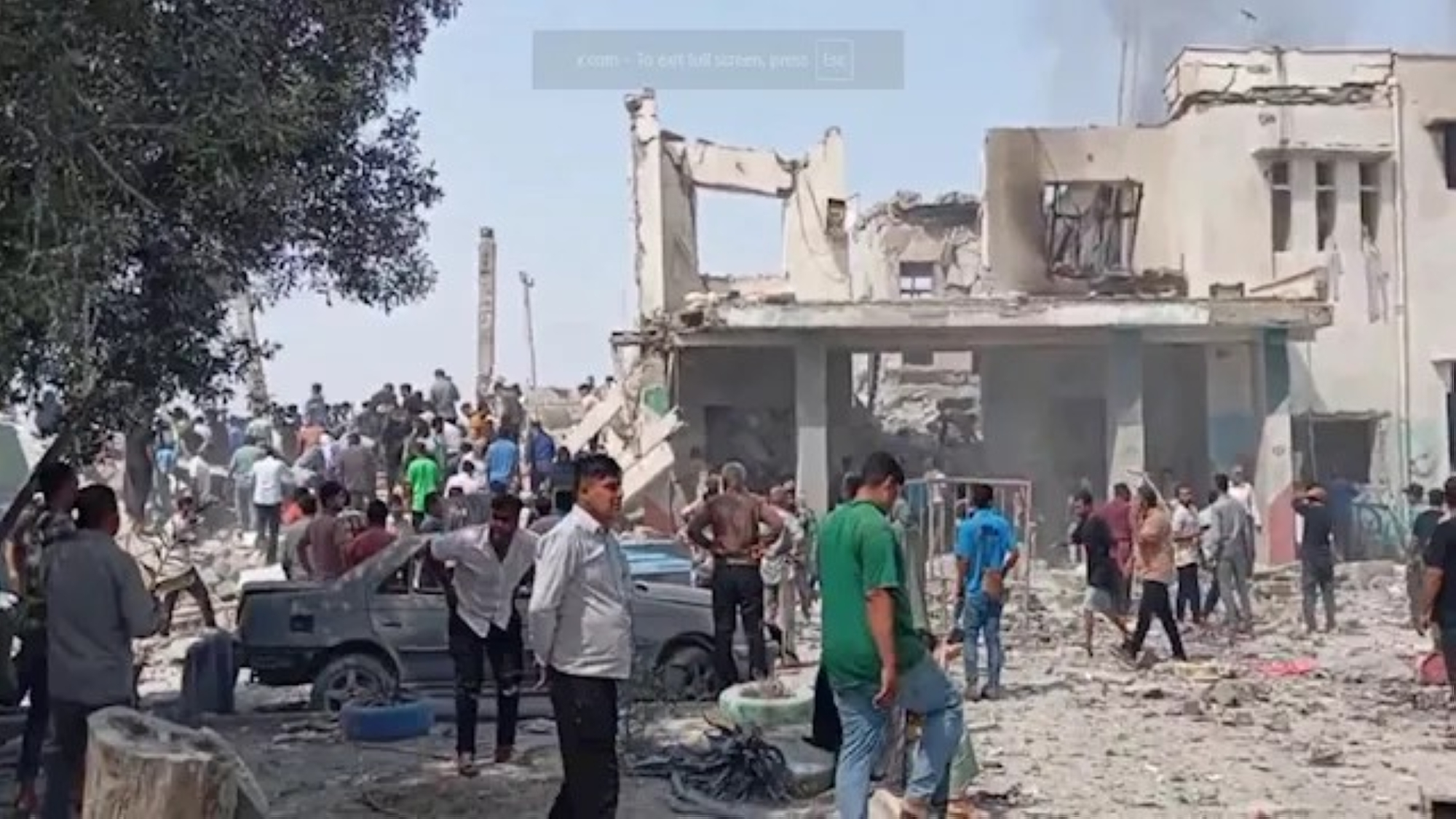
In a dangerous and tragic military escalation, dozens of children were killed and others seriously injured on Saturday in a series of violent Israeli airstrikes targeting a primary school in southern Iran. This deadly attack comes within the context of the open war and military operations declared by the United States and Israel, threatening to worsen the humanitarian and security situation in the region.
Details of the attack on Al-Shajara Al-Tayyiba School
Iranian state media reported that the bombing directly targeted the "Good Tree" primary school for girls in the city of Minab. The horrific attack killed approximately 40 students, an initial toll expected to rise due to the intensity of the bombing and the large number of victims still trapped under the rubble. Field reports indicated that the school housed around 170 students at the time of the airstrikes, turning the area into a scene of devastation and panic.
Civil defense and ambulance teams rushed to the scene of the accident, where they have so far managed to recover the bodies of 10 children, while search and rescue operations are still continuing at full speed amidst the rubble of the destroyed building, in an attempt to save as many innocent lives as possible.
Geographical and strategic context of the city of Minab
The city of Minab is located in Hormozgan province in southern Iran, a vital area near the strategic Strait of Hormuz. Targeting this region indicates an expansion of the conflict into the Iranian interior and sensitive southern areas. Historically, these areas have been relatively spared direct attacks on civilian educational facilities, making this incident a dangerous turning point in the existing rules of military engagement.
Background to the conflict and escalating tensions
This attack coincides with the start of the joint US-Israeli offensive against Iran, a development reflecting the peak of geopolitical tensions in the Middle East in recent years. While the two sides have long exchanged threats and indirect strikes, the escalation to open warfare and the targeting of civilian infrastructure and facilities has placed the entire region on the brink of a conflagration, amid international fears of a slide into a full-blown regional war.
Humanitarian and legal implications
The targeting of schools and educational facilities has sparked outrage and condemnation, as these acts constitute a flagrant violation of international humanitarian law and the Geneva Conventions, which clearly stipulate the protection of civilians, especially children, and the neutrality of educational institutions in military operations. This incident is expected to cast a dark shadow on the international scene, with growing calls to end the targeting of civilians and to spare children the horrors of armed conflict, for which they always pay the heaviest price.
Politics
Jordan shoots down two missiles and affirms its neutrality in the regional conflict
The Jordanian army announces the downing of two ballistic missiles amid regional escalation, and the government confirms that the Kingdom is not a party to the conflict and will not allow its sovereignty and airspace to be violated.
In a notable development on the ground that reflects the sensitivity of the security situation in the Middle East, the Jordanian army announced today (Saturday) that it had intercepted two ballistic missiles targeting the Kingdom's territory, as the air defenses were able to successfully shoot them down, coinciding with the recent exchange of attacks and military escalation between the United States and Israel on one side, and Iran on the other.
Details of the objection and the situation on the ground
The Jordanian Armed Forces confirmed in an official statement that Royal Jordanian Air Force aircraft are conducting intensive and routine sorties to ensure the safety of Jordanian airspace and to verify that it is free from any threats or violations that could compromise the Kingdom's security. This measure is part of a comprehensive defense strategy aimed at preventing the use of Jordanian airspace as a corridor for missiles or drones by any party whatsoever.
In a related development, the Jordanian Public Security Directorate reported receiving 12 official complaints from citizens in various governorates regarding the fall of unidentified objects and shrapnel, which were remnants of intercepted missiles. The Directorate urged citizens to exercise caution, strictly adhere to security guidelines, avoid approaching any suspicious objects, and immediately report any unusual sightings via the unified emergency number.
Firm political messages: Jordan is not a party to the conflict
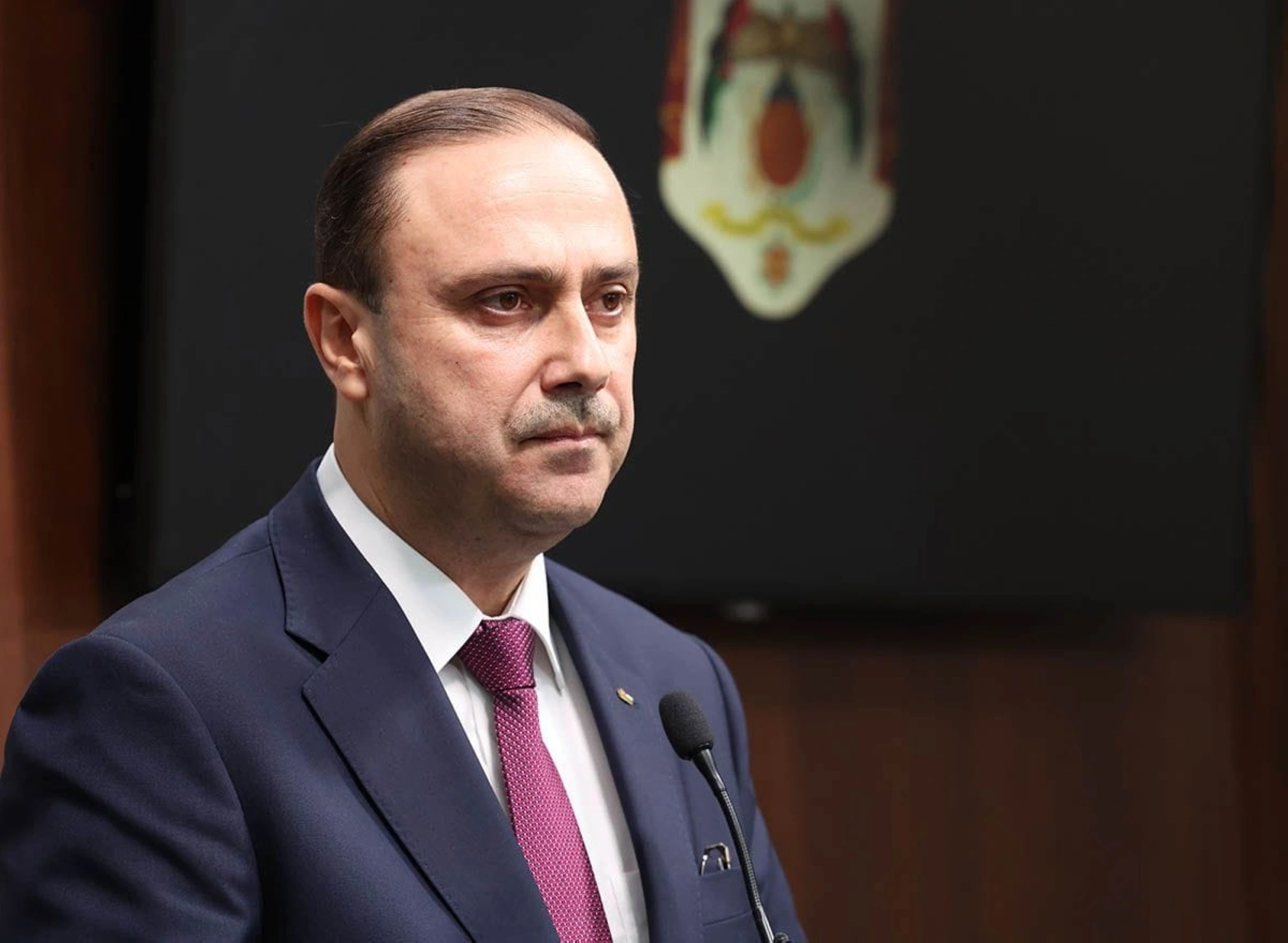
On the political front, Jordanian government spokesperson Mohammad al-Momani issued decisive statements clarifying Amman's position on the ongoing conflict. Al-Momani emphasized that the Hashemite Kingdom of Jordan "will not be a party to any regional escalation," affirming his country's categorical rejection of its territory or airspace being used as a battleground for settling military scores between the warring parties.
Al-Momani explained that the state’s top priority is protecting national sovereignty and preserving the security and stability of citizens, noting that the armed forces and security services are performing their constitutional and national duty to the fullest extent to deal with various crises and emerging challenges.
The regional context and the importance of the Jordanian position
These developments are particularly significant given Jordan's geostrategic location at the heart of a volatile region. Jordan has historically strived to maintain its strategic balance and shield its people from the ravages of surrounding wars. The interception of the ballistic missiles underscores the readiness of Jordan's defense system to address cross-border threats at a time of heightened tension and anticipation in the region.
Observers believe that Jordan’s emphasis on not being involved in the conflict aims to strengthen the home front and send a diplomatic message to the international community about the need to work on containing the escalation instead of expanding the scope of the war, as Jordan’s stability is considered a fundamental pillar of regional security in the Middle East.
Politics
Saudi Arabia condemns Iranian aggression against 5 Arab countries
An urgent statement from the Saudi Foreign Ministry condemns the Iranian aggression against the sovereignty of the UAE, Bahrain, Qatar, Kuwait and Jordan, and calls on the international community to take firm measures to deter violations.

The Saudi Ministry of Foreign Affairs issued a strongly worded official statement condemning in the strongest terms the Iranian aggression targeting the sovereignty of five brotherly Arab states: the United Arab Emirates, the Kingdom of Bahrain, the State of Qatar, the State of Kuwait, and the Hashemite Kingdom of Jordan. The Kingdom affirmed in its statement its full support and solidarity with these countries in confronting threats to their security and stability.
Broad Gulf and Arab solidarity
The Kingdom announced its readiness to dedicate all its resources and capabilities to supporting the five sister nations in all measures they take to protect their territories and citizens, emphasizing that the security of these countries is an integral part of the security of the Kingdom and the entire region. This firm Saudi stance reflects the depth of the fraternal ties and shared destiny that unite the Gulf Cooperation Council states and Jordan, and underscores Riyadh's leading role in defending Arab causes and confronting external ambitions aimed at destabilizing the region.
Warning of the consequences of continued violations
The Ministry of Foreign Affairs warned of the grave consequences that could result from the continuation of these blatant Iranian violations, which constitute a clear breach of the principles of international law and the UN Charter, which stipulates respect for the sovereignty of states, good neighborliness, and non-interference in internal affairs. The Kingdom indicated that tolerating such aggression encourages further chaos and threatens international trade routes and global energy supplies, making it a matter of international peace and security, not merely a regional issue.
Calling on the international community to assume its responsibilities
In closing, the Kingdom of Saudi Arabia called upon the international community, and the UN Security Council in particular, to break its silence and unequivocally condemn these attacks, and to take decisive and effective measures to deter the Iranian regime and halt its ongoing violations that undermine the security and stability of the Middle East region. Riyadh emphasized that diplomacy and dialogue are the best options, but this requires all parties to adhere to international law, something that is lacking in Iran’s current practices, which are based on escalation and aggression.
Observers note that this statement represents an important turning point in unifying the Arab ranks in the face of regional challenges, and puts the international community to a real test of its seriousness in applying international law and protecting sovereign states from external aggression.
-

 Local news two days ago
Saudi Arabia approves regulations for the continued presence of Gulf vehicles: duration and penalties
-
Local News 5 days ago
The Ministry of Interior begins procedures for a royal pardon for common law prisoners
-
Culture and Art, 1 week ago
The ban on the Hamdiya series in Iraq: Reasons and official response
-
Local news one week ago
19 requirements to reduce dust from projects in Riyadh and fines for violators
-
Sports one week ago
Dates for the Al-Nassr vs. Al-Wasl match in the 2026 AFC Champions League quarter-finals
-
Politics, one week ago
Trump plans to create a $2 billion alternative to the World Health Organization
-
Culture and Art, 1 week ago
Amr Diab appears with his four sons and a highly anticipated concert in Türkiye
-
 Local news one week ago
Three billion riyals deposited as Ramadan aid for social security beneficiaries


