Politics
Distribution of 834 food baskets to support those in need in Burkina Faso
The distribution of 834 food baskets in Burkina Faso supports 5,004 individuals, a humanitarian effort that enhances food security and targets the most vulnerable groups for 2025. Discover the details!

Analysis of food basket distribution in Burkina Faso
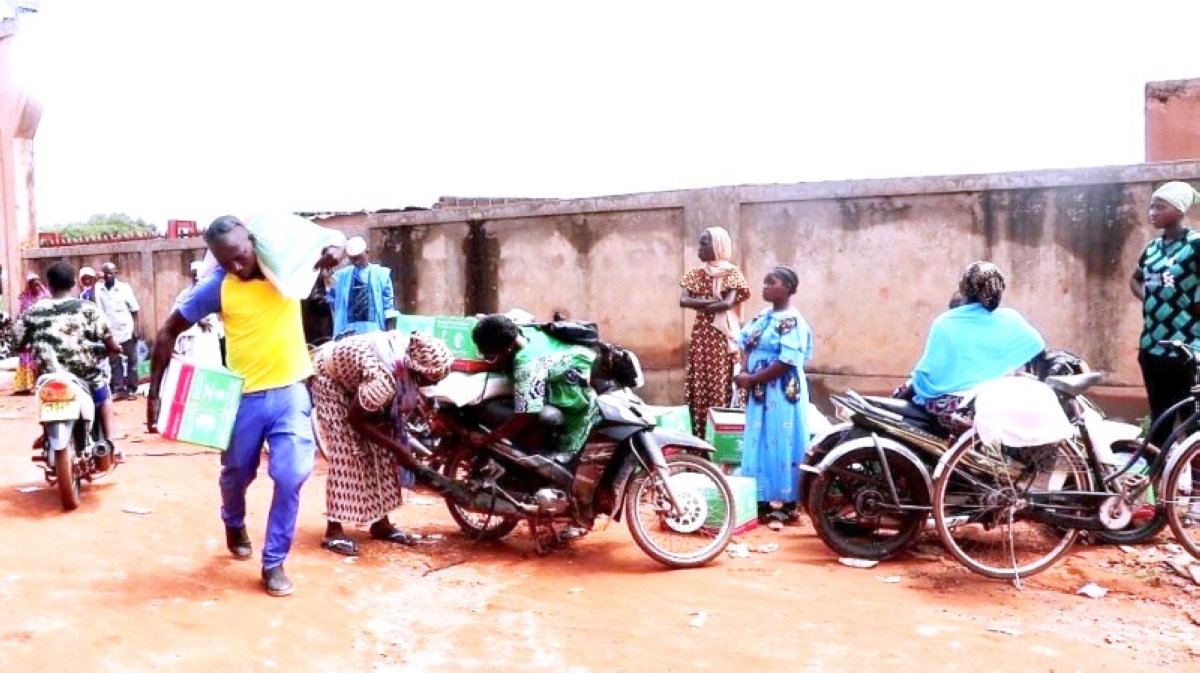
The King Salman Humanitarian Aid and Relief Center distributed 834 food baskets in the Kober region of Burkina Faso, targeting 5,004 individuals across 834 families. This effort is part of the 2025 Food Security Support Project for the most vulnerable groups in the country.
The significance of the numbers and their local impact
The distribution of food baskets to 834 families, representing an average family size of approximately six members, reflects the demographic composition of the local community in Burkina Faso. This initiative directly contributes to improving the food security of the beneficiary families, as providing basic food can reduce malnutrition rates and promote overall health.
These efforts are part of a broader strategy to promote social and economic stability in the most vulnerable areas. Improving food security can lead to increased economic productivity by enhancing individuals' access to employment and education.
Global impact and economic context
Globally, this initiative is part of international efforts to combat poverty and hunger, aligning with the United Nations Sustainable Development Goals. Such projects promote international cooperation and demonstrate donor countries' commitment to achieving inclusive and sustainable development.
On the other hand, providing food aid helps alleviate the economic pressures faced by developing countries as a result of global challenges such as climate change and armed conflicts that negatively affect agricultural production and food security.
Future prospects
With similar projects continuing until 2025, the beneficiary areas are expected to experience significant improvements in food security and greater household stability. These efforts can also contribute to building sustainable local capacities for more effective and efficient food production and distribution.
If these initiatives continue in conjunction with local policies supporting agricultural development and improving rural infrastructure, Burkina Faso's overall economic and social indicators are expected to improve. This improvement could have a positive impact on the regional economy and strengthen political and social stability.
Summary
The distribution of food baskets by the King Salman Humanitarian Aid and Relief Centre represents a significant step towards achieving food security and promoting social and economic stability in Burkina Faso. Thanks to continued international and local support, there is a real opportunity to achieve tangible and sustainable progress in addressing the challenges of poverty and hunger faced by many communities around the world.




Politics
Trump threatens Iran militarily amid escalating tensions in the Gulf
US President Donald Trump announces the movement of a large military force toward Iran, threatening unprecedented strikes in response to any executions of protesters, increasing the risk of confrontation.
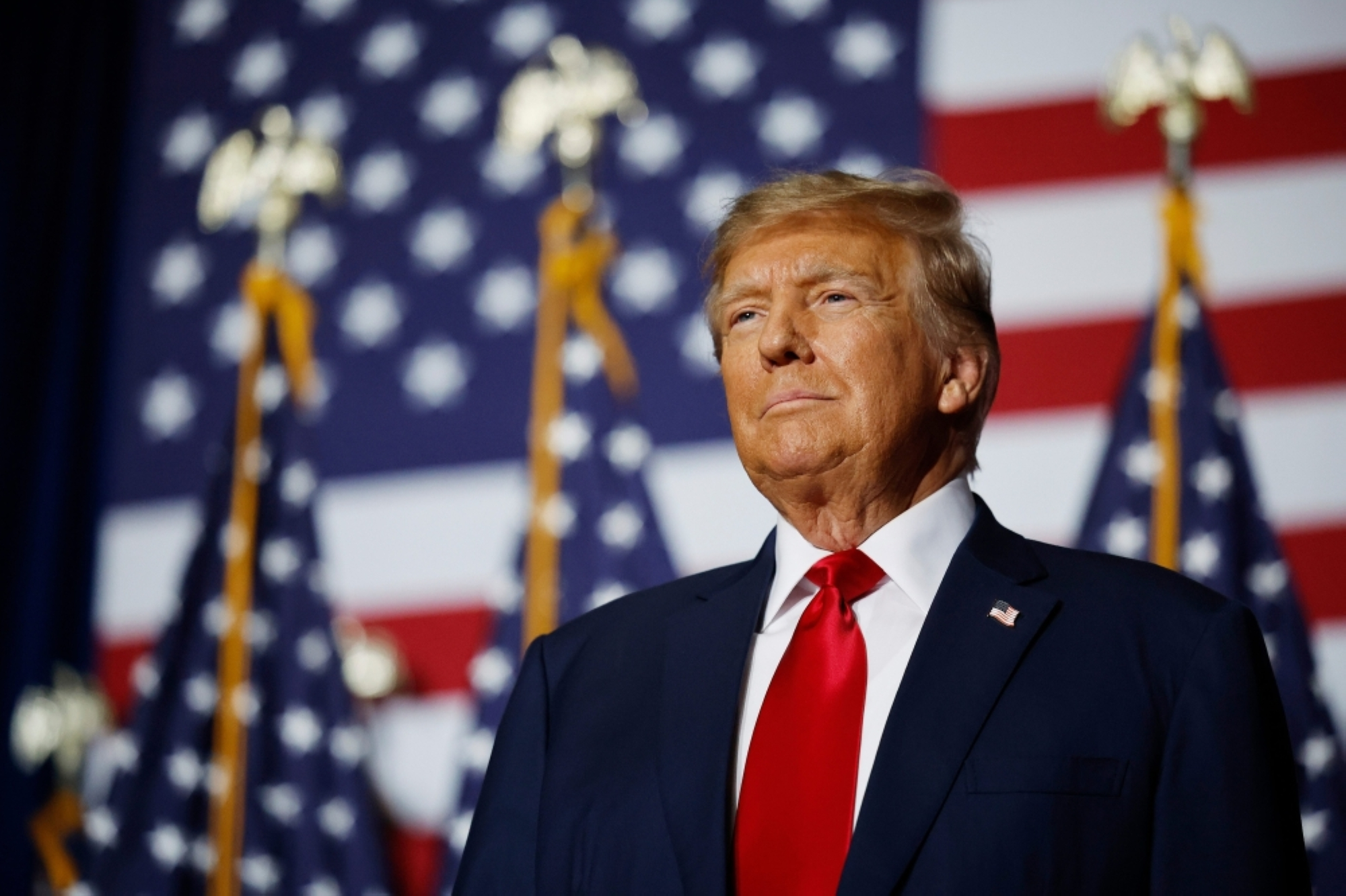
Former US President Donald Trump announced, in a statement that sparked international concern, that a "large military force" was en route to Iran, emphasizing that he was monitoring developments in the region "very closely." These remarks further escalated tensions in the already strained relationship between Washington and Tehran, with Trump threatening harsh punitive and economic measures.
In his remarks to reporters, Trump explained that his administration would not hesitate to impose secondary tariffs on countries that continue their trade relations with Tehran, representing an escalation of the “maximum pressure” economic campaign. But the most serious threat was his linking of potential military action to the internal situation in Iran, warning that any execution of protesters would be met with a US military response that would make previous strikes “look like nothing,” a clear indication of his administration’s hardline policy toward the Iranian regime.
Background of ongoing tension
These threats come within a historical context of escalating hostility between the two countries during Trump's presidency. In 2018, Trump made the historic decision to withdraw from the Iran nuclear deal (the Joint Comprehensive Plan of Action), signed in 2015, and reimposed crippling economic sanctions aimed at crippling the Iranian economy and forcing it to renegotiate its nuclear and missile programs and regional influence. This policy, known as the "maximum pressure campaign," significantly worsened relations and brought the region to the brink of military confrontation on several occasions.
The importance and impact of military movements
To lend credibility to his threats, Trump's statements coincided with confirmations from US Navy officials that the aircraft carrier USS Abraham Lincoln and its accompanying strike group had deployed to the Indian Ocean after departing the South China Sea. Deploying an aircraft carrier to the region is a clear deterrent message, intended to project power and demonstrate readiness for any contingency. Such moves not only affect Iranian military calculations but also send signals to US allies in the region, such as Saudi Arabia and the United Arab Emirates, and raise concerns among other international powers seeking to maintain stability in the Gulf region, vital to global energy supplies.
Brandishing the military option and linking it to internal human rights issues in Iran is a dangerous strategy that could have dire consequences. Regionally, any miscalculation by either side could trigger a wider conflict that might draw in other countries. Internationally, this escalation further complicates the diplomatic efforts of European countries, Russia, and China to salvage the nuclear agreement, and it threatens the stability of global oil markets, which are highly sensitive to any tension in the strategic Strait of Hormuz.
Politics
The Crown Prince receives a message from the King of Bahrain to strengthen bilateral relations
Crown Prince Mohammed bin Salman received a written message from the King of Bahrain, relating to the established bilateral relations and ways to strengthen them in light of joint coordination to confront regional challenges.
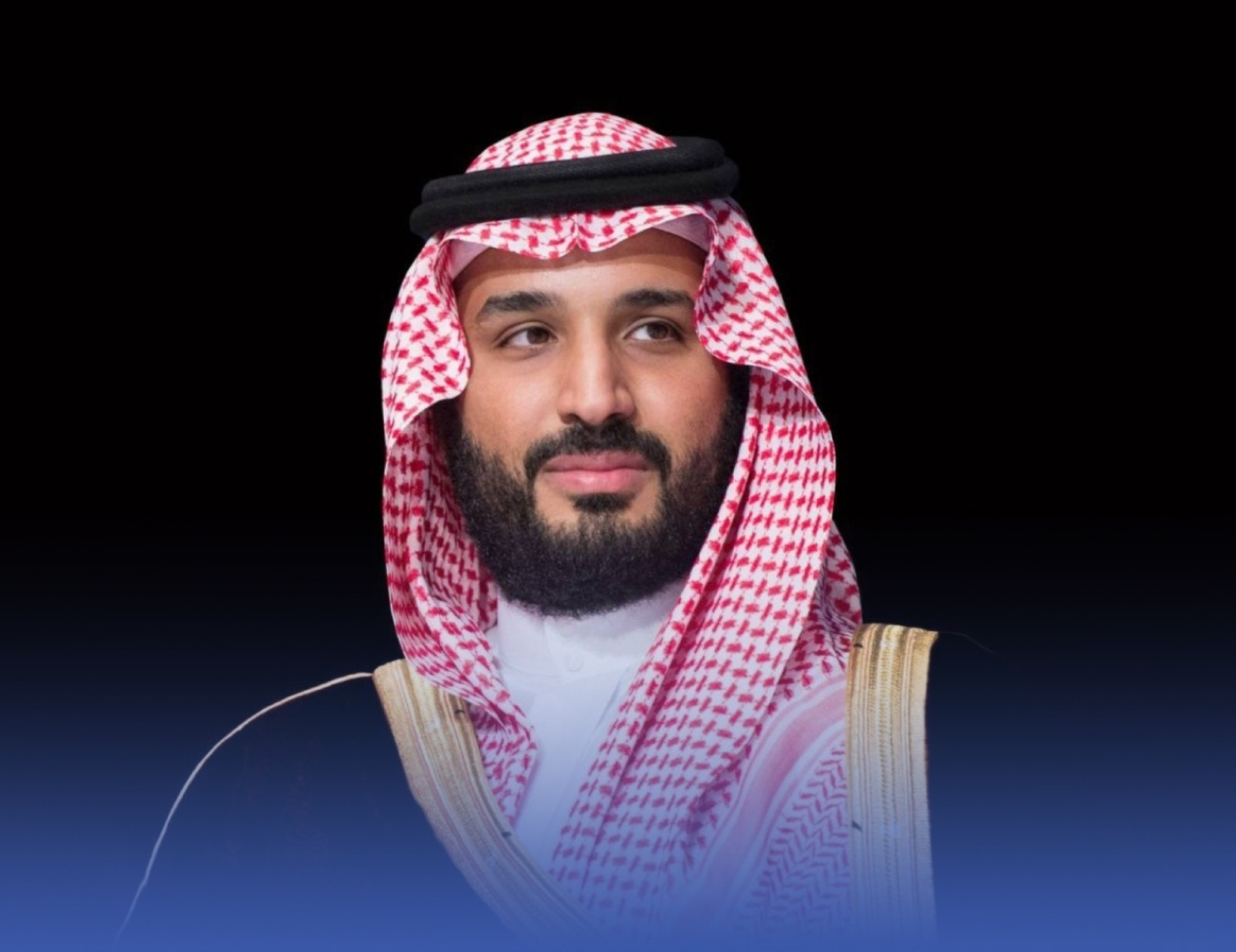
His Royal Highness Prince Mohammed bin Salman bin Abdulaziz Al Saud, Crown Prince and Prime Minister, received a written message from his brother, His Majesty King Hamad bin Isa Al Khalifa, King of the Kingdom of Bahrain. The message focused on the strong and deep-rooted fraternal relations between the two countries and their brotherly peoples, and ways to support and enhance them in various fields.
The message was received on behalf of His Royal Highness the Crown Prince by His Excellency the Deputy Minister of Foreign Affairs, Engineer Waleed bin Abdulkarim Al-Khuraiji, during his meeting today at the Ministry's headquarters in Riyadh with His Excellency Sheikh Ali bin Abdulrahman bin Ali Al Khalifa, Ambassador of the Kingdom of Bahrain to the Kingdom of Saudi Arabia. During the meeting, a comprehensive review of bilateral relations was conducted, and ways to strengthen and develop them in various fields were discussed, in addition to addressing the most prominent regional and international issues of mutual interest.
Deep-rooted historical ties and a shared destiny
This message comes in a context that reflects the depth of the historical and fraternal ties between the Kingdom of Saudi Arabia and the Kingdom of Bahrain, ties that extend beyond the official and diplomatic spheres to encompass bonds of blood, kinship, and a shared destiny. These relations represent a unique model of integration and cooperation within the Gulf region, as they are united by the framework of the Gulf Cooperation Council and connected by the King Fahd Causeway, a vital artery for economic and social exchange between the two peoples. The two kingdoms have consistently stood shoulder to shoulder in the face of challenges, demonstrating unity of purpose and position in various regional and international forums.
The importance of strategy and ongoing coordination
These discussions are of paramount strategic importance given the current circumstances in the region and the world. Ongoing Saudi-Bahraini coordination is a cornerstone for maintaining the security and stability of the Arabian Gulf and countering external interference aimed at destabilizing the region. This communication aligns with the ambitious development visions of both countries, embodied in Saudi Arabia's Vision 2030 and Bahrain's Economic Vision 2030, which open up broad horizons for cooperation in the fields of economy, investment, technology, and renewable energy, ultimately benefiting the prosperity of both nations. This continuous communication at the highest levels underscores the commitment of both countries' leadership to expanding relations to broader horizons, serving their shared interests and reinforcing their pivotal role in supporting joint Gulf action and consolidating the foundations of security and peace.
Politics
America considers withdrawing from Syria: strategic implications and shifts
Reports reveal that Washington is considering a complete troop withdrawal from Syria. What are the implications of this decision and its impact on the fight against ISIS, the future of its Kurdish allies, and the regional balance of power?
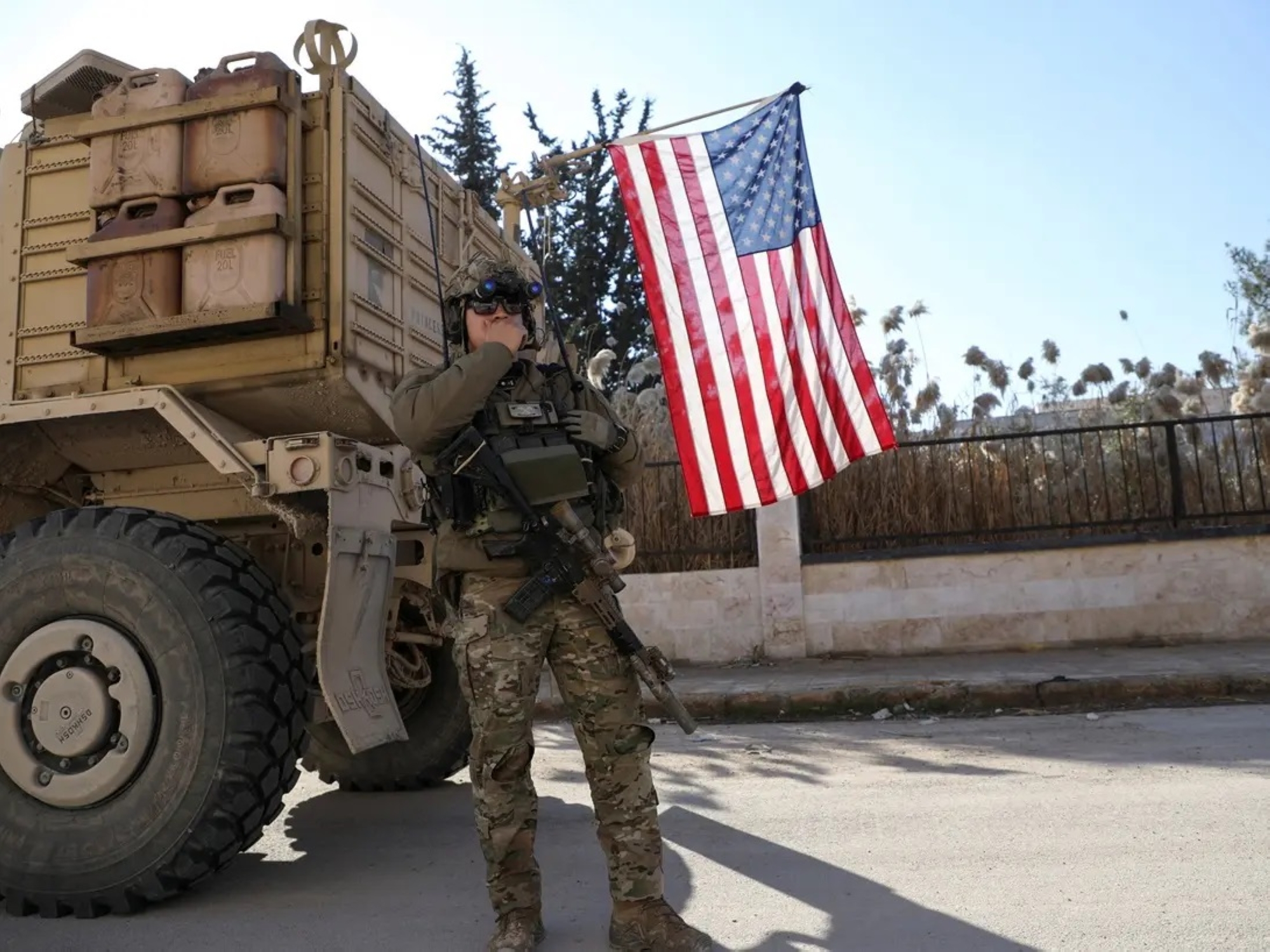
American press reports indicate that President Joe Biden's administration is seriously considering the option of withdrawing its military forces entirely from Syrian territory. If this step is taken, it would represent a major strategic shift in Washington's policy towards the Syrian conflict, which has lasted for more than a decade, and would open the door to broad repercussions that could reshape the balance of power in the region.
Background of the American military presence in Syria
The official US military intervention in Syria began in 2014 as part of the international coalition to combat the ISIS terrorist organization. The primary objective of the operation, dubbed "Operation Inherent Resolve," was to halt the expansion of the group, which at the time controlled vast swathes of Syria and Iraq. The US strategy relied on avoiding the deployment of large numbers of ground troops, focusing instead on airstrikes and training and supporting local partners on the ground, primarily the Kurdish-led Syrian Democratic Forces (SDF). Currently, the US military presence numbers around 900 troops, most of whom are stationed in northeastern Syria, in addition to the strategic al-Tanf base in the south near the borders with Iraq and Jordan, where their mission has been to prevent the resurgence of ISIS, secure oil fields, and protect their allies.
Reasons for the reassessment and its potential repercussions
These deliberations come at a time when American priorities have shifted globally, with a growing focus on countering China and Russia. Domestically, U.S. forces in Syria and Iraq face frequent attacks from Iranian-backed militias, increasing the cost and risks of maintaining a military presence. According to U.S. officials, the current discussions reflect a reassessment of the mission's viability given the significantly diminished threat posed by ISIS and the changing dynamics on the ground.
A complete US withdrawal would leave a significant security vacuum. Domestically, the fate of the Syrian Democratic Forces (SDF) would become uncertain, leaving them vulnerable to potential attacks from Turkey, which considers the Kurdish People’s Protection Units (YPG), the SDF’s main component, a terrorist organization, as well as from the Syrian regime, which seeks to regain control of all its territory. The withdrawal also raises serious concerns about the fate of thousands of ISIS fighters held in SDF-run prisons, potentially paving the way for the group’s resurgence.
Impact on the regional and international landscape
Regionally, the withdrawal would be considered a strategic victory for Iran and Russia, allies of President Bashar al-Assad. Russia would consolidate its position as a key player in Syria, while Iran would be able to strengthen its influence and secure a land corridor linking it to Lebanon via Iraq and Syria. Israel, on the other hand, would view this development with grave concern, fearing an increased Iranian military presence near its borders. Regional and international actors are closely monitoring these developments, as the withdrawal decision, if implemented, would not only alter the course of the Syrian conflict but also send strong signals about the future of the American role in the entire Middle East.
-

 Reports one week ago
Achievements of Saudi government sectors in 2025
-
Local news two weeks ago
FDA warns of contaminated Nestle infant formula | Recall details
-
Technology 4 weeks ago
US ban on drones: reasons and consequences
-
Technology 3 weeks ago
Saudi Arabia launches the world's largest government data center, 'Hexagon'
-
Technology 3 weeks ago
Merging KSA Map and Baladi Plus: A step towards Saudi digital sovereignty
-
Technology two weeks ago
Hexagon: Saudi Arabia strengthens its data sovereignty with the world's largest government center
-
Technology 3 weeks ago
European banks and artificial intelligence: A plan to lay off 200,000 employees
-
Politics 3 weeks ago
The coalition destroys smuggled Emirati weapons in Mukalla in a qualitative strike