Politics
Absorbing diplomats who defected from Assad, by order of Al-Shaibani
The return of the defected diplomats to Damascus by order of Al-Shaibani opens the door to national reconciliation, a diplomatic step that has been widely welcomed locally and internationally.

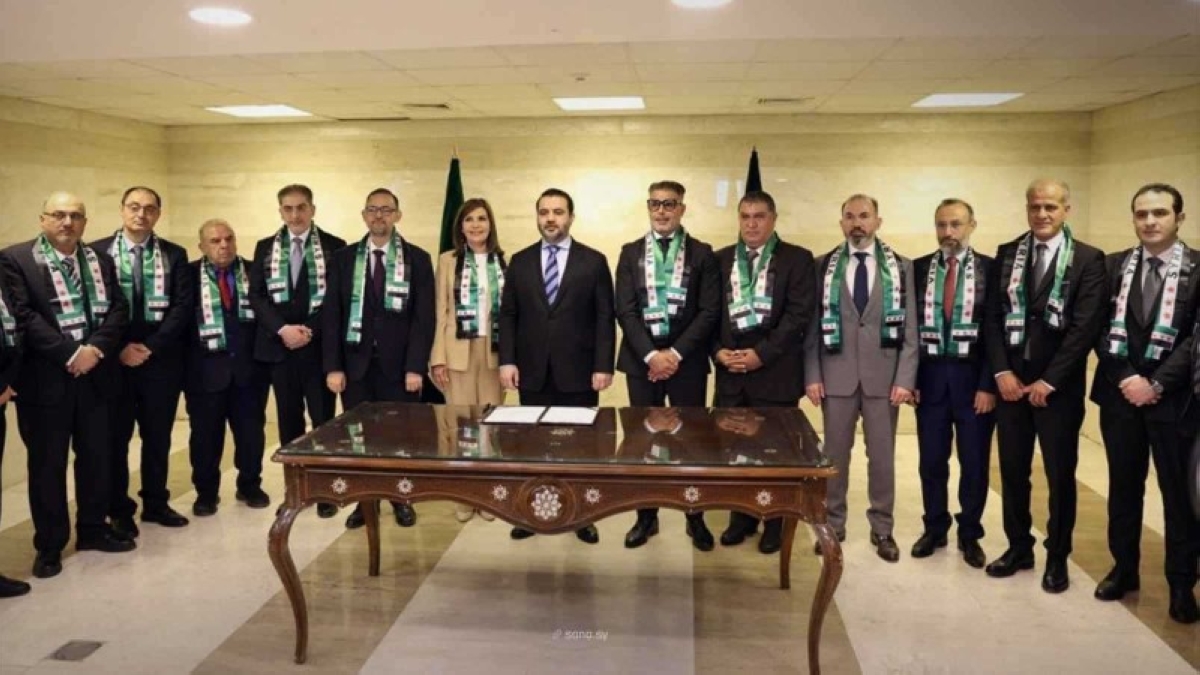
The return of defected diplomats to Damascus: a step towards national reconciliation
In a significant diplomatic development, Syrian Foreign Minister Asaad al-Shaibani signed a decree to reinstate a number of diplomats who had defected from the regime during the years of the Syrian civil war. This move was widely welcomed in political and diplomatic circles both inside and outside Syria.
Details of the decision and official welcome
Al-Shaibani welcomed the returning diplomats in Damascus, expressing his appreciation by saying, "You are our people, and you have priority." This reception reflects the Syrian government's desire to strengthen national unity and bring back the skilled professionals who left the country due to the conflict that has lasted for more than a decade.
For his part, Saad Baroud, Director of the International Organizations Department at the Ministry of Foreign Affairs, expressed his delight at the return of these 19 diplomats. He emphasized that their return represents a significant morale boost for them and for the Ministry, which seeks to strengthen its role on the international stage.
Prominent names among the returnees
The list of returnees included prominent figures such as Lamia al-Hariri, former head of the mission in Cyprus; Khaled al-Ayoubi, former chargé d'affaires at the Syrian embassy in London; Dani Baaj from the Geneva mission; and former diplomat Bassel Niazi. These diplomats had defected from the Assad regime during the war years as a result of the escalating crackdown on dissidents.
Historical and political background
Since 2011, Syria has been embroiled in a complex civil war that began with peaceful protests against the ruling regime and escalated into a multi-sided armed conflict. During this period, numerous officials, officers, and diplomats defected in protest against the regime's repressive policies, which, according to international human rights reports, have resulted in the deaths of thousands and the arrest of many dissidents.
Analysis of the international and regional situation
This decision comes as the Syrian government attempts to improve its international relations and rebuild state institutions after years of conflict. The return of diplomats is considered a positive step toward building trust between the government and the moderate opposition and demonstrates Damascus's willingness to engage in a comprehensive national reconciliation.
The Kingdom of Saudi Arabia plays a significant role in supporting efforts to achieve regional stability and seek political solutions to the ongoing crises in the region. Saudi Arabia's position is viewed positively as it contributes to fostering dialogue and understanding among the various parties, serving the interests of the Syrian people and the stability of the region as a whole.
Different viewpoints on the return
Supporters:
- The Syrian government believes that the return of diplomats strengthens national unity and restores the necessary expertise to build the state and improve its international image.
- Allied countries: Support this step as part of reconstruction and national reconciliation efforts necessary for the stability of Syria and the region.
Opponents:
- Some opposition factions believe that this move may be an attempt to beautify the regime's image without offering real concessions or fundamental political reforms.
- Human rights organizations remain concerned about ongoing human rights violations and demand guarantees to protect returnees and ensure they are not subjected to any future harassment or arrests.
Summary
<pتبرز عودة الدبلوماسيين المنشقين إلى دمشق كمؤشر على إمكانية تحقيق تقدم نحو المصالحة الوطنية وإعادة بناء المؤسسات الحكومية بعد سنوات طويلة من الصراع الدموي. ومع ذلك، يبقى التحدي الأكبر هو ضمان تحقيق إصلاحات سياسية حقيقية واحترام حقوق الإنسان لضمان استدامة السلام والاستقرار في سوريا والمنطقة بأسرها.





Politics
Saudi Arabia and Iran discuss strengthening relations and parliamentary cooperation
Saudi-Iranian talks in Riyadh between Walid Al-Khuraiji and Ibrahim Azizi to strengthen bilateral relations and cooperation between the Shura Councils within the framework of completing the Beijing Agreement.
In a new step reflecting the continued diplomatic momentum between the two regional powers, Deputy Foreign Minister Engineer Waleed bin Abdulkarim Al-Khuraiji received, at the Ministry’s headquarters in Riyadh, the Chairman of the National Security and Foreign Policy Committee of the Iranian Shura Council, Ibrahim Reza Azizi, and his accompanying delegation.
The meeting included a comprehensive review of bilateral relations between the Kingdom of Saudi Arabia and the Islamic Republic of Iran, where the two sides discussed ways to strengthen and develop them in various fields, with particular focus on aspects of cooperation related to the Shura Councils in both countries, in a way that serves common interests and enhances institutional communication frameworks.
The reception was attended on the Saudi side by the Chairman of the Foreign Affairs Committee of the Shura Council, Mr. Aqla bin Ali Al-Aqla, and on the Iranian side by the Ambassador of the Islamic Republic of Iran to the Kingdom, Ali Reza Enayati, which reflects the importance that both sides attach to this course of talks.
Context of resuming diplomatic relations
This visit comes in the context of a remarkable development in Saudi-Iranian relations since the historic agreement reached in Beijing in March 2023. The agreement stipulated the resumption of diplomatic relations between the two countries and the reopening of embassies and diplomatic missions, which has already been implemented, as the two countries exchanged ambassadors and official reciprocal visits resumed at high levels, including visits by foreign ministers and security and economic officials.
The importance of parliamentary diplomacy
This meeting is particularly significant as it focuses on “parliamentary diplomacy,” given the vital role played by the consultative councils of both countries in fostering political understanding through legislative and oversight channels. Cooperation between the Foreign Affairs Committee of the Saudi Shura Council and the National Security and Foreign Policy Committee of the Iranian Parliament represents a significant step towards institutionalizing relations, moving beyond mere traditional diplomatic communication to building bridges between legislative bodies. This, in turn, contributes to aligning perspectives on regional and international issues.
Regional and international impact
Observers view the continued pace of meetings between Riyadh and Tehran with cautious optimism, anticipating that this rapprochement will positively impact the stability of the Middle East. Ongoing coordination between the two countries is a cornerstone for reducing regional tensions and enhancing opportunities for economic and security cooperation. Furthermore, strengthening bilateral relations aligns with the Kingdom's Vision 2030, which adopts a policy of "zero problems" and focuses on economic development and regional prosperity. This necessitates a stable geopolitical environment and good neighborly relations based on mutual respect and non-interference in internal affairs.
Politics
The Foreign Minister receives a letter from his Iraqi counterpart to strengthen cooperation
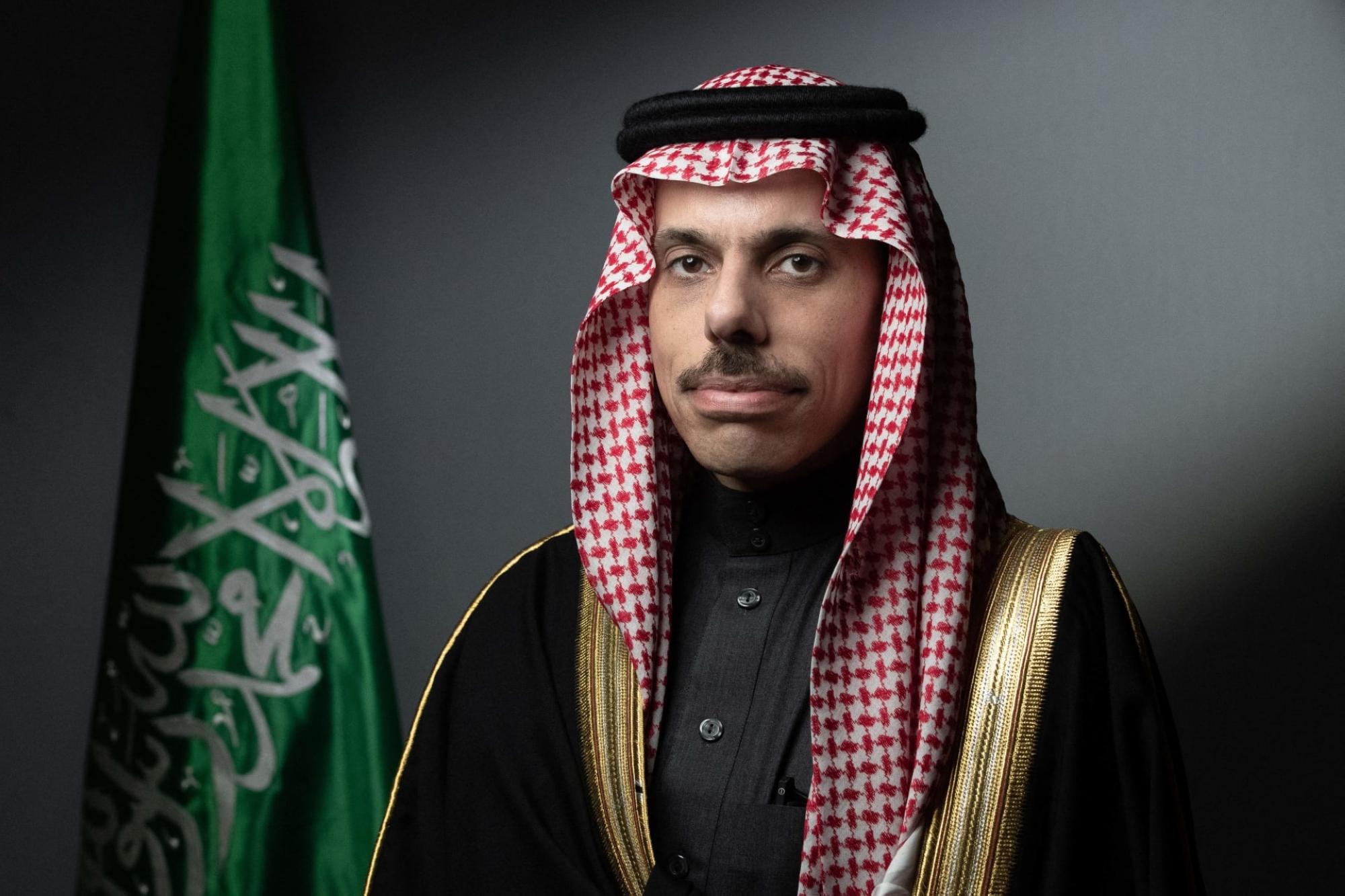
Foreign Minister Prince Faisal bin Farhan received a written message from his Iraqi counterpart Fuad Hussein, which was received by Undersecretary Abdulrahman Al-Rassi, to discuss strengthening bilateral relations between the two countries.
Riyadh – SPA:
His Highness Prince Faisal bin Farhan bin Abdullah, Minister of Foreign Affairs, received a written message today, Monday, from His Excellency Fuad Hussein, Deputy Prime Minister and Minister of Foreign Affairs of the Republic of Iraq. The message addressed the deep-rooted fraternal relations between the two brotherly countries, and discussed ways to support and strengthen them in various fields to serve their common interests.
The message was received on behalf of His Highness the Minister of Foreign Affairs by His Excellency the Undersecretary of the Ministry for Multilateral International Affairs, Dr. Abdulrahman bin Ibrahim Al-Rassi, during his meeting today at the Ministry’s headquarters in Riyadh with the Ambassador of the Republic of Iraq to the Kingdom of Saudi Arabia, Safia Taleb Al-Suhail.
During the reception, the strong bilateral relations between Riyadh and Baghdad were reviewed, and a number of regional and international issues of common interest were discussed, within the framework of ongoing coordination between the two countries.
An upward trajectory in Saudi-Iraqi relations
This message comes amidst active diplomatic efforts and the remarkable growth witnessed in Saudi-Iraqi relations in recent years. Both countries are striving to build a sustainable strategic partnership based on shared values, geographical proximity, and deep historical and social ties. The Saudi-Iraqi Coordination Council has played a pivotal role in framing this cooperation, contributing to significant advancements in political, security, and economic coordination.
The importance of joint coordination in light of regional challenges
Continued communication between the two countries' foreign ministers is of particular importance given the delicate circumstances the region is experiencing, which necessitate the highest levels of coordination and consultation. Political circles view the Saudi-Iraqi rapprochement as a cornerstone of regional stability, as Riyadh and Baghdad work together to enhance regional security, combat terrorism, and eliminate the sources of extremism, in addition to working towards resolving crises through diplomatic means.
Prospects for economic and investment cooperation
On the economic front, relations are witnessing tangible progress, exemplified by electricity interconnection projects, increased trade volume through the new Arar border crossing, and growing Saudi investments in the Iraqi market. The exchange of messages between the leadership and officials of both countries underscores a strong desire to remove all obstacles facing the private sector in both nations, thereby enhancing economic integration for the benefit and prosperity of both brotherly peoples.
Politics
The commander of the joint forces receives the Yemeni Minister of Defense to discuss resolving the crisis
Details of the meeting between the Commander of the Joint Forces, Lieutenant General Fahd Al-Salman, and the new Yemeni Minister of Defense, Lieutenant General Taher Al-Aqili, to discuss developments and efforts to end the Yemeni crisis.
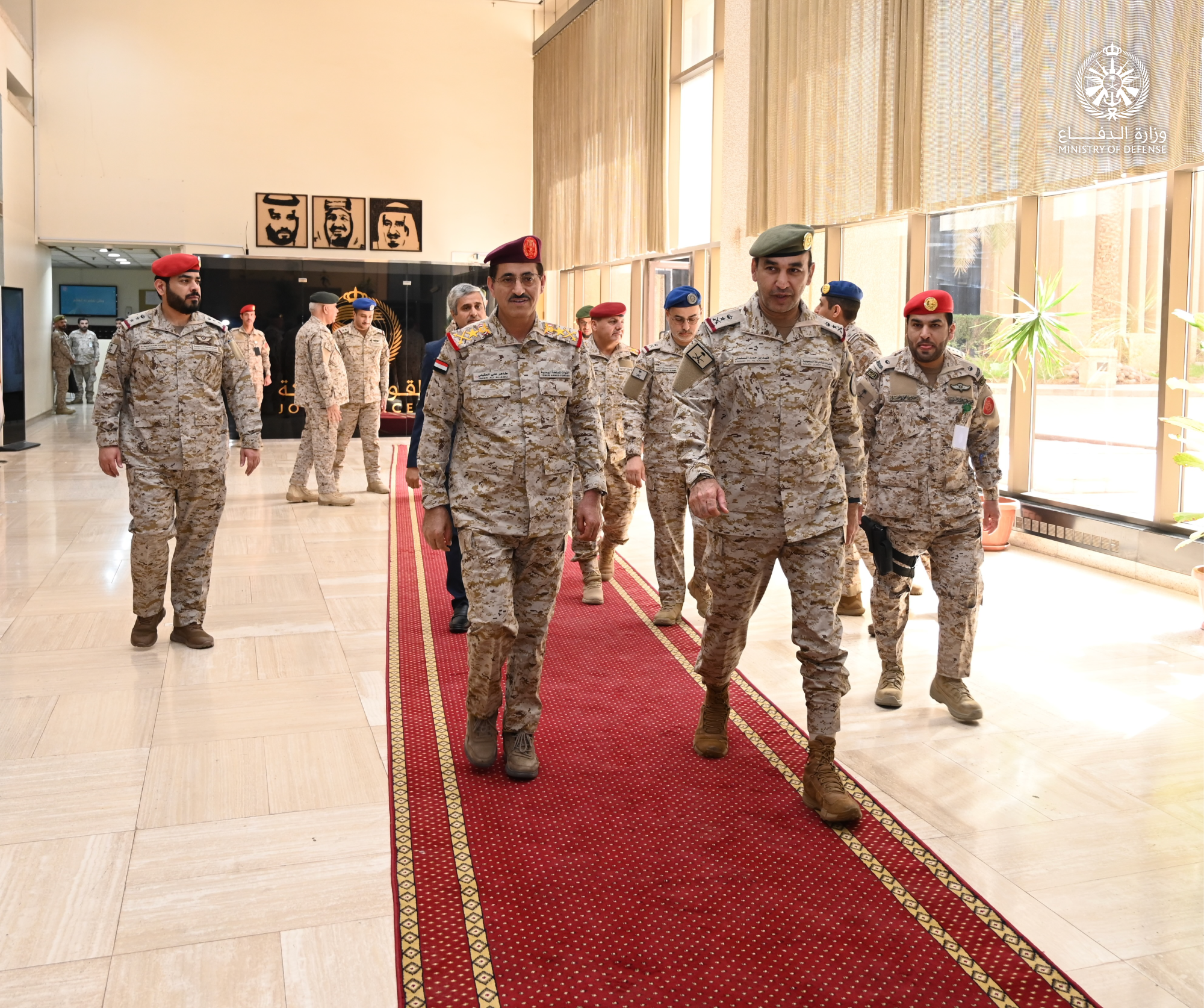
As part of ongoing efforts to enhance military and security coordination between the Kingdom of Saudi Arabia and the Republic of Yemen, the Commander of the Joint Forces, Lieutenant General Fahd bin Hamad Al Salman, received the Minister of Defense of the Republic of Yemen, Lieutenant General Taher bin Ali Al Aqili, at the Joint Forces Command headquarters. This important meeting reflects the depth of the fraternal relations and shared destiny that unites the two brotherly countries in confronting current challenges.
Lieutenant General Salman began the meeting by congratulating the Yemeni Minister of Defense on his appointment, expressing his wishes for his success in fulfilling his weighty duties and responsibilities during this critical period. The meeting included extensive discussions on the evolving field and military situation within Yemen, as well as a review of efforts aimed at resolving the crisis and ensuring security and stability for the brotherly Yemeni people.
The importance of joint military coordination
This meeting is of particular importance given the pivotal role played by the Joint Forces of the Coalition to Restore Legitimacy in Yemen, led by the Kingdom of Saudi Arabia. Direct coordination between the Joint Forces Command and the Yemeni Ministry of Defense is the cornerstone of unifying military efforts, enhancing combat readiness, securing liberated areas, and countering threats to the security of Yemen and the region.
Context of the crisis and international efforts
This meeting comes at a time when the Yemeni arena is witnessing ongoing efforts aimed at finding sustainable political and military solutions to the protracted crisis. The Kingdom of Saudi Arabia, through its leadership of the coalition, consistently affirms its unwavering commitment to supporting the legitimate Yemeni government and its national institutions, not only militarily, but also through political, humanitarian, and developmental channels, to ensure the return of normalcy and alleviate the suffering of the Yemeni people.
Towards a safe and stable future
Both sides concluded the meeting by emphasizing the need for continued consultation and close coordination to address all potential challenges. This military cooperation is an integral part of the comprehensive strategy aimed at restoring the Yemeni state and enforcing the rule of law, thus paving the way for a future of peace and prosperity and fulfilling the aspirations of the Yemeni people for a dignified life free from conflict and foreign interference.
-

 Culture and Art 5 days ago
The "Between and Between" exhibition in Jeddah: 5 artists reshape Saudi memory
-
Culture and Art 6 days ago
Shakira's concert in Jeddah: Details of the international star's first concert in Saudi Arabia
-
Local News 3 days ago
Saudi Arabia's National Arabic Language Policy: 8 Principles to Promote Identity
-
Local news two days ago
Adopting the National Policy for the Arabic Language: Strengthening Identity and Vision 2030
-
Culture and Art, 1 week ago
The truth about Nancy Ajram's video and Epstein Island, and her legal response
-
Local News 3 days ago
The Riyadh-Rin-Bisha dual carriageway, spanning 559 km, has been completed
-
Fashion one week ago
Sneaker Con Jeddah 2026: The largest gathering for sneaker culture and fashion
-
Local news one week ago
Launch of the new Dammam project with investments of 98 billion riyals