Politics
The Crown Prince launches a blood donation campaign and participates in the donation
The Crown Prince launches an annual blood donation campaign, promoting a culture of giving and community solidarity, with the aim of achieving 100% voluntary donation and supporting blood supplies.

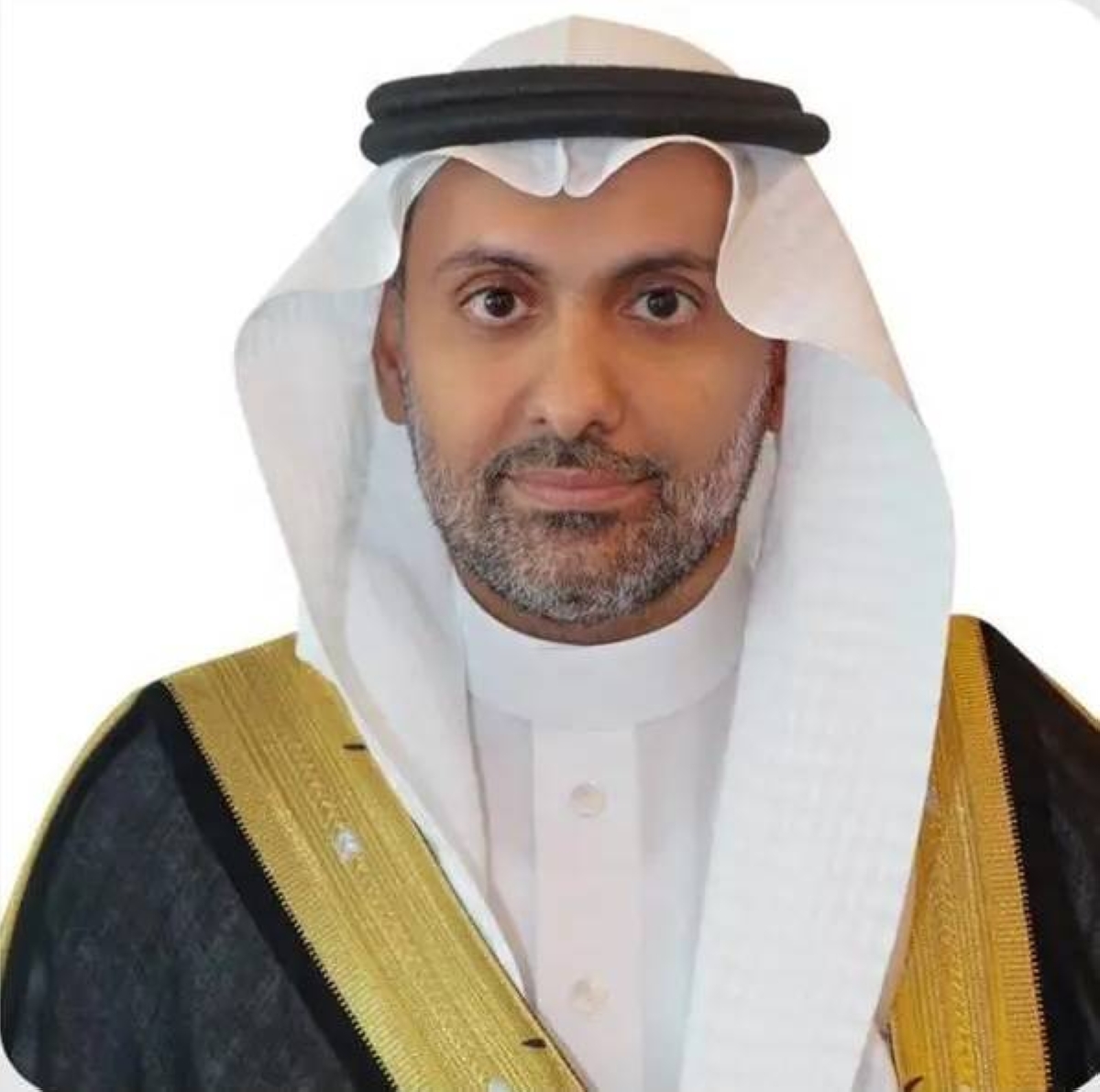
The Crown Prince's Blood Donation Initiative: Promoting a Culture of Giving and Community Solidarity
Health Minister Fahd bin Abdulrahman Al-Jalajel expressed his thanks and gratitude to Crown Prince Mohammed bin Salman bin Abdulaziz for his generous blood donation and for launching the Crown Prince's Blood Donation Campaign, which will be held annually.
This initiative is part of ongoing efforts to promote a culture of giving and community solidarity, aiming to increase the voluntary blood donation rate to 100% of all donors. This will significantly contribute to a sustainable blood supply and greatly support the healthcare sector.
Leadership's commitment to humanitarian initiatives
The blood donation campaign is part of a series of humanitarian initiatives launched by the Saudi leadership, such as receiving the COVID-19 vaccine and registering for the organ donation program.
These initiatives reflect a well-established approach to human health and improving quality of life. The Crown Prince's initiative also serves as an inspiring model for supporting national efforts to promote the principles of health-related volunteer work.
The importance of blood donation
Donating blood is one of the noblest forms of humanitarian giving, contributing to saving the lives of patients and the injured. Furthermore, blood donation contributes to providing comprehensive healthcare and enhancing the efficiency of the healthcare system in delivering high-quality services to all members of society.
Through this campaign, efforts to provide blood and its components to patients across the Kingdom are supported, enhancing the quality of healthcare services and raising the efficiency of the medical sector. This aligns with the objectives of the Health Sector Transformation Program within the Kingdom's Vision 2030 to build a vibrant society where its members enjoy a healthy and fulfilling life.
Call for community participation
The Minister of Health called upon all members of society to take the initiative to donate blood, stemming from their social responsibility and their active role in supporting the healthcare system. Participation in such campaigns is not limited to providing financial support, but extends to strengthening social bonds and reinforcing the social fabric of Saudi society.
Practical tips for donating blood:
- Checking your health status: Before you go to donate, make sure that you are in good health and do not suffer from any infectious or chronic diseases that may prevent you from donating.
- Have a light meal: Have a light meal before heading to the donation center to ensure good energy levels during and after the procedure.
- Drinking water: Make sure to drink enough water before and after donating to keep your body hydrated and avoid dizziness or fatigue.
- Rest after donation: After completing the donation process, rest a little and have a nutrient-rich drink to compensate for what you lost during the process.
Note: You should always consult with qualified doctors before making any decision regarding your personal health.
Your donations make a difference




Politics
British warning to Iran: We will not remain silent about the targeting of our allies in the region
Britain sent a firm message to Iran through spokeswoman Jocelyn Waller, stressing that it would not remain silent in the face of attacks on allies and praising efforts to protect civilians amid escalating regional tensions.

In a significant development reflecting the depth of geopolitical tensions in the Middle East, the United Kingdom sent a strongly worded message to Tehran, reaffirming its unwavering commitment to the security and stability of its allies in the region. This firm stance was delivered by the British government spokesperson for the Middle East and North Africa, Jocelyn Wallard, who emphasized that London would not remain silent in the face of any actions that jeopardize the security of its partners.
Details of the British warning
In a video posted to her official X account (formerly Twitter), Waller explained that Iran had launched a series of attacks over the past three days in various parts of the region, targeting countries that had not initiated any hostile action against it. The British official indicated that this behavior represents an unjustified escalation that threatens regional peace, emphasizing that "we will not stand idly by" in the face of these transgressions.
Regional context and the importance of alliances
This statement comes at a time of regional instability, as major international powers, particularly the United Kingdom, seek to reaffirm their commitment to security and defense agreements with Gulf and Middle Eastern states. Historically, Britain has deep strategic ties with countries in the region, extending beyond economics to include close military and security cooperation. This British stance is interpreted as part of a Western deterrence strategy aimed at preventing the escalation of conflict and ensuring freedom of navigation and global energy security.
Protection of civilians and international responsibility
In her remarks, Waller highlighted the humanitarian and social dimensions of the targeted countries, describing them as homelands that welcome citizens of diverse nationalities and backgrounds, including a large British community living and working there. She expressed the UK government's deep gratitude to the local authorities and military forces in those countries, commending their effective and vigilant efforts to protect civilians from air and missile threats.
Implications of timing and the future
The timing of this message carries significant political implications, underscoring that the international community is closely monitoring Iranian actions. Observers believe that London's use of firm diplomatic language suggests a potential increase in security and intelligence coordination between Britain and its allies in the coming period to neutralize any future threats and maintain stability in this vital region for the entire world.
Politics
The Revolutionary Guard claims to have targeted a US aircraft carrier and Mossad operations
The Revolutionary Guard announces targeting the aircraft carrier Abraham Lincoln with cruise missiles, and sources reveal Mossad ground operations inside Iran targeting defense industries.

In a remarkable development amid escalating tensions in the Middle East, and coinciding with the continuation of joint US-Israeli strikes, the Iranian Revolutionary Guard announced new details regarding the naval confrontation, claiming that the US aircraft carrier “Abraham Lincoln” was forced to flee its strategic location after being targeted by cruise missiles.
Details of the Iranian novel
Revolutionary Guard spokesman Brigadier General Ali Mohammad Naeini provided details of the alleged operation on Tuesday, stating that the largest US naval vessel had departed its position and was heading towards the southeastern Indian Ocean. According to the official IRNA news agency, Naeini explained that "the aircraft carrier was stationed approximately 250 to 300 kilometers from the Iranian coast, near the Chabahar port in the southeast of the country.".
The Iranian military official added that “after four cruise missiles were launched towards it, the carrier had no option but to flee and move away from the range of the direct threat,” in a reference to Tehran’s attempt to impose new deterrence equations in the regional and international waters adjacent to its borders.
Mossad operations and targeting of defense industries
On the other side of the conflict, and in connection with the complex military operations, Israeli sources revealed another dimension to the confrontation that goes beyond conventional airstrikes. Reports indicate that members of the Israeli intelligence agency (Mossad) and special forces operated on the ground deep inside Iran. This information coincides with Iranian sources announcing that a defense industries headquarters was targeted by precision airstrikes.
Military experts point out that the successful targeting of sensitive facilities such as defense industry headquarters often requires accurate intelligence from the field, which reinforces the hypothesis of Israeli intelligence and operational activity on the ground to direct strikes or carry out sabotage operations that precede the air bombardment.
The context of the conflict and its regional repercussions
These developments come amid a years-long "shadow war" between Tehran and Tel Aviv, which has recently erupted into the open in an unprecedented manner. Talk of targeting a US aircraft carrier, whether accurate or part of a psychological warfare campaign, represents a dangerous escalation in military rhetoric, as aircraft carriers are symbols of US mobile military power.
Observers of international affairs believe that the region is witnessing a reshaping of the rules of engagement. On one hand, the United States and Israel are seeking to undermine Iranian military capabilities, specifically in the field of military and missile manufacturing. On the other hand, Iran is trying to prove its ability to threaten American interests in the Indian Ocean and the Arabian Sea, which poses serious challenges to the security of international navigation and energy supplies that may affect regional and international stability.
Politics
Assassination of Iran's new Defense Minister Majid Ibn Reza in Tehran
Details of the assassination of Iran’s new Defense Minister Majid Ibn Reza in an Israeli airstrike in Tehran, 48 hours after his appointment as successor to Aziz Nasirzadeh, and the escalation of tension in the region.

In a rapidly escalating security and military development reflecting the peak of tensions in the region, informed Iranian sources reported today (Tuesday) the death of Iran's newly appointed Defense Minister, Majid Ibn al-Reza , less than 48 hours after his appointment to this sensitive post. This incident follows the death of his predecessor, Aziz Nasirzadeh, who was also killed in Israeli airstrikes targeting the capital, Tehran, a few days ago, according to media outlets close to the Iranian Revolutionary Guard.
Details of the operation and the Israeli targeting
The Israeli military, in an official statement, claimed responsibility for the operation, confirming that it targeted a senior Iranian commander in Tehran as part of a series of intensive and precise airstrikes. Military spokesman Efi Defrin explained that Israeli forces focused their strikes on the most heavily fortified areas of the Iranian capital, indicating that the operation targeted "the highest echelons" of the Iranian defense establishment.
The Israeli army reiterated its full readiness to continue carrying out qualitative operations against Iranian targets for the coming weeks, stressing that the recent strikes sent strong and direct messages to the Iranian regime regarding Israel’s ability to reach strategic targets deep inside Iranian territory.
Unprecedented security breach
The assassination of two defense ministers within a few days, and in the heart of Tehran, represents a dangerous indication of the extent of the security and intelligence breaches plaguing the Iranian military establishment. Observers believe that reaching figures of such high rank, and within heavily fortified security zones, signifies that the conflict has shifted from a phase of proxy wars and border skirmishes to one of direct confrontation targeting the very core of the military regime.
Regional context and repercussions of the event
These developments come at a time of unprecedented tension in the Middle East, with growing international fears of a slide into a full-blown regional war. Targeting defense ministers is not merely a tactical military operation; it represents a shift in the rules of engagement that have been in place for years. This escalation presents the region with a range of possible scenarios, as Tehran is expected to seek a face-saving response that restores the balance of deterrence severely damaged by these successive strikes.
The future of the conflict and its impact on stability
Strategically, this event raises serious questions about the future of Iran's leadership structure and its ability to protect its senior officials. Furthermore, the Israeli military's continued threats of operations lasting for weeks suggest that the region is heading toward a prolonged period of instability, which could directly impact global energy markets and shipping lanes, necessitating urgent international diplomatic action to contain the situation before it is too late.
-

 Local News 3 days ago
Jeddah Airport alerts for travelers due to airspace closure and flight disruptions
-
Local News 5 days ago
Saudi Arabia approves regulations for the continued presence of Gulf vehicles: duration and penalties
-
Local news one week ago
The Ministry of Interior begins procedures for a royal pardon for common law prisoners
-
Local news one week ago
The deadline for property registration in Hail and Riyadh is Thursday
-
Sports one week ago
Tickets for the Al-Ahli vs. Al-Hilal King's Cup match postponed: New date
-
Local news one week ago
Under the patronage of the Minister of Information, an agreement was signed between the Ministry of Information and Waves Marketing Company
-
Culture and Art 6 days ago
The Devil's Prisons series was halted: The full story of "The Emperor's" being moved to YouTube
-
Local News 5 days ago
Saudi Energy: A new identity for electricity that aligns with Vision 2030