Politics
Comprehensive ceasefire in Suwaida: Syrian Presidency announcement
The Syrian presidency announced a comprehensive and immediate ceasefire, hours after the announcement by US envoy to Damascus, Thomas Barrack


Ceasefire in Sweida: A step towards stability
The Syrian presidency announced a comprehensive and immediate ceasefire, hours after the US envoy to Damascus, Thomas Barrack, announced an agreement between Israel and Syria to halt clashes in the predominantly Druze region. This announcement comes amid international and regional efforts to de-escalate tensions in Suwaida.
regional and international support
The US envoy affirmed that the agreement was reached with the support of Turkey, Jordan, and other neighboring countries, reflecting a regional and international desire to achieve stability in the region. Barak called on all Syrian parties to lay down their arms and work towards building a unified Syria, specifically mentioning the Druze and Bedouin as key players in the current conflict.
Syrian security measures
As part of the agreement, Syrian security forces began deploying in the Sweida province to protect civilians and restore order. Interior Ministry spokesman Noureddine al-Baba explained that this move is part of a national mission aimed at protecting civilians and ending the chaos. This action is seen as part of a broader effort to reassert state control over restive areas.
Positions of local leaders
For his part, Druze leader Sheikh Hikmat al-Hijri called for reason to prevail over violence, emphasizing that the Druze have never been advocates of division or strife. The Druze spiritual leadership also reiterated its call for a ceasefire and for dialogue as the means to resolve the conflict.
Deadline for Bedouin fighters
Syrian media outlets reported that the Ministry of Defense gave Bedouin tribal fighters until dawn on Saturday to leave the Suwaida province and hand over the weapons they seized from warehouses belonging to armed groups there. The deployment of security and defense forces is likely part of a plan to de-escalate the conflict and restore calm to the area.
Analysis of the current situation
The ceasefire is a positive step towards de-escalating tensions in Suwaida, but its success depends on all parties adhering to its terms and on continued support from regional and international powers. Reasserting state control and reactivating administrative and security institutions could significantly contribute to strengthening stability and rebuilding trust among the various components of Syrian society.
Kingdom of Saudi Arabia:




Politics
A congratulatory message from the leadership to the Sultan of Brunei reflects the strength of relations between the two countries
The Custodian of the Two Holy Mosques and the Crown Prince sent congratulatory telegrams to the Sultan of Brunei on the success of his surgery, in a gesture that affirms the strength of the historical relations between the two kingdoms.
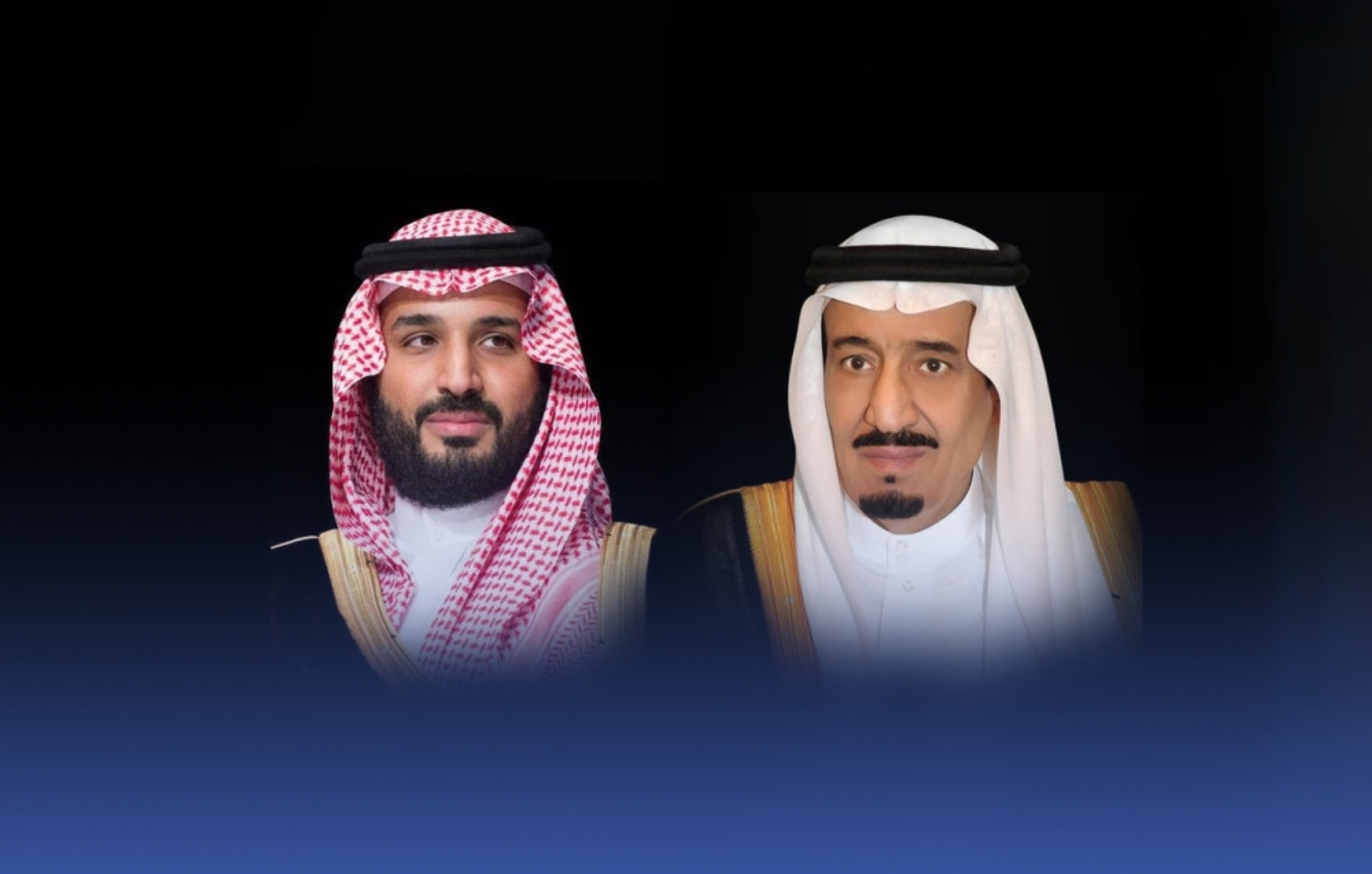
The Custodian of the Two Holy Mosques, King Salman bin Abdulaziz Al Saud, and His Royal Highness Prince Mohammed bin Salman bin Abdulaziz Al Saud, Crown Prince and Prime Minister, sent congratulatory telegrams to His Majesty Sultan Haji Hassanal Bolkiah, Sultan of Brunei Darussalam, on the occasion of the success of the surgery he recently underwent.
In his telegram, the Custodian of the Two Holy Mosques expressed his sincerest congratulations and best wishes to His Majesty, saying: “On the occasion of the success of the surgical operation performed on Your Majesty, we are pleased to send you our warmest congratulations and best wishes, asking God Almighty to grant you health and happiness, and to protect you from all harm and evil. He is the All-Hearing, the Responsive.”.
For his part, His Highness the Crown Prince expressed in his telegram his sincere congratulations and best wishes, saying: “On the occasion of the success of the surgical operation performed on Your Majesty, I am pleased to express to you my most sincere congratulations and best wishes, praying to the Almighty God to grant you continued health and happiness, and not to show you any harm, for He is the All-Hearing, the Responsive.”.
The depth of historical relations between the two kingdoms
This diplomatic gesture reflects the deep-rooted fraternal and historical ties between the Kingdom of Saudi Arabia and the Sultanate of Brunei Darussalam. Both countries are prominent members of the Organization of Islamic Cooperation and share strong religious and cultural bonds, in addition to being monarchies that strive to maintain stability and development in their respective regions. Their relationship extends beyond official protocols to include ongoing coordination in international forums and economic cooperation, particularly in the fields of energy and investment.
The importance of Brunei's leadership stability
Sultan Hassanal Bolkiah, who has reigned since 1967, is one of the longest-reigning monarchs in the modern world. Under his leadership, Brunei has undergone significant economic and social transformations, leveraging its vast oil wealth to achieve high living standards for its citizens. His Majesty's health and the stability of his leadership are crucial not only to Brunei's internal stability but also to its role as an active member of the Association of Southeast Asian Nations (ASEAN).
Diplomatic signals and messages of solidarity
These messages from the Saudi leadership are not merely personal greetings, but rather a reaffirmation of the enduring strategic alliances and strong ties between the two kingdoms. In a changing world, such messages are particularly important in strengthening solidarity between friendly nations and conveying a clear message of mutual support at the highest levels. They also highlight the pivotal role of personal diplomacy between leaders in establishing the foundations of robust and sustainable international relations. We wish His Majesty continued health and well-being.
Politics
Trump rejects Macron's invitation and escalates tensions over Greenland | International News
US President Donald Trump has rejected an invitation from Macron to a G7 meeting, reiterating his interest in controlling Greenland for security reasons, which is raising tensions with NATO allies.
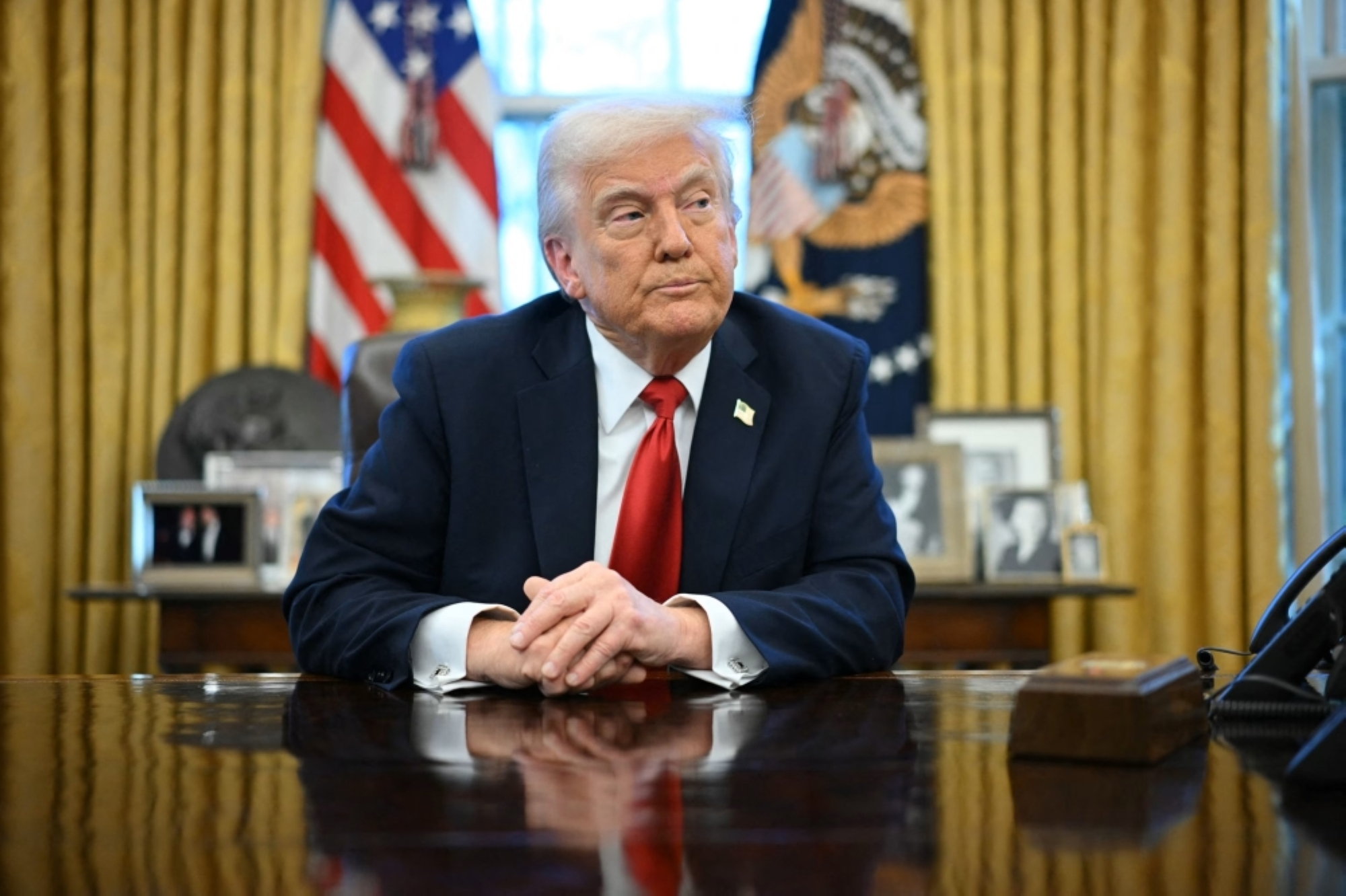
In a move reflecting ongoing diplomatic tensions between the United States and its European allies, former US President Donald Trump declined an invitation from his French counterpart, Emmanuel Macron, to attend a G7 summit in Paris. This refusal underscored the deep divisions that characterized his presidency on issues such as trade, climate, and security, which frequently pitted Washington against the other members of the group.
Background of tension in the G7
The G7 is a forum comprising the world’s largest advanced economies (the United States, Canada, France, Germany, Italy, Japan, and the United Kingdom), aiming to coordinate economic policies and address pressing global issues. However, the Trump presidency saw unprecedented tensions within the group, as his “America First” policy led to frequent clashes with traditional allies. Macron’s proposal for an additional meeting was an attempt to mend the rift and unify positions, but Trump’s rejection of the invitation demonstrated how difficult this goal would be given the existing disagreements.
Greenland: A strategic interest or a real estate deal?
Amid diplomatic tensions, Trump renewed his controversial interest in Greenland, the world's largest island and a Danish territory. He asserted that the United States and NATO would reach a mutually agreeable agreement on its future, emphasizing that he would not back down from his goal of controlling it. Trump added that the need for the island stemmed from "security purposes," and did not even rule out the possibility of seizing it by force, saying, "We're going to work on something that will make NATO very happy and that will make us very happy.".
The strategic importance of Greenland
Trump’s interest in Greenland raises questions about his motives, which extend beyond a mere real estate deal. The island occupies a crucial geostrategic position in the Arctic, a region whose importance is growing as ice melts, new shipping lanes open, and opportunities for vast natural resources emerge. Greenland also hosts Thule Air Base, a vital military facility for US early warning and missile defense systems. Direct control of the island would give Washington enormous strategic leverage in countering Russian and Chinese expansion in the Arctic, which explains Trump’s insistence on its security importance to the United States and NATO.
Regional and international repercussions
Trump’s remarks were met with a firm rejection from Denmark, which affirmed that Greenland is not for sale. This stance sparked a brief diplomatic crisis between the two NATO allies, highlighting Trump’s unconventional approach to foreign policy. Internationally, this event, along with the rejection of Macron’s invitation, reflects a shift in global dynamics, where traditional alliances are being severely tested and geopolitical competition is intensifying in previously relatively stable regions such as the Arctic.
Politics
The Saudi Foreign Minister discusses regional developments with his Egyptian counterpart
In Davos, Saudi Foreign Minister Prince Faisal bin Farhan discussed with his Egyptian counterpart ways to strengthen bilateral relations and confront common regional and international challenges.
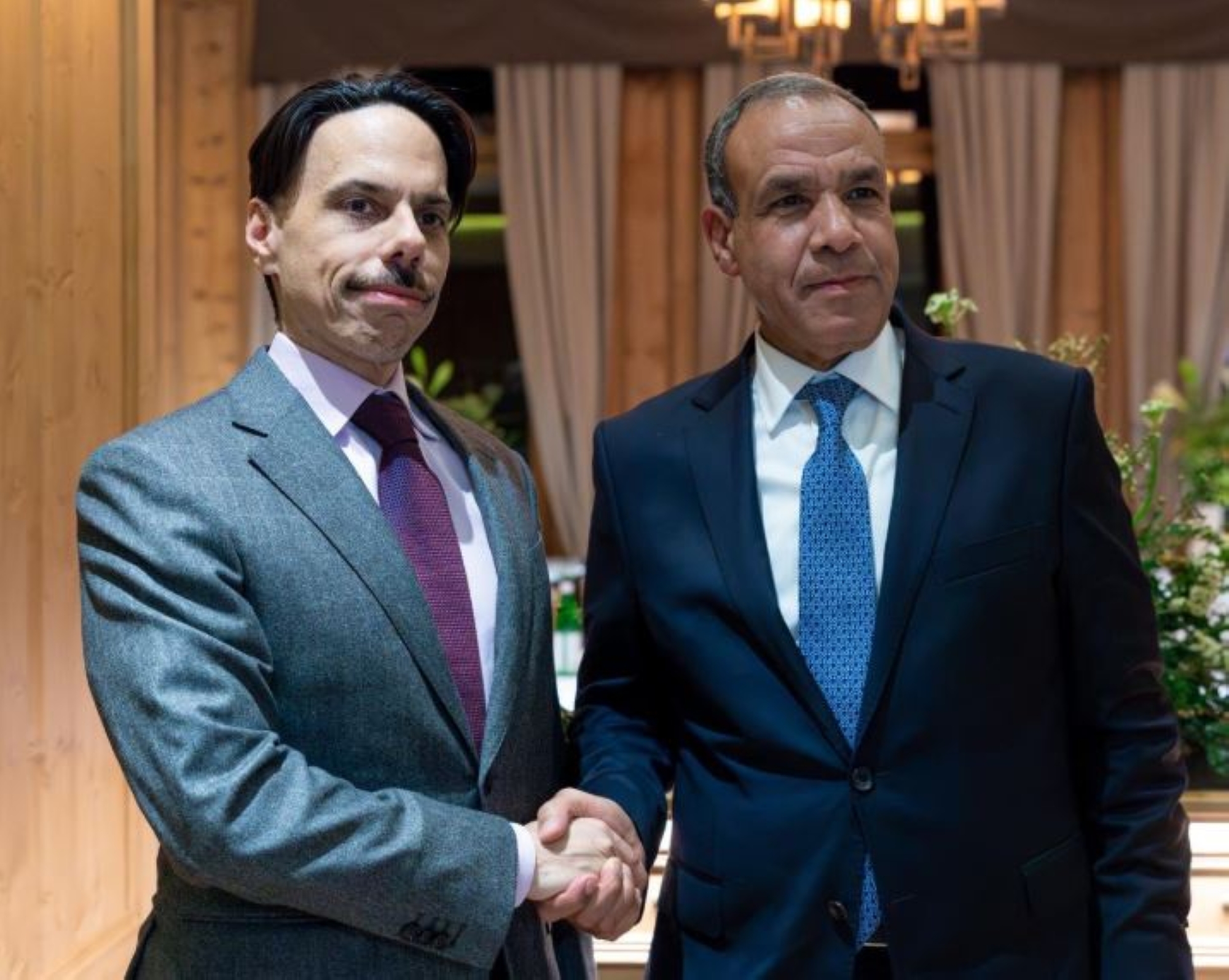
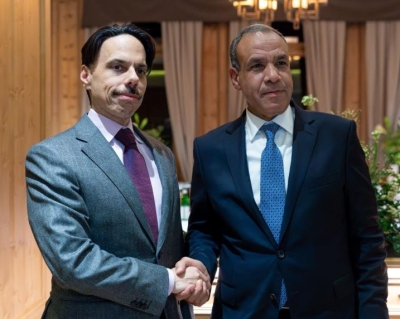
In a move reflecting the depth of strategic relations between Riyadh and Cairo, Saudi Foreign Minister Prince Faisal bin Farhan met yesterday (Tuesday) with his Egyptian counterpart, Minister of Foreign Affairs, Immigration and Expatriate Affairs, Dr. Badr Abdel-Aty. This important meeting took place on the sidelines of the 2026 World Economic Forum Annual Meeting, hosted by Davos, Switzerland, a prominent global platform for discussing pressing economic and political issues.
Deep-rooted historical ties
This meeting is the latest in a long series of ongoing coordination and consultation between the Kingdom of Saudi Arabia and the Arab Republic of Egypt, which together form the cornerstone of the Arab national security system. Relations between the two countries are based on solid historical foundations of brotherhood and joint cooperation. Both nations share similar views on most regional and international issues and consistently strive to unify the Arab ranks and strengthen joint action to confront various challenges.
Key issues on the negotiating table
Although the official statement referred to discussions on “developments in the region and a number of issues of common interest,” the context of current regional events suggests that the talks delved deeply into several vital issues. Foremost among these was the Palestinian question and related developments, a central concern for both countries. The situations in Sudan, Yemen, Libya, and Syria were also believed to have been a key part of the discussions, given their direct impact on regional security and the two countries' commitment to supporting political solutions that preserve the sovereignty and territorial integrity of these nations.
Regional and international impact
Saudi-Egyptian coordination is gaining added importance in light of rapidly changing international circumstances. This rapprochement not only serves the bilateral interests of both countries but also sends a clear message about the existence of an active Arab axis capable of influencing the course of events. The unification of visions between the largest Arab economy (Saudi Arabia) and the largest Arab demographic and military power (Egypt) contributes to strengthening stability in the Middle East region and gives the Arab voice greater weight in international forums, whether at the United Nations or other global organizations. This coordination is expected to have a positive impact on efforts to combat terrorism and extremism and enhance economic cooperation in a way that serves the aspirations of the region's peoples for development and prosperity.
-

 Reports 6 days ago
Achievements of Saudi government sectors in 2025
-
Local news two weeks ago
FDA warns of contaminated Nestle infant formula | Recall details
-
Technology 4 weeks ago
Artificial intelligence regulations in Saudi education and student data protection
-
Technology 4 weeks ago
US ban on drones: reasons and consequences
-
Technology 4 weeks ago
SRMG and Snapchat partnership: The future of digital media in the Middle East
-
Technology 4 weeks ago
Saudi Arabia's Ministry of Islamic Affairs is employing artificial intelligence in public speaking
-
Sports 4 weeks ago
Salah leads Egypt to a thrilling comeback against Zimbabwe in the Africa Cup of Nations
-
Sports 4 weeks ago
Napoli win the Italian Super Cup in Riyadh for the third time (2025)