
Politics
The coalition warns against military escalation in Yemen's Hadramawt
The coalition supporting legitimacy in Yemen announced that it will deal firmly with any military movements that violate de-escalation efforts in Hadramawt, stressing its support for the legitimate government and the protection of civilians.


The Joint Forces Command of the Coalition to Support Legitimacy in Yemen, through its official spokesperson Brigadier General Turki al-Maliki, announced its firm stance against any military movements that violate the ongoing de-escalation efforts in Hadramawt Governorate. This announcement comes as a direct response to a request submitted by the head of the Yemeni Presidential Leadership Council, Dr. Rashad al-Alimi, for urgent measures to protect civilians from the “grave and horrific human rights violations” committed by armed elements affiliated with the Southern Transitional Council.
The general context of the Yemeni crisis
The roots of the Yemeni crisis can be traced back to 2014, when the Houthi movement seized control of the capital, Sana'a. This prompted a Saudi-led military intervention in March 2015, dubbed the "Coalition to Support Legitimacy," aimed at restoring the internationally recognized government. Within this complex context, the Southern Transitional Council (STC) emerged as a major force in southern Yemen, advocating for the secession of the south. While an ally of the coalition against the Houthis, its own agenda has led to tensions and sporadic clashes with government forces. Hadramawt Governorate, Yemen's largest and oil-richest province, is of paramount strategic importance, as its stability is crucial to the security of the entire region.
The importance of the warning and its expected impact
Brigadier General Al-Maliki explained that this firm stance is part of the joint efforts led by the Kingdom of Saudi Arabia and the United Arab Emirates to de-escalate the situation in the province. These efforts aim to ensure the withdrawal of the Southern Transitional Council forces from Hadramawt, the handover of military camps to the newly formed "Homeland Shield Forces" which pledge direct allegiance to the Presidential Leadership Council, and the empowerment of the local authority to extend its influence and carry out its duties to serve the citizens. The success of these endeavors will not only have a local impact in Hadramawt, but will also serve as a model for resolving internal conflicts and unifying ranks in the face of the greater challenge posed by the Houthi group.
Regional and international repercussions
Regionally, this move reflects the pivotal role played by Riyadh and Abu Dhabi in managing the Yemeni crisis and preventing its further descent into chaos. Stability in Hadramawt is crucial for securing navigation in the Arabian Sea and the Gulf of Aden, a vital corridor for global trade. Internationally, the international community is closely monitoring these developments, as any success in de-escalation is considered a positive step towards achieving a comprehensive political settlement that ends the conflict. Al-Maliki affirmed that the Joint Forces Command of the Coalition will deal directly and immediately with any military actions that violate this agreement, emphasizing the Coalition's unwavering support for the legitimate Yemeni government and calling on all parties to uphold their national responsibilities and respond to efforts toward peaceful solutions that preserve the security and stability of Yemen and its people.




Politics
The cost of rebuilding Syria: Estimates of $500 billion and investment opportunities
A Syrian official revealed to Akhbar 24 that the cost of rebuilding Syria could reach $500 billion, stressing that the infrastructure needs $100 billion with promising opportunities for investors.
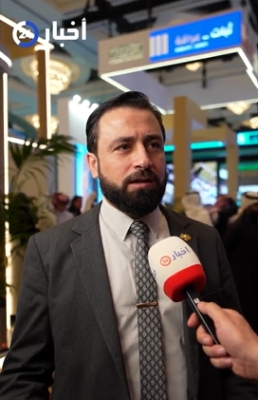
In recent statements highlighting the scale of economic challenges and future opportunities in the region, Syrian Deputy Minister of Local Administration, Zafer al-Omar, revealed huge figures related to the reconstruction file in Syria, indicating that the estimated cost could reach record levels ranging between 300 and 500 billion US dollars.
Timetable and variance of estimates
In an exclusive statement to Akhbar 24, Al-Omar explained that the complex process of rebuilding the real estate sector and the damaged cities could take between three and five years. He emphasized that these timeframes depend on the pace of work and funding, stressing that Syria will emerge stronger than before thanks to the efforts being made and the plans in place.
The Syrian official pointed out that the discrepancy in the estimates of the total cost (between $300 and $500 billion) is due to the enormous scale of the destruction and the different technical assessments of the affected areas, noting a crucial point that the pace of reconstruction of cities and urban centers is usually faster and smoother compared to rural areas, which may require greater logistical efforts.
Infrastructure: The backbone of reconstruction
In detailing the figures, Al-Omar indicated that the cost of rehabilitating the infrastructure alone could reach approximately $100 billion. This includes road networks, electricity, water, and telecommunications—sectors that suffered the most damage during the years of crisis. He emphasized that these figures, despite their enormity, represent fertile ground and an attractive opportunity for Arab and foreign investors, as Syria currently offers vast and unprecedented opportunities in various construction and building sectors.
Context of the crisis and priorities for the next phase
These statements come at a time when Syria is looking to turn the page on a war that has lasted for more than a decade and caused widespread destruction of its infrastructure and economy. Reconstruction is the biggest challenge facing the country in the post-war phase, requiring a massive concerted effort from both local and international actors.
Al-Omar pointed out that the Syrian government has established a clear set of priorities for upcoming projects, giving top priority to essential service sectors that directly impact citizens' lives. This will be followed by a focus on areas that suffered extensive damage from military operations and shelling, specifically in the governorates of Rural Damascus, Aleppo (the country's economic capital), Idlib, Hama, and Homs. Revitalizing these areas means more than just rebuilding infrastructure; it means restarting the economy and enabling residents to return to their homes, which is the cornerstone of restoring the country's social and economic stability.
Politics
A secret training camp for the Rapid Support Forces in Ethiopia, funded by the UAE
Reports have revealed a secret training camp in Ethiopia for the Rapid Support Forces, funded by the UAE. Satellite images confirm the camp's expansion and the training of thousands of fighters for the war in Sudan.
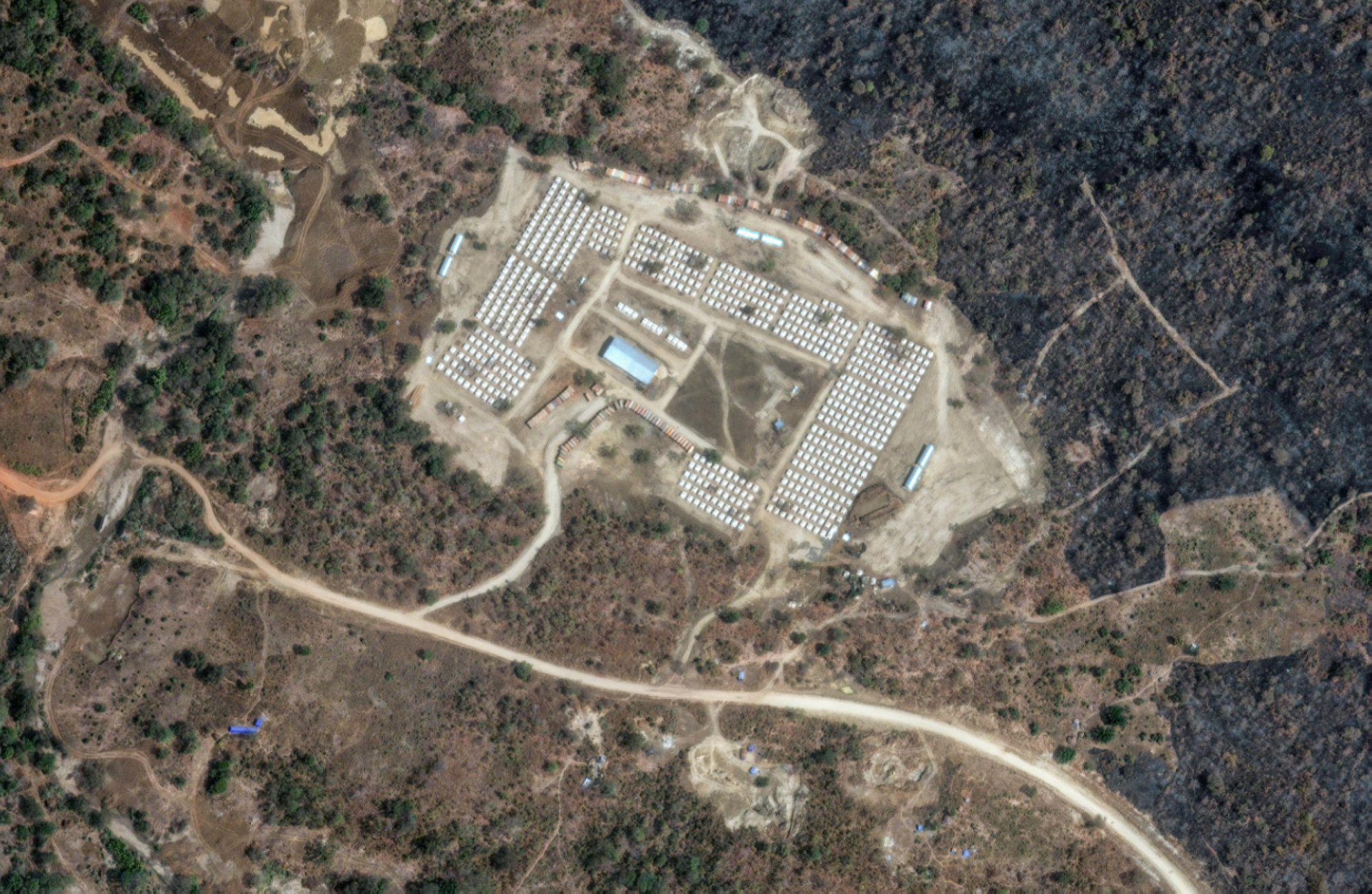
International press reports, based on governmental and diplomatic sources, have revealed a dangerous development in the course of the Sudanese conflict, which is the existence of a secret training camp in Ethiopian territory dedicated to training Rapid Support Forces fighters, with funding and logistical support from the United Arab Emirates.
Details of the camp and military expansion
According to Reuters, citing Ethiopian security sources and satellite imagery, the camp is located in the remote Benishangul-Gumuz region of western Ethiopia, near the Sudanese border. The site has seen increased activity and significant expansion since October 2025, with the construction of hundreds of tents and new logistical facilities observed.
Estimates suggest the camp's capacity could reach approximately 10,000 fighters. Reports indicate that around 4,300 Rapid Support Forces fighters had already received intensive military training at this site by early January 2026. The trainees' nationalities are diverse, including a majority of Ethiopians, as well as citizens of South Sudan and Sudan, and some members of the Sudan People's Liberation Movement.
The UAE's role and the mutual accusations
Sources indicate that the UAE not only funded the camp's construction but also provided military trainers and comprehensive logistical and training support, a fact documented in an Ethiopian security memo and a diplomatic cable. This information reinforces previous accusations by the Sudanese army and UN experts that the UAE supplied the Rapid Support Forces with weapons and equipment—accusations categorically denied by the UAE Ministry of Foreign Affairs, which maintains that it is not a party to the conflict.
Strategic importance and developments on the ground
The camp's activity coincides with suspicious development work at the nearby Assosa airport, including the construction of aircraft hangars and a ground control center, raising concerns about its potential use for operating drones. This development suggests a strategic shift in the course of the war, as these recruits are expected to join the fighting in Blue Nile State, which has become a focal point in the struggle for control of Sudan.
Background of the conflict and its regional repercussions
This revelation is the first direct and tangible evidence of Addis Ababa's involvement in the Sudanese civil war, which erupted in mid-April 2023 between the Sudanese Armed Forces and the Rapid Support Forces. Observers fear this intervention could internationalize the crisis and transform it into a wider regional conflict, threatening the stability of the entire Horn of Africa.
It is worth noting that the war in Sudan has caused one of the world’s largest humanitarian crises, leading to widespread famine and ethnically motivated atrocities, forcing millions to flee to neighboring countries such as Egypt, Chad, Libya and South Sudan, amid ongoing international warnings of a worsening security and humanitarian situation.
Politics
Iran confirms the seriousness of nuclear talks with America in Muscat
The Iranian Foreign Ministry reveals details of the indirect nuclear talks with America in Muscat, and confirms that there is an understanding to continue diplomacy despite military tensions.
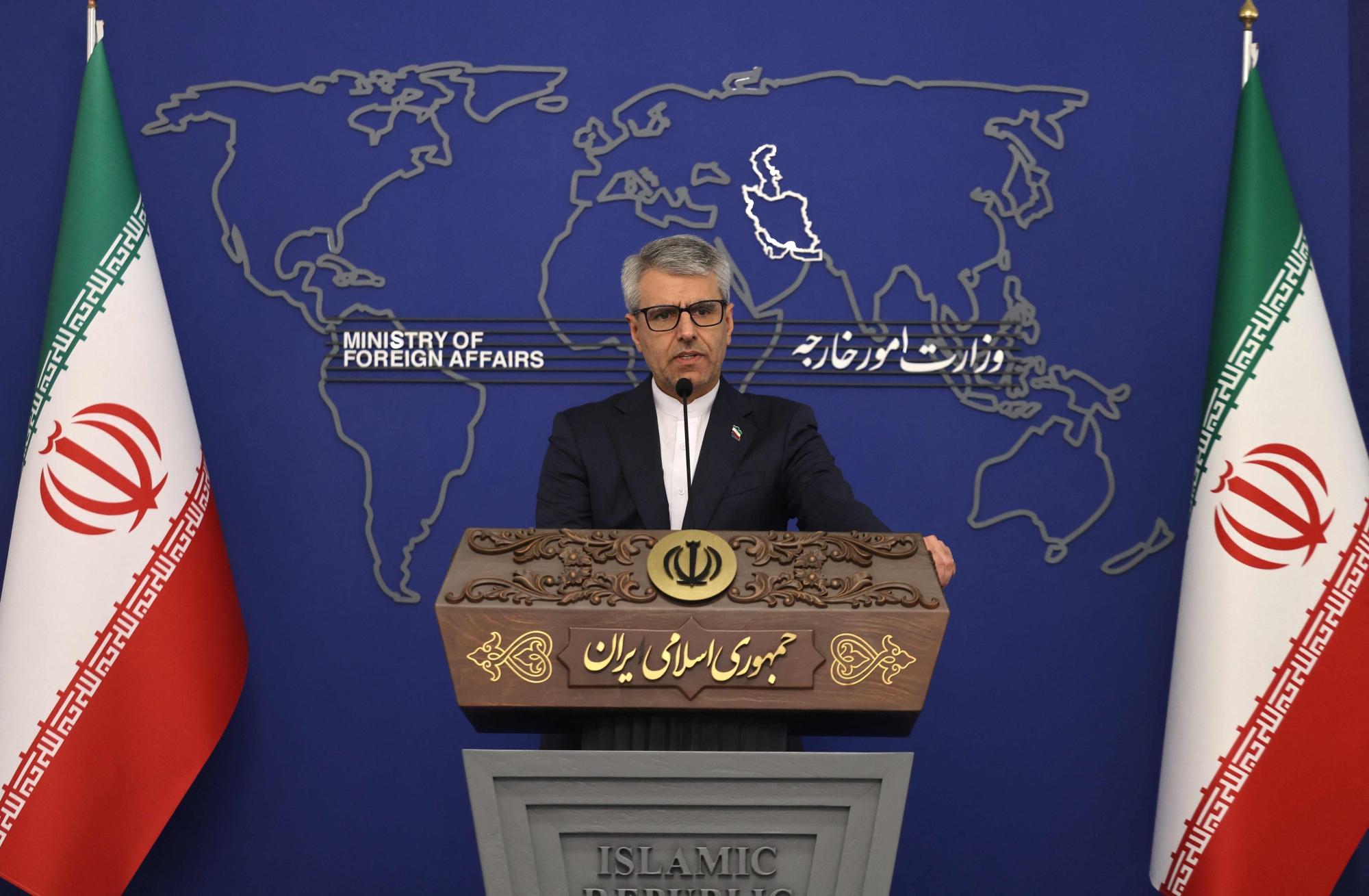
Iran’s Foreign Ministry confirmed on Tuesday that the round of indirect nuclear talks held last week with the United States in Oman had achieved its initial objectives of exploring intentions, noting that Tehran was able to gauge Washington’s “seriousness” in dealing with outstanding issues.
Details of the Muscat diplomatic meeting
Iranian Foreign Ministry spokesman Esmail Baghaei stated that the meetings, facilitated by Omani mediators, were brief but substantive. Baghaei explained that Tehran's primary objective was to gauge the other side's resolve and determine how to proceed along this complex path. He added that initial results indicated sufficient understanding and agreement to allow the diplomatic process to continue, offering a glimmer of hope for de-escalation.
Oman's role and historical background
These talks come in the context of Oman's historic role as a trusted mediator between Tehran and the West. Muscat has long served as a "back door" for diplomacy between the two countries, hosting numerous secret and public rounds of talks that paved the way for the 2015 nuclear agreement. This mediation is particularly important now, given the breakdown of direct channels and the growing need for a third party capable of conveying messages accurately and reliably to avoid any misunderstandings that could lead to military conflict.
Military tensions and regional moves
These talks came at a highly sensitive time, as the report pointed to a tense security context marked by US President Donald Trump's deployment of naval reinforcements to the region—a move that raised serious concerns about the potential for renewed military action. Current diplomacy aims to contain these concerns and prevent the region from sliding into open conflict that could harm the interests of all parties, including energy security and international navigation.
Larijani's moves and Netanyahu's visit
Amidst intensified diplomatic efforts, the Iranian Foreign Ministry spokesperson noted that Ali Larijani's visit to Muscat today was pre-scheduled and aimed at following up on regional consultations. He added that Larijani would later travel to Qatar. These visits underscore Tehran's desire to coordinate positions with its Gulf neighbors.
On another front, regarding Israeli Prime Minister Benjamin Netanyahu's anticipated visit to Washington tomorrow (Wednesday), Baqai delivered a strongly worded message to the US administration, urging it to act independently, free from external pressures. He emphasized the necessity of not yielding to Israeli dictates that disregard the region's interests and stability, and sometimes even conflict with the strategic interests of the United States itself.
-

 Local News 6 days ago
Launch of the city's shuttle bus service in Ramadan 1447 AH: Routes and stations
-
Local news one week ago
Rabigh inaugurates the world's largest water innovation oasis and enters the Guinness World Records
-
Culture and Art 7 days ago
The series "Rouh OFF" was permanently canceled by a decision of the Actors' Syndicate
-
Culture and Art 5 days ago
Yasser Galal and Radwa El Sherbiny: Details of a new artistic project that brings them together
-
Local news one week ago
Schedule of Taraweeh and Tahajjud prayers at the Two Holy Mosques for Ramadan 1447 AH
-
Local News 6 days ago
The Ministry of Education revokes the licenses of 74 private schools due to safety and quality violations
-
Local news one week ago
Saudi Arabia weather: Rain in Riyadh, the Eastern Province, and Qassim, and dense fog
-
Local News 5 days ago
Mohammed Al-Rasasmeh appointed as official spokesperson for the Ministry of Municipalities and Housing


