Politics
A Chinese reading of the Saudi influence in the People's Daily newspaper in Riyadh
The opening of the People's Daily office in Riyadh strengthens Saudi Arabia's position as an economic and media hub, and reflects China's confidence in the growing Saudi market.

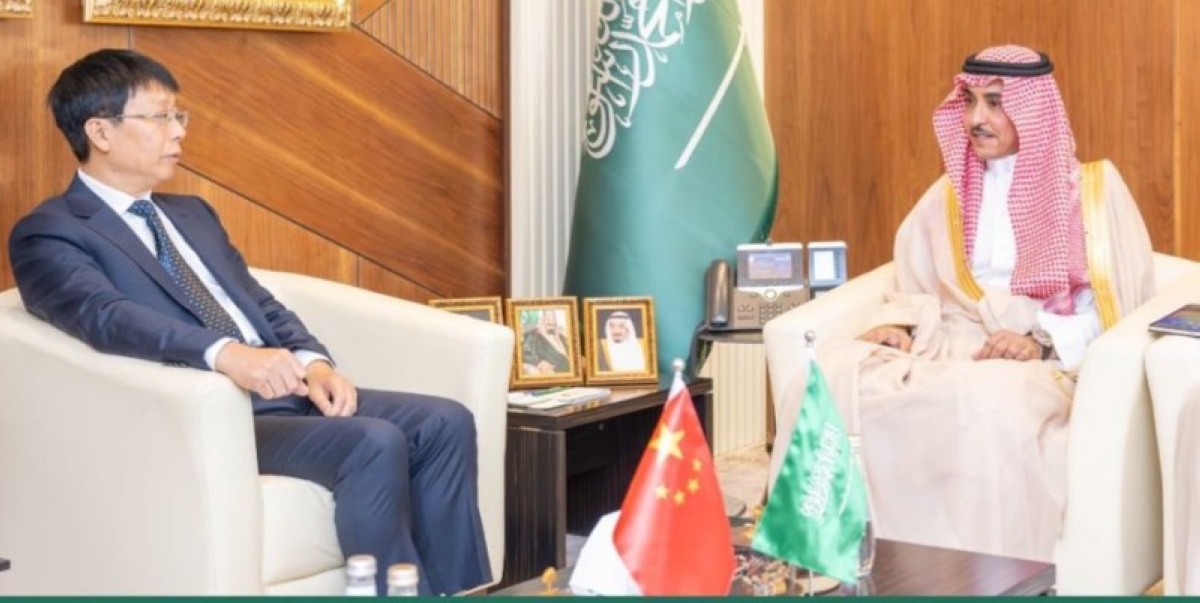
The regional office of the Chinese People's Daily was inaugurated in Riyadh
The opening of the People's Daily regional office in Riyadh represents a strategic step that enhances Saudi Arabia's position as an influential capital in the fields of economics, media, and politics. This move reflects the confidence of China, a major Asian partner, in the Saudi market, which is driving regional growth and connecting Asia with Africa and Europe.
Impact of the move on the local and global economy
The presence of the People's Daily in Riyadh opens new channels for exchanging messages and perspectives between the two countries, contributing to the strengthening of economic and investment ties. This step comes at a time when the Kingdom is undergoing significant economic transformations as part of Vision 2030, which aims to diversify income sources and reduce dependence on oil.
Energy and economic alliances
The Kingdom plays a pivotal role in balancing global energy markets by building investment bridges with China across supply chains ranging from petrochemicals to clean fuels and hydrogen. These partnerships enhance financial stability and provide extensive manufacturing opportunities within special economic zones and industrial cities.
Significance of financial figures and indicators
Reports indicate that Saudi-Chinese cooperation could lead to a more than 30% increase in bilateral trade volume in the coming years. This growth reflects the strength of the bilateral relationship and enhances the Kingdom's ability to attract foreign direct investment, which in turn contributes to improving the balance of payments and increasing foreign currency reserves.
Military and civilian manufacturing
The Kingdom is working to localize its defense and civilian industries through partnership agreements with Chinese, European, and American companies. These efforts aim to increase local content and enhance self-sufficiency, creating a genuine knowledge transfer and establishing an industrial sector capable of exporting technology rather than just raw materials.
Future prospects for the industrial sector
The industrial sector is expected to witness significant growth thanks to new investments and international partnerships. Experts predict that this sector will contribute up to 15% of GDP by 2030, further solidifying the Kingdom's position as a regional and global industrial hub.
Digital economy and artificial intelligence
Riyadh is attracting global data platforms and high-performance computing centers, positioning it as a regional provider of digital solutions. Massive investments are being made in artificial intelligence, smart cities, and satellite communications, transforming media into a knowledge-based industry powered by analytics and data.
The economic impact of digital transformation
Digital transformation contributes to improved productivity and increased competitiveness of the Saudi economy. It is estimated that the digital economy could add up to 10% to the Kingdom's annual economic growth over the next decade.
Diplomacy and its economic and political impact
The Kingdom pursues an effective foreign policy, managing regional de-escalation efforts and launching humanitarian and development initiatives. This international presence reinforces the logic of stability and economic integration, and reduces the cost of political adventurism.
The impact of foreign policy on the national and global economy
Effective foreign policies contribute significantly to creating a stable and attractive environment for foreign direct investment, which increases capital flows and helps achieve sustainable development goals.
Investment, tourism, and advanced logistics infrastructure
The Kingdom is witnessing significant developments in its logistics infrastructure, including ports, airports, and logistics zones connecting three continents: Asia, Africa, and Europe. Flexible visas that accommodate tourism, business, and major events also contribute to enhancing soft power and translating it into tangible economic returns.
Future prospects for the tourism and logistics sector
The tourism sector is expected to experience significant growth thanks to new policies and advanced infrastructure. It is estimated that the number of international visitors could double by 2030, which will boost tourism revenue and contribute significantly to the Kingdom's GDP.






Politics
The Crown Prince discusses the future of regional relations with the new Syrian President
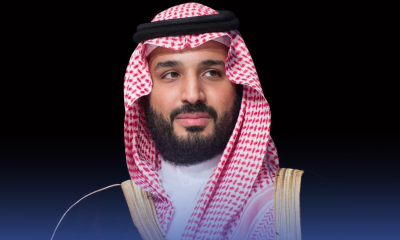
Crown Prince Mohammed bin Salman received a call from Syrian President Ahmed al-Sharaa, during which they discussed bilateral relations and the future of Syria in light of new regional developments.
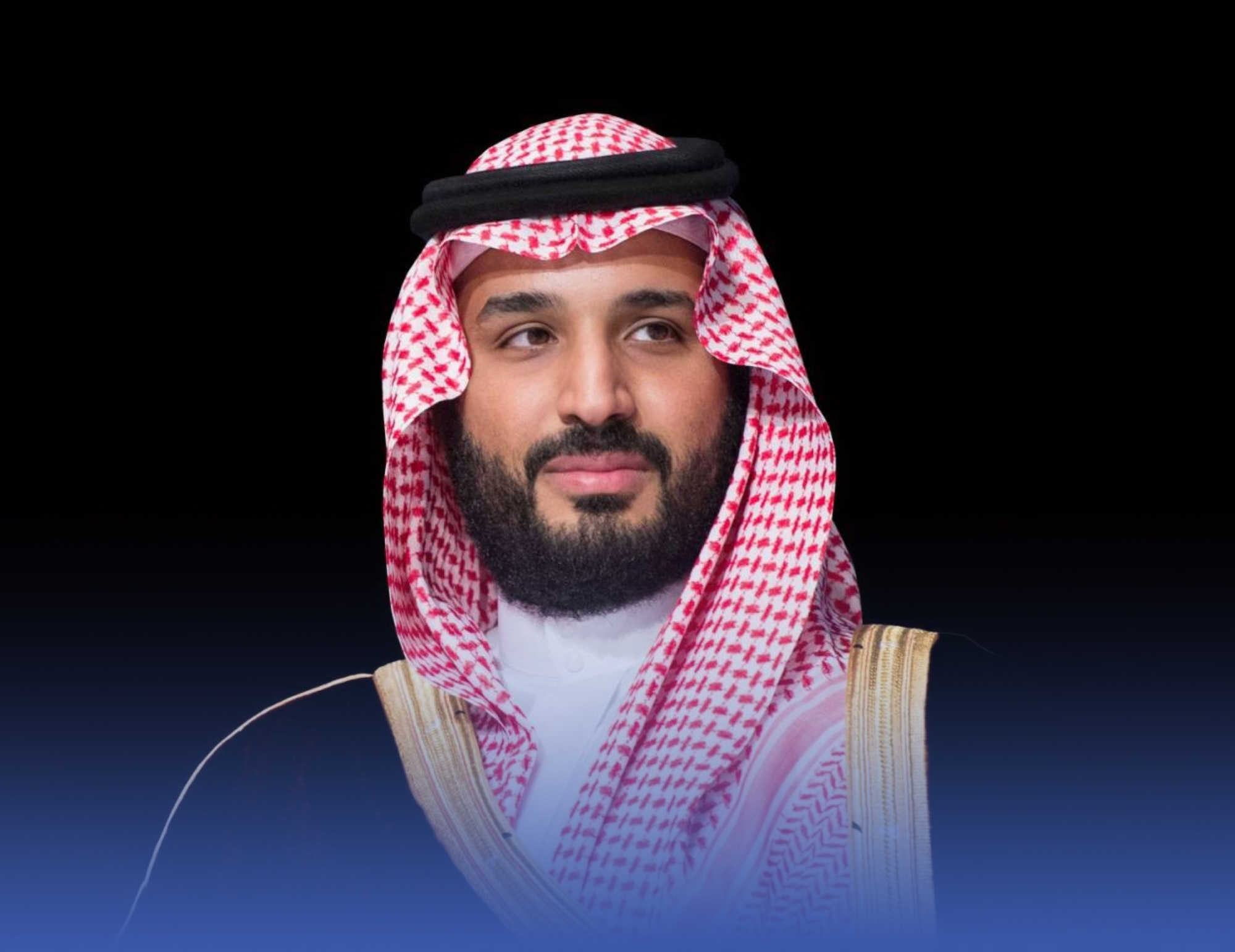
His Royal Highness Prince Mohammed bin Salman bin Abdulaziz Al Saud, Crown Prince and Prime Minister, received a telephone call today (Sunday) from His Excellency President Ahmed al-Sharaa of Syria. This call marks the first official high-level contact between the two countries following the recent political developments in Syria, and opens a new chapter in the history of bilateral relations.
Historical context and radical transformations
This contact comes in the wake of rapid developments in Syria that led to a change in leadership, presenting the region with a new geopolitical reality. Relations between Saudi Arabia and Syria had been strained for over a decade due to the Syrian crisis. However, active Saudi diplomacy in recent years, culminating in leading efforts to reinstate Syria's seat in the Arab League in 2023, paved the way for a resumption of dialogue and the rebuilding of trust, reflecting the Kingdom's understanding of the importance of Syria's stability and unity as an integral part of Arab national security.
The importance of communication and its expected impact
This contact is of paramount strategic importance on several levels. On the Syrian level, it represents significant political support for the new leadership, giving it a strong boost toward gaining regional and international legitimacy. It also opens promising prospects for securing the necessary support for the reconstruction phase and achieving the economic and social stability that the Syrian people yearn for after years of suffering.
Regionally, this contact underscores Saudi Arabia’s pivotal role as a peacemaker and pillar of stability in the region. Through its direct engagement with the new Syrian leadership, Riyadh seeks to ensure an orderly transition of power and prevent a security vacuum that could be exploited by regional powers or extremist groups to destabilize the region. This rapprochement is expected to encourage other Arab states to intensify their engagement with Damascus, thereby strengthening joint Arab action to address the challenges.
Common causes and a promising future
In addition to reviewing bilateral relations and opportunities for strengthening them, the two sides discussed regional developments and issues of common interest. These issues likely include vital matters such as combating terrorism, securing borders, curbing drug trafficking, and coordinating the safe and dignified return of Syrian refugees to their homeland. This dialogue represents a foundational step towards building a strategic partnership that serves the interests of both countries and contributes to the security and prosperity of the entire region.
Politics
Saudi leadership offers condolences to Thailand for the victims of the tragic train accident
The Custodian of the Two Holy Mosques and the Crown Prince sent a cable of condolences to the King of Thailand regarding the victims of the crane accident on a train, in a gesture reflecting the depth of Saudi-Thai relations.
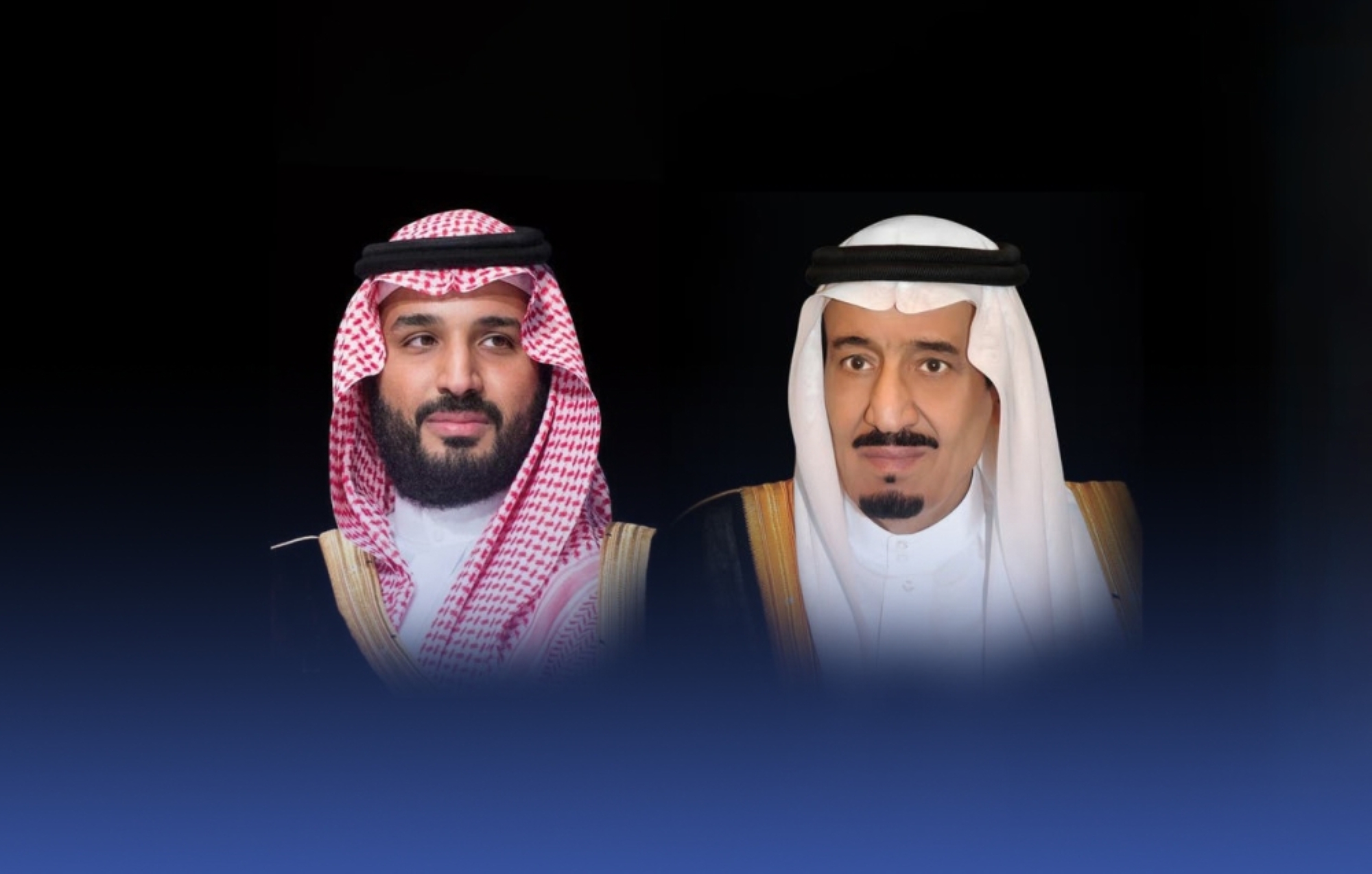
The Custodian of the Two Holy Mosques, King Salman bin Abdulaziz Al Saud, and His Royal Highness Prince Mohammed bin Salman bin Abdulaziz Al Saud, Crown Prince and Prime Minister, sent cables of condolence and sympathy to His Majesty King Maha Vajiralongkorn, King of the Kingdom of Thailand, regarding the victims of the crane accident on a train in the northeast of the country, which resulted in a number of deaths and injuries.
General context and historical background
This humanitarian gesture from the Saudi leadership comes within the context of the remarkably flourishing diplomatic relations between the Kingdom of Saudi Arabia and the Kingdom of Thailand. After a period of diplomatic estrangement that lasted for three decades, bilateral relations reached a historic turning point in January 2022 with the announcement of the full resumption of diplomatic ties between the two countries. This rapprochement culminated in reciprocal visits at the highest levels and opened up broad prospects for cooperation in multiple fields, including the economy, energy, tourism, and labor. The message of condolence is not merely a protocolary gesture, but rather an affirmation of the strength of these new ties and the two countries' desire to enhance them at all levels, including standing by each other in times of hardship.
The importance of the event and its expected impact
Domestically in Thailand, this tragic accident has once again brought to the forefront safety standards at construction sites and major projects. Like other emerging economies in Southeast Asia, Thailand is experiencing a boom in infrastructure development, including railway networks. Such accidents raise public and media concerns, prompting authorities to review occupational safety procedures and project oversight to ensure they are not repeated.
On both the regional and international levels, the message of condolence from Saudi Arabia, a major power in the Middle East and the Islamic world, carries significant political weight. It reinforces the Kingdom's image as a trusted partner and friend of Thailand, and underscores the humanitarian dimension of its foreign policy. This gesture also contributes to strengthening the positive relations recently established, which will positively impact future cooperation between the two countries in various international forums and enhance the stability of relations between the Arabian Gulf region and Southeast Asia.
Politics
Iran protests see massive death toll... official reveals 5,000
An Iranian official told Reuters that the death toll from the recent protests sparked by the death of Mahsa Amini had reached 5,000, including 500 members of the security forces.
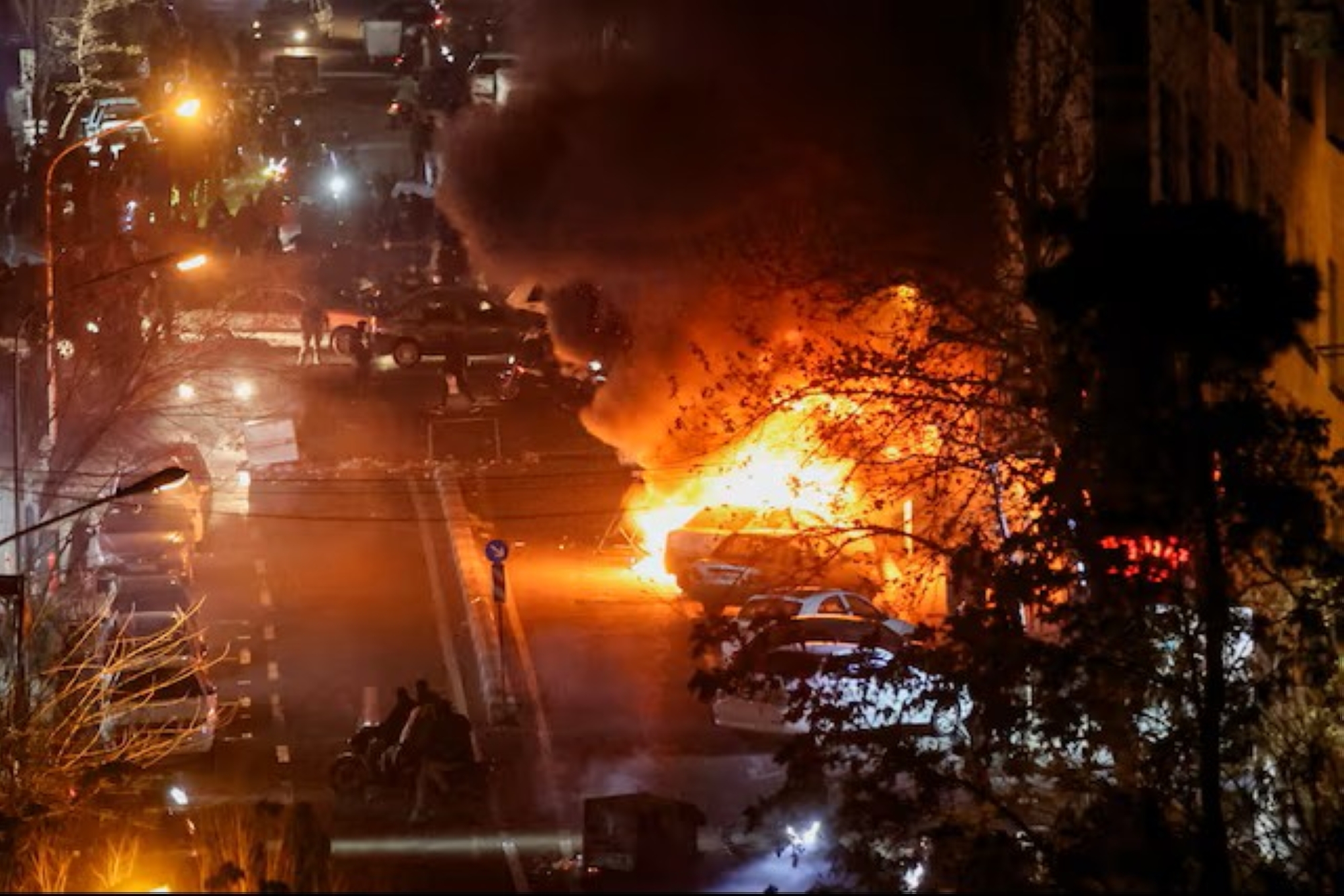
In a shocking statement reported by Reuters, an Iranian official, speaking on condition of anonymity, revealed that the confirmed death toll from the recent nationwide protests has reached at least 5,000. The official clarified that this number includes approximately 500 members of the security forces killed during the clashes.
Background of the protests and their historical context
This wave of protests, the largest and most challenging to the Iranian regime in years, erupted in September 2022 following the death of 22-year-old Mahsa Amini. Amini had been detained by Tehran's morality police for allegedly violating the strict hijab laws. She fell into a coma shortly after her arrest and died three days later. Her death sparked widespread public outrage, and her funeral in her hometown of Saqqez, a Kurdish city, became the catalyst for nationwide demonstrations under the slogan "Woman, Life, Freedom," demanding an end to social repression and greater freedoms.
Details of the official statement and its implications
According to the Iranian official, authorities have blamed what they called “terrorists and armed rioters” for the violence and the killing of “innocent Iranians.” He noted that some of the fiercest clashes and highest death tolls were recorded in predominantly Kurdish areas of northwestern Iran, where separatist groups are active. The official also accused foreign entities, specifically “Israel and armed groups abroad,” of providing financial and military support to the protesters with the aim of destabilizing the country. Despite the high death toll, the official ruled out the possibility of the final number rising significantly above this estimate.
Importance and impact at both the local and international levels
These protests posed an unprecedented challenge to the Islamic Republic, revealing the depth of popular discontent with the deteriorating economic conditions and social and political restrictions. Internationally, the government's crackdown was met with widespread condemnation from human rights organizations and Western countries. The United States, the European Union, and the United Kingdom imposed multiple rounds of sanctions on Iranian officials and entities involved in human rights abuses, further isolating Tehran diplomatically and impacting negotiations regarding its nuclear program. This figure, if confirmed by independent sources, represents one of the highest death tolls in the history of protests against the Iranian regime, reflecting the scale of the crisis facing the country.
-

 Reports 3 days ago
Achievements of Saudi government sectors in 2025
-
Local news two weeks ago
FDA warns of contaminated Nestle infant formula | Recall details
-
Technology 4 weeks ago
Artificial intelligence regulations in Saudi education and student data protection
-
Technology 4 weeks ago
US ban on drones: reasons and consequences
-
Sports 4 weeks ago
Salah leads Egypt to a thrilling comeback against Zimbabwe in the Africa Cup of Nations
-
Technology 4 weeks ago
SRMG and Snapchat partnership: The future of digital media in the Middle East
-
Technology 4 weeks ago
Saudi Arabia's Ministry of Islamic Affairs is employing artificial intelligence in public speaking
-
Sports 4 weeks ago
Napoli win the Italian Super Cup in Riyadh for the third time (2025)