
Politics
The arrest of Abu Lulu: Human rights challenges for the Rapid Support Forces
The arrest of Abu Lulu in Darfur raises questions about justice and human rights amid accusations of serious violations. Is it a step towards justice or a new ambiguity?

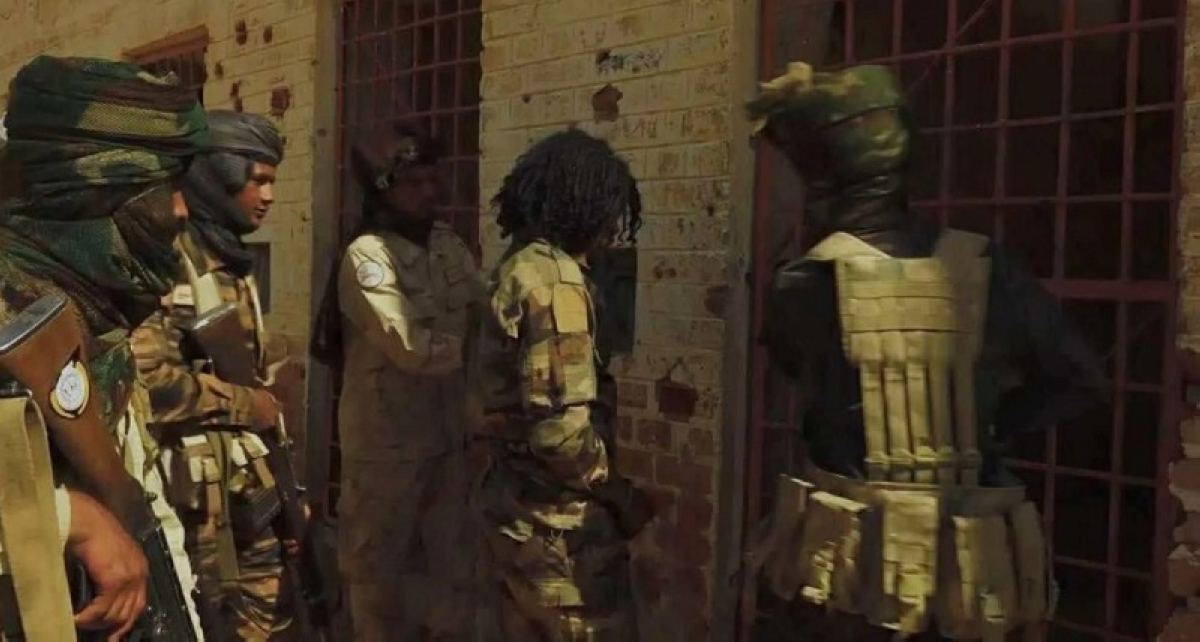
The arrest of “Abu Lulu” in Sudan: A step towards justice or a new mystery?
In a significant development in Sudan, the Rapid Support Forces announced on Thursday the arrest of a man known as “Abu Lulu” in El Fasher, North Darfur. This action follows accusations that he committed serious human rights abuses against civilians during recent fighting in the city.
Background of the arrest and ongoing investigations
According to a statement released by the Rapid Support Forces (RSF) on their Telegram channel, the arrest of Abu Lulu was carried out in accordance with directives from the leadership and in compliance with military law and discipline during wartime. The statement confirmed that an investigation has been launched by a specialized legal committee in preparation for bringing him to justice.
For his part, Rapid Support Forces spokesman Al-Fatih Qureshi clarified that the accused was not a member of the forces and that the relevant authorities had not previously identified him. He indicated that a committee had been formed to investigate his true identity and any connection he might have to any military or security entity.
Commitment to international laws and humanitarian conventions
The Rapid Support Forces (RSF) confirmed in a statement that this measure is part of preventing any abuses or violations that infringe upon human dignity or contravene international conventions, particularly the Geneva Conventions. The RSF emphasized its full commitment to holding accountable anyone found to be involved in any illegal activities.
Local and international reactions
The name “Abu Lulu” recently surfaced in widely circulated videos showing him carrying out summary executions of civilians in El Fasher, sparking widespread outrage both within and outside Sudan and calls for his prosecution. These developments come amidst long-standing political and security tensions in the country.
Broader context: Security and justice challenges in Sudan
Sudan has faced significant challenges to internal security and stability for many years. Darfur is one of the regions most affected by armed conflict, which has had a devastating humanitarian impact. As efforts to achieve peace and stability continue, holding those responsible for violations accountable remains a crucial part of the political and social process.
Saudi Arabia's role and international support:
In a broader context of supporting regional stability, Saudi Arabia plays a significant role by backing peace and sustainable development initiatives in the region. The Saudi position is seen as part of a diplomatic strategy aimed at promoting security and peace in cooperation with the international community.
Looking ahead: What's next for Sudan?
As investigations continue into the identity of “Abu Lulu” and his potential role in recent events, the most important question remains how to achieve justice and national reconciliation in a way that fosters trust among the various Sudanese parties. In these complex circumstances, international and regional efforts remain essential to support Sudan toward a more stable and just future.


Politics
Israel partially reopens Rafah crossing to Gaza residents
After a closure that lasted for months, Israel announced the limited reopening of the Rafah crossing for Gaza residents, in a trial move that comes amid a crippling humanitarian crisis and in coordination with Egypt and the European Union.
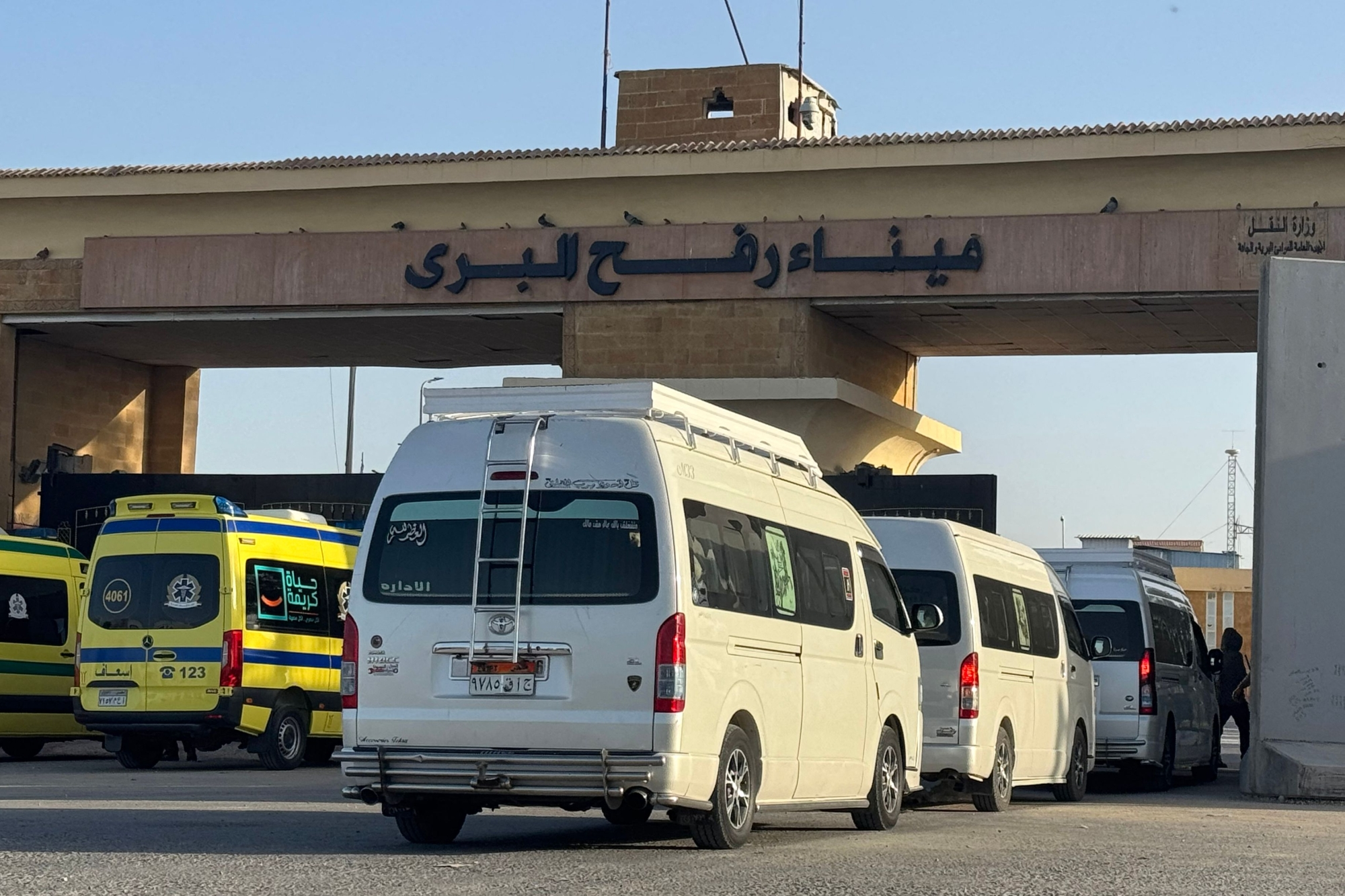
Israeli authorities announced on Sunday morning the limited reopening of the Rafah border crossing between the Gaza Strip and Egypt, after a closure that had lasted since Israeli forces took control of it in May 2014. According to the statement issued, this step will allow only residents of the Strip to pass through in an initial experimental phase.
Background and context of the closure
The Rafah crossing is the main lifeline for the residents of the Gaza Strip. It is the only land crossing that does not pass through Israel, and it connects the Strip directly to Egypt and from there to the outside world. Historically, the crossing has been controlled by various entities, but it gained paramount importance after the Israeli blockade imposed on Gaza since 2007. Its closure last May, as part of the Israeli military operation in Rafah, exacerbated the humanitarian crisis catastrophically, halting the flow of vital aid and trapping hundreds of thousands of Palestinians, including patients, students, and holders of foreign residency permits, inside the Strip.
Details of the pilot phase
The Israeli government's Coordinator of Government Activities in the Territories (COGAT) explained that the decision was made "in accordance with the ceasefire agreement and directives from the political leadership." It added that this initial pilot phase is being conducted in full coordination with the European Union Border Assistance Mission (EUBAM), the Egyptian authorities, and all relevant parties. This coordination aims to ensure an orderly and safe passage for the population, with continuous assessment of the situation to inform future decisions regarding the operation of the crossing.
Importance and expected effects
Locally, this limited opening offers a glimmer of hope for Gaza's residents, who have endured a suffocating blockade. It could provide an opportunity for patients requiring urgent medical treatment abroad, for students enrolled in foreign universities, and for families separated by the war. Regionally, this step underscores Egypt's pivotal role as a key mediator in the Palestinian issue and an indispensable partner in managing the crossing. Internationally, this move comes in response to immense pressure exerted by humanitarian organizations and the international community on Israel to open the crossings, facilitate the delivery of aid, and alleviate the humanitarian suffering in the Gaza Strip. While this step is positive, it remains limited and does not address the vast scale of humanitarian needs in Gaza, and the situation remains contingent on future political and field developments.
Politics
Trump and Iran: A strategy of military ambiguity and maximum pressure
President Trump revealed that Washington's allies were not informed of specific plans against Iran, amid escalating tensions and diplomatic efforts to defuse the crisis in the Middle East.
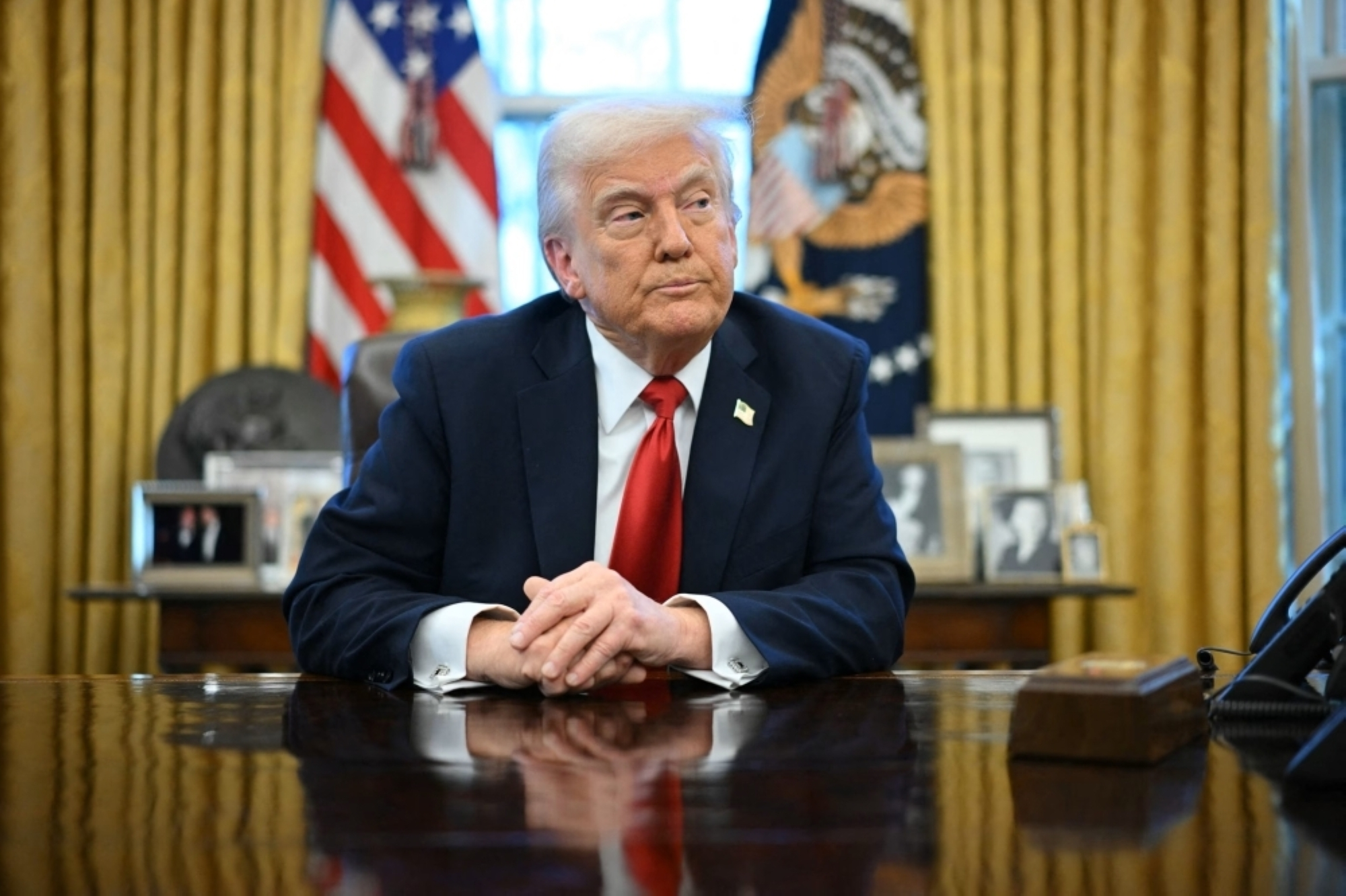
Former US President Donald Trump, in a statement reflecting his dual strategy toward Tehran, confirmed that his administration did not share any specific military plans with US allies in the region regarding potential strikes against Iran. This statement, made at the height of tensions between the two countries, added a layer of ambiguity to Washington's true intentions and represents part of his administration's "maximum pressure" policy.
Trump added that “Tehran is talking to Washington,” hinting at the existence of communication channels and leaving the door open for diplomacy by saying, “We’ll see if we can do something, and if not, we’ll see what happens.” He reiterated that a “large American fleet” is heading to the region, a military message intended to deter Iran and demonstrate strength, without specifying the nature of the fleet’s mission or the likelihood of a military attack.
Background to the tension: Withdrawal from the nuclear agreement
The roots of this crisis lie in President Trump's decision in May 2018 to unilaterally withdraw from the Joint Comprehensive Plan of Action (JCPOA), commonly known as the Iran nuclear deal, which was signed in 2015 between Iran and world powers. Following the withdrawal, Washington reimposed harsh economic sanctions on Tehran with the aim of crippling its economy and forcing it back to the negotiating table to reach a new, more comprehensive agreement that addresses its missile program and regional influence.
The importance of the event and its regional and international impact
Trump's statements carried significant weight on several levels. Domestically, they were intended to project an image of him as a strong leader who would not hesitate to use force but who preferred diplomacy. Regionally, this policy alarmed Washington's traditional allies in the Gulf, who are on the front line with Iran, as the lack of transparency regarding specific plans left them uncertain. Internationally, this policy strained relations with European allies (Britain, France, and Germany) who had worked hard to preserve the nuclear agreement as a means of preventing Iran from developing nuclear weapons.
For its part, the Iranian leadership, represented by then-President Hassan Rouhani, maintained that war would not benefit any party in the Middle East, emphasizing that Tehran would not negotiate under pressure or threats. These divergent positions reflected a dangerous state of tension, with the region teetering on the brink of military confrontation on several occasions, amidst intensive diplomatic efforts by international and regional actors to defuse the crisis and prevent a slide into a wider conflict.
Politics
Saudi Arabia's stance on the escalation: Emphasis on peaceful solutions
An official source denies any change in the Kingdom of Saudi Arabia’s position regarding the escalation in the region, stressing its support for dialogue and diplomatic solutions and its rejection of the use of its territory for any military action.
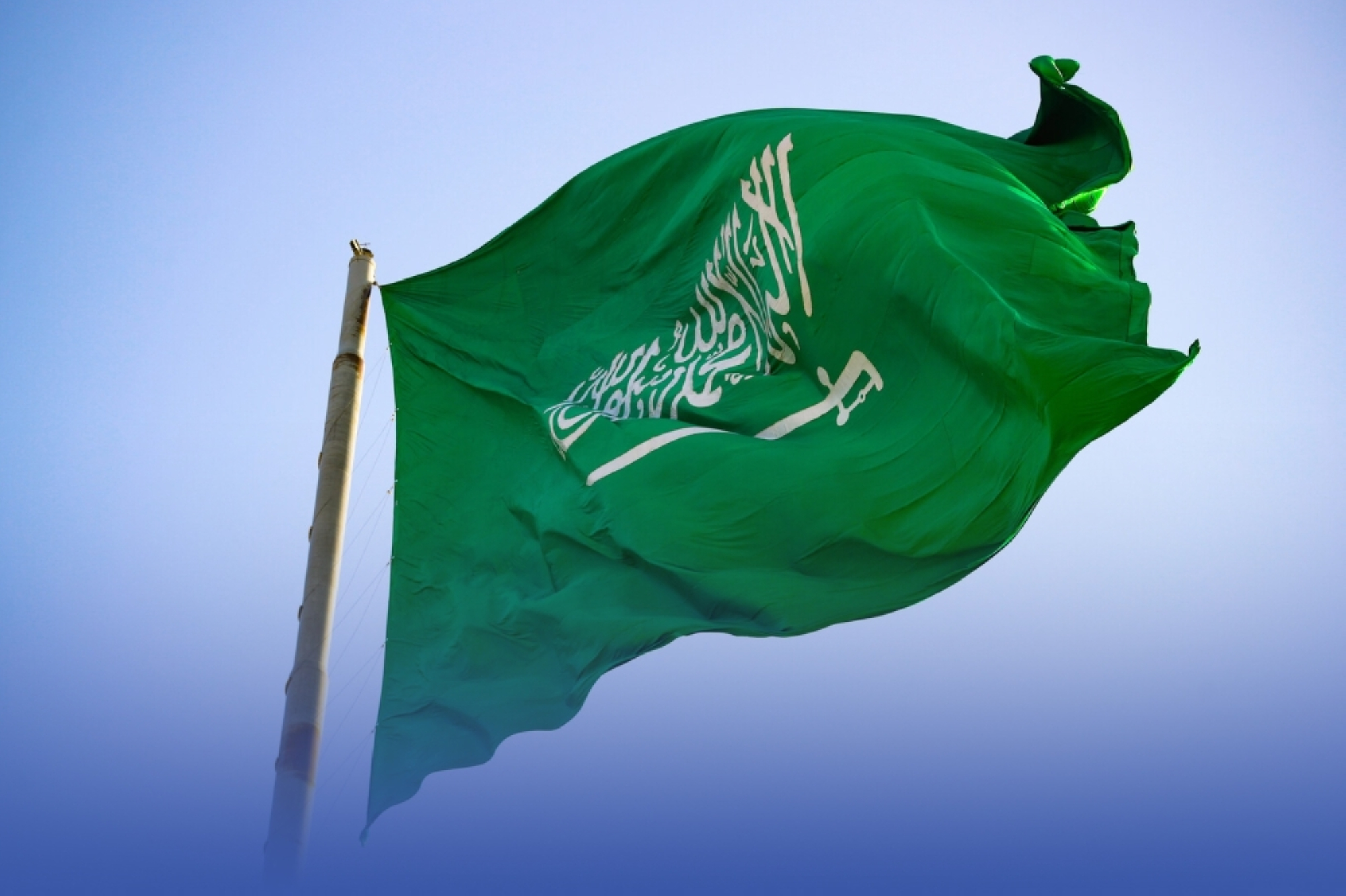
A high-level official source categorically denied the validity of the news circulating in some media outlets regarding any change in the Kingdom of Saudi Arabia’s firm stance towards the ongoing escalation in the region, stressing that the Kingdom’s foreign policy is based on firm principles of wisdom, restraint, and the call for peace.
General context and historical background
This affirmation comes amidst a tense regional and international climate, particularly between the United States and the Islamic Republic of Iran. The Kingdom has consistently played a pivotal role in maintaining regional stability, recognizing that any military escalation would have dire consequences for regional security and the global economy. This policy is grounded in a long-term strategic vision, aligned with the goals of Vision 2030, which necessitates a secure and stable environment to attract investment and achieve sustainable development. For decades, the Kingdom has pursued a diplomatic approach aimed at defusing crises through dialogue and peaceful means, avoiding involvement in conflicts that do not serve the interests of the region's people.
The importance of the situation and its expected impact
Reaffirming this stance carries significant messages on all levels. Domestically , it reassures citizens, residents, and investors that the Kingdom's leadership prioritizes national security and stability. Regionally , the Kingdom sets an example of measured diplomacy, encouraging neighboring countries to adopt a similar approach to de-escalate tensions and prioritize dialogue. Internationally , this position strengthens the Kingdom's standing as a reliable international partner genuinely committed to peace and stability, and as a key player in ensuring the security of global energy supplies, which could be negatively impacted by any conflict in the Gulf region.
Emphasis on diplomatic solutions
The source emphasized that the Kingdom strongly supports all efforts aimed at finding a peaceful solution to all contentious issues, particularly between the United States and Iran, through direct dialogue and diplomatic channels. According to the Asharq Al-Awsat newspaper, the source added that the Kingdom categorically rejects the use of its airspace or territory as a launching pad for any military action against Iran or any other country. This rejection reflects the Kingdom's commitment to its national sovereignty and independent decision-making, and its determination not to become an arena for settling scores between regional and international powers.
-

 Local News 7 days ago
Landslide in Riyadh: Details of the incident in Al-Sahafa neighborhood and containment efforts
-
 Local news one week ago
The death penalty was carried out against a citizen who stabbed another to death in Tabuk
-

 Culture and Art 7 days ago
Haifa Wehbe's absence in Riyadh: A photo crisis or a strained relationship with the media?
-
 Local news one week ago
First birth on the Riyadh train: A heartwarming story at Andalus station
-
 Local News 7 days ago
Riyadh collapse: Emergency plans to secure water after a main pipeline burst
-

 Culture and Art 7 days ago
City Kitchen series: A drama of conflict and the middle class during Ramadan
-

 Culture and Art 7 days ago
The series "Kasra": Dawood Hussein in a moving social drama this Ramadan
-

 Local News 6 days ago
Applying for the 1447 Opportunities Program for Teachers via the Fares System