Politics
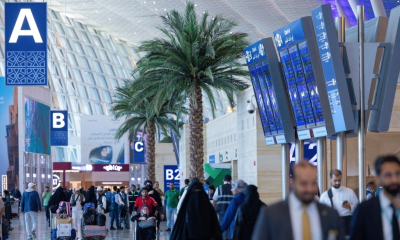
Bahrain destroys 70 missiles and 76 drones and warns citizens
The Bahrain Defense Force announced the destruction of 70 missiles and 76 drones, and affirmed its maximum readiness to counter threats, calling on citizens to adhere to security instructions and stay at home.

The General Command of the Bahrain Defence Force announced in a significant military statement the success of its advanced air defense systems in a large-scale, high-quality operation that resulted in the destruction and downing of 70 missiles and 76 drones targeting the security and stability of the Kingdom. This operation underscores the high level of efficiency and complete vigilance of the Bahraini Armed Forces in protecting national airspace.
In a related context, the General Command affirmed that all units and defense systems have been placed in a state of maximum readiness and full combat preparedness, in order to ensure an immediate and decisive response to any potential threat that may affect the sovereignty of the state or endanger the lives of citizens and residents, stressing that the armed forces will remain the impregnable shield of the nation.
A blatant violation of international law
On the human rights and humanitarian front, the General Command of the Bahrain Defence Force stressed that launching such indiscriminate and excessive attacks using ballistic missiles and explosive-laden drones to target innocent civilians and civilian infrastructure constitutes a flagrant violation of the principles of international humanitarian law . It noted that these practices are completely incompatible with the Charter of the United Nations and disregard all international conventions and humanitarian ethics that criminalize targeting residential areas and civilian infrastructure during conflicts.
The importance of adhering to security instructions
In its commitment to the safety of the home front, the General Command urged everyone to fully comply with the issued instructions, emphasizing the importance of staying home and only going out when absolutely necessary . It also called on citizens and residents to exercise the utmost caution to protect their lives and safety during these exceptional circumstances.
Combating rumors and psychological warfare
In closing, the Bahrain Defence Force issued an important warning regarding the handling of information, urging everyone to obtain news only from official and accredited sources . It stressed the need to avoid filming military operations or troop movements and to stay away from affected areas to avoid hindering the efforts of emergency and rescue teams. The Force also warned against the dangers of spreading rumors that could aim to destabilize security and stability and incite panic among the public, emphasizing that public awareness is the first line of defense in such crises.





Politics
UAE intercepts Iranian ballistic missiles: Ministry of Defense statement
The UAE Ministry of Defense announces that it intercepted a barrage of Iranian ballistic missiles and confirms the readiness of its air defenses to protect the country and the safety of citizens and residents.

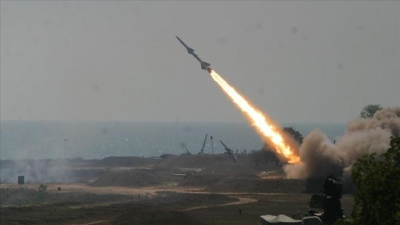
The UAE Ministry of Defense announced in an urgent statement that its air defenses are currently dealing with a barrage of ballistic missiles coming from Iranian territory with high efficiency, noting that the monitoring and tracking systems were able to identify the hostile targets and deal with them as soon as they entered the country's airspace.
The Ministry confirmed in its official statement the complete readiness of the UAE Armed Forces to deal with all security threats, stressing that protecting the country’s territory and the safety of citizens and residents is its top priority, and that it will not hesitate to take all necessary measures to deter any attack that affects the security and stability of the country.
Advanced air defense system
This successful interception reflects the efficiency of the advanced defense system possessed by the United Arab Emirates. Over the past years, the country has invested in building a robust missile shield based on the latest global technologies, including the American THAAD and Patriot systems, which are specifically designed to intercept ballistic missiles at various altitudes, making Emirati airspace among the most secure in the region.
Regional context and geopolitical tensions
This incident falls within a broader context of geopolitical tensions in the Middle East and the Arabian Gulf. Missile programs in the region have long been a source of concern for the international community and neighboring countries, as the use of ballistic missiles is seen as a tool for regional instability and a threat to international shipping lanes and global energy security.
International influences and positions
This attack is expected to draw widespread condemnation from the international community and UN organizations, given its violation of international law and the threat it poses to civilians. Such incidents typically underscore the importance of security and military cooperation between the Gulf Cooperation Council (GCC) states and their international allies to ensure regional stability.
Domestically, the relevant authorities in the UAE continue to reassure the public, stressing that life is proceeding normally and that the country has the full capabilities to protect its national achievements and advanced infrastructure against any potential risks.
Politics
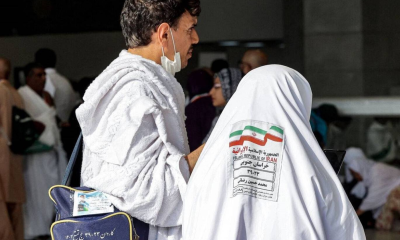
Evacuation of Iranian pilgrims from Saudi Arabia via Iraq: Details
Learn about the details of the evacuation of 9,000 Iranian pilgrims from Saudi Arabia through the Arar border crossing to Iraq, through tripartite diplomatic coordination between Riyadh, Baghdad and Tehran to ensure the safety of the citizens.

The Iranian ambassador to Saudi Arabia, Ali Reza Enayati, announced that Iranian authorities have begun implementing an urgent plan to evacuate their citizens currently performing Umrah in the holy sites. This move coincides with rapidly escalating security developments, as indicated by sources regarding potential attacks targeting locations in the Gulf region, prompting swift diplomatic action to ensure the safety of Iranian citizens.
Details of the evacuation plan and land route
Ambassador Enayati explained in a press statement to Independent Arabia that the transfer of pilgrims would begin that night, with the pilgrims divided into 10 groups to ensure a smooth flow of movement. The logistical plan relies on land transport using buses, with pilgrims departing from Mecca and Medina heading north towards the border city of Arar.
The buses are scheduled to depart Saudi Arabia via the Arar border crossing into Iraq, and then continue their journey overland to Iran. This route is considered a strategic option under the current circumstances, reflecting the high level of coordination between the countries involved to secure safe passage for civilians.
Trilateral diplomatic coordination and official figures
The Iranian ambassador revealed that the number of Iranian citizens currently in Mecca and Medina is estimated at around 9,000 pilgrims. He confirmed that intensive communication has taken place with officials at the Saudi Ministry of Hajj and Umrah to arrange their departure procedures, praising the tangible cooperation from the Saudi authorities in facilitating this humanitarian mission.
Enayati noted that the success of this plan depends largely on close cooperation between the governments of the three countries: Saudi Arabia, Iraq, and Iran. He explained that the Iranian consulates in Jeddah and Iraq are operating as interconnected command centers to monitor the pilgrims' transfer moment by moment until their safe return home.
General context and importance of regional coordination
This operation is of particular importance given the large number of evacuees and the long distances the convoys will travel by land. The Saudi-Iraqi-Iranian cooperation on this matter demonstrates the Kingdom of Saudi Arabia's unwavering commitment to the safety and security of pilgrims of all nationalities, and to providing all necessary facilities for their safe departure, especially during times of crisis or regional tensions.
Iraq's role as a vital transit hub and bridge between neighboring countries is also highlighted, with the Arar border crossing facilitating movement between the Kingdom and Iraq, a function that has been effectively implemented in this emergency plan. These measures underscore the importance of open diplomatic channels and joint consular efforts in managing the affairs and protecting citizens abroad.
Politics
Meloni attacks Iran and Macron strengthens nuclear ties: Developments on the international scene
Georgia Meloni asserted that Iran's attacks on the Gulf states were unjustified, while Macron announced the strengthening of the French nuclear arsenal to ensure independent European defense.

Italian Prime Minister Giorgia Meloni reaffirmed her country's firm stance on tensions in the Middle East on Monday, emphasizing that Iran's attacks on Gulf states are "completely unjustified." These remarks, reported by the Italian news agency AKI, highlight growing European concern over Iran's destabilizing activities in the region.
In a related context, Meloni pointed out that the United States and Israel resorted to military options against Iran as a direct result of the failure of diplomatic efforts and agreements concerning Tehran's nuclear program. The Italian official clarified a crucial point regarding the European position, emphasizing that European countries were not involved in the attacks, reflecting the differing roles of Western powers in dealing with the Iranian nuclear issue.
Context of regional tensions and Gulf security
Meloni's remarks come at a time of geopolitical uncertainty in the region. European countries, including Italy, have long considered the security of the Gulf states an integral part of global security and international energy security. The collapse of the nuclear agreement (the Joint Comprehensive Plan of Action) has opened the door to multiple scenarios, with Washington and Tel Aviv seeing a need to contain Iranian influence, while Europe often seeks to maintain open diplomatic channels despite condemning Iran's aggressive behavior.
Macron and the move towards strengthening European defense
Meanwhile, and in parallel with the Italian statements, France has taken escalating steps to bolster its defense system. French President Emmanuel Macron affirmed on Monday his country's determination to strengthen its nuclear warhead arsenal. This came during a strategic address delivered at the Île Longue nuclear submarine base in Crozon, where he emphasized that modernizing and strengthening France's nuclear deterrent has become "indispensable" in light of current international developments.
Macron did not limit himself to discussing domestic French affairs, but extended his vision to the continent, indicating that Europe urgently needs to play a larger and more independent role in its own defense, rather than relying entirely on external allies. The French president added that there is growing consensus around this vision, noting that Germany has already expressed its approval of this new strategic direction, thus paving the way for deeper and more integrated European military cooperation to address future challenges.
-

 Local News 3 days ago
Jeddah Airport alerts for travelers due to airspace closure and flight disruptions
-
Local News 5 days ago
Saudi Arabia approves regulations for the continued presence of Gulf vehicles: duration and penalties
-
Local news one week ago
The Ministry of Interior begins procedures for a royal pardon for common law prisoners
-
Local News 7 days ago
The deadline for property registration in Hail and Riyadh is Thursday
-
Sports one week ago
Tickets for the Al-Ahli vs. Al-Hilal King's Cup match postponed: New date
-
Local News 7 days ago
Under the patronage of the Minister of Information, an agreement was signed between the Ministry of Information and Waves Marketing Company
-
Culture and Art 5 days ago
The Devil's Prisons series was halted: The full story of "The Emperor's" being moved to YouTube
-
Local news one week ago
Saleh Al-Maghamsi appointed Imam of the Prophet's Mosque: Details of the Royal Decree