Politics
The attack on Doha: its impact on the Gulf-Russian dialogue
Tensions are escalating in the Middle East with Russian warnings of an Israeli attack on Qatar and its impact on the Gulf-Russian dialogue; exciting details await you.

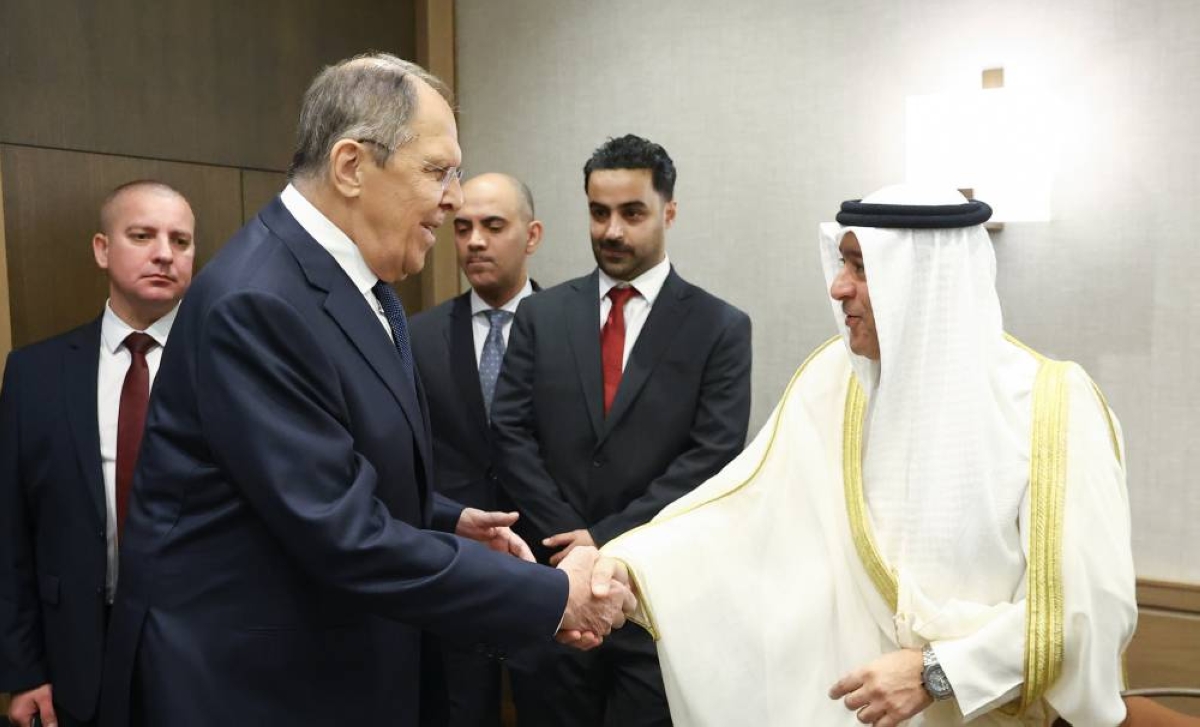
Tensions in the Middle East: Russian warnings and Gulf stances
Amid escalating tensions in the Middle East, Russian Foreign Minister Sergey Lavrov warned of the dangers of recent Israeli actions, including an attack on Qatar. He issued this warning during his opening remarks at the eighth joint meeting of the strategic dialogue between Russia and the Gulf Cooperation Council (GCC) countries in the Russian city of Sochi.
military and political escalation
Lavrov explained that military and political tensions in the region have increased sharply following the Israeli attack on Doha, considering these actions to reflect an Israeli desire to undermine the possibility of establishing an independent Palestinian state. He emphasized that such actions only serve to undermine international efforts aimed at finding peaceful solutions to the Palestinian-Israeli conflict.
The position of the Gulf Cooperation Council countries
For his part, Kuwaiti Foreign Minister Abdullah Ali Al-Yahya affirmed the Gulf Cooperation Council's (GCC) position rejecting any aggression against any of its member states. He considered the Israeli attack on Qatar an attack on all member states, noting that such actions constitute a dangerous escalation that threatens the stability of the region.
The Palestinian cause: A Gulf priority
Al-Yahya affirmed that the Palestinian cause remains at the heart of his country's and the Gulf states' priorities, stressing that stability cannot be achieved without ending the Israeli occupation and establishing an independent Palestinian state. He expressed his hope that the upcoming Russian-Arab summit would yield tangible progress toward achieving this goal.
Historical and political context
These developments come within a complex historical and political context related to the decades-long Israeli-Palestinian conflict. The region has witnessed numerous attempts to find peaceful solutions that include the establishment of an independent Palestinian state alongside Israel. However, recent events indicate that the challenges to achieving this goal persist.
The Saudi role and balanced diplomacy
The Kingdom of Saudi Arabia plays a pivotal role in supporting efforts to achieve peace and stability in the region. It continues to operate within a balanced diplomatic framework that seeks to promote dialogue and understanding among the parties involved. The Kingdom stands out as an active player striving to offer diplomatic solutions that consider the interests of all parties and contribute to easing regional tensions.
While international and regional efforts to address the current crisis continue, hope remains pinned on the ability of the international community and influential countries such as Saudi Arabia, Russia, and other regional and international powers to reach sustainable solutions that promote peace and stability in the Middle East.




Politics
The Security Council representative stated: Israel has no sovereignty over Palestine
Ambassador Abdulaziz Al-Wasil affirmed before the Security Council Saudi Arabia’s categorical rejection of classifying West Bank lands as Israeli property, stressing the two-state solution and the protection of humanitarian work in Gaza.
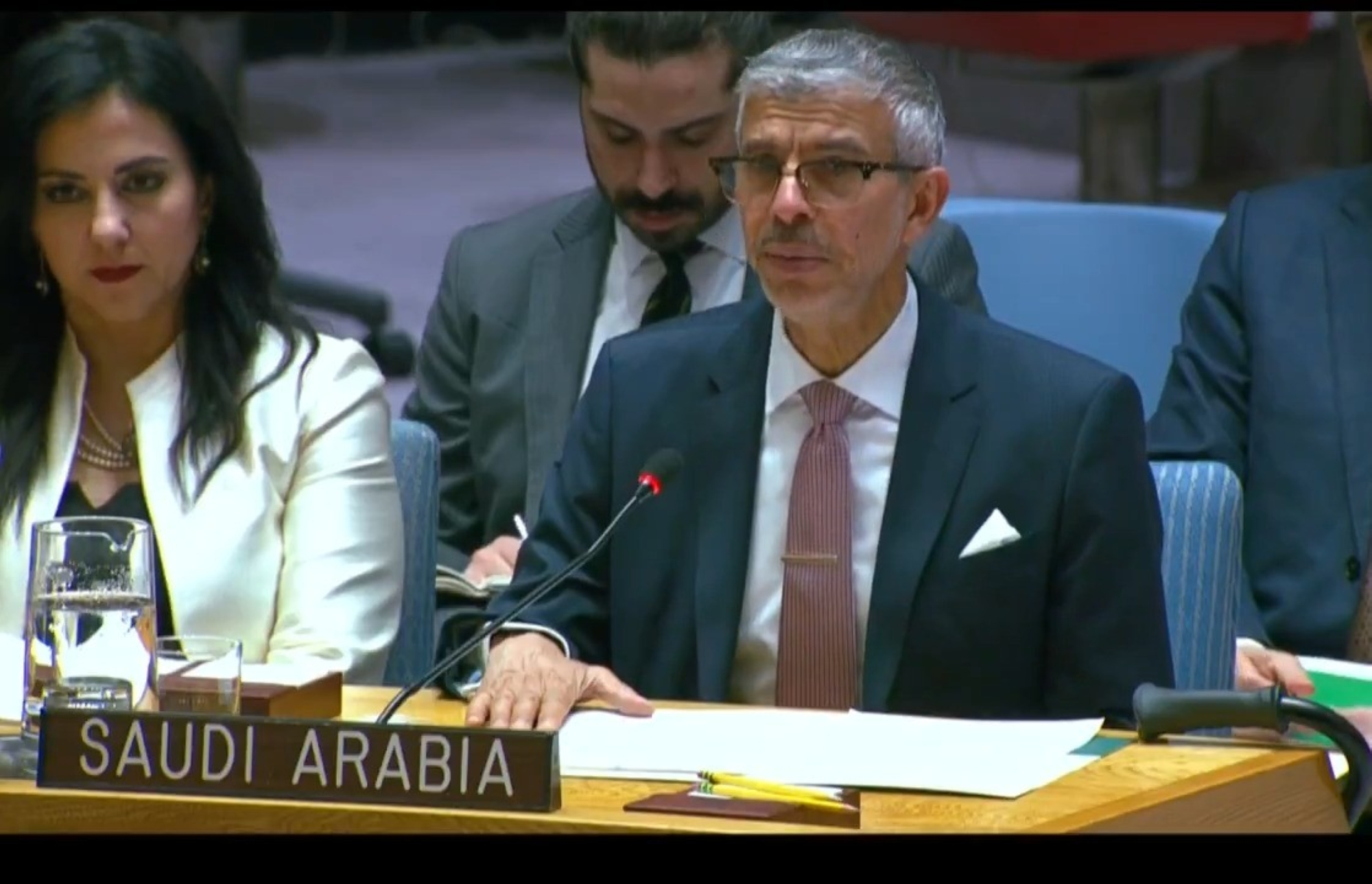
As part of the intensive diplomatic efforts led by the Kingdom of Saudi Arabia to support the Palestinian cause in international forums, the Kingdom’s Permanent Representative to the United Nations, Ambassador Dr. Abdulaziz Al-Wasil, participated in the ministerial session of the UN Security Council dedicated to discussing the situation in the Middle East, where he presented a strong argument reflecting the constants of Saudi foreign policy.
A firm rejection of the policy of imposing a fait accompli
In his address, Ambassador Al-Wasel affirmed that the Kingdom categorically rejects unilateral Israeli measures, specifically the recent decision by the occupying authorities to classify vast areas of the occupied West Bank as “state land.” He explained that this classification represents a blatant legal ploy to legitimize settlement activity and land confiscation, constituting a flagrant and grave violation of the principles of international law and the Geneva Conventions, which prohibit an occupying power from altering the geographic or demographic character of occupied territories.
Al-Wasel stressed that these practices directly undermine any real opportunities for peace in the region, reaffirming the firm Saudi position that “Israel has no sovereignty over the occupied Palestinian territories,” and that these territories are an inherent right of the Palestinian people that does not lapse with time or with ongoing Judaization policies.
International references and the two-state solution
In discussing a political solution, the Saudi representative reiterated the principles upon which the international community agrees, emphasizing the Palestinian people's legitimate right to self-determination and the establishment of their independent, sovereign state within the June 4, 1967 borders, with East Jerusalem as its capital. Al-Wasel based his remarks on resolutions of international law, particularly Security Council Resolution 2334, which condemns settlements and deems them illegal, calling on the Council to uphold its responsibilities in implementing its resolutions.
This position is an extension of the historical role of the Kingdom of Saudi Arabia, which presented the Arab Peace Initiative in 2002, and which still represents the Arab strategic option for a just and comprehensive peace, based on land for peace.
The humanitarian situation and the unity of Palestinian territory
On the humanitarian front, Ambassador Al-Wasel addressed the catastrophic situation in the Gaza Strip, particularly with the arrival of the holy month of Ramadan. He called on the international community to provide immediate protection for humanitarian and relief organizations, enabling them to carry out their duties in accordance with international humanitarian law. He stressed the need to open the crossings and ensure the unimpeded delivery of food and medical aid by Israel.
Al-Wasel also noted the Kingdom's constructive participation in the Peace Council meeting held on February 19, 2026, commending international efforts aimed at ending the war. He concluded his remarks by warning against any plans to divide Palestinian territories or separate the Gaza Strip from the West Bank, emphasizing the necessity of preserving the geographical and political unity of the Palestinian territories as a fundamental condition for any future solution.
Politics
Washington awaits a written response from Iran to avoid military confrontation
A US official confirms Washington is awaiting a written Iranian proposal following recent talks to avoid confrontation. Details of the US troop deployment and Marco Rubio's visit to Israel.
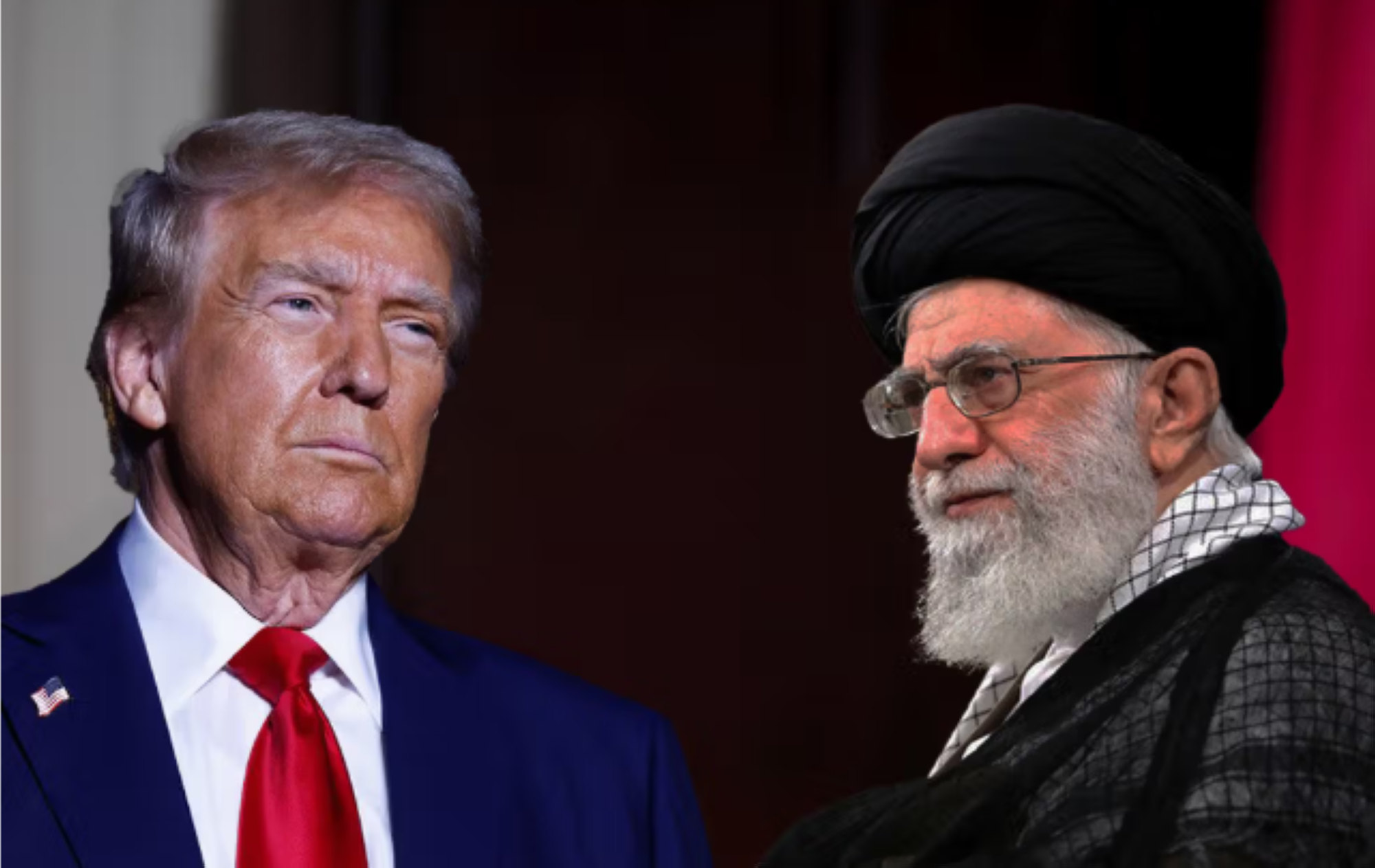
A senior US official revealed new developments in the strained relations between Washington and Tehran, confirming that the United States is currently awaiting a written proposal from the Iranian side. This anticipated proposal aims to establish clear and specific mechanisms for avoiding direct confrontation with the United States, as a follow-up to the recent US-Iranian talks, which sought to de-escalate tensions in the region.
In the context of military and security moves coinciding with the diplomatic track, the official explained that senior national security advisors held a crucial meeting in the White House Situation Room to discuss the details of the complex Iranian issue. Those present were informed of the necessity to complete the deployment of all US forces in the region by mid-March, reflecting a dual US strategy based on diplomacy backed by military readiness.
Regarding coordination with regional allies, the source, according to Reuters, indicated that US Secretary of State Marco Rubio intends to make an important visit to Israel, where he is scheduled to meet with Israeli Prime Minister Benjamin Netanyahu on February 28. This visit comes at a sensitive time for coordinating positions on regional threats and ensuring the security of allies.
Context of tension and historical background
These developments come against the backdrop of a long history of tension and strained relations between the United States and Iran, marked by decades of rupture and escalating conflict. The move to request a "written response" represents a significant shift in crisis management, as Washington seeks to move from verbal understandings, which are susceptible to misinterpretation or reneging, to documented commitments that guarantee de-escalation. The Iranian nuclear program and Tehran's regional influence have long been key points of contention that previous rounds of negotiations have failed to resolve definitively.
Strategic importance and international anticipation
This move is of paramount importance both regionally and internationally. On the one hand, setting a date for the completion of the US troop deployment sends a strong deterrent message, reaffirming Washington's commitment to protecting its interests and international shipping lanes. On the other hand, the anticipated coordination between Rubio and Netanyahu indicates that any agreement or understanding with Tehran will not be reached without addressing Israeli security concerns. Political circles are awaiting the written Iranian response, the content of which will determine whether the region will move toward a path of diplomatic de-escalation or witness a new chapter of escalation and confrontation.
Politics
Israeli restrictions on Friday prayers at Al-Aqsa Mosque during Ramadan: conditions and permits
Israel will limit entry to Al-Aqsa Mosque to only 10,000 worshippers from the West Bank during Ramadan, imposing age restrictions, security permits, and digital documentation, amid Palestinian warnings.
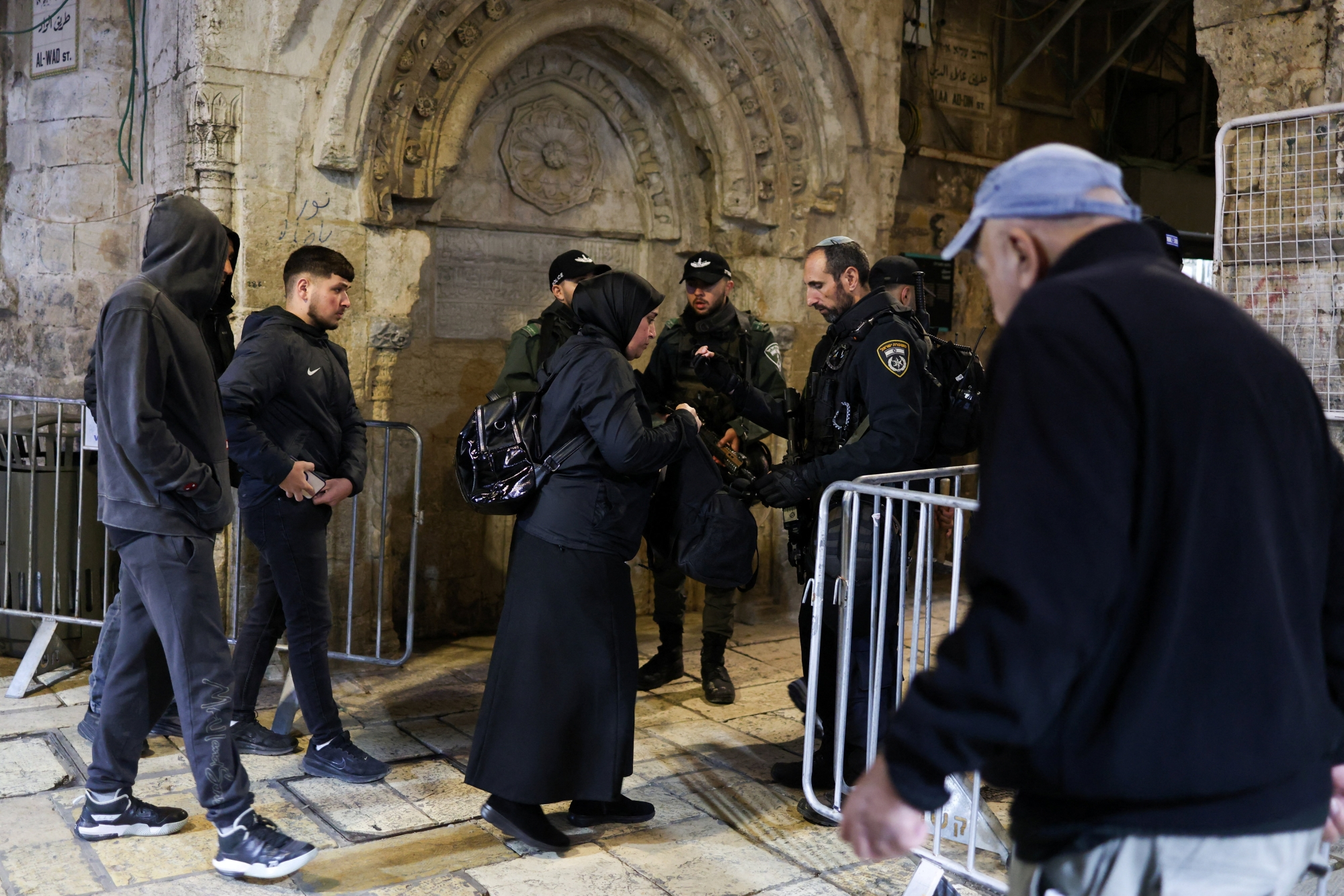
Israeli authorities announced on Wednesday new and stricter restrictions on the access of Palestinian worshippers from the West Bank to the Al-Aqsa Mosque compound for Friday prayers during the holy month of Ramadan. Under the new decision, the number of worshippers allowed entry will be capped at 10,000 Palestinians, and only after obtaining prior security permits. This move has drawn widespread criticism and raised concerns about escalating tensions in the holy city.
According to a statement issued by the Coordinator of Government Activities in the Territories (COGAT), these measures followed a "security assessment of the situation," which resulted in the approval of daily permits exclusively for Fridays throughout the holy month. The age restrictions stipulate that entry is permitted for men aged 55 and over, women aged 50 and over, and children up to the age of 12, provided they are accompanied by a first-degree relative. All permits are subject to security approval.
In a procedural precedent, the statement indicated that worshippers are required to undergo "digital documentation" at crossings and military checkpoints, in order to guarantee and confirm their return to their places of residence in the West Bank at the end of the prayer day, adding a new procedural burden to the movement of people.
A huge gap between capacity and the allowed number
These restrictions create a massive gap between the capacity of Al-Aqsa Mosque and the permitted number of worshippers. Estimates indicate that the Al-Aqsa compound can accommodate between 350,000 and 400,000 worshippers when all its courtyards and prayer areas are full, a scene familiar in previous years when hundreds of thousands of worshippers would flock to the site. Limiting the number to only 10,000 constitutes an unprecedented reduction that prevents the vast majority of Palestinians from practicing their religious rites during one of the holiest months for Muslims.
tense historical and political context
These measures are particularly sensitive given the spiritual significance of Al-Aqsa Mosque, the first of the two Qiblas and the third holiest site in Islam. While Israel imposes security measures annually around East Jerusalem, the current restrictions come amidst complex regional circumstances. Palestinians and religious institutions in Jerusalem consistently warn that the intensification of these measures aims to alter the historical and legal status quo in the city and attempt to erase its Arab and Islamic identity.
It is worth noting that the international community does not recognize Israel's annexation of East Jerusalem in 1980 and considers it occupied territory since 1967, in accordance with international law. Palestinians maintain their claim to East Jerusalem as the capital of their future state, asserting that freedom of worship and access to holy sites are fundamental rights guaranteed by international law and should not be subject to Israeli security considerations or used as a political bargaining chip.
-

 Culture and Art, 1 week ago
The "Between and Between" exhibition in Jeddah: 5 artists reshape Saudi memory
-
Local News 6 days ago
Saudi Arabia's National Arabic Language Policy: 8 Principles to Promote Identity
-
Culture and Art, 1 week ago
Shakira's concert in Jeddah: Details of the international star's first concert in Saudi Arabia
-
Local News 5 days ago
Adopting the National Policy for the Arabic Language: Strengthening Identity and Vision 2030
-
Local News 6 days ago
The Riyadh-Rin-Bisha dual carriageway, spanning 559 km, has been completed
-
Culture and Art, 1 week ago
Ramez Level the Monster: Details of Ramez Galal's program in Ramadan 2026
-
Local news one week ago
Launch of the new Dammam project with investments of 98 billion riyals
-
Local News 4 days ago
The Supreme Court calls for the sighting of the crescent moon of Ramadan 1447 on Tuesday evening