Politics
Amid escalating provocations, an Israeli extremist boasts about storming Al-Aqsa Mosque
Extremist Israeli parliamentarian (Knesset) Tzvi Sukkot stormed the courtyards of the Al-Aqsa Mosque today (Thursday) accompanied by thousands of settlers


Extremist Israeli parliamentarian (Knesset) Tzvi Sukkot stormed the courtyards of the Al-Aqsa Mosque today (Thursday) accompanied by thousands of settlers, in a dangerous provocative move.
The Palestinian Jerusalem Governorate said in a statement that thousands of settlers stormed the Al-Aqsa Mosque and the Bab al-Rahma cemetery, explaining that the extremist Knesset member from the “Religious Zionism” party, Tzvi Sukkot, stormed Al-Aqsa and threw his body on the ground towards the Dome of the Rock.
She noted that thousands of settlers stormed the Western Wall plaza with him to perform the so-called Priestly Blessing prayer on the fifth day of the Jewish Passover holiday.
For its part, the official Palestinian news agency (WAFA) said that settlers stormed the Bab al-Rahma cemetery and performed Talmudic rituals in conjunction with the storming of the Al-Aqsa Mosque in a blatant violation of the sanctity of the cemetery, indicating that the cemetery contains the graves of a number of companions, scholars and martyrs of the Islamic conquests, and forms an extension from Bab al-Asbat to the end of the eastern wall of the Al-Aqsa Mosque, reaching the area of the Umayyad palaces south of the mosque.
She noted that settlers also stormed the Western Wall plaza west of the Al-Aqsa Mosque, while the occupation police imposed strict security measures, turning the mosque and its surroundings into a military barracks, preventing many citizens from entering it, and confiscating their personal identification cards at the outer gates.
Sukkot admitted on his “X” account to storming Al-Aqsa, while the extremist Israeli Minister of Security, Ben Gvir, responded by supporting this dangerous provocative step.
Related News




Politics
Israeli airstrikes on the Syrian-Lebanese border: Escalation and tensions
Israel launched airstrikes on four border crossings between Syria and Lebanon, injuring 19 people in southern Lebanon. This escalation threatens to widen the conflict amid ongoing regional tensions.
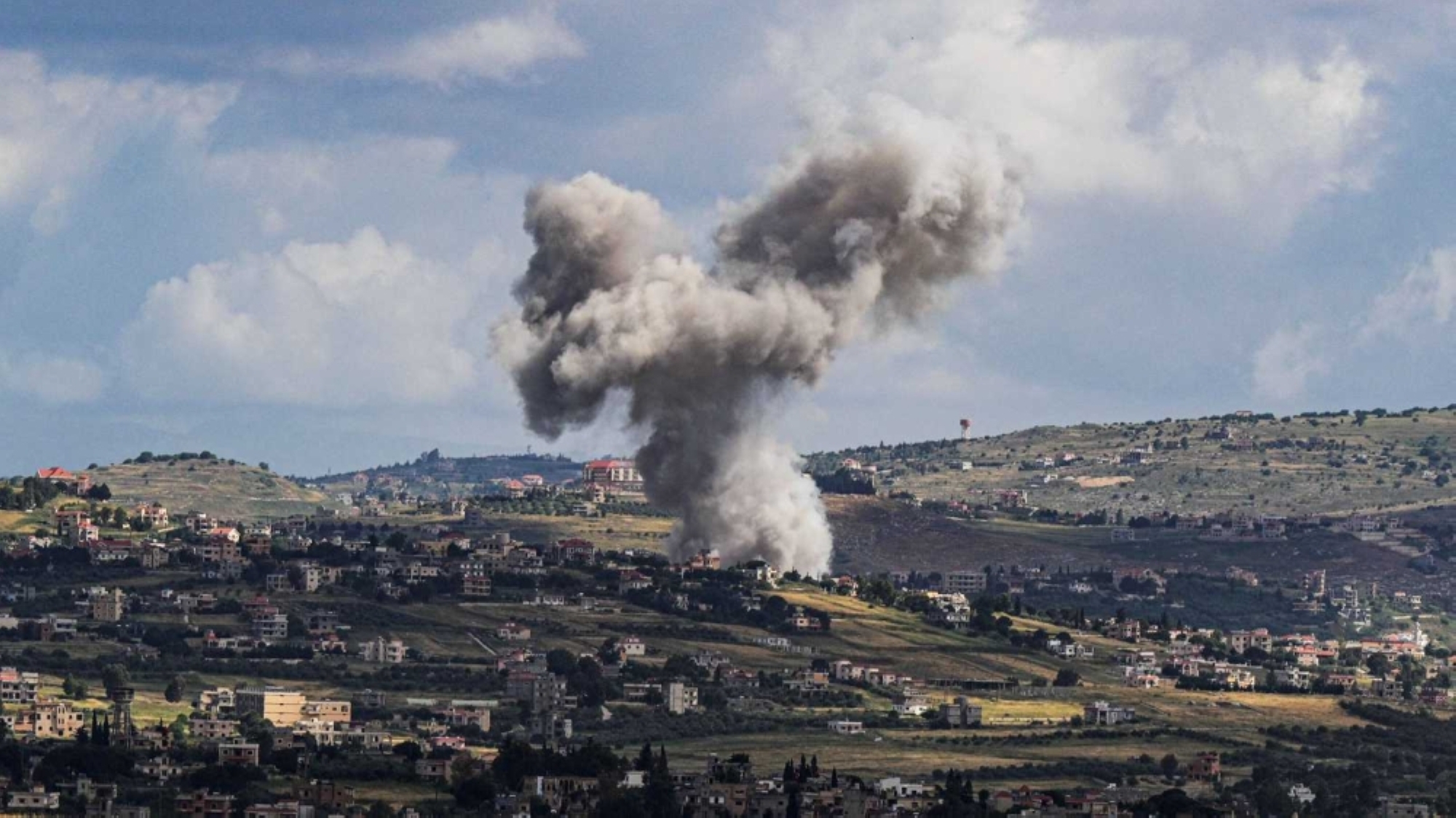
In a new escalation of tensions on the northern border, Israeli forces launched a series of airstrikes targeting four border crossings between Syria and Lebanon, further exacerbating the already deteriorating security situation in the region. One of these strikes, which hit the village of Qanarit in southern Lebanon, injured 19 people, according to initial reports.
The Israeli military announced that it had issued advance warnings to residents of certain buildings in the villages of Qanarit, Kfour, and Jarjouh in southern Lebanon, asking them to evacuate before launching the airstrikes. In its statement, the military said the attacks targeted what it described as "Hezbollah facilities and infrastructure," as part of its ongoing operations against the group along the border.
tense historical context
These attacks come in the context of a long-standing conflict between Israel and Hezbollah, the most significant chapter of which was the 2006 war. That war ended with UN Security Council Resolution 1701, which called for a cessation of hostilities and the deployment of UNIFIL forces to ensure stability on the border. Although the resolution succeeded in maintaining relative calm for several years, skirmishes and mutual violations have continued, and the area remains a flashpoint that could ignite at any moment.
Effects and repercussions of the recent escalation
These airstrikes are particularly significant because they target border crossings between Syria and Lebanon, areas that Israel considers vital corridors for transferring weapons and equipment from Iran to Hezbollah through Syrian territory. This targeting indicates a clear Israeli intention to sever these supply lines and disrupt the group's logistical capabilities.
Domestically, these attacks exacerbate the suffering of the population in southern Lebanon, who live in constant fear and anxiety, and have displaced tens of thousands from their homes since the latest escalation began in October 2023. Regionally, the continued strikes increase the risk of the conflict expanding into a full-blown regional war, potentially drawing in other actors and threatening the stability of the entire Middle East. Internationally, calls are growing from the United Nations and major powers for restraint and a return to diplomacy to avert a devastating war that no party desires.
Politics
The coalition condemns the Aden attack and vows to retaliate against the targeting of the Giants forces
The coalition leadership condemned the terrorist attack on the convoy of a commander of the Giants Forces in Aden, stressing that it will strike with an iron fist anyone who tries to destabilize the Yemeni capital.
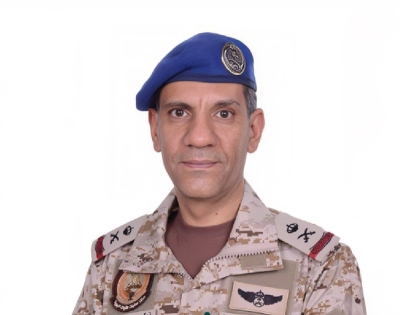
The Joint Forces Command of the Coalition to Restore Legitimacy in Yemen strongly condemned the terrorist attack that targeted the convoy of the commander of the Second Brigade of the Giants Forces in the interim capital, Aden. In an official statement, the Command affirmed that these desperate attempts to destabilize security and stability will not go unanswered, emphasizing that it will strike with an iron fist against anyone who seeks to target Aden or undermine the unity of the ranks of those opposing the Houthi project.
Tense security situation in the interim capital
This attack comes amid a complex security situation in Aden, the political and administrative center of the internationally recognized Yemeni government. Despite the significant efforts of local forces, supported by the coalition, to establish security, the city continues to face major security challenges, including sporadic attacks carried out by sleeper cells affiliated with the Houthi group or other terrorist organizations such as al-Qaeda, which seek to exploit any security gaps to sow chaos and weaken state authority.
The importance of the Giants forces in the military landscape
The Giants Brigades, to which the targeted commander belonged, are among the most prominent and powerful military formations in Yemen. They have played a decisive role in numerous battles against the Houthis, particularly in liberating the western coast and strategic areas in the Shabwa and Marib governorates. Thanks to their high level of training and advanced weaponry, these forces represent a cornerstone of the Joint Forces, and targeting their leaders is a direct attempt to undermine their morale and weaken their combat capabilities on the ground.
Potential effects and repercussions of the attack
This attack carries serious implications both locally and regionally. Locally, it aims to portray the government and its forces as incapable of securing the capital, potentially undermining public trust and exacerbating instability. Regionally, the attack is interpreted as a challenge to the Saudi- and UAE-led coalition, demonstrating that destabilizing forces remain active and capable of striking deep within liberated areas. This incident is expected to lead to heightened security measures in Aden and possibly preemptive operations to pursue the terrorist networks responsible for planning and executing the attack, underscoring the coalition's commitment to protecting its partners on the ground and ensuring the security of international navigation near the strategic Bab al-Mandab Strait.
Politics
Saudi support for the operation of 70 power plants in Yemen to enhance stability
Under the guidance of the Saudi leadership, a new agreement to purchase local oil derivatives aims to operate more than 70 Yemeni power plants, boosting the economy and improving the lives of citizens.
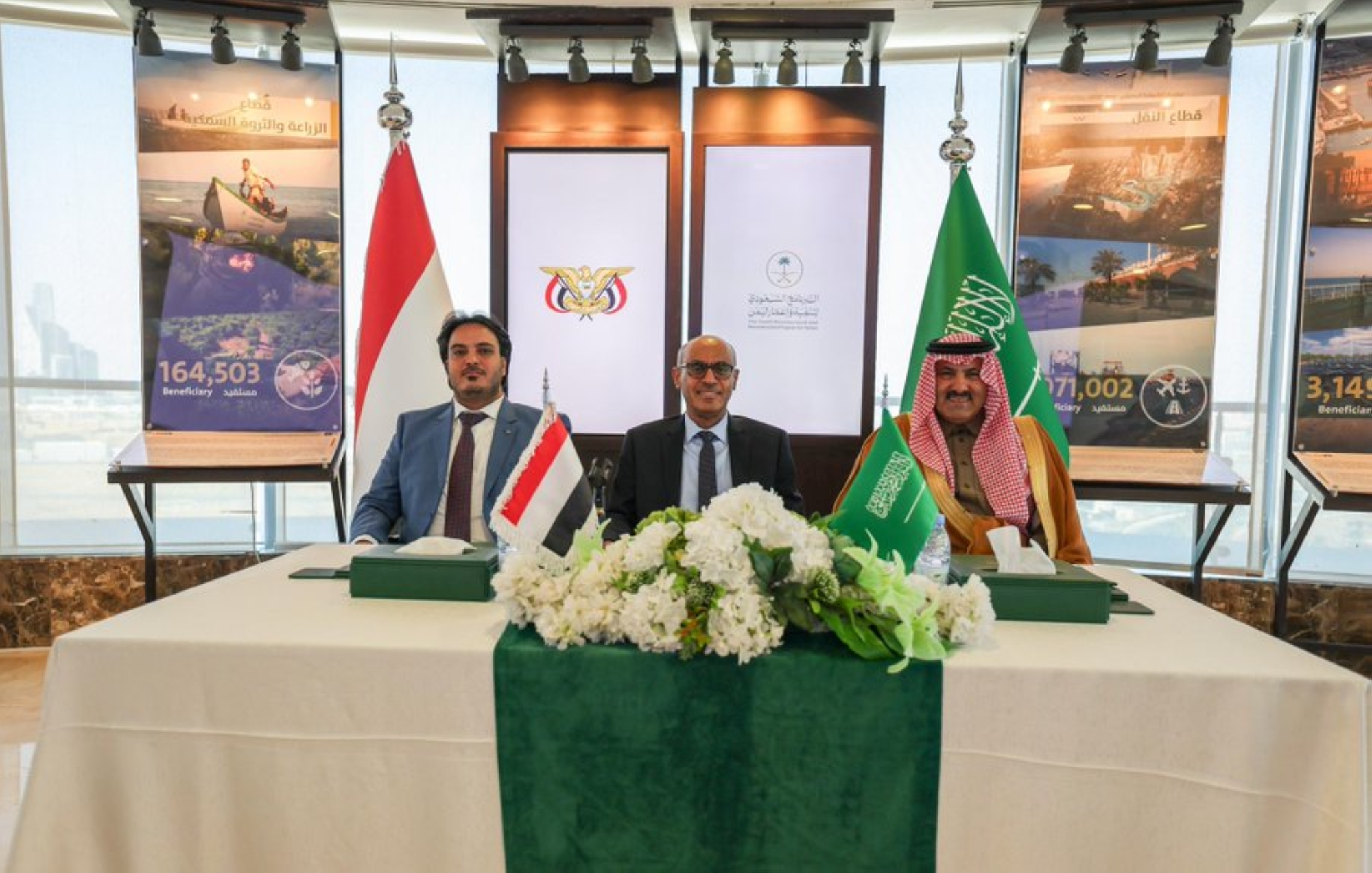
Following directives from the Saudi leadership, the Ambassador of the Custodian of the Two Holy Mosques to Yemen and Supervisor of the Saudi Development and Reconstruction Program for Yemen, Mohammed Al Jaber, announced the signing of a significant agreement between the program and the Yemeni Ministry of Electricity and Energy. The agreement stipulates the purchase of petroleum derivatives from the Yemeni company PetroMasila, a strategic step aimed at revitalizing more than 70 power plants across various Yemeni governorates.
This initiative comes within the framework of Saudi Arabia's ongoing support for Yemen, which is suffering from a severe humanitarian and economic crisis as a result of years of conflict. The conflict has destroyed a large part of the infrastructure, most notably the energy sector, causing frequent and prolonged power outages. This situation has directly affected the daily lives of citizens and negatively impacted vital sectors such as health, education, and water, as hospitals, schools, and water pumps rely heavily on a reliable electricity supply.
The new agreement is particularly significant because it not only provides support but also stimulates the local economy by purchasing petroleum products from a national Yemeni company. This measure injects liquidity into the Yemeni economy and strengthens the role of local companies as active partners in the development and reconstruction process, representing a step towards achieving self-sufficiency in the country's energy sector.
On the macroeconomic front, the agreement is expected to have a multifaceted positive impact. By providing the fuel needed to operate power plants, the Yemeni government will be relieved of the burden of spending vast sums of hard currency on fuel imports. This will contribute to supporting monetary and financial stability, curbing the depreciation of the Yemeni rial, and mitigating the inflation that has burdened citizens. Furthermore, a stable electricity supply will positively impact commercial and industrial activity, encouraging the return of investments and the creation of new job opportunities.
This support is part of broader efforts undertaken by the Saudi Development and Reconstruction Program for Yemen since its inception, working to implement projects across various vital sectors to improve living conditions and support social stability. Rehabilitating the electricity sector is not only a step towards improving basic services, but also a cornerstone in building a stable and prosperous future for Yemen, reflecting the Kingdom's unwavering commitment to standing with the Yemeni people in their time of need.
-

 Reports 6 days ago
Achievements of Saudi government sectors in 2025
-
Local news two weeks ago
FDA warns of contaminated Nestle infant formula | Recall details
-
Technology 4 weeks ago
US ban on drones: reasons and consequences
-
Technology 4 weeks ago
SRMG and Snapchat partnership: The future of digital media in the Middle East
-
Technology 4 weeks ago
Saudi Arabia's Ministry of Islamic Affairs is employing artificial intelligence in public speaking
-
Technology 3 weeks ago
Saudi Arabia launches the world's largest government data center, 'Hexagon'
-
Technology 3 weeks ago
Merging KSA Map and Baladi Plus: A step towards Saudi digital sovereignty
-
Technology two weeks ago
Hexagon: Saudi Arabia strengthens its data sovereignty with the world's largest government center