
Politics
Al-Khuraiji meets with the foreign ministers of Chad and Bosnia and Herzegovina
Deputy Foreign Minister Engineer Waleed bin Abdulkarim Al-Khuraiji met today with the Foreign Minister of Bosnia and Herzegovina, Elmedin Konakovic


Deputy Foreign Minister Engineer Waleed bin Abdulkarim Al-Khuraiji met today with the Foreign Minister of Bosnia and Herzegovina, Elmedin Konakovic, and the Minister of State, Minister of Foreign Affairs, African Integration, International Cooperation and Chadians Abroad, Dr. Abdullah Saber Fadl, on the sidelines of the 4th Antalya Diplomacy Forum, held in the Republic of Türkiye.
During the meetings, ways to strengthen bilateral relations in various fields were discussed. The Ambassador of the Custodian of the Two Holy Mosques to the Republic of Türkiye, Fahd Abu Al-Nasr, attended the meeting.
Related News





Politics
The Saudi Minister of Defense discusses strengthening defense cooperation with his Kuwaiti counterpart
Defense Minister Prince Khalid bin Salman discussed with his Kuwaiti counterpart ways to enhance defense cooperation between the two countries, in light of regional challenges, and to emphasize the depth of fraternal relations.

In a move reflecting the deep fraternal ties and strategic alliance between the Kingdom of Saudi Arabia and the State of Kuwait, His Royal Highness Prince Khalid bin Salman bin Abdulaziz, Minister of Defense, met with his Kuwaiti counterpart, His Excellency Sheikh Abdullah Ali Abdullah Al-Salem Al-Sabah. The meeting provided an opportunity to review the long-standing historical bonds between the two brotherly nations and to discuss ways to enhance bilateral cooperation, particularly in the defense and military fields.
The meeting addressed in depth existing areas of cooperation and ways to strengthen and develop them, in order to serve common interests and contribute to enhancing the security and stability of the region. Views were also exchanged on the latest regional and international developments, joint efforts to address current challenges, and a number of other topics of mutual interest were discussed.
Historical background of strong relations
This meeting cannot be viewed in isolation from the historical context that binds the Kingdom of Saudi Arabia and Kuwait. These relations are not limited to geographical proximity, but extend to ties of blood, shared history, and a common destiny. The strength of this relationship has been demonstrated in crucial historical moments, most notably the pivotal role played by the Kingdom in the liberation of Kuwait in 1991, which solidified the principle of collective security as the foundation of the relationship between the two countries. The partnership within the framework of the Gulf Cooperation Council and the joint Peninsula Shield Force is further evidence of the mutual commitment to the security and stability of the region.
Strategic importance in light of current challenges
This meeting comes at a critical juncture, as the region faces escalating security challenges, ranging from tensions in vital waterways such as the Strait of Hormuz and Bab el-Mandeb to ongoing crises in some neighboring countries. In this context, strengthening defense cooperation between Riyadh and Kuwait is of paramount strategic importance. Joint military coordination, intelligence sharing, and joint military exercises all contribute to enhancing readiness and deterring any potential threats, thereby bolstering the overall Gulf security framework. This rapprochement also sends a clear message about Gulf unity and its ability to protect its interests and sovereignty against any external interference.
Expected impact of enhanced cooperation
The enhanced defense cooperation between the two countries is expected to have a positive impact on several levels. Domestically, it contributes to developing the national military capabilities of both countries through the exchange of expertise and technology. Regionally, it strengthens the Gulf Cooperation Council's negotiating position on international issues and enhances the stability of global energy markets, which are heavily reliant on the security of the Gulf region. Internationally, this alliance underscores the role of the Kingdom of Saudi Arabia and Kuwait as active and reliable partners in maintaining international peace and security, and reinforces their position as stabilizing forces in the Middle East.
Politics
Trump: Progress in Ukraine-Russia negotiations to end the war
Donald Trump announced positive developments in negotiations between Russia and Ukraine, while Kyiv clings to EU membership as a security guarantee to end the conflict.
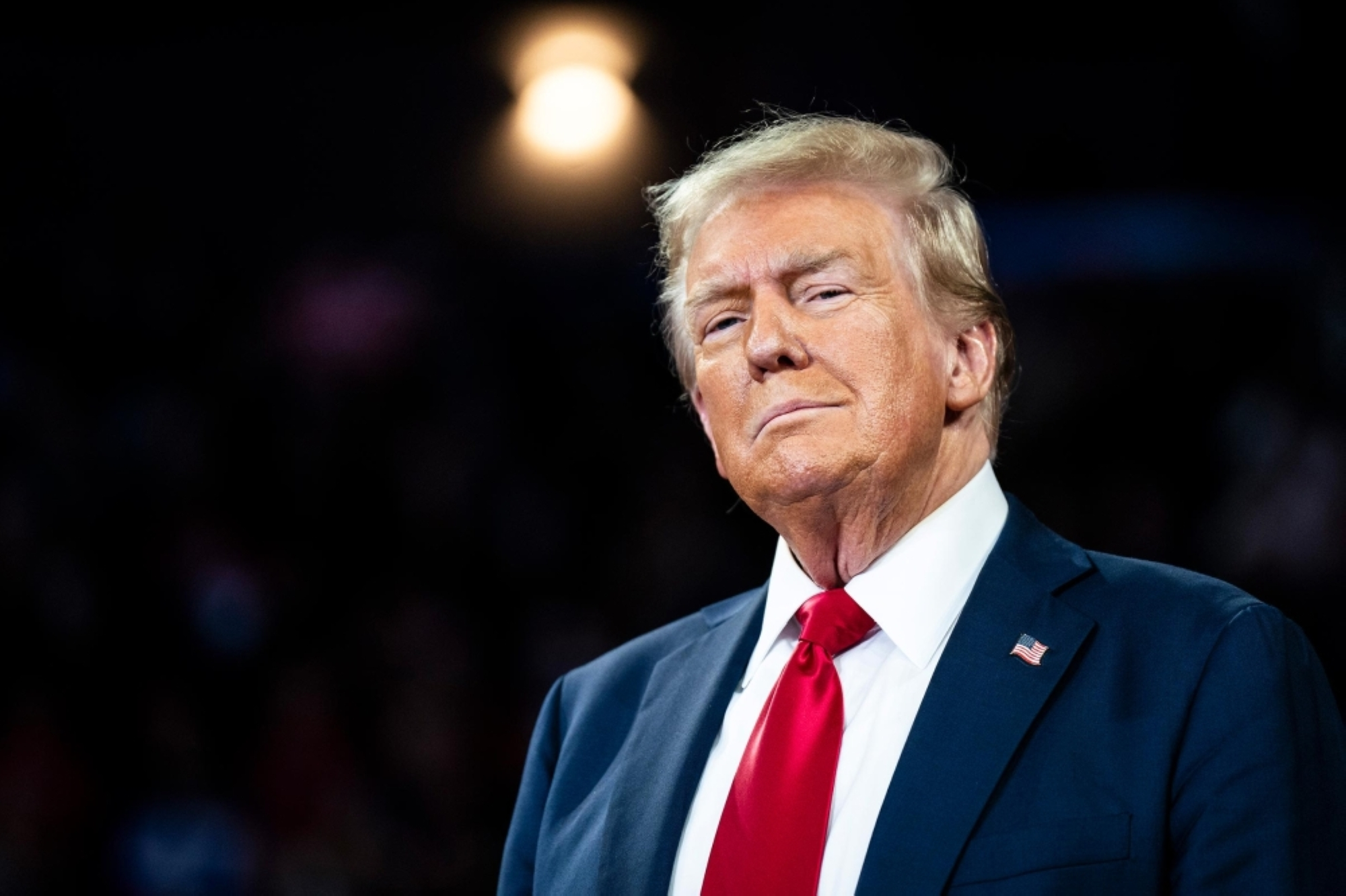
Former US President Donald Trump expressed optimism about the ongoing negotiations between Russia and Ukraine, stating on Tuesday that "very good things are happening" in the talks aimed at ending the conflict that has raged for over two years. His remarks come at a sensitive time, as diplomatic efforts intensify to find a peaceful resolution to the crisis that has shaken the stability of Europe and the world.
According to reports, meetings took place earlier this week between negotiators from both countries, mediated by US officials, in an attempt to bridge the gaps and find common ground. While details of these talks remain scarce, a statement from a figure of Trump's stature adds new momentum to hopes for a diplomatic solution.
Background of the conflict and diplomatic efforts
The roots of the current crisis can be traced back to 2014, but it escalated dramatically with the start of Russia’s full-scale invasion of Ukraine in February 2012, leading to the largest land war in Europe since World War II. The conflict has caused immense damage to Ukrainian infrastructure and a profound humanitarian crisis, as well as global economic and geopolitical repercussions, particularly in the energy and food security sectors. Over the past two years, several rounds of negotiations have taken place, most notably the Istanbul talks, but they have failed to achieve a decisive breakthrough due to fundamental disagreements on issues such as the status of Russian-controlled territories and the future of Ukraine’s membership in military alliances.
The importance of EU membership for Ukraine
In a related context, Ukrainian President Volodymyr Zelenskyy emphasized the strategic importance of his country's accession to the European Union, considering it an integral part of Ukraine's future security guarantees. In a post on the X platform following a phone conversation with the Austrian Chancellor, Zelenskyy explained that Kyiv has set a clear timeframe for achieving this membership by 2027. He added, "That's why we're talking about a specific date, 2027, and relying on the support of our partners for our position." This endeavor represents a strategic shift for Ukraine towards full integration into the European space, not only economically and politically, but also as a fundamental pillar for ensuring its sovereignty and long-term security in the face of regional challenges.
Potential impacts on the international stage
Any tangible progress toward ending the war in Ukraine would have a wide-ranging positive impact. On the humanitarian front, it would end the suffering of millions. Economically, it could contribute to the stability of global energy and food markets. Geopolitically, a peaceful settlement could reshape the security landscape in Europe and test the capacity of international diplomacy to resolve major conflicts. All eyes remain on the outcome of this new round of talks, with the hope that Trump's optimistic pronouncements are a genuine indication that this devastating war is nearing its end.
Politics
Peace Winds 2026 naval exercises between Saudi Arabia and Oman
The “Peace Winds 2026” naval exercises between Saudi and Omani forces have begun to enhance maritime security and protect navigation in the Sea of Oman, with the participation of warships and aircraft.
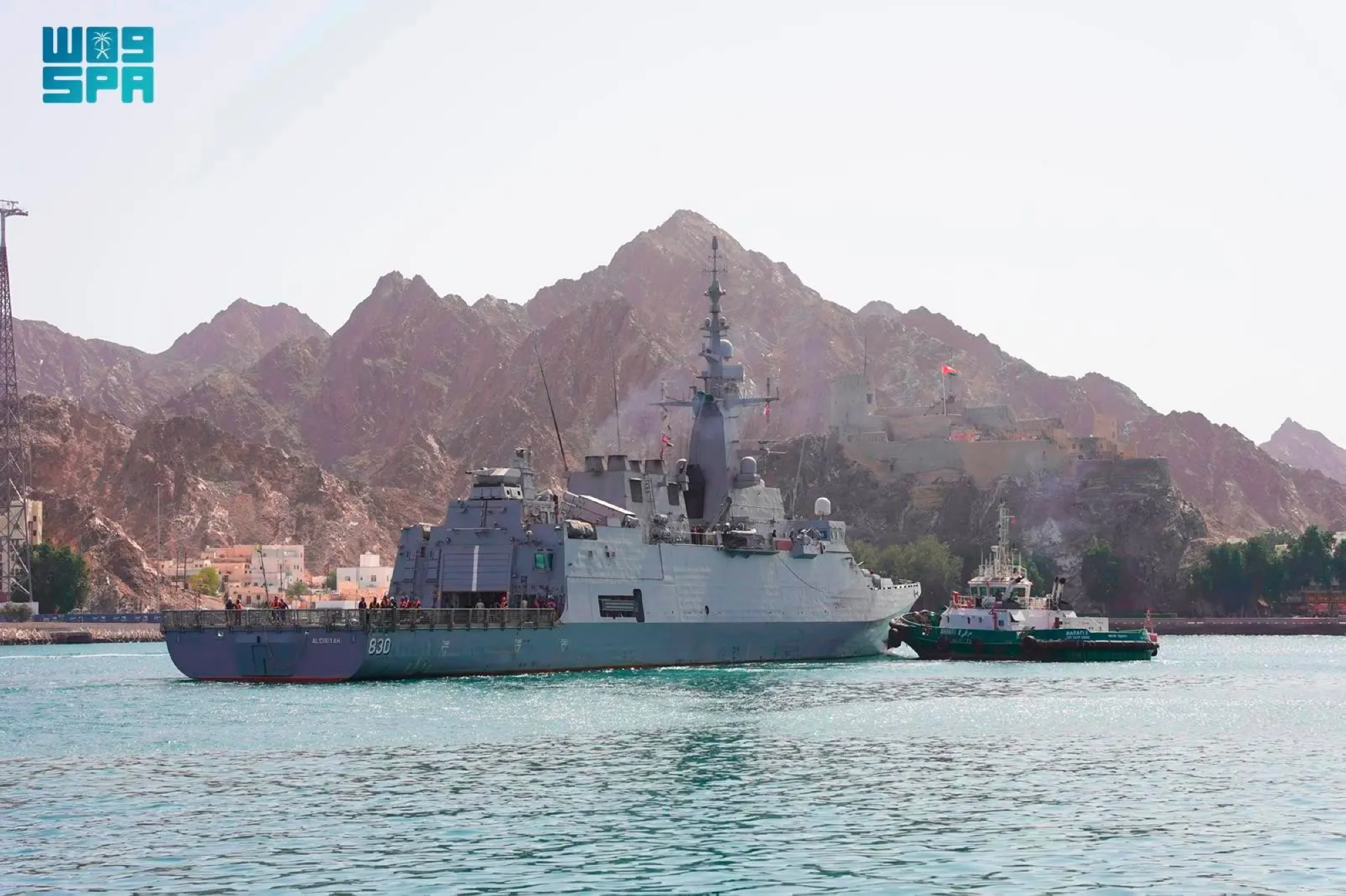
The joint bilateral naval exercise “Winds of Peace 2026,” bringing together the Royal Saudi Naval Forces and their counterparts in the Royal Navy of Oman, has commenced in the Sultanate of Oman. This exercise comes within the framework of strengthening military cooperation and integrating defense efforts between the two brotherly countries, and reaffirming their shared commitment to maintaining the security and stability of the region.
In this regard, the exercise commander, Rear Admiral Mohammed bin Ayed Al-Otaibi, explained that “Winds of Peace 2026” primarily aims to enhance combat readiness and exchange expertise in the areas of naval operations and maritime security. He added that the exercise seeks to unify operational concepts in the preparation, planning, and execution phases, thereby strengthening the two navies' ability to protect vital maritime shipping lanes and secure waterways.
The exercise features extensive participation from naval and air assets, including 10 advanced warships, helicopters, and two platoons of special naval security units. The Royal Air Force of Oman is also supporting the exercise, adding a complementary dimension to the joint operations. The maneuvers encompass a range of scenarios simulating modern maritime challenges, including specialized joint operations training, live-fire missile exercises, and advanced training for special security units and naval aviation.
Strategic context and regional importance
This exercise is of particular importance given the deep-rooted strategic and historical relations between the Kingdom of Saudi Arabia and the Sultanate of Oman. These maneuvers are an extension of a series of joint military exercises aimed at strengthening joint Gulf defense efforts and enhancing the capabilities of the armed forces of the Gulf Cooperation Council (GCC) member states. Furthermore, the Sultanate of Oman's strategic location overlooking the Sea of Oman and the Strait of Hormuz, a vital artery for global trade and energy supplies, lends these exercises an additional strategic dimension in securing one of the world's most important waterways.
Expected impact and international dimensions
At both the regional and international levels, the “Peace Winds 2026” exercise sends a clear message about the readiness and capability of both countries to confront shared security challenges, particularly those related to piracy, smuggling, and illicit maritime activities. The exercise contributes to enhancing regional stability by demonstrating joint deterrence capabilities and reassures the international community and trading partners of the continued security and safety of navigation in this vital region. The high level of coordination between Saudi and Omani forces reflects an advanced level of trust and cooperation and contributes to building an integrated security system capable of addressing various threats.
It is worth noting that the first phase of the exercise was conducted at King Faisal Naval Base in the Western Fleet in April 2025, focusing on planning and scenario development using advanced simulation systems. The current phase translates those plans into practical training exercises in the maritime theater of operations in the Sea of Oman and at the Said bin Sultan Naval Base, ensuring maximum benefit and enhancing the operational efficiency of the participating forces.
-

 Local news two days ago
Landslide in Riyadh: Details of the incident in Al-Sahafa neighborhood and containment efforts
-
 Local News 3 days ago
The death penalty was carried out against a citizen who stabbed another to death in Tabuk
-

 Local News 4 days ago
First birth on the Riyadh train: A heartwarming story at Andalus station
-

 Culture and Art 7 days ago
Ramez Galal in Ramadan 2026: Details of the bloody prank show
-
 Local news two days ago
Riyadh collapse: Emergency plans to secure water after a main pipeline burst
-

 Culture and Art 2 days ago
Haifa Wehbe's absence in Riyadh: A photo crisis or a strained relationship with the media?
-

 Culture and Art 2 days ago
City Kitchen series: A drama of conflict and the middle class during Ramadan
-

 Culture and Art 2 days ago
The series "Kasra": Dawood Hussein in a moving social drama this Ramadan