
Politics
Al-Halimi threatens women
The World Health Organization has called on countries around the world to strengthen vaccination programs against the human papillomavirus (HPV), which causes cervical cancer

The World Health Organization (WHO) has called on countries worldwide to strengthen their vaccination programs against human papillomavirus (HPV), a disease that prevents cervical cancer, which is celebrated annually on February 4th. The WHO recommends one or two doses for girls aged 9 to 14, one dose for girls aged 15 to 20, and two doses six months apart for those over 21. The organization also announced progress toward eliminating HPV, which claims the lives of more than 300,000 women each year, the majority of whom live in developing countries. The WHO warned that global cancer rates could increase by 60% over the next 20 years unless cancer care is strengthened in low- and middle-income countries.
Consultants and specialists in obstetrics and gynecology warned of an increase in cases of cervical cancer, noting that the Ministry of Health has addressed this increase in cases by providing insurance for the triple vaccine against the human papillomavirus. To increase awareness, the Ministry of Health has conducted field visits to girls’ schools for vaccination against the human papillomavirus.
A scientific research study conducted at King Faisal Specialist Hospital and Research Centre, specifically in the Radiobiological Research Laboratory of the Medical Physics Department, involving 285 patients—28 with pharyngeal tumors and 257 with oral cavity tumors—who were treated at the hospital, revealed a correlation between human papillomavirus (HPV) infection and certain head and neck cancers among the patients in the study sample. The study indicated that smoking is strongly associated with a lower overall cancer survival rate after treatment, in addition to other factors such as tumor stage and age. The study also noted that early medical intervention in the initial stages of cancer significantly increases the survival rate compared to advanced stages, which often require chemotherapy and radiotherapy.
14 more dangerous types
Dr. Mazen Bashawri, a senior specialist in obstetrics and gynecology, explained that there are more than 100 types of human papillomavirus (HPV), 14 of which are the most dangerous. Some patients show symptoms, while others acquire immunity. It is detected through a cervical smear, in addition to DNA analysis of the virus.
The obstetrician and gynecologist Bashawri pointed out that cervical cancer may take 20 years or more to develop after infection with the virus, while it develops in immunocompromised patients between 5 and 10 years due to the weakness of the immune system.
He added: The Ministry of Health's decision to encourage triple vaccination against the virus is due to the increase in the number of cases. This came as a result of a field survey of middle school girls, which is the target age for this disease. However, women who are over 20 years old must be examined every three years until they reach 35, and after that, the examination should be every five years with monitoring of the cells in case of any change. Also, most people infected with the human papillomavirus have no symptoms, signs, or health problems at all. Most human papillomavirus infections disappear within two years, but sometimes the infection may last for a longer period. Also, the human papillomavirus is transmitted through skin contact. I advise you to visit a doctor if you notice painful warts or after three years of marriage.
Causing a delay in pregnancy
Dr. Hanin Abdul-Jabbar, a consultant in obstetrics and gynecology, revealed that the delay in pregnancy in some women is due to the presence of the human papillomavirus (HPV). Some cases are treated with some medications and creams, and some cases are treated with cryotherapy. If the size is large, surgery is resorted to in order to remove the warts. As for the case of cervical cancer, its treatment depends on the stage that the cancer has reached, and it may be chemotherapy, radiation, or surgery. Also, 90% of cases of infection with the human papillomavirus are completely cured, with the importance of prevention before getting married.
She reported that temporary symptoms associated with the vaccine include pain and swelling at the injection site, fever, nausea, and physical fatigue.
Vaccines are preventative, not curative
Dr. Hamza Ajaj, a consultant in obstetrics, gynecology, gynecological oncology, endoscopic and robotic surgery, explained that the human papillomavirus (HPV) is a common virus that can infect the skin and mucous membranes. There are more than 100 known types of this virus, some of which cause flat warts, which are more common in children and adolescents compared to adults. The reason is that the immune system in children and adolescents has not yet fully developed, making them more susceptible to warts, which usually grow in areas such as the face, hands, and knees.
Ajaj said: The human papillomavirus (HPV) is the main cause of cervical cancer, which may take years to develop after infection with the virus. I advise women to prevent it by getting married at an appropriate age, receiving vaccinations, paying attention to periodic checkups, and the importance of early detection. Vaccines against the human papillomavirus are given as a preventive measure, not a treatment. The goal of vaccination is to stimulate the immune system to recognize and fight the virus before it can cause infection or any complications such as cancer. The vaccine is given to children before puberty, specifically between 9 and 12 years old, which is the ideal age to ensure the effectiveness of immunity and prevent exposure to the virus.
More than double
The lead researcher of the scientific research study, conducted at King Faisal Specialist Hospital and Research Centre, Dr. Ghazi Al-Subaih, noted that although the rate of pharyngeal cancers in Saudi Arabia is low compared to global rates, it increased at a rate of more than double during the period from 2009 to 2016 AD, compared to the period from 2002 to 2008 AD, and was accompanied by a steady increase with the rate of infection with the human papillomavirus. This is what made it recommend the inclusion of p16 protein level analysis and human papillomavirus testing in the treatment plan for patients with head and neck cancers after proving their effect on the rate of recovery from the disease.
Dr. Karima Salama, Consultant of Obstetrics and Gynecology and Head of the Department of Gynecological Oncology Surgery at King Fahd Medical City, confirmed during her participation in the Cervical Cancer Awareness Day event that the recovery rate from cervical cancer can reach 92% if the patient receives early diagnosis and follows proper treatment regularly according to the instructions of the specialist doctor, indicating that if the diagnosis is delayed, this rate gradually decreases according to the type of case.
Dr. Karima stated that “cervical cancer is one of the most common types of cancer, and it usually develops very slowly, with about half a million cases of this disease diagnosed around the world every year.”.
Changes in cervical cells
Dr. Mazen Al-Jabri, a dermatology consultant, explained that the disease is transmitted through contact, and may cause changes in the cells of the cervix, and that most warts are easily diagnosed by clinical examination.
He added that there is an incubation period for such viruses that extends for several months; meaning that it is possible to come into contact with these warts, but they appear in the infected person months after the contact.




Politics
The Security Council ends the mandate of the United Nations Mission in Hodeidah (UNMHA)
By a majority vote, the Security Council ended the mandate of the UN Mission in Yemen (UNMHA). Learn about the background of the decision and its impact on the Hodeidah Agreement and the future of the peace process.
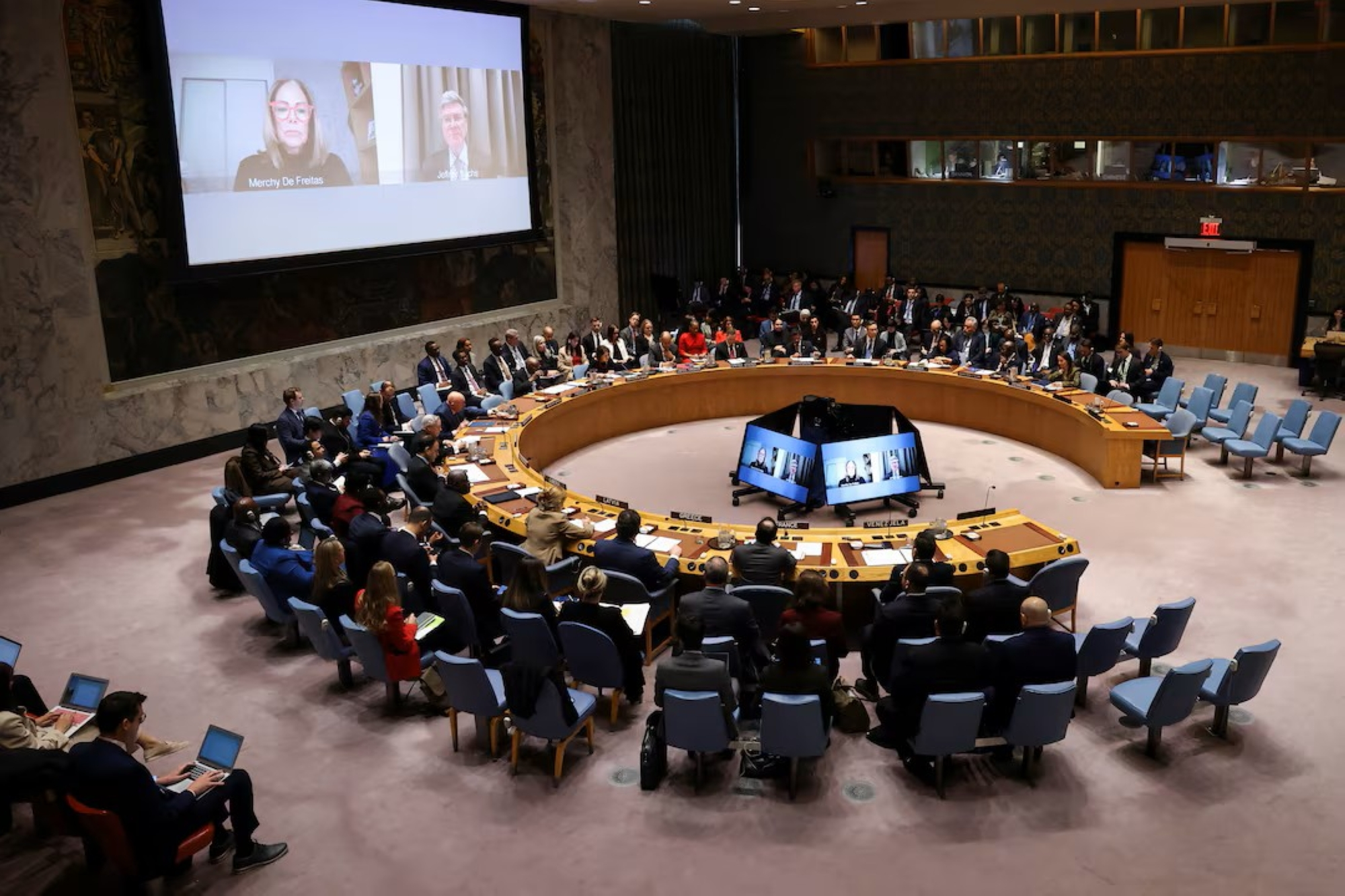
The UN Security Council announced its decision to end the mandate of the UN Mission to Support the Hodeidah Agreement (UNMHA) by the end of March, a move reflecting the significant challenges facing peace efforts in Yemen. The decision was adopted by a vote of 13 in favor out of 15 members, with Russia and China abstaining, indicating a division in international views on managing the Yemeni crisis.
Background to the establishment of the mission and the Stockholm Agreement
The United Nations Multidimensional Integrated Stabilization Mission in Yemen (UNMHA) was established in early 2019 as a key component of the Stockholm Agreement reached in December 2018 between the Yemeni government and the Houthi movement. The agreement's primary objective was to establish a ceasefire in the city of Hodeidah and its vital ports (Hodeidah, Salif, and Ras Isa), which serve as a crucial lifeline for humanitarian aid to millions of Yemenis. UNMHA was mandated to monitor the implementation of the agreement, including overseeing the ceasefire and the redeployment of forces from the ports and the city, and facilitating humanitarian operations.
Reasons for ending the mandate and its impact
The decision to end the mission, included in Resolution 2813 drafted by Britain, comes amid the stalled implementation of the Hodeidah Agreement. The US Deputy Ambassador to the Security Council, Tammy Bruce, directly stated that “the Houthis’ intransigence has rendered the mission ineffective,” arguing that its continuation was no longer worthwhile in the absence of progress. This decision coincides with escalating regional tensions, particularly Houthi attacks in the Red Sea, which have shifted the priorities of the international community and further complicated the already faltering peace efforts.
Transitional phase and future challenges
The resolution provides for a technical extension of the mission's mandate for an additional two months, until the end of March, to allow sufficient time for the orderly conclusion of its operations. During this period, the remaining tasks will be transferred to the Office of the Special Envoy of the Secretary-General for Yemen, with the complete liquidation of the mission to begin on April 1. The resolution also requests the Secretary-General of the United Nations, António Guterres, to present a clear and detailed plan for this transition process in consultation with the Yemeni parties.
The termination of UNMHA's mandate raises concerns about the future of the fragile ceasefire in Hodeidah and the potential for renewed military confrontations in this strategic region. It also raises questions about the effectiveness of international mechanisms in managing complex conflicts and places a greater burden on the diplomatic efforts led by the UN envoy to find a comprehensive and sustainable political solution to the crisis in Yemen.
Politics
The World Bank is providing Lebanon with $350 million to address the crisis
The World Bank has approved $350 million in new funding for Lebanon to support poor families and accelerate digital transformation, in an effort to mitigate the effects of the economic collapse.
The World Bank announced its approval of a new financing package for Lebanon totaling $350 million, a move aimed at mitigating the unprecedented economic crisis gripping the country. The funding is divided into two main tranches: $200 million earmarked for strengthening social safety nets and supporting the poorest families, and $150 million to accelerate the country's digital transformation project.
Context of the stifling economic crisis
This funding comes at a time when Lebanon is experiencing one of the most severe economic and financial crises in modern history, which began to unfold in late 2019. The World Bank itself has ranked this crisis among the three most severe global crises since the mid-19th century. The financial collapse has led to a devaluation of the Lebanese pound by more than 98%, wiping out citizens' savings and pushing more than 80% of the population below the poverty line. The situation was tragically exacerbated by the Beirut port explosion in August 2020, which devastated large parts of the capital and placed an enormous burden on the already strained infrastructure and healthcare sector.
Details of the support package and its objectives
The first tranche of funding, amounting to $200 million, aims to provide direct cash transfers to poor and vulnerable Lebanese families. This support is a lifeline for hundreds of thousands of families struggling to secure their basic needs for food, medicine, and education. The project focuses particularly on empowering women and youth by increasing their economic opportunities and improving their access to essential social services.
The second tranche, valued at $150 million, targets the digital transformation project. This project is of strategic importance given the inefficiencies of public administration and the low quality of government services. Accelerating digitalization is expected to improve the transparency of government transactions, reduce corruption, and facilitate access to public services for citizens and businesses, potentially creating a more favorable environment for economic opportunities and the growth of the technology sector in the country.
Importance and expected impact
At the local level, this funding represents vital, albeit temporary, support that helps prevent the complete collapse of the state and avert a wider humanitarian catastrophe. However, experts agree that it is not a fundamental solution to the crisis. A genuine and sustainable recovery for Lebanon hinges on implementing deep structural reforms, including restructuring the banking sector, implementing a financial recovery plan agreed upon with the International Monetary Fund, and combating the rampant corruption within state institutions.
Regionally and internationally, this move reflects the international community's continued concern about the repercussions of Lebanon's collapse on regional stability, particularly regarding sensitive security issues and the refugee crisis. This support is seen as part of a broader strategy aimed at providing direct humanitarian assistance to the Lebanese people while maintaining pressure on the political class to implement necessary reforms as a prerequisite for future financial support.
Politics
New Syrian-Kurdish talks: The future of northeast Syria is at stake
Damascus and Kurdish forces are preparing for a new round of talks aimed at integrating the Syrian Democratic Forces. What are the chances of success, and what impact will it have on the future of Syria and the region?
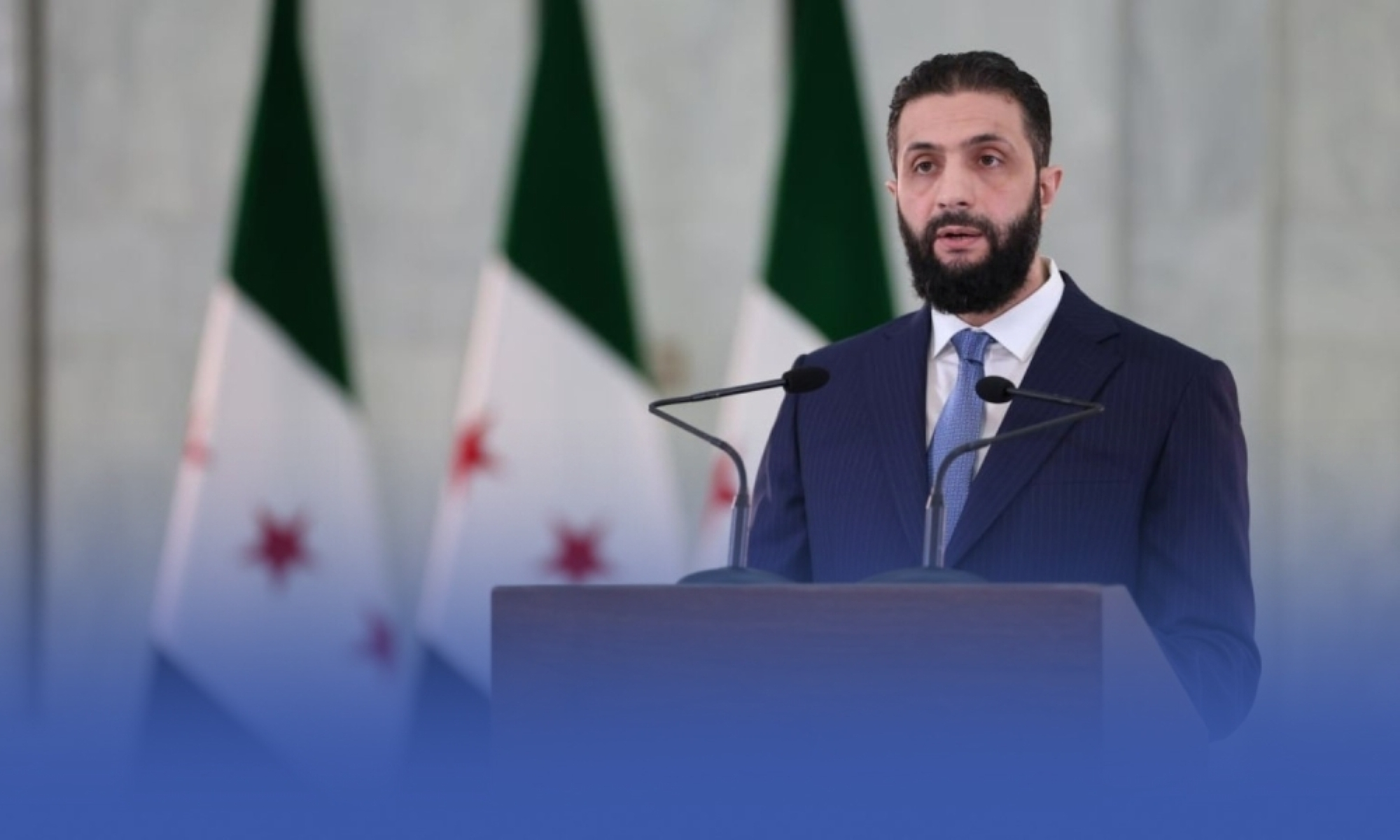
Attention is once again turning to the Syrian scene, as the Syrian government and the Kurdish-led Syrian Democratic Forces (SDF) prepare for a new round of talks, likely to begin soon. This round comes at a critical juncture and aims primarily to discuss the practical mechanisms for implementing a recently reached, internationally brokered agreement. This agreement paves the way for discussions on the future of the Autonomous Administration of North and East Syria and the integration of Kurdish forces into a unified national defense structure.
Historical background and complex context
These negotiations trace their roots back to the years of the Syrian conflict that erupted in 2011. As the central government in Damascus lost control over large parts of the country, Kurdish forces, primarily the People's Protection Units (YPG), established a self-governing administration in the northeastern regions. These forces, operating under the umbrella of the Syrian Democratic Forces (SDF), played a pivotal role in the war against the ISIS terrorist organization, with support from the US-led international coalition, granting them significant military and political influence on the ground. While the relationship between Damascus and the self-governing administration has always fluctuated between tension and tactical coordination against common enemies, fundamental disagreements over issues of sovereignty, recognition of Kurdish cultural and political rights, and the distribution of natural resources such as oil have remained obstacles to reaching a lasting solution.
The importance and impact of the upcoming talks
This round of talks is of exceptional importance on several levels. Domestically, any progress in the negotiations represents a significant step toward restoring stability to northeastern Syria and ending the long-standing division. Its success could lead to an agreement guaranteeing a form of administrative decentralization while preserving Syrian territorial integrity and integrating the SDF fighters into the Syrian army, thus preventing a resurgence of internal conflict. Regionally, the outcome of these talks will directly impact neighboring countries, particularly Turkey, which views any armed Kurdish entity on its border with apprehension and classifies the People's Protection Units (YPG) as a terrorist organization. Any agreement between Damascus and the Kurds could alter the regional balance of power and influence the dynamics between Syria and Turkey. Internationally, both the United States and Russia are closely monitoring these developments. For Washington, the agreement raises questions about the future of its partnership with the SDF and its military presence in Syria. Moscow, playing the role of the main mediator, sees the success of these talks as bolstering its influence and supporting the political solution it is sponsoring.
The two sides had reached an agreement last Saturday to extend the ceasefire for 15 days, which provided a positive and necessary foundation for launching these crucial negotiations that will focus on translating the initial understandings into practical steps on the ground, in an effort to chart a more stable future for the region.
-

 Local News 3 days ago
Landslide in Riyadh: Details of the incident in Al-Sahafa neighborhood and containment efforts
-
 Local News 4 days ago
The death penalty was carried out against a citizen who stabbed another to death in Tabuk
-
 Culture and Art, 1 week ago
Ramez Galal in Ramadan 2026: Details of the bloody prank show
-

 Local News 5 days ago
First birth on the Riyadh train: A heartwarming story at Andalus station
-
 Local News 3 days ago
Riyadh collapse: Emergency plans to secure water after a main pipeline burst
-

 Culture and Art 3 days ago
Haifa Wehbe's absence in Riyadh: A photo crisis or a strained relationship with the media?
-

 Culture and Art 3 days ago
City Kitchen series: A drama of conflict and the middle class during Ramadan
-

 Culture and Art 3 days ago
The series "Kasra": Dawood Hussein in a moving social drama this Ramadan