
Politics
Following the second attack using wireless devices, Mikati said: "We are at war."
Today's (Wednesday's) explosions damaged more than 100 wireless devices belonging to members and commanders in their homes and cars. The Secretary revealed..

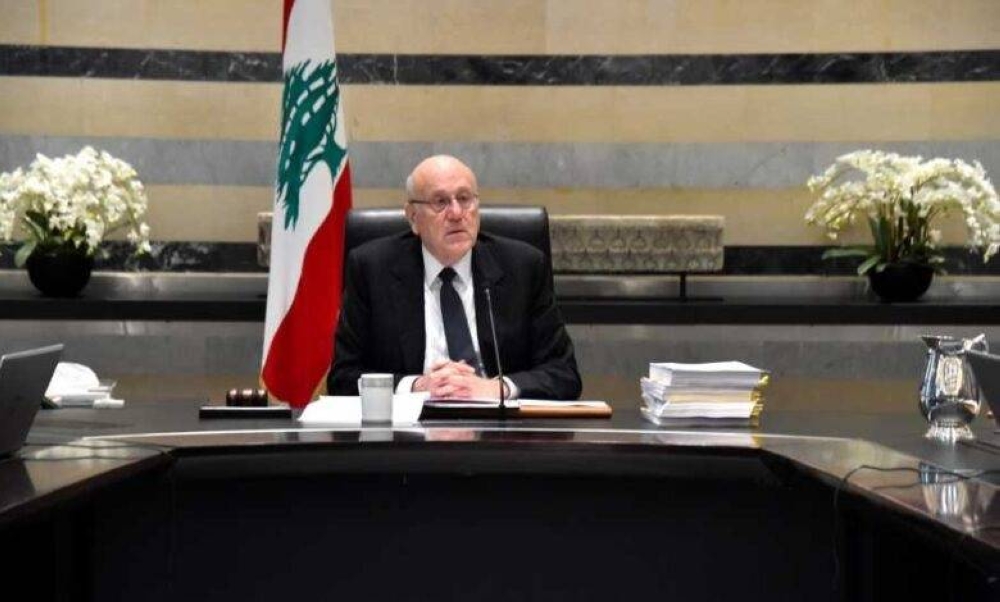
Today's (Wednesday) explosions damaged more than 100 wireless communication devices belonging to members and commanders in their homes and vehicles. The Secretary-General of the Lebanese Red Cross, George Kettaneh, revealed that injuries exceeded 100 in Tebnine, Tyre, Nabatieh, the Bekaa Valley, Shebaa, the southern suburbs of Beirut, and Baalbek.
The caretaker Prime Minister, Najib Mikati, announced from the headquarters of the Lebanese Ministry of Health, which held a meeting at the emergency center, that the wave of wounded had decreased, noting that we cannot express the humanitarian crime that occurred, and we demand that the world’s conscience act, and we will call on the Security Council to convene urgently to see what is happening.
Mikati said: "We have been at war for months and it is ongoing. The Israeli history is criminal and disregards all international and humanitarian laws." He reassured that the wave of Israeli violations today has ended and no new injuries have been admitted to hospitals.
For his part, UN Secretary-General Antonio Guterres stressed on Wednesday that civilian-use devices must not be turned into weapons, a day after deadly explosions in Lebanon targeted communications equipment used by Hezbollah members.
Guterres told reporters, “It is of utmost importance that there be effective monitoring of devices for civilian use, and that they are not converted into weapons. This should be the rule for everyone in the world, and governments should be able to enforce it.”.
Security sources told CNBC that the exploding wireless devices were icom v82s and initial information indicated they were purchased with the pager deal.










Politics
Pezeshkian agrees to talks with America: Terms and details
Iranian President Masoud Pezeshkian announces his agreement to talks with the US under specific conditions. Learn about the background of this decision and its impact on the nuclear agreement and economic sanctions.
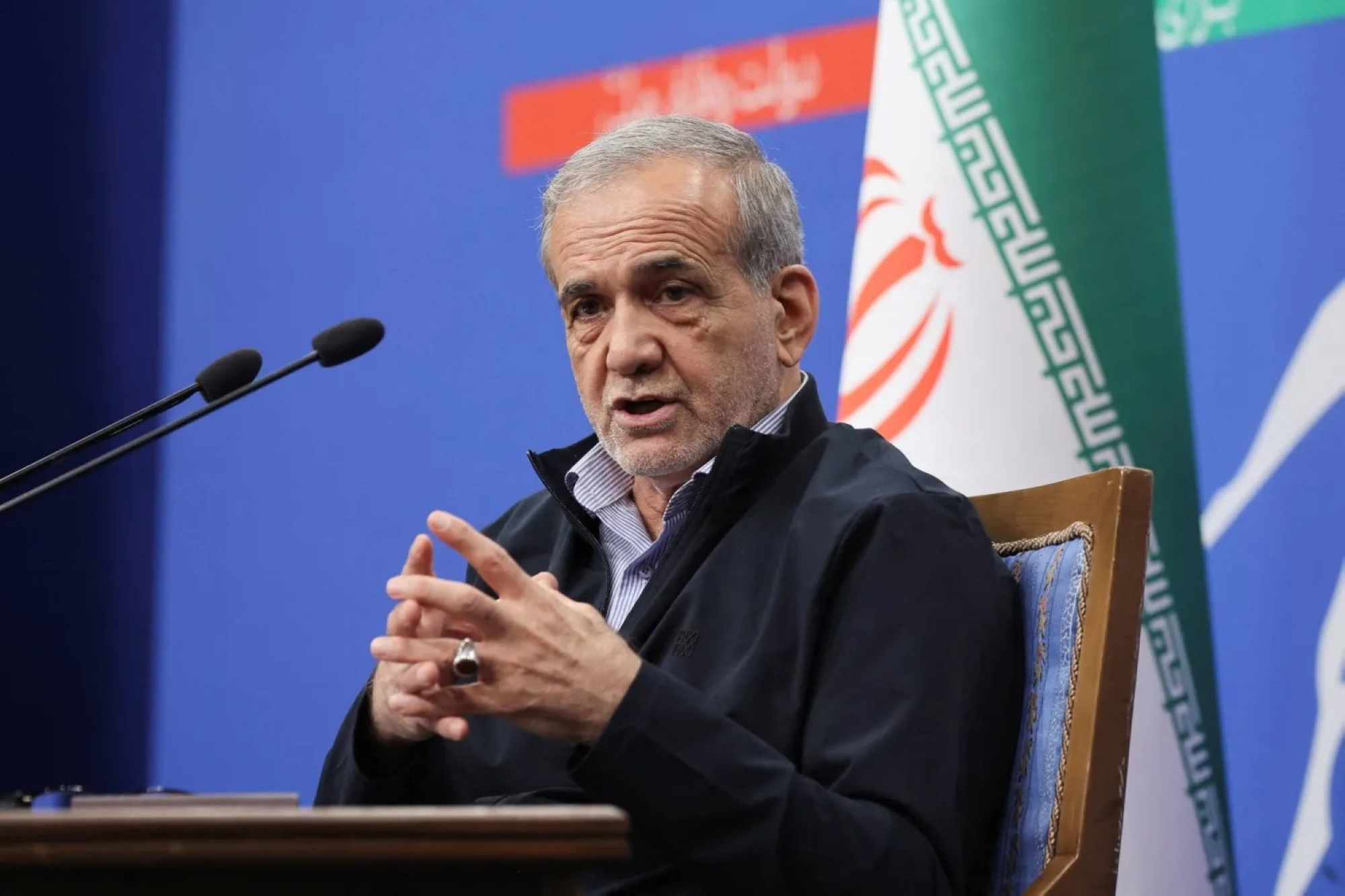
In a significant diplomatic development that could reshape the strained relations between Tehran and Washington, Iranian President Masoud Pezeshkian gave the green light on Tuesday to begin a new round of negotiations with the United States. Pezeshkian emphasized that this step is in response to Iran's supreme national interests, while also stressing the need for a healthy negotiating environment free from the language of threats and maximum pressure that characterized previous rounds.
In an official statement posted on the "X" platform, the Iranian president explained that he had given direct instructions to the foreign minister and his diplomatic team to create the appropriate conditions for fair and equitable negotiations. This Iranian move came in response to urgent demands from friendly regional countries that had played a mediating role in bridging the gap between the two sides, urging Tehran to engage positively with the proposals put forward by the US president regarding opening channels for direct dialogue.
the historical context and the complexities of the nuclear agreement
. This crisis has escalated considerably since 2018, when the United States unilaterally withdrew from the nuclear agreement (the Joint Comprehensive Plan of Action, or JCPOA) and reimposed crippling economic sanctions on Tehran. Since then, attempts to revive the agreement have repeatedly faltered due to mutual distrust and Washington's insistence on expanding its scope to include Iran's ballistic missile program and regional influence—demands that Tehran vehemently rejects.
Economic motives and internal pressures:
Observers believe that President Pezeshkian's flexibility, as a reformist, reflects a genuine desire to break the international isolation and alleviate the burden of sanctions that have crippled the Iranian economy and caused high inflation rates. This call for talks is part of Pezeshkian's campaign promises to improve the living conditions of citizens through constructive diplomacy with the West, provided that national sovereignty is preserved.
Regionally and internationally
, this potential rapprochement is of paramount importance to Middle Eastern states, as US-Iranian dialogue is seen as crucial for de-escalating tensions in the region, from maritime security in the Gulf to the complex issues in Yemen, Syria, and Lebanon. Internationally, global energy markets are watching closely for any breakthrough that might allow Iranian oil to flow freely again, potentially contributing to price stability. However, the success of this initiative hinges on Washington's willingness to offer concrete guarantees and avoid what Pezeshkian termed "unreasonable expectations."
Politics
Britain imposes sanctions on Iranian officials over crackdown on protests
Britain announces new sanctions against 10 Iranian officials, including police and Revolutionary Guard commanders, in response to the crackdown on protesters. Learn more about the details and the implications of the decision.
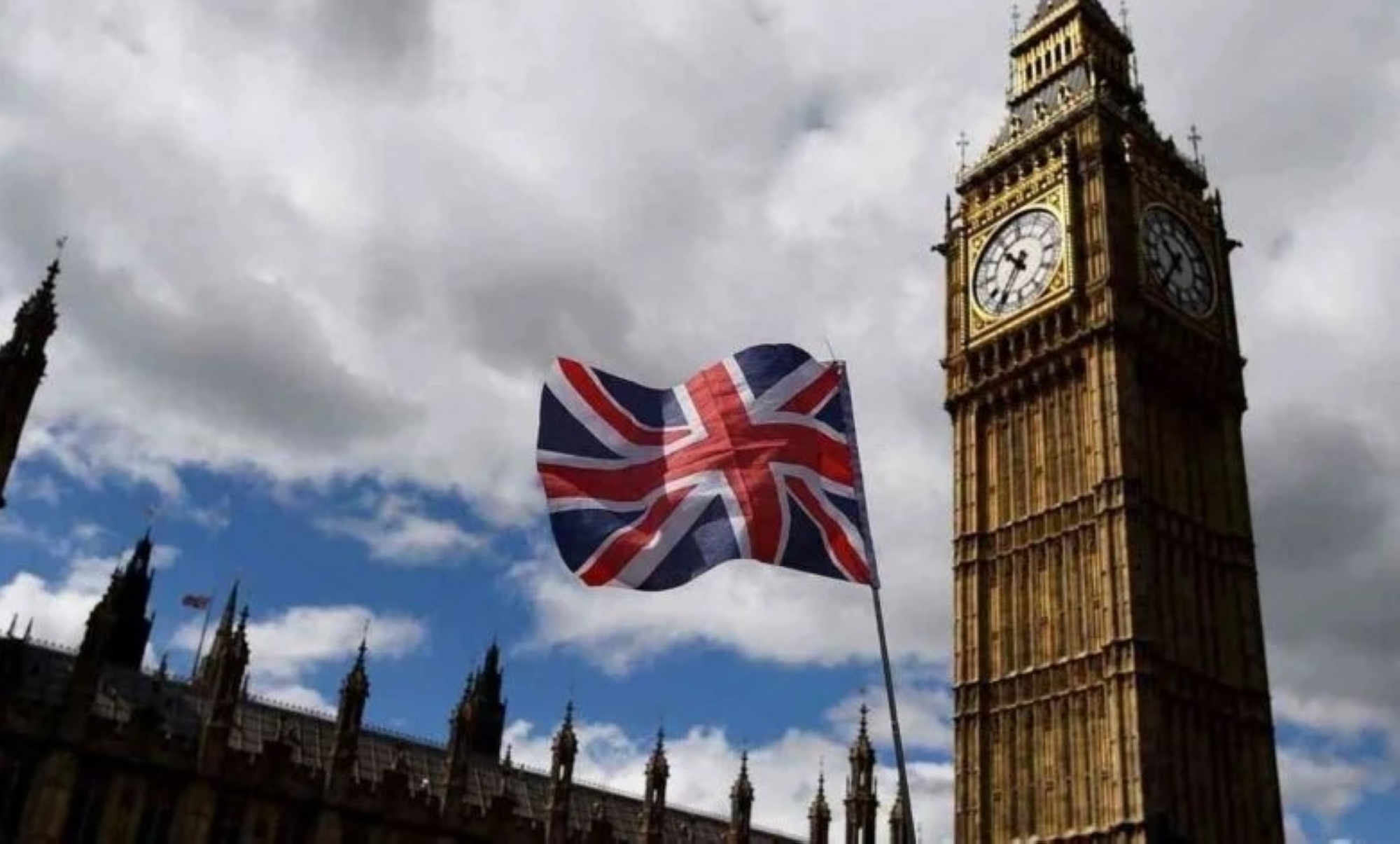
In a new escalation reflecting strained diplomatic relations between London and Tehran, the British government announced a package of tough sanctions targeting 10 prominent Iranian officials, as well as security entities, in response to what the United Kingdom described as "systematic violence" perpetrated by the authorities against protesters during the recent wave of protests in the country.
Details of the penalties and those covered by them
The new blacklist included high-ranking figures in the Iranian security and political hierarchy, most notably the Interior Minister and senior police commanders. The sanctions were not limited to individuals but also extended to the Iranian Law Enforcement Forces (FRAJA), considered the main arm responsible for dealing with protests on the ground.
The sanctions also targeted members of Iran's Revolutionary Guard, a businessman linked to it, and two judges, indicating a British focus on the security, judicial, and economic systems that support repression. These sanctions include freezing the financial assets of those sanctioned within the United Kingdom, imposing a comprehensive travel ban, and preventing them from holding any administrative positions or engaging in any business activities that fall under British law.
The official British position
Commenting on these decisions, British Foreign Secretary Yvette Cooper affirmed that this step comes within the framework of the United Kingdom's commitment to holding those responsible for human rights violations accountable. Cooper praised what she described as the "remarkable courage" shown by the Iranian people in the face of the security apparatus, considering the sanctions a clear message against the "violent campaign of repression" being waged by the authorities in Tehran.
General context and international dimensions
These sanctions come at a time when Iran is facing significant internal challenges, including widespread protests demanding political and social reforms. The authorities have responded to these movements with harsh security measures, drawing widespread criticism from international human rights organizations and Western governments.
Observers believe that the British move is not an isolated incident, but rather part of a broader coordinated effort among Western countries (including the United States and the European Union) to increase Tehran's political and economic isolation. These coordinated actions aim to pressure the Iranian regime to change its behavior regarding human rights, as well as other contentious issues such as its nuclear program and its regional role.
These sanctions are expected to lead to further stagnation in bilateral relations between the two countries, as Tehran usually considers such measures to be blatant interference in its internal affairs, which may lead to reciprocal diplomatic actions and an escalation in political rhetoric between the two capitals in the coming period.
Politics
Nuclear negotiations between Iran and the United States resume in Istanbul
Crucial nuclear negotiations between Iran and the United States have begun in Istanbul, with Saudi Arabia and Egypt in attendance, amid a US military buildup and demands for concessions to end the tension.
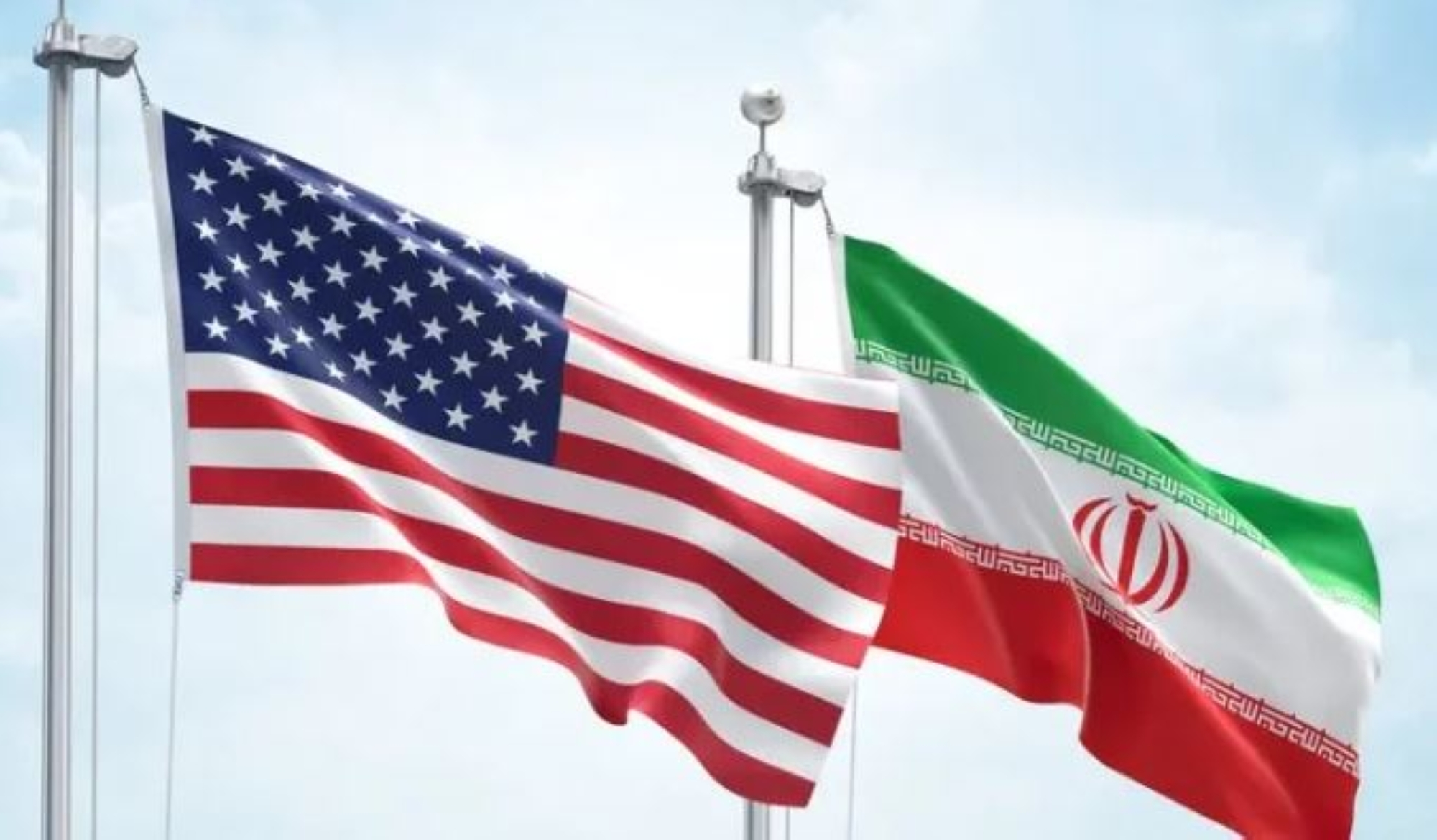
In a diplomatic move aimed at defusing the escalating crisis in the Middle East, Iran and the United States are resuming their nuclear talks in Türkiye, amid widespread international and regional anticipation of the results of this crucial round.
Details of the meeting in Istanbul
Informed sources told Reuters that US Special Envoy Steve Wittkopf will hold a crucial meeting with Iranian Foreign Minister Abbas Araqchi in Istanbul, Turkey. This meeting comes as part of intensive efforts to revive the long-stalled diplomatic process regarding Iran's nuclear program and to find common ground that would prevent a slide into open confrontation.
A diplomatic source in the region revealed that the talks will not be limited to the American and Iranian sides, but will also include representatives from influential regional powers, most notably Saudi Arabia and Egypt. The meetings are scheduled to be held at two levels: bilaterally between Washington and Tehran, and trilaterally with the regional parties, reflecting the desire of regional states to ensure that any future agreements take their security concerns into account.
Context of tension and military mobilization
These negotiations come at a highly sensitive time, as military tensions escalate in the Gulf. The talks coincide with a significant US naval buildup near Iranian territorial waters, a clear message of pressure from Washington. Meanwhile, Tehran faces unprecedented internal challenges, with the country experiencing what has been described as its most violent internal unrest since the 1979 revolution, further complicating the Iranian negotiating position.
US President Donald Trump insists that Iran must make substantial concessions regarding its nuclear program and regional activities, backing this demand with the deployment of a naval fleet to Iranian waters as a maximum pressure tactic. For his part, Ali Larijani, Secretary of Iran's Supreme National Security Council, confirmed that arrangements are underway for these negotiations, indicating Tehran's willingness to explore available diplomatic options.
Background of the crisis and the importance of negotiations
To understand the depth of these talks, one must consider the historical background of the nuclear issue. Since the United States withdrew from the Joint Comprehensive Plan of Action (JCPOA), also known as the Iran nuclear deal, in 2018, economic sanctions and a policy of "maximum pressure" have intensified, prompting Iran to gradually reduce its compliance with its nuclear commitments and increase its uranium enrichment levels. This situation has led to persistent instability in the region, punctuated by security incidents targeting maritime navigation and energy facilities.
This round of negotiations is of exceptional importance given its expected impact locally, regionally and internationally:
- On a regional level: The presence of Saudi Arabia and Egypt represents a qualitative development, as the countries of the region seek to ensure the security of navigation in vital waterways and prevent a nuclear arms race in the Middle East.
- On the international level: Global energy markets are closely monitoring these talks, as any easing of tensions would have a positive impact on the stability of oil prices and global supply chains.
- On the domestic front: Any diplomatic breakthrough could help alleviate the economic sanctions that are burdening the Iranian economy and fueling internal unrest.
All eyes remain on Istanbul to see if last-minute diplomacy will succeed in sparing the region the horrors of a potential military conflict and establishing a new phase of security and political stability.
-
 Local news one week ago
Landslide in Riyadh: Details of the incident in Al-Sahafa neighborhood and containment efforts
-
 Local news one week ago
The death penalty was carried out against a citizen who stabbed another to death in Tabuk
-

 Culture and Art, 1 week ago
Haifa Wehbe's absence in Riyadh: A photo crisis or a strained relationship with the media?
-
 Local news one week ago
Riyadh collapse: Emergency plans to secure water after a main pipeline burst
-
 Culture and Art, 1 week ago
City Kitchen series: A drama of conflict and the middle class during Ramadan
-

 Culture and Art, 1 week ago
The series "Kasra": Dawood Hussein in a moving social drama this Ramadan
-

 Local news one week ago
Applying for the 1447 Opportunities Program for Teachers via the Fares System
-

 Local News 6 days ago
Ramadan 2026 discounts in Saudi Arabia: Offers valid for 54 days