
Politics
After a fragile calm in Gaza, the West Bank is on the verge of explosion
International media outlets have warned that the occupied West Bank is nearing the brink of explosion, following incursions by Israeli occupation forces

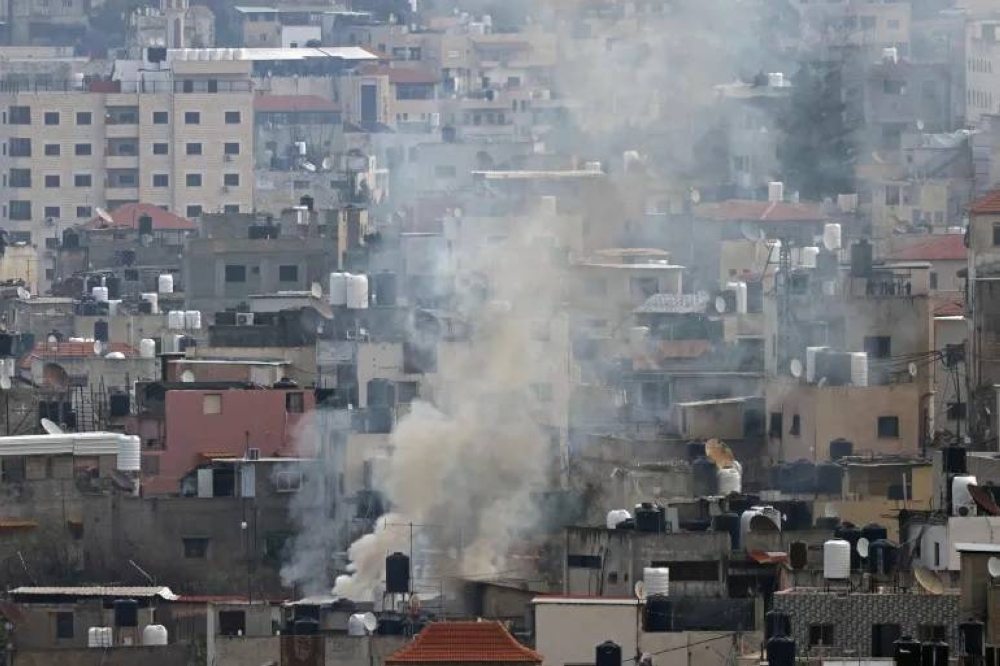
International media outlets have warned that the occupied West Bank is nearing the brink of explosion, following the Israeli occupation forces' raid on Jenin camp, which resulted in the deaths of approximately 13 martyrs and dozens of injuries.
The French newspaper Le Figaro reported that the West Bank is witnessing a new wave of violence, including attacks, military operations, and settler raids, and that the situation is on the verge of escalation with the start of a new Israeli military operation in the Jenin refugee camp. The newspaper noted that the conflict has now shifted to the West Bank, which Israel has militarily occupied since 1967, while the Gaza Strip remains under a fragile truce.
The French newspaper Le Monde reported on the nights of terror experienced by residents of the village of Funduq in Qalqilya, in the West Bank, amid attacks and harassment by settlers. It stated that Funduq residents have been living under siege since a violent raid by extremist settlers on Monday evening, who came to avenge the killing of three residents of the Kedumim settlement east of Qalqilya on a nearby road.
Meanwhile, Axios revealed that American private security companies will begin operating a major checkpoint in Gaza in the coming days, for the first time in decades, and will deploy armed guards in the Strip, according to Israeli officials. The website reported that the American companies will operate in Gaza as part of a multinational consortium established under the Gaza ceasefire agreement.
According to the website, the role of these companies is to oversee a vital vehicle checkpoint along Salah al-Din Street to facilitate the safe return of Palestinians to northern Gaza, and to ensure that weapons are not transferred north.
The British newspaper The Guardian highlighted how Israel integrated the American technology company Microsoft into its war efforts to meet the growing demand for cloud computing and artificial intelligence tools. Based on leaked documents and interviews with sources from the Israeli defense and intelligence establishment, the newspaper reported that Microsoft strengthened its ties with the Israeli military during the war on Gaza. The documents revealed that the Israeli military's reliance on Microsoft increased significantly during the most intense phase of the bombing campaign in Gaza.
Haaretz newspaper quoted an informed source as saying: “Israel has asked Washington to extend the withdrawal of its forces from southern Lebanon by 30 days.”.
A French diplomatic source said: “The United States, France, Lebanon and Israel are engaged in intensive discussions on this issue,” noting that Paris would accept the outcome agreed upon by the parties, including Lebanon and Israel, that guarantees the continuation of the ceasefire.



Politics
Saudi-Korean military cooperation: Strengthening air force capabilities
Saudi-Korean talks to deepen military cooperation, within the framework of Vision 2030. The visit aims to exchange experiences and enhance air defense capabilities between the two countries.
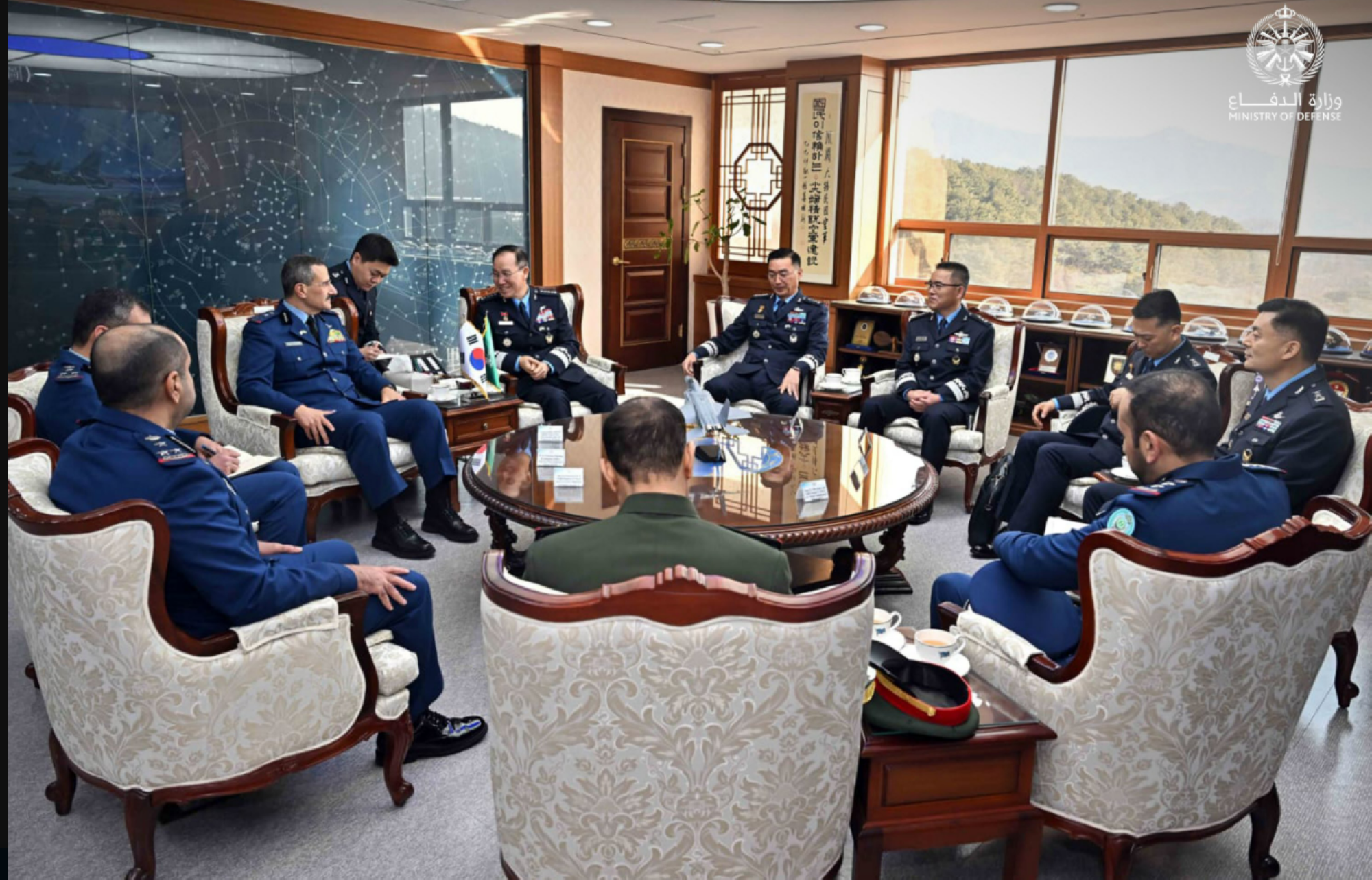
In a move reflecting the depth of the growing strategic partnership between Riyadh and Seoul, the Commander of the Royal Saudi Air Force, Lieutenant General Turki bin Bandar bin Abdulaziz, held an important meeting with the Chief of Staff of the Republic of Korea Air Force, General Song Seok-rae. This meeting, which took place in the presence of official delegations from both countries, comes as part of an official visit by Lieutenant General Turki bin Bandar to South Korea, at the invitation of the South Korean government, to discuss ways to enhance and deepen joint military cooperation, particularly in the field of air power.
Historical background of an evolving partnership
These talks represent a new chapter in the decades-long Saudi-Korean relationship, which began with a focus on the energy sector and has now evolved into a comprehensive strategic partnership. Since the launch of the Saudi-Korean Vision 2030, bilateral relations have witnessed a qualitative leap, expanding to include vital areas such as advanced technology, defense industries, and renewable energy. This partnership serves as a model of cooperation based on shared interests and ambitious future visions for both countries, extending beyond mere trade to encompass the transfer of knowledge and technology.
The importance and impact of defense cooperation
Defense cooperation between Riyadh and Seoul is no longer just an idea; it has become a tangible reality embodied in significant deals. The most prominent of these was the Kingdom's announcement of its acquisition of the advanced South Korean Cheongung II air defense system, one of the most sophisticated missile defense systems in the world. This move not only enhances the Kingdom's defense capabilities but also opens the door to further partnerships in joint manufacturing and technology transfer, aligning with the goals of Vision 2030 to localize 50% of military spending by 2030.
Strategic dimensions of the Kingdom and Korea
These talks are of particular importance to Saudi Arabia, which seeks to diversify its arms sources and localize advanced military technology. Cooperation with South Korea, which has proven its global leadership in the defense industry, provides the Royal Saudi Air Force with an opportunity to learn about the latest technologies and operational expertise. This rapprochement also contributes to strengthening the Kingdom's deterrent capabilities in the face of growing security challenges in the region. For its part, South Korea reaps significant strategic and economic benefits, as this cooperation enhances the global standing of the Korean defense industry (K-Defense) and opens new markets for its products in a vital region.
High-level meetings
During the visit, Lieutenant General Turki bin Bandar also met with the Chairman of the Joint Chiefs of Staff of the Republic of Korea, General Jin Young-sung, where the two sides discussed a number of topics of mutual interest. These high-level meetings underscore the seriousness and mutual desire to elevate military relations to unprecedented levels, serving the strategic interests of the two friendly countries and supporting regional and international security and stability.
Politics
Saudi Arabia welcomes the ceasefire agreement between the Syrian government and the SDF
The Kingdom of Saudi Arabia welcomes the comprehensive ceasefire agreement in Syria between the government and the SDF, and hopes that it will contribute to achieving peace and stability and strengthening national unity.
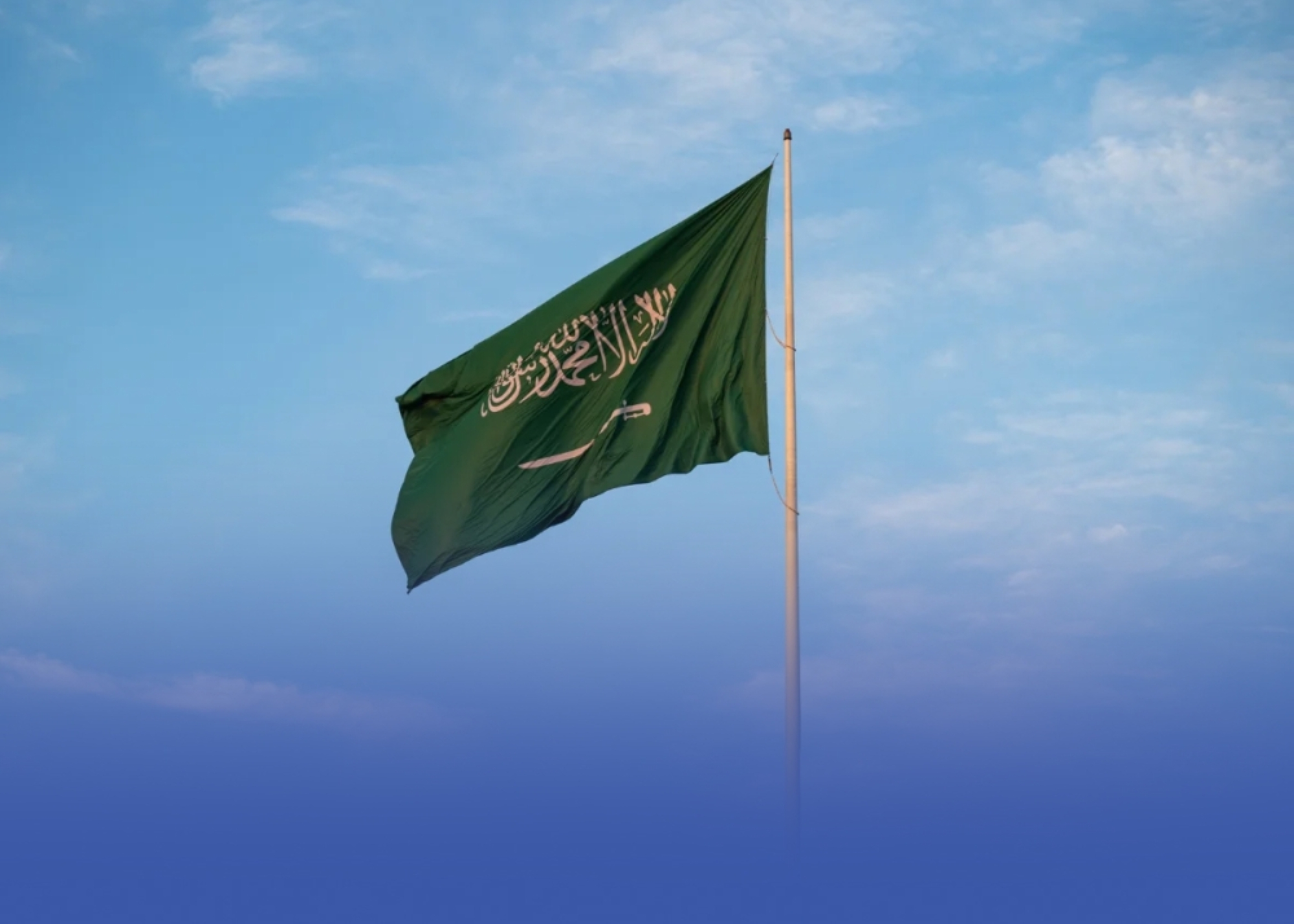
The Saudi Ministry of Foreign Affairs announced that the Kingdom of Saudi Arabia welcomes the statement issued regarding the ceasefire agreement between the Syrian government and the Syrian Democratic Forces (SDF). This welcome comes in light of the agreement's pivotal role as a step that could contribute to turning a page in the complex conflict that the country has been witnessing for years.
In an official statement, the Ministry expressed the Kingdom's hope that this comprehensive agreement, which includes integrating self-governing institutions into Syrian state institutions, will contribute to Syria's progress toward achieving lasting peace, security, and stability. The statement affirmed that this step aligns with the aspirations of the brotherly Syrian people to build a secure and prosperous future and strengthen their national unity and territorial integrity.
Background of the conflict and the importance of the agreement
This agreement comes in the context of a devastating civil war that began in 2011 and has led to deep geographical and political divisions. The Syrian Democratic Forces (SDF), whose backbone is the Kurdish People’s Protection Units (YPG), have emerged as a major force in northern and eastern Syria, particularly after their pivotal role in the war against the ISIS terrorist group, with support from the US-led international coalition. Over the past years, the SDF has administered large areas through the “Autonomous Administration of North and East Syria,” creating a complex political and military reality that is relatively independent of the authority of the central government in Damascus.
Potential impacts at the local and regional levels
The agreement holds significant strategic importance. Domestically, integrating the self-governing institutions into the state structure could lead to the reassertion of Syrian sovereignty over all its territory, unify governance, and redirect resources toward reconstruction and development rather than conflict. It also paves the way for a comprehensive political settlement that guarantees the rights of all components of the Syrian people. Regionally, stability in northeastern Syria reduces the likelihood of foreign intervention and alleviates the concerns of neighboring countries, particularly Turkey, which views the influence of Kurdish forces along its borders with apprehension.
International support and diplomatic efforts
In closing, the Kingdom reiterated its full support for all efforts undertaken by the Syrian government to preserve its sovereignty, unity, and territorial integrity. The Kingdom also commended the responsiveness of both the Syrian government and the Syrian Democratic Forces to the diplomatic efforts it exerted, alongside the efforts led by the United States, which were instrumental in establishing a ceasefire and reaching this historic agreement. This development reflects a shift in regional and international dynamics and underscores the importance of dialogue and a political settlement as the only way to achieve a sustainable end to the Syrian crisis.
Politics
A comprehensive agreement between the Syrian government and the SDF to unify the country
The new Syrian government and the Syrian Democratic Forces (SDF) have reached a historic agreement to cease fire and integrate forces and institutions, with the aim of ending the division and unifying Syrian territory.
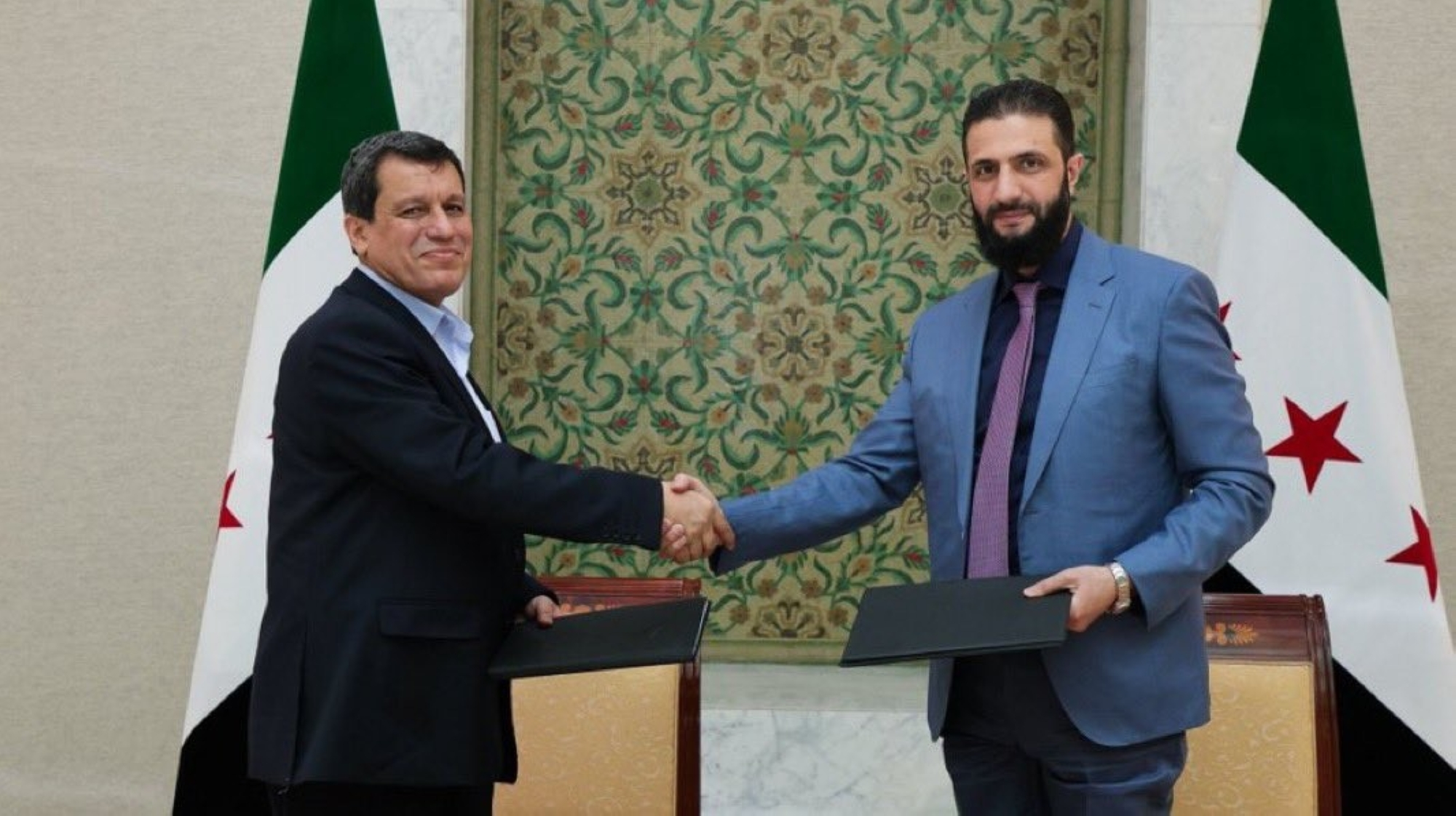
In a historic move that could redraw the political and military map of Syria, the new Syrian government announced a comprehensive agreement with the Syrian Democratic Forces (SDF) aimed at ending the division that has persisted for more than a decade. The agreement stipulates an immediate ceasefire and the commencement of a comprehensive integration process for military and security forces and civilian administrations, paving the way for the unification of Syrian territory under a single central authority.
Background of the conflict and context of the agreement
This agreement follows radical political shifts in Damascus and culminates a long and complex relationship between the central government and the Syrian Democratic Forces (SDF). Since the outbreak of the Syrian crisis in 2011, the SDF, whose backbone is the Kurdish People's Protection Units (YPG), has emerged as a major force in northern and eastern Syria. These forces played a pivotal role in the war against ISIS with the support of the international coalition and established an autonomous administration that governed vast areas. The relationship with Damascus has fluctuated between tension, limited clashes, and tactical coordination against common enemies, but the issue of sovereignty and recognition of the autonomous administration has remained a fundamental point of contention. With the recent changes in power, the door has been opened for serious dialogue to end the division and rebuild the state on new foundations.
Key provisions for unifying the country
According to government sources, the agreement includes detailed and practical provisions. Militarily, forces will withdraw from the front lines, and a new military division will be formed comprising three brigades of SDF fighters, in addition to a brigade specifically for the city of Kobani (Ayn al-Arab), administratively affiliated with Aleppo Governorate. In terms of security, Interior Ministry security forces will enter the cities of Hasakah and Qamishli to enforce the law and enhance stability, paving the way for the integration of local security forces into the official structure. On the civilian level, the institutions of the Autonomous Administration will be integrated into state institutions, with guarantees for the permanent employment of staff and the regularization of their status. The agreement, signed by President Ahmed al-Sharaa on January 18, also guarantees the civil, cultural, and educational rights of the Kurdish component, which Presidential Decree No. (13) affirms is an integral part of the Syrian national identity.
Importance and expected effects
This agreement holds immense strategic importance on all levels. Domestically, it represents a crucial step toward ending the civil war and restoring state authority over all of Syria, including its oil and gas fields and border crossings. This will return vital resources to the public treasury and accelerate the reconstruction process. It also paves the way for the safe return of millions of displaced persons and refugees to their homes. Regionally, the agreement reshapes the balance of power in the region, particularly concerning relations with Turkey, which views the influence of Kurdish forces on its border with concern. Internationally, the agreement resolves the ambiguity surrounding the fate of the areas formerly controlled by the Syrian Democratic Forces (SDF) and presents the international community, including the United States, which supported these forces, with a new reality that necessitates a reassessment of policies toward Syria. This could encourage the lifting of sanctions and support for the path to political stability.
-

 Local News 5 days ago
Landslide in Riyadh: Details of the incident in Al-Sahafa neighborhood and containment efforts
-
 Local News 6 days ago
The death penalty was carried out against a citizen who stabbed another to death in Tabuk
-

 Culture and Art, 1 week ago
Ramez Galal in Ramadan 2026: Details of the bloody prank show
-
 Local news one week ago
First birth on the Riyadh train: A heartwarming story at Andalus station
-

 Culture and Art 5 days ago
Haifa Wehbe's absence in Riyadh: A photo crisis or a strained relationship with the media?
-
 Local News 5 days ago
Riyadh collapse: Emergency plans to secure water after a main pipeline burst
-

 Culture and Art 5 days ago
City Kitchen series: A drama of conflict and the middle class during Ramadan
-

 Culture and Art 5 days ago
The series "Kasra": Dawood Hussein in a moving social drama this Ramadan