
Politics
Sending Tomahawk missiles to Ukraine: A Russian warning of dire consequences
Russia warns of dire consequences after supplying Tomahawk missiles to Ukraine, amid escalating tensions between Moscow and Washington and significant geopolitical implications.


Tensions are escalating between Moscow and Washington over Tomahawk missiles
Amid escalating international tensions, former Russian President Dmitry Medvedev warned that the US supply of Tomahawk missiles to Ukraine could have dire consequences for everyone, specifically mentioning the impact on former US President Donald Trump. These remarks come against a backdrop of increasing geopolitical complexities among the world's major powers.
Russian warnings and American statements
Medvedev explained that distinguishing between conventional Tomahawk missiles and those equipped with nuclear warheads is impossible once launched, raising concerns about how Russia would respond to such a development. He hinted at the possibility of a Russian response of a nuclear nature, reflecting the gravity of the current situation.
For his part, Trump warned that he might send long-range Tomahawk missiles to Ukraine if Moscow did not end the war there soon. He emphasized that he might be prepared to increase pressure on Russian President Vladimir Putin using a substantial weapons system, stressing the power and impact of these offensive missiles.
Talks with Zelensky
Trump's remarks came after a phone call with Ukrainian President Volodymyr Zelensky, during which they discussed strengthening Ukraine's air defenses and long-range capabilities. Zelensky described the call as "very productive," indicating a convergence of views on the importance of bolstering Ukraine's defense capabilities.
International reactions and strategic analysis
Russian President Vladimir Putin has previously warned that the United States supplying Ukraine with long-range missiles would seriously damage relations between Moscow and Washington. This warning reflects Russia's deep concern about any escalatory steps that could worsen the security situation in the region.
Saudi Arabia and its diplomatic role
Amid these escalating tensions, Saudi Arabia is playing a crucial diplomatic role in attempting to de-escalate the situation and promote regional and international stability. Riyadh is relying on its diplomatic strength and strategic balance to achieve peace and stability in the region and the world.
Conclusion and analysis of the international situation
The situation between Russia and the United States remains sensitive and complex, requiring wisdom and diplomacy to avoid any escalation that could lead to disastrous consequences. Continued dialogue and mutual understanding are the best way to resolve conflicts and ensure global security and peace.




Politics
Peace Council meeting on Gaza in Washington: Details of the upcoming summit
The White House plans to hold the first meeting of the Peace Council on Gaza on February 19. Learn about the summit details, reconstruction plans, and the anticipated meeting between Trump and Netanyahu.
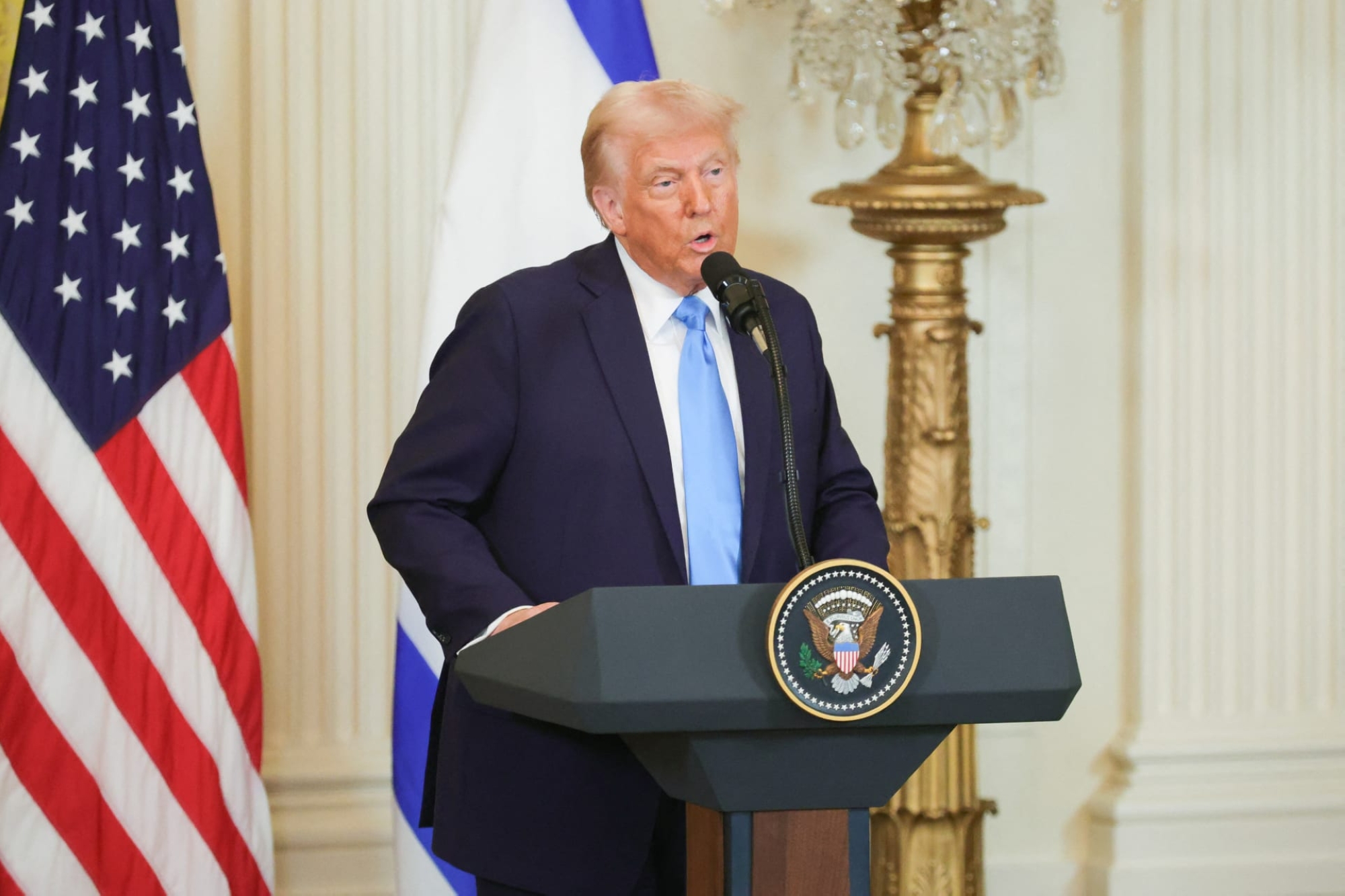
Diplomatic sources and US officials have revealed intensive efforts within the White House to convene the first high-level meeting of leaders of the "Peace Council," an international initiative launched by US President Donald Trump, to discuss the future of the Gaza Strip. Washington, D.C., is scheduled to host this important event on February 19, amid international anticipation of its outcomes.
Meeting agenda: Between interim governance and reconstruction
According to Axios, citing a US official and diplomats from four Security Council member states, the plans are still being finalized, but the primary objective of the meeting extends beyond political coordination to include transforming it into an international fundraising conference. This move aims to secure the necessary funding for the comprehensive reconstruction of Gaza, which has been devastated by the ongoing war since late 2013.
The meeting is scheduled to take place at the United States Institute of Peace in Washington. This summit is particularly significant as it comes on the heels of a planned meeting between US President Donald Trump and Israeli Prime Minister Benjamin Netanyahu at the White House on February 18, suggesting prior coordination of positions before meeting with the other members of the Security Council.
Context of the initiative and international controversy
These moves come in the context of President Trump's initiative, launched in late January, to establish a "Peace Council" under his leadership, with the stated goal of resolving global conflicts. This step has sparked widespread controversy in international political circles, with experts and observers expressing concern that this new entity could marginalize the role of the United Nations and undermine traditional international institutions.
On the diplomatic front, the invitation to join the council has been met with mixed reactions. While some of Washington’s allies in the Middle East have rushed to engage in the initiative, many Western countries and traditional US allies remain cautious and have not yet announced their participation, reflecting a state of anticipation regarding the nature of the role this council will play.
Human rights criticisms and the deteriorating situation on the ground
Under the vision Trump presented for Gaza late last year, the council is supposed to oversee the interim governance of the territory. This vision has faced sharp criticism from human rights experts, who described the supervision of a territory's affairs by an external council without representation for its people as resembling a "colonial structure," especially given the absence of any Palestinian representation within the council's composition.
On the ground, this meeting is taking place amidst a catastrophic humanitarian and security situation. The fragile ceasefire has been repeatedly violated, with more than 550 Palestinians and four Israeli soldiers killed since the truce began in October. Statistics indicate that the Israeli offensive, which began in late 2013, has killed more than 71,000 Palestinians, caused the complete displacement of the Gaza Strip's population, and created a severe hunger crisis, making reconstruction and relief efforts an existential challenge that cannot be postponed.
Politics
Al-Wasel: Vision 2030 promotes social empowerment and quality of life globally
Ambassador Abdulaziz Al-Wasil presented to the United Nations the Kingdom’s efforts through Vision 2030 in social development, youth empowerment, and initiatives to support families and those with limited income.
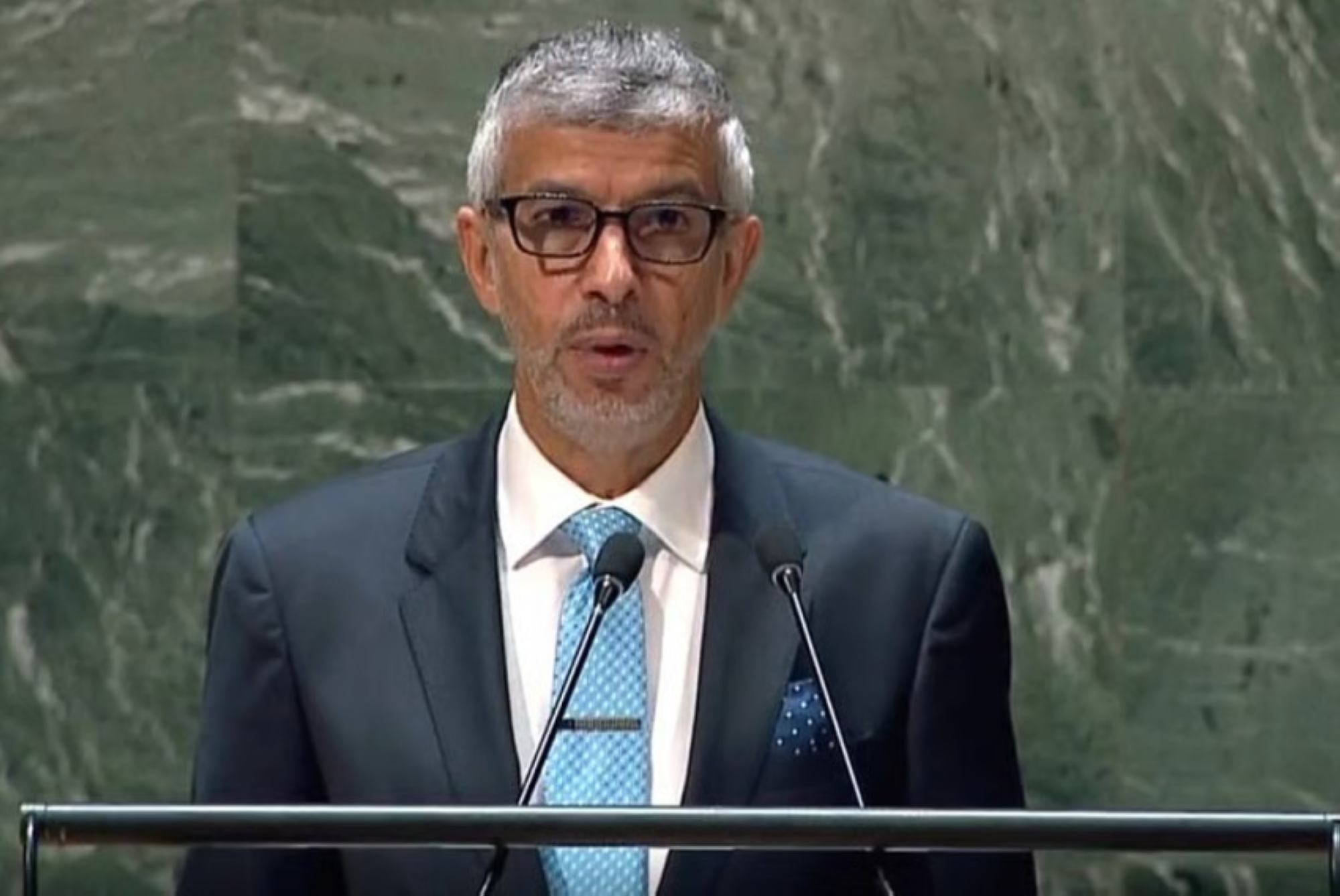
The Permanent Representative of the Kingdom of Saudi Arabia to the United Nations, Ambassador Dr. Abdulaziz Al-Wasil, affirmed that the Kingdom is moving steadily towards achieving a comprehensive social renaissance, stressing that the Kingdom’s Vision 2030 is not just an economic plan, but rather an integrated national framework that places the human being at the heart of development, and aims primarily to improve the quality of life and enshrine the principles of inclusion and empowerment for all segments of society.
International commitment and sustainable development
This came in the Kingdom's statement delivered by Ambassador Al-Wasil during the proceedings of the United Nations Commission for Social Development, where he explained that the Kingdom continues to align its national policies and legislation with the ambitious goals of its Vision 2030. He noted that this alignment aims to strengthen family ties, improve healthcare and social welfare systems, and support sustainable development initiatives, reflecting the Kingdom's firm commitment to actively participating in the implementation of the Commission's action plans and enhancing global cooperation to achieve social justice.
Context of national transformation and youth empowerment
In the context of the fundamental transformations taking place in the Kingdom, this speech reflects the qualitative shift since the launch of Vision 2030 in 2016, which moved the focus from traditional patronage to genuine empowerment. The Kingdom's representative emphasized his country's adoption of a participatory, evidence-based approach to youth policies. This is demonstrated by formulating public policy for youth development with broad participation from young people themselves, enhancing the effectiveness of these policies and ensuring their relevance to real needs, thus solidifying the role of youth as true partners in shaping the future and leading change.
Family and elderly care: a top priority
Al-Wasel reviewed the ongoing efforts to enhance family and elderly care, which included enacting specialized legislation and launching impactful initiatives such as the "Privilege Card" for senior citizens, and adopting a national family strategy. He also noted the development of precise standards for family counseling, reflecting the Kingdom's commitment to strengthening family cohesion, protecting the most vulnerable groups, and providing supportive environments that ensure the dignity and independence of senior citizens, in recognition of their status and role in society.
From Pastoral to Developmental: Empowerment Clinics
On a crucial socio-economic front, the Permanent Representative emphasized the importance of empowering low-income groups, noting the strategic shift in support programs through the training and employment of social security beneficiaries. He highlighted the establishment of the "Empowerment Clinics" , which aims to provide integrated social and economic interventions that contribute to raising the efficiency of beneficiaries and enhancing their self-reliance, thereby achieving economic and social stability for families and moving them from a state of need to one of productivity.
Al-Wasel concluded his speech by emphasizing the Kingdom’s continued support for international efforts related to social development, strengthening partnerships and exchanging experiences, in order to achieve the Committee’s goals and enhance the paths of social justice and sustainable development at the global level.
Politics
The Yemeni Leadership Council appreciates Saudi Arabia's support for stability and development
The Yemeni Presidential Leadership Council praises Saudi Arabia’s support, under the leadership of King Salman and the Crown Prince, for strengthening stability and cohesion of state institutions, and for supporting the economy and the humanitarian situation in Yemen.

The Yemeni Presidential Leadership Council, in its meeting held yesterday, Friday, in the Saudi capital, Riyadh, renewed its deep appreciation for the Kingdom of Saudi Arabia, under the leadership of the Custodian of the Two Holy Mosques, King Salman bin Abdulaziz Al Saud, and His Royal Highness Prince Mohammed bin Salman bin Abdulaziz, Crown Prince and Prime Minister, appreciating the sincere and continuous fraternal stances that the Kingdom shows towards the Yemeni people and its legitimate government.
The Council affirmed that Saudi support extends beyond the political and military spheres to include strengthening security and stability and preserving the cohesion of Yemeni state institutions, which have faced existential challenges since the outbreak of the crisis. The Council commended the Kingdom's sincere efforts to support Yemen in the humanitarian and development fields through generous aid, which has had a profound impact on alleviating the suffering of citizens across various governorates.
Historical context and pivotal role
This stance embodies the historical and strategic relations that bind the two brotherly countries, as the Kingdom of Saudi Arabia led the Arab coalition to support legitimacy in Yemen, and played a decisive role in sponsoring political dialogues, starting with the Gulf Initiative and reaching the Riyadh Agreement and the Riyadh consultations that resulted in the formation of the Presidential Leadership Council in April 2022. The Kingdom is considered the primary economic supporter of Yemen through financial deposits provided to the Central Bank of Yemen to support the local currency, in addition to granting oil derivatives to operate power plants.
Comprehensive development and vital projects
On the development front, the Saudi Program for the Development and Reconstruction of Yemen stands out as a key pillar upon which the Yemeni government relies to rehabilitate infrastructure. The program has implemented hundreds of projects in the health, education, water, and transportation sectors, contributing to the normalization of living conditions in the liberated governorates. Furthermore, the King Salman Humanitarian Aid and Relief Center continues to provide urgent relief assistance to those affected and displaced throughout all regions of Yemen without exception.
Latest developments in Aden and the liberated governorates
During the meeting, the Presidential Leadership Council discussed the latest local developments at all levels, highlighting the progress made in the recovery and normalization process in the interim capital, Aden, and the liberated governorates. The Council reviewed the efforts of local authorities and security and military forces in establishing security and enforcing the rule of law, emphasizing the importance of continued joint coordination to address current economic and security challenges, thereby ensuring the realization of the Yemeni people's aspirations for a comprehensive and sustainable peace.
-

 Local news one week ago
Ramadan 2026 discounts in Saudi Arabia: Offers valid for 54 days
-
Culture and Art, 1 week ago
The death of artist Huda Shaarawi “Umm Zaki” and her funeral in Damascus
-
Technology one week ago
ICAN 2026 Conference Conclusion: Initiatives to Enhance Saudi Arabia's Leadership in Artificial Intelligence
-
Local News 3 days ago
Launch of the city's shuttle bus service in Ramadan 1447 AH: Routes and stations
-
Culture and Art, 1 week ago
Huda Shaarawi: Farewell to “Umm Zaki,” the icon of Syrian drama
-
Culture and Art, 1 week ago
The murder of Huda Shaarawi, "Umm Zaki": Details of the crime and its impact
-
Local News 5 days ago
Rabigh inaugurates the world's largest water innovation oasis and enters the Guinness World Records
-
Culture and Art 4 days ago
The series "Rouh OFF" was permanently canceled by a decision of the Actors' Syndicate


