
Politics
After months of detention, Tunisia releases 11 Russian tourists
Tunisian authorities announced the release of 11 Russian tourists who had been detained since last November in the Haidra region of Kasserine Governorate


Tunisian authorities announced the release of 11 Russian tourists who had been detained since last November in the Haidra region of Kasserine Governorate, near the Algerian border, according to the Russian embassy, on suspicion of involvement in terrorist activities, after suspicious equipment was found in their possession.
The group was visiting the area as part of a tourist trip to explore archaeological sites when contact with them was lost. It was later revealed that they had been detained on suspicion of belonging to a terrorist organization and spying for a foreign entity.
The judicially supervised investigation completely refuted these allegations. The Tunisian judiciary issued the release order based on the investigation's findings, which confirmed their innocence.
Related News






Politics
The Crown Prince assures the Iranian President: We will not allow military action against Tehran
Crown Prince Mohammed bin Salman confirmed in a call with Iranian President Masoud Pezeshkian that the Kingdom will not allow its territory or airspace to be used for any military action against Iran.
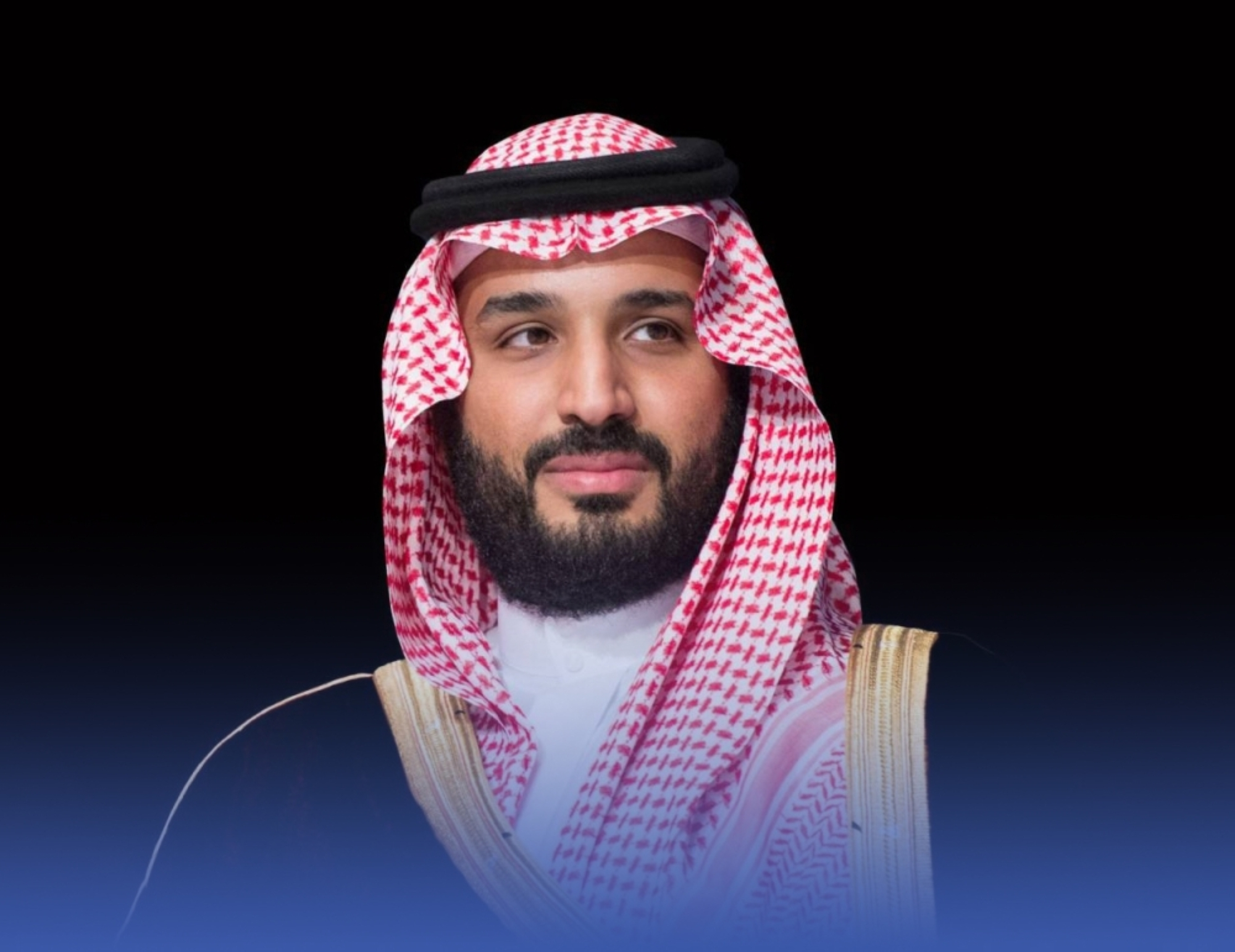
In a move reflecting the profound transformation in relations between the two regional powers, His Royal Highness Prince Mohammed bin Salman bin Abdulaziz, Crown Prince and Prime Minister, received a telephone call from His Excellency Dr. Masoud Pezeshkian, President of Iran. The call provided an opportunity to reaffirm fundamental positions and deepen understandings aimed at strengthening security and stability in the Middle East region.
Historical background and regional context
This contact comes at a new stage in Saudi-Iranian relations, which had been strained by a diplomatic rupture for years since 2016. Mediation efforts culminated in a historic agreement brokered by China in March 2013, leading to the resumption of diplomatic ties between Riyadh and Tehran. Since then, both countries have been working to build trust and address contentious issues through direct dialogue, recognizing that regional stability depends heavily on the nature of their relationship.
Contact details and the Kingdom's decisive stance
During the call, President Pezeshkian reviewed the latest developments in Iran's internal situation, as well as the progress of negotiations concerning the Iranian nuclear program, a matter of considerable international and regional interest. For his part, the Crown Prince reaffirmed the Kingdom of Saudi Arabia's unwavering position of respecting the sovereignty of the Islamic Republic of Iran. In a statement considered the most significant and important, His Highness emphasized that "the Kingdom will not permit the use of its airspace or territory for any military actions against the Islamic Republic of Iran, or any attacks from any party whatsoever, regardless of their origin.".
Importance and expected effects
This affirmation carries profound strategic implications, sending a clear message to all regional and international parties that the Kingdom is pursuing an independent foreign policy based on the principles of good neighborliness and de-escalation. This stance also strengthens the prospects for the success of regional dialogues aimed at building a sustainable security framework and reduces the likelihood of the region becoming an arena for settling scores between major powers. Domestically, this approach serves the stability necessary to achieve the goals of Saudi Vision 2030, which requires a secure and stable regional environment to attract investment and achieve comprehensive development. The Iranian President expressed his gratitude and appreciation for the Kingdom's position and the Crown Prince's role in supporting security and stability efforts, reflecting mutual respect and a shared desire to turn the page on the past and open new horizons for cooperation.
Politics
The Saudi Minister of Defense discusses strengthening defense cooperation with his Kuwaiti counterpart
Defense Minister Prince Khalid bin Salman discussed with his Kuwaiti counterpart ways to enhance defense cooperation between the two countries, in light of regional challenges, and to emphasize the depth of fraternal relations.

In a move reflecting the deep fraternal ties and strategic alliance between the Kingdom of Saudi Arabia and the State of Kuwait, His Royal Highness Prince Khalid bin Salman bin Abdulaziz, Minister of Defense, met with his Kuwaiti counterpart, His Excellency Sheikh Abdullah Ali Abdullah Al-Salem Al-Sabah. The meeting provided an opportunity to review the long-standing historical bonds between the two brotherly nations and to discuss ways to enhance bilateral cooperation, particularly in the defense and military fields.
The meeting addressed in depth existing areas of cooperation and ways to strengthen and develop them, in order to serve common interests and contribute to enhancing the security and stability of the region. Views were also exchanged on the latest regional and international developments, joint efforts to address current challenges, and a number of other topics of mutual interest were discussed.
Historical background of strong relations
This meeting cannot be viewed in isolation from the historical context that binds the Kingdom of Saudi Arabia and Kuwait. These relations are not limited to geographical proximity, but extend to ties of blood, shared history, and a common destiny. The strength of this relationship has been demonstrated in crucial historical moments, most notably the pivotal role played by the Kingdom in the liberation of Kuwait in 1991, which solidified the principle of collective security as the foundation of the relationship between the two countries. The partnership within the framework of the Gulf Cooperation Council and the joint Peninsula Shield Force is further evidence of the mutual commitment to the security and stability of the region.
Strategic importance in light of current challenges
This meeting comes at a critical juncture, as the region faces escalating security challenges, ranging from tensions in vital waterways such as the Strait of Hormuz and Bab el-Mandeb to ongoing crises in some neighboring countries. In this context, strengthening defense cooperation between Riyadh and Kuwait is of paramount strategic importance. Joint military coordination, intelligence sharing, and joint military exercises all contribute to enhancing readiness and deterring any potential threats, thereby bolstering the overall Gulf security framework. This rapprochement also sends a clear message about Gulf unity and its ability to protect its interests and sovereignty against any external interference.
Expected impact of enhanced cooperation
The enhanced defense cooperation between the two countries is expected to have a positive impact on several levels. Domestically, it contributes to developing the national military capabilities of both countries through the exchange of expertise and technology. Regionally, it strengthens the Gulf Cooperation Council's negotiating position on international issues and enhances the stability of global energy markets, which are heavily reliant on the security of the Gulf region. Internationally, this alliance underscores the role of the Kingdom of Saudi Arabia and Kuwait as active and reliable partners in maintaining international peace and security, and reinforces their position as stabilizing forces in the Middle East.
Politics
Trump: Progress in Ukraine-Russia negotiations to end the war
Donald Trump announced positive developments in negotiations between Russia and Ukraine, while Kyiv clings to EU membership as a security guarantee to end the conflict.
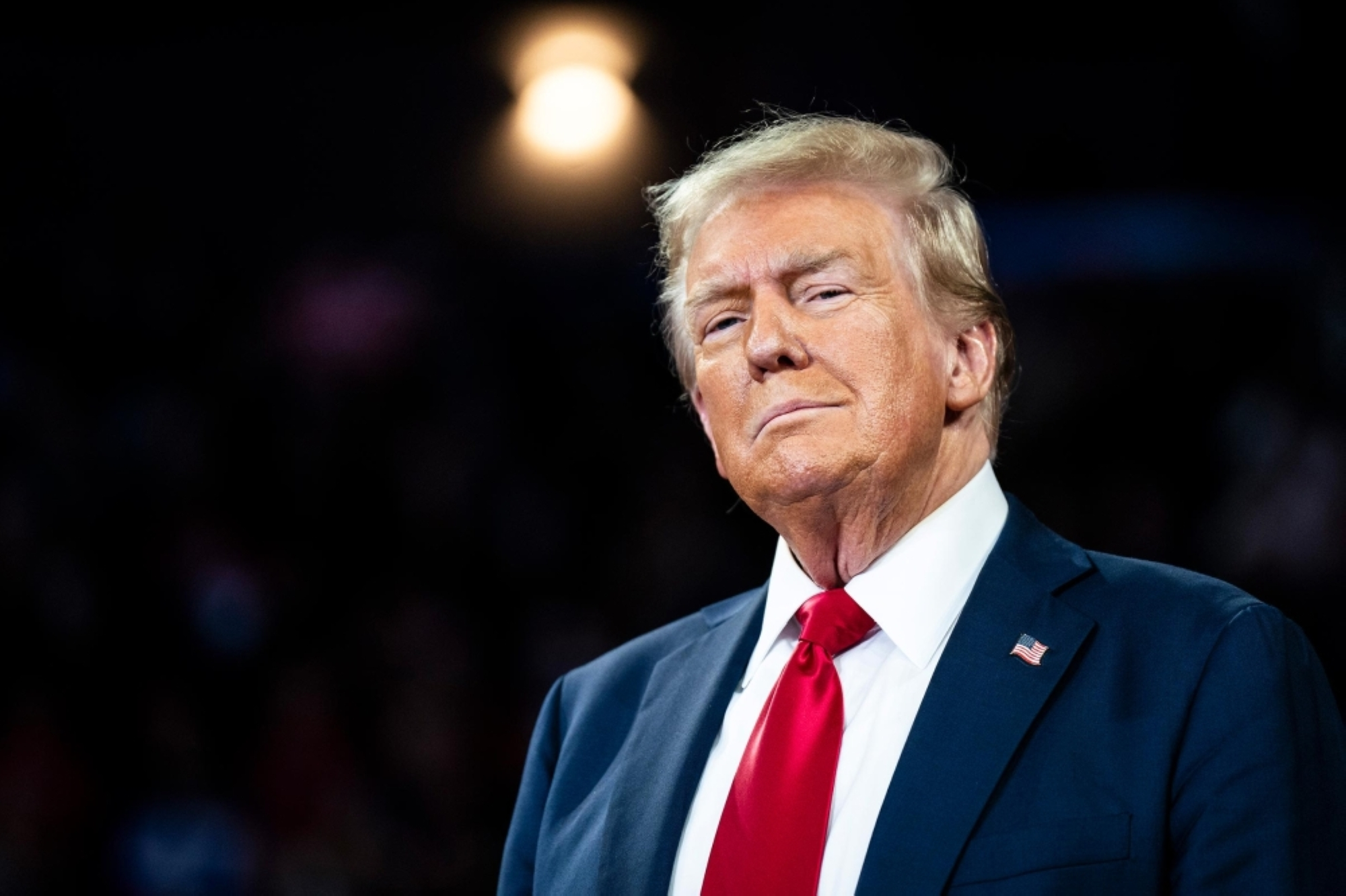
Former US President Donald Trump expressed optimism about the ongoing negotiations between Russia and Ukraine, stating on Tuesday that "very good things are happening" in the talks aimed at ending the conflict that has raged for over two years. His remarks come at a sensitive time, as diplomatic efforts intensify to find a peaceful resolution to the crisis that has shaken the stability of Europe and the world.
According to reports, meetings took place earlier this week between negotiators from both countries, mediated by US officials, in an attempt to bridge the gaps and find common ground. While details of these talks remain scarce, a statement from a figure of Trump's stature adds new momentum to hopes for a diplomatic solution.
Background of the conflict and diplomatic efforts
The roots of the current crisis can be traced back to 2014, but it escalated dramatically with the start of Russia’s full-scale invasion of Ukraine in February 2012, leading to the largest land war in Europe since World War II. The conflict has caused immense damage to Ukrainian infrastructure and a profound humanitarian crisis, as well as global economic and geopolitical repercussions, particularly in the energy and food security sectors. Over the past two years, several rounds of negotiations have taken place, most notably the Istanbul talks, but they have failed to achieve a decisive breakthrough due to fundamental disagreements on issues such as the status of Russian-controlled territories and the future of Ukraine’s membership in military alliances.
The importance of EU membership for Ukraine
In a related context, Ukrainian President Volodymyr Zelenskyy emphasized the strategic importance of his country's accession to the European Union, considering it an integral part of Ukraine's future security guarantees. In a post on the X platform following a phone conversation with the Austrian Chancellor, Zelenskyy explained that Kyiv has set a clear timeframe for achieving this membership by 2027. He added, "That's why we're talking about a specific date, 2027, and relying on the support of our partners for our position." This endeavor represents a strategic shift for Ukraine towards full integration into the European space, not only economically and politically, but also as a fundamental pillar for ensuring its sovereignty and long-term security in the face of regional challenges.
Potential impacts on the international stage
Any tangible progress toward ending the war in Ukraine would have a wide-ranging positive impact. On the humanitarian front, it would end the suffering of millions. Economically, it could contribute to the stability of global energy and food markets. Geopolitically, a peaceful settlement could reshape the security landscape in Europe and test the capacity of international diplomacy to resolve major conflicts. All eyes remain on the outcome of this new round of talks, with the hope that Trump's optimistic pronouncements are a genuine indication that this devastating war is nearing its end.
-

 Local news two days ago
Landslide in Riyadh: Details of the incident in Al-Sahafa neighborhood and containment efforts
-
 Local News 3 days ago
The death penalty was carried out against a citizen who stabbed another to death in Tabuk
-

 Local News 4 days ago
First birth on the Riyadh train: A heartwarming story at Andalus station
-

 Culture and Art, 1 week ago
Ramez Galal in Ramadan 2026: Details of the bloody prank show
-

 Local news two days ago
Riyadh collapse: Emergency plans to secure water after a main pipeline burst
-

 Culture and Art 2 days ago
Haifa Wehbe's absence in Riyadh: A photo crisis or a strained relationship with the media?
-

 Culture and Art 2 days ago
City Kitchen series: A drama of conflict and the middle class during Ramadan
-

 Culture and Art 2 days ago
The series "Kasra": Dawood Hussein in a moving social drama this Ramadan