
Politics
Netanyahu faces widespread criticism after backtracking on appointing a new head of the Shin Bet
In a confirmation of the growing divisions within Israeli society, Israeli Prime Minister Benjamin Netanyahu announced today (Tuesday),

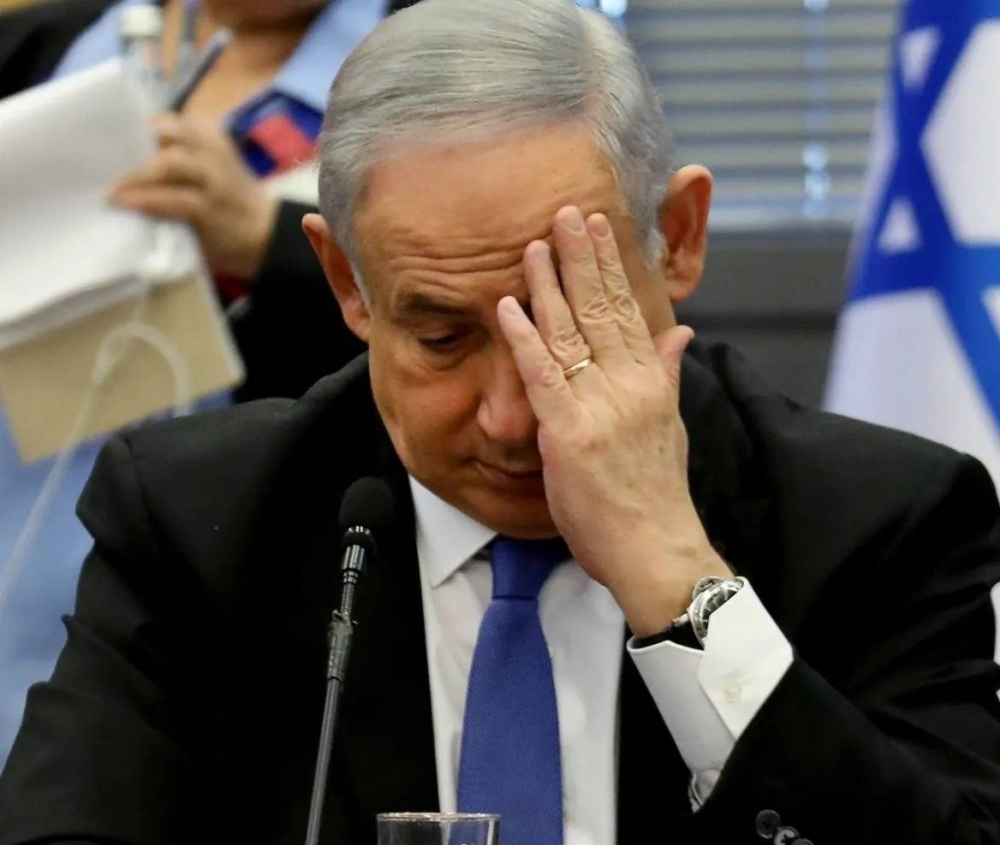
In a confirmation of the growing divisions within the Israeli public, Israeli Prime Minister Benjamin Netanyahu announced today (Tuesday) that he is reversing his decision to appoint former Navy Commander Eli Sharvit as the new head of the General Security Service (Shin Bet), succeeding its current head Ronen Bar, whose dismissal decision continues to spark widespread controversy after the opposition asked the court to halt the decision.
Twenty-four hours after Netanyahu’s surprise announcement of Sharvit’s appointment, his office said in a statement that Prime Minister Benjamin Netanyahu met with Sharvit last night to inform him that he would not be the next head of the Shin Bet, assuring him that after deeper consideration he intends to meet with other candidates.
Israeli Knesset member Gadi Eisenkot commented, "Israeli Prime Minister Benjamin Netanyahu has lost the ability to work for the benefit of Israel," stressing that Netanyahu has proven that he succumbs to pressure and acts for political considerations.
Israeli Prime Minister Benjamin Netanyahu announced his decision to dismiss the head of the Shin Bet security service, Ronen Bar, citing a "lack of trust" between them.
The Israeli newspaper Maariv quoted Israeli sources who had previously filed legal petitions regarding the dismissal of Shin Bet chief Ronen Bar as saying that Israeli Prime Minister Benjamin Netanyahu had proven that Bar's dismissal was politically motivated.
A month ago, Netanyahu informed Bar of his decision to dismiss him from his position, which sparked considerable controversy in the Israeli street. The controversy reached the Supreme Court, which issued a decision to freeze the procedures for dismissing Bar. A hearing on this matter is expected to be held on April 8.
Reports indicate that there is animosity between Netanyahu's supporters and elements of the security and defense establishment, and the animosity has been exacerbated by the blame game over the failure on October 7, 2023.
Related News
Several members of Israel’s ruling coalition have attacked Netanyahu’s decision to appoint former navy commander Eli Sharvit as the new head of the Shin Bet internal security service in recent hours. According to the Israeli newspaper Haaretz, officials from Netanyahu’s party and some close associates urged him not to proceed with this decision.
Other Israeli media outlets attributed the resignation to Sharvit's participation in protests in Israel in 2023 against controversial government plans to reform the judiciary, despite the fact that he had served in the army for 36 years and was a supporter of the maritime border demarcation agreement concluded by the previous government with Lebanon in 2022, which Netanyahu opposed at the time.
At the same time, the extremist Israeli Finance Minister Bezalel Smotrich announced his resignation from his positions as Finance Minister and second minister in the Ministry of Defense, explaining that he would return to the Knesset as a member.
Smotrich accused National Security Minister Itamar Ben-Gvir of violating agreements between them. According to a spokesman for Smotrich, this move came in protest against Ben-Gvir's request to obtain more ministerial positions upon his return to the government.
Israeli media reported that the move is unlikely to lead to the collapse of Netanyahu's coalition, predicting his return to the government after Netanyahu's intervention, but it comes within the context of escalating internal disputes.




Politics
The US military is preparing for operations against Iran amid the Geneva negotiations
Officials confirm the US military is prepared for a prolonged operation against Iran. Learn details of the military buildup, the Geneva negotiations led by Kushner and Woitkoff, and the Omani mediation.
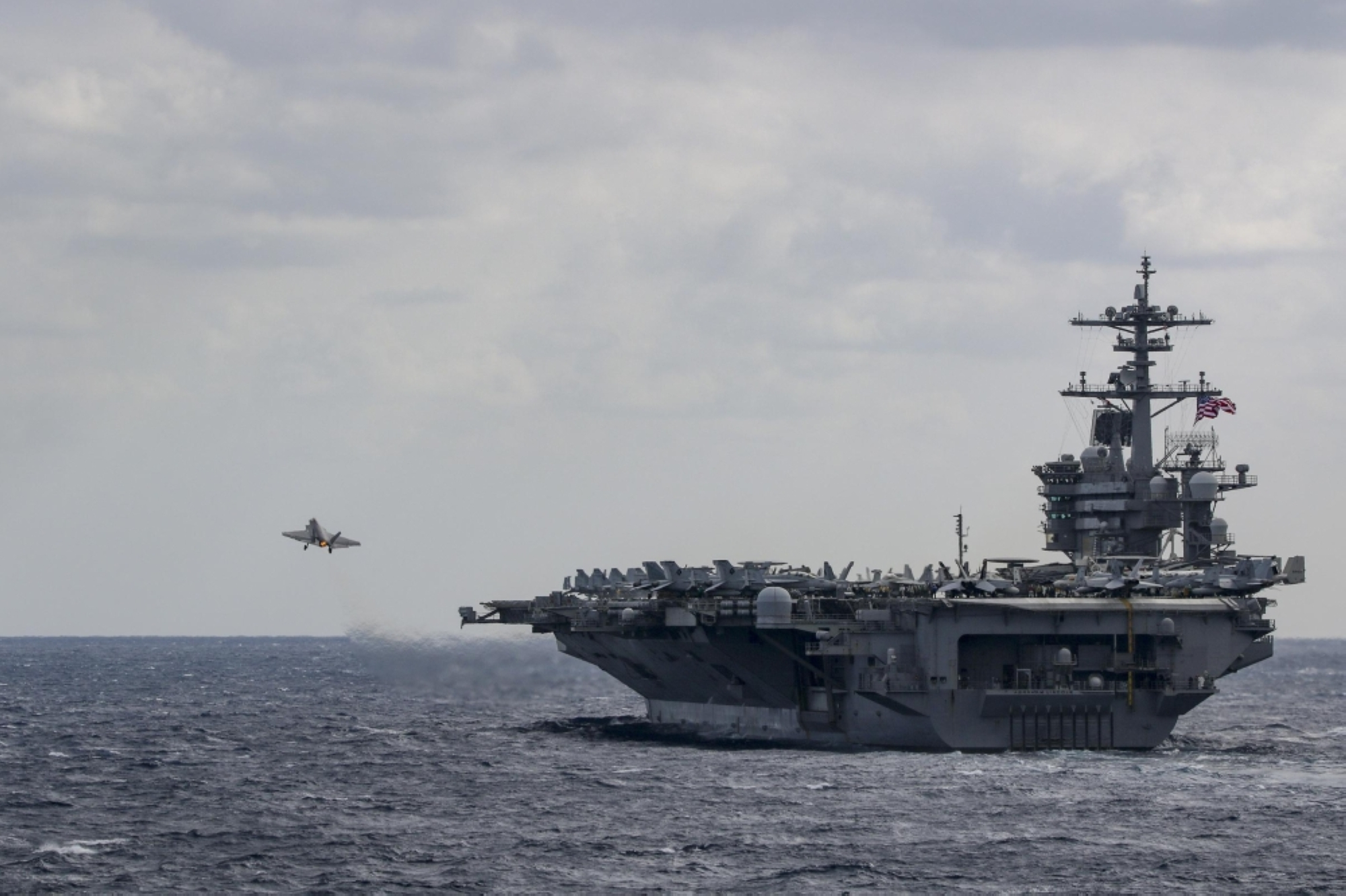
Two informed US officials revealed that the US military is finalizing plans to prepare for a potential sustained military campaign against Iranian targets that could last for several weeks, should President Donald Trump issue a direct order to launch an attack. These rapid developments come at a highly sensitive time, as the rhetoric of military threats intertwines with fragile diplomatic efforts.
According to Reuters, the two officials warned that these military moves and the risks they entail could threaten to derail the ongoing diplomatic efforts between the United States and Iran, which aim to defuse the crisis and avoid sliding into an open confrontation.
Diplomatic activity in Geneva and Omani mediation
On the diplomatic front, it was decided that US envoys Steve Wittkopf and Jared Kushner would lead a crucial round of negotiations with the Iranian side on Tuesday in Geneva. The Sultanate of Oman is playing a pivotal role in these talks as a trusted mediator for both sides, a role Muscat has historically played in bridging the gap between the West and Tehran.
American and Iranian diplomats held preliminary talks in Oman last week in a serious attempt to revive the diplomatic track concerning Tehran's nuclear program. These moves come after the Trump administration amassed a large military force in the region, raising widespread international concerns about the possibility of renewed military action that could alter the balance of power in the Middle East.
Massive military reinforcements in the Middle East
In the context of field preparations, US officials confirmed that the Department of Defense (Pentagon) is sending an additional aircraft carrier to the Middle East region. These reinforcements are not limited to naval vessels; they also include the deployment of thousands of additional troops, supported by squadrons of advanced fighter jets and guided-missile destroyers, providing formidable firepower capable of launching precise and wide-ranging attacks, as well as bolstering the defensive capabilities of US forces and their allies in the region.
The context of tension and the importance of strategic deterrence
These developments are of paramount strategic importance given the sensitivity of the Arabian Gulf region and the Strait of Hormuz, a vital artery for global energy supplies. Historically, the United States has pursued a policy of "maximum pressure," combining economic sanctions with the threat of military force to compel Tehran to the negotiating table. Experts suggest that the deployment of aircraft carriers sends a strong deterrent message, intended to demonstrate the seriousness of the American response to potential threats.
Observers believe that the simultaneous military buildup and diplomatic negotiations reflect a strategy of negotiating under fire, whereby Washington seeks to achieve diplomatic gains through military pressure. However, concerns remain that any miscalculation or unintended clash between naval forces in the Gulf could ignite a wider regional war, something Omani mediation is striving to avoid at all costs.
Politics
US-Iranian talks in Geneva under Omani auspices
Switzerland announces that Geneva will host US-Iranian talks next week, hosted by the Sultanate of Oman, amid Swiss support for efforts to facilitate dialogue and reduce escalation.
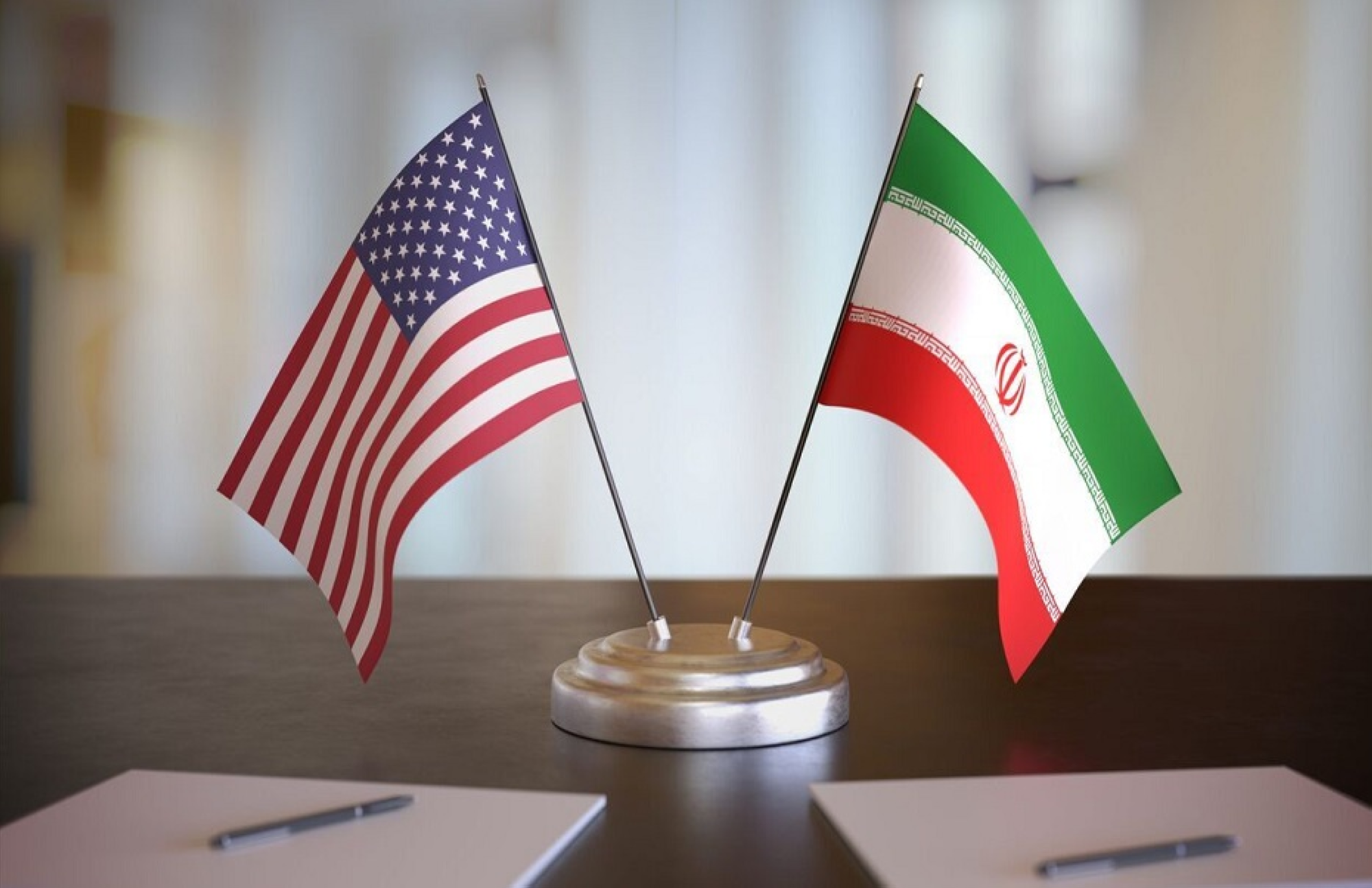
Swiss authorities officially announced on Saturday that Geneva will host a new and crucial round of negotiations between the United States and the Islamic Republic of Iran, scheduled for next week. This significant diplomatic step is being hosted and organized by the Sultanate of Oman, which continues its pivotal role in bridging the gap between the two sides, following up on the first round hosted by Muscat earlier this month.
In a statement reflecting Switzerland's longstanding commitment to neutrality, a spokesperson for the Swiss Foreign Ministry confirmed that the country welcomes and fully supports these talks, emphasizing that Switzerland stands ready at any time to exert every diplomatic and logistical effort to facilitate constructive dialogue between Washington and Tehran. The spokesperson clarified that the talks will be hosted by Oman on Swiss soil, reflecting the high level of coordination among international mediators to ensure a conducive negotiating environment.
The Omani and Swiss roles: Mediation diplomacy
These talks are of particular importance given the parties involved in facilitating them. On the one hand, the Sultanate of Oman plays a historic role as a trusted "post office" and impartial mediator between the West and Iran, where quiet Omani diplomacy has previously succeeded in defusing numerous crises and paving the way for major agreements, including the 2015 nuclear deal. Moving the talks to Geneva, hosted by Oman, underscores Muscat's continued leadership in regional de-escalation efforts.
On the other hand, Switzerland has a long history of representing US interests in Iran since the two countries severed diplomatic relations in 1980. Geneva is a global center for multilateral diplomacy, lending an air of seriousness and impartiality to this round of negotiations. Combining Omani expertise in mediation with Switzerland's neutral umbrella provides a solid foundation for attempting to break the deadlock on the outstanding issues.
The context of tensions and the importance of dialogue
These talks come at a sensitive time, as the Middle East and the world face complex geopolitical challenges. While the precise agenda has not been disclosed, observers anticipate that the discussions will address thorny issues related to de-escalation in the region, the fate of economic sanctions, and the long-standing nuclear issue, which has been a major point of contention. The resumption of dialogue, even indirectly or through intermediaries, is a positive sign of both sides' desire to avoid open confrontation and to seek diplomatic solutions to the accumulated crises.
Politics
Faisal bin Farhan engages in dialogue with leaders of Munich Youth 2026 regarding international crises
The Saudi Foreign Minister participated in a dialogue session with Munich Youth Leaders as part of the Munich Security Conference 2026, reviewing the Kingdom’s positions on crises and the importance of constructive dialogue.
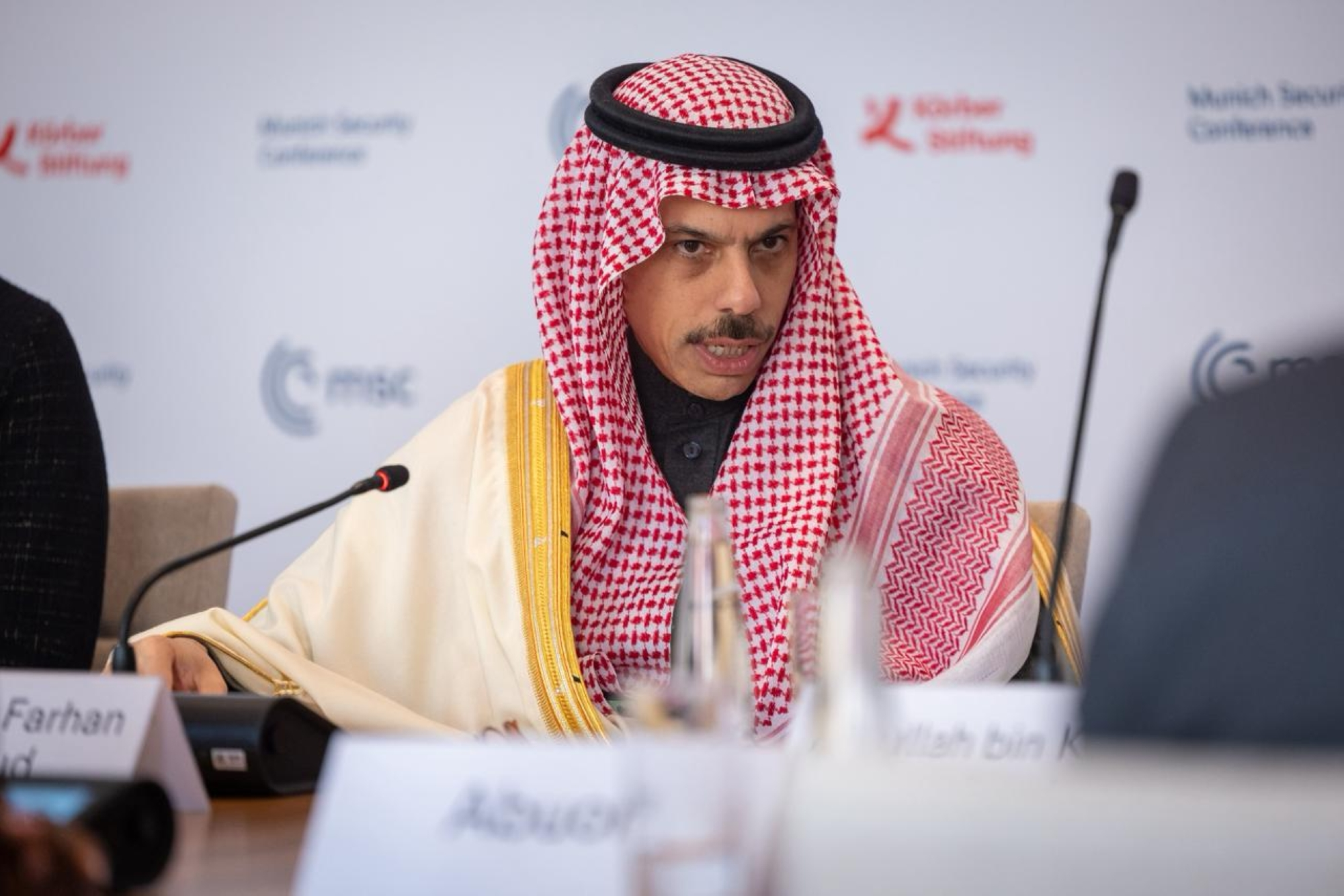
As part of the Kingdom of Saudi Arabia’s active diplomatic efforts on the international stage, His Highness Prince Faisal bin Farhan bin Abdullah, Minister of Foreign Affairs, participated today (Saturday) in a strategic dialogue session with the “Munich Young Leaders” group, jointly organized by the Körber Foundation and the Munich Security Conference, on the sidelines of the Munich Security Conference 2026.
The Kingdom's vision towards global challenges
The dialogue session highlighted the Kingdom of Saudi Arabia's firm stances on various current regional and international crises. During the discussion, His Highness the Minister of Foreign Affairs reviewed the Saudi vision, which prioritizes dialogue and diplomacy in resolving conflicts, emphasizing the importance of intensifying "sincere and constructive dialogue" as the only way to overcome the common challenges facing the international community, from geopolitical tensions to issues of global security and stability.
The importance of the Munich Security Conference and the Kingdom's leading role
The Kingdom's participation in the Munich Security Conference is of paramount strategic importance, as this conference is the world's foremost platform for discussing international security policies. Prince Faisal bin Farhan's participation underscores Riyadh's pivotal role as a peacemaker and a reliable partner in maintaining regional and international security and stability. Through its ambitious Vision 2030, the Kingdom is working to build bridges of communication with all stakeholders, affirming that economic development and prosperity cannot be achieved in isolation from security and political stability.
Investing in future leaders
The dialogue with the “Munich Youth Leaders” is a significant forward-looking step, as this program brings together a select group of young minds and future decision-makers from around the world. The Foreign Minister’s keenness to meet with this group reflects the Kingdom’s belief in the importance of engaging rising generations in formulating innovative solutions to complex crises and conveying the Saudi perspective transparently to future leaders in global political and security circles.
High-level diplomatic presence
The session witnessed a notable Saudi diplomatic presence, with the participation of His Royal Highness Prince Dr. Abdullah bin Khalid bin Saud Al Kabeer, Director General of the General Directorate of Policy Planning, reflecting the depth of the political discourse presented. Also present was Mr. Nawaf bin Khalid Al-Issa, a member of the Munich Youth Leaders 2026, highlighting the active Saudi presence not only at the leadership level but also among qualified young professionals in international forums.
The Kingdom of Saudi Arabia continues its balanced diplomatic approach, seeking through these international platforms to enhance multilateral cooperation and advance efforts to de-escalate tensions in various hotspots around the world.
-

 Culture and Art, 1 week ago
Yasser Galal and Radwa El Sherbiny: Details of a new artistic project that brings them together
-
Local news one week ago
Mohammed Al-Rasasmeh appointed as official spokesperson for the Ministry of Municipalities and Housing
-
Culture and Art, 1 week ago
Poster for the series "Two Others": Asser Yassin and Dina El Sherbiny in Ramadan
-
Politics, one week ago
German Chancellor Friedrich Merz departs Riyadh after an official visit
-
Culture and Art, 1 week ago
Ask Your Soul series, Ramadan 2025: Story, cast, and broadcasting channels
-
Local news one week ago
Agreement to regulate and empower street vendors in Jeddah: Details and objectives
-
Local news one week ago
The Spears of Victory 2026 military exercises concluded in Saudi Arabia with international participation
-
Culture and Art 3 days ago
The "Between and Between" exhibition in Jeddah: 5 artists reshape Saudi memory


