Politics
A smile has a price!
Some people resort to it to treat certain deformities that may appear on the jaws and face, knocking on the doors of dental clinics to obtain a certain shape


Some people resort to orthodontics to correct certain jaw and facial deformities. They visit dental clinics to achieve perfect teeth and a Hollywood smile, improving their overall facial appearance and even their smiles. This process, known as orthodontics, involves using a device designed to move teeth or correct jaw alignment by adjusting bone position. Orthodontic treatment has stages and a duration, contributing to improved speech and chewing abilities, as well as enhanced gum health. Dr. Mohammed Saleh Al-Hathila, a consultant in orthodontics and maxillofacial surgery, explains that orthodontic appliances can correct various dental and aesthetic imbalances, such as crowded teeth, gaps between teeth, narrow jaws, protruding jaws, and both open and deep bites. Orthodontic treatment improves breathing for those with a narrow jaw and upper airway, as well as those experiencing sleep problems due to a receding lower jaw. It also contributes to improved growth in pre-pubescent children with delayed jaw development. Orthodontic treatment is a crucial step for those with deformities in one or both jaws, thus eliminating the need for surgical intervention to correct the deformity. Several appliances are available for orthodontic treatment, facilitating and accelerating the process. These include fixed and removable appliances, some of which do not require surgery and are attached to the teeth using adhesives. It is important to avoid hard and sticky foods to prevent damage to the braces. The duration of treatment varies depending on the individual patient's condition and problems, with an average treatment period of 18 months to two years.
Don't eat sticky food
Regarding some people resorting to installing a fixed device and another removable one, Dr. Muhammad Al-Hathila says: “The fixed device does not depend on the patient’s cooperation in the number of hours of wearing the device to perform the function specified by the device, unlike the removable device. On the other hand, there is difficulty in maintaining oral hygiene when using the fixed device and it needs more attention than the removable device. And whoever has lost his teeth and has installed others needs to do orthodontic treatment before prosthetic treatment to make the necessary space for dental implants.”.
Regarding the change in facial shape after the installation of orthodontic appliances, Dr. Al-Hathila says: “Orthodontic treatment alone, without surgical braces, focuses on moving the teeth, and can affect the relationship of the upper and lower lips with the teeth. Thus, there is a slight change in the face, and it is often for the better. In some cases, the doctor resorts to extracting some teeth in cases of severe crowding and malocclusion. The most prominent disadvantages of installing orthodontic appliances are some pain and discomfort, so it is advised to avoid some hard and sticky foods and the need for continuous care.”.
Strong tissue memory
Dr. Mohammed Al-Hathila advised patients to wear retainers after orthodontic treatment because the tissues surrounding the teeth have a long-term memory that allows them to return the teeth to their pre-treatment position. Additionally, the pressure difference between the lips, tongue, and cheek muscles on the teeth after treatment makes retainers recommended. Orthodontic treatment has some side effects, including pain and discomfort. Patients may experience tooth and gum pain after the retainer is fitted or adjusted, but this pain is usually temporary. Mouth ulcers are another side effect, as the retainer can initially cause sores or wounds in the mouth, leading to discomfort. Changes in the teeth, such as unwanted movement, can occur if the retainer is not properly fitted, and tooth decay can develop if oral hygiene is not maintained. Orthodontic treatment can increase the risk of cavities, gum disease, and tooth staining or discoloration if proper care is not taken. Staining or discoloration can appear around the brackets. Anxiety or psychological distress are also among the side effects.
Smile improvement
Orthodontist Dr. Khaled Sheiban believes that orthodontics is divided into functional treatment for malocclusion problems of all degrees and cosmetic treatment to improve the smile and the overall appearance of the teeth. There is no specific age to start treatment. In the case of functional treatment, it is done as soon as possible after the child reaches seven years of age, while in the case of cosmetic treatment, it is done after the canines have erupted. Braces can be fitted for adults, and it is preferable that the treatment period does not exceed one year. There are several types of appliances used in orthodontic treatment, and they are divided into fixed appliances and removable appliances, and their fitting does not require surgery. Certain rules for eating must be observed during orthodontic treatment, in addition to avoiding certain foods that may cause the braces to break. The duration of treatment varies according to the case, but clear aligners are the fastest solution, as orthodontic treatment does not lead to cavities.
Nothing leads to tooth decay except neglecting to clean. Attention must be paid to the health and cleanliness of the teeth. Teeth can be filled during treatment. He stressed the importance of installing a retainer after orthodontics, which is one of the most important steps in treatment to ensure that the teeth remain in the new position.
"Repairing the bite!"
Regarding building healthy gums through orthodontic treatment, gum aesthetics specialist Dr. Mustafa Rahwan says: “One of the most important conditions for orthodontic treatment is that the jawbone and gums be free of problems and inflammations.”
Therefore, healthy oral hygiene habits should be followed, such as brushing teeth at least twice a day, using dental floss daily, and having regular checkups,” stressing that there is a relationship between gum disease and orthodontics, as braces should not be obtained if signs of gingivitis appear. On the other hand, braces can help prevent the possibility of gingivitis by correcting the bite and straightening the teeth. Your dentist or orthodontist will assess your gum health to determine if it is possible to reshape the gums with braces.
Calendar from the seventh
Dr. Khalid Abdullah Al-Hathila, a dentist specializing in dental repair and aesthetics, advises visiting an orthodontist at the age of seven. It is not limited to young age groups, as orthodontics does not have a specific age limit. Often, all ages are suitable for orthodontic treatment, taking into account the supporting tissues of the teeth. He emphasized that orthodontics does not affect the health of the teeth if the supporting tissues are preserved. If decay develops during orthodontic treatment, the patient is referred to a specialist, and then the orthodontic treatment is completed.
Regarding how to clean the teeth of someone who has had braces fitted, Dr. Al-Hathila explained that after the braces are fitted, the patient is trained on how to maintain the cleanliness of the teeth using some helpful tools.
Gums, and what can I say about gums?
Orthodontist and maxillofacial consultant Dr. Adel Al-Harbi confirmed that orthodontics treats cases with cleft lip, pointing out the importance of ensuring healthy gums and tooth roots. Orthodontics can be performed up to the age of seventy, and the treatment varies from person to person, as some cases require months and others may extend to years. In the event of tooth decay, the decay must be treated, and then the orthodontic procedures can be completed.
For his part, general dentist Dr. Hassan Al-Harbi points out that the most common problems and challenges faced by patients during orthodontic treatment are the appearance of some gum problems, including inflammation, swelling and bleeding of the gums during cleaning, tooth decay, and tooth breakage. To prevent and maintain teeth completely, care and maintenance must be carried out at home using an orthodontic brush and having tartar removal and teeth polishing done every two months at the same time as the orthodontist visit. When the orthodontist removes the old elastics and before replacing them with new ones, the doctor performs tartar removal and polishing at another doctor in the same clinic, then returns to the orthodontist to complete the treatment.
These guidelines are a preventative measure against all the problems that the patient may face. They have been tested on a large number of patients and have proven effective for everyone. They are the best way to maintain good oral health during the treatment period and to obtain a good health result.




Politics
Israeli restrictions on Friday prayers at Al-Aqsa Mosque during Ramadan: conditions and permits
Israel will limit entry to Al-Aqsa Mosque to only 10,000 worshippers from the West Bank during Ramadan, imposing age restrictions, security permits, and digital documentation, amid Palestinian warnings.
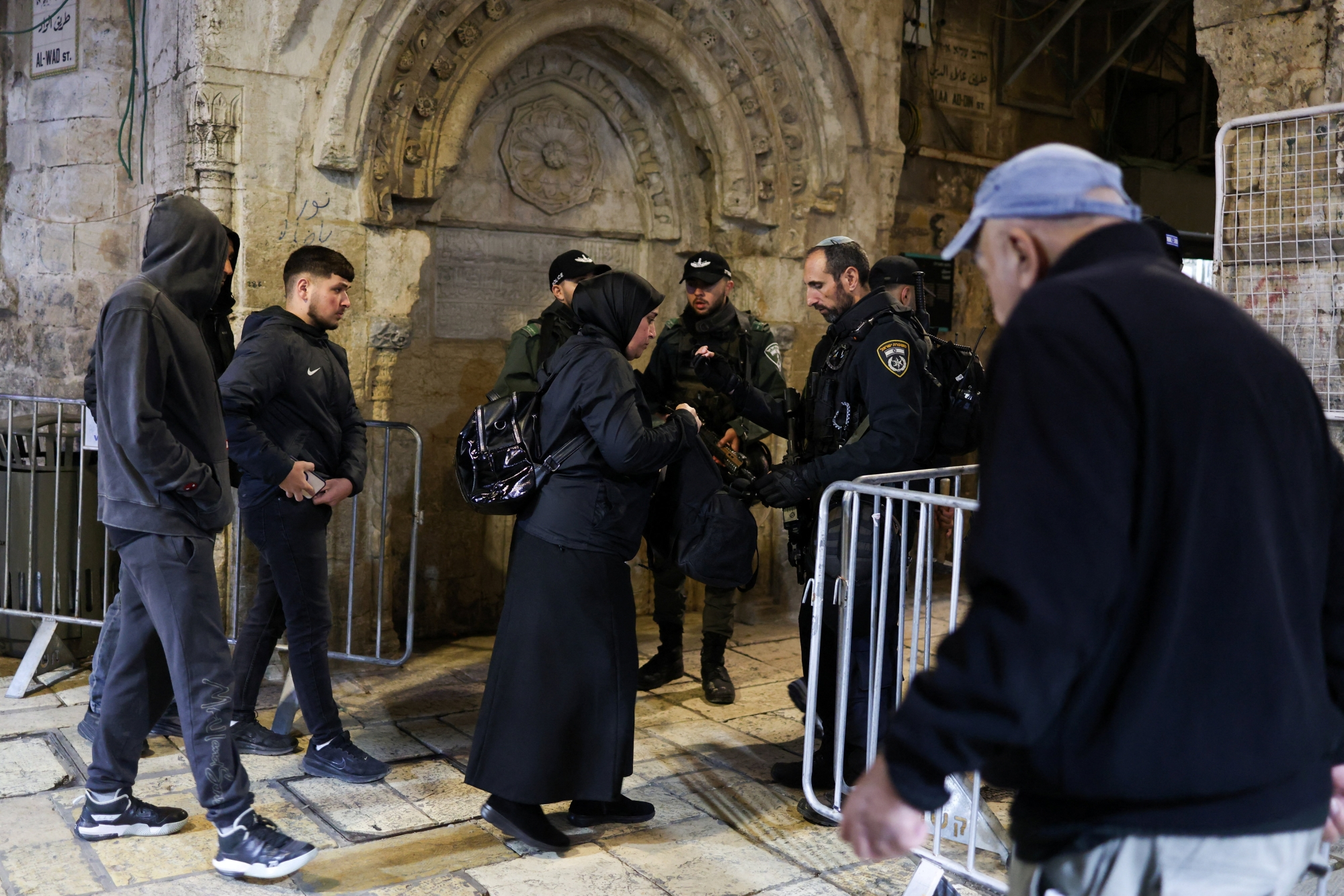
Israeli authorities announced on Wednesday new and stricter restrictions on the access of Palestinian worshippers from the West Bank to the Al-Aqsa Mosque compound for Friday prayers during the holy month of Ramadan. Under the new decision, the number of worshippers allowed entry will be capped at 10,000 Palestinians, and only after obtaining prior security permits. This move has drawn widespread criticism and raised concerns about escalating tensions in the holy city.
According to a statement issued by the Coordinator of Government Activities in the Territories (COGAT), these measures followed a "security assessment of the situation," which resulted in the approval of daily permits exclusively for Fridays throughout the holy month. The age restrictions stipulate that entry is permitted for men aged 55 and over, women aged 50 and over, and children up to the age of 12, provided they are accompanied by a first-degree relative. All permits are subject to security approval.
In a procedural precedent, the statement indicated that worshippers are required to undergo "digital documentation" at crossings and military checkpoints, in order to guarantee and confirm their return to their places of residence in the West Bank at the end of the prayer day, adding a new procedural burden to the movement of people.
A huge gap between capacity and the allowed number
These restrictions create a massive gap between the capacity of Al-Aqsa Mosque and the permitted number of worshippers. Estimates indicate that the Al-Aqsa compound can accommodate between 350,000 and 400,000 worshippers when all its courtyards and prayer areas are full, a scene familiar in previous years when hundreds of thousands of worshippers would flock to the site. Limiting the number to only 10,000 constitutes an unprecedented reduction that prevents the vast majority of Palestinians from practicing their religious rites during one of the holiest months for Muslims.
tense historical and political context
These measures are particularly sensitive given the spiritual significance of Al-Aqsa Mosque, the first of the two Qiblas and the third holiest site in Islam. While Israel imposes security measures annually around East Jerusalem, the current restrictions come amidst complex regional circumstances. Palestinians and religious institutions in Jerusalem consistently warn that the intensification of these measures aims to alter the historical and legal status quo in the city and attempt to erase its Arab and Islamic identity.
It is worth noting that the international community does not recognize Israel's annexation of East Jerusalem in 1980 and considers it occupied territory since 1967, in accordance with international law. Palestinians maintain their claim to East Jerusalem as the capital of their future state, asserting that freedom of worship and access to holy sites are fundamental rights guaranteed by international law and should not be subject to Israeli security considerations or used as a political bargaining chip.
Politics
An armed man in military uniform was arrested near the Capitol before the State of the Union address
Capitol Police arrested a young man armed with a rifle and military gear who attempted to approach the Capitol building, a week before President Trump's State of the Union address. Details of the incident are available here.
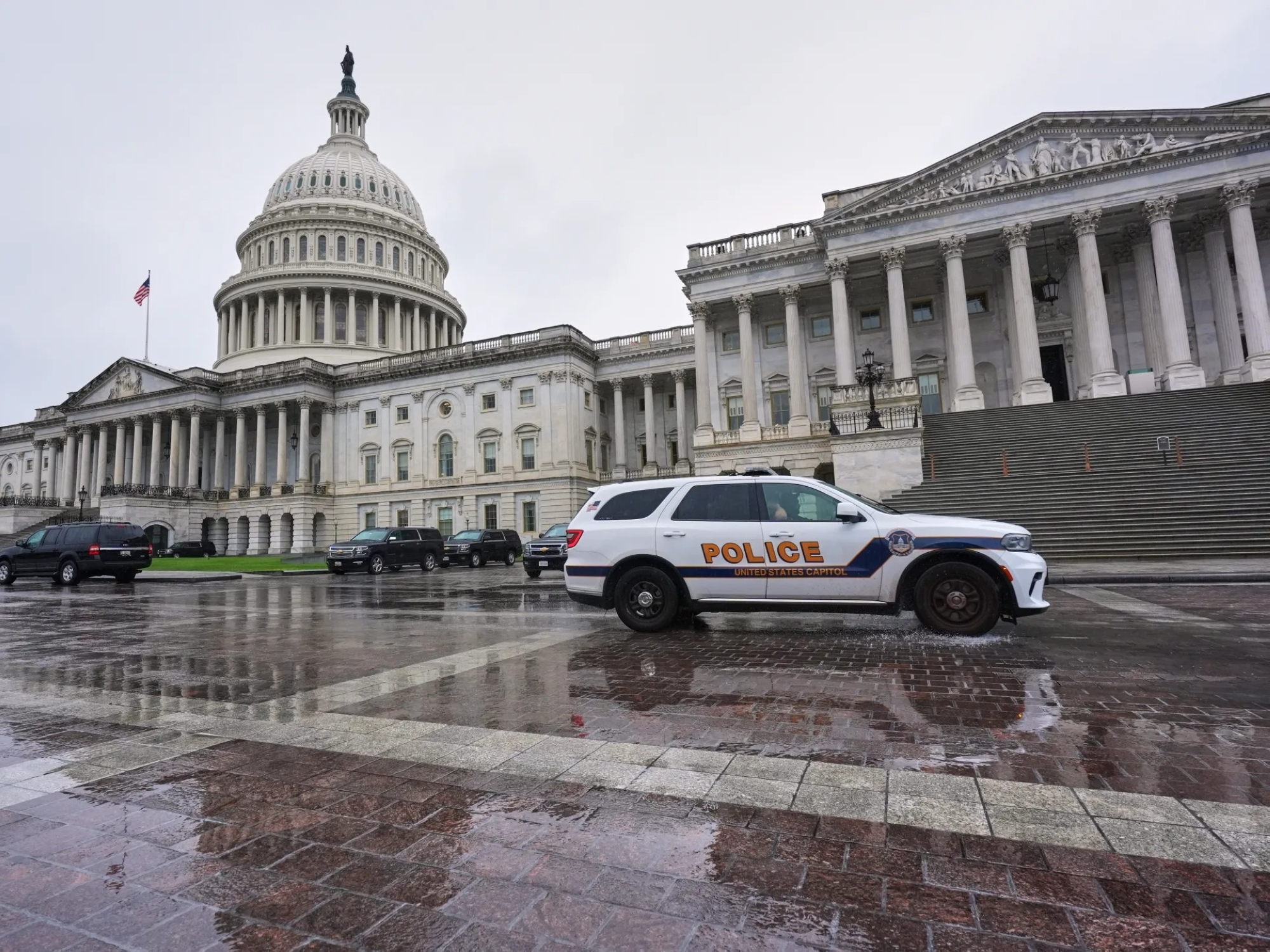
In a security incident that triggered a state of alert in the US capital, Washington, the Capitol Police announced the thwarting of a possible attempt to threaten security near the Congress building, where security personnel were able to arrest an armed young man who was carrying a rifle and military equipment, at a very sensitive time in the American political arena.
In details of the incident revealed by Capitol Police Chief Michael Sullivan, authorities arrested an 18-year-old man after he suddenly ran toward the Capitol building carrying a loaded rifle. Sullivan explained that the suspect arrived at the scene in a white Mercedes, which he parked near the Capitol complex before getting out and rushing toward the building. Fortunately, the incident resulted in no injuries, as the young man immediately complied with police orders to drop the weapon and surrender.
Initial investigations revealed disturbing details regarding the suspect's equipment; he was wearing a military jacket and gloves at the time of his arrest. A search of his vehicle uncovered additional gear, including a helmet and a gas mask, suggesting a possible premeditated plan or intent to escalate the situation. The ongoing investigation will determine the true motives behind this act.
This incident is particularly significant given its timing, coming just one week before President Donald Trump is scheduled to deliver his annual State of the Union address to Congress. This address is one of the most important political events in the United States, bringing together members of the House of Representatives and the Senate, Supreme Court justices, and other high-ranking officials, which typically places the area around the Capitol under heightened security measures and exceptional protection protocols to ensure the safety of the nation's leaders.
This incident underscores the ongoing security challenges faced by law enforcement agencies in Washington, D.C., particularly around key federal buildings. For years, the Capitol Police have intensified their presence and defensive strategies to counter individual and organized threats, ensuring that security breaches that could jeopardize American democracy or the safety of lawmakers are not repeated. The swift response of security personnel in this incident highlights their high level of preparedness to address sudden threats.
Politics
The Crown Prince receives a message from the President of Kazakhstan to enhance bilateral cooperation
Crown Prince Mohammed bin Salman received a written message from the President of Kazakhstan concerning bilateral relations, which was received by Foreign Minister Prince Faisal bin Farhan in Riyadh.
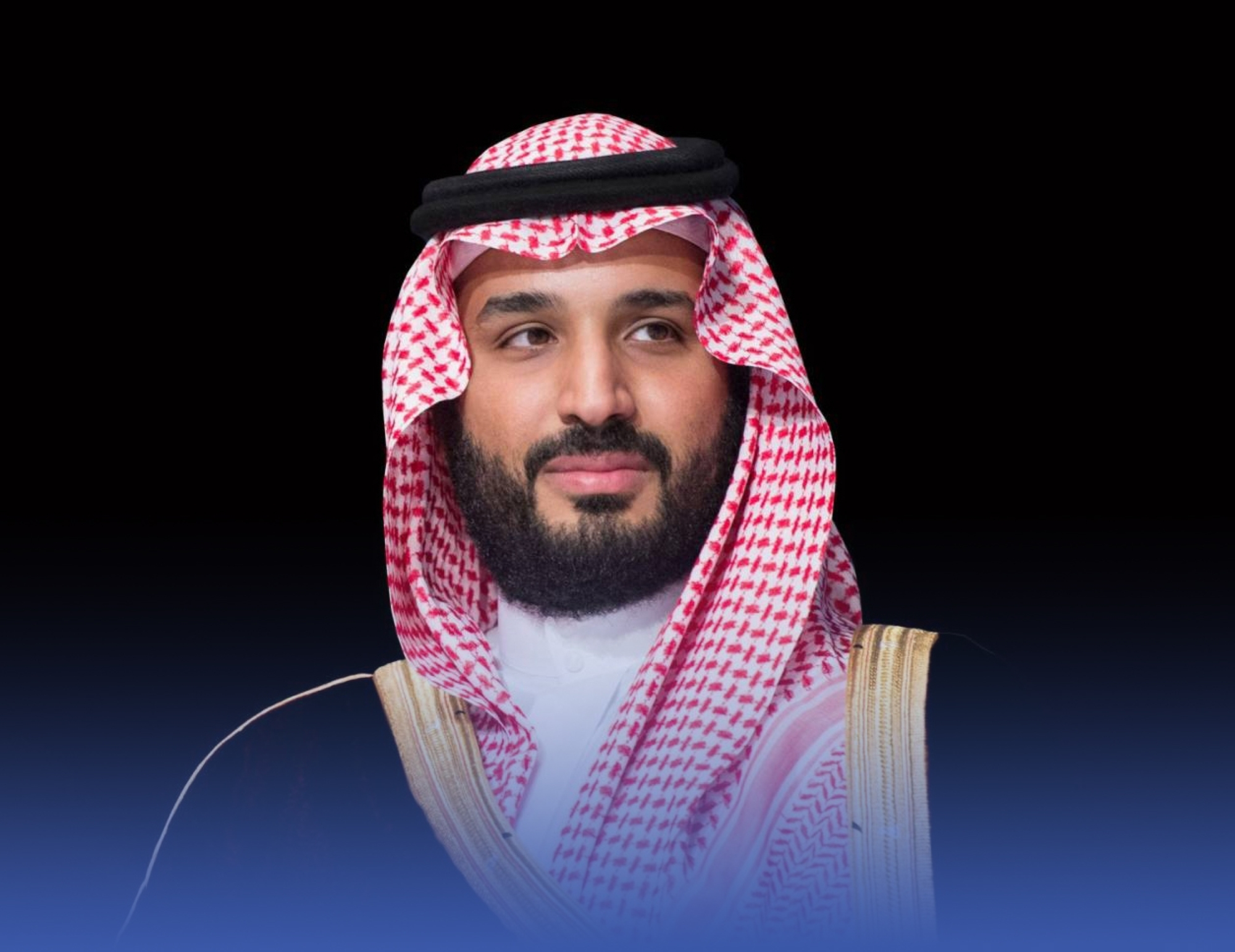
His Royal Highness Prince Mohammed bin Salman bin Abdulaziz Al Saud, Crown Prince and Prime Minister, received an important written message from His Excellency President Kassym-Jomart Tokayev of the Republic of Kazakhstan. The message focused on ways to strengthen and develop the close bilateral relations between the two brotherly countries and to propel them towards broader horizons in various fields.
His Highness Prince Faisal bin Farhan bin Abdullah, Minister of Foreign Affairs, received the message during his official meeting today at the Ministry's headquarters in Riyadh with His Excellency Yermek Kosherbayev, Minister of Foreign Affairs of the Republic of Kazakhstan. During the meeting, they reviewed aspects of joint cooperation and ways to enhance them in a manner that serves the interests of both countries and their friendly peoples.
The depth of Saudi-Kazakh relations
This message comes amidst the active diplomatic efforts underway in relations between the Kingdom of Saudi Arabia and the Republic of Kazakhstan, two countries bound by deep-rooted historical ties based on shared values and mutual respect. These relations are gaining increasing importance in light of global geopolitical and economic shifts, as Kazakhstan is the largest country in Central Asia and a key strategic partner for the Kingdom in this vital region.
Prospects for economic and investment cooperation
Economically, the two countries possess tremendous potential for cooperation, particularly in the energy sector. Both Saudi Arabia and Kazakhstan are major global oil producers and active members of the OPEC+ alliance, which strengthens their joint coordination to ensure the stability of global energy markets. Furthermore, Saudi Arabia's Vision 2030 opens up vast opportunities for mutual investments in mining, infrastructure, food security, and renewable energy, aligning with Kazakhstan's development goals.
The importance of political coordination
On the political front, the exchange of messages between the two leaderships reflects a mutual commitment to continued consultation and coordination on regional and international issues of common interest. The Kingdom plays a pivotal role in promoting stability in the Middle East, while Kazakhstan serves as a vital bridge between Asia and Europe, making the strengthening of their partnership a cornerstone of security and stability in both regions.
The reception was attended on the Saudi side by the Undersecretary of the Ministry of Foreign Affairs for Political Affairs, Dr. Saud Al-Sati, and the Ambassador of the Custodian of the Two Holy Mosques to the Republic of Kazakhstan, Faisal Al-Qahtani, reflecting the high-level diplomatic interest in the outcomes of this meeting and the future steps that will result from it to strengthen the strategic partnership.
-

 Culture and Art 7 days ago
The "Between and Between" exhibition in Jeddah: 5 artists reshape Saudi memory
-
Local News 5 days ago
Saudi Arabia's National Arabic Language Policy: 8 Principles to Promote Identity
-
Culture and Art, 1 week ago
Shakira's concert in Jeddah: Details of the international star's first concert in Saudi Arabia
-
Local News 4 days ago
Adopting the National Policy for the Arabic Language: Strengthening Identity and Vision 2030
-
Local News 5 days ago
The Riyadh-Rin-Bisha dual carriageway, spanning 559 km, has been completed
-
Culture and Art, 1 week ago
Ramez Level the Monster: Details of Ramez Galal's program in Ramadan 2026
-
Local news one week ago
Launch of the new Dammam project with investments of 98 billion riyals
-
Local News 3 days ago
The Supreme Court calls for the sighting of the crescent moon of Ramadan 1447 on Tuesday evening