Politics
The Israeli army is facing its biggest recruitment crisis in decades
The Israeli occupation army is facing its biggest draft refusal crisis in decades, with more than 100,000 having stopped performing reserve duty


The Israeli army is facing its biggest draft evasion crisis in decades, with more than 100,000 reservists refusing to serve, some citing "moral" reasons for their refusal to join the war on Gaza. An Israeli report noted that while the reasons for their refusal vary, the scale of the decline reflects a deterioration in the legitimacy of the war on the devastated Gaza Strip.
According to the Israeli magazine “972”, the figures circulating about the number of reserve soldiers who show their readiness for military service are inaccurate, indicating that the real percentage is closer to 60%, while other reports speak of a percentage hovering around only 50%.
She reported that “in the pre-war period, talk of refusal—or rather, ceasing to volunteer to join the reserve army—became an important feature of the mass protests against the judicial change being carried out by the Israeli government.”.
She added, “At the height of these protests, in July 2023, more than a thousand pilots and Air Force personnel announced that they would stop reporting for duty unless the legal amendments were halted, prompting warnings from senior military officers and the head of the Shin Bet (Israel Security Agency) that the judicial amendments threatened national security.”.
According to the magazine, these threats of rejection not only encouraged Hamas to attack Israel, but also weakened the army.
The magazine asserted that the vast majority of those defying draft orders are what are known as "grey refusers"—individuals who do not have genuine ideological objections to the war but have instead become disillusioned, weary, or simply fed up with its protracted duration. It also discussed what it termed a "minority," but a growing one, of conscripts who refuse to fight in Gaza on moral grounds.
According to Ishai Menuchin, a leader of the anti-war movement Yesh Gvul (There Is a Limit), which was founded during the war with Lebanon in 1982, he has been in contact with more than 150 ideologically opposed to the war since October 2023, while New Profile, another organization that supports the opposed, has dealt with hundreds of such cases.
Mnukhin said the military authorities avoid putting dissenters in prison because if they did, they might bury the “people’s army” model they have been promoting, noting that the government understands this, and therefore it is not applying too much pressure.
Related News





Politics
Al-Sharaa and Trump discuss the future of Syria, the fight against ISIS, and the country's unity
Syrian President Ahmed al-Sharaa discussed with US President Donald Trump the developments in Syria, emphasizing the unity of the country, the fight against terrorism, and guaranteeing the rights of the Kurds.
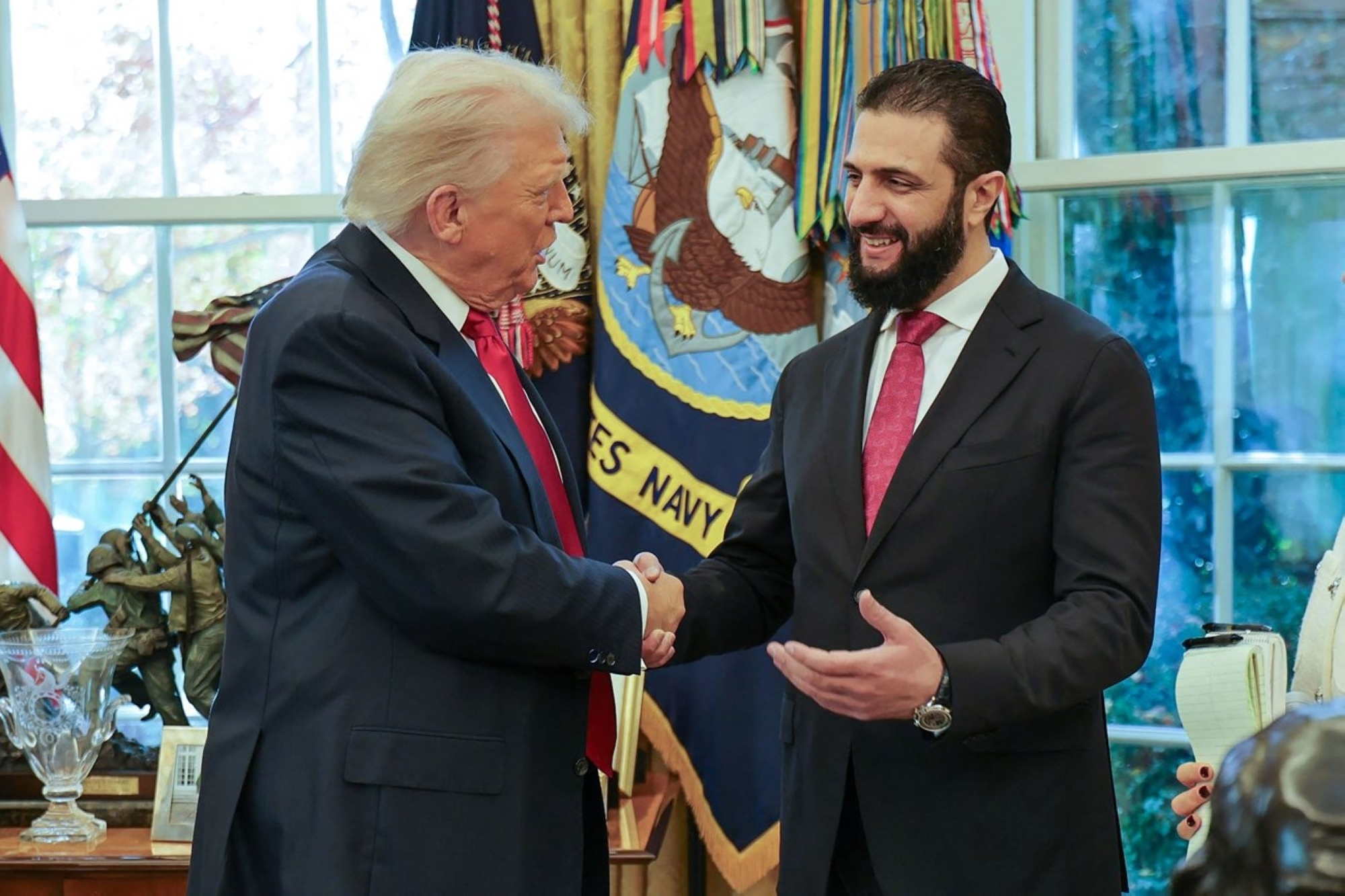
The head of Syria's interim government, Ahmed al-Sharaa, held a telephone conversation with US President Donald Trump in a notable diplomatic move to discuss the latest developments in Syria following the country's radical changes. The call focused on key issues including support for Syrian territorial integrity, continued counterterrorism efforts, and shaping Syria's future on the regional and international stage.
Historical background and new political context
This contact comes in the wake of the sudden collapse of Bashar al-Assad’s regime in December 2014, which ended decades of Assad family rule and ushered Syria into an entirely new political phase. After years of devastating civil war that began in 2011, the United States and the international community found themselves facing a new reality in Damascus. American policy in Syria had long rested on two main objectives: combating ISIS through the international coalition and supporting a political solution to end the conflict. With a new transitional government now in power, establishing direct channels of communication became essential to understanding its direction and ensuring shared interests related to regional stability.
The importance of communication and its potential impact
The significance of this contact lies in its being the first high-level communication between the new Syrian administration and the United States, potentially paving the way for gradual international recognition. During the talks, both sides emphasized the need to preserve Syria's territorial integrity and independence, a fundamental requirement to prevent the country from descending into further fragmentation. The issue of protecting the rights of the Kurdish people within the framework of a unified Syrian state was also a central point of discussion, given the long-standing US support for the Syrian Democratic Forces (SDF) in their fight against ISIS.
Regionally, this rapprochement is viewed with caution and anticipation by key players in the region. Countries such as Turkey, Jordan, Russia, and Iran, which have played influential roles in the Syrian conflict, are closely monitoring the nature of the future relationship between Damascus and Washington. The new government's commitment to combating terrorism, particularly the remnants of ISIS, represents a strong common ground for cooperation and enhances the prospects for building trust with the international community. This rapprochement opens a new door for Syria to embark on a path toward a better future, rebuild what the war has destroyed, and reintegrate into its Arab and international environment.
Politics
170 people kidnapped in Nigeria: Escalating security crisis in Kaduna
Gunmen have abducted more than 170 worshippers from two churches in Nigeria's Kaduna state, highlighting the country's escalating kidnapping-for-ransom crisis in the northwest.
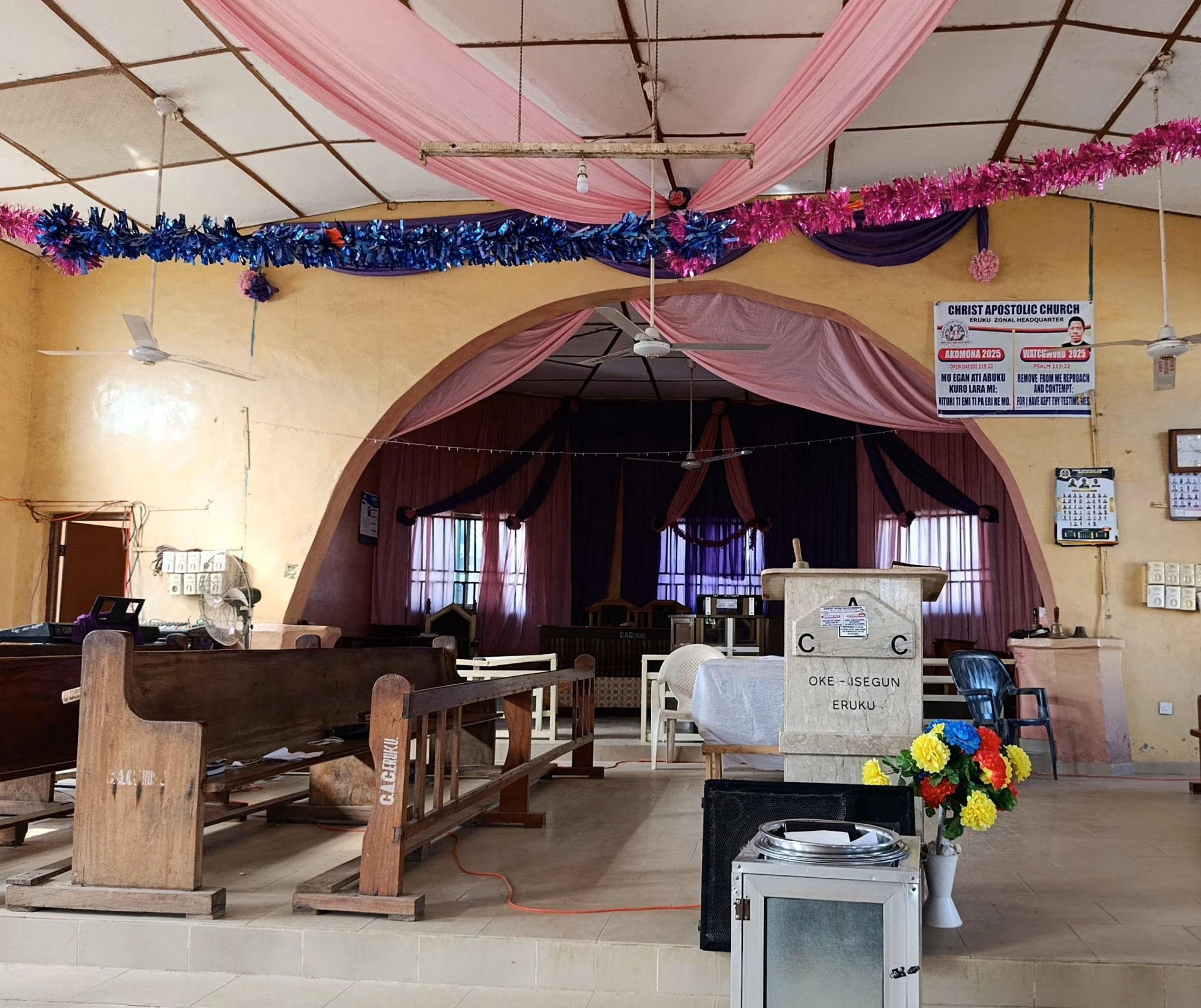
Nigerian authorities have announced a horrific mass kidnapping in which gunmen attacked two churches in Kaduna state in the northwest of the country, abducting at least 172 worshippers. The attack occurred on Monday, targeting worshippers during their religious services, and sparked widespread panic and shock in the region. Among those abducted was a prominent religious figure, Reverend John Hiyap, head of the Kaduna branch of the Christian Association of Nigeria.
According to a statement from the state police, the attackers, described as “bandits,” were heavily armed with sophisticated weapons and carried out their coordinated assault on the two churches, located in a remote area difficult for security forces to reach quickly. In a glimmer of hope, Pastor Hayab later confirmed that nine of the abductees had managed to escape and reach safety. In response to the incident, Nigerian authorities deployed military forces and specialized security teams to the area to pursue the perpetrators, determine the exact number of victims, and launch search and rescue operations.
A broader context of a worsening security crisis
This incident is not isolated, but rather part of a deteriorating security situation in northwestern Nigeria. States such as Kaduna, Zamfara, Katsina, and Niger are plagued by frequent attacks by armed criminal gangs. These gangs operate from the vast forests and ungoverned areas, engaging in mass kidnappings for ransom, cattle rustling, and village looting. Kidnapping has become a lucrative industry for these criminals, who target schools, universities, highway travelers, and places of worship.
Importance and potential impacts
The targeting of places of worship and the abduction of a religious leader of the stature of Pastor John Hayap carry grave implications. Locally, the attack sows fear in communities and undermines confidence in the state's ability to protect its citizens, threatening to inflame sectarian tensions in a religiously and ethnically diverse country. Nationally, the incident underscores the failure of successive governments to address the security crisis in the northwest, placing increasing pressure on the current administration to take more decisive action. Internationally, such attacks tarnish Nigeria's image as a regional power and raise concerns among human rights organizations and foreign investors about the country's stability.
Politics
Bulgarian president's resignation: repercussions of the political crisis and elections
Bulgarian President Rumen Radev announced his resignation in a surprise move that deepens the political crisis. Learn about the historical background and its impact on Bulgaria's stability and future.
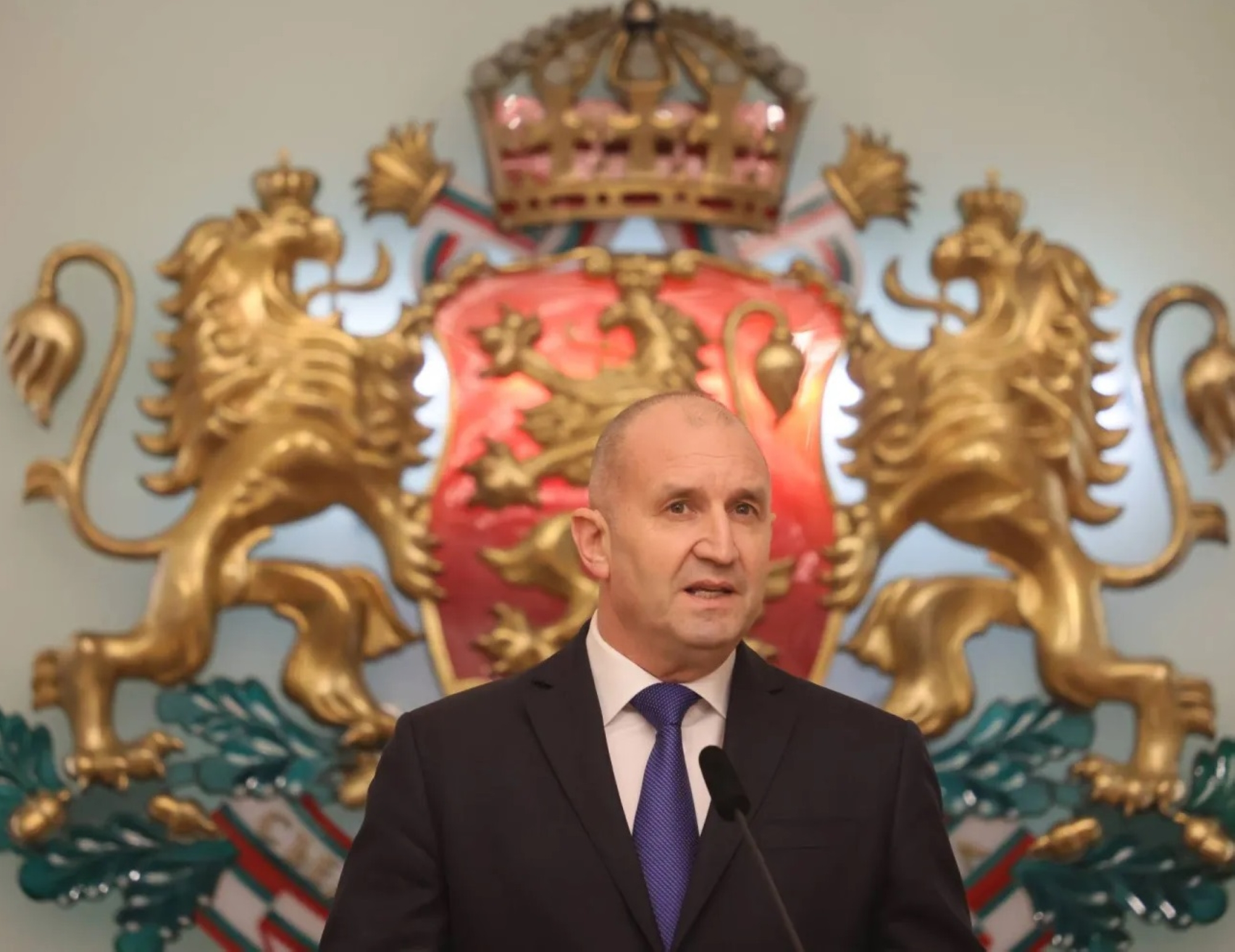
A sudden resignation shakes the political scene
In a surprise move that shook the Bulgarian political landscape, President Rumen Radev announced his resignation in a televised address, just before early presidential elections. This shocking decision comes at the height of a protracted political crisis that has gripped the country for years, characterized by governmental instability and repeated failures to form cohesive governing coalitions.
Background of political instability
The current crisis is not a sudden development. Bulgaria, a member of the European Union and NATO, has been experiencing sharp political polarization since widespread anti-corruption protests in 2020. This polarization led to a series of early parliamentary elections that failed to produce a clear parliamentary majority, plunging the country into a cycle of caretaker governments and fragile coalitions. President Radev, a former air force commander who rose to power on a wave of anti-establishment sentiment, is seen as a pivotal figure in this period, using his powers to appoint caretaker governments and playing a leading role in criticizing the traditional political class.
Constitutional significance and local impact
According to the Bulgarian constitution, the resignation will take effect immediately upon acceptance, and the president's powers will be temporarily transferred to the vice president until a new president is elected. This move is unprecedented in Bulgaria's modern political history, reflecting the immense pressure facing state institutions. Domestically, this resignation exacerbates uncertainty and could lead to a complete reshuffling of the political landscape. Observers fear that this power vacuum will deepen divisions and fuel conflicts between political parties, making the task of forming a stable government after the elections even more difficult.
Regional and international repercussions
The impact of this crisis extends beyond Bulgaria's borders to the regional and international arenas. Bulgaria's stability is of strategic importance given its geographical location on the eastern flank of Europe and in the vital Black Sea region, particularly in light of current geopolitical tensions. Partners in the European Union and NATO are closely monitoring the situation in Sofia, concerned that prolonged political instability could weaken the country's position on key issues such as energy security, relations with Russia, and the EU's unified policies. The resignation of the head of state at this critical juncture raises questions about Bulgaria's future strategic direction and its ability to play an active and credible role on the international stage.
-

 Reports 5 days ago
Achievements of Saudi government sectors in 2025
-
Local news two weeks ago
FDA warns of contaminated Nestle infant formula | Recall details
-
Technology 4 weeks ago
Artificial intelligence regulations in Saudi education and student data protection
-
Technology 4 weeks ago
US ban on drones: reasons and consequences
-
Technology 4 weeks ago
SRMG and Snapchat partnership: The future of digital media in the Middle East
-
Sports 4 weeks ago
Salah leads Egypt to a thrilling comeback against Zimbabwe in the Africa Cup of Nations
-
Technology 4 weeks ago
Saudi Arabia's Ministry of Islamic Affairs is employing artificial intelligence in public speaking
-
Sports 4 weeks ago
Napoli win the Italian Super Cup in Riyadh for the third time (2025)