Politics
Iraqi movement to "curb the factions" and restrict weapons
What is happening in Iraq? Why has the Sunni component become active after a long period of inactivity? And what are the motives behind the reappearance of the name “ISIS” on the political scene?
Questions

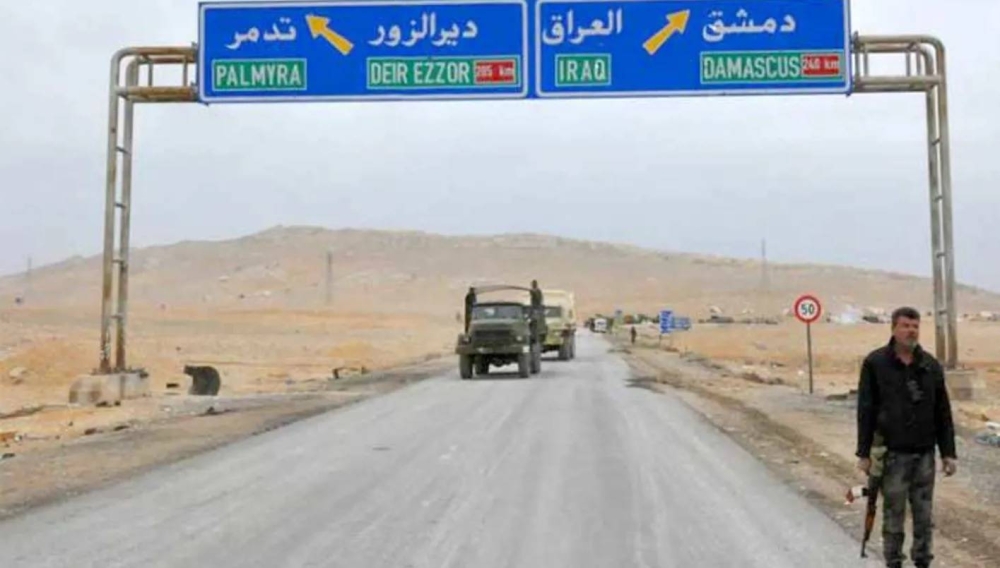
What is happening in Iraq? Why has the Sunni component become active after a long period of inactivity? And what are the motives behind the reappearance of the name “ISIS” on the political scene?
Central questions summarize the Iraqi political reality after the collapse of the Syrian regime and the escape of Bashar al-Assad, which prompted Baghdad to take precautionary measures to prevent the spread of the Syrian contagion.
A letter from prominent religious authority Ali al-Sistani to the “coordination framework” warned of the possibility that Iraq could witness events similar to what happened in Syria, prompting the ruling coalition to quickly hold an emergency meeting in the office of the leader of the State of Law Coalition, Nouri al-Maliki, in the Green Zone, on Sunday evening, to discuss the contents of the letter.
The letter, described as "strongly worded," argued that the fall of the Assad regime in Syria had stirred up stagnant waters in Iraq, demanding that the government prevent the activities of armed factions and restrict weapons to the state. It stressed the need to reform the political and economic situation and to avoid dragging Iraq into the conflicts plaguing the region.
According to a source close to the coalition, Sistani’s message warned of the continuation of the current situation and the danger of popular protests erupting against it. It called for a review of what is happening in Iraq and stressed that political decisions should not be tied to the fate and policies of some countries in the region, and that Iraq should not be an arena for settling scores between rival countries.
The internal and external political movement emerged after political forces began warning of “scenarios” similar to the Syrian situation if rapid reforms were not carried out internally. Most of the warnings focused on avoiding ties with some countries at the expense of others and prioritizing Iraqi interests.
Amid the political momentum to confront developments in the region, most Shiite leaders began issuing warnings, especially to areas that were under the control of ISIS, fearing that the Syrian events would spread to them.
In parallel, six prominent figures from the Sunni community called for the launch of a comprehensive national dialogue, and for addressing the grievances of prisoners and issues of political violence.
The figures, which included the current Speaker of Parliament Mahmoud al-Mashhadani, along with former Speakers of Parliament such as Osama al-Nujaifi and Salim al-Jabouri, spoke about the need to address the political and economic crises that have weakened Iraq.
In a statement, she affirmed her rejection of any use of violence in the reform process, stressing that terrorism in Iraq has lost its popular support, and that accusations regarding the expansion of Syrian factions within Iraq are unfounded.
For his part, a prominent Sunni parliamentarian considered the letters from the parliamentary speakers to be a "warning" to the Coordination Framework, especially given the growing opinions and expectations that Iraq will be the next region targeted for restructuring the Middle East. He believed the statement revealed what the Coordination Framework had been keeping silent about.
In contrast, the Framework Alliance is still in a state of political denial regarding the necessity and inevitability of reform in Iraq and the need to sit down at the dialogue table with the forces opposing the political process.
Iraqi concerns and the internal and external political maneuvering were clearly evident in the words of Prime Minister Mohammed Shia al-Sudani during his meeting with US Secretary of State Antony Blinken on Friday, when he affirmed Iraq's support for Syria during this critical period. He stated that Iraq awaits actions, not just words, from those managing the transitional phase in Syria. However, Iraqi Foreign Minister Fuad Hussein went further, revealing that Baghdad had submitted a comprehensive plan of action regarding Syria's future, emphasizing that security and political stability in Syria are integral to stability in Iraq. He added, "We do not want another Libya in the region.".
The Iraqi government is under intense pressure to decisively rein in armed factions this time, and the country remains divided over the repercussions of the situation in Syria.
Meanwhile, a source close to the coordinating framework believes that the recent diplomatic activity seeks to "spare Iraq the repercussions of what is happening in Syria.".
Rahim Al-Aboudi, a leader in the Wisdom Movement, said: “Despite the presence of ISIS cells, the political circumstances and the social situation reject the occurrence of a scenario similar to what happened in Syria.”.




Politics
Saudi leadership offers condolences to Thailand for the victims of the tragic train accident
The Custodian of the Two Holy Mosques and the Crown Prince sent a cable of condolences to the King of Thailand regarding the victims of the crane accident on a train, in a gesture reflecting the depth of Saudi-Thai relations.
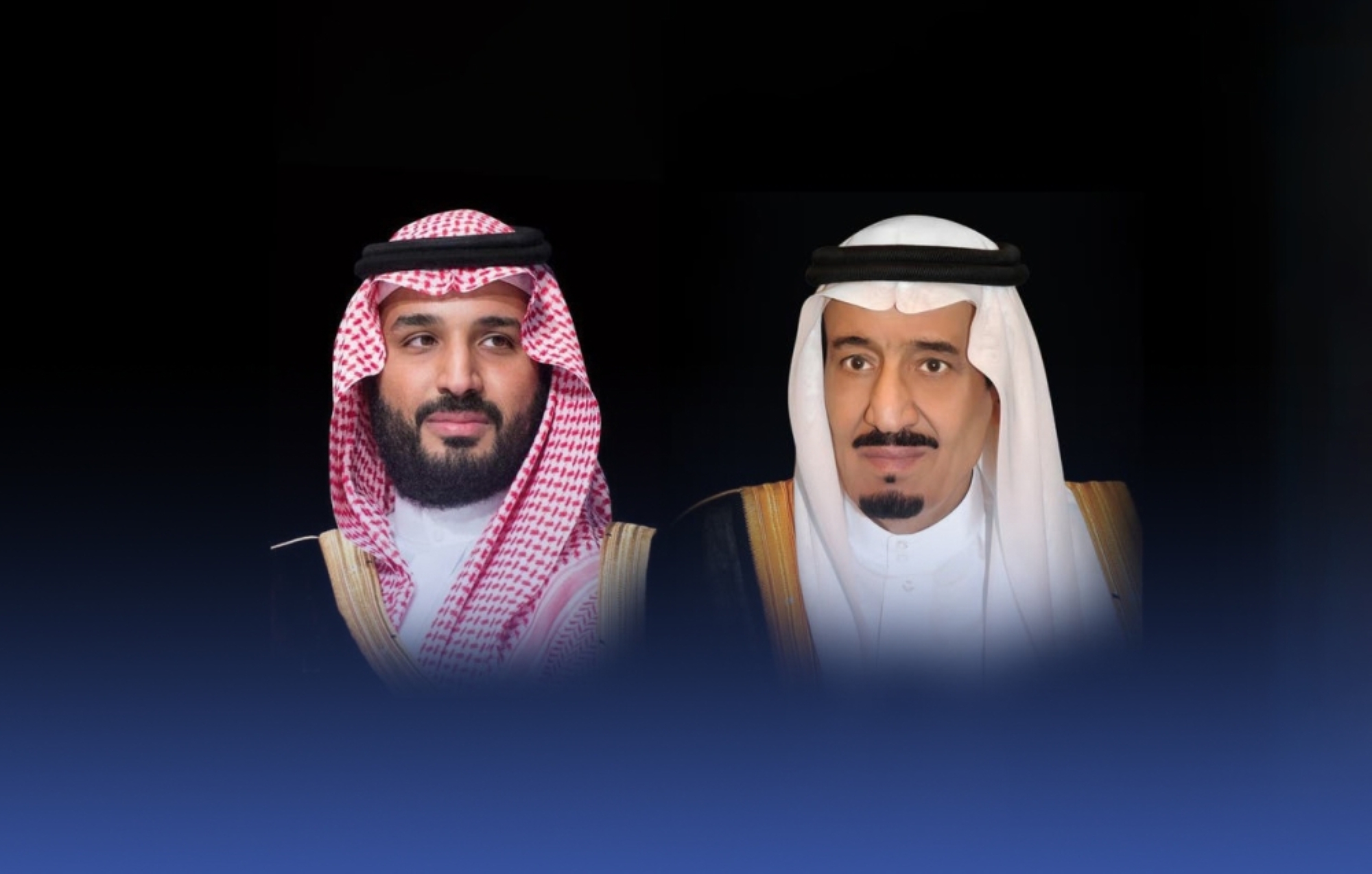
The Custodian of the Two Holy Mosques, King Salman bin Abdulaziz Al Saud, and His Royal Highness Prince Mohammed bin Salman bin Abdulaziz Al Saud, Crown Prince and Prime Minister, sent cables of condolence and sympathy to His Majesty King Maha Vajiralongkorn, King of the Kingdom of Thailand, regarding the victims of the crane accident on a train in the northeast of the country, which resulted in a number of deaths and injuries.
General context and historical background
This humanitarian gesture from the Saudi leadership comes within the context of the remarkably flourishing diplomatic relations between the Kingdom of Saudi Arabia and the Kingdom of Thailand. After a period of diplomatic estrangement that lasted for three decades, bilateral relations reached a historic turning point in January 2022 with the announcement of the full resumption of diplomatic ties between the two countries. This rapprochement culminated in reciprocal visits at the highest levels and opened up broad prospects for cooperation in multiple fields, including the economy, energy, tourism, and labor. The message of condolence is not merely a protocolary gesture, but rather an affirmation of the strength of these new ties and the two countries' desire to enhance them at all levels, including standing by each other in times of hardship.
The importance of the event and its expected impact
Domestically in Thailand, this tragic accident has once again brought to the forefront safety standards at construction sites and major projects. Like other emerging economies in Southeast Asia, Thailand is experiencing a boom in infrastructure development, including railway networks. Such accidents raise public and media concerns, prompting authorities to review occupational safety procedures and project oversight to ensure they are not repeated.
On both the regional and international levels, the message of condolence from Saudi Arabia, a major power in the Middle East and the Islamic world, carries significant political weight. It reinforces the Kingdom's image as a trusted partner and friend of Thailand, and underscores the humanitarian dimension of its foreign policy. This gesture also contributes to strengthening the positive relations recently established, which will positively impact future cooperation between the two countries in various international forums and enhance the stability of relations between the Arabian Gulf region and Southeast Asia.
Politics
Iran protests see massive death toll... official reveals 5,000
An Iranian official told Reuters that the death toll from the recent protests sparked by the death of Mahsa Amini had reached 5,000, including 500 members of the security forces.
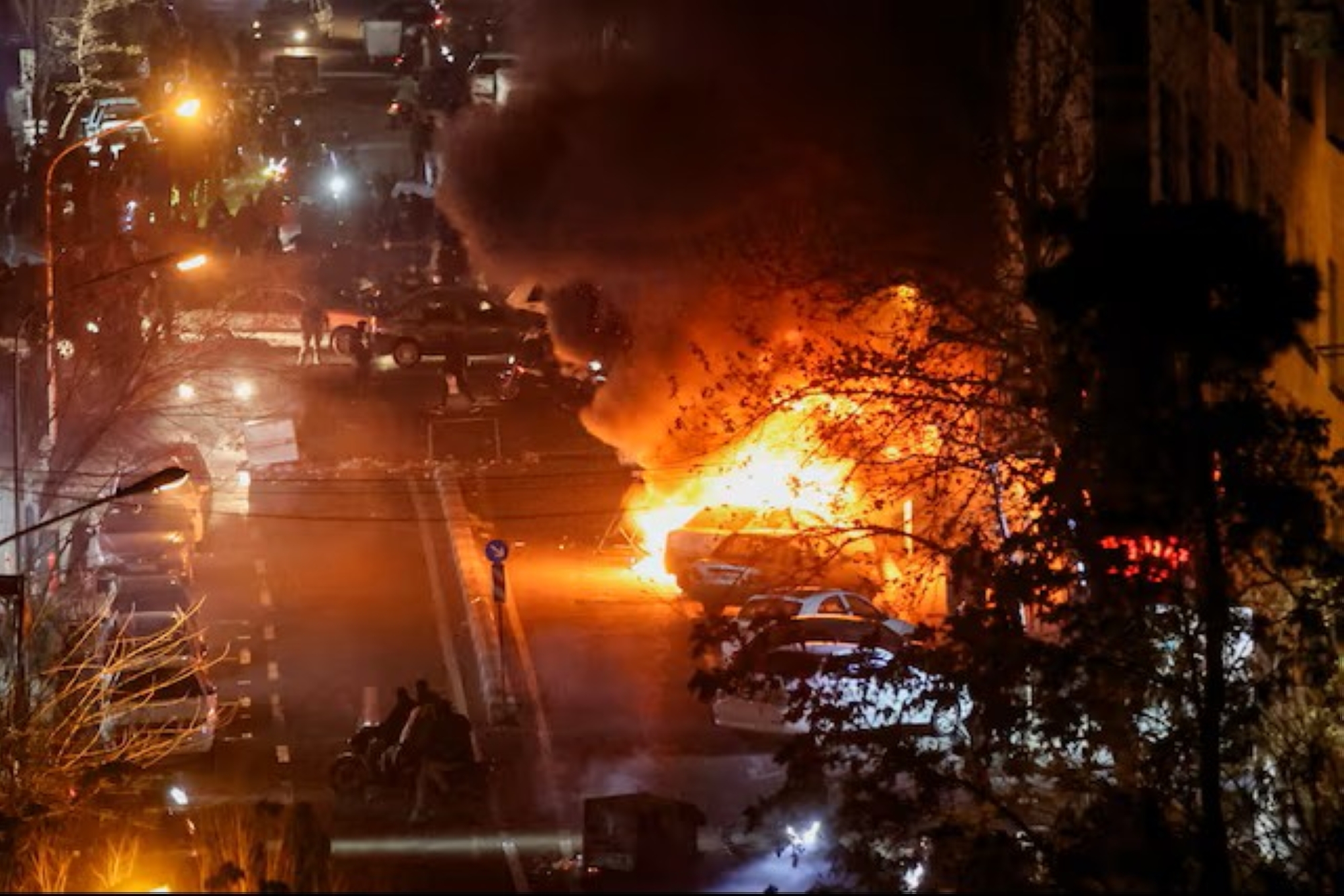
In a shocking statement reported by Reuters, an Iranian official, speaking on condition of anonymity, revealed that the confirmed death toll from the recent nationwide protests has reached at least 5,000. The official clarified that this number includes approximately 500 members of the security forces killed during the clashes.
Background of the protests and their historical context
This wave of protests, the largest and most challenging to the Iranian regime in years, erupted in September 2022 following the death of 22-year-old Mahsa Amini. Amini had been detained by Tehran's morality police for allegedly violating the strict hijab laws. She fell into a coma shortly after her arrest and died three days later. Her death sparked widespread public outrage, and her funeral in her hometown of Saqqez, a Kurdish city, became the catalyst for nationwide demonstrations under the slogan "Woman, Life, Freedom," demanding an end to social repression and greater freedoms.
Details of the official statement and its implications
According to the Iranian official, authorities have blamed what they called “terrorists and armed rioters” for the violence and the killing of “innocent Iranians.” He noted that some of the fiercest clashes and highest death tolls were recorded in predominantly Kurdish areas of northwestern Iran, where separatist groups are active. The official also accused foreign entities, specifically “Israel and armed groups abroad,” of providing financial and military support to the protesters with the aim of destabilizing the country. Despite the high death toll, the official ruled out the possibility of the final number rising significantly above this estimate.
Importance and impact at both the local and international levels
These protests posed an unprecedented challenge to the Islamic Republic, revealing the depth of popular discontent with the deteriorating economic conditions and social and political restrictions. Internationally, the government's crackdown was met with widespread condemnation from human rights organizations and Western countries. The United States, the European Union, and the United Kingdom imposed multiple rounds of sanctions on Iranian officials and entities involved in human rights abuses, further isolating Tehran diplomatically and impacting negotiations regarding its nuclear program. This figure, if confirmed by independent sources, represents one of the highest death tolls in the history of protests against the Iranian regime, reflecting the scale of the crisis facing the country.
Politics
The Syrian army controls the Al-Omar and Koniko oil fields in eastern Syria
In a major development on the ground, Syrian forces seized control of the Al-Omar oil field and the Conoco gas field in Deir ez-Zor, dealing a strong blow to the Syrian Democratic Forces.
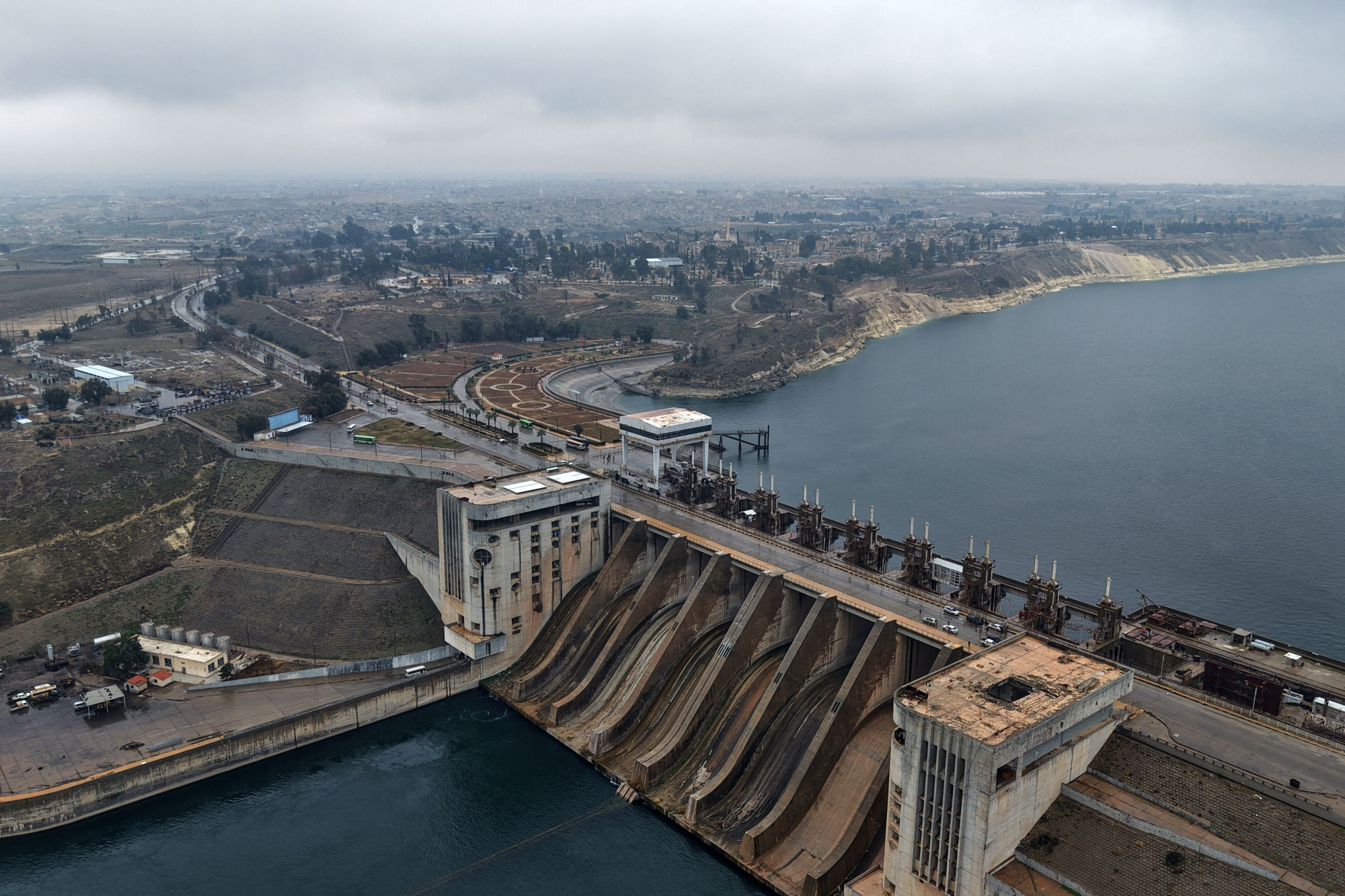
In a significant development on the ground, official and security sources announced that Syrian government forces have taken full control of the al-Omar oil field, the largest in Syria, as well as the strategic Conoco gas field. This takeover, in Deir ez-Zor province in eastern Syria, comes after fierce clashes with the US-backed Syrian Democratic Forces (SDF), marking a major turning point in the struggle for resources in the region.
To understand the dimensions of this event, it is necessary to return to the broader context of the Syrian conflict. Since the outbreak of the crisis, the oil and gas fields in eastern Syria have been a strategic target for all warring parties. After ISIS seized control of these fields and used them as a primary source of funding, the Syrian Democratic Forces (SDF), with air and logistical support from the US-led international coalition, were able to expel the group and take control of these resource-rich areas. The revenues from these fields constituted the main source of income for the Kurdish-led Autonomous Administration, enabling it to finance its military and administrative operations in northern and eastern Syria.
The Syrian army's recent advance was not a coincidence, but rather the result of exploiting existing tensions between the Arab population, which constitutes the majority in Deir ez-Zor, and the leadership of the Syrian Democratic Forces (SDF). According to sources, the advance of local Arab tribal fighters greatly facilitated the government forces' mission, allowing them to rapidly deploy across an area exceeding 150 kilometers along the eastern bank of the Euphrates River, from the border town of Baghouz with Iraq to key towns such as al-Shuhail and al-Basira.
The government forces' gains were not limited to energy fields, but extended to other strategic locations. Earlier, the Syrian army seized the northern city of Tabqa and the adjacent Euphrates Dam, as well as the Freedom Dam (formerly known as the Baath Dam), vital facilities that control the region's water resources and electricity generation.
This loss is a devastating economic and military blow to the Syrian Democratic Forces (SDF), stripping them of their most important assets and sources of funding, and weakening their future negotiating position. Domestically, this control provides the Syrian government with a significant economic boost, supplying it with much-needed energy resources to mitigate the effects of sanctions and the crippling economic crisis. Regionally and internationally, this development represents a victory for the Damascus-Tehran-Moscow axis and, conversely, poses a major challenge to the US strategy in Syria, which relies heavily on supporting the SDF as a local partner. The full ramifications of this shift on the ground remain unclear, but it will undoubtedly redraw the map of influence and control in eastern Syria.
-

 Reports 3 days ago
Achievements of Saudi government sectors in 2025
-
Local news two weeks ago
FDA warns of contaminated Nestle infant formula | Recall details
-
Technology 4 weeks ago
Artificial intelligence regulations in Saudi education and student data protection
-
Technology 4 weeks ago
US ban on drones: reasons and consequences
-
Technology 4 weeks ago
SRMG and Snapchat partnership: The future of digital media in the Middle East
-
Sports 4 weeks ago
Salah leads Egypt to a thrilling comeback against Zimbabwe in the Africa Cup of Nations
-
Technology 4 weeks ago
Saudi Arabia's Ministry of Islamic Affairs is employing artificial intelligence in public speaking
-
Sports 4 weeks ago
Napoli win the Italian Super Cup in Riyadh for the third time (2025)