Politics
The Minister of Education inaugurates the Saudi-American Higher Education Partnerships Forum with the participation of 80 universities
Minister of Education Yousef bin Abdullah Al-Bunyan, in the presence of the United States Ambassador to the Kingdom Michael Ratney, inaugurated today,

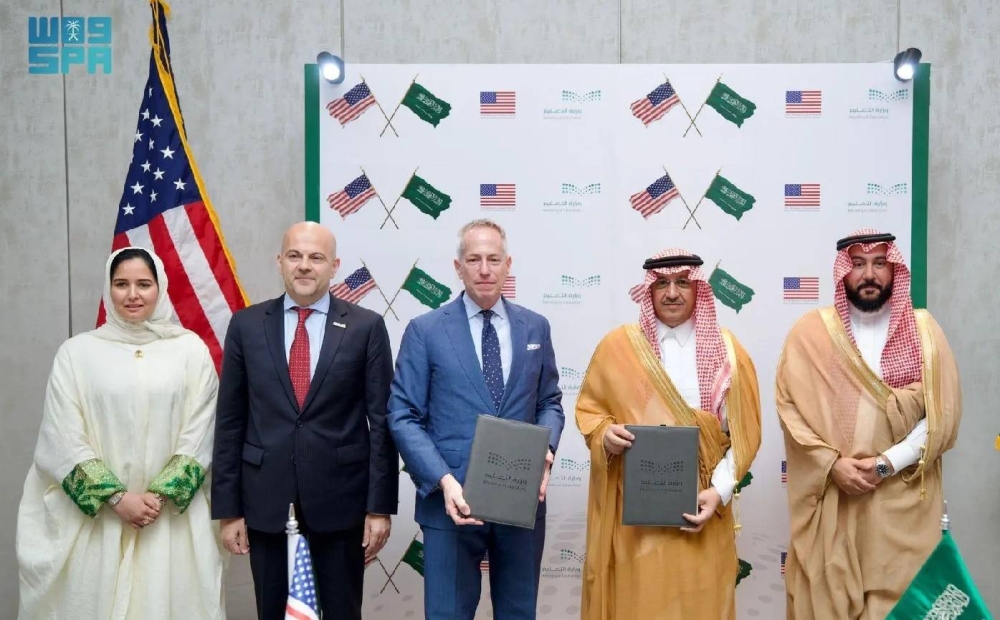
Minister of Education Yousef bin Abdullah Al-Bunyan, in the presence of the United States Ambassador to the Kingdom Michael Ratney, inaugurated today the Saudi-American Higher Education Partnerships Forum, which was organized by the Ministry of Education in cooperation with the US Embassy in the Kingdom and the Institute of International Education (IIE), with the participation of a number of government leaders of higher education in the two countries, and leaders of more than 80 Saudi and American universities, to explore and deepen educational cooperation between the two countries.
The Minister of Education and the US Ambassador to the Kingdom signed a memorandum of understanding in the field of higher education and scientific research between the two countries on the sidelines of the forum's activities; to support academic and joint research exchange and cooperation, and to enhance opportunities for the movement of students, researchers and faculty members between the two countries.
Al-Bunyan said: “The Kingdom of Saudi Arabia seeks to be a center for education at the regional and global levels, and education in the Kingdom aspires to prepare students capable of competing globally by building an educational system characterized by diversity and global openness.”.
He explained that academic cooperation between the Kingdom and the United States requires joint investment and collaborative programs, such as student and faculty exchange programs, research development, and expanding the scope of joint programs between universities, indicating that such initiatives contribute to enhancing the ranking of universities based on the quality of students and faculty members, and the size of investments in research and development.
Al-Bunyan called for taking advantage of the Study in KSA platform, which the Kingdom recently launched, to attract international students to study at Saudi universities, noting that the program has attracted more than 80,000 applicants from 152 countries, reflecting the Kingdom’s commitment to attracting international talent and promoting academic exchange.
He pointed out that the Saudi-American Higher Education Partnerships Forum represents a historic moment to develop a comprehensive action plan that paves the way for an advanced and sustainable strategic partnership between Saudi and American universities in all academic and research fields.
He pointed out that university rankings are based on three main pillars: the quality of students and educational outcomes, the quality of faculty members, and the amount invested in research and development, praising the role of universities in supporting sustainable development through advanced research.
His Excellency concluded by emphasizing the importance of partnerships between the two countries to achieve the aspirations of Vision 2030, noting the Kingdom’s readiness to support academic cooperation between the two countries, stressing that the forum seeks to meet the aspirations of the wise leadership in achieving Vision 2030, and to work on finding solutions to any challenges and difficulties in achieving the forum’s goals.
For his part, the US ambassador noted that the memorandum of understanding signed today represents a historic achievement and paves the way for American graduate students to study in the Kingdom for the first time. He pointed out that the forum aims to strengthen bilateral relations through tangible partnerships between Saudi and American higher education institutions, which will benefit both sides through student and faculty exchanges and joint research cooperation.
Meanwhile, Rafiq Mansour, Deputy Assistant Secretary of State for Educational and Cultural Affairs, explained that there are approximately (700) thousand Saudi graduates from American colleges and universities in the Kingdom today, thanks to the long-term and long-term scholarship programs offered by the government of the Kingdom of Saudi Arabia. He praised the Ministry of Education in the Kingdom for launching the educational visa program and the scholarship program, which help open opportunities for American students to visit the Kingdom to obtain academic degrees or within the framework of exchange programs.
For his part, the Deputy Minister of Education for International Cooperation, Dr. Nasser Al-Aqili, touched on the strategic importance of the partnership between the two countries in the field of education, reviewing the most prominent objectives of the Vision 2030 programs, their relationship to the education and scientific research sector, and the plans to reform the education sector in the Kingdom in light of the Vision.
He emphasized the roles played by the higher education sector in the Kingdom through attracting international universities to open branches in the Kingdom, and welcoming international students to study at Saudi universities.
The forum witnessed a number of meetings and discussion sessions between university leaders and government officials from the Kingdom and the United States, which addressed supporting strategic academic cooperation between educational institutions in the two countries, the feasibility of effective educational partnerships, the future of joint research initiatives, as well as exchange programs for students, faculty members, staff and researchers, new educational programs, in addition to integrating academia with the private sector and government institutions to meet market needs and achieve the goals of both countries.
The Saudi-American Higher Education Partnerships Forum included organizing visits for the American delegation of academics and university representatives to several Saudi universities in Jeddah, Dhahran and Riyadh to learn about the transformation taking place in the Kingdom’s education sector, the increasing investments in university education infrastructure and the development of Saudi universities.
It is worth mentioning that the Saudi-American Higher Education Partnerships Forum witnessed the attendance of high-level officials from more than (15) Saudi ministries, authorities and institutions to support the work of the forum and to discuss cooperation opportunities to achieve the goals of those entities through the partnership between higher education institutions in the two countries.




Politics
Israel launches preemptive strike against Iran: Details of the new escalation
Israel announces a preemptive strike against Iran amid explosions in Tehran. Defense Minister Israel Katz confirms the operation, and a US official reveals preparations for further strikes.
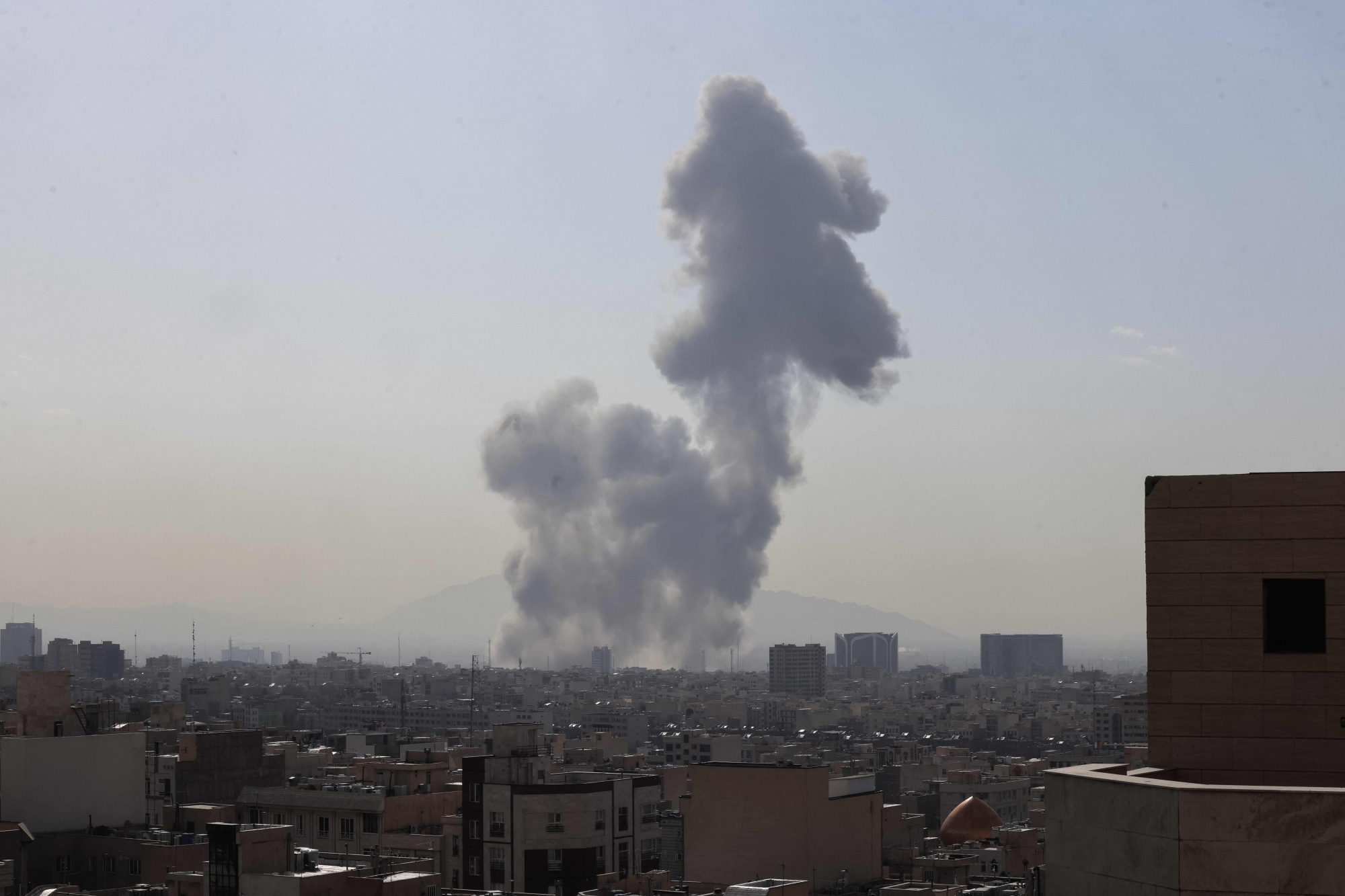
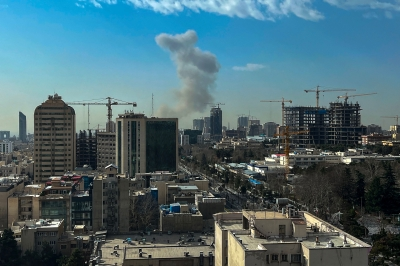
In a dangerous military escalation that threatens to alter the security landscape in the region, Israel officially announced today (Saturday) that it had carried out a military strike, described as "preemptive," against targets inside Iran. This move renews direct confrontation in the Middle East, significantly diminishing the chances of reaching a diplomatic solution to the years-long crisis between Tehran and the West over its controversial nuclear program.
Details of the attack and the Iranian response
Iranian media reported hearing loud explosions that shook the capital, Tehran, today, an initial indication that the strikes reached deep inside Iran. In the first official comment, Israeli Defense Minister Yisrael Katz stated, "Israel launched a preemptive strike against Iran to counter the threats it faces." This statement leaves no doubt about Tel Aviv's responsibility for the operation, confirming Israel's determination to prevent Tehran from developing its military capabilities.
US official: Washington is preparing additional strikes against Iran
Background to the conflict and the failure of the diplomatic track
This attack cannot be separated from the tense context that preceded it; it comes after a fierce 12-day air war between the two sides in June 2015. Although the United States and Iran resumed negotiations this February in an effort to resolve the dispute and avoid descending into chaos, the gap between the two sides remains wide. Israel has insisted that any agreement must include the complete dismantling of Iran's nuclear infrastructure, not just a freeze on enrichment, and has continued to press for the inclusion of its ballistic missile program in the restrictions—a demand Tehran vehemently rejects.
The American role and regional concerns
In a related development, a US official revealed that the United States is also preparing to launch strikes against Iran, recalling the scenario of last June when Washington joined an Israeli military campaign against Iranian nuclear facilities, which was considered at the time the largest direct US military intervention against the Islamic Republic. For its part, Iran warned neighboring countries hosting US bases that they would be legitimate targets for its missiles if Washington participated in the attack, citing its previous targeting of the Al Udeid airbase in Qatar.
The repercussions of the escalation on international security
This escalation is raising widespread international concerns about the region sliding into a full-blown war that could disrupt global energy supplies and threaten international shipping. Western powers view Iran's ballistic missile program with grave concern, believing it could be used to deliver nuclear warheads in the future, while Tehran continues to deny seeking nuclear weapons, asserting its right to defend itself against any external aggression.
Politics
The foreign minister and his Afghan counterpart discuss de-escalating regional tensions
Foreign Minister Prince Faisal bin Farhan received a call from his Afghan counterpart, Amir Khan Muttaqi, during which they discussed regional developments and efforts to reduce escalation and achieve security and stability.
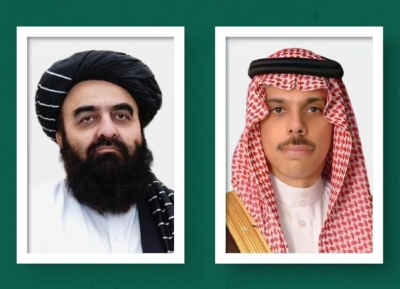
His Royal Highness Prince Faisal bin Farhan bin Abdullah, the Saudi Minister of Foreign Affairs, received a telephone call yesterday, Friday, from His Excellency Amir Khan Muttaqi, the Afghan Minister of Foreign Affairs. This call comes within the framework of ongoing consultations between the Kingdom of Saudi Arabia and Islamic and regional countries to strengthen frameworks for joint cooperation and discuss issues of common interest.
During the call, a comprehensive review of current regional and international developments took place. The two sides focused primarily on discussing diplomatic and political efforts to de-escalate tensions and the necessity of joint action to prevent further escalation that could negatively impact international peace and security. They agreed on the importance of continued coordination to contribute to achieving security and stability for all the peoples of the region.
The Kingdom's leading role in promoting regional stability
These talks reaffirm the pivotal role played by the Kingdom of Saudi Arabia, under the leadership of the Custodian of the Two Holy Mosques and His Royal Highness the Crown Prince, in spearheading diplomatic efforts to achieve peace. Saudi diplomacy consistently prioritizes dialogue and political solutions in addressing crises, as the Kingdom is a cornerstone of regional security and works tirelessly with all relevant actors to ensure stability in the Middle East and Central Asia.
The importance of joint coordination in light of current challenges
This contact is of particular importance given the delicate circumstances the region is experiencing, as current security and political challenges necessitate a high level of coordination and consultation among Islamic countries. The Afghan issue and stability in Afghanistan are integral to broader regional security, and the Kingdom consistently supports efforts that serve the interests of the brotherly Afghan people and help them achieve their aspirations for development and prosperity, free from conflict.
At the end of the call, both sides stressed the need to intensify diplomatic efforts to contain any emerging crises, emphasizing that constructive dialogue is the best way to overcome obstacles and achieve the aspirations of peoples to live in lasting safety and stability.
Politics
Trump rejects uranium enrichment in Iran after Geneva negotiations
Trump, speaking from Texas, reiterated his firm opposition to any uranium enrichment in Iran, describing the current levels as uncivilized, thus complicating the latest nuclear negotiations in Geneva.
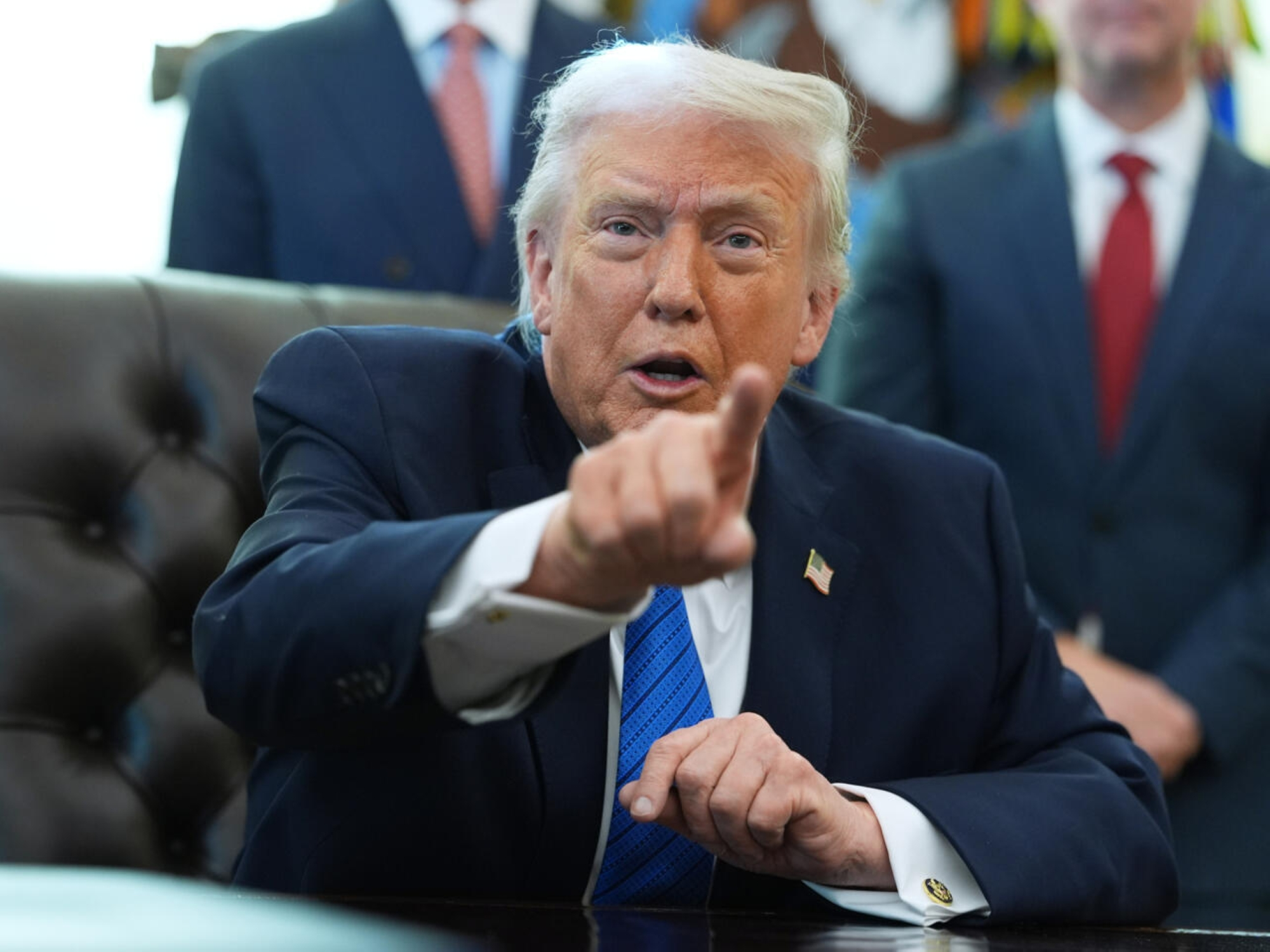
In a new escalation of the US stance on the Iranian nuclear issue, US President Donald Trump reiterated on Friday his categorical and absolute rejection of any level of uranium enrichment within Iranian territory, even under the guise of civilian or peaceful purposes. These fiery remarks came less than 24 hours after the conclusion of the third round of direct negotiations between delegations from Washington and Tehran in Geneva, Switzerland, casting doubt on the viability of the current diplomatic track.
Speaking to reporters in Corpus Christi, Texas, Trump explained that available information indicates Iran is seeking to reach enrichment levels between 20% and 30%. The US president asserted that these levels cannot be classified as civilian energy uses, stating unequivocally, "This level is not civilian." Trump expressed his dissatisfaction with the pace and outcome of the recent talks, summarizing the US position with a decisive statement: "I say no to enrichment." This represents a return to the "zero enrichment" principle long advocated by hawks in successive US administrations.
These statements come at a highly sensitive time, as Geneva has witnessed intense diplomatic activity in recent days aimed at finding common ground to revive nuclear understandings. Discussions have focused primarily on key points of contention, most notably the permissible limit for uranium enrichment and the monitoring mechanisms to be enforced by the International Atomic Energy Agency—issues that form the crux of any potential agreement.
From a technical and political standpoint, Trump's talk of 20% and 30% enrichment levels carries serious implications. Uranium intended for civilian power reactors typically does not require enrichment exceeding 3.67% to 5%. Reaching the 20% threshold, however, is considered by nuclear experts to be a significant technological leap that would shorten the time needed to reach the 90% enrichment required for a nuclear weapon. Therefore, Washington's insistence on a complete ban on enrichment stems from fears that any civilian enrichment infrastructure could be quickly diverted into a clandestine military program.
This hardline stance brings to mind the complexities of the international landscape surrounding the Iranian nuclear issue for many years. The United States believes that allowing Tehran to possess a complete nuclear fuel cycle threatens regional and international security, while Iran insists that enrichment is its sovereign right under the Nuclear Non-Proliferation Treaty. Trump's recent statements are expected to complicate the task of international mediators and may push Tehran to adopt even more hardline positions in future rounds of talks, leaving the entire region facing open-ended scenarios ranging from diplomatic stalemate to military escalation.
-

 Culture and Art, 1 week ago
The ban on the Hamdiya series in Iraq: Reasons and official response
-
Local News 5 days ago
The Ministry of Interior begins procedures for a royal pardon for common law prisoners
-
Local news two days ago
Saudi Arabia approves regulations for the continued presence of Gulf vehicles: duration and penalties
-
Reports one week ago
King Salman Relief Center's Ramadan aid includes 9 countries
-
Local news one week ago
19 requirements to reduce dust from projects in Riyadh and fines for violators
-
Sports one week ago
Dates for the Al-Nassr vs. Al-Wasl match in the 2026 AFC Champions League quarter-finals
-
Culture and Art, 1 week ago
Details of the first episode of the series "Al-Maddah 6: The Legend of the End"
-
Politics, one week ago
Trump plans to create a $2 billion alternative to the World Health Organization