Politics
The Minister of Environment affirms the system's readiness to serve pilgrims and ensure an environmentally and water-safe Hajj
The Minister of Environment, Water and Agriculture, Engineer Abdulrahman bin Abdulmohsen Al-Fadhli, confirmed the complete readiness and high level of coordination between

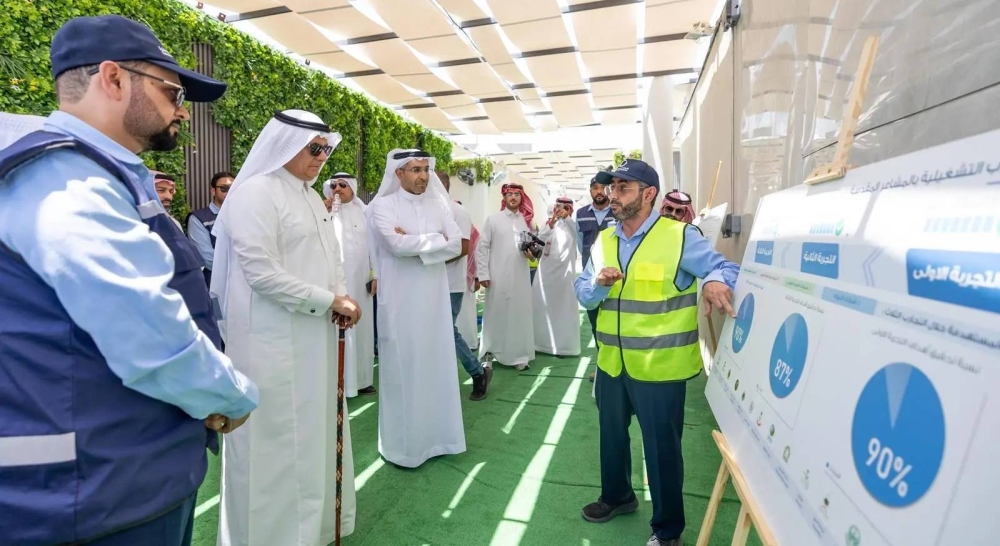
Minister of Environment, Water and Agriculture, Engineer Abdulrahman bin Abdulmohsen Al-Fadhli, affirmed the complete readiness and high coordination among all sectors of the Ministry’s system in preparation for the Hajj season of 1446 AH, to ensure the provision of the best environmental, water, agricultural and health services to the guests of God in accordance with the objectives of the Kingdom’s Vision 2030.
This came during his inspection visit to the holy sites today, and his chairmanship of a meeting at the headquarters of the National Water Company. His Excellency reviewed the completion of the operational system plans according to the highest efficiency standards, and included quality projects and programs to ensure the availability of water supplies, food safety, air quality, waste safety, monitoring of environmental compliance, and pest control, which contributes to supporting the comprehensive national efforts to make the season a success.
Al-Fadhli was briefed on the preparations of the Ministry’s branches in Makkah and Madinah, which include supervision and control of private slaughterhouses and public benefit markets in the Holy Capital and Madinah, in addition to the efforts of the emergency rooms and logistical services provided by a number of staff in the Ministry’s branches.
He listened to the system’s plans to enhance food security for the Hajj season, and the General Authority for Food Security confirmed the abundance of flour stocks in the Makkah and Madinah regions, in addition to the existence of reserve stocks of wheat in other regions of the Kingdom with more than one million tons ready to be pumped when needed.
He personally inspected the projects and operational plans for water services in Makkah and the holy sites, including production, transportation, storage, distribution and irrigation, as part of integrated efforts aimed at securing the water supply for the pilgrims and improving the quality of services provided to them.
He inspected the development projects being implemented in the holy sites, the readiness of water systems and strategic storage facilities, pumping stations, distribution networks, up to treatment plants, as well as additional supply plans and emergency plans, in addition to the monitoring and control center in Mina, and reviewed the level of technical and operational preparations during the peak of the season.
Related News
During the tour, which he was accompanied by a number of leaders of the system’s sectors, he was briefed on the details of the operational plan for the Hajj season, which is based on proactive readiness and reliable supply. He visited the projects implemented by the National Water Company, their completion rates and readiness to enter service, including the expansion of networks, the rehabilitation of reservoirs, and the improvement of operational efficiency, in addition to activating operational trial plans that included Mina, Muzdalifah and Arafat. The National Water Company was able to complete (13) vital projects in record time and before the specified delivery date, and benefit from them within the operational plan for the Hajj season, which reflects its high readiness and commitment to its vital role in serving the guests of God, and the dedication of its technical and field teams in ensuring the continuity of water supply during the season.
During the meeting, the operational plan of the National Waste Management Center “Mawan” for the Hajj season was reviewed, which was completed at a rate of (100%), through (4) main tracks that include sectoral transformation, awareness, compliance, and urgent solutions. The field monitoring and inspection teams were also prepared at a rate of readiness of (100%), in addition to implementing a comprehensive assessment of the waste management system for sacrificial animals and an integrated awareness program directed at pilgrims and workers in Hajj.
He reviewed the operational plan of the National Center for Meteorology, particularly regarding raising preparedness, alerts, warnings, and climate information related to weather and climate during this year's Hajj, in addition to the operational work related to increasing geographical coverage in the monitoring system in the holy sites. He also reviewed the efforts of the National Agricultural Services Company for the Hajj season, which included providing quarantine services at (5) main entry points: King Abdullah Port in Rabigh, Prince Mohammed bin Abdulaziz Airport in Madinah, King Abdulaziz Airport in Jeddah, Jeddah Islamic Port, and the animal quarantine in Al-Khumra, as well as its supervision of slaughterhouses, completion of emergency plans, and application of the highest quality standards. He also reviewed the operational plan of the National Center for Environmental Compliance Control during the Hajj season, which included carrying out monitoring tours, taking samples from flood channels, measuring noise, inspecting slaughterhouses, and measuring air quality.
He listened to the efforts of the National Center for Prevention and Control of Plant Pests and Animal Diseases “Wiqa’a”, and its readiness for the Hajj season, through (4) main tracks that include: insect pest control, animal health risks during animal transport, application of disease control and biosecurity, and exploration of disease vectors.
Minister Al-Fadhli stressed the importance of continuing to raise readiness, intensify efforts, and harness all resources, in implementation of the directives of the wise leadership - may God support them - to provide the best services to the guests of the Sacred House of God, and to enable them to perform their rituals with ease and tranquility.




Politics
Trump sets the potential war with Iran in weeks
Donald Trump reveals military estimates of the duration of a war with Iran, citing the Venezuela scenario and the continuation of the maximum pressure policy. Read the details of his statements and their implications.
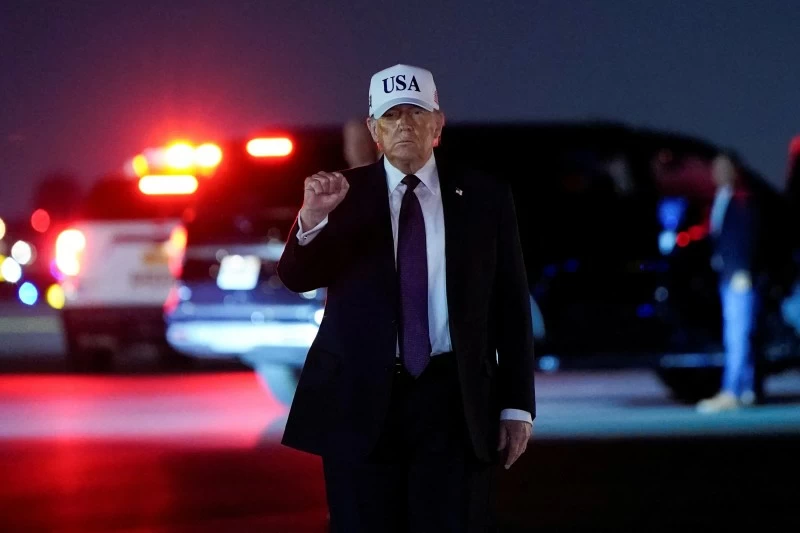
US President Donald Trump asserted that any potential military confrontation with Iran might not be as protracted as some anticipate, suggesting that operations would likely last "the next four weeks." In his remarks, Trump indicated that the military plans initially were based on the assumption of an intensive operation lasting approximately one month, reflecting Washington's assessment of the potential conflict.
Military assessments and complex scenarios
Trump, outlining his country's strategic vision, said that the military assessments he had received anticipated the operation would take "four weeks or so." Despite this escalating tone, the US president was careful to keep the door ajar for diplomacy, adding that he remained open to further talks with the Iranian side to de-escalate tensions, without specifying a possible date or timeline for any near-term meetings between the two parties.
In discussing potential tactics, Trump described the ongoing and planned operation as one of the “most complex offensive operations militarily,” pointing to the logistical and strategic challenges posed by the geography and defensive capabilities in the region.
Context of tension: Maximum pressure strategy
These statements come in the context of a period of extreme tension in US-Iranian relations, which have escalated significantly since the United States unilaterally withdrew from the nuclear agreement (Joint Comprehensive Plan of Action) in May 2018. Since then, the Trump administration has adopted a policy of “maximum pressure,” which has included imposing crippling economic sanctions aimed at reducing Iranian oil exports to zero and isolating Tehran from the global financial system.
Observers believe that Trump’s talk about the “Venezuela scenario” and what the United States did there carries clear indications of Washington’s desire to use various pressure tools, combining military threats and economic blockades, with the aim of forcing adversaries to change their political behavior without necessarily being drawn into large-scale and long-term ground wars, which is consistent with Trump’s declared doctrine of rejecting “endless wars.”.
Regional and international repercussions
These statements are of paramount importance given Iran's sensitive geopolitical location, overlooking the Strait of Hormuz through which a large portion of the world's oil supply passes. Any military action, even if limited to a few weeks as Trump suggested, could have serious repercussions for the stability of global energy markets and the security of navigation in the Arabian Gulf.
Analyses indicate that Washington, through these dual messages – threatening a swift war and calling for dialogue – is trying to push Tehran to return to the negotiating table with new conditions, including not only the nuclear file, but also the ballistic missile program and Iran’s regional influence in the Middle East.
Politics
Hezbollah bombs Haifa in revenge for Khamenei: Details of the attack on Mishmar al-Karmel
Hezbollah announces it bombed the Mishmar al-Karmel site south of Haifa with missiles and drones in retaliation for the killing of Khamenei. Details of the dangerous military escalation on the northern front and developments in the war.
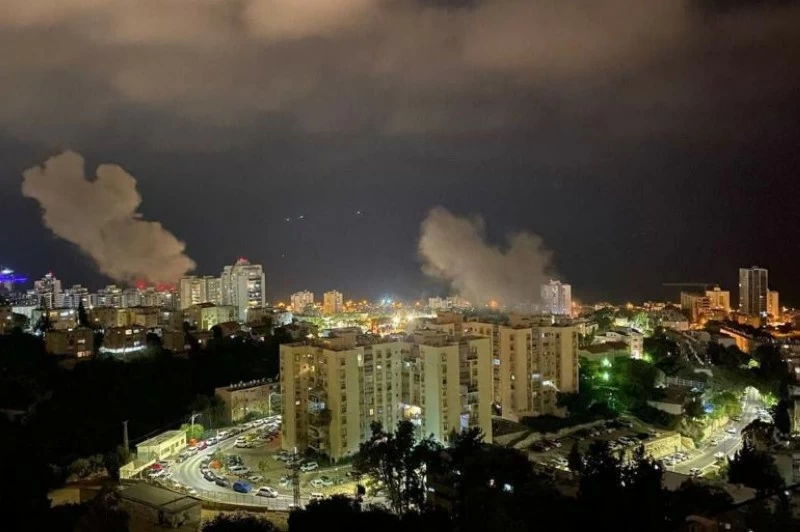
In a significant military development that threatens an unprecedented escalation on the northern front, the Lebanese Hezbollah group claimed responsibility early Monday morning for a complex military operation targeting the Israeli heartland. In an official statement, the group confirmed targeting the Israeli army's Mishmar al-Karmel missile defense site, located south of Haifa, using advanced missiles and a swarm of attack drones.
Details of the operation and its timing
The party explained in its statement that the operation was carried out with high precision at midnight between Sunday and Monday (March 2, 2026). The statement declared that this attack was "revenge" for the killing of Iranian Supreme Leader Ali Khamenei, and "in defense of Lebanon and its people," thus giving a broader regional dimension to this attack, which transcends traditional rules of engagement.
Implications of targeting Haifa and the strategic dimension
Targeting the southern Haifa area, specifically the Mishmar al-Karmel site, represents a qualitative shift in Hezbollah's target bank. Haifa is a vital artery and an industrial and strategic center for the occupation, and targeting its defensive installations indicates Hezbollah's attempt to overwhelm Israeli air defense systems, paving the way for potential missile waves. Historically, the "Haifa and beyond" equation established by the resistance has served as a significant deterrent, and its activation today confirms that the conflict has entered a decisive phase.
The regional context and the killing of Khamenei
The direct link between the operation and the assassination of Iranian Supreme Leader Ali Khamenei presents the region with a range of open-ended scenarios. Hezbollah is thus declaring that its response to the assassination of the axis leaders is not confined to Iranian territory, but extends to all fronts of support. This development underscores the unity and interconnectedness of the various arenas, as this attack is seen as part of a broader response that may encompass other fronts in the region.
"warning response" messages and the ongoing war
The party's statement indicated that the continued assassinations and attacks give the resistance "the right to respond at the appropriate time and place." The statement also noted that Israel "cannot continue its fifteen-month-long aggression without facing a response." This timeframe (15 months) reflects a protracted war of attrition, in which each side attempts to impose new rules of engagement through force. Analysts confirm that the missiles reaching southern Haifa signify the failure of attempts to neutralize Hezbollah's missile capabilities, despite the ongoing airstrikes on the southern suburbs of Beirut and southern Lebanon, thus presenting settlers in the north and center of the country with a complex security situation.
Politics
Trump: Our operations in Iran continue despite the killing of 3 soldiers
In his first comment, President Trump confirmed the deaths of three American soldiers in Iran, warning of further losses and stressing the continuation of the fight until the objectives are achieved, via Truth Social.
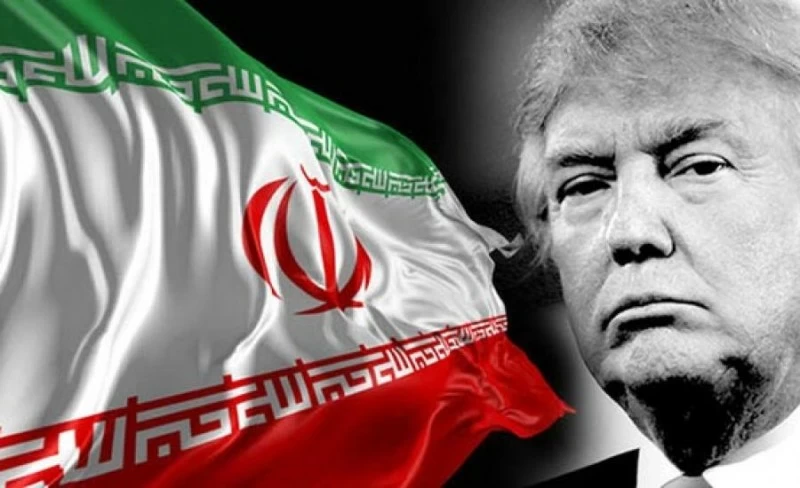
In a notable escalation of the military situation, US President Donald Trump confirmed on Sunday that further casualties among US forces during the ongoing combat mission inside Iranian territory are "likely," while stressing that military operations will not stop and will continue "until the United States achieves its objectives in full.".
Fiery statements via Truth Social
President Trump's remarks came in a video posted on his social media platform, Truth Social, where he adopted a firm and frank tone regarding the cost of the war. Trump stated, "The fighting continues at full force and will continue until all of our objectives are achieved. We have very strong objectives," refraining from elaborating on those strategic goals or revealing a timeline for the end of the operations. This leaves the door open to widespread speculation about the scope and scale of the conflict.
National mourning and the cost of confrontation
The US president had previously announced the deaths of three American service members, describing the event as tragic and affirming that the nation was in mourning. In his eulogy for the soldiers, he added, "As one nation, we mourn the patriots who made the ultimate sacrifice for their country." These statements serve to confront the American public with the stark reality of the human cost of this direct military involvement.
Context of historical conflict and tension
These developments are exceptionally dangerous given the history of strained relations between Washington and Tehran. While relations between the two countries have been tense for decades, the shift from proxy wars or naval skirmishes to a direct US "combat mission" and resulting casualties represents a radical change in the rules of engagement. Observers believe that Trump's talk of "strong targets" may indicate an effort to neutralize significant military capabilities or fundamentally alter the balance of power in the region, which explains his warning that there is still a long way to go.
Expected regional and international repercussions
This escalation is expected to cast a long shadow over the stability of the entire Middle East region. Continued military operations and the prospect of further casualties could trigger a chain reaction affecting international maritime security and global energy supplies. Furthermore, the US administration's insistence on pressing ahead until "all objectives are achieved" leaves the international community with a range of scenarios, from full-scale military escalation to intense diplomatic pressure aimed at containing the situation before it spirals completely out of control.
-

 Local News 4 days ago
Saudi Arabia approves regulations for the continued presence of Gulf vehicles: duration and penalties
-
Local news one week ago
The Ministry of Interior begins procedures for a royal pardon for common law prisoners
-
Local news two days ago
Jeddah Airport alerts for travelers due to airspace closure and flight disruptions
-
Politics, one week ago
Trump plans to create a $2 billion alternative to the World Health Organization
-
Local News 6 days ago
The deadline for property registration in Hail and Riyadh is Thursday
-
Sports one week ago
Tickets for the Al-Ahli vs. Al-Hilal King's Cup match postponed: New date
-
Local News 6 days ago
Under the patronage of the Minister of Information, an agreement was signed between the Ministry of Information and Waves Marketing Company
-
Culture and Art 5 days ago
The Devil's Prisons series was halted: The full story of "The Emperor's" being moved to YouTube