
Politics
European foreign ministers will discuss developments in the Middle East on Tuesday
EU foreign ministers will hold a video conference on Tuesday to discuss the situation in the Middle East following the Israeli attack

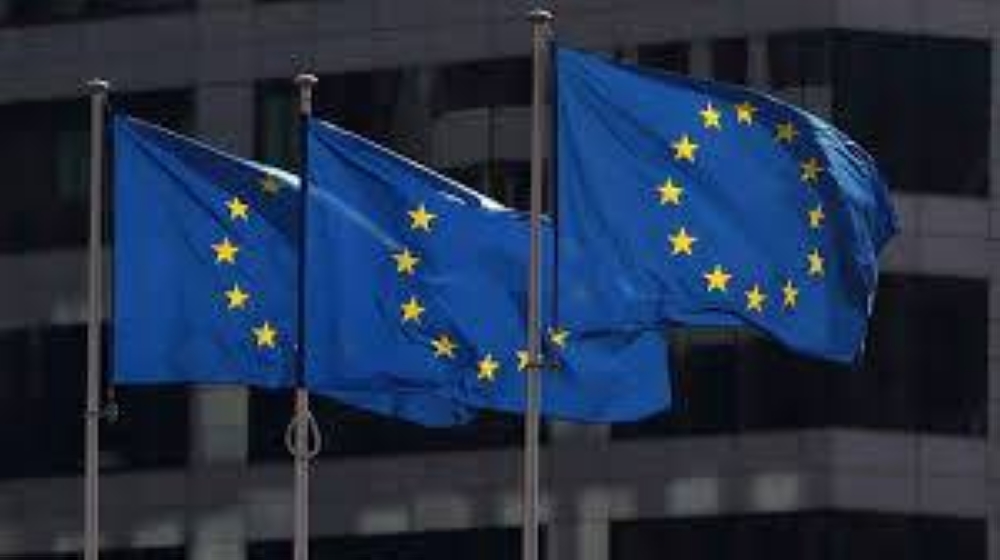
European Union foreign ministers will hold a video conference on Tuesday to discuss the situation in the Middle East, following the Israeli attack on Iran and the counterstrikes launched by Tehran.
A European Union spokesman explained today (Sunday) that the EU's foreign policy chief, Kaja Kallas, called for a video conference of EU foreign ministers on Tuesday to discuss the situation in the Middle East, stressing: "In light of the seriousness of the situation in the Middle East, the High Representative of the European Union, Kaja Kallas, called for a meeting of EU foreign ministers via video link on Tuesday.".
He added: The meeting will provide an opportunity to exchange views, coordinate on diplomatic communication with Tel Aviv and Tehran, and discuss possible next steps.
European Commission President Ursula von der Leyen said today that she had spoken with Israeli Prime Minister Benjamin Netanyahu about developments in the Middle East, stressing in a post on her “X” account the European Union’s commitment to peace, stability and diplomatic efforts to reduce escalation.
Ursula added: Europe has always been clear... Iran cannot have a nuclear weapon. There is an urgent need to reach a negotiated solution.
The European meeting comes as Israeli media reports Netanyahu has asked the Europeans to provide assistance in defending against and intercepting Iranian missiles. According to the Israeli Broadcasting Corporation, Israel's goal is to re-establish the international coalition that worked in the previous Iranian attacks that occurred in April 2024 and October of the same year.
The agency noted that Britain had agreed to participate in defense activities and was expected to act soon, but a British source told the agency: "We do not comment on operational matters," while a French source told the agency that Paris was ready to act.
Iranian Foreign Minister Abbas Araqchi condemned the position of Western governments, saying: "Western governments condemned Iran instead of Israel, even though it was the party that was attacked.".
Meanwhile, Mohsen Rezaei, a member of Iran’s Expediency Discernment Council, said that the war will continue until “Israel’s complete defeat” is achieved.
Related News






Politics
Trump hosts Chinese President in Washington to discuss trade issues
US President Donald Trump announced that Chinese President Xi Jinping is expected to visit Washington later this year to discuss trade issues and strengthen relations between the two countries.
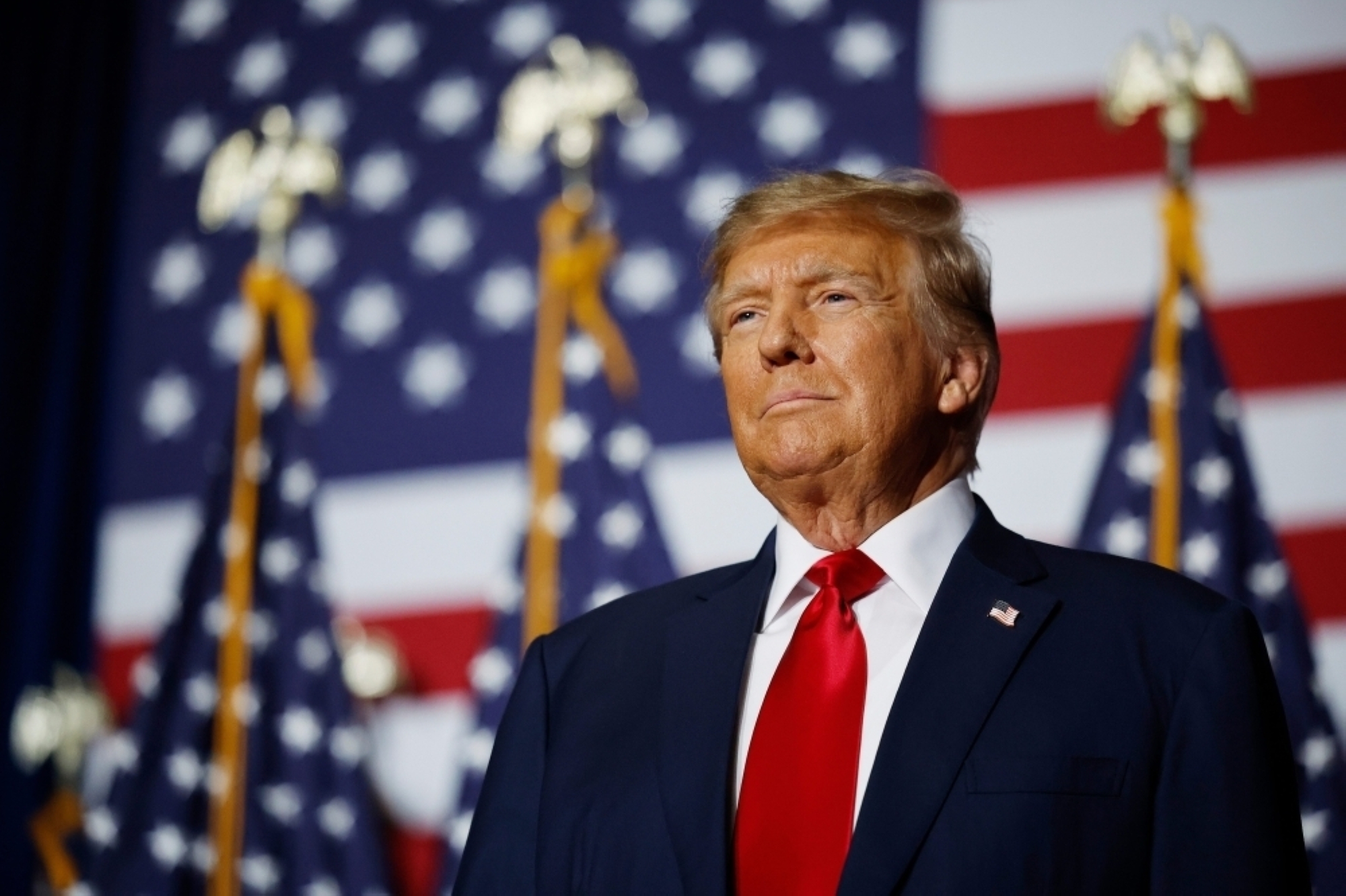
In a significant development in international relations between the world's two largest economies, US President Donald Trump confirmed that he will host his Chinese counterpart, Xi Jinping, at the White House near the end of this year. This anticipated visit is a pivotal step towards discussing numerous contentious issues, with trade matters expected to top the agenda between the two leaders.
Details of the presidential declaration
President Trump told the media, clarifying the nature of the upcoming meeting, "Xi will be coming to the White House toward the end of the year. These two countries (the United States and China) are the most powerful in the world, and we have a very good relationship." This statement reflects the US administration's desire to maintain open and direct channels of communication with Beijing, despite the occasional political and economic tensions.
Context of economic and trade relations
This visit is of paramount importance given the historical context of trade relations between Washington and Beijing. Trade has always been the primary driver, and simultaneously, the central point of contention, between the two countries. Through this highly anticipated summit, both sides seek to overcome the obstacles posed by protectionist policies and reciprocal tariffs in the past. The meeting of the leaders of the world's two largest economies aims not only to resolve bilateral issues but also to send reassuring signals to global markets, which are directly affected by any tension in Sino-American relations.
The importance of strategic dialogue and its global impact
The importance of the Chinese president's visit to Washington extends beyond the economic sphere to include geopolitical dimensions. Coordination between the United States and China is crucial for the stability of the international order. Observers believe this meeting could pave the way for broader understandings on regional security, technology, and climate issues. Trump's description of the two countries as "the most powerful in the world" places a significant responsibility on the two leaders to find common ground that ensures global stability.
Towards building trust and mutual respect
On the other hand, and underscoring the positive atmosphere preceding the meeting, Chinese President Xi Jinping remarked to his American counterpart, Donald Trump, in a recent phone call that "outstanding issues can be resolved in an atmosphere of mutual respect." Xi emphasized the importance of a step-by-step approach, stating, "By addressing issues one by one and continuing to build mutual trust, we can find the right path for harmony between our two countries." These remarks indicate Beijing's willingness to adopt quiet diplomacy and constructive dialogue as an alternative to confrontation, thus raising expectations for the outcome of this anticipated summit in Washington.
Politics
The Foreign Minister discusses the latest developments in Syria with the US envoy
Foreign Minister Prince Faisal bin Farhan receives the US envoy to Syria and his Guatemalan counterpart in Riyadh to discuss regional developments and bilateral relations.
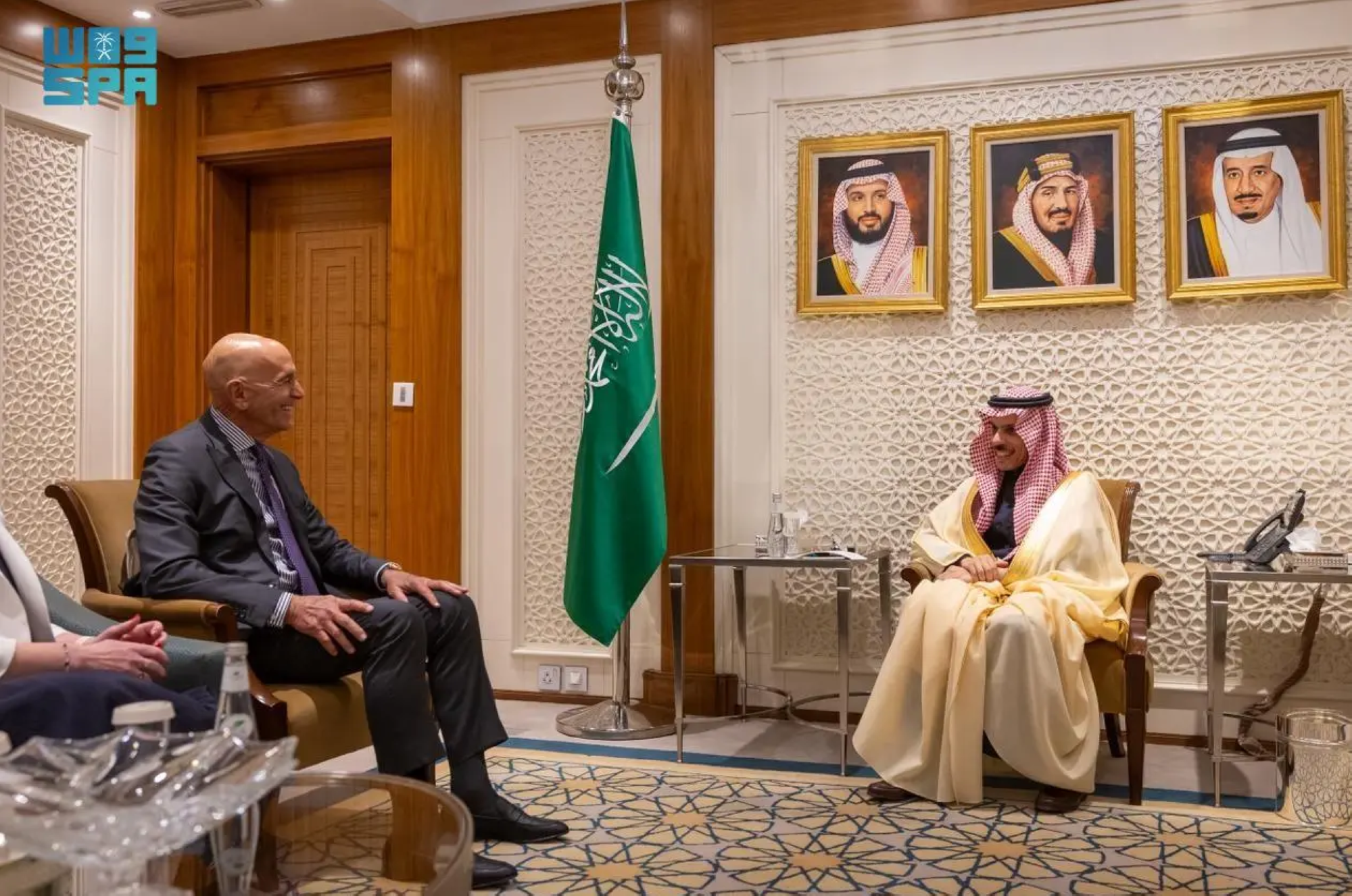
Amidst the active diplomatic efforts underway in the Saudi capital, Riyadh, His Royal Highness Prince Faisal bin Farhan bin Abdullah, Minister of Foreign Affairs, received today (Sunday) the United States Special Envoy to Syria, Tom Barrack. This meeting is part of a series of ongoing consultations between the Kingdom and the United States aimed at strengthening regional stability.
During the meeting, the latest developments in Syria were discussed, along with international and UN efforts related to the situation. Both sides addressed ways to advance the political process in a manner that guarantees Syria's security, stability, and territorial integrity, and contributes to its safe return to its Arab and international environment, thus fulfilling the aspirations of the brotherly Syrian people.
The importance of Saudi-American coordination on the Syrian issue
This meeting is of particular importance given the pivotal role Saudi Arabia plays in the region and its consistent commitment to finding sustainable political solutions to the crises in the Middle East. Observers note that Saudi-American coordination on the Syrian issue is a cornerstone for supporting humanitarian efforts and combating terrorism, as well as for advancing the political process in accordance with relevant international resolutions.
In a related development, and with regard to strengthening relations with Latin American countries, Foreign Minister Prince Faisal bin Farhan received his counterpart, the Foreign Minister of the Republic of Guatemala, Carlos Ramiro Martinez. The meeting addressed bilateral relations between the two friendly countries and ways to support and develop them in various fields.
Strengthening international partnerships
The Saudi and Guatemalan sides discussed opportunities for joint cooperation and reviewed regional and international developments of mutual interest. These talks come at a time when the Kingdom, under its Vision 2030, seeks to diversify its international partnerships and open new avenues for economic and political cooperation with various countries around the world, including those in Central and Latin America.
These successive meetings in Riyadh reflect the Kingdom’s status as a center of political and diplomatic gravity, and its ability to manage complex issues and build bridges of communication with various international powers to serve its national interests and promote international peace and security.
Politics
Kuwait adds 8 Lebanese hospitals to its terrorism lists
Kuwait has decided to add eight Lebanese hospitals to its terrorism lists and freeze their assets under Chapter VII of the UN Charter. See the full list and details of the decision issued by the Kuwaiti Ministry of Foreign Affairs.
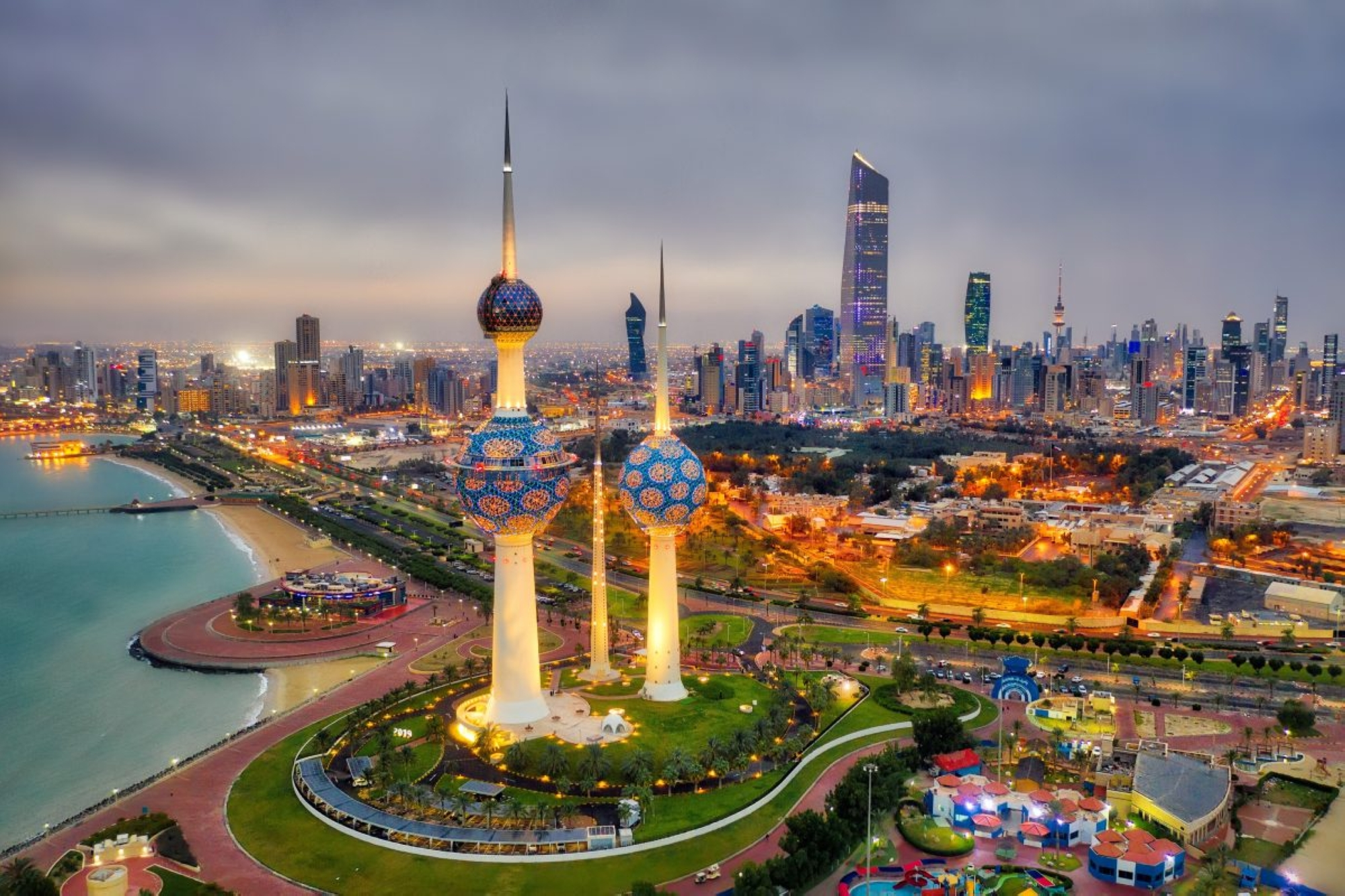
In a significant security and diplomatic move, the State of Kuwait officially announced the inclusion of eight Lebanese hospitals on its national list of entities designated as terrorist organizations. This decision, issued today (Sunday) by the Committee for the Implementation of Security Council Resolutions of the Kuwaiti Ministry of Foreign Affairs, is based on Chapter VII of the United Nations Charter concerning combating terrorism and preventing the proliferation of weapons of mass destruction.
List of hospitals covered by the decision
Kuwaiti state media clarified that the decision encompassed medical institutions located in various geographical areas of Lebanon, specifically in the south, the Bekaa Valley, and the southern suburbs of Beirut. The list included the following names:
- Sheikh Ragheb Harb University Hospital: Located in the city of Nabatieh.
- Salah Ghandour Hospital: Located in the city of Bint Jbeil.
- Al Amal Hospital: Located in Baalbek.
- St. George Hospital: Located in the event area.
- Dar Al Hikma Hospital: Located in Baalbek.
- Al-Batoul Hospital: Located in Hermel in the Bekaa region.
- Al-Shifa Hospital: It is located in the Khaldah area.
- Al-Rasoul Al-A'zam Hospital: Located on Airport Road in the capital, Beirut.
Legal action: Immediate freezing of assets
Under Articles 21, 22, and 23 of the Committee's Implementing Regulations, this listing entails strict and immediate financial measures. Article 21 stipulates that every person must freeze the funds and economic resources owned or controlled by these entities, whether directly or indirectly, "without delay and without prior notice.".
Article 23 also prohibits any person within Kuwait, or any Kuwaiti citizen abroad, from providing any financial services or economic resources to these hospitals, whether directly or through intermediaries. The prohibition encompasses all financial transactions except for the addition of accrued interest on frozen accounts, effectively isolating these institutions financially from the Kuwaiti banking and financial system.
Context of the decision and its international dimensions
This decision comes within the framework of the State of Kuwait's strict commitment to international standards for combating money laundering and the financing of terrorism. The committee implementing Security Council resolutions operates under the auspices of the Kuwaiti Ministry of Foreign Affairs to ensure the application of international and national sanctions against entities suspected of involvement in or support for terrorist acts.
The reliance on Chapter VII reflects the seriousness of the situation, as this chapter obligates UN member states to implement resolutions related to maintaining international peace and security. Observers note that targeting this specific group of hospitals is linked to efforts to cut off funding sources for entities designated as terrorist organizations, since oversight of service and financial institutions is a key component of global counter-terrorism financing strategies.
This decision is expected to have direct effects on the financial dealings of these hospitals with donors or financial institutions that have ties to the Kuwaiti and Gulf banking system, increasing international financial scrutiny of the health sector in the regions where these institutions are located.
-

 Local News 5 days ago
Launch of the city's shuttle bus service in Ramadan 1447 AH: Routes and stations
-
Local News 7 days ago
Rabigh inaugurates the world's largest water innovation oasis and enters the Guinness World Records
-
Culture and Art 6 days ago
The series "Rouh OFF" was permanently canceled by a decision of the Actors' Syndicate
-
Culture and Art, 1 week ago
The death of Huda Shaarawi: Damascus bids farewell to Umm Zaki of Bab Al-Hara with a solemn funeral
-
Culture and Art 4 days ago
Yasser Galal and Radwa El Sherbiny: Details of a new artistic project that brings them together
-
Local News 7 days ago
Schedule of Taraweeh and Tahajjud prayers at the Two Holy Mosques for Ramadan 1447 AH
-
Local News 5 days ago
The Ministry of Education revokes the licenses of 74 private schools due to safety and quality violations
-
Local News 6 days ago
Saudi Arabia weather: Rain in Riyadh, the Eastern Province, and Qassim, and dense fog


