
Politics
Will the "guarantees" hinder the new agreement between America and Iran?
Iran and the United States announced "progress" in talks toward a framework for a new nuclear agreement, describing the results as "constructive"


Iran and the United States announced “progress” in talks toward a framework for a new nuclear agreement, describing the results as “constructive and positive,” while a third round is scheduled to be held next Saturday in the Sultanate of Oman.
Foreign Minister Abbas Araqchi stated that the diplomatic path remains open, although Tehran is prepared for all options. In an interview with Russia Today, he said that the new US administration has imposed a policy of maximum pressure, while military threats have taken on a new form. He added that US forces have even redeployed around Iran, but that Iran has not backed down from any of its just positions. He ruled out the possibility of the military threats being carried out.
Iranian Foreign Ministry spokesman Ismail Baghaei announced today (Monday) that Deputy Foreign Minister Abbas Araqchi will visit Beijing tomorrow, Tuesday, for consultations. He revealed that Iran has consulted with Britain, France, and Germany regarding the talks with the United States. He reiterated that Tehran's primary demand is the lifting of sanctions, accusing Israel of attempting to undermine the negotiations with the US.
Russia is expected to play a pivotal and key role in reaching an agreement on the future of the Iranian nuclear program, as Moscow is promoting not only a possible destination for Iran’s stockpile of highly enriched uranium, but also a possible arbiter in cases of agreement violations, according to a report published by The Guardian (Sunday).
The British newspaper considered the two most difficult issues in the negotiations to be the storage or destruction of Iran's stockpile of highly enriched uranium, and the external guarantees that could be offered to Tehran should the United States violate an agreement to lift economic sanctions in exchange for Iran returning its civilian nuclear program to external supervision by UN inspectors from the International Atomic Energy Agency. Iran, for its part, wants a guarantee of consequences for the United States should it withdraw from or violate any other agreement.
Iran wants to keep its uranium stockpiles inside the country, but the United States refuses and wants to either destroy them or transfer them to a third country, such as Russia.
To make progress on the agreement, there are three options available so far. The first is with regard to guarantees; Iran believes that the only guaranteed agreement is a treaty signed by the US Congress, but Iranian Foreign Minister Abbas Araqchi was told that it is difficult to predict whether Trump will be able to obtain such an agreement through Congress, given the strength of the pro-Israel opinion there.
Another option is for the United States to agree to cover Tehran's losses if Washington withdraws from any agreement. The Iranians have previously raised the idea of imposing financial penalties, but the enforcement mechanism in the absence of a treaty remains problematic.
The third option, should the United States violate the agreement, would allow Russia to return the stockpile of highly enriched uranium delivered to Tehran, thus ensuring that Iran would not be penalized for non-compliance. This arrangement would likely grant Russia a pivotal role in the future of US-Iranian relations.
Related News








Politics
Saudi Foreign Minister in Poland to strengthen strategic partnership
Prince Faisal bin Farhan is in Warsaw to discuss strengthening Saudi-Polish relations in the fields of energy, economy and regional security, in a visit of strategic importance.
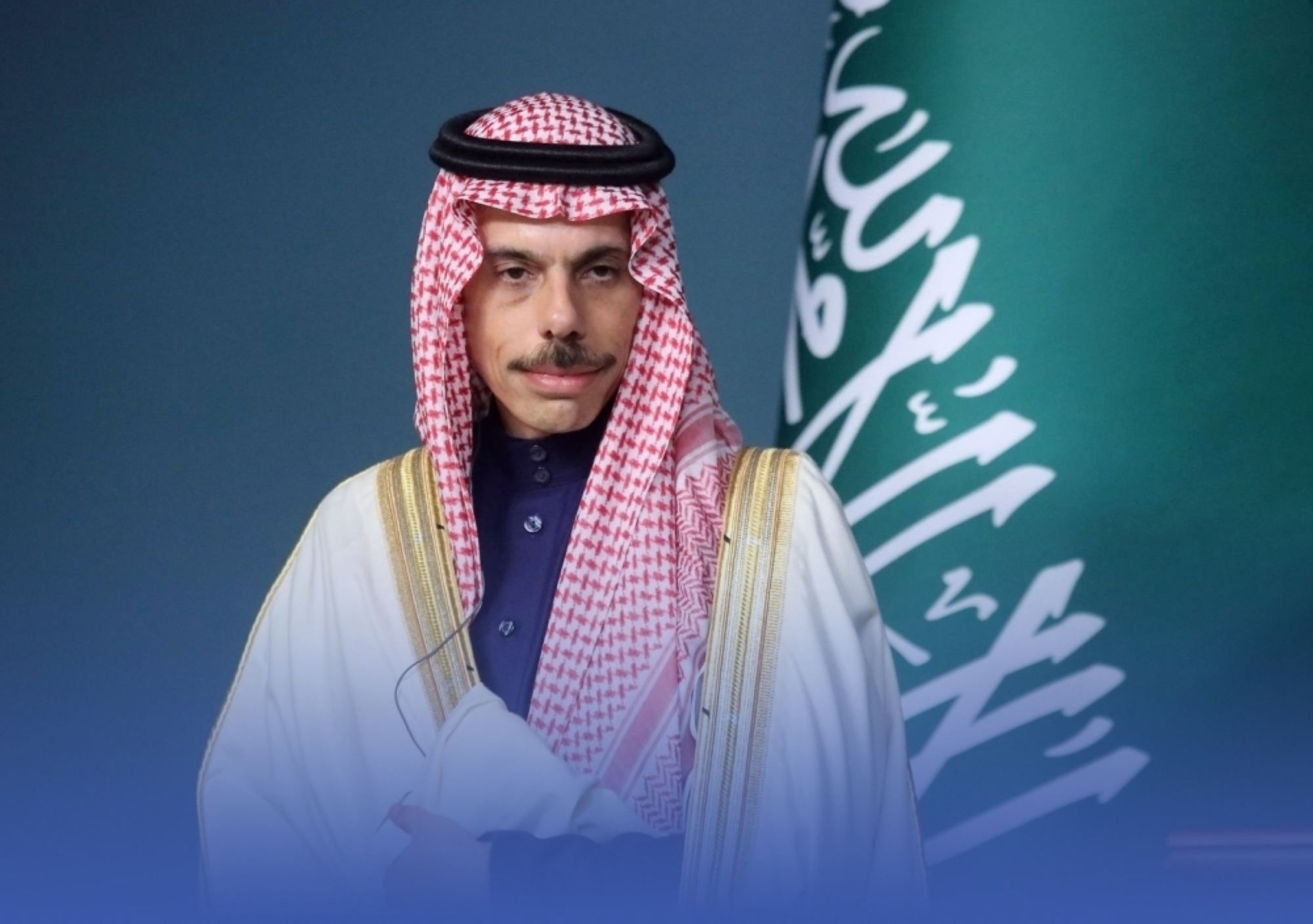
His Royal Highness Prince Faisal bin Farhan bin Abdullah, Minister of Foreign Affairs, arrived in the Polish capital, Warsaw, on an official visit aimed at deepening bilateral relations and exploring new avenues for joint cooperation. His Highness is scheduled to hold an important meeting with his Polish counterpart, Deputy Prime Minister and Minister of Foreign Affairs Radosław Sikorski, to discuss ways to strengthen the partnership between the Kingdom of Saudi Arabia and the Republic of Poland in various fields.
Historical background and growing relationships
This visit builds upon the solid foundation of diplomatic relations established between the two countries in 1995. Over the past three decades, Saudi-Polish relations have witnessed remarkable development, driven by a shared desire to expand economic and political cooperation. Poland, with its active membership in the European Union and NATO, is a key strategic partner for the Kingdom in Central and Eastern Europe, while the Kingdom, with its economic and political weight in the Middle East and the Islamic world, is a pivotal partner for Poland.
The importance of the visit in its current context
This visit is of particular importance given the current geopolitical challenges on both the regional and international stages. Discussions are expected to cover regional security issues, including the situation in the Middle East and the war in Ukraine, where Poland plays a pivotal role as a neighboring country. Energy security is also a key topic, as Europe seeks to diversify its energy sources and the Kingdom continues its role as a stabilizing force in global energy markets.
Promising economic prospects and Vision 2030
On the economic front, the visit opens the door to enhanced trade and mutual investment. The goals of Saudi Arabia’s Vision 2030, which seeks to diversify the economy and attract foreign investment, align with Poland’s advanced industrial and technological capabilities in sectors such as agriculture, manufacturing, and clean technology. Polish companies can find promising opportunities in major Saudi projects, while Saudi investments can contribute to the growth of the Polish economy. Discussions are expected to focus on exploring new opportunities in renewable energy, digital transformation, tourism, and culture, serving the shared interests of the two friendly nations and enhancing the well-being of their people.
Politics
Gulf Security Exercise 4 kicks off in Qatar with Saudi participation
The “Arabian Gulf Security 4” exercise was launched in Qatar with the participation of security forces from Saudi Arabia, the GCC countries and the United States, with the aim of strengthening security cooperation and confronting common challenges.
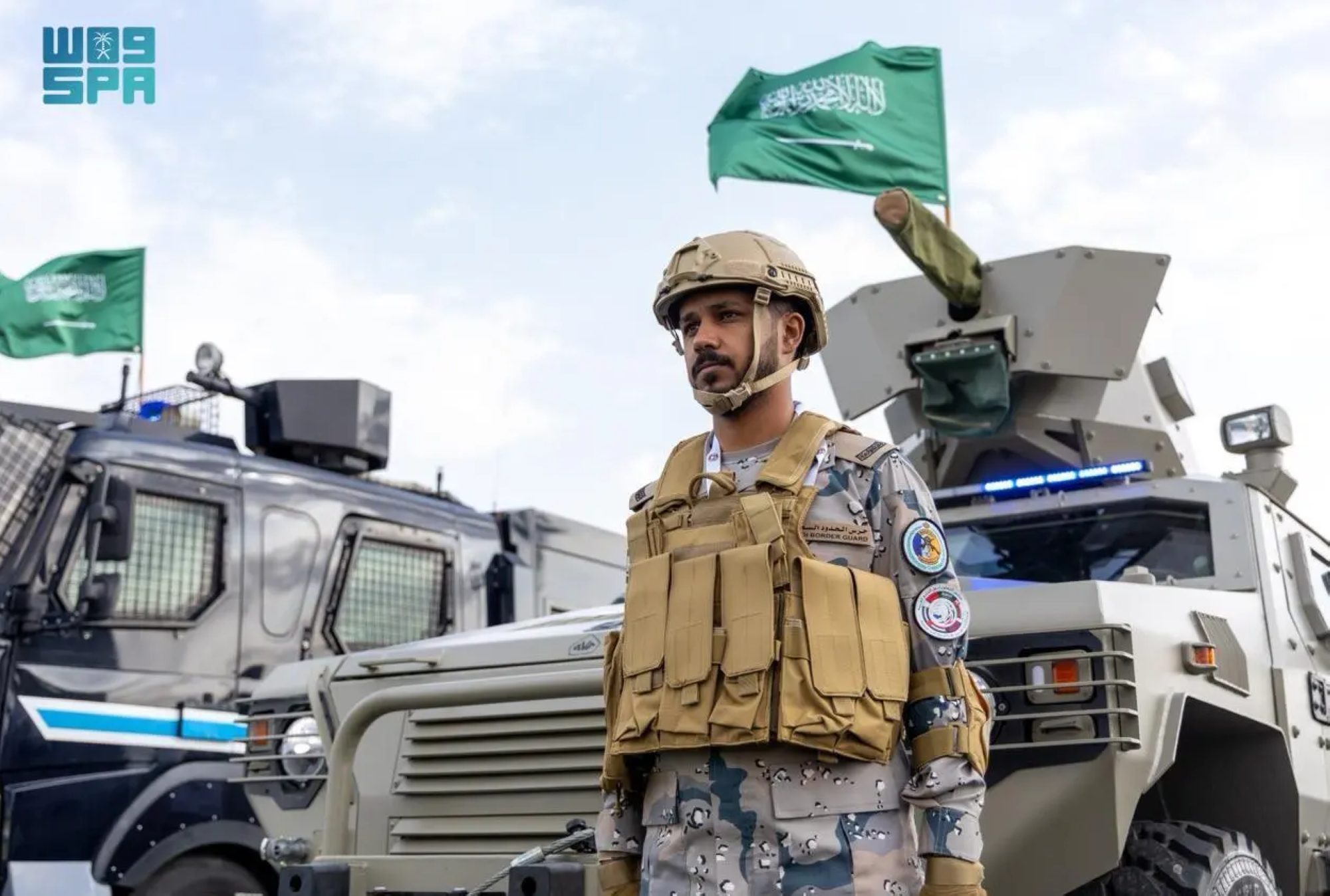
The joint tactical exercise for security agencies of the Gulf Cooperation Council (GCC) countries, entitled “Arabian Gulf Security 4,” kicked off in Qatar on Sunday, with the participation of a specialized security force from the Kingdom of Saudi Arabia, along with forces from member states and security units from the United States of America.
Historical background and exercise context
This exercise is the latest in a series of joint security exercises aimed at strengthening unified Gulf security efforts. The first iteration of the “Arabian Gulf Security 1” exercise was launched in the Kingdom of Bahrain in 2016, followed by the second in the United Arab Emirates in 2019, while the Kingdom of Saudi Arabia hosted the third, “Arabian Gulf Security 3,” in the Eastern Province in 2022. The fourth iteration, hosted by Qatar, builds upon the successes of previous exercises, underscoring the continued coordination and cooperation in addressing evolving security challenges.
Strategic goals and high-level coordination
The exercise primarily aims to enhance security cooperation and develop coordination mechanisms and the exchange of expertise among the internal security sectors of the Gulf Cooperation Council (GCC) countries. The Kingdom of Saudi Arabia is participating with a specialized security force from the Ministry of Interior and the Presidency of State Security, reflecting the great importance it places on consolidating security and stability in the region. The exercise focuses on improving the efficiency of security agencies in dealing with crises and emergencies, combating terrorism and organized crime, securing borders and vital ports of entry, and enhancing rapid response capabilities to various incidents.
Regional and international importance
The “Arabian Gulf Security 4” exercise holds immense strategic importance, not only regionally but also internationally. Regionally, the exercise sends a clear message of unity and solidarity among the GCC states in the face of any threats to their security and stability. It also contributes to standardizing operational concepts and procedures among the participating forces. Internationally, the participation of specialized security units from the friendly United States reflects the depth of the strategic partnership between the GCC states and Washington in combating terrorism and maintaining the security of waterways and global trade, particularly in light of the tensions in the region.
Opening ceremony
The launch ceremony of the exercise was attended by high-ranking officials, including the Undersecretary of the Qatari Ministry of Interior, Mr. Abdullah bin Khalaf bin Hattab Al-Kaabi, and the Assistant Secretary-General for Security Affairs at the GCC Secretariat, Brigadier General Hamad Ajlan Al-Amimi. Also present from the Saudi side were the Chairman of the Supreme Committee for the Saudi participating force, Major General Awad bin Mashouh Al-Anzi, along with the heads of the exercise's supreme committees from the GCC countries and a number of security leaders, officers, and representatives of the participating security agencies, underscoring the Gulf consensus on the importance of this prominent security event.
Politics
A new Saudi fuel grant to support the electricity sector in Yemen
The Saudi Program for the Reconstruction of Yemen has begun delivering an $81.2 million grant of petroleum derivatives to operate more than 70 power stations, thereby enhancing economic and service stability.
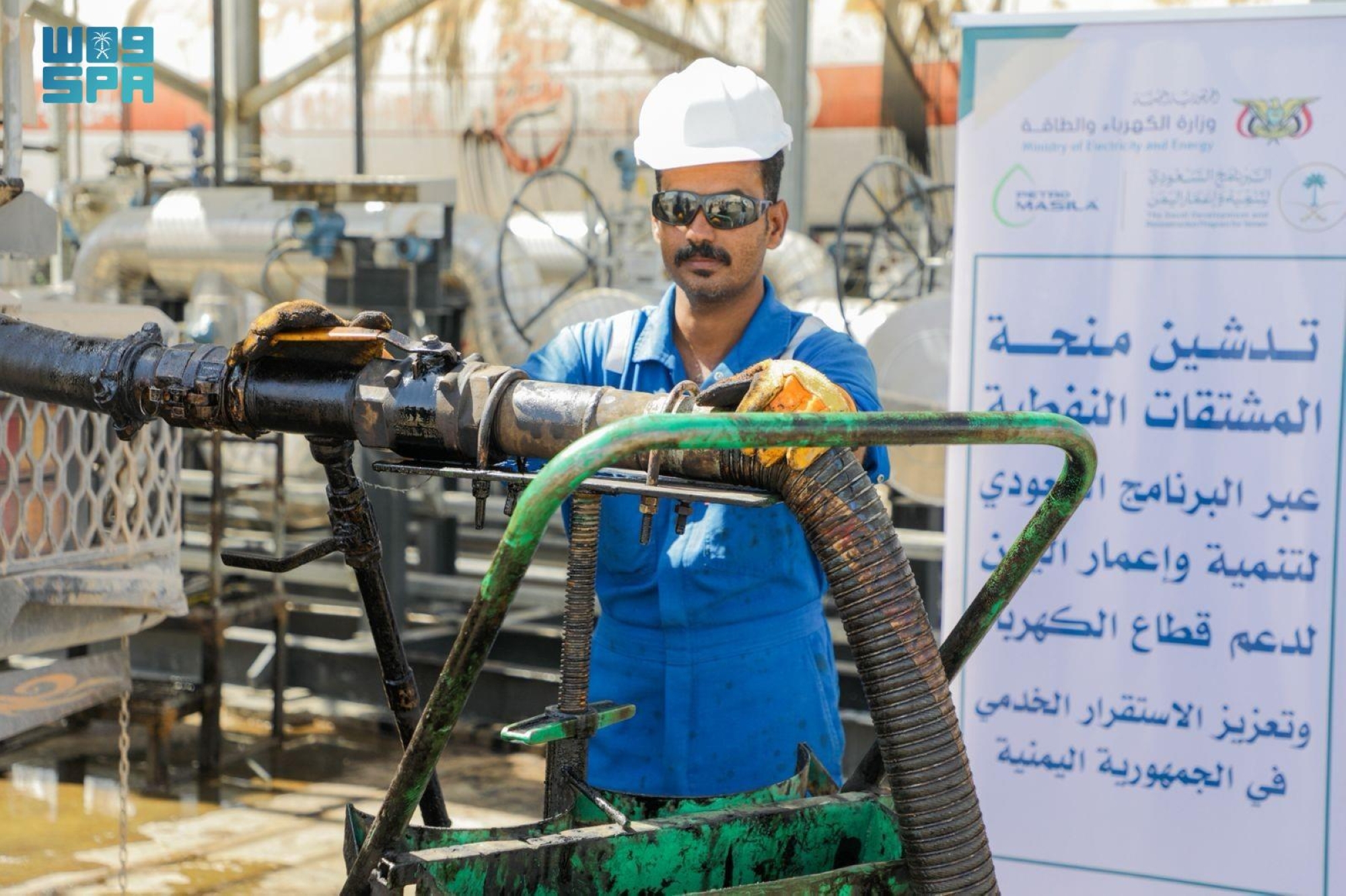
In a further step underscoring the depth of Saudi Arabia's ongoing support for the Yemeni people, the Saudi Development and Reconstruction Program for Yemen has begun implementing the directives of the wise leadership by delivering a new grant of petroleum derivatives to operate power generation plants in various Yemeni governorates. The first shipments departed from the headquarters of the Yemeni Petroleum Company, PetroMasila, marking the beginning of a vital phase aimed at revitalizing the energy sector and alleviating the humanitarian crisis.
The context of ongoing support and its historical significance
This grant is not an isolated event, but rather part of a long series of aid packages provided by the Kingdom of Saudi Arabia to Yemen over the years, particularly given the difficult circumstances the country is facing. Since the outbreak of the crisis, Yemen's electricity sector has suffered a severe decline, directly impacting all aspects of life, from the cessation of healthcare services in hospitals to the disruption of the educational process and essential public services. This grant follows several strategic oil grants, most notably the $180 million grant in 2018, the $422 million grant in 2021, and the $200 million grant in 2022, reflecting a consistent Saudi approach to supporting Yemen's stability and development.
Details of the grant and its economic and social dimensions
The current grant amounts to 339 million liters of diesel and fuel oil, valued at US$81.2 million, and is allocated to supply more than 70 power plants across Yemen. To ensure the aid reaches its intended beneficiaries, a comprehensive governance mechanism has been established, overseen by a joint committee comprising several Yemeni entities. This committee monitors distribution based on the actual needs of each plant.
The positive impact of this grant extends far beyond simply providing electricity to cities; it represents direct support for the Yemeni economy. Financially, the grant helps alleviate pressure on the Central Bank of Yemen's foreign currency reserves, which were being depleted by expensive fuel imports. It also reduces the financial burden on the Yemeni Ministry of Finance's budget and enables the Ministry of Electricity and Energy to ensure the continued operation of power plants and improve their operational efficiency and productivity.
Expected impact at the local and regional levels
At the local level, the grant is expected to bring about a tangible improvement in the daily lives of Yemeni citizens. A stable electricity supply will mean the resumption of vital services for hospitals and medical centers, the return of regular school attendance, the operation of water pumps, and street lighting, thus enhancing security and social stability. It will also revitalize commercial and economic activity by enabling production and service facilities to operate at full capacity. At the regional level, this initiative highlights the Kingdom's pivotal role as a key supporter of stability in the region and underscores its commitment to finding sustainable solutions that contribute to Yemen's economic and social recovery, paving the way for comprehensive development.
-
 Local news one day ago
Landslide in Riyadh: Details of the incident in Al-Sahafa neighborhood and containment efforts
-
 Local news two days ago
The death penalty was carried out against a citizen who stabbed another to death in Tabuk
-
 Local news 22 hours ago
Riyadh collapse: Emergency plans to secure water after a main pipeline burst
-
Sports 19 hours ago
Controversy surrounds Al-Hilal's goal against Al-Riyadh: A refereeing expert reveals a major error
-

 Culture and Art 6 days ago
Ramez Galal in Ramadan 2026: Details of the bloody prank show
-
 Local News 3 days ago
First birth on the Riyadh train: A heartwarming story at Andalus station
-
Sports 22 hours ago
Al-Nassr's absences against Al-Taawon in the Roshan League and their impact on the team
-

 Culture and Art 16 hours ago
Haifa Wehbe's absence in Riyadh: A photo crisis or a strained relationship with the media?