Politics
Real estate brokerage system: 2.5% commission, 5% deposit, and a fine of 200,000 riyals for violators
The real estate brokerage system revealed that real estate brokerage and the provision of real estate services are not permitted without obtaining a license

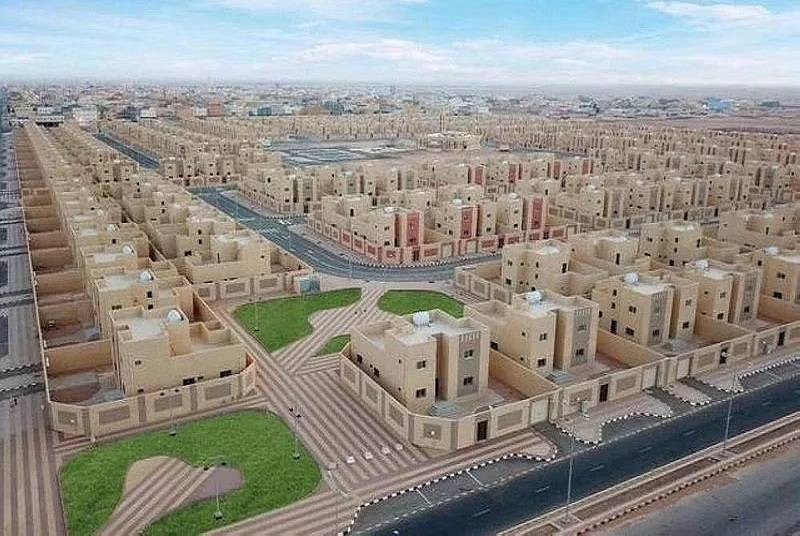
The Real Estate Brokerage System revealed that real estate brokerage and real estate services may not be practiced except after obtaining a license from the General Authority for Real Estate. The system’s executive regulations specify its provisions, conditions, procedures, duration, and renewal.
The system stipulates that the real estate broker may provide complementary real estate services, in accordance with paragraph (6) of Article “6” of the system, after obtaining a license from the competent authority, and in accordance with what is specified by the regulation.
According to the details of the system - as published in the official gazette Umm Al-Qura today (Friday) - the General Authority for Real Estate shall undertake the following: preparing the mandatory and guiding contract models contained in the system, preparing programs and mechanisms to encourage the practice of real estate brokerage and real estate services covered by the provisions of the system, determining the requirements and specifications for real estate marketing methods, preparing the necessary standards and controls for the practice of real estate brokerage, preparing procedures for controlling violations, and receiving reports and complaints.
According to Article Six of the Regulations, the Board of Directors of the Authority shall undertake the following tasks: adopting the regulatory bylaws for activities and services covered by the Authority’s jurisdiction, in accordance with the provisions of the Regulations; adopting the standards and controls necessary for practicing real estate brokerage; determining the financial compensation for licenses issued by the Authority based on the Regulations and their renewal; adopting procedures for controlling violations and receiving reports and complaints; determining the real estate services that a real estate broker can provide, and the controls and conditions thereof; determining the complementary real estate services that a real estate broker can provide, in agreement with the entities licensed to them.
According to the system in its seventh article, the mediation contract must be in writing, and the mediator must deposit a copy of the contract with the Authority, and it shall not be valid except by that. The regulations shall specify the deposit procedures. The article also stipulated that the mediation contract must be for a fixed term, and if it is not agreed upon in the contract, it shall be 90 days from the date of its conclusion.
Article 8 stipulates that a real estate broker may contract with another real estate broker or more to broker the property subject to the brokerage contract in accordance with its provisions, unless the contract stipulates otherwise. Article 9 reveals that when concluding a brokerage contract with the property owner or the owner of the benefit, the real estate broker must obtain a copy of the proof of ownership of the property or the benefit, and the information and documents specified by the regulation.
According to Article 10 of the Regulations, the real estate broker is obligated to: practice real estate brokerage activity himself if he is a natural person, or through the responsible manager or one of his licensed subordinates if he is a legal person; not to do any act or refrain from any act that would harm the interests of his clients or conflict with the provisions of the Regulations; notify the Authority of any amendment or change related to the practice of real estate brokerage activity; not to disclose any secrets of the transactions subject to brokerage; to take the necessary care to verify the accuracy of the information he obtains based on Article (9) of the Regulations; to disclose - when offering the property - the information he obtained based on Article (9) of the Regulations, and not to provide any misleading information about the property; to state his name and license number in any advertisement or publication related to the property; to practice his activity with transparency and credibility, and to provide services with quality and adequacy.
Article 11 emphasizes that the real estate broker must register all brokerage contracts he concludes and all real estate transactions he completes on its electronic platform, in accordance with what the regulations specify. Article 12 stipulates that the real estate broker shall receive the guarantee - if any - and hand it over to the Authority or its authorized representative, and it shall be kept with it until the property is returned without damage. The guarantee - or what remains of it after deducting the value of the damages - shall be returned to the tenant. The regulations specify what is related to this. Any dispute that arises between the landlord and the tenant regarding the guarantee and the assessment of the damages it covers shall be resolved initially through specialized experts - designated by the Authority - with the agreement of both parties. The two parties shall bear their fees equally. If the two parties do not agree to accept the experts' solution, they have the right to resort to the competent court.
Article 13 of the system stipulates that the amount of the deposit for a real estate transaction that is carried out through a real estate broker shall be determined by agreement between its parties, not exceeding 5% of its value. If this percentage is exceeded, the amount shall be considered an advance payment for the transaction. The amount paid by the buyer or tenant shall not be considered a deposit unless it is stipulated in writing, otherwise it is an advance payment that the seller or lessor is not entitled to if the contract is terminated.
The same article emphasizes that the seller or lessor must complete the transaction upon receiving the deposit. If the completion of the transaction is hindered due to a reason on the part of the buyer or lessee, without any defect in the property, the deposit is not returned. However, if the reason for the hindrance is not due to either of them, the deposit must be returned to the one who paid it. The real estate broker is not allowed to keep the deposit as a guarantee for his right.
Article 14 sets the real estate brokerage commission at 2.5% of the value of the transaction if it is a sale, and of the value of the first year’s rent only if it is a lease, unless the parties to the brokerage contract agree otherwise in writing. The party contracting with the real estate broker in the brokerage contract shall bear the payment of the commission. If the real estate broker concludes a brokerage contract with more than one party to the same real estate transaction, the total amount he receives as commission shall not exceed the specified percentage for the commission (2.5%). The regulations shall specify the method for the parties to bear the commission in this case, unless the contract stipulates otherwise.
According to Article 15, a real estate broker is entitled to a commission in the following two cases: 1- Completion of the real estate transaction they brokered, in accordance with the brokerage contract, during its validity period, or within a period not exceeding two months from the contract's expiry, provided they prove their brokerage role in this case. 2- Failure to complete the real estate transaction, and the seller or lessor's entitlement to the deposit. The regulations will specify the percentage and related controls.
Article 16 stressed that the real estate broker may not receive any amount from any of the contracting parties for the benefit of any of them except to the extent required to carry out his work, in accordance with what is determined by the executive regulations of the system. The real estate broker may not dispose of any amount he received in accordance with the first paragraph of this article except for the purposes allocated to him. The General Authority for Real Estate shall set controls for the real estate broker’s handling of the amounts he receives from any of the contracting parties.
Article 17 included details regarding oversight and inspection, as it stipulated that the General Authority for Real Estate shall undertake the tasks of oversight, inspection and enforcement to implement the provisions of the system. It may seek assistance from any public or private entities it deems necessary to perform these tasks. The regulations shall specify the procedures required for this. The person charged with oversight, inspection and enforcement shall be responsible for enforcing any violations of the provisions of the system, in accordance with the enforcement procedures specified by the executive regulations of the system. Everyone who engages in real estate brokerage or real estate services is obligated to enable the person charged with oversight, inspection and enforcement to perform his work and facilitate his tasks. This includes entering his workplace and providing him with any documents or information he requests related to the provisions of the system.
Article 18 revealed violations of the provisions of the system, in the event of committing any of the following acts: practicing real estate brokerage and real estate services without a license, providing incorrect information to obtain a license to practice real estate brokerage and real estate services, providing misleading information or concealing material information regarding the property subject to brokerage or real estate services. Article 19 included the penalties for anyone who violates any provision of the system, as they shall be punished with one or more of the following penalties: a- A warning, b- Suspension of the license for a period not exceeding one year, c- Cancellation of the license, d- A fine not exceeding 200,000 riyals. The imposed fine may be doubled in the event of a repeat violation within three years of its commission. The regulations shall specify the classification of violations and the penalties prescribed for them based on the first paragraph of this article. Whoever has had their license cancelled has the right to submit a new license application in accordance with the regulations after three years have passed from the date of cancellation.
Article 20 stipulates the formation of a committee - or more - by a decision of the Chairman of the Board of Directors of the General Authority for Real Estate, comprising at least three members, one of whom shall be a specialist in Sharia or regulations, to consider violations of the provisions of the system, and to impose the penalties stipulated in Article 19 of the system. Its decisions shall be issued by majority vote and approved by the Chief Executive Officer of the Authority. The regulations shall specify the procedures for the work of the committee. The person against whom the penalty decision was issued may appeal it to the competent judicial authority within 30 days of being notified of the penalty decision.
According to Article 21, if committing any violation of the provisions of the system constitutes another violation punishable under another system, the more severe penalty shall be applied. Article 22 stipulates that the Real Estate Mediation System is the Regulation for Organizing Real Estate Offices, issued by Cabinet Resolution No. (334) dated 3/7/1398 AH. Article 23 of the system states that the Board of Directors of the General Authority for Real Estate shall issue the Executive Regulation for the Real Estate Mediation System within 180 days from the date of issuance of the system, and it shall be published in the Official Gazette and shall be effective from the date of the system’s entry into force. Article 24 stipulates that the system shall be effective 180 days after its publication in the Official Gazette.






Politics
Saudi Arabia and seven other countries condemn the escalation of settlement activity in the West Bank
Saudi Arabia and seven other countries issued a joint statement condemning Israel's classification of lands in the West Bank as "state lands," warning of the undermining of the two-state solution and calling for urgent international intervention.
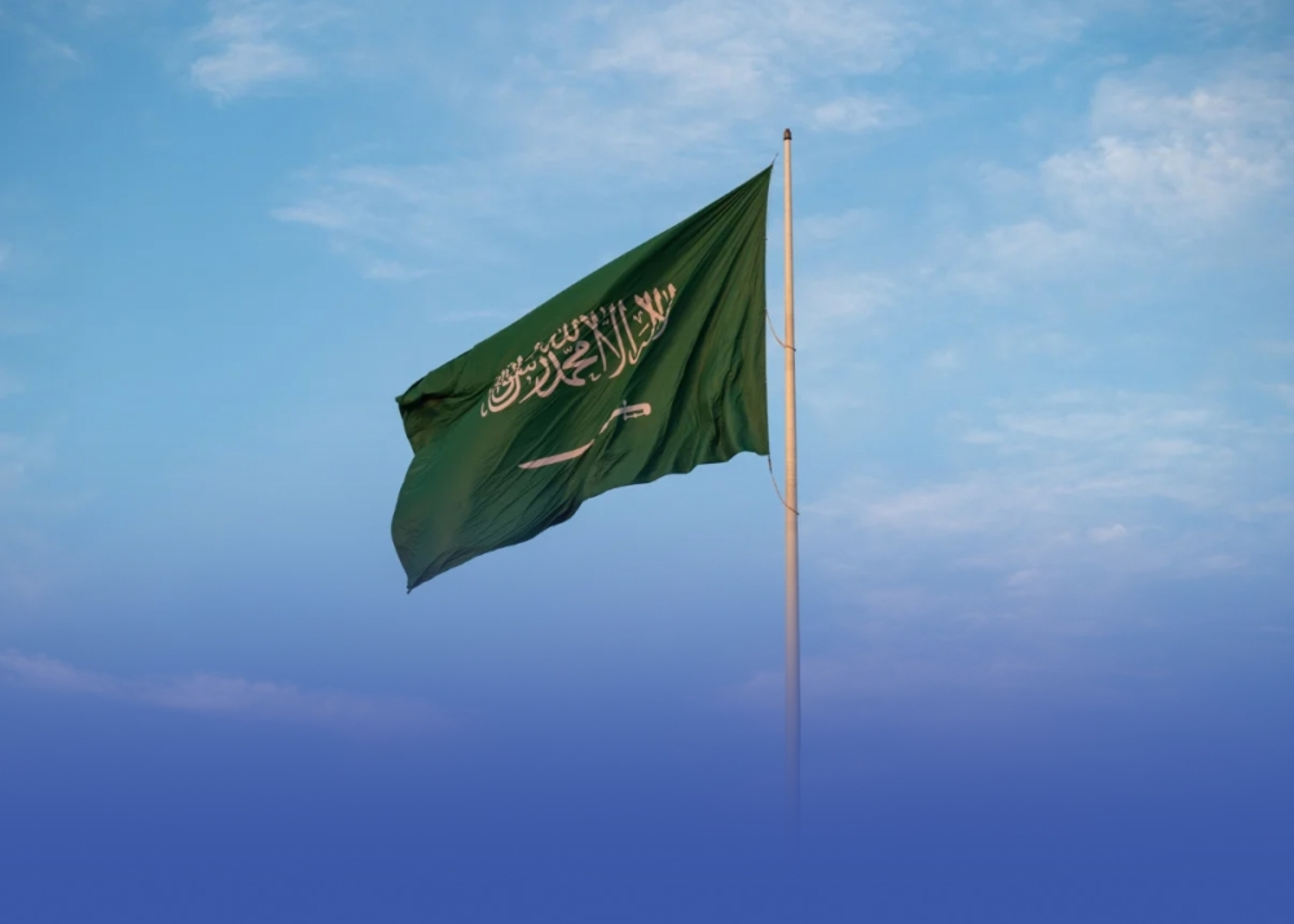
In a unified diplomatic move reflecting the seriousness of the situation in the occupied Palestinian territories, the foreign ministers of eight countries – the Kingdom of Saudi Arabia, the Hashemite Kingdom of Jordan, the United Arab Emirates, the State of Qatar, the Arab Republic of Egypt, the Republic of Turkey, the Republic of Indonesia, and the Islamic Republic of Pakistan – issued a joint statement expressing their strong condemnation of the recent Israeli decisions concerning the Palestinian territories.
Unprecedented escalation of settlement activity since 1967
The ministers condemned in the strongest terms Israel’s move to designate large areas of land in the occupied West Bank as “state land.” The statement noted that these actions include approving the commencement of land registration and settlement procedures, a dangerous step being taken for the first time since the occupation of the West Bank in 1967. The ministers considered this move a flagrant violation of international law and an escalation aimed at legitimizing and expanding settlements at the expense of the rights of the Palestinian people.
Violation of international laws and resolutions
The joint statement affirmed that these measures fundamentally violate international humanitarian law, specifically the Fourth Geneva Convention, which prohibits an occupying power from transferring its own population into the territory it occupies or altering its geographic and demographic character. The ministers also stressed that these practices constitute a blatant challenge to relevant UN Security Council resolutions, foremost among them Resolution 2334, which affirms the illegality of settlements in the Palestinian territories occupied since 1967, including East Jerusalem.
In a related context, the ministers pointed out that the Israeli decision contradicts the advisory opinion issued by the International Court of Justice, which clarified the legal implications of Israeli policies, stressing the illegality of any measures aimed at changing the historical and legal status of the occupied territory, and the need to end the occupation and prohibit the seizure of land by military force.
Risks of undermining the two-state solution
The foreign ministers of the eight countries warned of the political and security repercussions of these steps, emphasizing that they aim to impose a new administrative and legal reality that entrenches permanent Israeli control. They explained that the continued confiscation of land and the accelerated pace of settlement construction effectively undermine the two-state solution and eliminate any political prospect for the establishment of an independent, viable, and geographically contiguous Palestinian state. They cautioned that these policies pose a real threat to the chances of achieving a just and comprehensive peace in the region and exacerbate tension and instability in the Middle East.
A call for the international community to assume its responsibilities
The ministers concluded their statement with a clear call for the international community to take immediate action and fulfill its legal and moral responsibilities. They demanded decisive and clear steps to halt these ongoing violations and ensure Israel's respect for international law. They reaffirmed their full support for the inalienable rights of the Palestinian people, foremost among them their right to self-determination, an end to the occupation, and the establishment of their independent state on the June 4, 1967 borders, with East Jerusalem as its capital, as the only way to achieve lasting stability in the region.
Politics
Trump participates in Iran nuclear talks amid military buildup
Trump announces his indirect participation in the Geneva nuclear talks with Iran, amid US military reinforcements and Iranian drills, and fears of the negotiations failing and resorting to the military option.

In a significant development regarding the complex nuclear issue, US President Donald Trump announced his intention to participate indirectly in the new round of nuclear talks between the United States and Iran, scheduled to begin today, Tuesday, in Geneva, Switzerland. Trump expressed cautious optimism, stating his belief that the leadership in Tehran is genuinely willing to reach an agreement that would end the current impasse.
Historical context and escalating tensions
These talks come at a critical juncture in US-Iranian relations, with the Iranian nuclear program representing one of the most complex issues in international politics for decades. Washington and other Western powers have long sought to ensure the peaceful nature of Iran's nuclear program, while Tehran insists on its right to nuclear technology for peaceful purposes. The Geneva round of negotiations is of paramount importance given the historical accumulation of economic sanctions and diplomatic pressure that has shaped the current landscape, making any diplomatic breakthrough a globally significant event.
The military option is on the table
Speaking to reporters aboard Air Force One, Trump described the upcoming talks as “very important.” These political pronouncements coincide with tangible military moves on the ground, as the United States has deployed a second aircraft carrier to the Middle East in a clear message of deterrence. Reports from US officials confirm that the American military is making extensive preparations for a potential protracted military campaign should the diplomatic track fail to achieve its objectives.
Negotiation obstacles and previous strikes
Regarding the chances of success for the negotiations, the US president pointed out that Iran had previously engaged in what he described as difficult negotiations, noting that Tehran had realized the consequences of its hardline stance. He cited the US strikes targeting Iranian nuclear sites last summer, which he said marked a turning point in dealing with the crisis. The talks face a major obstacle: Washington's insistence on halting uranium enrichment within Iranian territory. The US administration considers this a fundamental guarantee against Tehran developing a nuclear weapon, while Iran views it as an infringement on its sovereignty.
Iranian preparations and regional repercussions
In a related development, and in parallel with diplomatic efforts, Iran continues to bolster its domestic preparedness. The Iranian Civil Defense Organization conducted large-scale drills simulating a response to a chemical attack in the Pars Special Economic Zone, an energy hub. These drills are part of broader efforts to enhance readiness to counter any potential threats in the south of the country, an area that houses vital energy facilities.
Observers believe that the results of these talks will not only affect bilateral relations between Washington and Tehran, but will also extend to the stability of the entire Middle East region and global energy markets, given the strategic location of the Arabian Gulf and its importance in global oil supplies.
Politics
Trump participates in Iran nuclear talks amid military buildup
Trump announces his indirect participation in nuclear talks with Iran in Geneva. Washington reinforces its military presence and Tehran conducts military exercises, amid hopes for a new agreement.

In a press statement aboard Air Force One, US President Donald Trump announced his decision to participate indirectly in the crucial round of nuclear talks between the United States and Iran, scheduled to begin Tuesday in Geneva, Switzerland. Trump expressed cautious optimism, affirming his firm belief that Tehran is genuinely interested in reaching an agreement to end the current impasse.
This round of negotiations is of exceptional importance, with the US president describing it as “crucial” for the future of regional and international security. This diplomatic move comes at a highly sensitive time, marked by an unprecedented escalation of military tensions in the Middle East, particularly following recent US military deployments, including the deployment of a second aircraft carrier to the region—a clear message of deterrence coinciding with the diplomatic efforts.
Background to the tension and the negotiating position
In discussing the prospects for success in these talks, Trump recalled the history of negotiations with Tehran, noting that Iran had previously engaged in difficult and complex negotiations. However, he pointed to a change in the situation on the ground, suggesting that the Iranian leadership had realized the consequences of its hardline stance, particularly after the US strikes on Iranian nuclear sites last summer, which might push Tehran toward adopting a more pragmatic approach in Geneva.
The talks face significant obstacles, most notably the failure of previous rounds due to Washington's insistence on its primary demand that Tehran halt uranium enrichment activities within Iranian territory. The United States considers this a red line, believing that continued enrichment could enable Iran to develop a nuclear weapon, something the international community seeks to prevent in order to preserve the nuclear non-proliferation regime.
Military preparations and failure scenarios
While attention is focused on the diplomatic talks in Geneva, US officials have revealed that the military option remains firmly on the table. They confirmed that the US military is making extensive preparations for a potential protracted military campaign should the negotiation process fail to achieve its objectives, placing the region at a dangerous crossroads between a diplomatic breakthrough or a full-scale military escalation.
On the other hand, as part of its preparations for all scenarios, the Iranian Civil Defense Organization conducted large-scale drills simulating a response to a chemical attack in the Pars Special Economic Zone. These maneuvers are part of efforts to bolster defense readiness against any potential threats targeting vital installations in the south of the country, reflecting serious concerns about a possible military confrontation should the talks reach an impasse.
The results of these talks will not only affect bilateral relations between Washington and Tehran, but their impact will extend to the stability of global energy markets and regional security in the Middle East, making the world's eyes turn towards Geneva in anticipation of what this crucial round will produce.
-

 Culture and Art 5 days ago
The "Between and Between" exhibition in Jeddah: 5 artists reshape Saudi memory
-
Local News 4 days ago
Saudi Arabia's National Arabic Language Policy: 8 Principles to Promote Identity
-
Culture and Art 7 days ago
Shakira's concert in Jeddah: Details of the international star's first concert in Saudi Arabia
-
Local News 3 days ago
Adopting the National Policy for the Arabic Language: Strengthening Identity and Vision 2030
-
Culture and Art, 1 week ago
The truth about Nancy Ajram's video and Epstein Island, and her legal response
-
Local News 4 days ago
The Riyadh-Rin-Bisha dual carriageway, spanning 559 km, has been completed
-
Fashion one week ago
Sneaker Con Jeddah 2026: The largest gathering for sneaker culture and fashion
-
Local news one week ago
Launch of the new Dammam project with investments of 98 billion riyals