
Politics
Mohammed bin Abdulaziz thanks the leadership for extending his service as Deputy Governor of Jazan
The Deputy Governor of Jazan Region, Prince Mohammed bin Abdulaziz bin Mohammed bin Abdulaziz, expressed his thanks and appreciation to the Custodian of the Two Holy Mosques

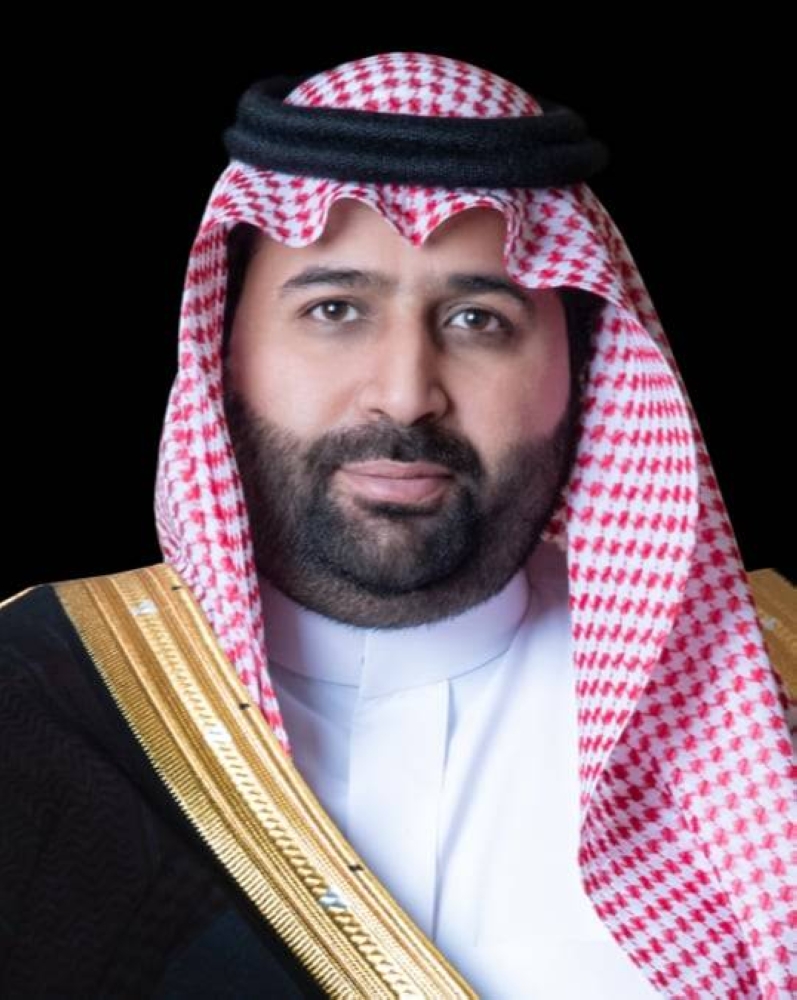
The Deputy Governor of Jazan Region, Prince Mohammed bin Abdulaziz bin Mohammed bin Abdulaziz, expressed his thanks and appreciation to the Custodian of the Two Holy Mosques, King Salman bin Abdulaziz, and the Crown Prince, Prime Minister, Prince Mohammed bin Salman bin Abdulaziz, on the occasion of the issuance of the generous royal order to extend his service as Deputy Governor of Jazan Region for a period of four years.
Prince Mohammed bin Abdulaziz prayed to God to grant him His help and guidance to serve the religion, then the King and the nation, and to move forward to achieve everything that brings security, goodness and elevation to the nation and the citizen, in accordance with the objectives of the Kingdom’s Vision 2030 to achieve leadership in all fields under the guidance of the leadership.






Politics
Saudi Arabia affirms the two-state solution as a genuine opportunity for Middle East peace
The Kingdom of Saudi Arabia renews its call for the implementation of the two-state solution, stressing that international coordination is the way to end the Palestinian-Israeli conflict and achieve a just and comprehensive peace.
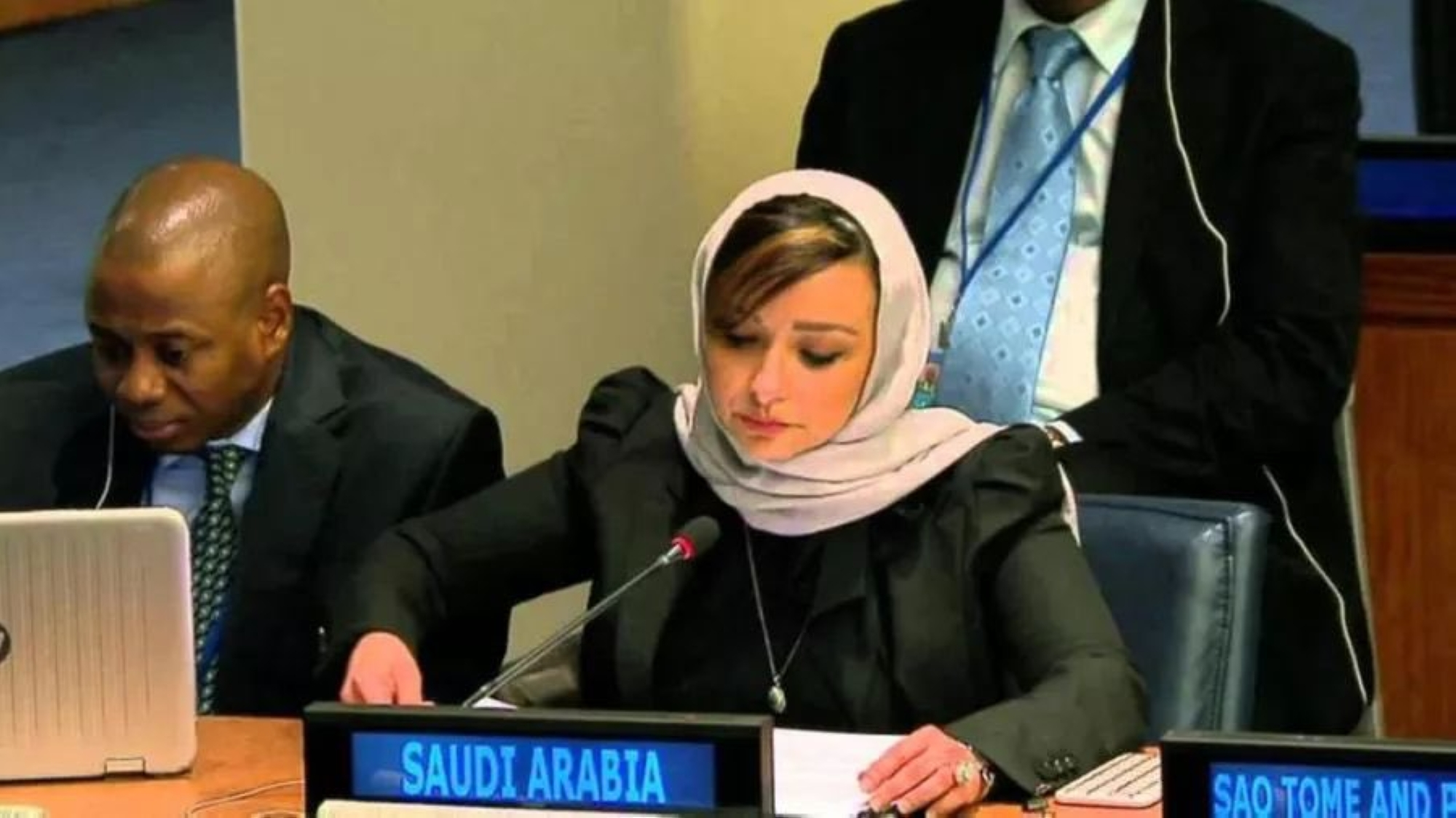
The Kingdom of Saudi Arabia participated in the eighth meeting of the Global Coalition for the Implementation of the Two-State Solution, hosted by the Irish capital, Dublin, reaffirming its firm and unwavering stance on the Palestinian issue and the necessity of achieving a just and comprehensive peace. The Kingdom was represented at this important international forum by the Minister Plenipotentiary at the Ministry of Foreign Affairs, Dr. Manal Radwan, who emphasized in her address that the Coalition represents a unique international platform for aligning international efforts and ensuring their effectiveness in supporting a political solution based on the two-state principle.
The historical context of the Kingdom's position
Saudi Arabia’s support for a two-state solution dates back decades and was clearly articulated in the Arab Peace Initiative launched by King Abdullah bin Abdulaziz (then Crown Prince) at the 2002 Beirut Summit and adopted by the Arab League. This historic initiative is based on the principle of “land for peace,” offering full normalization of relations between Arab states and Israel in exchange for a complete Israeli withdrawal from the territories occupied in 1967, the establishment of an independent Palestinian state with East Jerusalem as its capital, and a just solution to the Palestinian refugee issue in accordance with UN General Assembly Resolution 194. This initiative remains a cornerstone of Saudi and Arab diplomacy toward the conflict.
The importance of the event and its expected impact
Saudi Arabia's participation in the Dublin meeting reaffirms that the two-state solution is the only strategic option capable of ending the conflict and achieving lasting security and stability in the Middle East. Dr. Radwan commended international efforts, including the role of the United States, emphasizing that effective coordination with Washington and international partners to implement a comprehensive peace plan presents a genuine opportunity to end decades of conflict. She stressed the importance of implementing relevant Security Council resolutions, which constitute the legal and political framework for this stage, including ending the occupation and creating the conditions conducive to political progress.
Call to intensify diplomatic efforts
In her remarks, Radwan explained that the Irish experience in peacebuilding offers an inspiring model, emphasizing that complex conflicts can be resolved when peace processes are linked to a clear political horizon, the rejection of violence, and the promotion of dialogue. She reiterated her warning about the dangers of the ongoing violations perpetrated by the Israeli occupation forces, stressing that the current phase necessitates intensified diplomatic efforts to prevent the process from deviating from its fundamental objective of achieving peace. She also called for the necessity of supporting the Palestinian National Authority and building its institutional capacities, as well as ensuring the geographical contiguity between the West Bank and the Gaza Strip to preserve the unity of Palestinian territory. In conclusion, she affirmed the Kingdom's commitment to continuing to work with all partners to achieve a peace that fulfills the aspirations of the Palestinian people for self-determination and the establishment of their independent state, and guarantees security and stability for all the peoples of the region.
Politics
Washington returns oil tanker to Venezuela: Will sanctions policy change?
The United States has decided to return the giant oil tanker 'Sophia' to Venezuela, in a move that raises questions about the future of the maximum pressure and sanctions policy on Caracas.
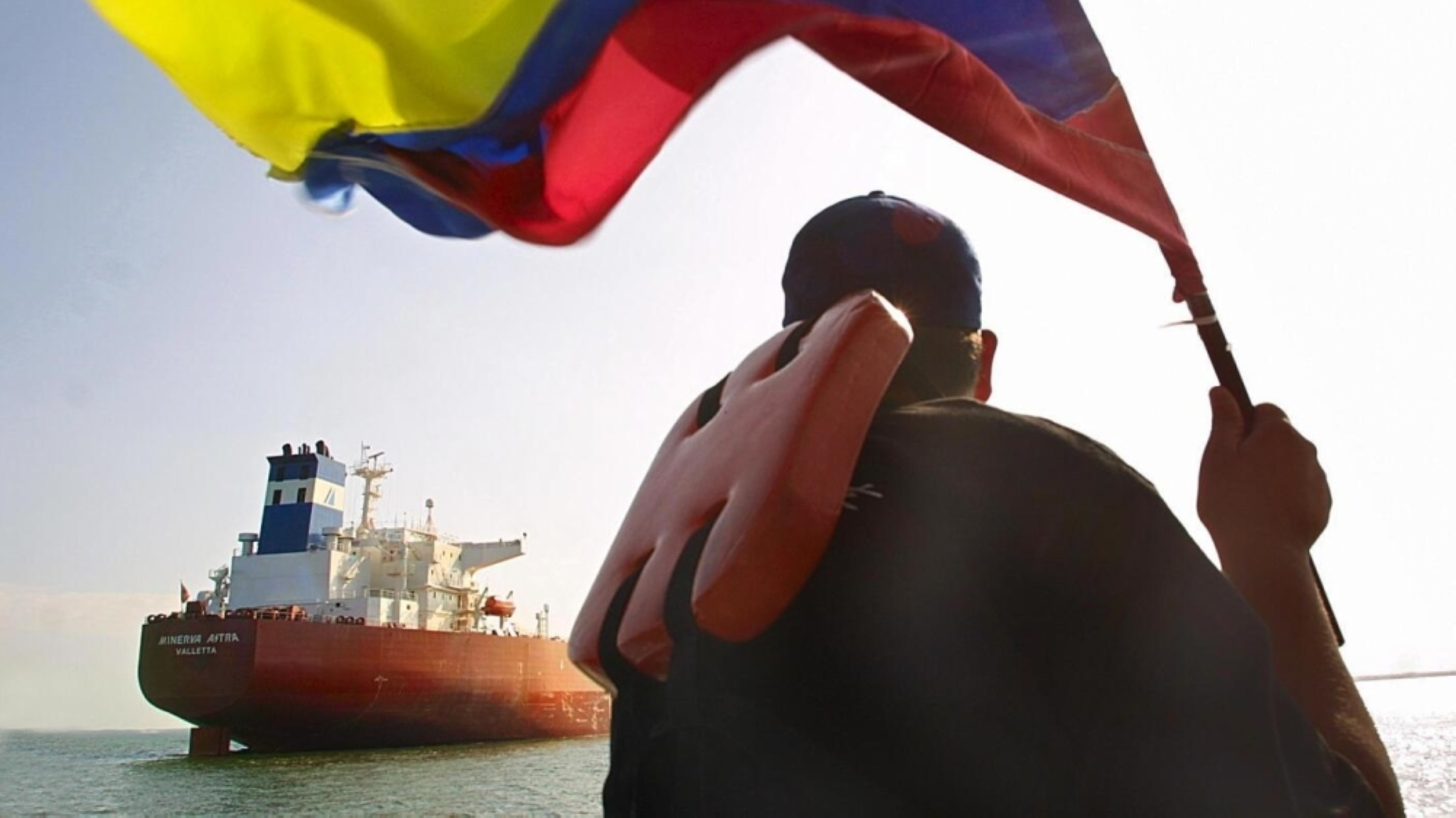
In a significant development amid ongoing tensions between Washington and Caracas, two US officials revealed the United States' intention to return a giant oil tanker it seized earlier this month to Venezuelan authorities. According to Reuters, the officials confirmed that the tanker in question is the "Sophia," a Panamanian-flagged supertanker, raising questions about the dynamics of US pressure tactics.
Background of sanctions and maximum pressure policy
This move comes against the backdrop of the “maximum pressure” campaign imposed on Venezuela by the previous US administration under Donald Trump, a campaign that lasted for years with the aim of overthrowing the government of President Nicolás Maduro. This campaign included imposing harsh economic sanctions primarily targeting the oil sector, the lifeblood of the Venezuelan economy. Through these measures, Washington sought to cut off Maduro’s government’s sources of revenue and bolster the political opposition.
Targeting oil tankers: A US strategy
The seizure of oil tankers linked to Venezuela has been a key part of this strategy. Since late last year, the United States has intensified its efforts to confiscate Venezuelan oil shipments on the high seas, successfully seizing at least seven tankers. These operations aim to prevent Venezuela from exporting its crude oil or importing refined products, further isolating it economically. Former US President Donald Trump has previously hinted at broader plans to control Venezuelan oil resources, proposing a $100 billion investment plan to rebuild the country's crumbling oil sector after regime change.
The importance of re-carrying the tanker and its potential impact
The decision to return the tanker Sofia is an unexpected development that could point to several possibilities. It may stem from legal challenges faced by US authorities in proving the tanker's violation of sanctions, or it may reflect a tactical shift in Washington's policy. Domestically, in Venezuela, the return of a single tanker does little to alter the grim picture of the country's collapsing oil sector, but it could represent a symbolic victory for the Maduro government. Internationally, this move could be interpreted as a small gesture that might open channels for future dialogue, or simply as a reflection of the legal and practical complexities of enforcing a broad maritime sanctions regime. The situation remains complex, as Washington continues its overall policy toward Venezuela, while such exceptional cases add a new layer of uncertainty to the future of relations between the two countries.
Politics
Saudi Arabia denies rumors of refusing to receive Sheikh Tahnoon bin Zayed
Information Minister Salman Al-Dossari confirms that what is being said about the Kingdom refusing to receive Sheikh Tahnoon bin Zayed is untrue, stressing the depth of the brotherly relations between the two countries.
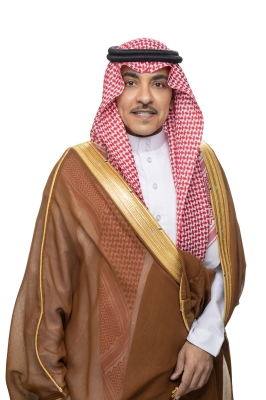
Saudi Minister of Information, Mr. Salman bin Yousef Al-Dossari, categorically confirmed that the news circulating on some media platforms and social media about the Kingdom of Saudi Arabia refusing to receive His Highness Sheikh Tahnoon bin Zayed Al Nahyan, National Security Advisor of the United Arab Emirates, is completely false and has no relation to reality.
In a statement aimed at dispelling rumors, Minister Al-Dossari clarified that Sheikh Tahnoon's relationship with the Kingdom transcends official protocols, emphasizing that "Sheikh Tahnoon bin Zayed comes to the Kingdom whenever he wishes without prior notice; it is his home and its leadership is his family." This statement reflects the depth of the personal and fraternal ties that bind the leadership of the two brotherly countries and puts an end to any attempt to cast doubt on the strength of this relationship.
Historical context of established relations
These rumors come at a time when Saudi-Emirati relations are at their strongest and most robust, with the strategic partnership between Riyadh and Abu Dhabi representing a cornerstone of stability in the Gulf region and the Middle East. This historic relationship is based on a long legacy of joint cooperation and coordination at the highest levels across various political, economic, and security fields, within the framework of the Gulf Cooperation Council and through advanced bilateral mechanisms such as the Saudi-Emirati Coordination Council, which aims to integrate visions and interests.
The importance of the event and its regional impact
His Highness Sheikh Tahnoun bin Zayed Al Nahyan is a pivotal figure in the UAE, holding the sensitive strategic position of National Security Advisor and playing a prominent role in shaping his country's foreign and economic policies. Given his position and the nature of the portfolios he oversees, his visits to the Kingdom and his meetings with Saudi officials carry particular significance. These visits are part of ongoing consultations and close coordination to address shared regional challenges and strengthen mutual interests. The aim of spreading such false information is to undermine trust and disrupt the robust alliance between the two countries, an alliance that has proven its effectiveness in dealing with numerous regional crises. Therefore, the swift and official Saudi denial underscores that this strategic relationship is immune to attempts to sow discord, and that communication channels between the two leaderships remain open, transparent, and characterized by absolute trust. This stance demonstrates the awareness of both countries regarding the importance of protecting their partnership from misleading media campaigns that target the security and stability of the entire region.
-

 Local News 4 days ago
Landslide in Riyadh: Details of the incident in Al-Sahafa neighborhood and containment efforts
-
 Local News 5 days ago
The death penalty was carried out against a citizen who stabbed another to death in Tabuk
-

 Culture and Art, 1 week ago
Ramez Galal in Ramadan 2026: Details of the bloody prank show
-

 Local News 6 days ago
First birth on the Riyadh train: A heartwarming story at Andalus station
-
 Local News 4 days ago
Riyadh collapse: Emergency plans to secure water after a main pipeline burst
-

 Culture and Art 4 days ago
Haifa Wehbe's absence in Riyadh: A photo crisis or a strained relationship with the media?
-

 Culture and Art 4 days ago
City Kitchen series: A drama of conflict and the middle class during Ramadan
-

 Culture and Art 4 days ago
The series "Kasra": Dawood Hussein in a moving social drama this Ramadan