Politics
What was the "secret offer" that Washington presented to Ukraine?
The British newspaper The Telegraph revealed on Friday that the United States had "secretly" offered to provide security guarantees to the so-called

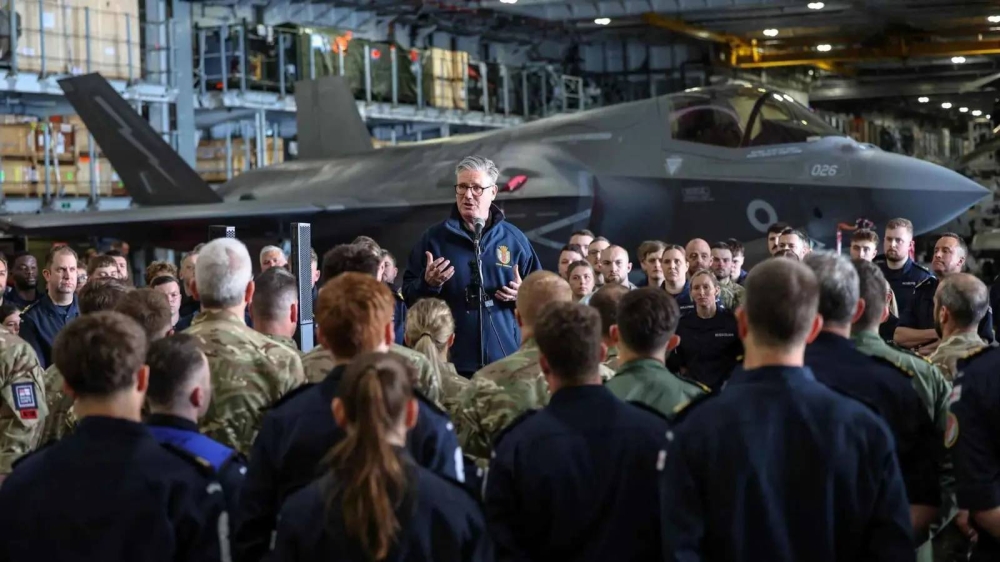
The British newspaper The Telegraph revealed on Friday that the United States had “secretly” offered to provide security guarantees to the so-called “coalition of the willing” on Ukraine, which is headed by British Prime Minister Keir Starmer.
The newspaper reported that “American officials have opened the door to providing intelligence and logistical support to British and European soldiers to support the peace agreement in Ukraine by land, air and sea.”.
This coincided with US President Donald Trump's announcement that a peace agreement in Ukraine was "very close" after US diplomatic envoy Steve Wittkopf held personal talks with Russian President Vladimir Putin.
According to the newspaper, “The British Prime Minister’s office (D10) sees the development that occurred during the negotiations as an important achievement, at a time when the Prime Minister has been pressing Trump for two months to obtain such guarantees.”.
But the question of whether the United States would be willing to intervene if Western troops were attacked by Russia—a crucial point in the viability of the project—remains a subject of debate.
Starmer, Trump, and French President Emmanuel Macron will be in Rome for the funeral of the late Pope Francis on Saturday, where informal talks on Ukraine are possible, although no formal meetings are expected.
According to the newspaper, Starmer and Macron are pushing for a “coalition of the willing” proposal, under which European allies would use their troops to help enforce any peace agreement.
More than 30 countries expressed their support, although only a few publicly offered to send ground troops to Ukraine. The central question was whether Washington was prepared to provide what British figures described as a "security guarantee" or "support" for such a force.
The Telegraph noted that “there is an acceptance among European leaders that Trump will not be willing to provide troops, but also that American support is necessary to make deterrence effective.”.
She noted that “Trump has repeatedly rejected public calls for security guarantees. He argued that Americans entering Ukraine to obtain rare minerals would prevent Russia from launching an attack.”.
The newspaper says it has learned that “American negotiators have made it clear in private talks in recent weeks that they are prepared to offer support and assistance to a Western power.”.
Related News
According to the newspaper, “One form of assistance discussed was the exchange of intelligence information. This represents the basis of the historic special relationship between the United States and the United Kingdom.”.
She noted that “there is another need for logistical support. European aircraft, warships and soldiers on the ground will need supply chains and help in understanding Russian movements in Ukraine and beyond.”.
Prime Minister Starmer hinted at behind-the-scenes progress in an interview with the newspaper on Thursday, when asked whether Trump had offered security assurances.
Nothing is settled yet, as negotiations continue for a peaceful resolution. Ukraine and its allies are demanding that Crimea not be officially recognized as a Russian republic. Senior British officials have stressed that it is difficult to predict what Trump will ultimately agree to or when he will agree to it.
Trump explicitly refused to promise that Washington would be willing to help its European allies if they were attacked by Russian forces while maintaining peace in Ukraine, the newspaper says.
When Trump was asked about it during Kerr's visit to Washington in February, he joked, "Britain is strong enough to stand up to Russia.".
The operational discussions revolve around the “coalition of the willing” within 5 key areas of military activity, known as “the skies”, “the sea”, “the land”, and “military rebuilding”.
The first and second options involve European allies somehow monitoring the airspace over Ukraine and the Black Sea to ensure that Russia does not violate the terms of the peace agreement.
The third issue concerns the forces stationed on the ground in Ukraine. Starmer and Macron have publicly raised this possibility, which goes beyond their involvement in the conflict thus far.






Politics
Saudi leadership offers condolences to Thailand for the victims of the tragic train accident
The Custodian of the Two Holy Mosques and the Crown Prince sent a cable of condolences to the King of Thailand regarding the victims of the crane accident on a train, in a gesture reflecting the depth of Saudi-Thai relations.
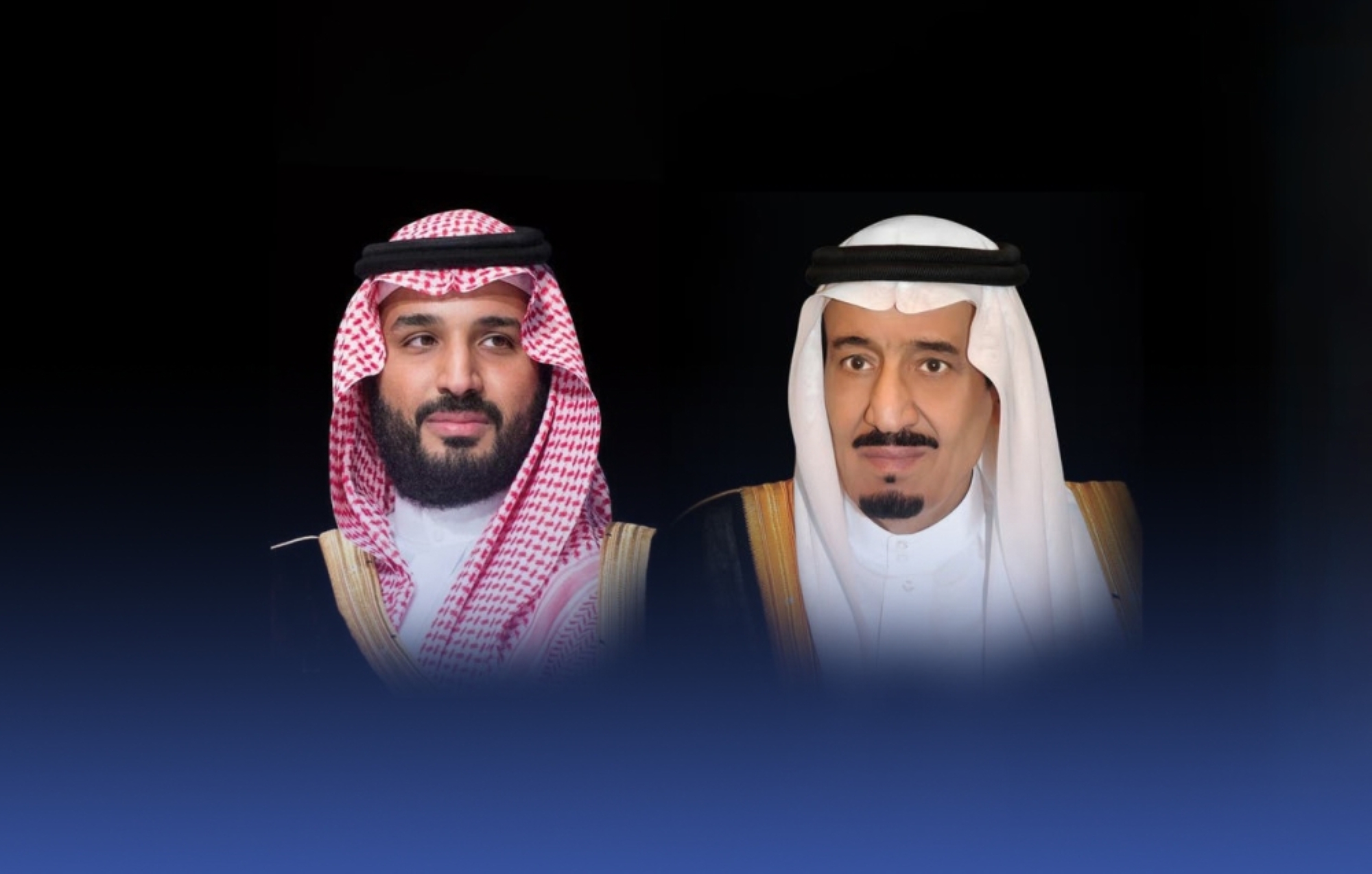
The Custodian of the Two Holy Mosques, King Salman bin Abdulaziz Al Saud, and His Royal Highness Prince Mohammed bin Salman bin Abdulaziz Al Saud, Crown Prince and Prime Minister, sent cables of condolence and sympathy to His Majesty King Maha Vajiralongkorn, King of the Kingdom of Thailand, regarding the victims of the crane accident on a train in the northeast of the country, which resulted in a number of deaths and injuries.
General context and historical background
This humanitarian gesture from the Saudi leadership comes within the context of the remarkably flourishing diplomatic relations between the Kingdom of Saudi Arabia and the Kingdom of Thailand. After a period of diplomatic estrangement that lasted for three decades, bilateral relations reached a historic turning point in January 2022 with the announcement of the full resumption of diplomatic ties between the two countries. This rapprochement culminated in reciprocal visits at the highest levels and opened up broad prospects for cooperation in multiple fields, including the economy, energy, tourism, and labor. The message of condolence is not merely a protocolary gesture, but rather an affirmation of the strength of these new ties and the two countries' desire to enhance them at all levels, including standing by each other in times of hardship.
The importance of the event and its expected impact
Domestically in Thailand, this tragic accident has once again brought to the forefront safety standards at construction sites and major projects. Like other emerging economies in Southeast Asia, Thailand is experiencing a boom in infrastructure development, including railway networks. Such accidents raise public and media concerns, prompting authorities to review occupational safety procedures and project oversight to ensure they are not repeated.
On both the regional and international levels, the message of condolence from Saudi Arabia, a major power in the Middle East and the Islamic world, carries significant political weight. It reinforces the Kingdom's image as a trusted partner and friend of Thailand, and underscores the humanitarian dimension of its foreign policy. This gesture also contributes to strengthening the positive relations recently established, which will positively impact future cooperation between the two countries in various international forums and enhance the stability of relations between the Arabian Gulf region and Southeast Asia.
Politics
Iran protests see massive death toll... official reveals 5,000
An Iranian official told Reuters that the death toll from the recent protests sparked by the death of Mahsa Amini had reached 5,000, including 500 members of the security forces.
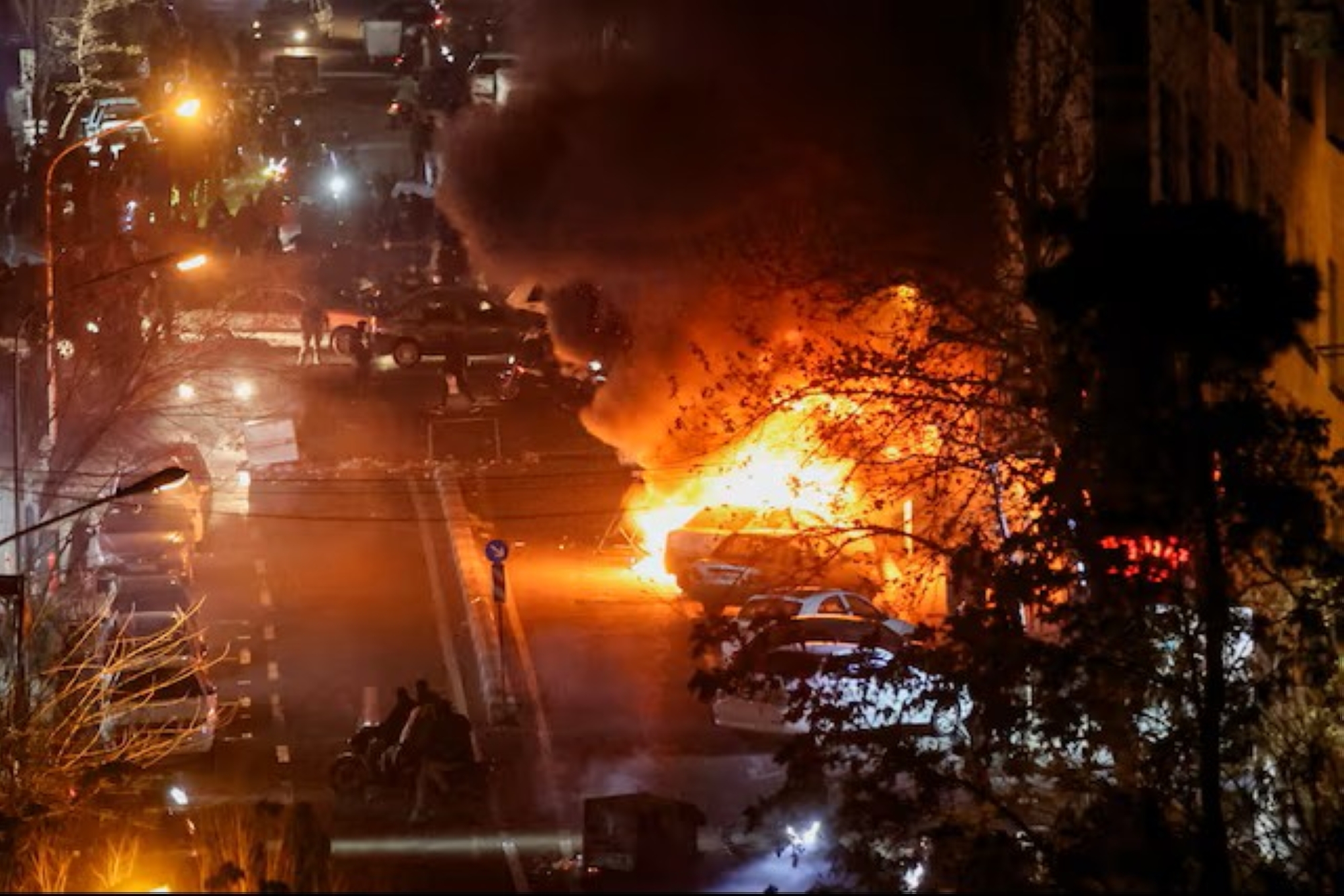
In a shocking statement reported by Reuters, an Iranian official, speaking on condition of anonymity, revealed that the confirmed death toll from the recent nationwide protests has reached at least 5,000. The official clarified that this number includes approximately 500 members of the security forces killed during the clashes.
Background of the protests and their historical context
This wave of protests, the largest and most challenging to the Iranian regime in years, erupted in September 2022 following the death of 22-year-old Mahsa Amini. Amini had been detained by Tehran's morality police for allegedly violating the strict hijab laws. She fell into a coma shortly after her arrest and died three days later. Her death sparked widespread public outrage, and her funeral in her hometown of Saqqez, a Kurdish city, became the catalyst for nationwide demonstrations under the slogan "Woman, Life, Freedom," demanding an end to social repression and greater freedoms.
Details of the official statement and its implications
According to the Iranian official, authorities have blamed what they called “terrorists and armed rioters” for the violence and the killing of “innocent Iranians.” He noted that some of the fiercest clashes and highest death tolls were recorded in predominantly Kurdish areas of northwestern Iran, where separatist groups are active. The official also accused foreign entities, specifically “Israel and armed groups abroad,” of providing financial and military support to the protesters with the aim of destabilizing the country. Despite the high death toll, the official ruled out the possibility of the final number rising significantly above this estimate.
Importance and impact at both the local and international levels
These protests posed an unprecedented challenge to the Islamic Republic, revealing the depth of popular discontent with the deteriorating economic conditions and social and political restrictions. Internationally, the government's crackdown was met with widespread condemnation from human rights organizations and Western countries. The United States, the European Union, and the United Kingdom imposed multiple rounds of sanctions on Iranian officials and entities involved in human rights abuses, further isolating Tehran diplomatically and impacting negotiations regarding its nuclear program. This figure, if confirmed by independent sources, represents one of the highest death tolls in the history of protests against the Iranian regime, reflecting the scale of the crisis facing the country.
Politics
The Syrian army controls the Al-Omar and Koniko oil fields in eastern Syria
In a major development on the ground, Syrian forces seized control of the Al-Omar oil field and the Conoco gas field in Deir ez-Zor, dealing a strong blow to the Syrian Democratic Forces.
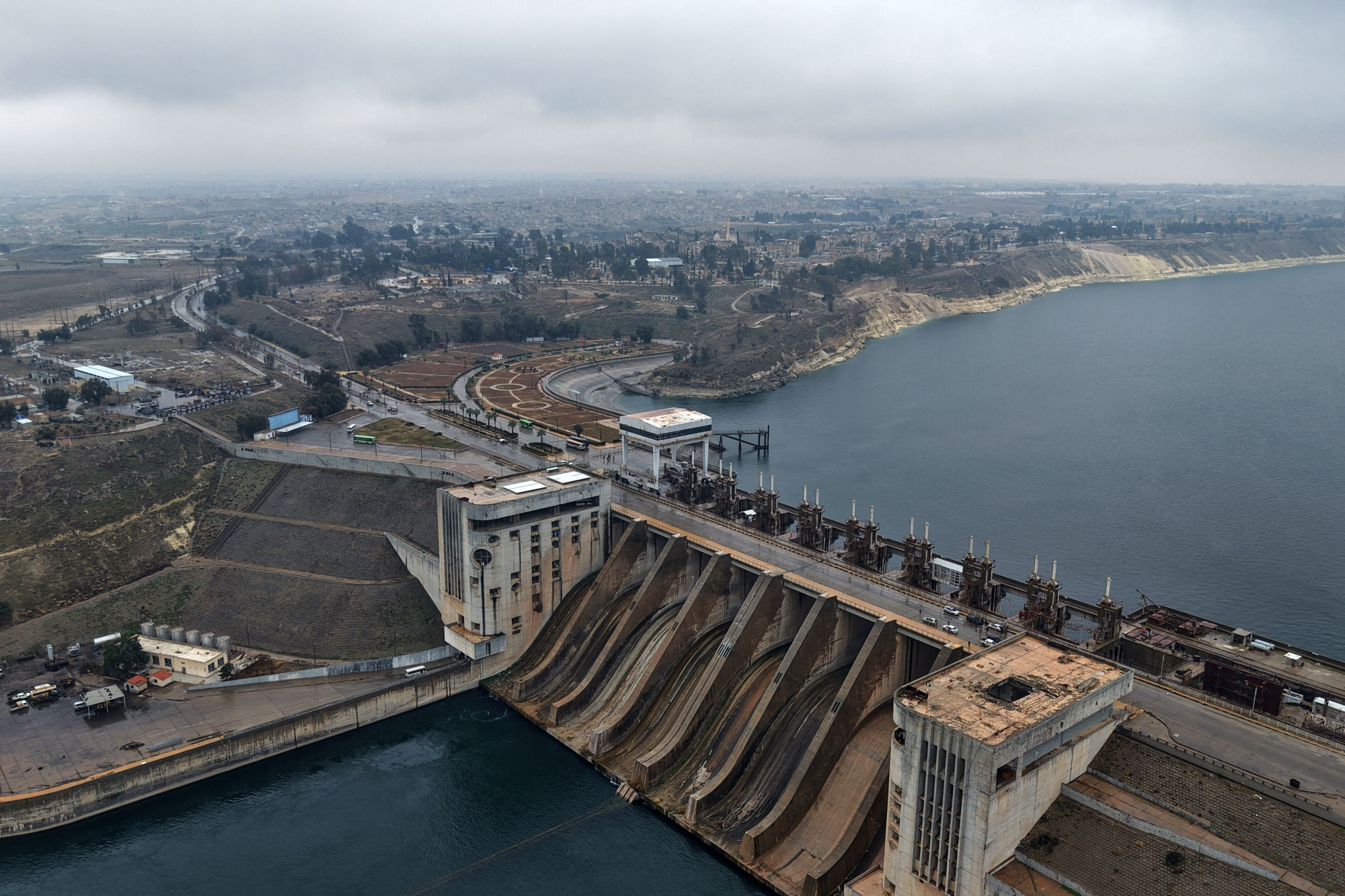
In a significant development on the ground, official and security sources announced that Syrian government forces have taken full control of the al-Omar oil field, the largest in Syria, as well as the strategic Conoco gas field. This takeover, in Deir ez-Zor province in eastern Syria, comes after fierce clashes with the US-backed Syrian Democratic Forces (SDF), marking a major turning point in the struggle for resources in the region.
To understand the dimensions of this event, it is necessary to return to the broader context of the Syrian conflict. Since the outbreak of the crisis, the oil and gas fields in eastern Syria have been a strategic target for all warring parties. After ISIS seized control of these fields and used them as a primary source of funding, the Syrian Democratic Forces (SDF), with air and logistical support from the US-led international coalition, were able to expel the group and take control of these resource-rich areas. The revenues from these fields constituted the main source of income for the Kurdish-led Autonomous Administration, enabling it to finance its military and administrative operations in northern and eastern Syria.
The Syrian army's recent advance was not a coincidence, but rather the result of exploiting existing tensions between the Arab population, which constitutes the majority in Deir ez-Zor, and the leadership of the Syrian Democratic Forces (SDF). According to sources, the advance of local Arab tribal fighters greatly facilitated the government forces' mission, allowing them to rapidly deploy across an area exceeding 150 kilometers along the eastern bank of the Euphrates River, from the border town of Baghouz with Iraq to key towns such as al-Shuhail and al-Basira.
The government forces' gains were not limited to energy fields, but extended to other strategic locations. Earlier, the Syrian army seized the northern city of Tabqa and the adjacent Euphrates Dam, as well as the Freedom Dam (formerly known as the Baath Dam), vital facilities that control the region's water resources and electricity generation.
This loss is a devastating economic and military blow to the Syrian Democratic Forces (SDF), stripping them of their most important assets and sources of funding, and weakening their future negotiating position. Domestically, this control provides the Syrian government with a significant economic boost, supplying it with much-needed energy resources to mitigate the effects of sanctions and the crippling economic crisis. Regionally and internationally, this development represents a victory for the Damascus-Tehran-Moscow axis and, conversely, poses a major challenge to the US strategy in Syria, which relies heavily on supporting the SDF as a local partner. The full ramifications of this shift on the ground remain unclear, but it will undoubtedly redraw the map of influence and control in eastern Syria.
-

 Reports 3 days ago
Achievements of Saudi government sectors in 2025
-
Local news two weeks ago
FDA warns of contaminated Nestle infant formula | Recall details
-
Technology 4 weeks ago
Artificial intelligence regulations in Saudi education and student data protection
-
Technology 4 weeks ago
US ban on drones: reasons and consequences
-
Sports 4 weeks ago
Salah leads Egypt to a thrilling comeback against Zimbabwe in the Africa Cup of Nations
-
Technology 4 weeks ago
SRMG and Snapchat partnership: The future of digital media in the Middle East
-
Technology 4 weeks ago
Saudi Arabia's Ministry of Islamic Affairs is employing artificial intelligence in public speaking
-
Sports 4 weeks ago
Napoli win the Italian Super Cup in Riyadh for the third time (2025)