
Politics
Abdullah Kamel: The "halal" market exceeds two trillion dollars
The Chairman of the Board of Directors of the Islamic Chamber of Commerce and Development and Chairman of the Makkah Chamber of Commerce and Industry, Sheikh Abdullah Saleh Kamel, revealed

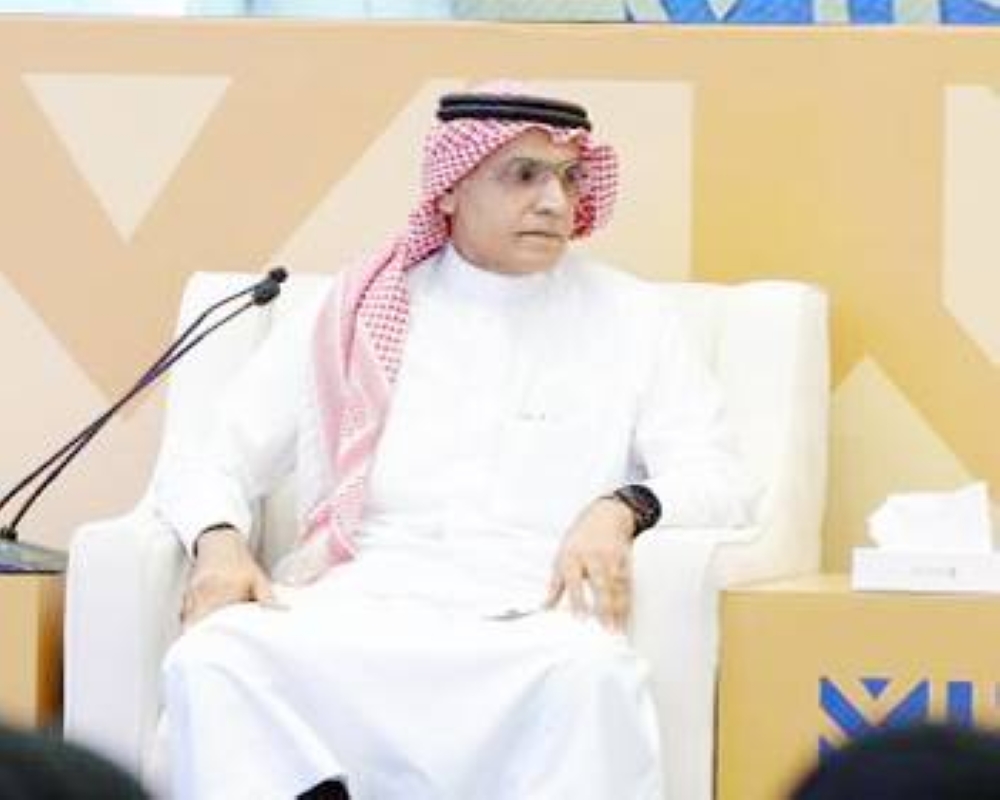
The Chairman of the Board of Directors of the Islamic Chamber of Commerce and Development and Chairman of the Makkah Chamber of Commerce and Industry, Sheikh Abdullah Saleh Kamel, revealed that the "Halal" initiative was launched by the Islamic Chamber in collaboration with the Makkah and Madinah Chambers of Commerce to invest in the holy sites in the two cities. During his participation in the Madinah Investment Forum, Kamel explained that Halal is not limited to food but extends to several sectors, most notably tourism and cosmetics. He added that work is underway to launch a Halal certification similar to the ISO certification.
Abdullah Kamel explained that the halal market exceeds two trillion dollars globally and targets 1.6 billion Muslims. During the past period, some countries began to take a share of this market, some of them non-Islamic countries, and we look forward through the “Halal” initiative to acquire a large percentage of this market within the Kingdom of Saudi Arabia, especially in the cities of Mecca and Medina, due to their special status.
Kamel revealed that quality partnerships will be launched with the “Halal” company affiliated with the Public Investment Fund, and the Islamic Chamber will sign partnerships with it next year, 2025, to make Saudi Arabia the main destination for Halal in the world.




Politics
Trump unveils Gaza reconstruction plan and international stabilization force
Details of Trump's plan to rebuild Gaza with billions of dollars and form an international stabilization force with the participation of Arab and Islamic countries, and the date of the Peace Council meeting in Washington.

Next week, all eyes will be on Washington, D.C., as U.S. President Donald Trump prepares to announce a comprehensive initiative aimed at reshaping the landscape in the Gaza Strip, through an ambitious multi-billion dollar reconstruction plan, coinciding with the deployment of an international stabilization force with a UN mandate.
Details of the upcoming meeting in Washington
Two senior US officials have stated that President Trump will unveil details of this plan during the inaugural meeting of the "Peace Council," scheduled for February 19. This major diplomatic event is expected to draw high-level delegations from more than 20 countries, reflecting the international momentum the US administration is attempting to build on this complex issue.
This move culminates previous efforts, as Trump signed the council's founding documents at the Davos Forum and secured approval from the UN Security Council to support his plan. Key regional states have announced their participation in the council, most notably Saudi Arabia, Egypt, Turkey, and Qatar, in addition to major Islamic powers like Indonesia. Meanwhile, Western powers remain cautious and watchful regarding the details of the initiative.
A huge financial fund and a stabilizing force
The plan centers on establishing a massive financial fund dedicated to rebuilding the sector's devastated infrastructure, with a US official describing the expected contributions from member states as "generous." Alongside the economic component, Trump will unveil security arrangements that include the willingness of several countries to send thousands of troops to participate in a "stabilization force" planned for deployment in Gaza in the coming months to ensure security and facilitate reconstruction efforts.
Dealing with Hamas and the security situation
Regarding the complex internal situation, Trump's plan includes sensitive political and security provisions, such as granting amnesty to Hamas members who agree to disarmament and accept the principle of peaceful coexistence. The plan also stipulates securing safe passage for those wishing to leave the Gaza Strip. The meeting will also address reports from the "National Committee for the Administration of Gaza," discuss mechanisms for distributing urgent humanitarian aid, and restructure the police force to maintain internal security.
Context of the crisis and scale of destruction
This initiative comes at a time when the Gaza Strip is suffering unprecedented devastation affecting all aspects of life. Ongoing military operations have led to widespread destruction of infrastructure, including hospitals, schools, and water and electricity networks. Reconstruction remains the greatest challenge facing the international community, given the enormous costs and the logistical and security complexities that have thus far prevented the effective commencement of field operations.
Regional and international dimensions of the plan
The involvement of influential regional powers such as Saudi Arabia, Egypt, and Turkey in the "Peace Council" carries significant political implications, indicating the desire of these countries to play a direct role in shaping the future of the sector to ensure regional stability and prevent a resurgence of conflict. Their participation is a crucial guarantee for the success of any international effort, given their political weight and their extensive relationships with various parties. Conversely, the success of this plan represents a true test of the current US administration's ability to impose its vision for peace in the Middle East through unconventional economic and security mechanisms.
Politics
The Foreign Minister will head the Kingdom's delegation at the Munich Security Conference 2026
Foreign Minister Prince Faisal bin Farhan arrived in Germany to head the Kingdom's delegation to the Munich Security Conference 2026, with the participation of Adel al-Jubeir and officials to discuss global security issues.
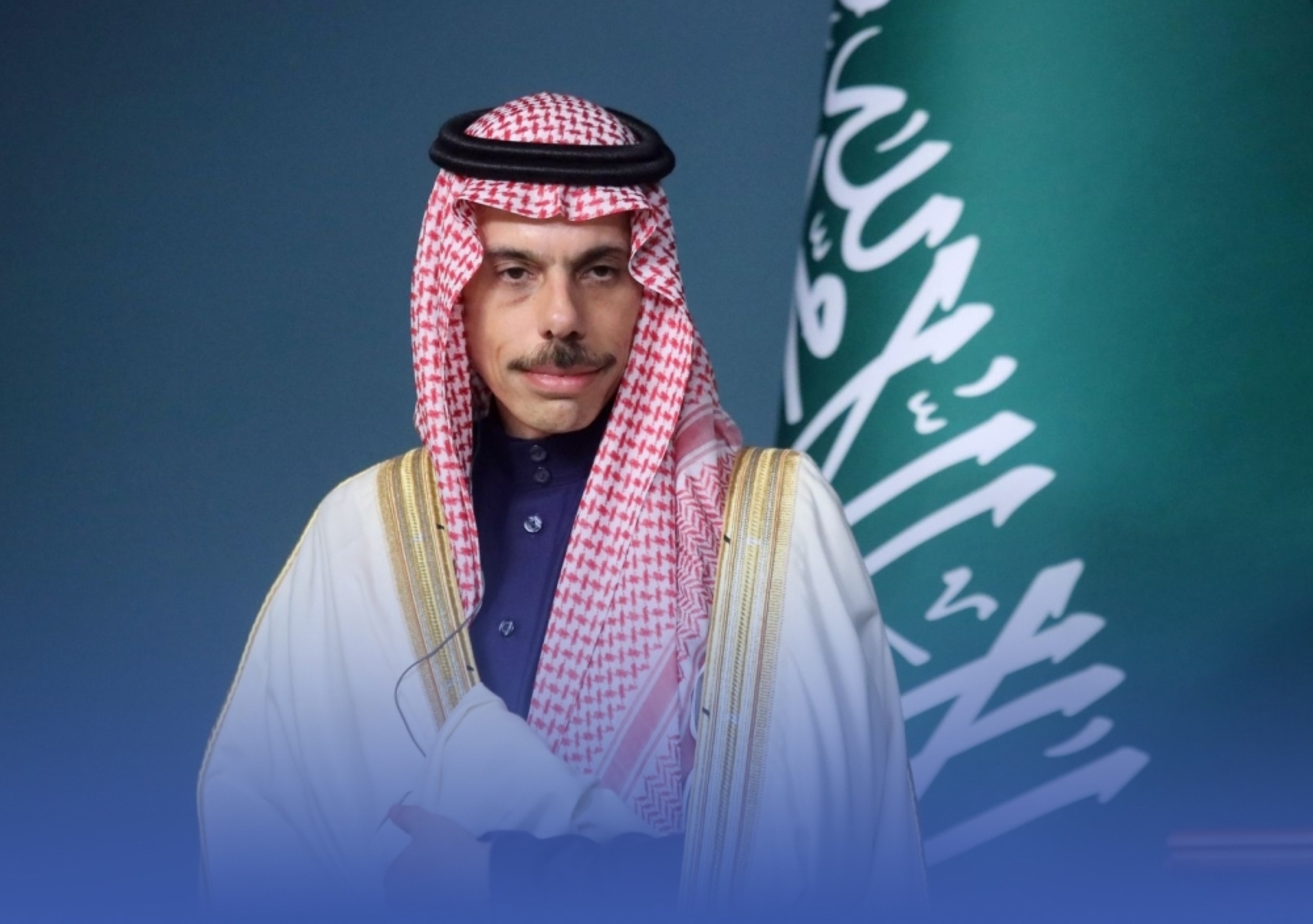
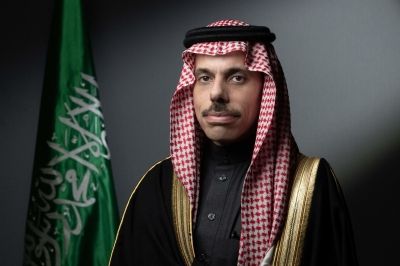
His Highness Prince Faisal bin Farhan bin Abdullah, Minister of Foreign Affairs, arrived in Munich, Federal Republic of Germany today, to head the delegation of the Kingdom of Saudi Arabia participating in the Munich Security Conference 2026, which is one of the most important international forums concerned with discussing security and defense policies worldwide.
The Kingdom's delegation participating in this edition of the conference includes a distinguished group of officials and decision-makers: His Excellency Adel bin Ahmed Al-Jubeir, Minister of State for Foreign Affairs, Member of the Council of Ministers, and Special Envoy for Climate Affairs; His Excellency Majid bin Mohammed Al-Mazyad, Governor of the National Cybersecurity Authority; and Major General Fahd bin Hamad Al-Otaibi, CEO of the Center for Strategic Defense Studies and Research. This diversity within the delegation reflects the comprehensive Saudi perspective on the modern concept of security, which extends beyond traditional military aspects.
The Munich Security Conference holds immense strategic importance as the premier global platform that brings together heads of state and government, ministers, and senior security officials to discuss current and future crises. The Kingdom's participation at this time underscores its pivotal and leading role in promoting international peace and security, particularly in light of the geopolitical tensions in the Middle East and the world, where Riyadh consistently strives to offer diplomatic solutions that support regional stability.
One of the implications of the formation of the Saudi delegation is the focus on vital files that are at the forefront of the global scene. The presence of the climate affairs envoy indicates the Kingdom’s interest in the file of “environmental security” and the impact of climate change on the stability of countries, while the participation of the governor of the National Cybersecurity Authority reflects the utmost importance that the Kingdom attaches to “digital security” and the protection of infrastructure in light of the escalation of cyber wars globally, which is in line with the objectives of the Kingdom’s Vision 2030 in building an integrated security system.
During the conference sessions, His Highness the Minister of Foreign Affairs and Their Excellencies and Highnesses are scheduled to discuss the most prominent regional and international issues and the challenges facing global security and stability, in addition to holding a series of bilateral meetings with their counterparts from friendly and partner countries to strengthen frameworks for joint cooperation and coordinate positions on critical issues.
Politics
Trump warns Iran: Failure of the nuclear deal will be very painful
Donald Trump warned Iran of painful consequences if a nuclear agreement is not reached, stressing after his meeting with Netanyahu the need for Tehran to act rationally and continue negotiations.
US President Donald Trump asserted today (Thursday), in remarks to the press reflecting escalating diplomatic tensions, that Iran will face "very painful" consequences if it fails to reach a new and comprehensive agreement on its nuclear program. The US president expressed hope that the current pressure and ongoing negotiations will yield a tangible positive outcome within the next month, noting that time is running out for all parties to reach a settlement.
Speaking about potential scenarios, Trump stated clearly: "It would be very painful... I don't want that to happen, but we have to reach an agreement, and not reaching an agreement would be very painful for Iran." These statements underscore the US administration's determination to change Tehran's behavior, not only regarding the nuclear issue but also its regional influence and missile program, with Washington consistently brandishing the threat of maximum economic sanctions as a tool of pressure.
It is worth noting that these warnings came after a meeting between President Trump and Israeli Prime Minister Benjamin Netanyahu on Wednesday, during which the two discussed shared security challenges in the Middle East. Following the meeting, Trump stated that he hoped the Iranian leadership would be "more rational and responsible" this time, emphasizing the need to continue negotiations with Tehran, despite the lack of any final results or significant breakthroughs thus far.
It is worth noting that these statements come within the context of the "maximum pressure" strategy adopted by the US administration after its withdrawal from the 2015 nuclear agreement (the Joint Comprehensive Plan of Action). This strategy aims to force Iran back to the negotiating table under new, stricter conditions that would ensure it permanently does not acquire nuclear weapons. Observers believe that Trump's use of the term "very painful" clearly refers to tightening the economic noose, isolating Tehran from the global financial system, and preventing its oil exports, which could lead to severe internal economic crises.
Regionally and internationally, these statements raise concerns about a potential military escalation should the political process remain deadlocked, as Israel and the United States consider preventing Iran from acquiring nuclear capabilities a top national security priority. Meanwhile, European countries and other international actors are closely watching the outcome of these pressures, hoping that diplomatic dialogue will prevail to avert a devastating war or a nuclear arms race that could alter the balance of power in the Middle East.
-

 Local news one week ago
Launch of the city's shuttle bus service in Ramadan 1447 AH: Routes and stations
-
Culture and Art, 1 week ago
The series "Rouh OFF" was permanently canceled by a decision of the Actors' Syndicate
-
Culture and Art, 1 week ago
Yasser Galal and Radwa El Sherbiny: Details of a new artistic project that brings them together
-
Local news one week ago
The Ministry of Education revokes the licenses of 74 private schools due to safety and quality violations
-
Local news one week ago
Mohammed Al-Rasasmeh appointed as official spokesperson for the Ministry of Municipalities and Housing
-
Culture and Art, 1 week ago
Poster for the series "Two Others": Asser Yassin and Dina El Sherbiny in Ramadan
-
Politics, one week ago
German Chancellor Friedrich Merz departs Riyadh after an official visit
-
Local news one week ago
Saudi Arabia weather today: Thunderstorms and dust in 5 regions


