
Politics
Syria takes the lead, Gaza falls behind, and Sudan is "forgotten"
While events in Syria have dominated international attention, the Gaza issue remains unresolved, amid hopes for an imminent ceasefire agreement

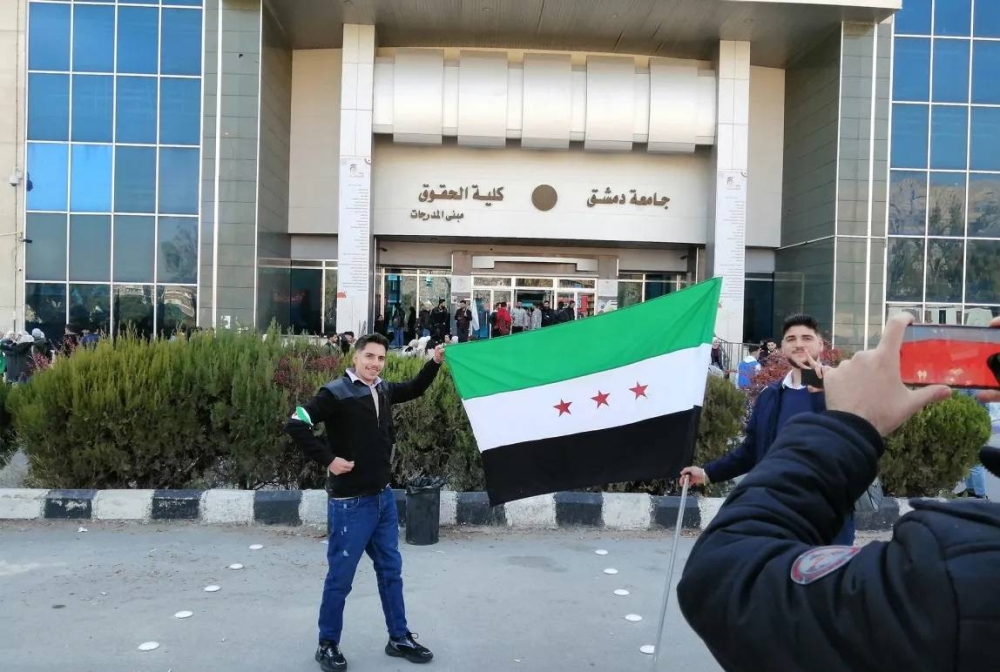
While the events in Syria have dominated international attention, the Gaza issue remains stagnant amid hopes for an imminent ceasefire agreement, despite the continuation of Israeli genocidal crimes against civilians. Meanwhile, the war in Sudan, which is approaching its second year, seems "forgotten" and absent from the international agenda, except for discussions that focus on the humanitarian situation.
The successes achieved by the armed opposition factions in Syria and their leader, Ahmed al-Sharaa, have dominated international political and diplomatic attention, and everyone is now focusing on the future of the transitional process in Damascus, and the need to involve all parties in the new government that will manage the affairs of the state after the end of the mission of the interim government led by Mohammed al-Bashir.
Syria has been the focus of considerable attention in recent days, and the capital has received diplomatic visits in an effort to learn about the new administration’s directions and priorities for the next phase.
The Arab League’s Ministerial Contact Committee held its meetings in the city of Aqaba in southern Jordan on Saturday, stressing the need for an immediate halt to all military operations and respect for the rights of the Syrian people in all its components, calling for the necessity of conducting a comprehensive national dialogue and for the Syrian people in all its components, spectrums and political and social forces to unite.
Regarding the situation in Gaza, the war of extermination waged by the occupation army on the afflicted sector since October 7 of last year has witnessed a massive escalation in the scale of Israeli raids and the number of Palestinian victims, taking advantage of the media focus and attention on what happened in Syria, from dramatic developments that ended within days with the overthrow of Bashar al-Assad’s regime and his escape to Russia.
Reports indicate that Israel is planning to divide Gaza, amid calls from extremist officials to establish settlements in the beleaguered territory.
While the Gaza issue has faded from the international scene, the thorny crisis in Sudan seems to have been forgotten, despite the ongoing battles and military confrontations between the Sudanese army and the Rapid Support Forces, amid reports of advances by the Sudanese armed forces.
The United Nations Security Council is holding several closed and open sessions this week regarding the state of turmoil in the region, particularly the events in Syria, Palestine, Sudan and Libya.
The Security Council is scheduled to discuss the political and humanitarian developments in Syria tomorrow (Tuesday), and the Special Envoy for Syria, Geir Pedersen, the Under-Secretary-General for Humanitarian Affairs, Thomas Fletcher, and two representatives of civil society are expected to give a briefing.
The Council will discuss on Wednesday the situation in Palestine and the peace efforts in Gaza, which will include briefings and anticipated draft resolutions, while on Thursday the Council will discuss the Sudanese issue and the humanitarian situation there.



Politics
Nuclear negotiations between Iran and the United States resume in Istanbul
Crucial nuclear negotiations between Iran and the United States have begun in Istanbul, with Saudi Arabia and Egypt in attendance, amid a US military buildup and demands for concessions to end the tension.
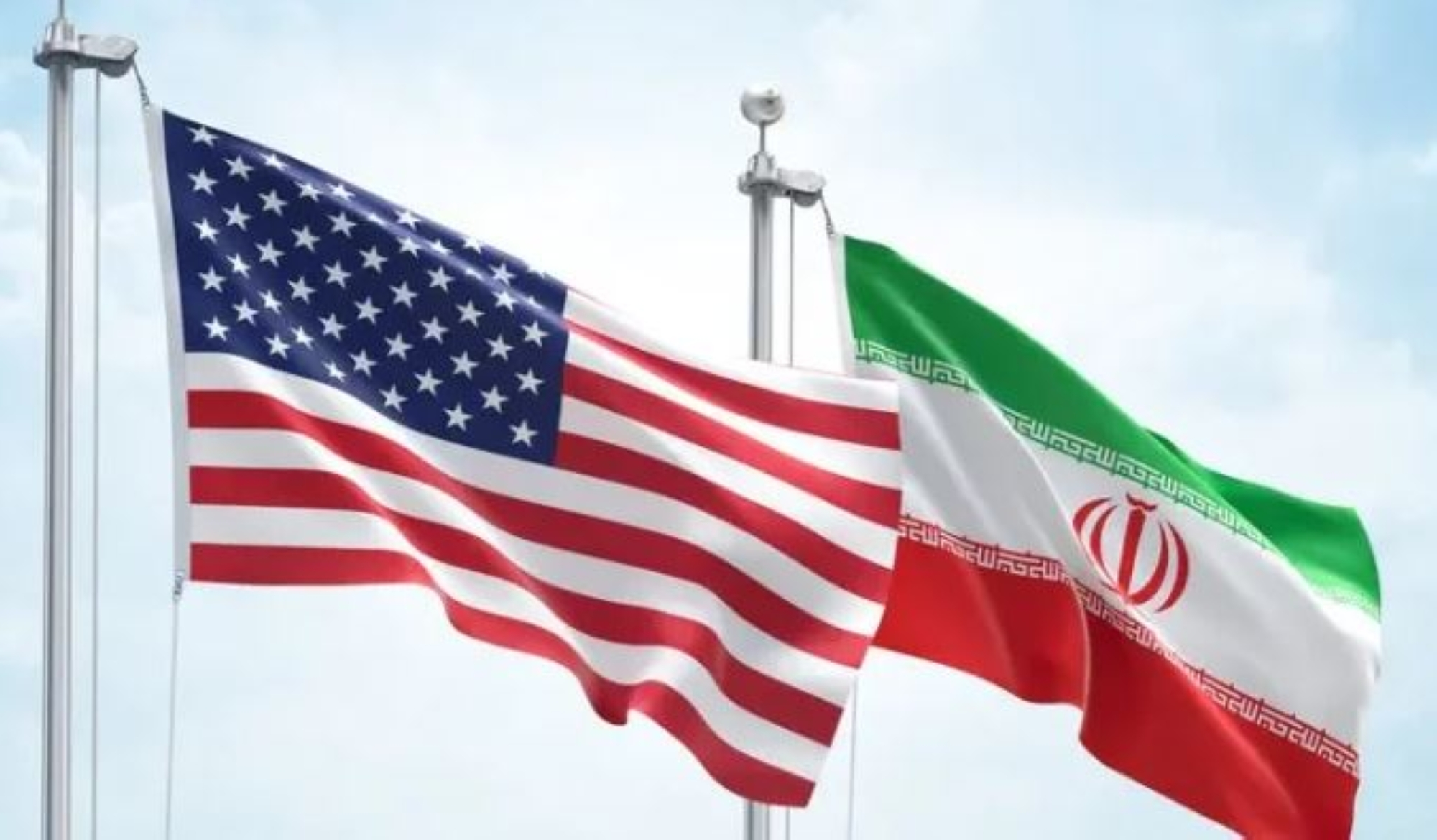
In a diplomatic move aimed at defusing the escalating crisis in the Middle East, Iran and the United States are resuming their nuclear talks in Türkiye, amid widespread international and regional anticipation of the results of this crucial round.
Details of the meeting in Istanbul
Informed sources told Reuters that US Special Envoy Steve Wittkopf will hold a crucial meeting with Iranian Foreign Minister Abbas Araqchi in Istanbul, Turkey. This meeting comes as part of intensive efforts to revive the long-stalled diplomatic process regarding Iran's nuclear program and to find common ground that would prevent a slide into open confrontation.
A diplomatic source in the region revealed that the talks will not be limited to the American and Iranian sides, but will also include representatives from influential regional powers, most notably Saudi Arabia and Egypt. The meetings are scheduled to be held at two levels: bilaterally between Washington and Tehran, and trilaterally with the regional parties, reflecting the desire of regional states to ensure that any future agreements take their security concerns into account.
Context of tension and military mobilization
These negotiations come at a highly sensitive time, as military tensions escalate in the Gulf. The talks coincide with a significant US naval buildup near Iranian territorial waters, a clear message of pressure from Washington. Meanwhile, Tehran faces unprecedented internal challenges, with the country experiencing what has been described as its most violent internal unrest since the 1979 revolution, further complicating the Iranian negotiating position.
US President Donald Trump insists that Iran must make substantial concessions regarding its nuclear program and regional activities, backing this demand with the deployment of a naval fleet to Iranian waters as a maximum pressure tactic. For his part, Ali Larijani, Secretary of Iran's Supreme National Security Council, confirmed that arrangements are underway for these negotiations, indicating Tehran's willingness to explore available diplomatic options.
Background of the crisis and the importance of negotiations
To understand the depth of these talks, one must consider the historical background of the nuclear issue. Since the United States withdrew from the Joint Comprehensive Plan of Action (JCPOA), also known as the Iran nuclear deal, in 2018, economic sanctions and a policy of "maximum pressure" have intensified, prompting Iran to gradually reduce its compliance with its nuclear commitments and increase its uranium enrichment levels. This situation has led to persistent instability in the region, punctuated by security incidents targeting maritime navigation and energy facilities.
This round of negotiations is of exceptional importance given its expected impact locally, regionally and internationally:
- On a regional level: The presence of Saudi Arabia and Egypt represents a qualitative development, as the countries of the region seek to ensure the security of navigation in vital waterways and prevent a nuclear arms race in the Middle East.
- On the international level: Global energy markets are closely monitoring these talks, as any easing of tensions would have a positive impact on the stability of oil prices and global supply chains.
- On the domestic front: Any diplomatic breakthrough could help alleviate the economic sanctions that are burdening the Iranian economy and fueling internal unrest.
All eyes remain on Istanbul to see if last-minute diplomacy will succeed in sparing the region the horrors of a potential military conflict and establishing a new phase of security and political stability.
Politics
Saudi Arabia offers condolences to Congo for the victims of the Rubaya mine collapse
The Kingdom expresses its solidarity with the Democratic Republic of Congo and offers condolences for the victims of the Rubaya mine collapse, which left more than 226 dead, affirming its support for the Congolese people.
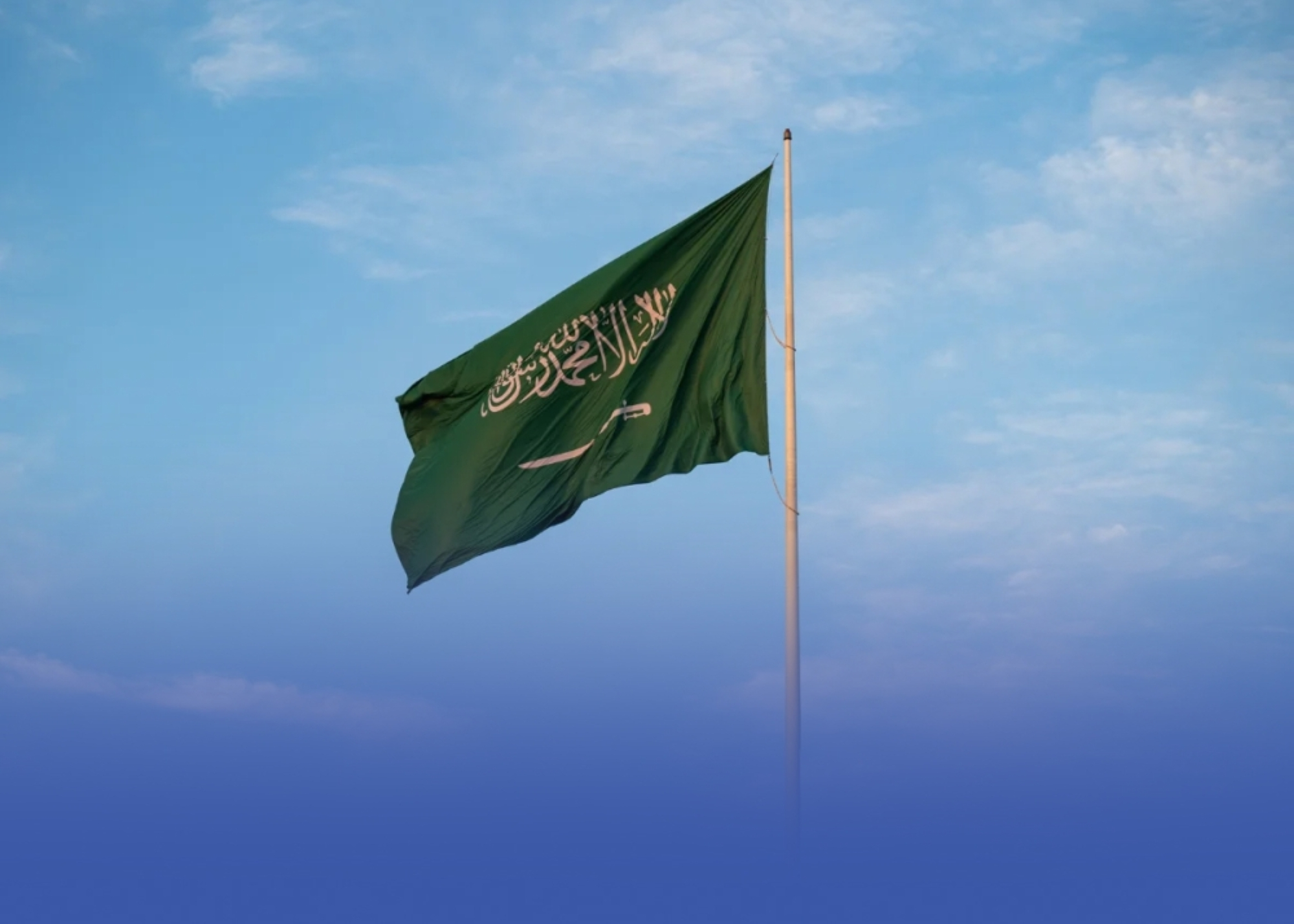
The Kingdom of Saudi Arabia expressed its sincere condolences and heartfelt sympathy to the Democratic Republic of Congo, its leadership, government and people, for the tragic incident of the collapse of a mining mine in the city of Rubaya, located in the east of the country, which resulted in hundreds of victims and injuries in a humanitarian disaster that shook local and international circles.
In its official statement, the Kingdom affirmed its full support and solidarity with the Democratic Republic of Congo in this painful tragedy, expressing its hope that this ordeal will be overcome, and wishing safety and security for the friendly Congolese people, and mercy for the victims, whose number exceeded 226 workers, in a heavy toll that reflects the magnitude of the disaster that befell the region.
Details of the disaster and the mining context in Congo
This incident once again highlights the numerous risks facing the mining sector in the Democratic Republic of Congo, particularly in the mineral-rich eastern regions. Rubaya is a vital center for the extraction of strategic minerals such as coltan and manganese, but mining operations are often carried out using traditional (artisanal) methods that lack even the most basic occupational safety standards, leaving workers vulnerable to frequent landslides, especially during the rainy season when the soil becomes increasingly fragile.
Human and economic dimensions
Mine accidents in the Democratic Republic of Congo are a chronic challenge for the country, where a large part of the local economy and population depends on artisanal mining as a primary source of livelihood, despite the high risks. Observers point to the high number of casualties in the Rubaya accident as being due to severe overcrowding at the excavation sites and the poor infrastructure of the tunnels, which turned the site into a death trap immediately after the collapse.
The Kingdom's diplomatic and humanitarian role
The statement of condolence and solidarity issued by the Kingdom of Saudi Arabia reflects its unwavering commitment to the principles of human fraternity and proactive diplomacy during times of crisis. The Kingdom consistently strives to extend bridges of communication and support to sisterly and friendly nations facing natural disasters and humanitarian crises, thereby reaffirming its leading role in strengthening international solidarity and bolstering the psychological and moral well-being of affected populations.
Politics
The Saudi Foreign Minister discusses regional developments with his Ethiopian counterpart
Prince Faisal bin Farhan received the Ethiopian Foreign Minister in Riyadh to discuss strengthening bilateral relations and to discuss developments in the Horn of Africa and issues of common interest.
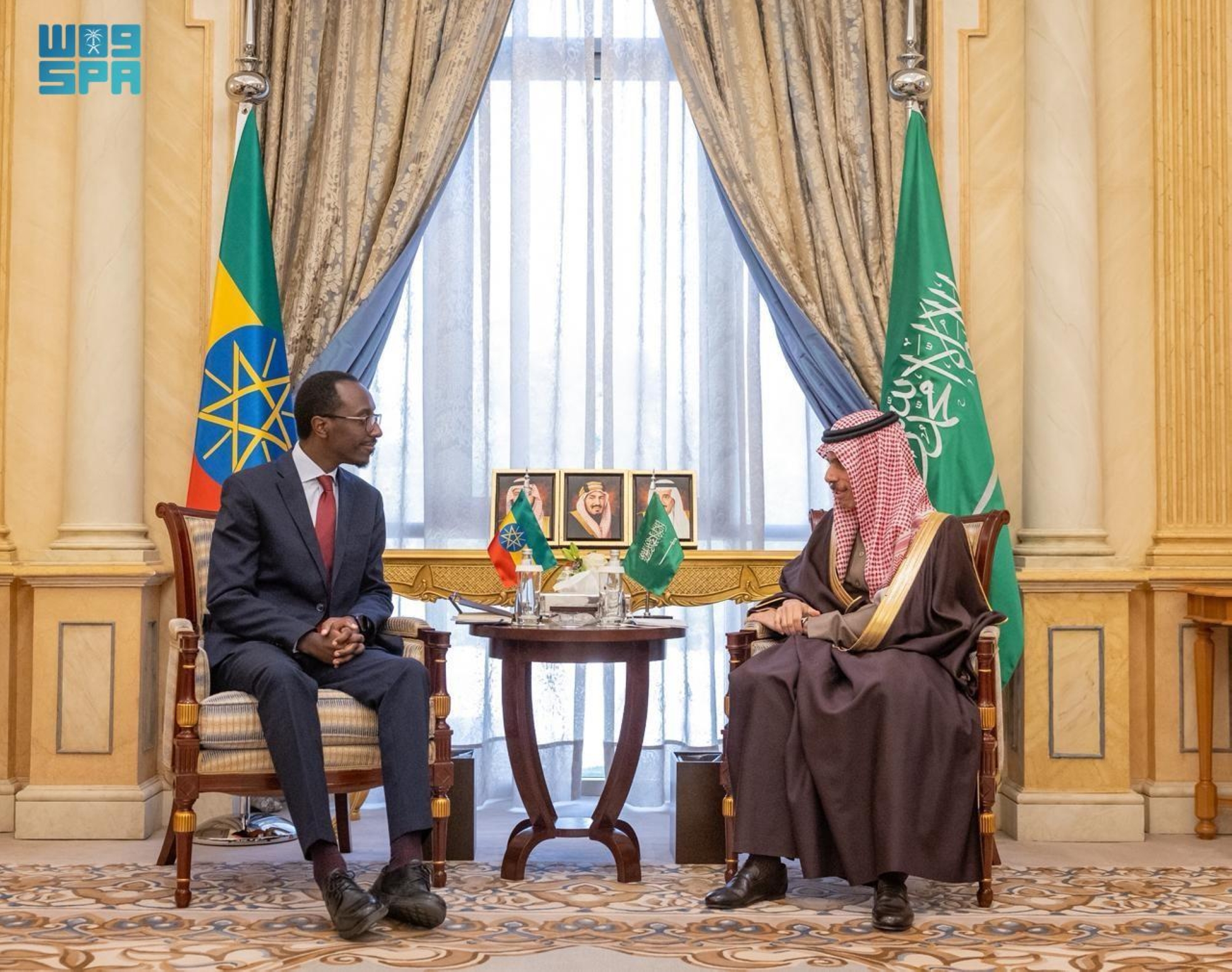
His Highness Prince Faisal bin Farhan bin Abdullah, the Saudi Minister of Foreign Affairs, received at the Ministry’s headquarters in Riyadh today (Monday), His Excellency Dr. Gedion Timotheos, Minister of Foreign Affairs of the Federal Democratic Republic of Ethiopia, on an official visit aimed at strengthening cooperation frameworks between the two friendly countries.
During the reception, an official meeting was held, during which the strong bilateral relations between the Kingdom of Saudi Arabia and the Republic of Ethiopia were reviewed, and ways to strengthen and develop them in various political, economic and security fields, in a way that serves the interests of the two peoples and countries.
Discussions on regional security and the Horn of Africa
During the meeting, the two sides discussed the latest developments in the region, particularly in the Horn of Africa and the Red Sea basin. These talks reflect the Kingdom of Saudi Arabia's commitment to strengthening security and stability in this vital region, given Ethiopia's significant strategic and geographical influence in East Africa.
The two ministers also discussed a number of regional and international issues of common interest, stressing the importance of continued political coordination and consultation between Riyadh and Addis Ababa on matters of concern to both countries, and supporting all efforts aimed at establishing the foundations of peace and development.
The importance of Saudi-Ethiopian relations
Relations between the Kingdom and Ethiopia are of particular importance due to their geographical proximity across the Red Sea and the historical and human ties that bind the two peoples. The Kingdom plays a pivotal role in supporting stability and development in Africa, and Ethiopia, as a key gateway to East Africa and the headquarters of the African Union, is essential for coordinating with it to address shared challenges such as combating terrorism and securing international shipping lanes.
The reception was attended on the Saudi side by His Excellency the Deputy Minister of Foreign Affairs, Engineer Waleed bin Abdulkarim Al-Khuraiji, and His Excellency the Undersecretary of the Ministry of Foreign Affairs for Political Affairs, Ambassador Dr. Saud bin Mohammed Al-Sati, reflecting the high-level interest in developing the course of relations with the Ethiopian side.
-

 Local news one week ago
Landslide in Riyadh: Details of the incident in Al-Sahafa neighborhood and containment efforts
-
 Local news one week ago
The death penalty was carried out against a citizen who stabbed another to death in Tabuk
-

 Culture and Art, 1 week ago
Haifa Wehbe's absence in Riyadh: A photo crisis or a strained relationship with the media?
-
 Local news one week ago
Riyadh collapse: Emergency plans to secure water after a main pipeline burst
-

 Culture and Art, 1 week ago
City Kitchen series: A drama of conflict and the middle class during Ramadan
-

 Culture and Art, 1 week ago
The series "Kasra": Dawood Hussein in a moving social drama this Ramadan
-

 Local news one week ago
Applying for the 1447 Opportunities Program for Teachers via the Fares System
-

 Local News 5 days ago
Ramadan 2026 discounts in Saudi Arabia: Offers valid for 54 days