Politics
Russia awaits Ukraine's proposals for peace negotiations
Russian authorities are awaiting Ukrainian proposals regarding the timing of a new round of negotiations aimed at achieving a ceasefire

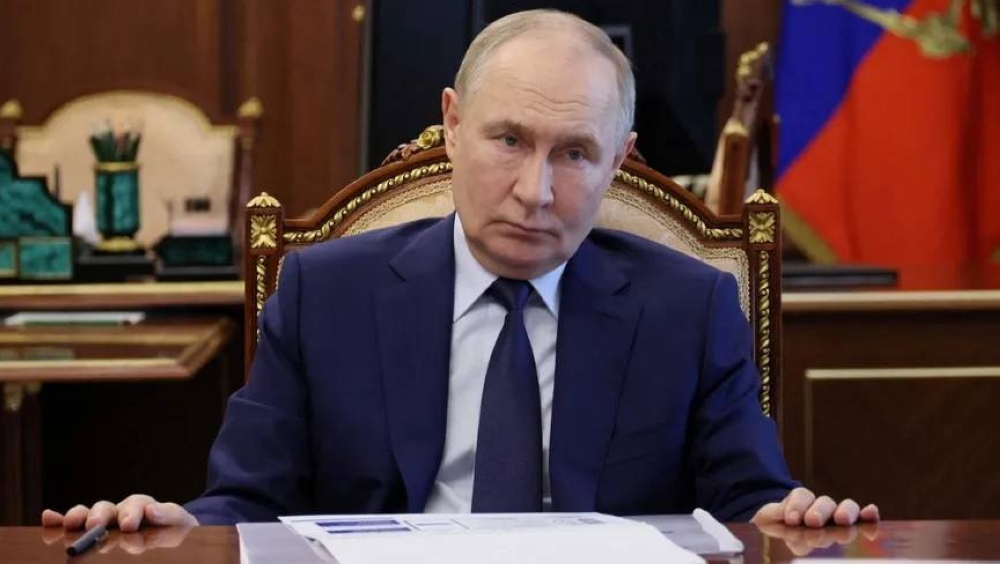
Russian-Ukrainian tensions: New proposals for negotiations are awaited
Russian authorities are awaiting Ukrainian proposals regarding the timing of a new round of ceasefire negotiations, amid escalating tensions between the two countries. Meanwhile, the Kremlin stated that it is still analyzing recent remarks by US President Donald Trump.
The Russian side is awaiting Ukrainian proposals
Kremlin spokesman Dmitry Peskov stated that Russia is awaiting proposals from the Ukrainian side to set a date for the third round of negotiations. Peskov explained that this step follows the completion of the exchange of soldiers' bodies between the two sides, noting that further coordination is needed to implement the agreements reached during the second round of negotiations.
Trump's statements and pressure on Russia
In a related development, US President Donald Trump renewed his pressure to reach an agreement to end the Russian-Ukrainian war. He threatened to impose 100% tariffs on Russian goods and secondary sanctions on countries that buy oil from Russia if a ceasefire agreement is not reached within 50 days. These statements have attracted the attention of the Kremlin, which continues to analyze them. Peskov indicated that Russian President Vladimir Putin will comment on them if he deems it necessary.
Western escalation and the potential Russian response
For his part, Russian Security Council Deputy Chairman Dmitry Medvedev asserted that the West is effectively waging a full-scale war against Russia. He added that Moscow must respond fully and launch preemptive strikes if necessary, describing the situation as a proxy war involving Western missile launches, satellite intelligence operations, and extensive sanctions.
In his remarks to the Russian news agency TASS, Medvedev indicated that these Western moves are considered another attempt to destroy the historical situation that disturbs the West, which is Russia's strength.
Analysis of the current situation and the future of negotiations
Recent developments point to increasing complexities in international relations surrounding the Russia-Ukraine conflict. While Moscow seeks new Ukrainian proposals to resume negotiations, US pressure remains in place to push the parties toward a peaceful resolution. In this context, Saudi Arabia plays a pivotal role in supporting diplomatic efforts aimed at achieving regional and international stability.
The question remains whether the parties involved can overcome the current obstacles and reach compromise solutions that end the conflict and achieve the desired peace in the region. Continued international and regional coordination will play a crucial role in determining the future of this complex crisis.





Politics
Saudi support for the operation of 70 power plants in Yemen to enhance stability
Under the guidance of the Saudi leadership, a new agreement to purchase local oil derivatives aims to operate more than 70 Yemeni power plants, boosting the economy and improving the lives of citizens.
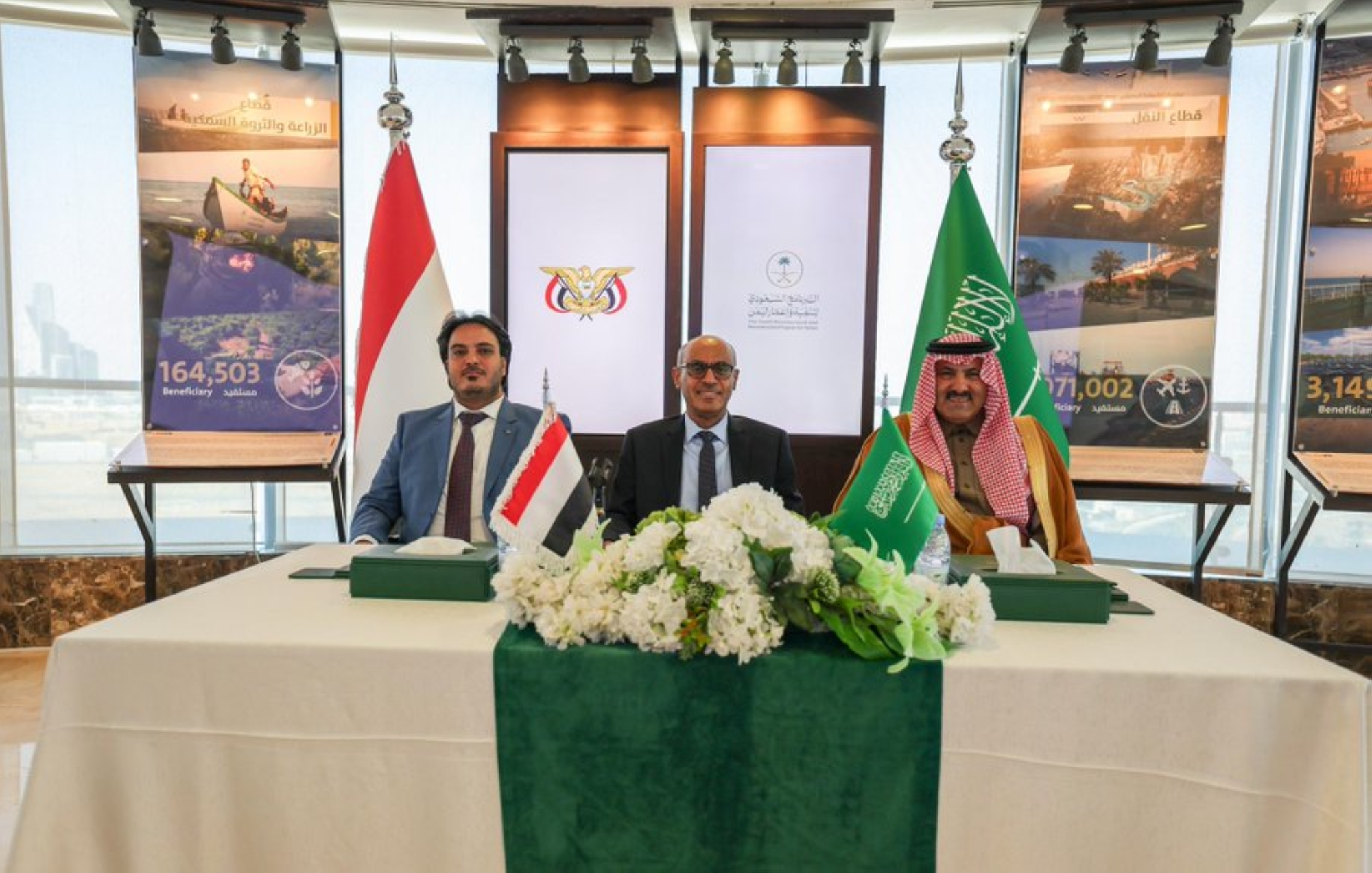
Following directives from the Saudi leadership, the Ambassador of the Custodian of the Two Holy Mosques to Yemen and Supervisor of the Saudi Development and Reconstruction Program for Yemen, Mohammed Al Jaber, announced the signing of a significant agreement between the program and the Yemeni Ministry of Electricity and Energy. The agreement stipulates the purchase of petroleum derivatives from the Yemeni company PetroMasila, a strategic step aimed at revitalizing more than 70 power plants across various Yemeni governorates.
This initiative comes within the framework of Saudi Arabia's ongoing support for Yemen, which is suffering from a severe humanitarian and economic crisis as a result of years of conflict. The conflict has destroyed a large part of the infrastructure, most notably the energy sector, causing frequent and prolonged power outages. This situation has directly affected the daily lives of citizens and negatively impacted vital sectors such as health, education, and water, as hospitals, schools, and water pumps rely heavily on a reliable electricity supply.
The new agreement is particularly significant because it not only provides support but also stimulates the local economy by purchasing petroleum products from a national Yemeni company. This measure injects liquidity into the Yemeni economy and strengthens the role of local companies as active partners in the development and reconstruction process, representing a step towards achieving self-sufficiency in the country's energy sector.
On the macroeconomic front, the agreement is expected to have a multifaceted positive impact. By providing the fuel needed to operate power plants, the Yemeni government will be relieved of the burden of spending vast sums of hard currency on fuel imports. This will contribute to supporting monetary and financial stability, curbing the depreciation of the Yemeni rial, and mitigating the inflation that has burdened citizens. Furthermore, a stable electricity supply will positively impact commercial and industrial activity, encouraging the return of investments and the creation of new job opportunities.
This support is part of broader efforts undertaken by the Saudi Development and Reconstruction Program for Yemen since its inception, working to implement projects across various vital sectors to improve living conditions and support social stability. Rehabilitating the electricity sector is not only a step towards improving basic services, but also a cornerstone in building a stable and prosperous future for Yemen, reflecting the Kingdom's unwavering commitment to standing with the Yemeni people in their time of need.
Politics
Japan restarts the world's largest nuclear power plant, Kashiwazaki-Kariwa
For the first time since the 2011 Fukushima disaster, Japan is restarting the Kashiwazaki-Kariwa nuclear power plant, the world's largest, in a strategic move to achieve energy security and carbon neutrality.
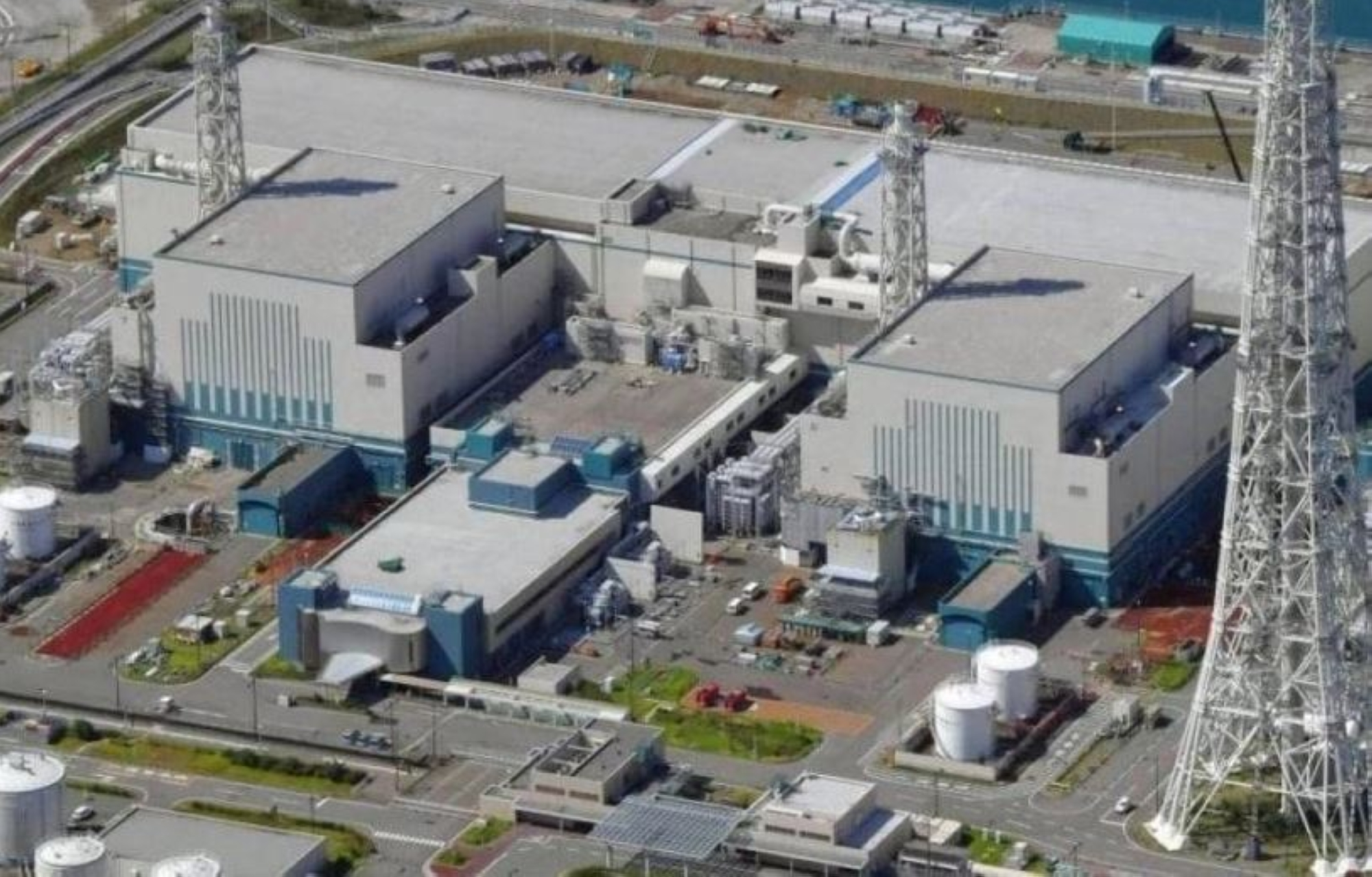
In a significant strategic move, Japan announced the restart of the Kashiwazaki-Kariwa nuclear power plant, the world's largest in terms of production capacity, for the first time since the devastating Fukushima disaster in 2011. This decision represents a turning point in Japanese energy policy and reflects the country's pursuit of a delicate balance between energy security, environmental obligations, and public safety concerns.
This move comes after the governor of Niigata Prefecture, where the plant is located, approved the resumption of operations, despite deep public divisions still influenced by the memory of the Fukushima disaster. The restart process will be gradual and limited, with only one of the plant's seven reactors being activated in the first phase, under strict monitoring to ensure the highest safety standards.
Historical background: The shadow of the Fukushima disaster
The significance of this decision cannot be understood without recalling March 11, 2011, when a devastating earthquake followed by a massive tsunami struck the northeastern coast of Japan, causing the cooling systems at the Fukushima Daiichi nuclear power plant to fail and resulting in the meltdown of three reactors. This triple tragedy (earthquake, tsunami, and nuclear disaster) forced Japan to shut down all of its operating nuclear reactors, leading to a radical shift in its energy mix and increasing its near-total dependence on imported fossil fuels to meet its energy needs.
Importance and expected impact
The decision to restart the Kashiwazaki-Kariwa power plant is driven by several pressing factors. Domestically, Japan is seeking to reduce its hefty energy import bill and bolster energy security in the face of global market volatility. The country also faces the growing challenge of meeting rising electricity demand, exacerbated by the expansion of data centers and artificial intelligence.
Internationally, Japan, the world's fifth-largest emitter of carbon dioxide, is committed to achieving carbon neutrality by 2050. The Japanese government considers nuclear power a key component in achieving this ambitious goal, as it provides a stable and low-carbon energy source. Therefore, this move not only impacts Japanese energy policy but also carries significant implications for global efforts to combat climate change and may encourage other countries to reassess the role of nuclear power in their future plans.
Politics
Saudi-French talks in Davos to enhance regional security and stability
On the sidelines of the Davos Forum 2026, Saudi Foreign Minister Prince Faisal bin Farhan discussed with his French counterpart Jean-Noël Barrot the latest regional developments and joint efforts to achieve security.
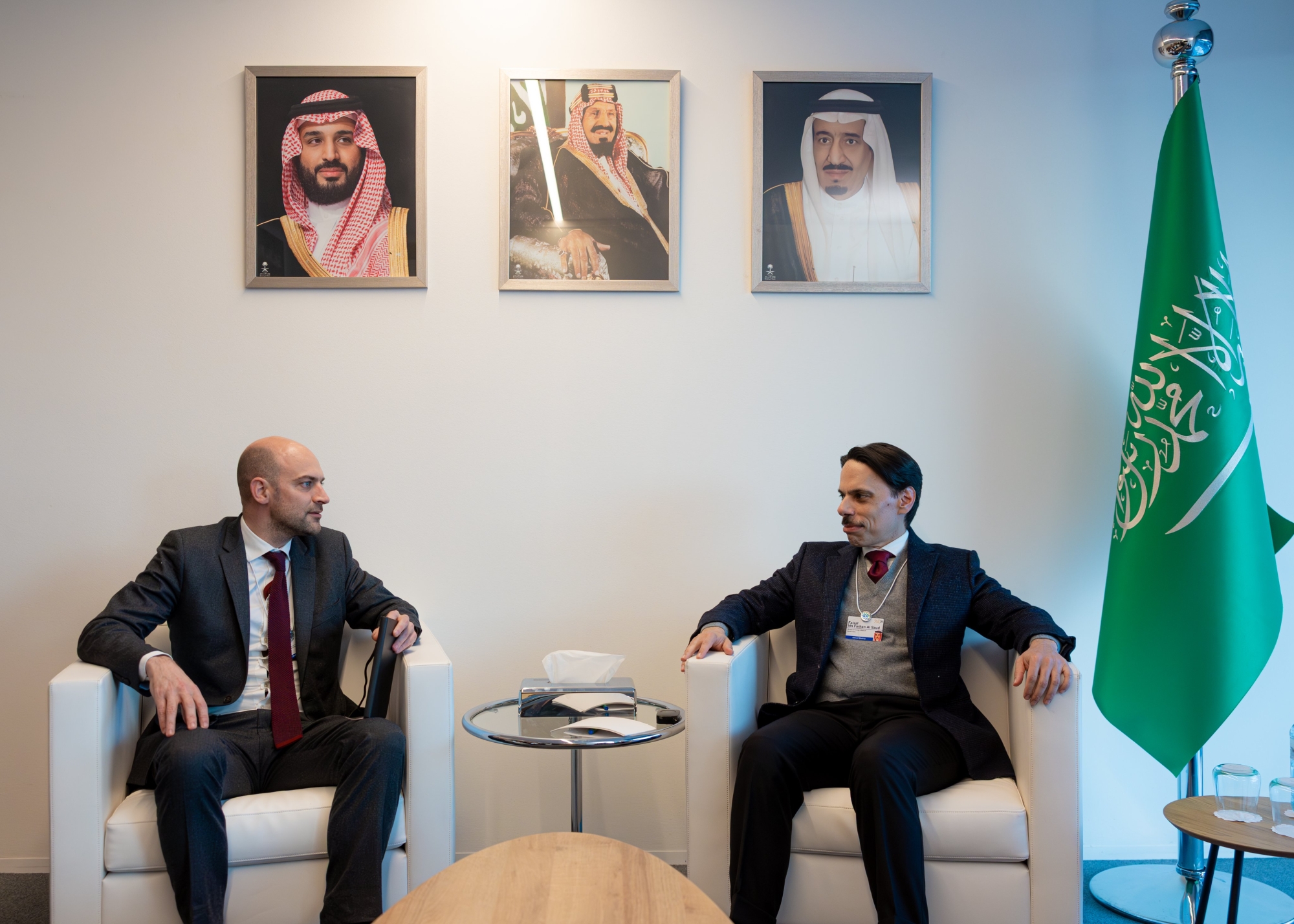
In a move reflecting the depth of strategic relations between Riyadh and Paris, Saudi Foreign Minister Prince Faisal bin Farhan met today (Wednesday) with French Minister for Europe and Foreign Affairs Jean-Noël Barrot. This important diplomatic meeting took place on the sidelines of the 2026 World Economic Forum Annual Meeting in Davos, Switzerland, a leading global platform for decision-makers and policymakers.
The meeting focused primarily on reviewing the latest developments in the complex regional situation and exploring ways to strengthen joint efforts aimed at establishing security and stability in the Middle East. This coordination comes at a critical time, as the region faces increasing challenges that require concerted international efforts to find sustainable diplomatic solutions.
Historical background and context of the meeting
Saudi-French relations are based on a long history of close cooperation across various fields, including politics, economics, defense, and culture. France is considered a strategic partner of the Kingdom of Saudi Arabia, with the two countries sharing similar views on many regional and international issues. The Davos Economic Forum provides an ideal environment for such bilateral meetings, offering officials an opportunity to exchange perspectives outside the constraints of complex formal protocols, thus accelerating joint coordination to address pressing global challenges.
The importance and impact of the talks
These talks are of particular importance given the pivotal roles of both countries. The Kingdom, with its political and economic weight in the Arab and Islamic worlds, is leading significant diplomatic efforts to de-escalate conflicts in the region, while France, as a permanent member of the UN Security Council and a major European power, plays an active role in international politics. Coordination between Riyadh and Paris can greatly contribute to forging unified international positions on issues such as maritime security, counterterrorism, and supporting political solutions to regional crises.
This cooperation is expected to have a positive impact on regional stability and enhance the international community's ability to address security and economic challenges. The meeting also underscores the continuation of the strategic dialogue between the two countries, which aims to achieve shared interests and support global peace.
The meeting was attended on the Saudi side by the Ambassador of the Custodian of the Two Holy Mosques to the Swiss Confederation and the Principality of Liechtenstein, Mr. Abdulrahman Al-Dawood, and the Advisor to the Minister of Foreign Affairs, Mr. Mohammed Al-Yahya, which highlights the importance that the Kingdom attaches to this high-level bilateral dialogue.
-

 Reports 6 days ago
Achievements of Saudi government sectors in 2025
-
Local news two weeks ago
FDA warns of contaminated Nestle infant formula | Recall details
-
Technology 4 weeks ago
US ban on drones: reasons and consequences
-
Technology 4 weeks ago
SRMG and Snapchat partnership: The future of digital media in the Middle East
-
Technology 4 weeks ago
Saudi Arabia's Ministry of Islamic Affairs is employing artificial intelligence in public speaking
-
Sports 4 weeks ago
Salah leads Egypt to a thrilling comeback against Zimbabwe in the Africa Cup of Nations
-
Sports 4 weeks ago
Napoli win the Italian Super Cup in Riyadh for the third time (2025)
-
Sports 4 weeks ago
Alexander Isak's injury: A major blow to Newcastle United's ambitions