Politics
Custodian of the Two Holy Mosques: The challenges of humanitarian work can only be overcome through concerted efforts by the international community
Under the patronage of the Custodian of the Two Holy Mosques, King Salman bin Abdulaziz, and on his behalf, the Governor of Riyadh Region, Prince Faisal bin Bandar, attended

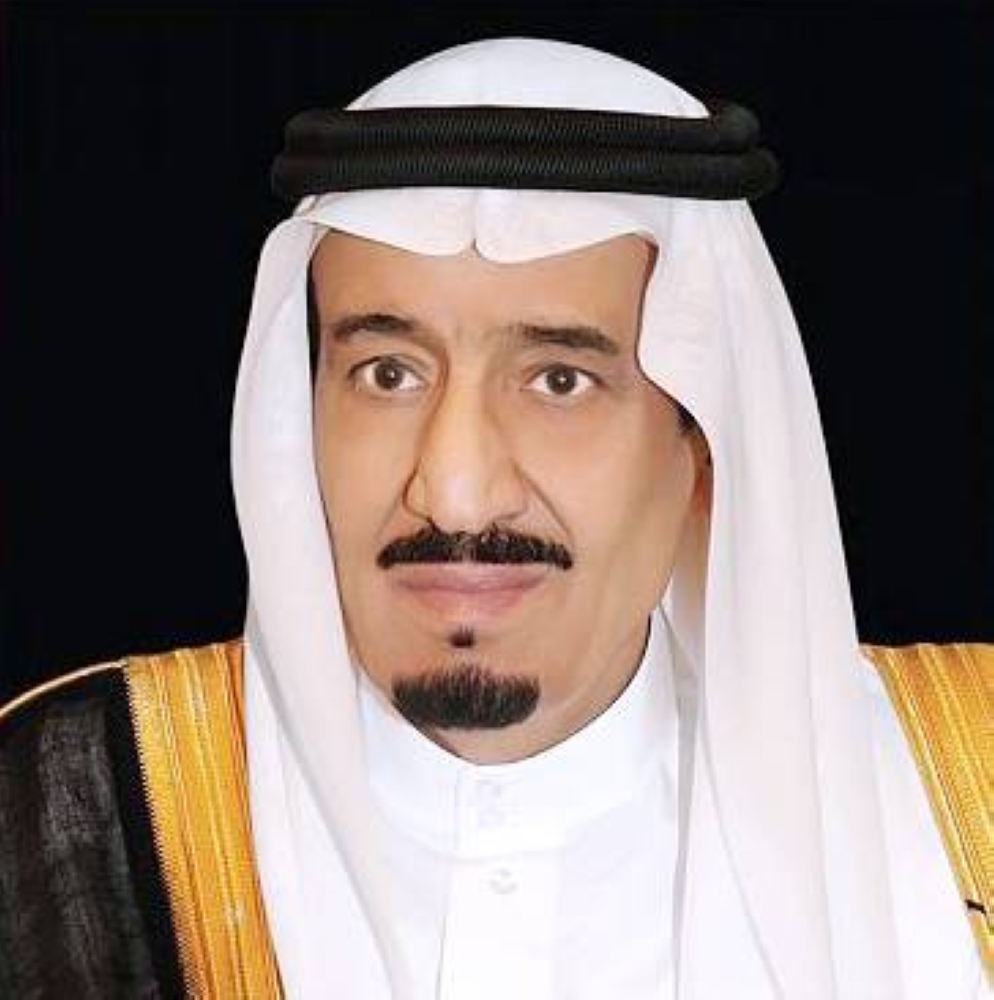
Under the patronage of the Custodian of the Two Holy Mosques, King Salman bin Abdulaziz, and on his behalf, the Governor of Riyadh Region, Prince Faisal bin Bandar bin Abdulaziz, attended the opening of the fourth session of the Riyadh International Humanitarian Forum, entitled “Exploring the Future of Humanitarian Response.”.
The Governor of Riyadh welcomed everyone to the Kingdom, and said: I am honored to convey to you the greetings of the Custodian of the Two Holy Mosques, King Salman bin Abdulaziz, patron of the Riyadh International Humanitarian Forum, who has delegated me - may God support him - to deliver his speech at the fourth session of the Forum:
“At a time when the world is witnessing an increase in disasters and crises that have exacerbated humanitarian needs and challenges, this forum is being held to highlight the groups most affected by these circumstances, and to provide a platform to discuss the most important challenges that hinder humanitarian work, which can only be overcome by the combined efforts of the international community.
Today we celebrate the blessed journey of the Kingdom of Saudi Arabia in humanitarian work, which is derived from our true Islamic religion and the noble values established by the founding King Abdulaziz bin Abdulrahman Al Saud. During this journey, the Kingdom provided support and assistance to many sisterly and friendly countries in facing disasters and crises with an amount exceeding 100 million US dollars. This journey culminated in the establishment of the King Salman Center for Relief and Humanitarian Aid a decade ago, which has contributed to providing assistance to millions of the most needy groups in more than 100 countries through the implementation of more than 3,000 humanitarian projects with an amount exceeding 7 billion US dollars.
Al-Rabeeah: King Salman presented the world with the most precious gift
Dr. Abdullah Al-Rabeeah said, “The fourth edition of the Riyadh International Humanitarian Forum is a landmark in the journey of humanitarian work, and it coincides with the tenth anniversary of the founding of the King Salman Center for Relief and Humanitarian Aid. It is a moment worthy of our reflection to learn from the lessons of the past that will enable us to guide our actions to move steadily towards the future. It also comes after our celebration of the anniversary of the founding of the Kingdom.”.
Related News
He continued: “We are witnessing how humanitarian work has been present and strong within the interests of the Custodian of the Two Holy Mosques, King Salman bin Abdulaziz, who presented the world with the most precious gift ten years ago when he announced the establishment of the King Salman Relief Center to be a leading center in providing Saudi humanitarian work to those in need around the world according to a methodology that combines giving and planning, urgent relief intervention and long-term humanitarian work.”.
He emphasized that, in translation of this, the center has undertaken to deliver aid to those in need in 106 countries at a cost exceeding 7.3 billion US dollars, through which 3,355 relief projects were implemented directly, or through its UN, international and local partners, whose number reached 466 organizations, so that the volume of Saudi aid during the past five decades exceeds 133.8 billion US dollars, in addition to it being one of the largest international centers that implements external volunteer projects, as it implemented 876 volunteer projects in 52 countries, in addition to its active participation with the United Nations in supporting global humanitarian trends, including the Sustainable Development Goals, and contributing to the creation of creative access mechanisms, and achieving a strong and sustainable impact.
Al-Rabeeah appealed to the donor community and partners in success from the public and private sectors in all countries of the world to provide the necessary support for humanitarian work to improve the efficiency and speed of response, and to meet urgent humanitarian appeals.
Agreements with humanitarian organizations
The Governor of Riyadh and attendees watched a documentary about the 4th Riyadh International Humanitarian Forum, which addressed the importance of solidarity and professional integration in exploring the future of humanitarian response in light of the major challenges facing the world, including humanitarian crises, natural disasters, and emergencies, and in adopting best practices to develop this response and its tools. Following this, he witnessed the signing of four agreements with local, international, and UN humanitarian and relief organizations to support international humanitarian work.




Politics
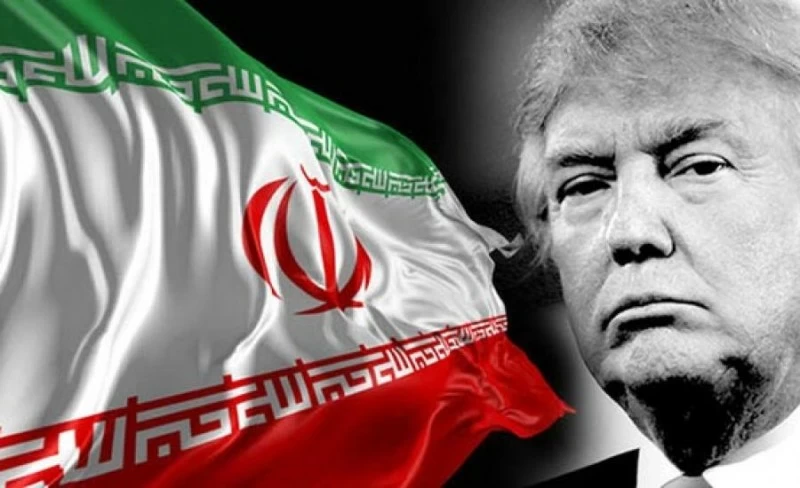
Trump sets the potential war with Iran in weeks
Donald Trump reveals military estimates of the duration of a war with Iran, citing the Venezuela scenario and the continuation of the maximum pressure policy. Read the details of his statements and their implications.
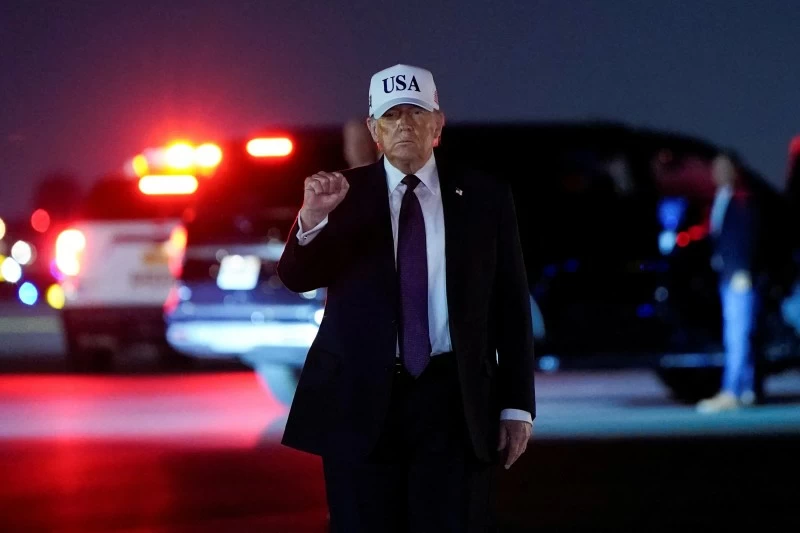
US President Donald Trump asserted that any potential military confrontation with Iran might not be as protracted as some anticipate, suggesting that operations would likely last "the next four weeks." In his remarks, Trump indicated that the military plans initially were based on the assumption of an intensive operation lasting approximately one month, reflecting Washington's assessment of the potential conflict.
Military assessments and complex scenarios
Trump, outlining his country's strategic vision, said that the military assessments he had received anticipated the operation would take "four weeks or so." Despite this escalating tone, the US president was careful to keep the door ajar for diplomacy, adding that he remained open to further talks with the Iranian side to de-escalate tensions, without specifying a possible date or timeline for any near-term meetings between the two parties.
In discussing potential tactics, Trump described the ongoing and planned operation as one of the “most complex offensive operations militarily,” pointing to the logistical and strategic challenges posed by the geography and defensive capabilities in the region.
Context of tension: Maximum pressure strategy
These statements come in the context of a period of extreme tension in US-Iranian relations, which have escalated significantly since the United States unilaterally withdrew from the nuclear agreement (Joint Comprehensive Plan of Action) in May 2018. Since then, the Trump administration has adopted a policy of “maximum pressure,” which has included imposing crippling economic sanctions aimed at reducing Iranian oil exports to zero and isolating Tehran from the global financial system.
Observers believe that Trump’s talk about the “Venezuela scenario” and what the United States did there carries clear indications of Washington’s desire to use various pressure tools, combining military threats and economic blockades, with the aim of forcing adversaries to change their political behavior without necessarily being drawn into large-scale and long-term ground wars, which is consistent with Trump’s declared doctrine of rejecting “endless wars.”.
Regional and international repercussions
These statements are of paramount importance given Iran's sensitive geopolitical location, overlooking the Strait of Hormuz through which a large portion of the world's oil supply passes. Any military action, even if limited to a few weeks as Trump suggested, could have serious repercussions for the stability of global energy markets and the security of navigation in the Arabian Gulf.
Analyses indicate that Washington, through these dual messages – threatening a swift war and calling for dialogue – is trying to push Tehran to return to the negotiating table with new conditions, including not only the nuclear file, but also the ballistic missile program and Iran’s regional influence in the Middle East.
Politics
Hezbollah bombs Haifa in revenge for Khamenei: Details of the attack on Mishmar al-Karmel
Hezbollah announces it bombed the Mishmar al-Karmel site south of Haifa with missiles and drones in retaliation for the killing of Khamenei. Details of the dangerous military escalation on the northern front and developments in the war.
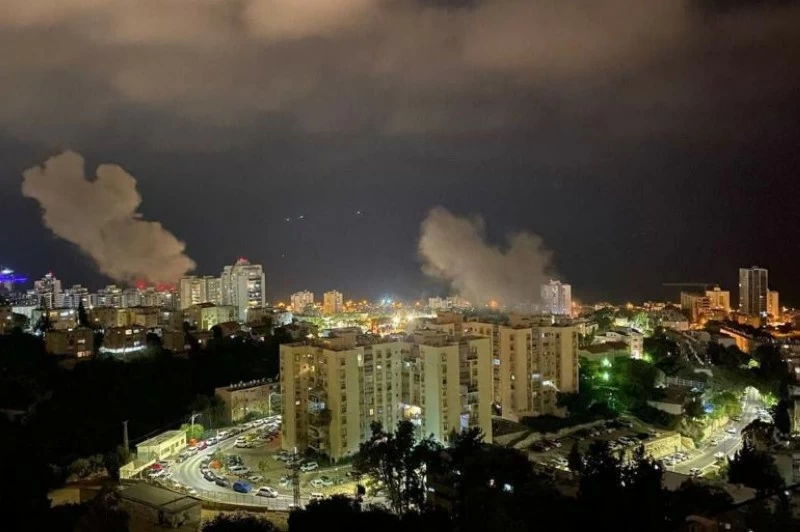
In a significant military development that threatens an unprecedented escalation on the northern front, the Lebanese Hezbollah group claimed responsibility early Monday morning for a complex military operation targeting the Israeli heartland. In an official statement, the group confirmed targeting the Israeli army's Mishmar al-Karmel missile defense site, located south of Haifa, using advanced missiles and a swarm of attack drones.
Details of the operation and its timing
The party explained in its statement that the operation was carried out with high precision at midnight between Sunday and Monday (March 2, 2026). The statement declared that this attack was "revenge" for the killing of Iranian Supreme Leader Ali Khamenei, and "in defense of Lebanon and its people," thus giving a broader regional dimension to this attack, which transcends traditional rules of engagement.
Implications of targeting Haifa and the strategic dimension
Targeting the southern Haifa area, specifically the Mishmar al-Karmel site, represents a qualitative shift in Hezbollah's target bank. Haifa is a vital artery and an industrial and strategic center for the occupation, and targeting its defensive installations indicates Hezbollah's attempt to overwhelm Israeli air defense systems, paving the way for potential missile waves. Historically, the "Haifa and beyond" equation established by the resistance has served as a significant deterrent, and its activation today confirms that the conflict has entered a decisive phase.
The regional context and the killing of Khamenei
The direct link between the operation and the assassination of Iranian Supreme Leader Ali Khamenei presents the region with a range of open-ended scenarios. Hezbollah is thus declaring that its response to the assassination of the axis leaders is not confined to Iranian territory, but extends to all fronts of support. This development underscores the unity and interconnectedness of the various arenas, as this attack is seen as part of a broader response that may encompass other fronts in the region.
"warning response" messages and the ongoing war
The party's statement indicated that the continued assassinations and attacks give the resistance "the right to respond at the appropriate time and place." The statement also noted that Israel "cannot continue its fifteen-month-long aggression without facing a response." This timeframe (15 months) reflects a protracted war of attrition, in which each side attempts to impose new rules of engagement through force. Analysts confirm that the missiles reaching southern Haifa signify the failure of attempts to neutralize Hezbollah's missile capabilities, despite the ongoing airstrikes on the southern suburbs of Beirut and southern Lebanon, thus presenting settlers in the north and center of the country with a complex security situation.
Politics
Trump: Our operations in Iran continue despite the killing of 3 soldiers
In his first comment, President Trump confirmed the deaths of three American soldiers in Iran, warning of further losses and stressing the continuation of the fight until the objectives are achieved, via Truth Social.
In a notable escalation of the military situation, US President Donald Trump confirmed on Sunday that further casualties among US forces during the ongoing combat mission inside Iranian territory are "likely," while stressing that military operations will not stop and will continue "until the United States achieves its objectives in full.".
Fiery statements via Truth Social
President Trump's remarks came in a video posted on his social media platform, Truth Social, where he adopted a firm and frank tone regarding the cost of the war. Trump stated, "The fighting continues at full force and will continue until all of our objectives are achieved. We have very strong objectives," refraining from elaborating on those strategic goals or revealing a timeline for the end of the operations. This leaves the door open to widespread speculation about the scope and scale of the conflict.
National mourning and the cost of confrontation
The US president had previously announced the deaths of three American service members, describing the event as tragic and affirming that the nation was in mourning. In his eulogy for the soldiers, he added, "As one nation, we mourn the patriots who made the ultimate sacrifice for their country." These statements serve to confront the American public with the stark reality of the human cost of this direct military involvement.
Context of historical conflict and tension
These developments are exceptionally dangerous given the history of strained relations between Washington and Tehran. While relations between the two countries have been tense for decades, the shift from proxy wars or naval skirmishes to a direct US "combat mission" and resulting casualties represents a radical change in the rules of engagement. Observers believe that Trump's talk of "strong targets" may indicate an effort to neutralize significant military capabilities or fundamentally alter the balance of power in the region, which explains his warning that there is still a long way to go.
Expected regional and international repercussions
This escalation is expected to cast a long shadow over the stability of the entire Middle East region. Continued military operations and the prospect of further casualties could trigger a chain reaction affecting international maritime security and global energy supplies. Furthermore, the US administration's insistence on pressing ahead until "all objectives are achieved" leaves the international community with a range of scenarios, from full-scale military escalation to intense diplomatic pressure aimed at containing the situation before it spirals completely out of control.
-

 Local News 4 days ago
Saudi Arabia approves regulations for the continued presence of Gulf vehicles: duration and penalties
-
Local News 7 days ago
The Ministry of Interior begins procedures for a royal pardon for common law prisoners
-
Local news two days ago
Jeddah Airport alerts for travelers due to airspace closure and flight disruptions
-
Politics, one week ago
Trump plans to create a $2 billion alternative to the World Health Organization
-
Local News 6 days ago
The deadline for property registration in Hail and Riyadh is Thursday
-
Sports one week ago
Tickets for the Al-Ahli vs. Al-Hilal King's Cup match postponed: New date
-
Local News 6 days ago
Under the patronage of the Minister of Information, an agreement was signed between the Ministry of Information and Waves Marketing Company
-
Culture and Art 5 days ago
The Devil's Prisons series was halted: The full story of "The Emperor's" being moved to YouTube