
Politics
Joseph Aoun draws up a new political map for Lebanon
Lebanon breathed a sigh of relief, and the Lebanese people were optimistic about the election of General Joseph Aoun as President of the Republic, which put an end to the vacuum

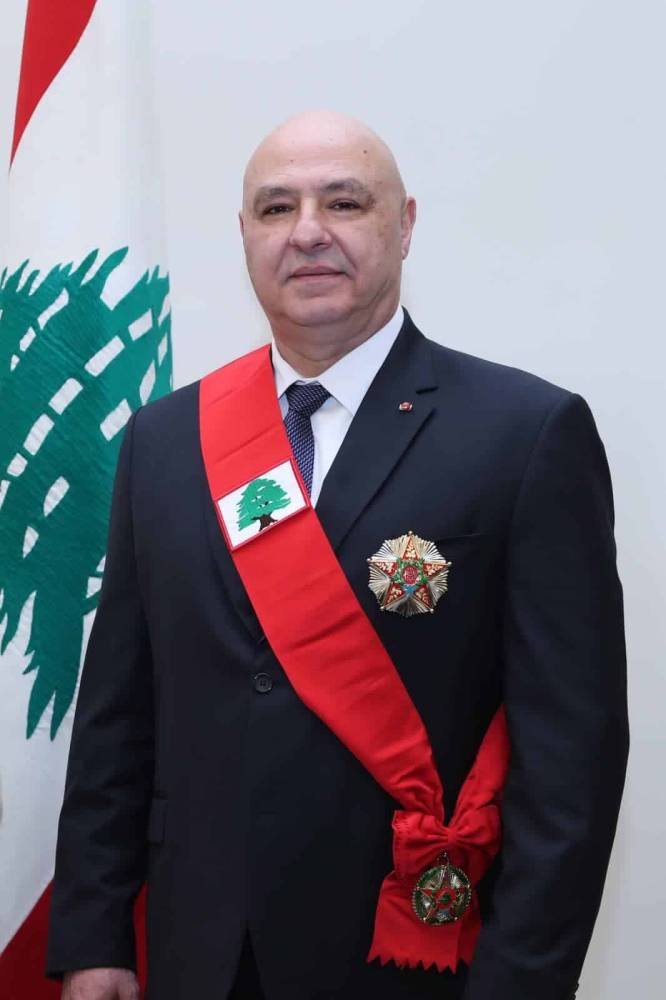
Lebanon breathed a sigh of relief, and the Lebanese people rejoiced at the election of General Joseph Aoun as President of the Republic, which put an end to the presidential vacuum and the crippling political crisis, ushering in a new era on all levels. The changes that will follow this election will constitute a pivotal event and a turning point between two phases: the era of what Lebanon was and the era of what it will become.
Internal and external facts indicate that Aoun’s election is a declaration of the end of the era of Arab and international isolation of Lebanon and the presidency.
These events have created an atmosphere of optimism among the Lebanese, because it is the only opportunity to rebuild the state on solid, modern and correct foundations, and to open Lebanon to future prospects that were not previously available, due to the economic and political crises and its years of being stuck in a vicious cycle.
Lebanon, according to the oath speech announced by President Joseph Aoun, will be facing a new political map, and based on a new sorting that will restore it to its role and international relations and its Arab environment after a long interruption.
In his first appearance as president, Joseph Aoun presented a model of a confident leader, introducing a political discourse that reflected a new and different style of governance. His inaugural address served as a comprehensive governing program, resonating with the aspirations of the Lebanese people, who had learned through past experience that effective governance requires concrete actions, not just words.
From the content of his inaugural address, it was clear that the new president is well aware of the priorities of the economic phase. He addressed in depth the need to remove Lebanon from the "grey list" and prevent its slide onto the "black list" according to the Financial Action Task Force (FATF) classification.
President Aoun understands that the fundamental problem lies in the lack of judicial independence, where money laundering cases are stalled due to political interference. He also recognizes the importance of attracting local and foreign investment, starting with the necessity of providing a transparent and independent judicial environment. Any investor, especially a foreign one, first inquires about the state of the judiciary in the country where they intend to invest.
The new president also realizes that confronting the phenomenon of smuggling will have significant positive effects, most notably eliminating the illegal economy in favor of the formal economy, which will enhance economic growth and increase state revenues.
As part of the reforms, Aoun emphasized the importance of restructuring the public sector, a necessary requirement for economic recovery. Reducing the deficit and improving the productivity of public sector employees are essential steps toward achieving economic stability and restoring the confidence of the international community.
In conclusion, his commitment to the principle of the state's monopoly on the use of force was noteworthy, as he emphasized that this is the essential prerequisite for Lebanon to regain its natural role as a stable state. Any attempts to achieve recovery and prosperity will be futile unless this principle is fully implemented.
President Joseph Aoun’s speech reflected a coherent vision and a practical approach to addressing the political and economic crises, in a step that, if implemented, will put Lebanon back on the path to reform and prosperity.




Politics
The Crown Prince receives a message from the President of the Maldives to strengthen relations
Crown Prince Mohammed bin Salman received a written message from the President of the Maldives concerning bilateral relations, which was received by the Deputy Foreign Minister during his meeting with the Maldivian Ambassador in Riyadh.
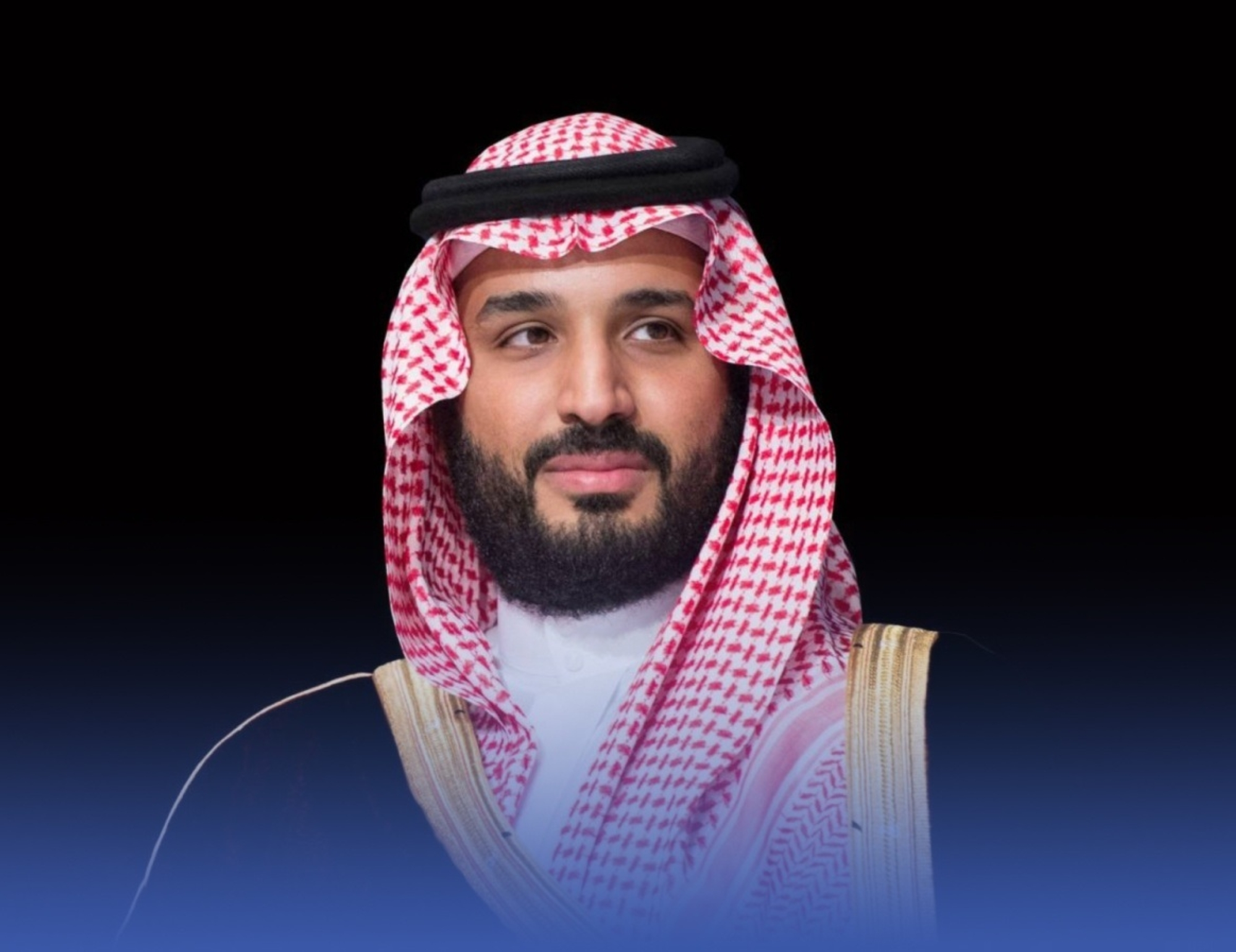
His Royal Highness Prince Mohammed bin Salman bin Abdulaziz Al Saud, Crown Prince and Prime Minister, received a written message from His Excellency President Dr. Mohamed Moez, President of the Republic of Maldives, concerning ways to strengthen the strong bilateral relations between the two brotherly countries, and discussing prospects for joint cooperation in various fields.
The message was received on behalf of His Royal Highness the Crown Prince by His Excellency the Deputy Minister of Foreign Affairs, Engineer Waleed bin Abdulkarim Al-Khuraiji, during his reception today at the Ministry’s headquarters in Riyadh of the Ambassador of the Republic of Maldives to the Kingdom of Saudi Arabia, Mr. Ahmed Sarir.
During the reception, the distinguished bilateral relations between the Kingdom and the Maldives were reviewed, and ways to develop them in a manner that serves the interests of the two brotherly peoples were discussed, in addition to discussing a number of topics of common interest, and exchanging views on regional and international developments.
The depth of Saudi-Maldivian relations
This message comes within the framework of ongoing communication between the leaderships of the two countries, as the Kingdom of Saudi Arabia and the Republic of Maldives share close historical and fraternal relations based on commonalities in Islamic identity and mutual cooperation. The Kingdom is a strategic partner of the Maldives in numerous development projects. Over the past decades, the Saudi Fund for Development has contributed to financing many vital infrastructure projects in the Maldives, including airport development, housing projects, and the health sector, reflecting the Kingdom's commitment to supporting the stability and prosperity of its sister nations.
Prospects for future cooperation
This diplomatic engagement is particularly important in light of the Kingdom's Vision 2030, which seeks to expand international partnerships and enhance economic and investment cooperation. Given the Maldives' status as a global tourist destination and the Kingdom's focus on developing the tourism sector as a cornerstone of economic diversification, promising opportunities exist for the exchange of expertise and investments between the two countries. Furthermore, both nations play significant roles within the Organization of Islamic Cooperation, making political coordination between them vital for addressing the challenges facing the Muslim world.
The reception of the Maldivian ambassador by Engineer Waleed Al-Khuraiji confirms the Saudi Ministry of Foreign Affairs’ keenness to activate diplomatic communication channels and follow up on the outcomes of bilateral cooperation, in order to ensure the realization of the leadership’s aspirations in both countries towards greater integration and growth.
Politics
The leadership offers condolences to the King of Jordan on the death of Ahmed Obeidat | Details of the telegram
The Custodian of the Two Holy Mosques and the Crown Prince sent two telegrams of condolence to the King of Jordan on the death of former Prime Minister Ahmed Obeidat, stressing the depth of fraternal relations and expressing their condolences to the Jordanian people.
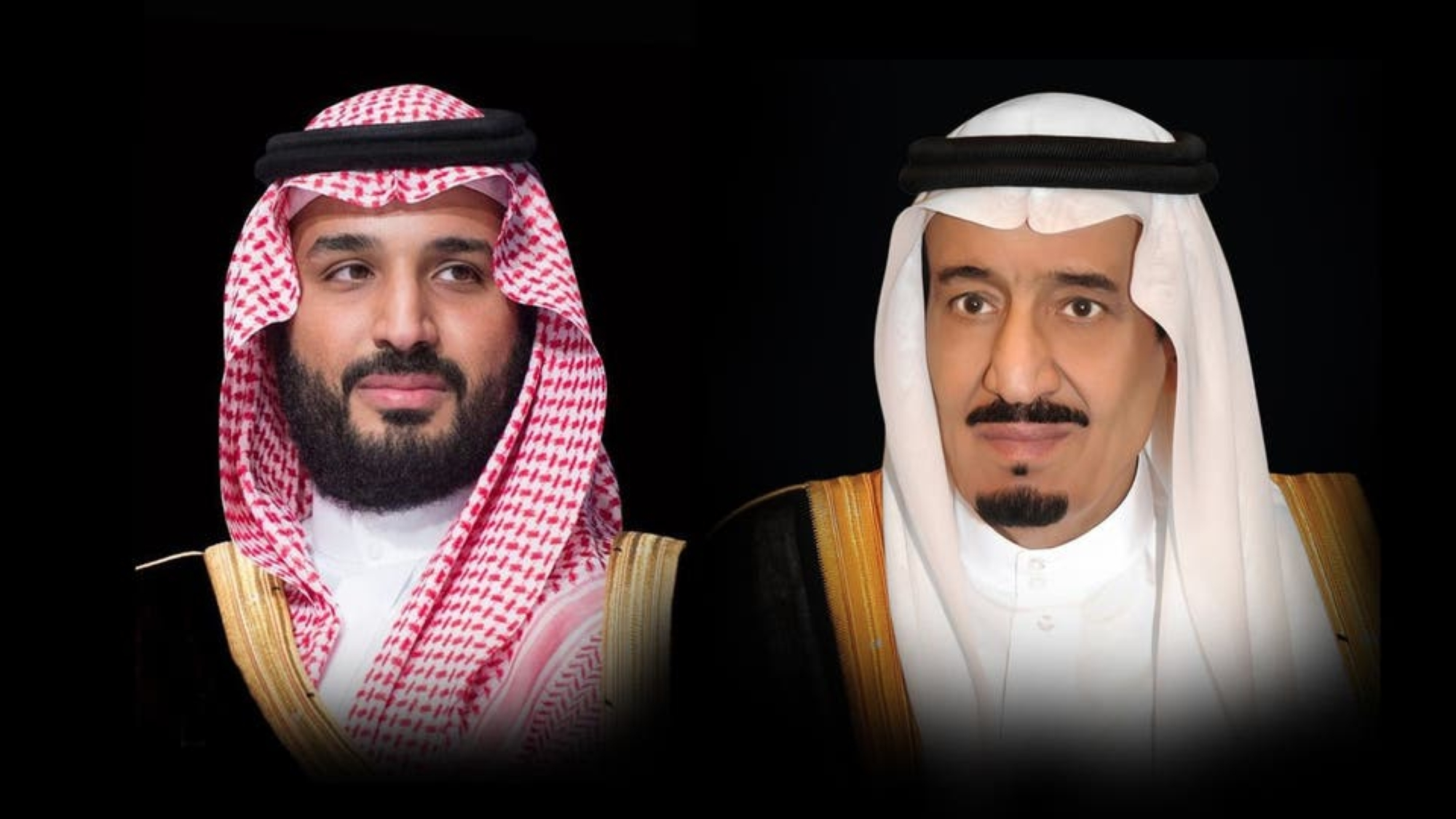
The Custodian of the Two Holy Mosques, King Salman bin Abdulaziz Al Saud, and His Royal Highness Prince Mohammed bin Salman bin Abdulaziz Al Saud, Crown Prince and Prime Minister, sent two cables of condolence and sympathy to His Majesty King Abdullah II bin Al-Hussein, King of the Hashemite Kingdom of Jordan, on the death of the former Jordanian Prime Minister, Ahmed Obeidat, who passed away after a career full of giving in service to his country.
Details of the royal telegram
In their telegrams, the Custodian of the Two Holy Mosques and His Royal Highness the Crown Prince expressed their deepest condolences and sincere sympathy to His Majesty the King of Jordan, the family of the deceased, and the brotherly Jordanian people. The wise leadership prayed to God Almighty to bestow His mercy and forgiveness upon the deceased, grant him a place in Paradise, and grant his family patience and solace. They also prayed that God protect the Hashemite Kingdom of Jordan, its leadership, and its people from all harm and evil, affirming the Kingdom of Saudi Arabia's unwavering support for Jordan in all circumstances.
Ahmed Obeidat: A remarkable political and security career
The late Ahmed Obeidat, who passed away last Tuesday, was one of Jordan's most prominent statesmen of recent decades. He held sensitive and pivotal positions in the history of the Kingdom, serving as Prime Minister in the 1980s, and prior to that as Director of the General Intelligence Directorate and Minister of the Interior. Obeidat was known for his political and security acumen, and played a key role in drafting the Jordanian National Charter. He was also an active member of the Senate for several terms, making him a widely respected figure in political and social circles.
Funeral and mourning ceremonies
The funeral procession for the deceased took place in his hometown of Haritha, in the Irbid Governorate of northern Jordan, amidst a large official and public attendance reflecting the high esteem in which he was held. Mourners flocked from across Jordan to offer their condolences, recalling the deceased's virtues and patriotic stances.
The depth of Saudi-Jordanian relations
The condolences offered by the Saudi leadership reaffirm the deep-rooted fraternal and historical ties that bind the Kingdom of Saudi Arabia and the Hashemite Kingdom of Jordan. Relations between the two brotherly nations are characterized by continuous coordination and ongoing consultation on all issues, in addition to the strong social and familial bonds that unite their peoples, making their grief a shared sorrow in such tragic events.
Politics
German Chancellor Friedrich Merz departs Riyadh after an official visit
German Chancellor Friedrich Merz departs Riyadh after an official visit to the Kingdom. He was seen off by the Deputy Governor of Riyadh and the Minister of Finance, in a move to strengthen Saudi-German relations.
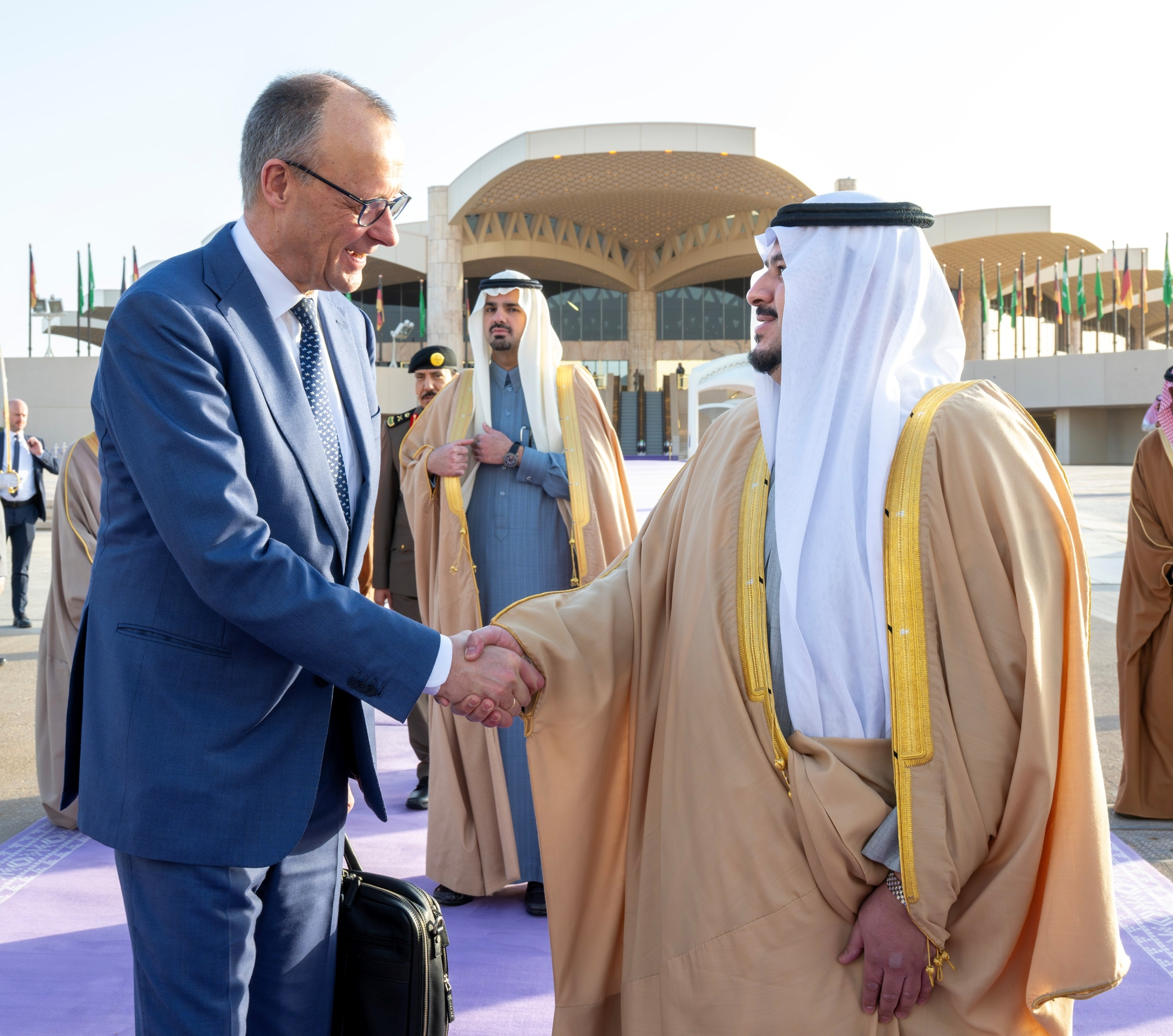
The Federal Chancellor of the Federal Republic of Germany, Friedrich Merz, and his accompanying high-level delegation left the Saudi capital, Riyadh, today (Thursday), after concluding an official visit to the Kingdom of Saudi Arabia, during which he held important talks aimed at strengthening the bonds of joint cooperation between the two friendly countries.
Official farewell ceremony at King Khalid International Airport
A formal farewell ceremony was held for the German Chancellor at King Khalid International Airport in Riyadh. Among those bidding him farewell were His Royal Highness Prince Mohammed bin Abdulrahman bin Abdulaziz, Deputy Governor of Riyadh Region, and His Highness Prince Faisal bin Abdulaziz bin Ayyaf, Mayor of Riyadh. Also present were the Minister of Finance, Mr. Mohammed bin Abdullah Al-Jadaan (the accompanying minister), the Ambassador of the Custodian of the Two Holy Mosques to Germany, Mr. Fahd Al-Hathal, the Ambassador of the Federal Republic of Germany to the Kingdom, Mr. Michael Kindsgrapp, the Acting Director of Riyadh Region Police, Major General Mansour bin Nasser Al-Otaibi, and the Deputy Chief of Royal Protocol, Mr. Fahd Al-Sahil.
Dimensions of the visit and the depth of Saudi-German relations
Chancellor Friedrich Merz's visit to Riyadh comes at a crucial time, reflecting the depth of the historical and strategic relations between the Kingdom of Saudi Arabia and the Federal Republic of Germany. These relations, spanning decades, have been characterized by mutual respect and constructive cooperation across various fields. Such reciprocal visits between the two countries' leaders are a cornerstone for coordinating positions on global and regional issues, particularly in light of the geopolitical challenges facing the world, thus underscoring the role of Riyadh and Berlin as influential capitals in international decision-making.
Economic partnership and the prospects of Vision 2030
This visit holds significant economic importance, as Germany is a major trading partner for the Kingdom and one of the leading economies in the European Union. In light of the Kingdom's Vision 2030, both sides seek to deepen cooperation in vital sectors such as renewable energy, green hydrogen, technology, and industry. The presence of Finance Minister Mohammed Al-Jadaan as the accompanying minister reflects the economic weight of the discussions, as German companies look to contribute more to the Kingdom's mega-projects, thus enhancing opportunities for mutual investment and supporting economic diversification plans.
Coordinating efforts to promote regional stability
Politically, Saudi Arabia is a cornerstone of security and stability in the Middle East. Germany highly values the Saudi role in addressing regional crises, combating terrorism, and ensuring the security of global energy supplies. Therefore, the German Chancellor's visit is part of ongoing efforts to align perspectives on pressing regional issues and to work together to support peace and sustainable development, reflecting both countries' commitment to their international responsibilities as active members of the G20.
-

 Local news one week ago
Ramadan 2026 discounts in Saudi Arabia: Offers valid for 54 days
-
Culture and Art, 1 week ago
The death of artist Huda Shaarawi “Umm Zaki” and her funeral in Damascus
-
Technology one week ago
ICAN 2026 Conference Conclusion: Initiatives to Enhance Saudi Arabia's Leadership in Artificial Intelligence
-
Local news two days ago
Launch of the city's shuttle bus service in Ramadan 1447 AH: Routes and stations
-
Culture and Art, 1 week ago
The truth about Fayez Al-Maliki's illness: biopsy results and details of his health condition
-
Culture and Art, 1 week ago
Huda Shaarawi: Farewell to “Umm Zaki,” the icon of Syrian drama
-
Culture and Art, 1 week ago
The murder of Huda Shaarawi, "Umm Zaki": Details of the crime and its impact
-
Local News 4 days ago
Rabigh inaugurates the world's largest water innovation oasis and enters the Guinness World Records


