Politics
Trump is preparing to withdraw from the Paris Climate Agreement
The New York Times revealed that the transition team of US President-elect Donald Trump is planning to withdraw from the agreement

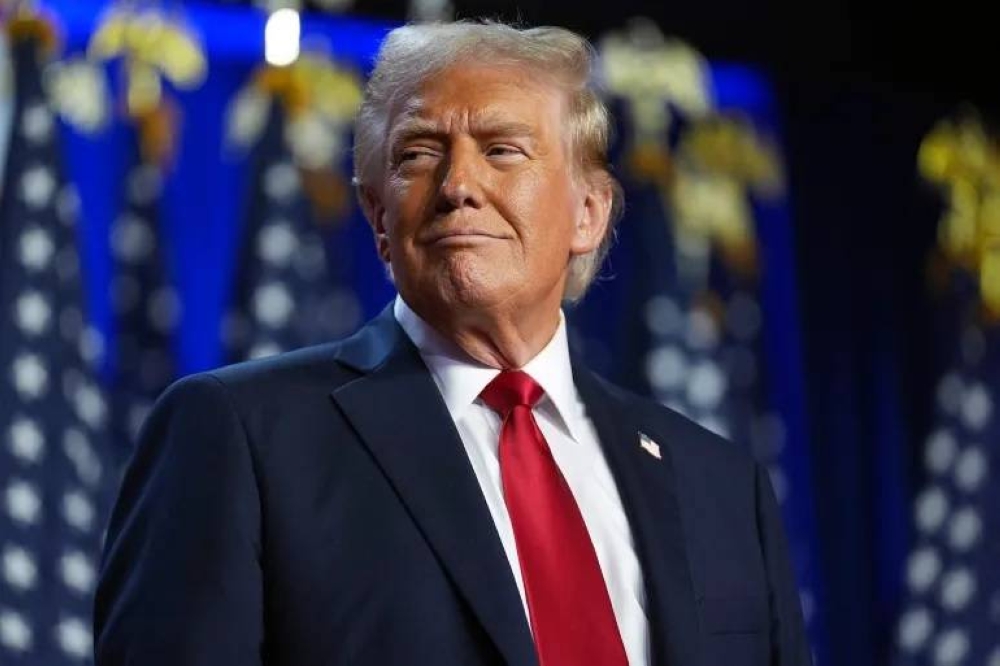
The New York Times revealed that President-elect Donald Trump's transition team plans to withdraw from the Paris Climate Agreement and allow more drilling and mining in the United States. The newspaper predicted that Trump would end the temporary moratorium on new natural gas export terminals and revoke the exemption that allows California and other states to implement stricter pollution control standards.
A U.S. Department of Energy official said the department will prepare an updated draft analysis and open it to public comment for 60 days before the end of the year. The report quoted people involved in the discussions as saying that some members of the transition team are discussing moving the Environmental Protection Agency headquarters out of Washington.
During his campaign, Trump promised to take several actions, including launching the largest deportation of immigrants and withdrawing from the Paris Climate Agreement. Carolyn Levitt, spokeswoman for Trump's transition team, said the presidential election results gave him "a mandate to fulfill the promises he made during his campaign, and he will do so.".
The outgoing administration of President Joe Biden suspended approvals for new liquefied natural gas exports last January in order to complete a study on the environmental and economic impact of the exports.
It is worth noting that in 2015, the United States pushed the rest of the world to sign the Paris Climate Agreement, with the aim of reducing greenhouse gas emissions in an attempt to slow climate change. This was one year before the end of Barack Obama's presidency.




Politics
The Saudi Foreign Minister discusses the Gaza crisis with the Palestinian Prime Minister
On the sidelines of the Davos Forum, Prince Faisal bin Farhan met with Palestinian Prime Minister Mohammad Mustafa to discuss bilateral relations, developments in Gaza, and international efforts to achieve a ceasefire.
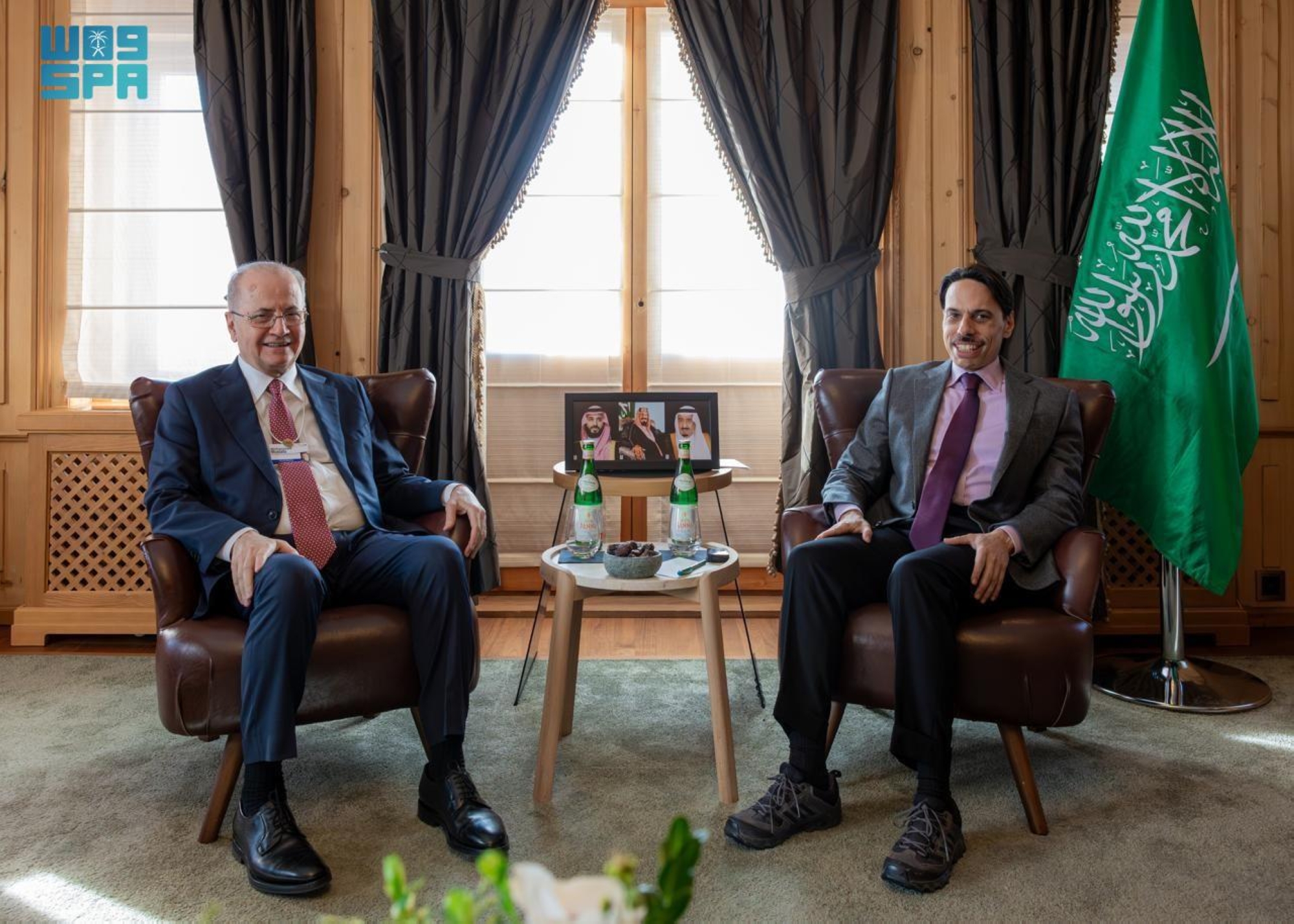
In a significant diplomatic move on the sidelines of the World Economic Forum's annual meeting in Davos, Switzerland, His Highness Prince Faisal bin Farhan bin Abdullah, the Saudi Minister of Foreign Affairs, met with His Excellency Dr. Mohammad Mustafa, the Prime Minister of Palestine. The meeting addressed ways to strengthen the deep-rooted bilateral relations between the two brotherly countries and explored prospects for joint cooperation in various fields.
The discussions focused primarily on the latest developments in the Gaza Strip, given the catastrophic humanitarian situation and the ongoing Israeli aggression. Both sides reviewed international and regional efforts to achieve an immediate ceasefire, ensure the protection of civilians, and facilitate the urgent and sustained delivery of humanitarian aid to all parts of the Strip. Prince Faisal bin Farhan reaffirmed the Kingdom's unwavering support for the Palestinian cause, emphasizing the need for the international community to take action to halt the violations and implement international resolutions.
This meeting comes within the context of the pivotal role that the Kingdom of Saudi Arabia has historically played in supporting legitimate Palestinian rights. The Kingdom has always been at the forefront of countries providing political and material support to the Palestinian people, and the Arab Peace Initiative, launched by the Kingdom in 2002, remains the cornerstone of any comprehensive and just solution, as it is based on the principle of a two-state solution and the establishment of an independent Palestinian state within the 1967 borders, with East Jerusalem as its capital.
These talks are of particular importance at this critical juncture, as Saudi diplomacy actively seeks to garner international support for a political process leading to a lasting solution. The meeting in Davos, the global platform that brings together world leaders and decision-makers, reflects the Kingdom's commitment to keeping the Palestinian issue at the forefront of the international agenda, its ongoing coordination with the Palestinian leadership to unify visions and positions in international forums, and its discussions on the requirements of the next phase, including efforts to rebuild Gaza and empower the Palestinian Authority to fulfill its responsibilities.
The meeting was attended on the Saudi side by the Ambassador of the Custodian of the Two Holy Mosques to the Swiss Confederation, Mr. Abdulrahman Al-Dawood, the Director General of the Office of His Highness the Minister of Foreign Affairs, Mr. Waleed Al-Smaeel, and the Advisor to the Minister of Foreign Affairs, Mr. Mohammed Al-Yahya, which confirms the importance that the Kingdom attaches to these high-level talks.
Politics
Saudi Cabinet: Strategic decisions to support the economy and stability
Chaired by King Salman, the Saudi Cabinet approved a package of important decisions including support for Palestine and Yemen, strengthening the non-oil economy, and approving new international agreements.
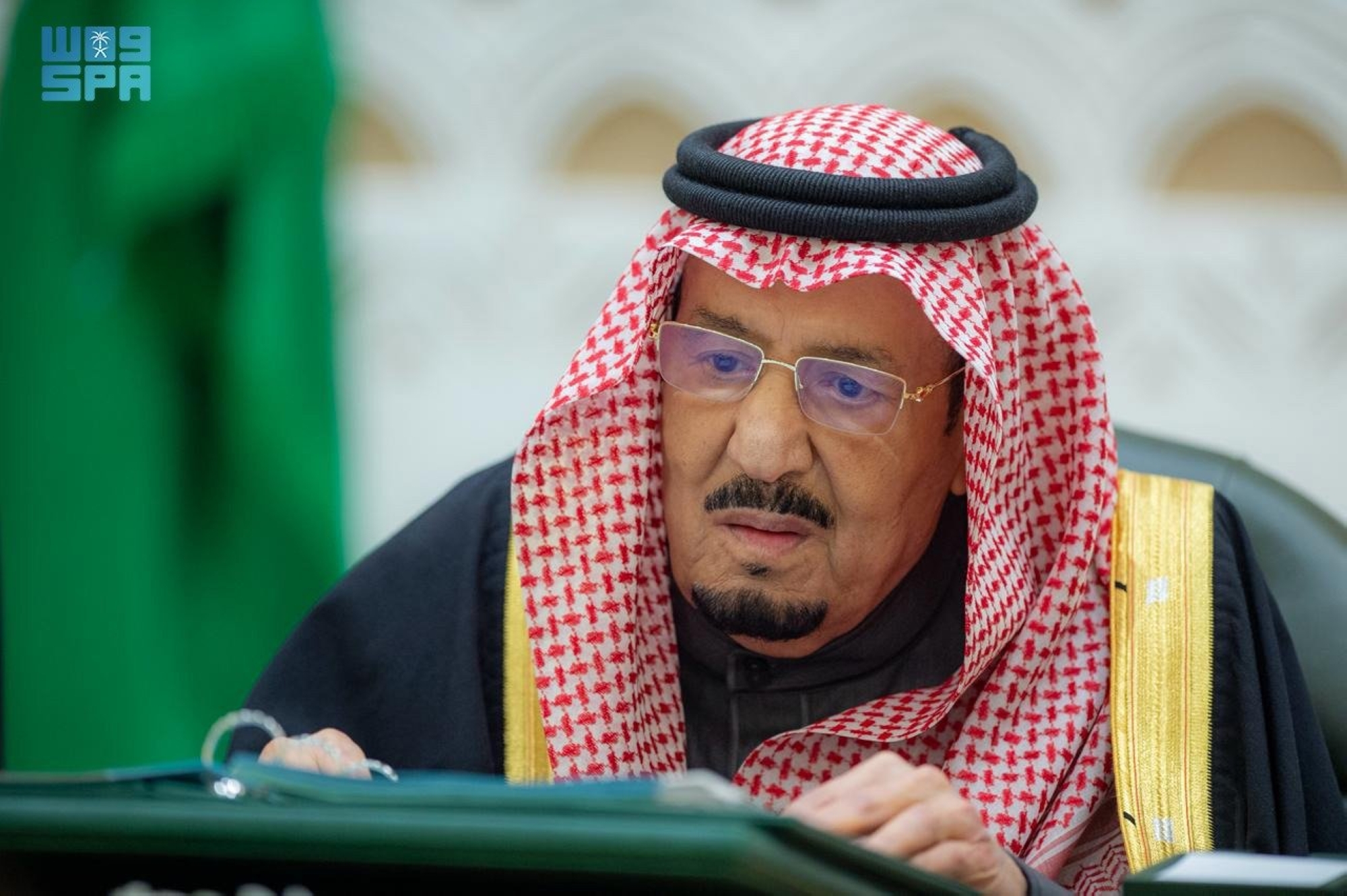
In a regular session chaired by the Custodian of the Two Holy Mosques, King Salman bin Abdulaziz Al Saud - may God protect him - in Riyadh, the Saudi Council of Ministers adopted a package of important decisions and positions that reflect the pivotal role of the Kingdom on the regional and international arenas, and confirm its continued progress in achieving the goals of Vision 2030.
General context of Cabinet sessions
The regularly held sessions of the Saudi Council of Ministers serve as the primary platform for decision-making in the Kingdom. They constitute the institutional framework through which domestic and foreign policies are formulated, development plans are monitored, and legislation and international agreements are approved. These sessions are of particular importance as they reflect the strategic directions of the state under the leadership of the Custodian of the Two Holy Mosques and His Royal Highness the Crown Prince, making their decisions a matter of great interest and scrutiny at all levels.
Active diplomacy and firm positions
The session began with a review of the latest diplomatic developments. The Council was briefed on the message received by His Royal Highness Crown Prince Mohammed bin Salman from His Majesty Sultan Haitham bin Tariq, Sultan of Oman, and on the content of the telephone call with His Excellency President Ahmed al-Sharaa of the Syrian Arab Republic. These contacts reflect the Kingdom's commitment to strengthening its fraternal relations and maintaining ongoing coordination with countries in the region to address shared challenges.
On the Palestinian issue, the Council reiterated its firm position, welcoming the launch of the second phase of the comprehensive peace plan in Gaza and stressing the need to solidify the ceasefire and ensure the unhindered delivery of humanitarian aid. The Council affirmed that the ultimate solution lies in ending the Israeli occupation and establishing an independent Palestinian state within the 1967 borders, with East Jerusalem as its capital, in accordance with international resolutions and the Arab Peace Initiative.
Supporting regional stability
Regarding other regional crises, the Kingdom welcomed the ceasefire agreement in Syria and the integration of the Syrian Democratic Forces into the state, affirming its full support for the sovereignty and territorial integrity of Syria. The Council also followed up on efforts aimed at ending the Yemeni crisis, noting that the package of development projects launched by the Kingdom in Yemen is an extension of its ongoing support for the brotherly Yemeni people.
Economic achievements within the framework of Vision 2030
Economically, the Council highlighted the Kingdom's continued successes in diversifying its economy. It commended the success of the fifth edition of the International Mining Conference, which saw agreements signed exceeding 100 billion riyals, further solidifying the Kingdom's position as a global mining hub. The Council also noted the tangible growth in non-oil activities, a strong indicator of the success of economic diversification policies and their pivotal role in driving sustainable prosperity.
Regulatory decisions and international agreements
The Council approved a number of agreements and memoranda of understanding aimed at strengthening international cooperation in vital areas, including:
- Memorandum of Understanding with Pakistan for cooperation in the field of electrical interconnection.
- Memorandum of Understanding with Iraq to combat illicit drug trafficking.
- Memorandum of Understanding with Kyrgyzstan for the exchange of intelligence information related to money laundering and terrorist financing.
- Approval of the national strategy for the insurance sector.
- Forming a permanent ministerial committee to support patients with autism spectrum disorder and their families.
The council also approved a number of appointments and promotions to senior positions, and adopted the final accounts of a number of government agencies, reflecting the continuity of institutional work and administrative development in state agencies.
Importance and expected impact
The session's resolutions underscore the Kingdom's balanced approach, which combines proactive diplomacy to support regional stability, a focus on sustainable economic development, and a commitment to its leading global humanitarian role. These resolutions are expected to contribute to strengthening the Kingdom's international partnerships, attracting further investment, improving the quality of life for citizens and residents, and solidifying Saudi Arabia's position as an influential force on the world stage.
Politics
Al-Sharaa and Trump discuss the future of Syria, the fight against ISIS, and the country's unity
Syrian President Ahmed al-Sharaa discussed with US President Donald Trump the developments in Syria, emphasizing the unity of the country, the fight against terrorism, and guaranteeing the rights of the Kurds.
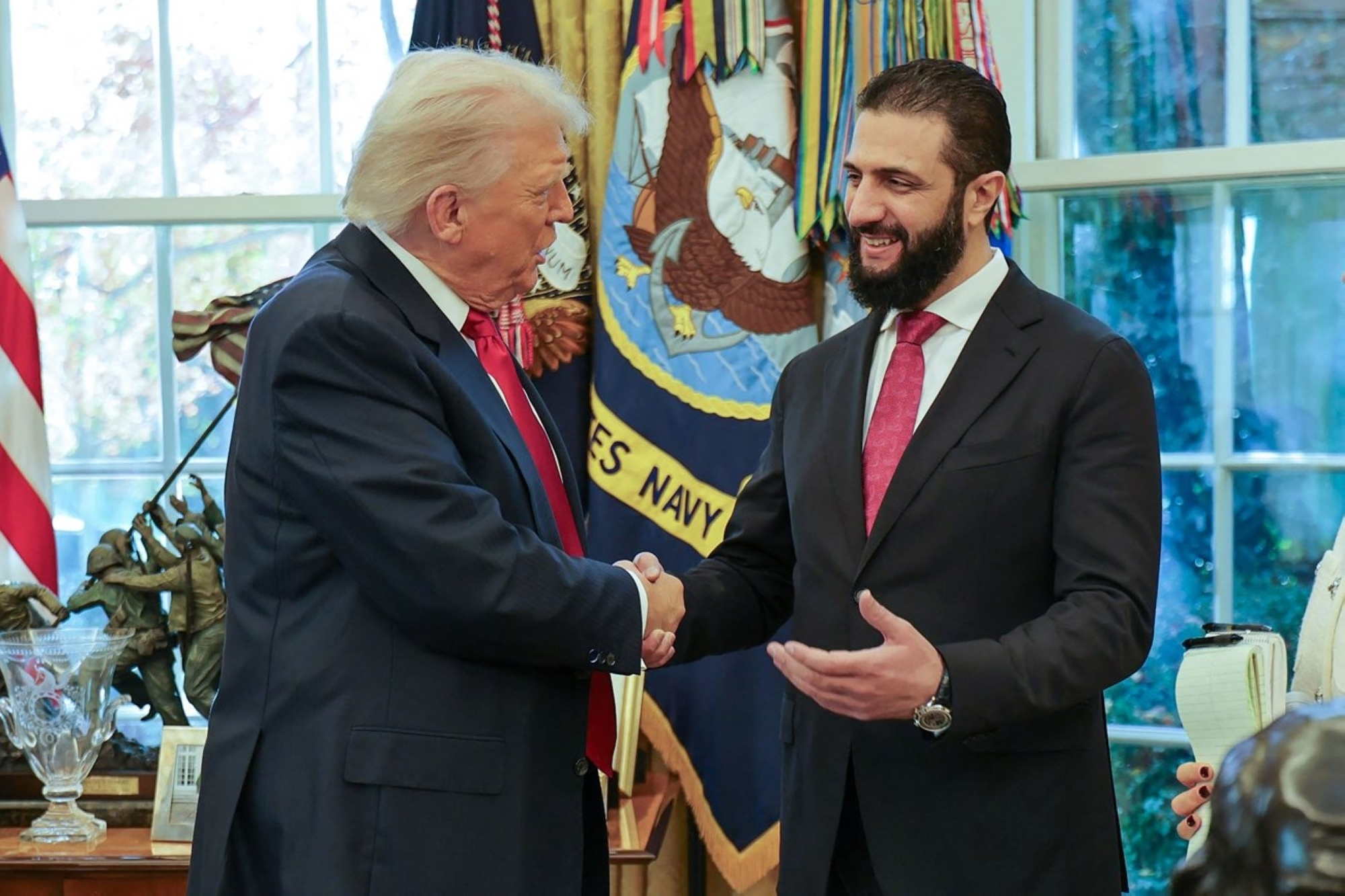
The head of Syria's interim government, Ahmed al-Sharaa, held a telephone conversation with US President Donald Trump in a notable diplomatic move to discuss the latest developments in Syria following the country's radical changes. The call focused on key issues including support for Syrian territorial integrity, continued counterterrorism efforts, and shaping Syria's future on the regional and international stage.
Historical background and new political context
This contact comes in the wake of the sudden collapse of Bashar al-Assad’s regime in December 2014, which ended decades of Assad family rule and ushered Syria into an entirely new political phase. After years of devastating civil war that began in 2011, the United States and the international community found themselves facing a new reality in Damascus. American policy in Syria had long rested on two main objectives: combating ISIS through the international coalition and supporting a political solution to end the conflict. With a new transitional government now in power, establishing direct channels of communication became essential to understanding its direction and ensuring shared interests related to regional stability.
The importance of communication and its potential impact
The significance of this contact lies in its being the first high-level communication between the new Syrian administration and the United States, potentially paving the way for gradual international recognition. During the talks, both sides emphasized the need to preserve Syria's territorial integrity and independence, a fundamental requirement to prevent the country from descending into further fragmentation. The issue of protecting the rights of the Kurdish people within the framework of a unified Syrian state was also a central point of discussion, given the long-standing US support for the Syrian Democratic Forces (SDF) in their fight against ISIS.
Regionally, this rapprochement is viewed with caution and anticipation by key players in the region. Countries such as Turkey, Jordan, Russia, and Iran, which have played influential roles in the Syrian conflict, are closely monitoring the nature of the future relationship between Damascus and Washington. The new government's commitment to combating terrorism, particularly the remnants of ISIS, represents a strong common ground for cooperation and enhances the prospects for building trust with the international community. This rapprochement opens a new door for Syria to embark on a path toward a better future, rebuild what the war has destroyed, and reintegrate into its Arab and international environment.
-

 Reports 5 days ago
Achievements of Saudi government sectors in 2025
-
Local news two weeks ago
FDA warns of contaminated Nestle infant formula | Recall details
-
Technology 4 weeks ago
Artificial intelligence regulations in Saudi education and student data protection
-
Technology 4 weeks ago
US ban on drones: reasons and consequences
-
Technology 4 weeks ago
SRMG and Snapchat partnership: The future of digital media in the Middle East
-
Technology 4 weeks ago
Saudi Arabia's Ministry of Islamic Affairs is employing artificial intelligence in public speaking
-
Sports 4 weeks ago
Salah leads Egypt to a thrilling comeback against Zimbabwe in the Africa Cup of Nations
-
Sports 4 weeks ago
Napoli win the Italian Super Cup in Riyadh for the third time (2025)