
Politics
Saudi-Indian statement: Ministerial committee for defense cooperation and the establishment of two oil refineries in India
The Kingdom of Saudi Arabia and the Republic of India welcomed the expansion of the Saudi-Indian Strategic Partnership Council to include four committees

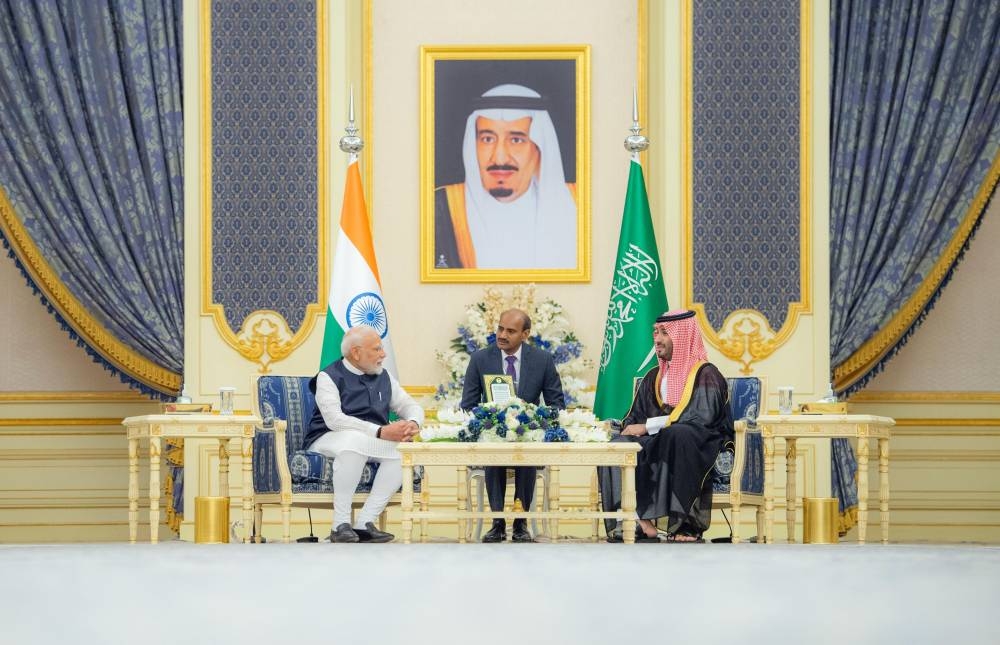
The Kingdom of Saudi Arabia and the Republic of India welcomed the expansion of the Saudi-Indian Strategic Partnership Council to include four ministerial committees, reflecting the deepening of the strategic partnership between the two countries, through the addition of a ministerial committee for defense cooperation and a ministerial committee for cooperation in the fields of tourism and culture.
They agreed on the importance of strengthening cooperation and coordination between the two countries in international organizations and forums, including the G20, the IMF and the World Bank, to support efforts to address the challenges facing the global economy.
This came in the joint statement issued at the conclusion of the visit of the Prime Minister of the Republic of India to the Kingdom, the text of which follows:
At the invitation of Crown Prince Mohammed bin Salman bin Abdulaziz, Prime Minister of the Republic of India, Narendra Modi paid a state visit to the Kingdom of Saudi Arabia. This is Modi's third visit to the Kingdom, following the Crown Prince's historic official visit to India in September 2023 to participate in the G20 Summit and co-chair the inaugural meeting of the Saudi-Indian Strategic Partnership Council.
The Crown Prince received the Prime Minister of India at Al-Salam Palace in Jeddah, and they held an official meeting during which they reviewed the strong friendship between the Kingdom of Saudi Arabia and the Republic of India, and the close ties between their two friendly peoples.
Both sides noted that the solid foundation of the bilateral relationship between the two countries is strengthened by a strategic partnership covering diverse fields, including defense, security, energy, trade, investment, technology, agriculture, culture, health, education, and people-to-people ties. They also exchanged views on current regional and international issues of mutual interest.
Narendra Modi congratulated Prince Mohammed bin Salman on Saudi Arabia winning the bid to host Expo 2030 and the 2034 FIFA World Cup.
The two leaders held constructive talks on ways to strengthen the strategic partnership between the Kingdom of Saudi Arabia and the Republic of India, and chaired the (second) meeting of the (Saudi-Indian Strategic Partnership Council).
The two sides reviewed the progress made in the Council's work since their meeting in September 2023 and expressed their satisfaction with the results achieved by the two ministerial committees: (a) the Committee on Political, Security, Social, and Cultural Cooperation and its subcommittees, and (b) the Committee on Economy and Investment and its joint working groups, across various fields. In this regard, they welcomed the expansion of the Saudi-Indian Strategic Partnership Council to include four ministerial committees, reflecting the deepening strategic partnership between the two countries, through the addition of a Ministerial Committee on Defense Cooperation and a Ministerial Committee on Cooperation in the Fields of Tourism and Culture.
The two leaders expressed their appreciation for the frequent high-level visits exchanged between various ministries, which have strengthened mutual trust and understanding. At the conclusion of the meeting, the two leaders signed the minutes of the second meeting of the Saudi-Indian Strategic Partnership Council.
The Indian side expressed its appreciation to the Kingdom for its continued care of the 2.7 million Indian nationals residing in the Kingdom, reflecting the strong ties between the two peoples. The Indian side also congratulated the Kingdom on the successful organization of the 2024 Hajj season and expressed its appreciation for the Kingdom's efforts on behalf of pilgrims, Umrah performers, and visitors from the Republic of India, as well as the high level of coordination between the two countries in ensuring their comfort.
Both sides welcomed the growth in economic, trade, and investment relations between the two countries in recent years. The Indian side congratulated the Kingdom on the progress made in achieving the goals of Vision 2030. The Saudi side expressed its appreciation for India's sustainable economic growth and its vision to become a developed country by 2047. Both sides agreed to strengthen cooperation in areas of mutual interest to achieve their respective national goals and mutual prosperity.
The two leaders expressed their satisfaction with the progress made in discussions held within the High-Level Working Group, established in 2024 to enhance investment flows between the two countries. The Kingdom of Saudi Arabia is keen to invest in India across various sectors, including energy, petrochemicals, infrastructure, technology, fintech, digital infrastructure, telecommunications, pharmaceuticals, manufacturing, and healthcare. The High-Level Working Group reached an understanding on several issues that will accelerate investment flows. They noted the agreement reached within the High-Level Working Group to cooperate on the construction of two refineries. The progress achieved by the High-Level Working Group in areas such as taxation is a significant accomplishment for strengthening future cooperation. Both sides affirmed their desire to finalize negotiations on a Bilateral Investment Agreement as soon as possible. The Indian side expressed its appreciation for the opening of an office of the Saudi Public Investment Fund (PIF) in India, which will serve as a hub to facilitate investments by the Fund. Both sides noted that the work of the High-Level Task Force underscores the growing economic partnership between India and the Kingdom, which focuses on mutual economic growth and cooperative investments.
Both sides affirmed their commitment to strengthening their direct and indirect investment partnership. They commended the outcomes of the Saudi-Indian Investment Forum, held in New Delhi in September 2023, and the effective cooperation between the public and private sectors in both countries. They praised the expansion of Indian companies' investment activities in the Kingdom and expressed their appreciation for the private sector's role in promoting mutual investments. They also agreed to activate the cooperation framework for enhancing bilateral investment between Invest India, the Government of India's national investment promotion and facilitation agency, and the Ministry of Investment in the Kingdom. Furthermore, they agreed to facilitate enhanced bilateral cooperation in the startup ecosystem, contributing to mutual growth and innovation.
In the energy sector, the Indian side agreed to work with the Kingdom to enhance the stability of global oil markets and balance the dynamics of the global energy market. They emphasized the need to ensure the security of supplies from all energy sources in global markets. Both sides agreed on the importance of strengthening cooperation in several areas of the energy sector, including crude oil and petroleum product supplies, including liquefied petroleum gas (LPG); cooperation on India's strategic petroleum reserve program; joint projects in the refining and petrochemical sectors, including downstream and specialty industries; innovative uses of hydrocarbons; electricity; and renewable energy. This includes finalizing the detailed joint study for electrical interconnection between the two countries; exchanging expertise in grid automation and interconnection; grid security and resilience; renewable energy projects; energy storage technologies; and enhancing the participation of companies from both sides in implementing these projects.
Both sides emphasized the importance of cooperation in the field of green/clean hydrogen, including stimulating demand, developing hydrogen transport and storage technologies, and exchanging expertise and experiences to implement best practices. They also stressed the importance of working to develop supply chains and projects related to the energy sector, enabling cooperation between companies, enhancing collaboration in energy efficiency, and promoting energy conservation in the building, industrial, and transportation sectors, while raising awareness of its importance.
Regarding climate change, both sides emphasized the importance of adhering to the principles of the United Nations Framework Convention on Climate Change (UNFCCC) and the Paris Agreement, and the necessity of developing and implementing climate agreements that focus on emissions rather than sources. The Indian side commended the Kingdom's launch of the Saudi Green Initiative and the Middle East Green Initiative, and expressed its support for the Kingdom's efforts in the field of climate change. Both sides stressed the importance of joint cooperation in developing circular carbon economy applications by promoting policies that utilize the circular carbon economy as a tool for managing emissions and achieving climate change goals.
The Saudi side expressed its appreciation for the Republic of India’s contributions to global climate action through pioneering initiatives such as the International Solar Alliance, One Sun, One World, One Grid, the Coalition for Disaster Resilient Infrastructure (CDRI), Lifestyle for the Environment (LiFE), and Global Green Credit.
Both sides expressed satisfaction with the steady growth in bilateral trade in recent years, with India being the Kingdom's second-largest trading partner and the Kingdom its fifth-largest trading partner for the period 2023-2024. They agreed to further enhance cooperation to diversify bilateral trade. In this regard, they agreed on the importance of increasing business visits and trade delegations, and organizing trade and investment events in both countries. In this context, both sides expressed their desire to commence negotiations on a free trade agreement between India and the Gulf Cooperation Council.
Both sides expressed their appreciation for strengthening defense relations between the two countries as a cornerstone of their strategic partnership, through the establishment of a Ministerial Committee for Defense Cooperation under the umbrella of the Saudi-Indian Strategic Partnership Council. They expressed their satisfaction with the achievements of their joint defense cooperation, including several pioneering initiatives, most notably the execution of the first joint land forces field exercise (Echo of Coordination), two naval exercises (Indian Ocean), as well as numerous high-level visits and reciprocal training exercises, all of which contribute to the security and stability of the region. Both sides welcomed the outcomes of the sixth meeting of the Joint Committee for Defense Cooperation, held in Riyadh in September 2024, noting the commencement of staff-level talks between the naval, land, and air forces of both countries, and agreed to enhance cooperation in the field of defense industries.
Both sides commended the ongoing cooperation between their countries in security matters and emphasized its importance in enhancing security and stability. They also stressed the importance of strengthening cooperation in cybersecurity, maritime border security, combating transnational crime, and fighting drug trafficking.
Related News
Both sides condemned in the strongest terms the horrific terrorist attack in Pahalgam, Jammu and Kashmir, on April 22, 2025, which claimed the lives of innocent civilians. In this context, both sides condemned terrorism and violent extremism in all its forms and manifestations. They agreed that no act of terrorism can be justified under any circumstances. They expressed their rejection of any attempt to link terrorism to any race, religion, or culture. They welcomed the excellent cooperation between the two sides in combating terrorism and its financing, and condemned transnational terrorism. Both sides called upon all states to reject the use of terrorism against other states, to dismantle terrorist infrastructure wherever it exists, and to bring its perpetrators to justice swiftly. They stressed the need to prevent access to weapons, including missiles and drones, for the purpose of committing terrorist acts against other states.
Both sides commended the existing cooperation in the health sector and the efforts undertaken to combat current and future health risks and challenges. They welcomed the signing of the Memorandum of Understanding on Cooperation in the Field of Health between the two countries. The Indian side congratulated the Saudi side on the Kingdom's successful hosting of the Fourth Ministerial Conference on Antimicrobial Resistance, held in Jeddah in November 2024. The Indian side welcomed the initiatives undertaken by the Saudi Food and Drug Authority (SFDA) to address issues related to reference pricing and expedited registration of Indian medicines in the Kingdom. Both sides welcomed the extension of the Memorandum of Understanding on Cooperation in the Field of Medical Product Regulation between the SFDA and the Central Drugs Standards Control Board of India for an additional five years.
Both sides emphasized the importance of cooperation in the field of technology, including new and emerging areas such as artificial intelligence, cybersecurity, and semiconductors. They agreed on the importance of digital governance and exploring avenues for cooperation in this area. They expressed their satisfaction with the signing of the Memorandum of Understanding for Cooperation in the Regulatory and Digital Sectors between the Communications and Space Technology Commission of the Kingdom of Saudi Arabia and the Telecom Regulatory Authority of the Republic of India.
Both sides noted that the memorandum of understanding on space cooperation signed during this visit will pave the way for enhanced cooperation in the field of space, including the use of launch vehicles, spacecraft and ground systems, space technology applications, research and development, academic engagement and entrepreneurship.
Both sides commended the deep cultural and people-to-people ties between their countries and welcomed the establishment of a ministerial committee for cultural and tourism cooperation within the framework of the Strategic Partnership Council. They agreed to enhance cooperation through cultural exchanges, festivals, and collaboration in the field of cultural heritage and other areas of mutual interest. They also agreed to strengthen cooperation in tourism, including through capacity building and sustainable tourism. Furthermore, they noted the expanding opportunities in the fields of media, entertainment, and sports, supported by the strong people-to-people bonds between the two nations.
Both sides commended the level of cultural cooperation between the Kingdom of Saudi Arabia and the Republic of India through active participation in key sectors, including heritage, cinema, literature, and the performing and visual arts. They agreed that establishing a ministerial committee for tourism and cultural cooperation under the umbrella of the Saudi-Indian Strategic Partnership Council would be an important step towards deepening this partnership.
Both sides expressed their appreciation for the long-standing cooperation between their countries in the fields of agriculture and food security, including fertilizer trade. They also expressed their desire to conclude long-term agreements to ensure secure supplies, mutual investments, and joint ventures, thereby contributing to building a long-term strategic partnership in this sector.
Both sides commended the growing momentum in educational and scientific cooperation between the two countries, emphasizing its strategic importance in fostering innovation, capacity building, and sustainable development. The Saudi side welcomed the opportunities available for leading Indian universities to establish a presence in the Kingdom.
Both sides emphasized the importance of strengthening cooperation in the field of labor and human resources, and identifying opportunities for cooperation.
Both sides recalled the signing of the Memorandum of Understanding on Principles of the India-Middle East-Europe Economic Corridor (MEEMEC) with other countries in September 2023 during the official visit of His Royal Highness Prince Mohammed bin Salman to India. They expressed their mutual commitment to working together to realize the vision of connectivity within the corridor, including the development and upgrading of infrastructure such as railways and ports to increase the flow of goods and services, enhance trade among stakeholders, and establish data and electricity grid connections. In this regard, both sides welcomed the progress made under the Memorandum of Understanding on electricity interconnection, clean/green hydrogen, and supply chains signed in October 2023 and expressed satisfaction with the increase in shipping lines between the two countries.
Both sides agreed on the importance of strengthening cooperation and coordination between their countries in international organizations and forums, including the G20, the IMF, and the World Bank, to support efforts to address the challenges facing the global economy. They commended their existing cooperation within the framework of joint action to address debt beyond the scope of the Debt Service Suspension Initiative (DSSI), which was endorsed by G20 leaders at the 2020 G20 Summit chaired by Saudi Arabia. They emphasized the importance of enhancing the implementation of the Joint Framework as the primary and most comprehensive platform for coordination between official creditors (developing country creditors and Paris Club creditors) and the private sector to address the debt of eligible countries.
During the visit, the following agreements and memoranda of understanding were signed:
1- Memorandum of Understanding between the Saudi Space Agency and the Indian Space Research Organisation in the field of space activities for peaceful purposes.
2 - Memorandum of Understanding between the Ministry of Health in the Kingdom of Saudi Arabia and the Ministry of Health and Family Welfare in the Republic of India for cooperation in health fields.
3 - A bilateral agreement between the Saudi Post Corporation and the Indian Ministry of Post regarding incoming international postal parcels.
4 - Memorandum of Understanding between the Saudi Anti-Doping Committee and the National Anti-Doping Agency of the Republic of India, for cooperation in the field of awareness and prevention of doping.
The two sides agreed to hold the (next) meeting of the (Saudi-Indian Strategic Partnership Council) at a date to be agreed upon between the two sides.
On the Yemeni issue, both sides affirmed their full support for international and regional efforts aimed at reaching a comprehensive political solution to the crisis in Yemen. The Indian side commended the Kingdom's efforts and initiatives to encourage dialogue and reconciliation among the Yemeni parties, and its role in providing and facilitating the delivery of humanitarian aid to all areas of Yemen. The Saudi side also praised the Republic of India's efforts in providing humanitarian assistance to Yemen. Both sides agreed on the importance of cooperation to enhance the means of ensuring the security and safety of waterways and freedom of navigation, in accordance with the United Nations Convention on the Law of the Sea.
At the conclusion of the visit, the Prime Minister of India, Narendra Modi, expressed his gratitude to Crown Prince Mohammed bin Salman for the warm welcome and generous hospitality extended to him and his accompanying delegation, and conveyed his best wishes for the continued progress and prosperity of the friendly Saudi people. The Crown Prince reciprocated with his best wishes to Prime Minister Modi and the friendly Indian people for further progress and advancement.




Politics
New US sanctions on Iranian oil after Oman talks
Washington imposes new sanctions targeting 14 Iranian oil tankers. The decision follows indirect talks in Oman as part of the Trump administration's maximum pressure campaign.
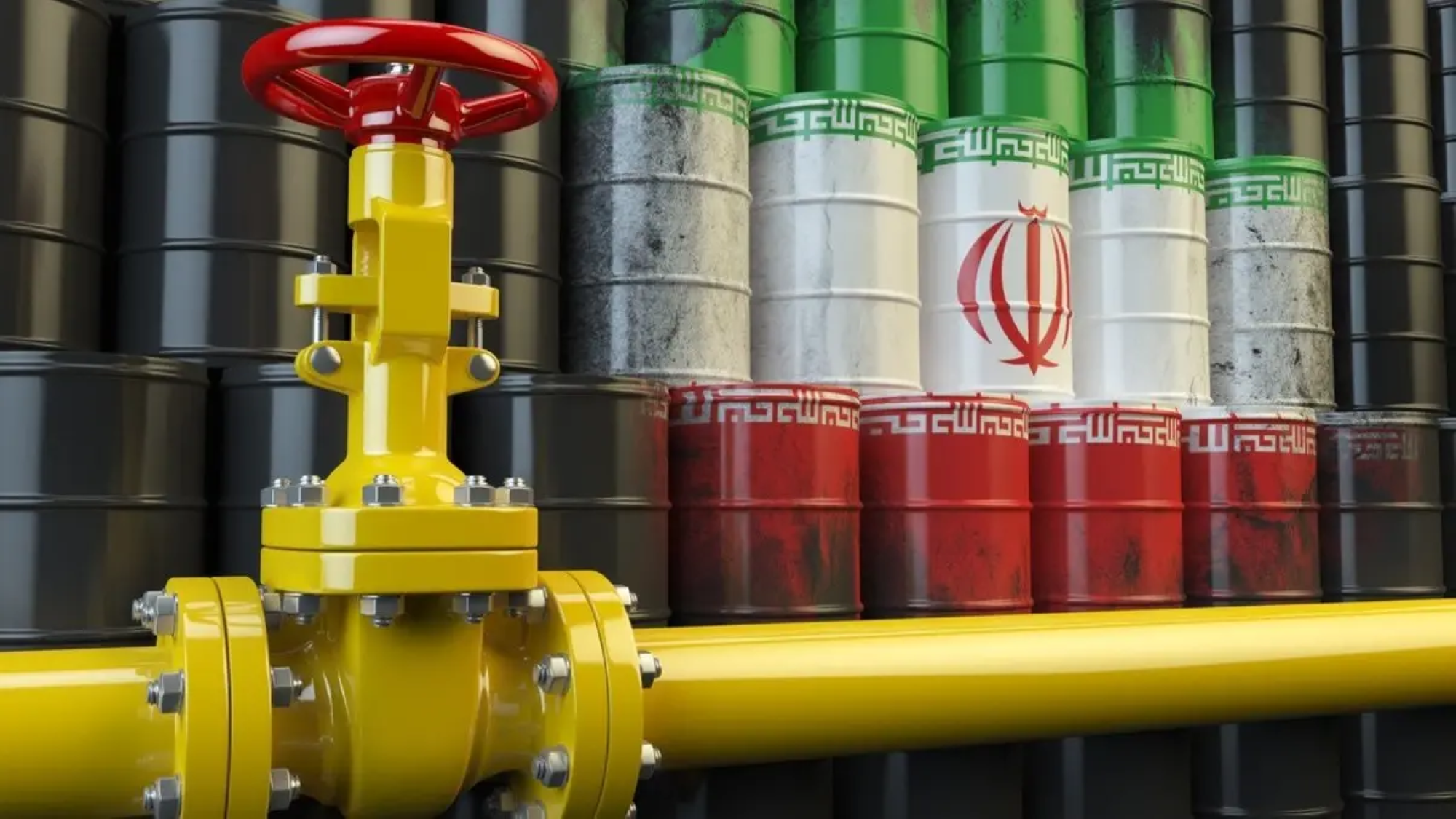
The United States announced today (Friday) a new package of economic sanctions aimed at tightening the noose on Iranian oil exports, including targeting 14 ships involved in transporting oil, in a notable development that comes just moments after the conclusion of a round of indirect talks between the two sides in the Sultanate of Oman.
In detailing the decision, State Department spokesman Tommy Pigott confirmed that President Donald Trump is firmly committed to reducing the Iranian regime's exports of oil and petrochemicals, which Washington classifies as "illicit." The spokesman explained that these measures are an integral part of the current administration's "maximum pressure" campaign to compel Tehran to change its political and military behavior in the region.
Precise political timing and firm messages
The timing of the announcement of these sanctions carries profound political implications, particularly as it came immediately after the conclusion of a round of talks in Muscat. Observers suggest that the decision's immediate release following the talks may reflect Washington's dissatisfaction with the outcome of the indirect dialogue, or that it represents a negotiating tactic aimed at strengthening the US position at the negotiating table. While Oman has historically played the role of a trusted mediator between the West and Iran, this escalation of sanctions sends a clear message that diplomacy does not guarantee the easing of economic restrictions unless a comprehensive agreement is reached.
Maximum pressure strategy and its repercussions
The US strategy known as "maximum pressure" relies on depriving the Iranian regime of its primary source of revenue, specifically oil revenues, which are the lifeblood of the Iranian economy. By targeting the oil tanker fleet (14 ships in this campaign), Washington seeks to cut off the alternative routes Tehran uses to sell its oil on the black market or through international intermediaries.
Economic and geopolitical dimensions
These sanctions are expected to have a tangible impact on Iran's ability to finance its domestic projects and its regional influence. The tightening of restrictions on maritime shipping drives up insurance and shipping costs, making other countries and companies hesitant to deal with Iranian shipments for fear of secondary sanctions. Internationally, energy markets are closely monitoring these developments, as any escalation in the Gulf could affect the stability of energy supplies, even though the stated US objective is to replace Iranian oil with supplies from other sources to maintain market balance.
Politics
Saudi Arabia condemns the Islamabad mosque bombing and expresses solidarity with Pakistan
Saudi Arabia expressed its strong condemnation of the terrorist bombing that targeted a mosque in Islamabad, stressing its rejection of targeting places of worship and its solidarity with Pakistan against violence and terrorism.
The Ministry of Foreign Affairs of the Kingdom of Saudi Arabia expressed the Kingdom’s strong condemnation and denunciation of the treacherous terrorist bombing that targeted a mosque in the Pakistani capital, Islamabad, which resulted in a number of deaths and injuries in a tragic scene that contradicts all religious and human values.
In its official statement, the Ministry stressed the Kingdom’s firm and categorical stance against targeting places of worship, terrorizing innocent people, and shedding the blood of innocent victims, affirming that such criminal acts have no relation to religion and seek to undermine security and stability.
Saudi Arabia's unwavering solidarity with Pakistan
The Ministry of Foreign Affairs indicated that the Kingdom of Saudi Arabia, both its leadership and people, stands with the brotherly Islamic Republic of Pakistan in facing these difficult circumstances, affirming its full support for Islamabad against all forms of violence, extremism, and terrorism, regardless of their motives or justifications. This stance stems from the deep-rooted historical and strategic relations that bind the two brotherly countries, as the Kingdom has consistently been at the forefront of countries supporting Pakistan in confronting security and economic challenges.
International condemnation of targeting places of worship
Targeting mosques and places of worship is a dangerous escalation in terrorist operations, something the Kingdom has consistently warned against and combated through international forums. In this statement, the Kingdom affirms that the sanctity of mosques and the lives of worshippers are a red line, and that terrorism, which has no religion, is desperately attempting to undermine the social fabric and sow discord. However, the awareness of the people and the solidarity of nations will thwart these dark schemes.
Prayers for healing and comfort
In closing, the Kingdom offered its deepest condolences to the families of the victims and to the government and people of Pakistan, praying to God Almighty to grant His mercy to the deceased and a speedy recovery to the injured. This tragic incident underscores the urgent need for the international community to unite in eradicating the sources of terrorism and combating extremist ideology that threatens international peace and security.
Politics
Arab-Slovenian talks in Ljubljana to support Gaza and the two-state solution
The foreign ministers of Saudi Arabia, Egypt, Jordan, Qatar and Bahrain are meeting in Slovenia to discuss ending the Gaza war, developments in the West Bank, and ways to revive the peace process based on the two-state solution.
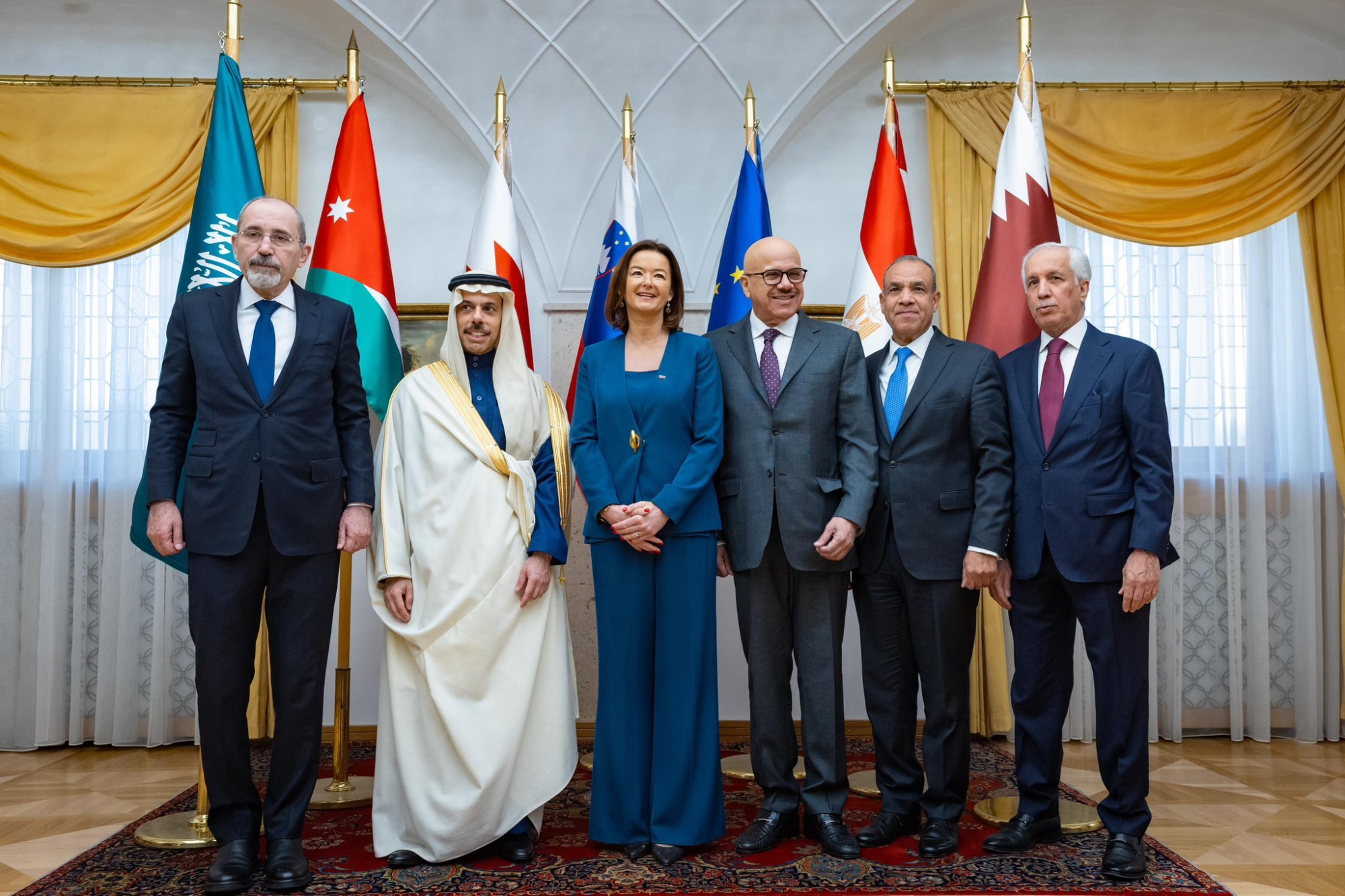
As part of intensified Arab diplomatic efforts aimed at garnering international support for the Palestinian cause and halting the escalation in the Middle East, the Slovenian capital, Ljubljana, hosted an extensive and strategic meeting. The Arab delegation was headed by Saudi Foreign Minister Prince Faisal bin Farhan bin Abdullah, and included Jordanian Deputy Prime Minister and Minister of Foreign Affairs and Expatriates Ayman Safadi, Egyptian Foreign Minister Dr. Badr Al-Abdulati, Bahraini Foreign Minister Abdullatif Al-Zayani, and Qatari Minister of State for Foreign Affairs Sultan Al-Muraikhi. The meeting was held with the Deputy Prime Minister and Minister of Foreign and European Affairs of the Republic of Slovenia, Tanja Vučoč.
Context of the visit and its strategic importance
These talks come at a highly sensitive time for the Middle East, as influential Arab states seek to strengthen partnerships with European countries that have demonstrated progressive stances on Palestinian rights. The Arab delegation's visit to Slovenia is particularly significant given Ljubljana's growing role within the European Union and in international forums, especially following its recent positions in support of international justice.
During the talks, the ministers focused on ways to enhance regional and international security and stability, placing the Palestinian issue at the top of the agenda. They stressed the need to adhere to the ceasefire agreement in the Gaza Strip and implement its provisions fully and without delay, as a first and urgent step to end the humanitarian suffering.
Gaza and the West Bank: Priorities for Arab Action
The participants discussed at length the catastrophic situation in the Gaza Strip, emphasizing the urgent need for sufficient and sustained humanitarian aid to save lives. In a related context, the talks addressed international efforts to advance the peace plan launched by US President Donald Trump, stressing the importance of moving forward toward a clear and time-bound political horizon.
The ministers reaffirmed the Arab principles of establishing an independent and sovereign Palestinian state on the borders of June 4, 1967, with East Jerusalem as its capital, based on the two-state solution and relevant international legitimacy resolutions.
Developments in the occupied West Bank were also on the agenda, with ministers warning of the dangers of continued illegal Israeli unilateral actions, including settlement expansion and ongoing violations against Islamic and Christian holy sites in occupied Jerusalem. The participants stressed that these practices are exacerbating the situation and undermining all efforts to de-escalate tensions and the prospects for peace in the region.
Appreciating the Slovenian position and international issues
In a gesture of appreciation for the Slovenian role, the Arab ministers commended Slovenia’s courageous and principled stances in supporting the legitimate rights of the Palestinian people, and its historic step in recognizing the State of Palestine on the basis of the two-state solution, which reflects a commitment to the values of justice and international law.
On a broader international level, the meeting addressed global developments and ways to de-escalate tensions through dialogue and negotiation. In this context, efforts to resolve the Russian-Ukrainian crisis were discussed, reflecting the Arab Group and Slovenia's commitment to contributing to international peace and security beyond the Middle East.
-

 Local news one week ago
Ramadan 2026 discounts in Saudi Arabia: Offers valid for 54 days
-
Culture and Art, 1 week ago
The death of artist Huda Shaarawi “Umm Zaki” and her funeral in Damascus
-
Technology one week ago
ICAN 2026 Conference Conclusion: Initiatives to Enhance Saudi Arabia's Leadership in Artificial Intelligence
-
Local news two days ago
Launch of the city's shuttle bus service in Ramadan 1447 AH: Routes and stations
-
Culture and Art, 1 week ago
Huda Shaarawi: Farewell to “Umm Zaki,” the icon of Syrian drama
-
Culture and Art, 1 week ago
The murder of Huda Shaarawi, "Umm Zaki": Details of the crime and its impact
-
Local News 4 days ago
Rabigh inaugurates the world's largest water innovation oasis and enters the Guinness World Records
-
Culture and Art 3 days ago
The series "Rouh OFF" was permanently canceled by a decision of the Actors' Syndicate


