Politics
Under the patronage of the Minister of Defense, the Royal Saudi Naval Forces will organize the third Saudi International Maritime Forum next November
Under the patronage of the Minister of Defense, Prince Khalid bin Salman bin Abdulaziz, the Royal Saudi Naval Forces are organizing the Maritime Forum

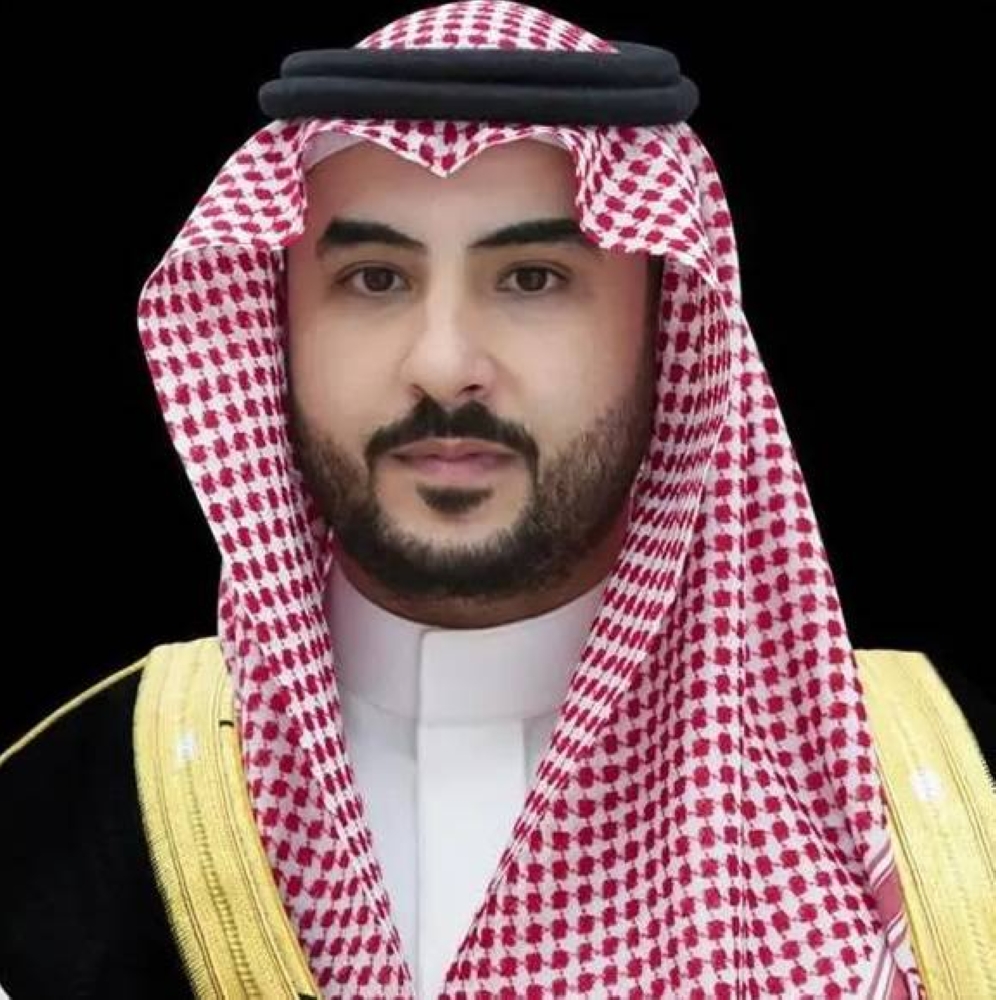
Under the patronage of the Minister of Defense, Prince Khalid bin Salman bin Abdulaziz, the Royal Saudi Naval Forces will organize the third Saudi International Maritime Forum, from November 19 to 21, at the Dhahran Convention and Exhibition Center in the Eastern Province.
Chief of Staff of the Naval Forces, Lieutenant General Mohammed bin Abdulrahman Al-Gharibi, expressed his appreciation for the patronage of His Highness the Minister of Defense of the forum in its third edition under the title “Maritime Security in the Age of Artificial Intelligence – Trends and Threats”, which comes in line with what the world is witnessing in terms of rapid developments in the field of artificial intelligence.
The forum will discuss trends and threats to maritime security in the age of artificial intelligence and ways to deal with them, with the attendance and participation of maritime leaders from all over the world in the military, scientific and technical fields, a number of government officials, heads of maritime companies, as well as regulatory bodies that play a pivotal role in shaping maritime policies and standards.
The forum aims to promote the concept of maritime security, exchange knowledge-based experiences among naval leaders, promote the concept of the importance of modern systems in the maritime field, discuss concepts of international law of the sea, raise awareness of the importance of the marine environment, and highlight the importance of keeping pace with modern technologies to maintain maritime security.
It will also discuss, through specialized sessions and workshops, five main topics: maritime strategies in the age of artificial intelligence, policies and regulations for integrating artificial intelligence into maritime operations, modern maritime systems and their impact on maritime security and cybersecurity challenges, maritime training and human resource development in light of the artificial intelligence revolution, and the future of military industries in the field of artificial intelligence.
The forum will include more than 55 national and international entities from more than 22 countries, and will feature an accompanying exhibition in which leading local, regional and international companies will participate to showcase the latest equipment, technologies and systems in the field of maritime security.




Politics
Saudi Cabinet: Strategic decisions to support the economy and stability
Chaired by King Salman, the Saudi Cabinet approved a package of important decisions including support for Palestine and Yemen, strengthening the non-oil economy, and approving new international agreements.
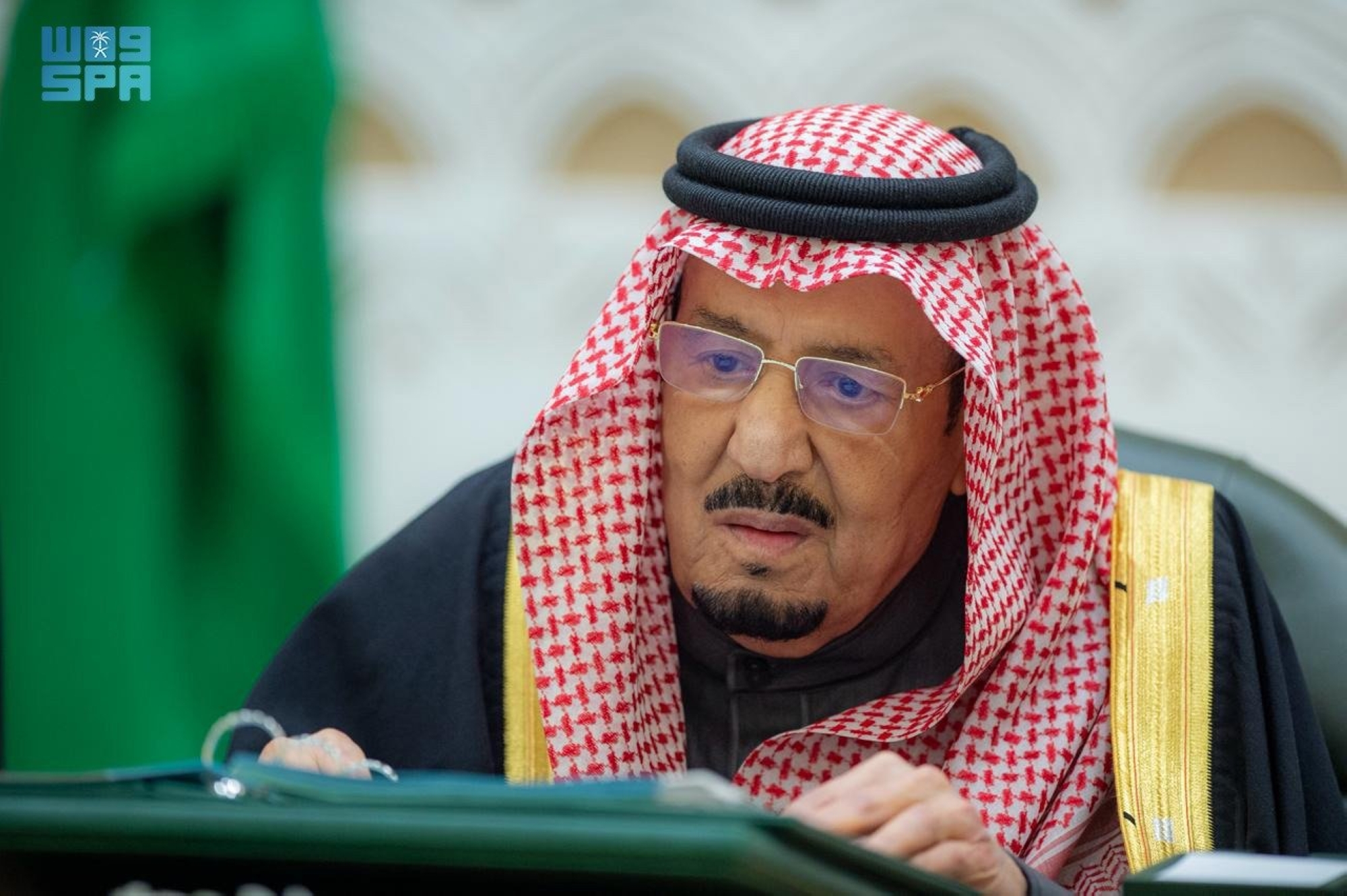
In a regular session chaired by the Custodian of the Two Holy Mosques, King Salman bin Abdulaziz Al Saud - may God protect him - in Riyadh, the Saudi Council of Ministers adopted a package of important decisions and positions that reflect the pivotal role of the Kingdom on the regional and international arenas, and confirm its continued progress in achieving the goals of Vision 2030.
General context of Cabinet sessions
The regularly held sessions of the Saudi Council of Ministers serve as the primary platform for decision-making in the Kingdom. They constitute the institutional framework through which domestic and foreign policies are formulated, development plans are monitored, and legislation and international agreements are approved. These sessions are of particular importance as they reflect the strategic directions of the state under the leadership of the Custodian of the Two Holy Mosques and His Royal Highness the Crown Prince, making their decisions a matter of great interest and scrutiny at all levels.
Active diplomacy and firm positions
The session began with a review of the latest diplomatic developments. The Council was briefed on the message received by His Royal Highness Crown Prince Mohammed bin Salman from His Majesty Sultan Haitham bin Tariq, Sultan of Oman, and on the content of the telephone call with His Excellency President Ahmed al-Sharaa of the Syrian Arab Republic. These contacts reflect the Kingdom's commitment to strengthening its fraternal relations and maintaining ongoing coordination with countries in the region to address shared challenges.
On the Palestinian issue, the Council reiterated its firm position, welcoming the launch of the second phase of the comprehensive peace plan in Gaza and stressing the need to solidify the ceasefire and ensure the unhindered delivery of humanitarian aid. The Council affirmed that the ultimate solution lies in ending the Israeli occupation and establishing an independent Palestinian state within the 1967 borders, with East Jerusalem as its capital, in accordance with international resolutions and the Arab Peace Initiative.
Supporting regional stability
Regarding other regional crises, the Kingdom welcomed the ceasefire agreement in Syria and the integration of the Syrian Democratic Forces into the state, affirming its full support for the sovereignty and territorial integrity of Syria. The Council also followed up on efforts aimed at ending the Yemeni crisis, noting that the package of development projects launched by the Kingdom in Yemen is an extension of its ongoing support for the brotherly Yemeni people.
Economic achievements within the framework of Vision 2030
Economically, the Council highlighted the Kingdom's continued successes in diversifying its economy. It commended the success of the fifth edition of the International Mining Conference, which saw agreements signed exceeding 100 billion riyals, further solidifying the Kingdom's position as a global mining hub. The Council also noted the tangible growth in non-oil activities, a strong indicator of the success of economic diversification policies and their pivotal role in driving sustainable prosperity.
Regulatory decisions and international agreements
The Council approved a number of agreements and memoranda of understanding aimed at strengthening international cooperation in vital areas, including:
- Memorandum of Understanding with Pakistan for cooperation in the field of electrical interconnection.
- Memorandum of Understanding with Iraq to combat illicit drug trafficking.
- Memorandum of Understanding with Kyrgyzstan for the exchange of intelligence information related to money laundering and terrorist financing.
- Approval of the national strategy for the insurance sector.
- Forming a permanent ministerial committee to support patients with autism spectrum disorder and their families.
The council also approved a number of appointments and promotions to senior positions, and adopted the final accounts of a number of government agencies, reflecting the continuity of institutional work and administrative development in state agencies.
Importance and expected impact
The session's resolutions underscore the Kingdom's balanced approach, which combines proactive diplomacy to support regional stability, a focus on sustainable economic development, and a commitment to its leading global humanitarian role. These resolutions are expected to contribute to strengthening the Kingdom's international partnerships, attracting further investment, improving the quality of life for citizens and residents, and solidifying Saudi Arabia's position as an influential force on the world stage.
Politics
Al-Sharaa and Trump discuss the future of Syria, the fight against ISIS, and the country's unity
Syrian President Ahmed al-Sharaa discussed with US President Donald Trump the developments in Syria, emphasizing the unity of the country, the fight against terrorism, and guaranteeing the rights of the Kurds.
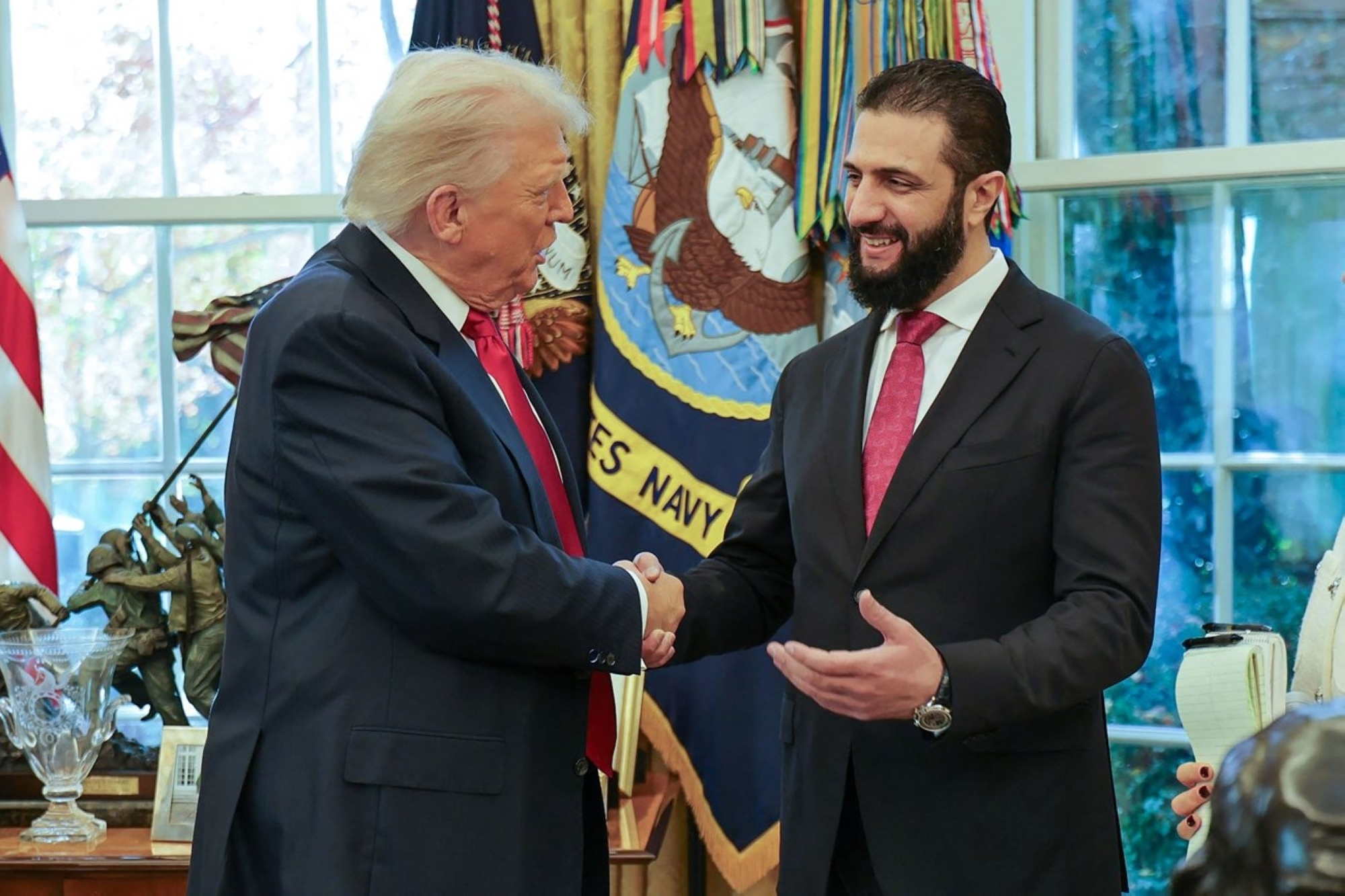
The head of Syria's interim government, Ahmed al-Sharaa, held a telephone conversation with US President Donald Trump in a notable diplomatic move to discuss the latest developments in Syria following the country's radical changes. The call focused on key issues including support for Syrian territorial integrity, continued counterterrorism efforts, and shaping Syria's future on the regional and international stage.
Historical background and new political context
This contact comes in the wake of the sudden collapse of Bashar al-Assad’s regime in December 2014, which ended decades of Assad family rule and ushered Syria into an entirely new political phase. After years of devastating civil war that began in 2011, the United States and the international community found themselves facing a new reality in Damascus. American policy in Syria had long rested on two main objectives: combating ISIS through the international coalition and supporting a political solution to end the conflict. With a new transitional government now in power, establishing direct channels of communication became essential to understanding its direction and ensuring shared interests related to regional stability.
The importance of communication and its potential impact
The significance of this contact lies in its being the first high-level communication between the new Syrian administration and the United States, potentially paving the way for gradual international recognition. During the talks, both sides emphasized the need to preserve Syria's territorial integrity and independence, a fundamental requirement to prevent the country from descending into further fragmentation. The issue of protecting the rights of the Kurdish people within the framework of a unified Syrian state was also a central point of discussion, given the long-standing US support for the Syrian Democratic Forces (SDF) in their fight against ISIS.
Regionally, this rapprochement is viewed with caution and anticipation by key players in the region. Countries such as Turkey, Jordan, Russia, and Iran, which have played influential roles in the Syrian conflict, are closely monitoring the nature of the future relationship between Damascus and Washington. The new government's commitment to combating terrorism, particularly the remnants of ISIS, represents a strong common ground for cooperation and enhances the prospects for building trust with the international community. This rapprochement opens a new door for Syria to embark on a path toward a better future, rebuild what the war has destroyed, and reintegrate into its Arab and international environment.
Politics
170 people kidnapped in Nigeria: Escalating security crisis in Kaduna
Gunmen have abducted more than 170 worshippers from two churches in Nigeria's Kaduna state, highlighting the country's escalating kidnapping-for-ransom crisis in the northwest.
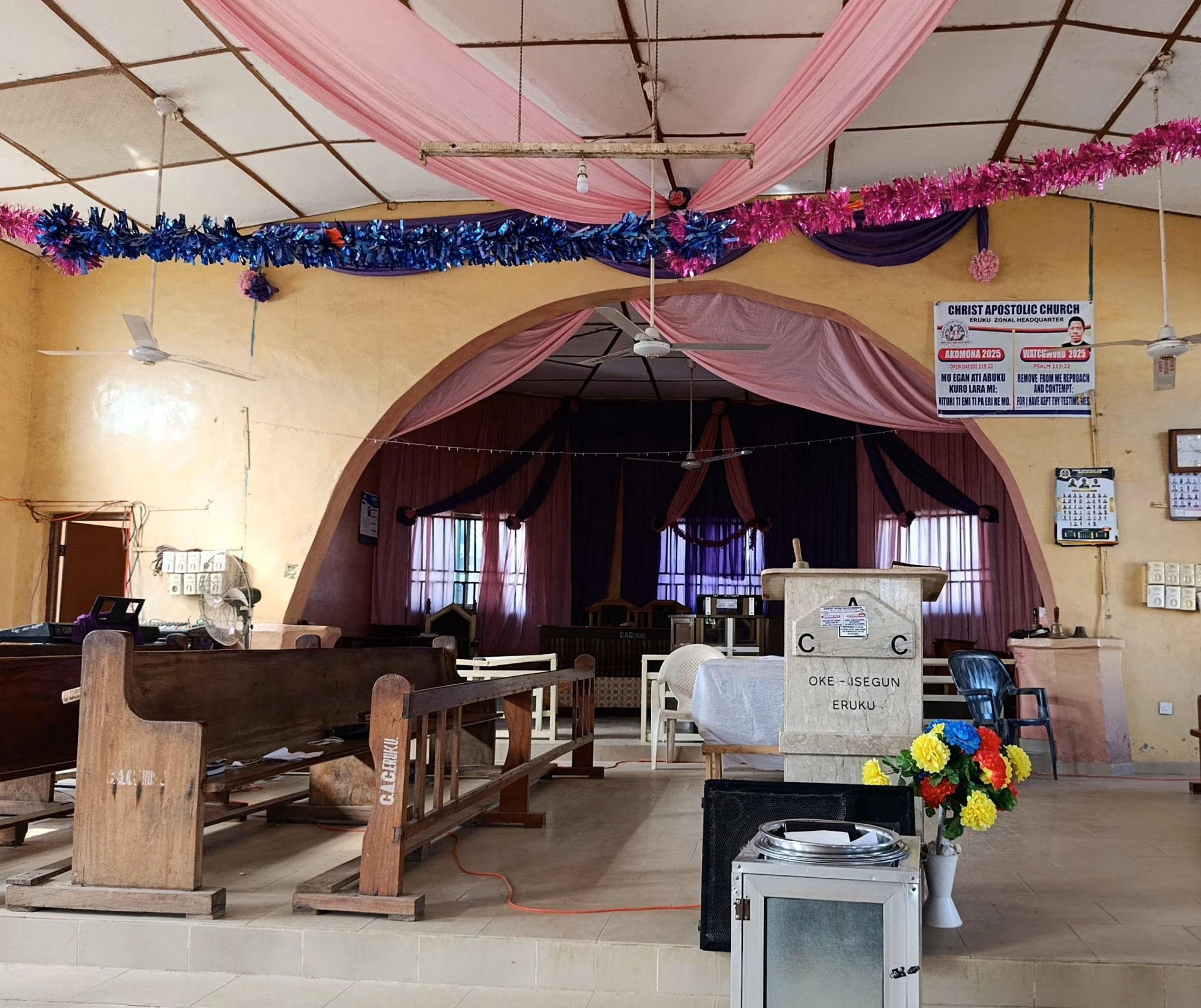
Nigerian authorities have announced a horrific mass kidnapping in which gunmen attacked two churches in Kaduna state in the northwest of the country, abducting at least 172 worshippers. The attack occurred on Monday, targeting worshippers during their religious services, and sparked widespread panic and shock in the region. Among those abducted was a prominent religious figure, Reverend John Hiyap, head of the Kaduna branch of the Christian Association of Nigeria.
According to a statement from the state police, the attackers, described as “bandits,” were heavily armed with sophisticated weapons and carried out their coordinated assault on the two churches, located in a remote area difficult for security forces to reach quickly. In a glimmer of hope, Pastor Hayab later confirmed that nine of the abductees had managed to escape and reach safety. In response to the incident, Nigerian authorities deployed military forces and specialized security teams to the area to pursue the perpetrators, determine the exact number of victims, and launch search and rescue operations.
A broader context of a worsening security crisis
This incident is not isolated, but rather part of a deteriorating security situation in northwestern Nigeria. States such as Kaduna, Zamfara, Katsina, and Niger are plagued by frequent attacks by armed criminal gangs. These gangs operate from the vast forests and ungoverned areas, engaging in mass kidnappings for ransom, cattle rustling, and village looting. Kidnapping has become a lucrative industry for these criminals, who target schools, universities, highway travelers, and places of worship.
Importance and potential impacts
The targeting of places of worship and the abduction of a religious leader of the stature of Pastor John Hayap carry grave implications. Locally, the attack sows fear in communities and undermines confidence in the state's ability to protect its citizens, threatening to inflame sectarian tensions in a religiously and ethnically diverse country. Nationally, the incident underscores the failure of successive governments to address the security crisis in the northwest, placing increasing pressure on the current administration to take more decisive action. Internationally, such attacks tarnish Nigeria's image as a regional power and raise concerns among human rights organizations and foreign investors about the country's stability.
-

 Reports 5 days ago
Achievements of Saudi government sectors in 2025
-
Local news two weeks ago
FDA warns of contaminated Nestle infant formula | Recall details
-
Technology 4 weeks ago
Artificial intelligence regulations in Saudi education and student data protection
-
Technology 4 weeks ago
US ban on drones: reasons and consequences
-
Technology 4 weeks ago
SRMG and Snapchat partnership: The future of digital media in the Middle East
-
Technology 4 weeks ago
Saudi Arabia's Ministry of Islamic Affairs is employing artificial intelligence in public speaking
-
Sports 4 weeks ago
Salah leads Egypt to a thrilling comeback against Zimbabwe in the Africa Cup of Nations
-
Sports 4 weeks ago
Napoli win the Italian Super Cup in Riyadh for the third time (2025)