Politics
باكستان تختبر صاروخاً باليستيّاً جديداً
في خضم التوترات المتصاعدة مع الهند، أعلنت السلطات الباكستانية أن قوات الجيش أجرت تدريباً على إطلاق صواريخ باليستية،


في خضم التوترات المتصاعدة مع الهند، أعلنت السلطات الباكستانية أن قوات الجيش أجرت تدريباً على إطلاق صواريخ باليستية، اليوم (السبت). وقال الجيش في بيان «أجرت باكستان تجربة إطلاق ناجحة لنظام الأسلحة «عبدلي»، وهو صاروخ أرض-أرض يصل مداه إلى 450 كيلومتراً».
وأضاف أن الهدف من وراء هذا الإطلاق هو ضمان الجاهزية العملياتية للجنود، والتأكد من صحة المعايير الفنية الرئيسية، بما في ذلك نظام الملاحة المتقدّم للصاروخ وميزات المناورة المتقدمة.
وهنأ الرئيس الباكستاني آصف علي زرداري، ورئيس الوزراء شهباز شريف، العلماء والمهندسين وكل من وقفوا وراء تجربة إطلاق الصاروخ الناجحة.
ويعتبر «صاروخ عبدلي» من الأسلحة الباليستية قصيرة المدى التي طورتها باكستان ضمن مساعيها لتعزيز قدرتها على الردع، خصوصاً في وجه التفوق العسكري التقليدي للهند.
ويصل مدى الصاروخ إلى 450 كيلومتراً، ما يجعله قادراً على ضرب أهداف استراتيجية داخل العمق الهندي، مع الحفاظ على مرونة تكتيكية عالية في الانتشار والرد.
ويمتاز بإمكانية إطلاقه من منصات متحركة، ويُعتقد أنه قادر على حمل رؤوس تقليدية أو نووية تكتيكية، بوزن يصل إلى 500 كيلوغرام، مما يجعله عنصراً محوريّاً في مفهوم «الردع الأدنى الموثوق» الذي تتبناه باكستان.
ووفق ما أعلنه الجيش الباكستاني، فقد خضع الصاروخ لتحديثات في أنظمة الملاحة والدقة والمناورة، في خطوة تستهدف رفع جاهزيته الميدانية.
وفجر هجوم أودى بحياة 26 شخصاً في 22 أبريل الماضي في الشطر الخاضع لإدارة الهند من كشمير، مخاوف من اندلاع حرب بين البلدين المتنازعين على الإقليم منذ استقلالهما عن الحكم البريطاني عام 1947.
وحمّلت نيودلهي إسلام أباد مسؤولية هذا الهجوم الذي لم تُعلن أي جهة مسؤوليتها عنه. وهو ما نفته باكستان. وأعطى رئيس الوزراء الهندي ناريندرا مودي الجيش حرية التحرك للرد على الهجوم.
فيما كشف وزير الإعلام الباكستاني عطا الله تارار قبل أيام، أن إسلام أباد كان لديها معلومات موثوقة بأن الهند تخطط لهجوم خلال أيام. وتعهد تارار في بيان بالرد بقوة للغاية في حال تعرضت باكستان لهجوم من خصمها النووي.
وتبادلت الجارتان النوويتان طرد مواطني كل منهما من أراضيهما، وحظرت نيودلهي استيراد جميع السلع القادمة من باكستان أو المنقولة عبرها، وأغلقت مجالها الجوي أمام الطائرات الباكستانية، وأعلنت تعليق العمل باتفاقية تقاسم مياه نهر السند.
Related News




Politics
السعودية ترحب بوقف إطلاق النار في سوريا وتدعم الاستقرار
ترحب المملكة العربية السعودية باتفاق وقف إطلاق النار في سوريا، وتؤكد دعمها لدمج قوات سوريا الديمقراطية في الدولة، مشيدة بالجهود الأمريكية لتحقيق السلام.
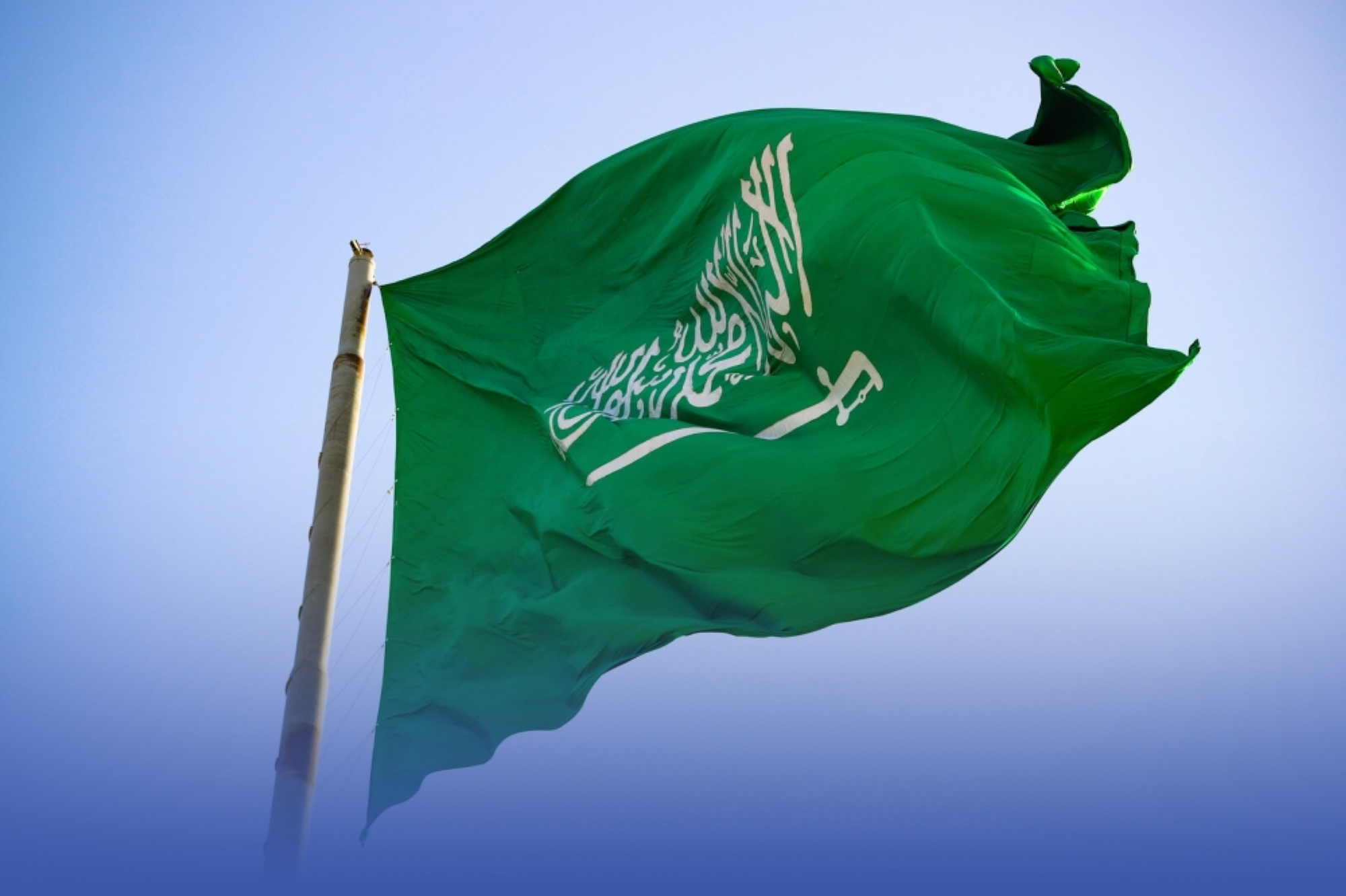
أعربت وزارة الخارجية السعودية عن ترحيب المملكة العربية السعودية باتفاق وقف إطلاق النار في سوريا، والذي يتضمن اندماج قوات سوريا الديمقراطية (قسد) بكامل مؤسساتها المدنية والعسكرية ضمن الدولة السورية. وأشادت المملكة بالجهود الدبلوماسية التي قادتها الولايات المتحدة الأمريكية للتوصل إلى هذا الاتفاق، معتبرة إياه خطوة هامة نحو تحقيق الاستقرار المنشود.
يأتي هذا التطور في سياق الأزمة السورية الممتدة منذ عام 2011، والتي خلفت دماراً هائلاً وأزمة إنسانية هي الأكبر في العصر الحديث، حيث أدت إلى نزوح ولجوء الملايين من السوريين وتفتيت النسيج الاجتماعي والسياسي للبلاد. وقد شهدت الساحة السورية تدخلات إقليمية ودولية متعددة، مما أدى إلى تعقيد المشهد وظهور العديد من الفصائل المسلحة، كان من أبرزها قوات سوريا الديمقراطية التي لعبت دوراً محورياً في الحرب ضد تنظيم داعش الإرهابي في شمال وشرق سوريا بدعم من التحالف الدولي.
تكمن أهمية هذا الاتفاق في كونه لا يقتصر على وقف الأعمال العدائية فحسب، بل يمهد الطريق لمعالجة أحد أعقد الملفات السياسية والعسكرية، وهو مستقبل المناطق التي تسيطر عليها “قسد”. إن دمج هذه القوات ومؤسساتها المدنية في هيكل الدولة السورية يعد خطوة جوهرية نحو إعادة توحيد البلاد، وتعزيز سيادة الدولة على كامل أراضيها، ومنع أي محاولات لتقسيم سوريا أو إقامة كيانات انفصالية، وهو ما يمثل مطلباً أساسياً لتحقيق سلام دائم.
ويعكس الموقف السعودي تحولاً استراتيجياً في سياسة المملكة تجاه الأزمة السورية، حيث يتجه نحو دعم الحلول السياسية الشاملة وإنهاء الصراع. ويأتي هذا الترحيب متسقاً مع خطوات دبلوماسية سابقة، أبرزها إعادة العلاقات مع دمشق ودعم عودة سوريا إلى مقعدها في جامعة الدول العربية، مما يؤكد على نهج سعودي جديد يركز على الحوار وخفض التصعيد لتحقيق الأمن والاستقرار في المنطقة العربية.
وعلى الصعيدين الإقليمي والدولي، يُنظر إلى هذا الاتفاق على أنه قد يسهم في تقليص نفوذ القوى الخارجية والجماعات المسلحة غير الحكومية، ويوفر بيئة أكثر أمناً لتسهيل وصول المساعدات الإنسانية والبدء في جهود إعادة الإعمار. كما أنه يتماشى مع الجهود الدولية الرامية إلى تطبيق قرار مجلس الأمن الدولي رقم 2254، الذي يرسم خارطة طريق للحل السياسي في سوريا. وتأمل المملكة أن يكون هذا الاتفاق فاتحة خير لطي صفحة الماضي وبناء مستقبل يلبي تطلعات الشعب السوري في الأمن والتنمية والازدهار، مجددةً دعمها الكامل لكل ما من شأنه الحفاظ على سيادة سوريا ووحدة وسلامة أراضيها.
Politics
Historic agreement integrates the SDF into Syrian state institutions
The new Syrian government signed a comprehensive agreement with the Syrian Democratic Forces (SDF) to cease fire, integrate its forces, and recognize Kurdish rights, in a historic step towards unifying the country.
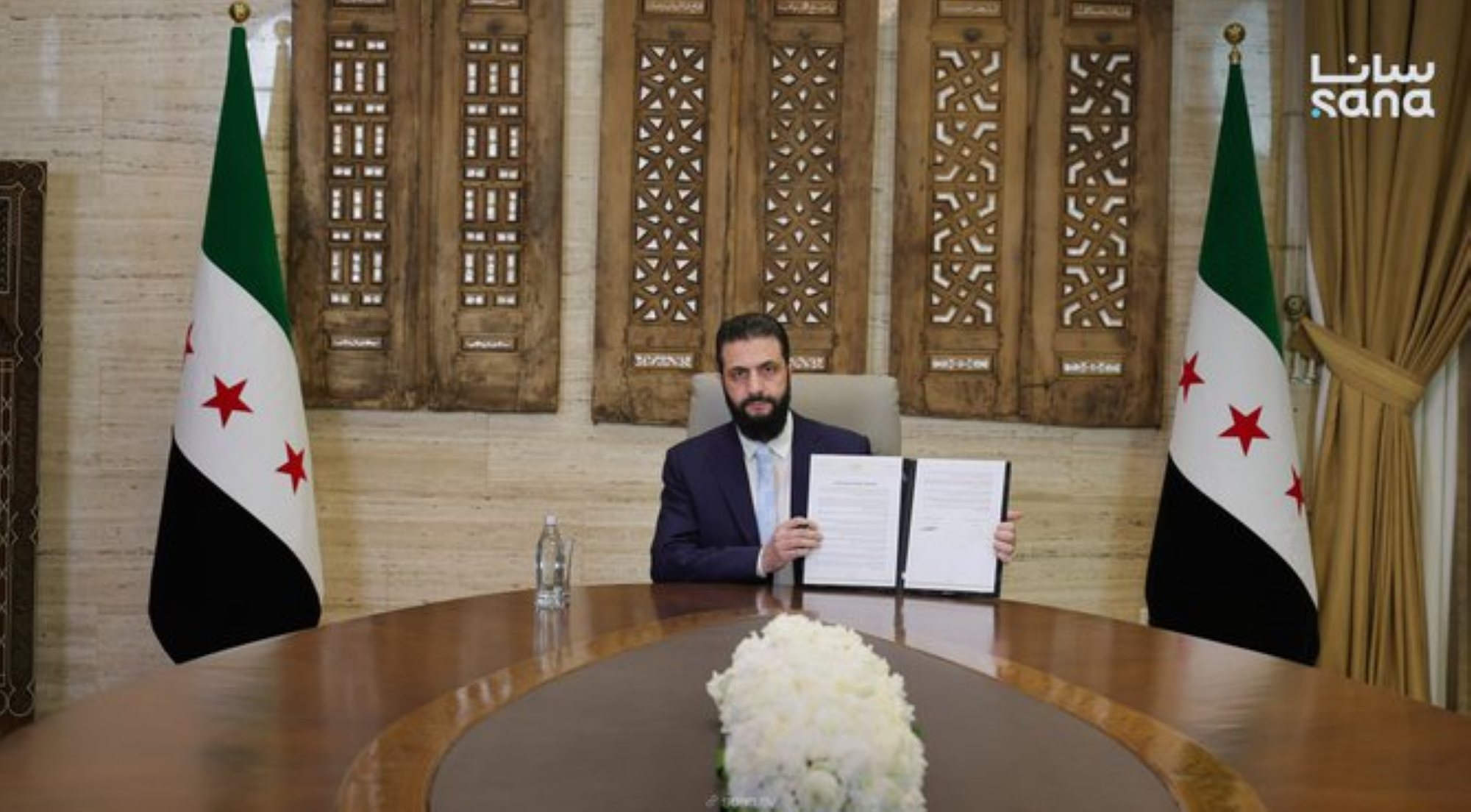
In a historic move that could redraw the political and military map of Syria, Syrian President Ahmed al-Sharaa announced the signing of a comprehensive ceasefire agreement and the full integration of the Syrian Democratic Forces (SDF) into state institutions. This agreement, signed on Sunday, represents a pivotal turning point in the Syrian crisis, aiming to end the years-long division in the north and east of the country and unify efforts to build a stable future.
Historical context for a new phase
This agreement comes in the wake of the dramatic changes that Syria has recently witnessed. The Syrian Democratic Forces (SDF) were established in 2015, with the Kurdish People’s Protection Units (YPG) forming their backbone. The SDF quickly emerged as a key partner of the US-led international coalition in the war against ISIS, and succeeded in controlling large swathes of territory in northern and eastern Syria, including major oil and gas fields. Over the past years, the SDF has administered these areas through the Autonomous Administration of North and East Syria, maintaining a complex relationship with the former regime that has ranged from limited coordination to intermittent clashes.
Key points of the comprehensive agreement
The agreement contains detailed provisions aimed at reintegrating the region into the structure of a unified Syrian state, most notably:
- Immediate ceasefire: A comprehensive cessation of hostilities on all contact lines between government forces and the SDF.
- Administrative and military handover: The governorates of Deir ez-Zor and Raqqa will be handed over completely to the Syrian government, with a guarantee of the continued employment and job security of current staff.
- Integration of forces: Integrating all SDF fighters individually into the Ministries of Defense and Interior after security vetting, while granting them military ranks and entitlements.
- Sovereign resource management: The Syrian government takes over border crossings and oil and gas fields, returning these vital resources to the state treasury.
- Recognition of Kurdish rights: The SDF welcomed the presidential decree that recognizes Kurdish cultural and linguistic rights, addresses the issues of unregistered persons, and restores property rights.
Regional and international importance and impacts
This agreement holds strategic importance that extends beyond Syria's borders. Regionally, the clause stipulating the expulsion of all non-Syrian leaders and members of the Kurdistan Workers' Party (PKK) from the country is a significant step toward addressing Turkey's security concerns. Internationally, the new Syrian government's commitment to continuing the fight against terrorism in coordination with the US-led international coalition opens the door to the possibility of building new relations with the West. Furthermore, the government's assumption of responsibility for the ISIS prisoners and camps alleviates a considerable burden that had fallen on the Syrian Democratic Forces (SDF) and responds to a pressing international demand.
A step towards national reconciliation
This agreement is seen as a solid foundation for building trust and achieving comprehensive national reconciliation in Syria. By guaranteeing national partnership through the nomination of SDF leaders to senior positions and recognizing the rights of the Kurdish component, the agreement lays the groundwork for a new Syria based on equal citizenship and territorial integrity. The full and honest implementation of the agreement's provisions remains the true test of the success of this new phase, which carries with it the hopes of Syrians for turning the page on war and achieving lasting stability.
Politics
The Crown Prince discusses the future of regional relations with the new Syrian President
Crown Prince Mohammed bin Salman received a call from Syrian President Ahmed al-Sharaa, during which they discussed bilateral relations and the future of Syria in light of new regional developments.
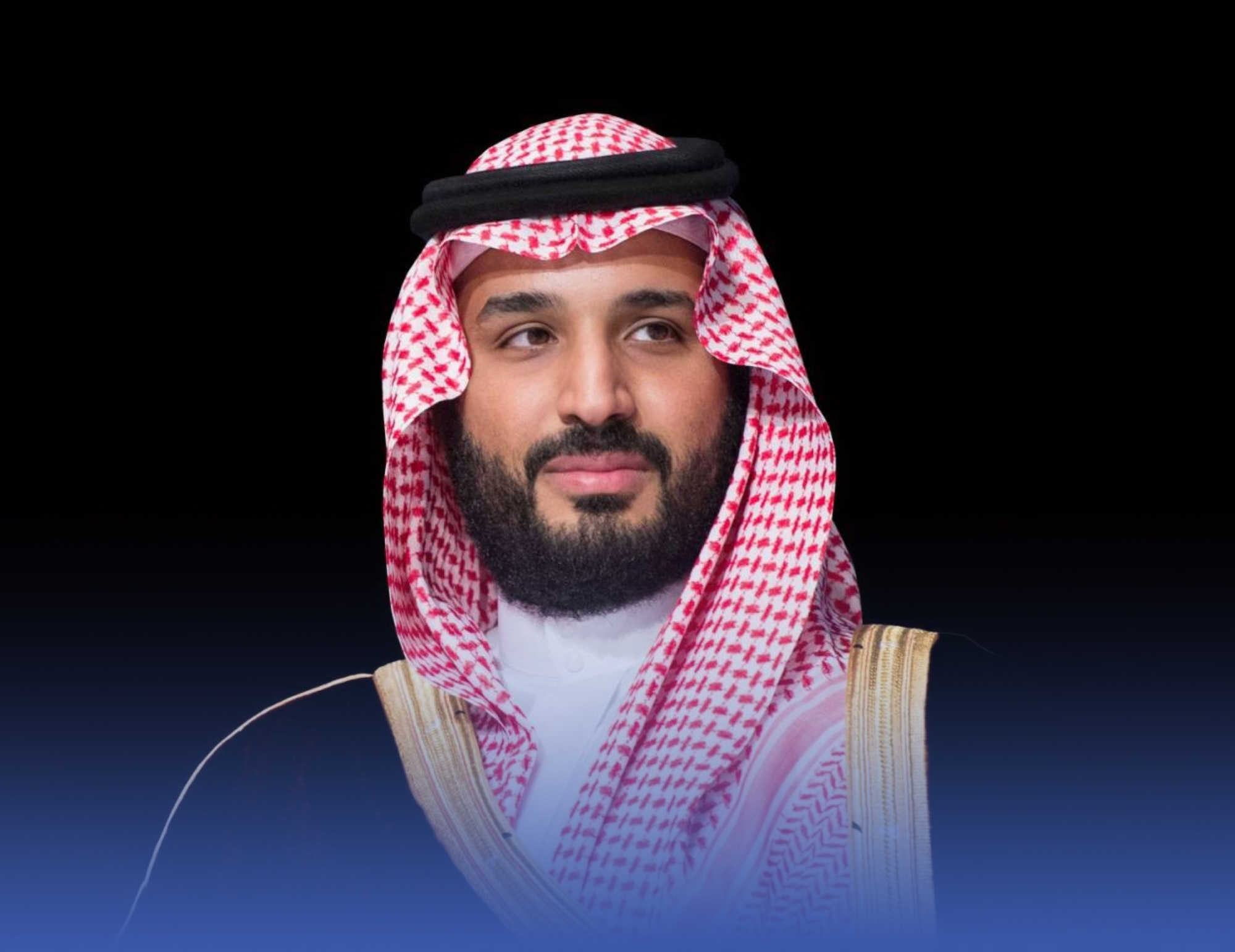
His Royal Highness Prince Mohammed bin Salman bin Abdulaziz Al Saud, Crown Prince and Prime Minister, received a telephone call today (Sunday) from His Excellency President Ahmed al-Sharaa of Syria. This call marks the first official high-level contact between the two countries following the recent political developments in Syria, and opens a new chapter in the history of bilateral relations.
Historical context and radical transformations
This contact comes in the wake of rapid developments in Syria that led to a change in leadership, presenting the region with a new geopolitical reality. Relations between Saudi Arabia and Syria had been strained for over a decade due to the Syrian crisis. However, active Saudi diplomacy in recent years, culminating in leading efforts to reinstate Syria's seat in the Arab League in 2023, paved the way for a resumption of dialogue and the rebuilding of trust, reflecting the Kingdom's understanding of the importance of Syria's stability and unity as an integral part of Arab national security.
The importance of communication and its expected impact
This contact is of paramount strategic importance on several levels. On the Syrian level, it represents significant political support for the new leadership, giving it a strong boost toward gaining regional and international legitimacy. It also opens promising prospects for securing the necessary support for the reconstruction phase and achieving the economic and social stability that the Syrian people yearn for after years of suffering.
Regionally, this contact underscores Saudi Arabia’s pivotal role as a peacemaker and pillar of stability in the region. Through its direct engagement with the new Syrian leadership, Riyadh seeks to ensure an orderly transition of power and prevent a security vacuum that could be exploited by regional powers or extremist groups to destabilize the region. This rapprochement is expected to encourage other Arab states to intensify their engagement with Damascus, thereby strengthening joint Arab action to address the challenges.
Common causes and a promising future
In addition to reviewing bilateral relations and opportunities for strengthening them, the two sides discussed regional developments and issues of common interest. These issues likely include vital matters such as combating terrorism, securing borders, curbing drug trafficking, and coordinating the safe and dignified return of Syrian refugees to their homeland. This dialogue represents a foundational step towards building a strategic partnership that serves the interests of both countries and contributes to the security and prosperity of the entire region.
-

 Reports 3 days ago
Achievements of Saudi government sectors in 2025
-
Local news two weeks ago
FDA warns of contaminated Nestle infant formula | Recall details
-
Technology 4 weeks ago
Artificial intelligence regulations in Saudi education and student data protection
-
Technology 4 weeks ago
US ban on drones: reasons and consequences
-
Sports 4 weeks ago
Salah leads Egypt to a thrilling comeback against Zimbabwe in the Africa Cup of Nations
-
Technology 4 weeks ago
SRMG and Snapchat partnership: The future of digital media in the Middle East
-
Technology 4 weeks ago
Saudi Arabia's Ministry of Islamic Affairs is employing artificial intelligence in public speaking
-
Sports 4 weeks ago
Napoli win the Italian Super Cup in Riyadh for the third time (2025)