
Politics
By order of the King, Abdulaziz bin Salman is appointed Chairman of the Board of Trustees of KAUST University
The Custodian of the Two Holy Mosques, King Salman bin Abdulaziz, issued an order based on the proposal submitted by the Crown Prince and Prime Minister, Prince Mohammed


The Custodian of the Two Holy Mosques, King Salman bin Abdulaziz, issued an order, based on the recommendation of the Crown Prince and Prime Minister, Prince Mohammed bin Salman bin Abdulaziz Al Saud, appointing Prince Abdulaziz bin Salman bin Abdulaziz Al Saud as Chairman of the Board of Trustees of King Abdullah University of Science and Technology (KAUST).
This appointment confirms the strategic role that KAUST plays in promoting the research, development and innovation system, especially in areas vital to the Kingdom’s future, such as energy, sustainability and technological advancement.
Under the leadership of Prince Abdulaziz bin Salman, KAUST is preparing to strengthen its position as a global center of scientific excellence and transformative innovation.
Prince Abdulaziz bin Salman has extensive experience in the energy and sustainability sector, having played a pivotal role in formulating and implementing policies that support the transition to clean energy and promote innovation in this field.
Related News
This appointment will be an important step in advancing KAUST’s “Accelerated Impact” strategy, which aims to speed up scientific research and link its outputs to industrial and technological applications, in line with the goals of the Kingdom’s Vision 2030. This appointment also reflects the Kingdom’s research efforts to address environmental and climate challenges, promote the use of renewable energy, and achieve the goal of reaching zero neutrality through the research the university is working on.
Following the issuance of this royal decree, KAUST President Professor Edward Byrne stated: “We are honored that Prince Abdulaziz bin Salman will chair the KAUST Board of Trustees. This appointment represents a significant milestone in the university’s journey, and his vision and deep experience in the fields of energy and sustainability will contribute to accelerating KAUST’s impact and enhancing its role in linking scientific research with economic and technological development. We look forward to achieving more accomplishments, expanding our strategic partnerships, and supporting the next generation of scientists and innovators.”.


Politics
Saudi Arabia condemns the Islamabad mosque bombing and expresses solidarity with Pakistan
Saudi Arabia expressed its strong condemnation of the terrorist bombing that targeted a mosque in Islamabad, stressing its rejection of targeting places of worship and its solidarity with Pakistan against violence and terrorism.
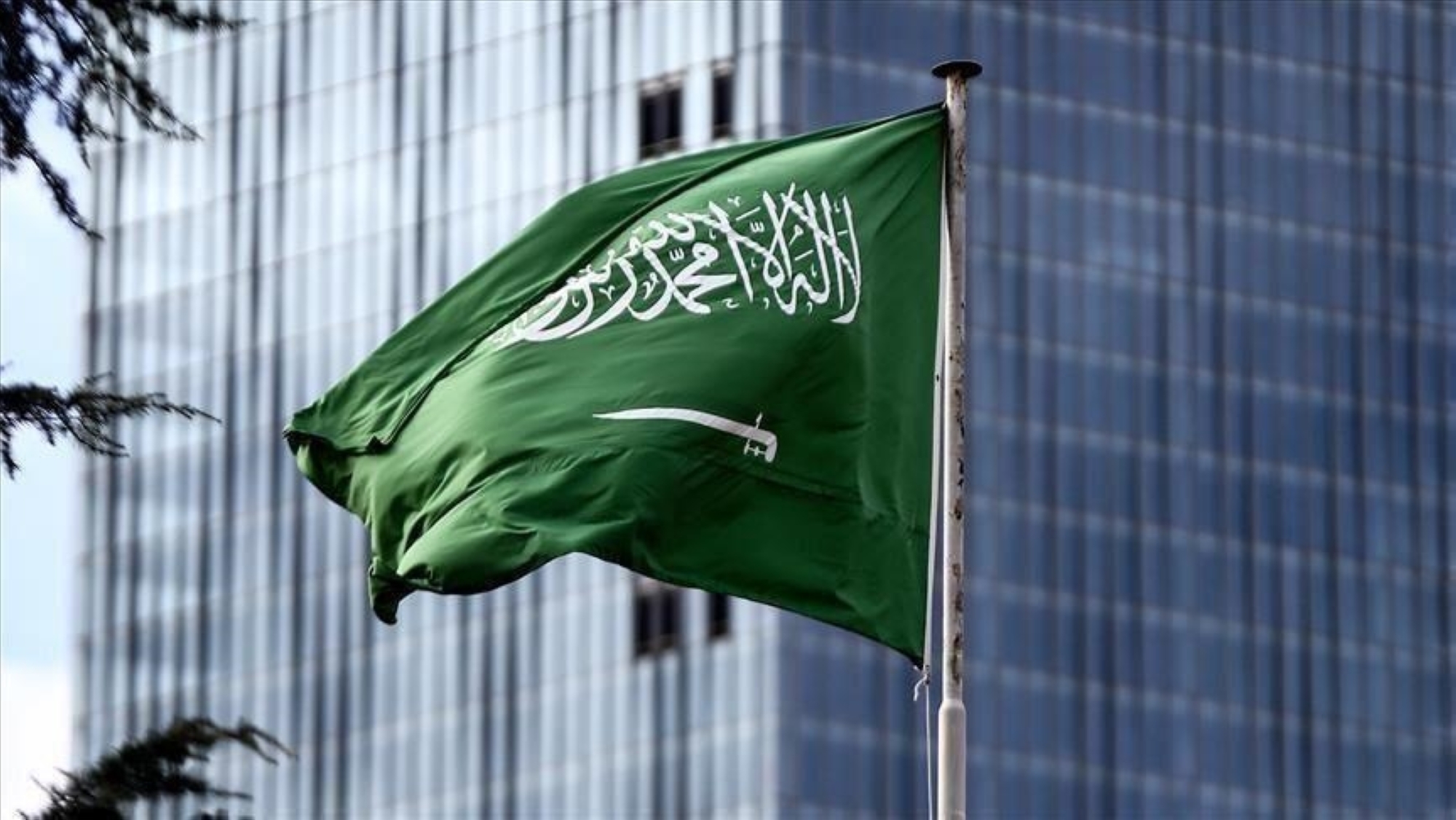
The Ministry of Foreign Affairs of the Kingdom of Saudi Arabia expressed the Kingdom’s strong condemnation and denunciation of the treacherous terrorist bombing that targeted a mosque in the Pakistani capital, Islamabad, which resulted in a number of deaths and injuries in a tragic scene that contradicts all religious and human values.
In its official statement, the Ministry stressed the Kingdom’s firm and categorical stance against targeting places of worship, terrorizing innocent people, and shedding the blood of innocent victims, affirming that such criminal acts have no relation to religion and seek to undermine security and stability.
Saudi Arabia's unwavering solidarity with Pakistan
The Ministry of Foreign Affairs indicated that the Kingdom of Saudi Arabia, both its leadership and people, stands with the brotherly Islamic Republic of Pakistan in facing these difficult circumstances, affirming its full support for Islamabad against all forms of violence, extremism, and terrorism, regardless of their motives or justifications. This stance stems from the deep-rooted historical and strategic relations that bind the two brotherly countries, as the Kingdom has consistently been at the forefront of countries supporting Pakistan in confronting security and economic challenges.
International condemnation of targeting places of worship
Targeting mosques and places of worship is a dangerous escalation in terrorist operations, something the Kingdom has consistently warned against and combated through international forums. In this statement, the Kingdom affirms that the sanctity of mosques and the lives of worshippers are a red line, and that terrorism, which has no religion, is desperately attempting to undermine the social fabric and sow discord. However, the awareness of the people and the solidarity of nations will thwart these dark schemes.
Prayers for healing and comfort
In closing, the Kingdom offered its deepest condolences to the families of the victims and to the government and people of Pakistan, praying to God Almighty to grant His mercy to the deceased and a speedy recovery to the injured. This tragic incident underscores the urgent need for the international community to unite in eradicating the sources of terrorism and combating extremist ideology that threatens international peace and security.
Politics
Arab-Slovenian talks in Ljubljana to support Gaza and the two-state solution
The foreign ministers of Saudi Arabia, Egypt, Jordan, Qatar and Bahrain are meeting in Slovenia to discuss ending the Gaza war, developments in the West Bank, and ways to revive the peace process based on the two-state solution.
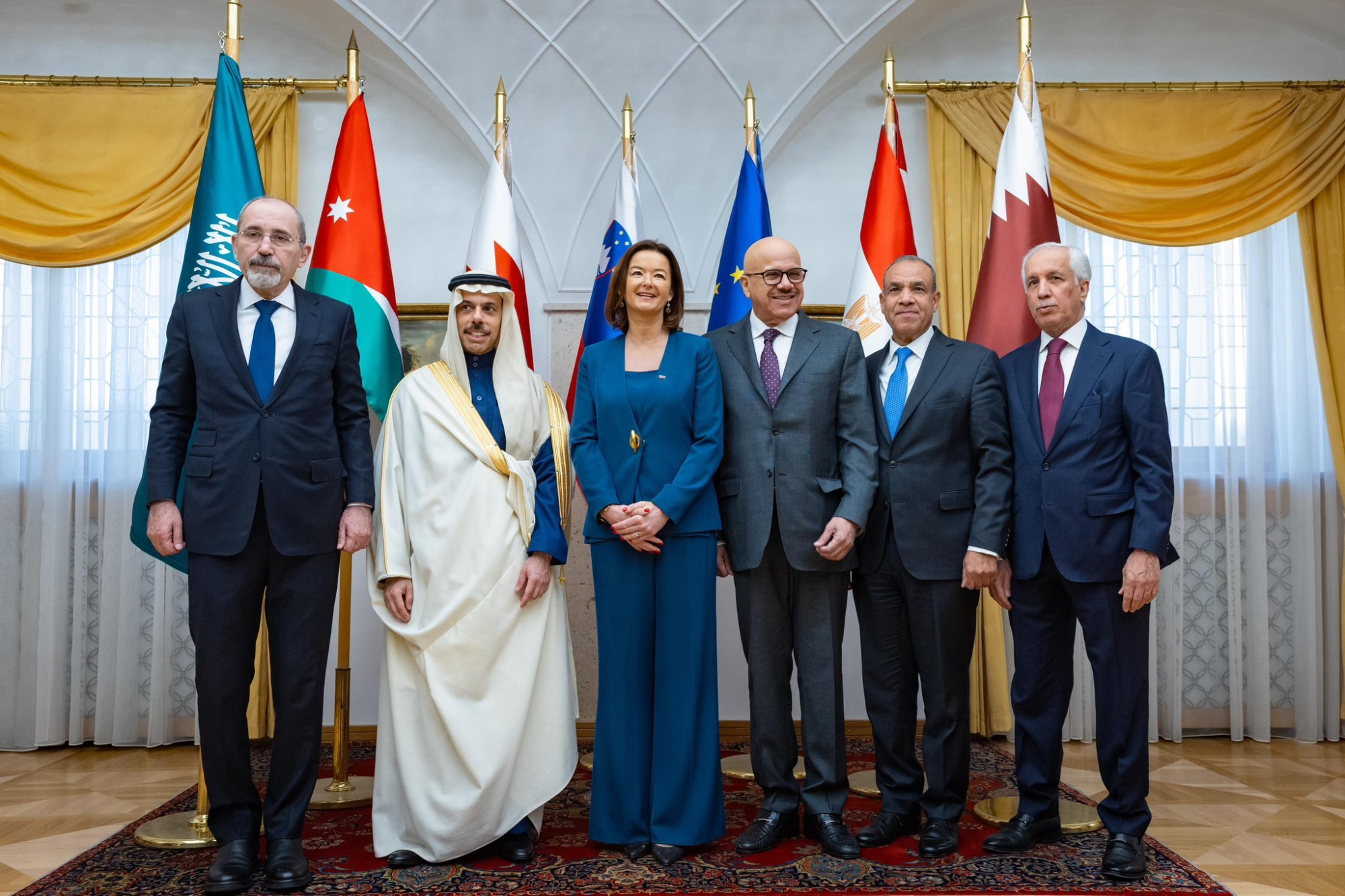
As part of intensified Arab diplomatic efforts aimed at garnering international support for the Palestinian cause and halting the escalation in the Middle East, the Slovenian capital, Ljubljana, hosted an extensive and strategic meeting. The Arab delegation was headed by Saudi Foreign Minister Prince Faisal bin Farhan bin Abdullah, and included Jordanian Deputy Prime Minister and Minister of Foreign Affairs and Expatriates Ayman Safadi, Egyptian Foreign Minister Dr. Badr Al-Abdulati, Bahraini Foreign Minister Abdullatif Al-Zayani, and Qatari Minister of State for Foreign Affairs Sultan Al-Muraikhi. The meeting was held with the Deputy Prime Minister and Minister of Foreign and European Affairs of the Republic of Slovenia, Tanja Vučoč.
Context of the visit and its strategic importance
These talks come at a highly sensitive time for the Middle East, as influential Arab states seek to strengthen partnerships with European countries that have demonstrated progressive stances on Palestinian rights. The Arab delegation's visit to Slovenia is particularly significant given Ljubljana's growing role within the European Union and in international forums, especially following its recent positions in support of international justice.
During the talks, the ministers focused on ways to enhance regional and international security and stability, placing the Palestinian issue at the top of the agenda. They stressed the need to adhere to the ceasefire agreement in the Gaza Strip and implement its provisions fully and without delay, as a first and urgent step to end the humanitarian suffering.
Gaza and the West Bank: Priorities for Arab Action
The participants discussed at length the catastrophic situation in the Gaza Strip, emphasizing the urgent need for sufficient and sustained humanitarian aid to save lives. In a related context, the talks addressed international efforts to advance the peace plan launched by US President Donald Trump, stressing the importance of moving forward toward a clear and time-bound political horizon.
The ministers reaffirmed the Arab principles of establishing an independent and sovereign Palestinian state on the borders of June 4, 1967, with East Jerusalem as its capital, based on the two-state solution and relevant international legitimacy resolutions.
Developments in the occupied West Bank were also on the agenda, with ministers warning of the dangers of continued illegal Israeli unilateral actions, including settlement expansion and ongoing violations against Islamic and Christian holy sites in occupied Jerusalem. The participants stressed that these practices are exacerbating the situation and undermining all efforts to de-escalate tensions and the prospects for peace in the region.
Appreciating the Slovenian position and international issues
In a gesture of appreciation for the Slovenian role, the Arab ministers commended Slovenia’s courageous and principled stances in supporting the legitimate rights of the Palestinian people, and its historic step in recognizing the State of Palestine on the basis of the two-state solution, which reflects a commitment to the values of justice and international law.
On a broader international level, the meeting addressed global developments and ways to de-escalate tensions through dialogue and negotiation. In this context, efforts to resolve the Russian-Ukrainian crisis were discussed, reflecting the Arab Group and Slovenia's commitment to contributing to international peace and security beyond the Middle East.
Politics
Mosque bombing in Islamabad: 12 dead and dozens injured
Twelve people were killed and dozens injured in a suicide bombing that targeted a mosque in the Pakistani capital, Islamabad, during Friday prayers. Details of the attack and the security context are available here.
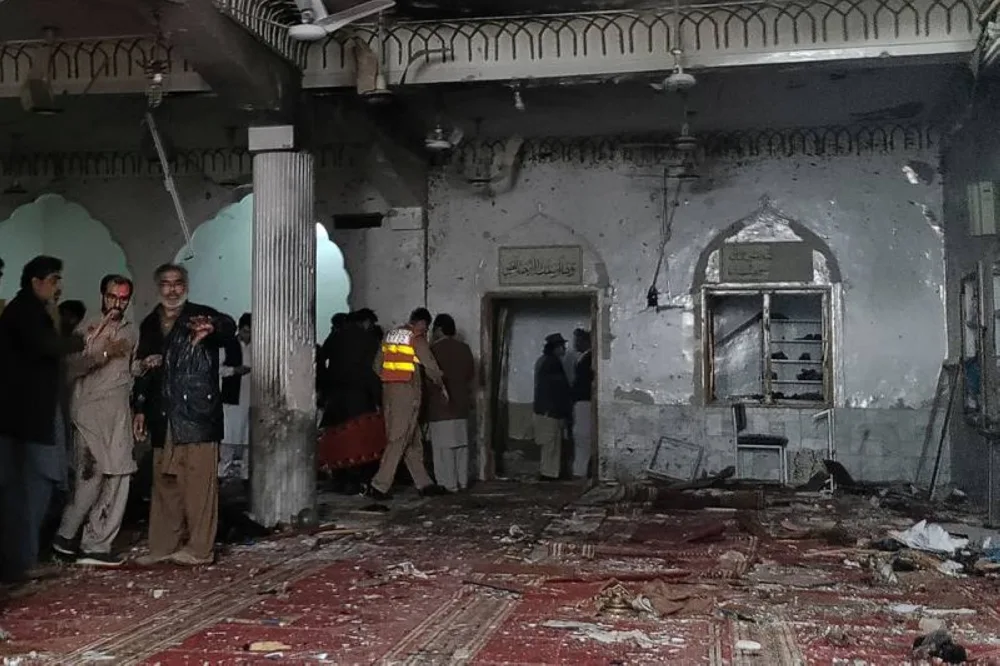
The Pakistani capital, Islamabad, witnessed a horrific security incident on Friday, as Pakistani police announced that a suicide bomber blew himself up at the gate of a mosque packed with worshippers, resulting in a large number of casualties, both dead and wounded, in a rare security breach for the city, which is usually heavily fortified.
Details of the bloody attack
According to official statements and Reuters reports, the attacker attempted to enter the mosque during Friday prayers, but security personnel stopped him at the gate, prompting him to detonate the suicide vest he was wearing. Police confirmed at least 12 deaths in the initial count, with dozens more injured.
Pakistani police official Zafar Iqbal stated that the explosion occurred during peak prayer times, noting the difficulty in determining the final number of victims at the moment, saying: "I cannot give an exact number of dead at this moment, but there are victims," suggesting that the toll could rise given the severity of some of the injuries.
Scenes from the scene of the event
Images from the bombing site conveyed tragic scenes, showing bloodied bodies scattered across the mosque floor and surrounding area, mingled with shards of glass and debris from the shattered gate. Panic gripped the surviving worshippers, while dozens of injured were seen lying in the mosque's outer courtyard receiving first aid. Ambulances rushed to the scene, transporting critical cases to nearby hospitals, which had declared a state of emergency.
The security context and the implications of the timing
This attack is particularly significant and dangerous given its location; Islamabad is the political and administrative center of the country and is usually subject to extremely strict security measures compared to other Pakistani provinces, which experience ongoing tensions. The success of a suicide bomber in reaching a religious gathering in the capital is a worrying indicator for security agencies and evidence of the ability of armed groups to penetrate the capital's security perimeter.
This bombing comes in the context of a marked escalation of armed violence in Pakistan in recent years, especially in border areas, but the shift of operations to the heart of the capital poses significant security challenges for the Pakistani government in reassuring citizens and diplomatic missions.
Historical background and similar precedents
No group has claimed responsibility for the attack as of the time of this report, but suspicion in such incidents often falls on armed groups active in the region. It is worth noting that the capital, Islamabad, witnessed a similar attack on November 11th, when a suicide bomber killed 12 people and injured 27 others. Pakistani authorities stated at the time that the perpetrator of that attack was an Afghan national.
This incident brings to mind a series of bombings that have targeted places of worship in Pakistan over the past decades, often aimed at inciting strife and internal instability, calling for local and regional cooperation to confront the renewed wave of violence.
-

 Local news one week ago
Ramadan 2026 discounts in Saudi Arabia: Offers valid for 54 days
-
Culture and Art, 1 week ago
The death of artist Huda Shaarawi “Umm Zaki” and her funeral in Damascus
-
Technology one week ago
ICAN 2026 Conference Conclusion: Initiatives to Enhance Saudi Arabia's Leadership in Artificial Intelligence
-
Local news two days ago
Launch of the city's shuttle bus service in Ramadan 1447 AH: Routes and stations
-
Culture and Art, 1 week ago
Huda Shaarawi: Farewell to “Umm Zaki,” the icon of Syrian drama
-
Culture and Art, 1 week ago
The murder of Huda Shaarawi, "Umm Zaki": Details of the crime and its impact
-
Local News 4 days ago
Rabigh inaugurates the world's largest water innovation oasis and enters the Guinness World Records
-
Culture and Art 3 days ago
The series "Rouh OFF" was permanently canceled by a decision of the Actors' Syndicate


