Politics
The next nuclear power
The horrors of war have not ceased throughout time; wars will continue from beginning to end, and it truly seems that those wars

The horrors of war have not ceased throughout history. Wars will continue from beginning to end, and it truly seems that they are a tool for reducing human populations, a tool resorted to by those vying for survival, regardless of the numerous losses they cause, perhaps the most significant being the erosion of security. Since World War II, any conflict raises the fear of a renewed global war that would leave no stability intact, especially since several countries possessed the deterrent weapon that ended World War II. How can the possibility of a third world war be eliminated when nuclear weapons are in the hands of any nation in conflict with another? In war, there is no law to prevent or deter the use of such a destructive weapon. The fear of a devastating all-out war has begun to overshadow other bilateral conflicts where a nuclear strike is not the deciding factor. With the Indian-Pakistani conflict surfacing on the world stage, a rivalry between allies is possible, even if this rivalry is based on the type of weaponry used. India's weapons are American, Pakistan's are Chinese. From this perspective, there are four nuclear powers on the surface. However, if we change the reasons for this rivalry and consider the choice of political system, the question arises. Regarding the attraction between them, we observe that India is a democratic state, while Pakistan is a military-ruled state. What kind of attraction can there be within this framework? If we consider the population, we find that India exceeds 1.2 billion people, and that everything Pakistan possesses is twice as abundant in India. To understand this attraction, we must consider that both countries share a single continent (the Indian subcontinent) and a single ocean (the Indian Ocean). Both countries also suffer from similar levels of poverty. A war between them would have serious repercussions for other nations, especially those heavily reliant on their exports. Such a war would also lead to higher energy prices and confusion among neighboring countries regarding which side to support. This inclination would further escalate the conflict, at least in terms of media coverage. It seems to me that the world order established after World War II has been disrupted. The most significant disruption is that Security Council resolutions are no longer binding, as evidenced by the ongoing wars that have occurred in various places without regard for Security Council resolutions. And the hidden agenda to end this... Crises are no longer effective, as negotiations only come after the capabilities of the warring parties have collapsed, and their solution is weak, fragile, and collapses with any friction.
The collapse of the Indian-Pakistani agreement hinges on the term “terrorism,” which takes shape and changes its clothes and masks according to the desire to break the other. A life that does not want stability for its citizens, but rather seeks to supply the annihilation with the excess of its inhabitants. Few leaders are convinced that war is the annihilation of people and countries, and this minority does not respond to the instigators of wars. At the same time, there are leaders who do not enjoy their position or whose moods are not satisfied except by waging desperate wars to burn the land and people together.
Related News


Politics
The Crown Prince receives a message from the President of Kazakhstan to enhance bilateral cooperation
Crown Prince Mohammed bin Salman received a written message from the President of Kazakhstan concerning bilateral relations, which was received by Foreign Minister Prince Faisal bin Farhan in Riyadh.
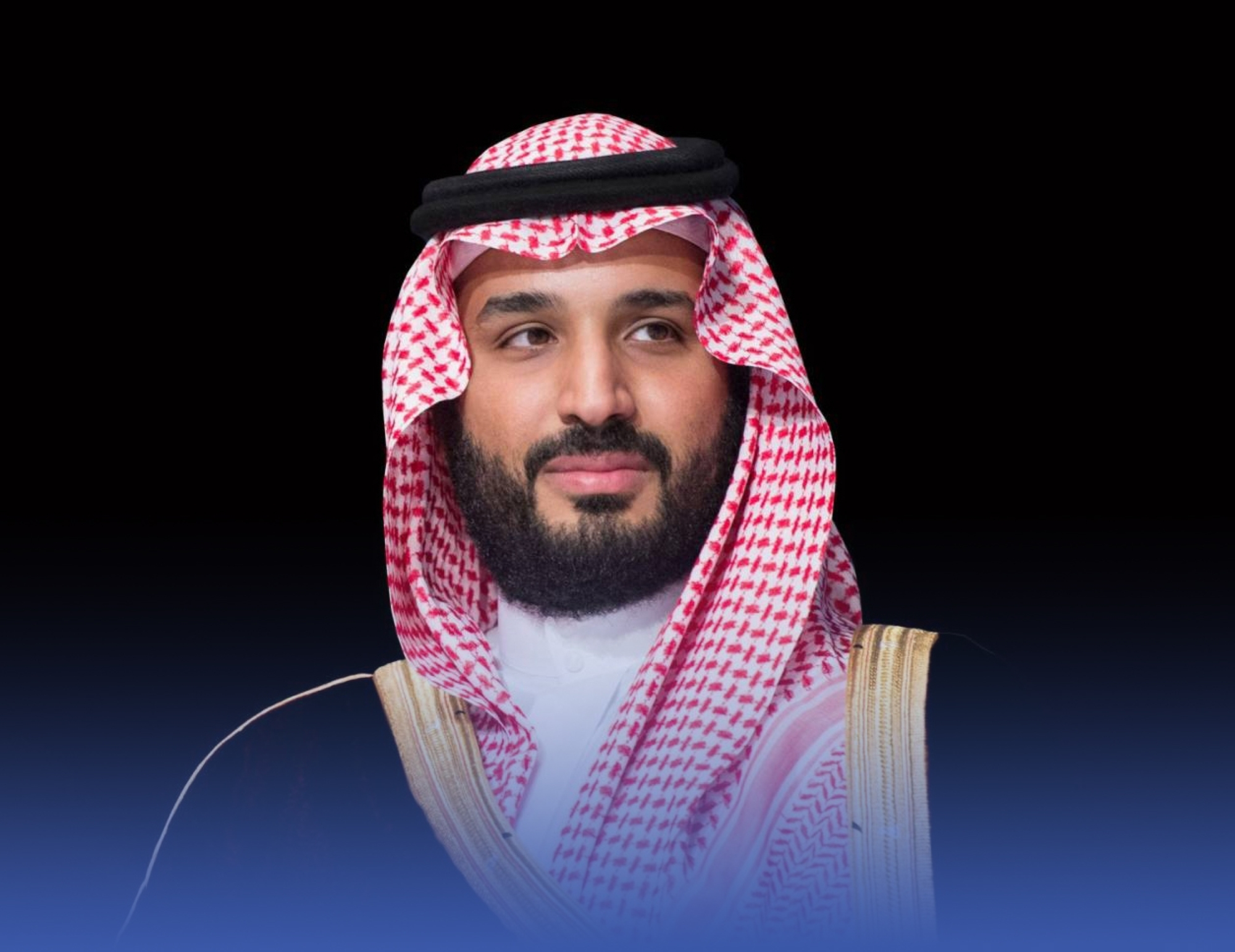
His Royal Highness Prince Mohammed bin Salman bin Abdulaziz Al Saud, Crown Prince and Prime Minister, received an important written message from His Excellency President Kassym-Jomart Tokayev of the Republic of Kazakhstan. The message focused on ways to strengthen and develop the close bilateral relations between the two brotherly countries and to propel them towards broader horizons in various fields.
His Highness Prince Faisal bin Farhan bin Abdullah, Minister of Foreign Affairs, received the message during his official meeting today at the Ministry's headquarters in Riyadh with His Excellency Yermek Kosherbayev, Minister of Foreign Affairs of the Republic of Kazakhstan. During the meeting, they reviewed aspects of joint cooperation and ways to enhance them in a manner that serves the interests of both countries and their friendly peoples.
The depth of Saudi-Kazakh relations
This message comes amidst the active diplomatic efforts underway in relations between the Kingdom of Saudi Arabia and the Republic of Kazakhstan, two countries bound by deep-rooted historical ties based on shared values and mutual respect. These relations are gaining increasing importance in light of global geopolitical and economic shifts, as Kazakhstan is the largest country in Central Asia and a key strategic partner for the Kingdom in this vital region.
Prospects for economic and investment cooperation
Economically, the two countries possess tremendous potential for cooperation, particularly in the energy sector. Both Saudi Arabia and Kazakhstan are major global oil producers and active members of the OPEC+ alliance, which strengthens their joint coordination to ensure the stability of global energy markets. Furthermore, Saudi Arabia's Vision 2030 opens up vast opportunities for mutual investments in mining, infrastructure, food security, and renewable energy, aligning with Kazakhstan's development goals.
The importance of political coordination
On the political front, the exchange of messages between the two leaderships reflects a mutual commitment to continued consultation and coordination on regional and international issues of common interest. The Kingdom plays a pivotal role in promoting stability in the Middle East, while Kazakhstan serves as a vital bridge between Asia and Europe, making the strengthening of their partnership a cornerstone of security and stability in both regions.
The reception was attended on the Saudi side by the Undersecretary of the Ministry of Foreign Affairs for Political Affairs, Dr. Saud Al-Sati, and the Ambassador of the Custodian of the Two Holy Mosques to the Republic of Kazakhstan, Faisal Al-Qahtani, reflecting the high-level diplomatic interest in the outcomes of this meeting and the future steps that will result from it to strengthen the strategic partnership.
Politics
New Mexico investigation into Epstein's ranch: details of the historic decision
New Mexico opens a formal investigation into Jeffrey Epstein's Zorro Ranch. Learn about the legislative committee's efforts to uncover human trafficking networks.

In a decisive legal and legislative move, lawmakers in the US state of New Mexico passed new legislation aimed at launching a comprehensive and extensive investigation into the events that transpired behind the walls of Zorro Ranch, the sprawling estate associated with the late disgraced sex offender Jeffrey Epstein. This step comes in response to growing demands from human rights groups and the public for transparency regarding the network Epstein operated in secrecy.
Bipartisan fact-finding committee
Under the new legislation, a special bipartisan commission will be formed in the state legislature. This commission will have broad powers to gather evidence, subpoena witnesses, and, most importantly, provide a secure platform for survivors to testify about the egregious abuse they suffered at the ranch. The ranch is located in a remote area about 48 kilometers south of Santa Fe, which for many years kept it largely out of scrutiny.
"Zorro Ranch": The Mysterious Castle
This ranch holds particular significance in the context of federal and local investigations, as it spans thousands of acres and includes a sprawling mansion and a private airstrip. The property has long been suspected of being a major hub for the human trafficking operations with which Epstein was accused. This move is the first of its kind at the state level to directly target activities that took place on the property, aiming to determine whether local individuals or others facilitated or covered up these crimes.
A complex historical and legal context
This investigation comes at a time when the Jeffrey Epstein case continues to generate widespread international controversy, particularly following his death in his Manhattan jail cell in 2019, officially ruled a suicide. This effectively prevented a trial that would have revealed many secrets. However, the recent release of court documents related to Virginia Giuffre's lawsuit against Epstein's associate, Ghislaine Maxwell, has brought the case back into sharp focus, revealing a vast network of connections involving politicians, financiers, and celebrities.
The importance of the investigation and its expected impact
Observers believe the New Mexico investigation holds immense symbolic and legal significance. It not only seeks to hold accountable potential perpetrators who may have escaped federal scrutiny, but also aims to close the legal loopholes that allowed these abuses to continue for years. Furthermore, the investigation sends a powerful message of support to the victims, affirming that justice does not expire and that the death of the main suspect does not mean the case is closed as long as there are survivors demanding their rights.
Politics
Saudi Arabia and seven other countries condemn the escalation of settlement activity in the West Bank
Saudi Arabia and seven other countries issued a joint statement condemning Israel's classification of lands in the West Bank as "state lands," warning of the undermining of the two-state solution and calling for urgent international intervention.
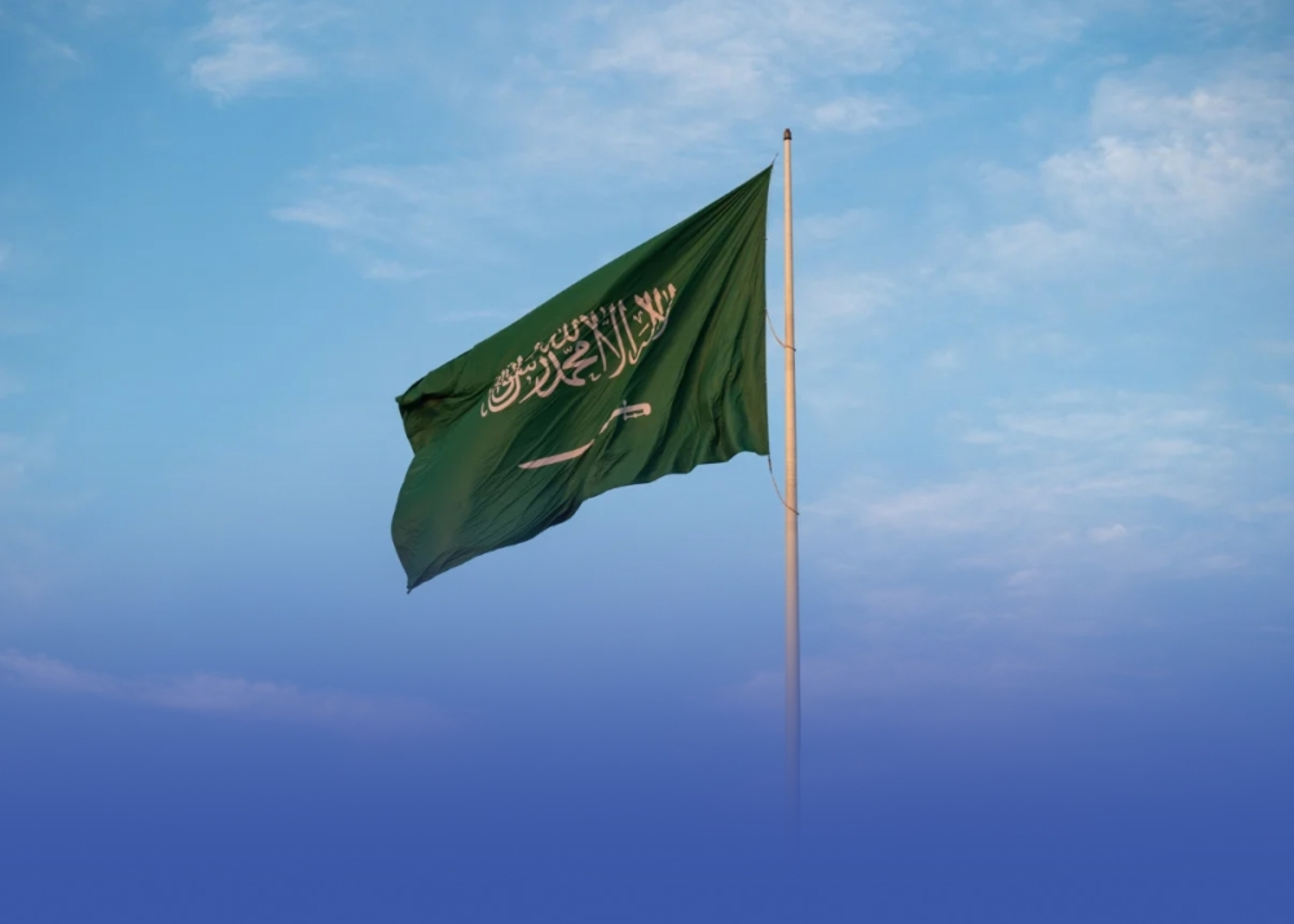
In a unified diplomatic move reflecting the seriousness of the situation in the occupied Palestinian territories, the foreign ministers of eight countries – the Kingdom of Saudi Arabia, the Hashemite Kingdom of Jordan, the United Arab Emirates, the State of Qatar, the Arab Republic of Egypt, the Republic of Turkey, the Republic of Indonesia, and the Islamic Republic of Pakistan – issued a joint statement expressing their strong condemnation of the recent Israeli decisions concerning the Palestinian territories.
Unprecedented escalation of settlement activity since 1967
The ministers condemned in the strongest terms Israel’s move to designate large areas of land in the occupied West Bank as “state land.” The statement noted that these actions include approving the commencement of land registration and settlement procedures, a dangerous step being taken for the first time since the occupation of the West Bank in 1967. The ministers considered this move a flagrant violation of international law and an escalation aimed at legitimizing and expanding settlements at the expense of the rights of the Palestinian people.
Violation of international laws and resolutions
The joint statement affirmed that these measures fundamentally violate international humanitarian law, specifically the Fourth Geneva Convention, which prohibits an occupying power from transferring its own population into the territory it occupies or altering its geographic and demographic character. The ministers also stressed that these practices constitute a blatant challenge to relevant UN Security Council resolutions, foremost among them Resolution 2334, which affirms the illegality of settlements in the Palestinian territories occupied since 1967, including East Jerusalem.
In a related context, the ministers pointed out that the Israeli decision contradicts the advisory opinion issued by the International Court of Justice, which clarified the legal implications of Israeli policies, stressing the illegality of any measures aimed at changing the historical and legal status of the occupied territory, and the need to end the occupation and prohibit the seizure of land by military force.
Risks of undermining the two-state solution
The foreign ministers of the eight countries warned of the political and security repercussions of these steps, emphasizing that they aim to impose a new administrative and legal reality that entrenches permanent Israeli control. They explained that the continued confiscation of land and the accelerated pace of settlement construction effectively undermine the two-state solution and eliminate any political prospect for the establishment of an independent, viable, and geographically contiguous Palestinian state. They cautioned that these policies pose a real threat to the chances of achieving a just and comprehensive peace in the region and exacerbate tension and instability in the Middle East.
A call for the international community to assume its responsibilities
The ministers concluded their statement with a clear call for the international community to take immediate action and fulfill its legal and moral responsibilities. They demanded decisive and clear steps to halt these ongoing violations and ensure Israel's respect for international law. They reaffirmed their full support for the inalienable rights of the Palestinian people, foremost among them their right to self-determination, an end to the occupation, and the establishment of their independent state on the June 4, 1967 borders, with East Jerusalem as its capital, as the only way to achieve lasting stability in the region.
-

 Culture and Art 6 days ago
The "Between and Between" exhibition in Jeddah: 5 artists reshape Saudi memory
-
Local News 4 days ago
Saudi Arabia's National Arabic Language Policy: 8 Principles to Promote Identity
-
Culture and Art, 1 week ago
Shakira's concert in Jeddah: Details of the international star's first concert in Saudi Arabia
-
Local News 3 days ago
Adopting the National Policy for the Arabic Language: Strengthening Identity and Vision 2030
-
Culture and Art, 1 week ago
The truth about Nancy Ajram's video and Epstein Island, and her legal response
-
Local News 4 days ago
The Riyadh-Rin-Bisha dual carriageway, spanning 559 km, has been completed
-
Local news one week ago
Launch of the new Dammam project with investments of 98 billion riyals
-
Culture and Art, 1 week ago
The truth about Wael Awni's conversion to Islam... The artist responds sarcastically to the rumors