
Politics
The Kingdom is advancing internationally in a number of indicators, according to reports from the World Economic Forum (WEF)
The Kingdom of Saudi Arabia has made significant strides on a global level, achieving advanced rankings in flexible work arrangements indicators

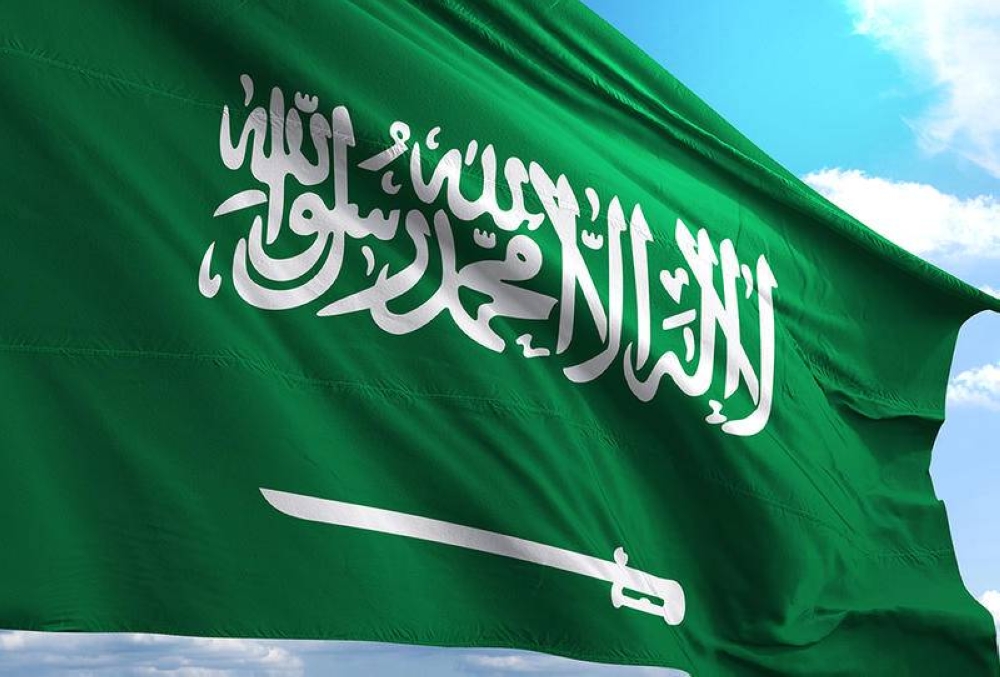
The Kingdom of Saudi Arabia has made significant strides globally, achieving advanced rankings in indicators related to flexible work arrangements, ease of finding skilled employees in the labor market, and equal pay for similar work between genders, according to reports issued by the World Economic Forum (WEF) for 2024.
The Ministry of Human Resources and Social Development has made many efforts to enhance the Kingdom’s global standing in its field of work. The Kingdom has advanced 7 places in the Flexible Work Arrangements Index since 2021, to occupy the 14th position globally for 2024. The Ministry has strengthened the traditional labor market by introducing new work patterns through the launch of 3 new work patterns programs aimed at encouraging employers to attract young Saudi job seekers, namely: (the Flexible Work Program, Freelance Work, and Remote Work). The three initiatives have been able to create more job opportunities for the sons and daughters of the nation.
The launch of the Freelance Work Program aligns with the Kingdom's Vision 2030 and reflects the Ministry of Human Resources and Social Development's commitment to reaching the potential of job seekers, self-employed individuals, and other citizens across the Kingdom, enhancing their productivity, skills, and experience in suitable, stable, and productive work. The program provides a Freelance Work Certificate to those wishing to pursue freelance work, and this certificate offers several advantages, including: optional registration with social insurance, the ability to contract with government and private entities using the certificate as an official document, opening a bank account linked to the certificate, and utilizing digital payment channels.
Freelance work provides attractive and sustainable career paths that contribute to raising localization rates and providing diverse job opportunities for national talent.
Flexible work comes as one of the national initiatives presented by the Ministry that aims to enable national cadres and private sector employers to contract flexibly, with the worker's wage being based on the hour (the lowest unit of wages) without any obligation to provide other benefits.
The advantages of flexible work meet the support of localization and provide job opportunities for national workers in private sector establishments, and meet the urgent and seasonal needs of the private sector for national personnel, in addition to keeping pace with labor market developments and changes in contracting methods.
The remote work model aims to bridge the gap between employers and job seekers, who face numerous obstacles in accessing suitable employment opportunities. Through its dedicated platform, the program seeks to meet the needs of two key segments of the national workforce: women and people with disabilities, by offering job opportunities in fields such as translation, programming, customer service, telesales, data entry, and others.
In the index of ease of finding skilled employees in the local labor market, the Kingdom has advanced 3 places since 2021 to occupy the 4th place globally for 2024, as the Kingdom, represented by the Ministry, launched many initiatives, programs and decisions that support the training and qualification of national cadres for the labor market, in addition to launching the first phase of the “Professional Verification” service, which comes within the framework of the Kingdom’s continuous efforts to develop the labor market and raise the efficiency of professional workers. The first phase of the program includes, in cooperation with the Ministry of Foreign Affairs, 128 countries, to verify the validity of the qualifications and skills of expatriate workers in those countries.
The Ministry supported job seekers through the Parallel Training Initiative, which is an initiative of the National Transformation Programs of the Kingdom’s Vision 2030. This initiative aims to support women’s employment empowerment and increase their participation in the Saudi labor market through a set of training programs that qualify them with basic skills, technical skills, career guidance, and tasks provided by the employer to the beneficiaries to raise the level of job performance of graduates and ensure their success in the labor market.
The Ministry launched the National Training Campaign Initiative “Waad”, and the final targets of the campaign by the end of 2025 are to provide 1,155,000 training opportunities, within the Ministry’s training strategy to support and train national cadres in partnership with the private sector, according to 7 criteria for the participation of national establishments in the campaign, the most important of which is: training 12% of Saudis annually, in addition to the initiative to establish sectoral skills councils in partnership with the private sector, and this initiative aims to establish 12 sectoral councils, as well as the initiative to build national professional standards for more than 300 professions, in addition to the Skills Accelerator initiative, which targets 162,000 employees in the private sector, to develop high-level skills for national cadres and raise their productive efficiency.
To incentivize private sector establishments, the Ministry launched the Labor Award. This award is one of the Ministry's initiatives to recognize the efforts of outstanding establishments across various sectors, encourage them to implement best practices, and promote compliance with ideal workplace standards, thereby fostering competitiveness and attracting the workforce. The second edition of the award comprises three main tracks: "Localization," "Work Environment," and "Skills and Training," encompassing 24 individual awards.
In the Gender Gap Report, Saudi Arabia advanced two places in the Equal Pay for Similar Work Index since 2023 to rank 13th globally for 2024. Women's share of the labor market increased, with the index recording (34.1%) in the first quarter of 2024. The economic participation rate of Saudi women over the age of 15 reached (35.8%) in the first quarter of 2024, as a result of expanding partnerships with various sectors to create more opportunities and increase the number of beneficiaries of parallel training and other initiatives supporting women's empowerment in the labor market. The percentage of women in senior and middle management positions increased to (43.8%) in the first quarter of 2024, and the Ministry continues to work on raising the target for women's participation to 40% in the coming period.
These and other efforts have contributed to enhancing the Kingdom’s global standing and confirming its ability to change the reality of the labor market. For the first time, the Kingdom achieved a record number of Saudis working in the private sector, jumping from 1.7 million workers in 2019 to more than 2.3 million workers in 2024, in addition to the unemployment rate declining to 7.6% in the first quarter of 2024.



Politics
Britain imposes sanctions on Iranian officials over crackdown on protests
Britain announces new sanctions against 10 Iranian officials, including police and Revolutionary Guard commanders, in response to the crackdown on protesters. Learn more about the details and the implications of the decision.
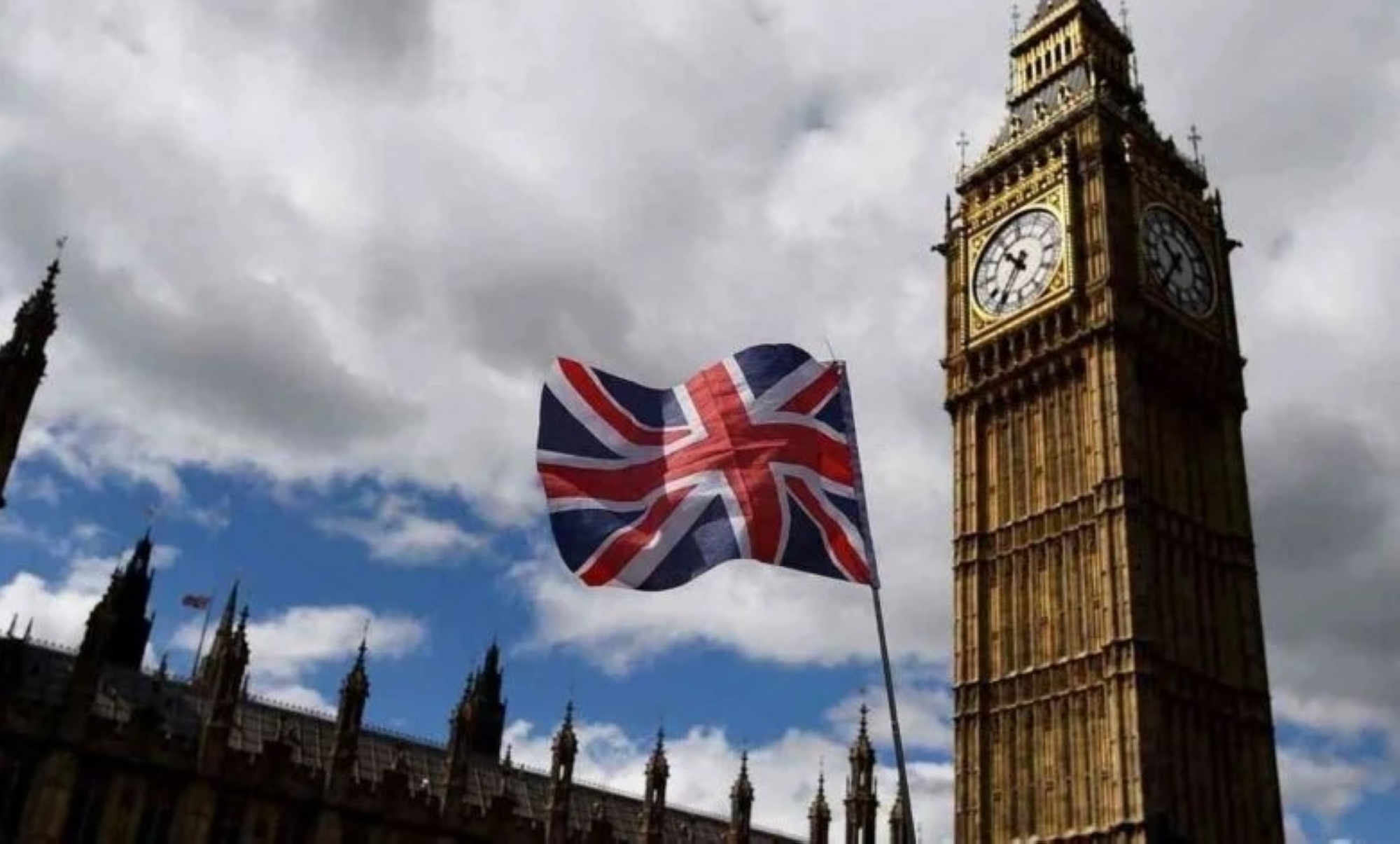
In a new escalation reflecting strained diplomatic relations between London and Tehran, the British government announced a package of tough sanctions targeting 10 prominent Iranian officials, as well as security entities, in response to what the United Kingdom described as "systematic violence" perpetrated by the authorities against protesters during the recent wave of protests in the country.
Details of the penalties and those covered by them
The new blacklist included high-ranking figures in the Iranian security and political hierarchy, most notably the Interior Minister and senior police commanders. The sanctions were not limited to individuals but also extended to the Iranian Law Enforcement Forces (FRAJA), considered the main arm responsible for dealing with protests on the ground.
The sanctions also targeted members of Iran's Revolutionary Guard, a businessman linked to it, and two judges, indicating a British focus on the security, judicial, and economic systems that support repression. These sanctions include freezing the financial assets of those sanctioned within the United Kingdom, imposing a comprehensive travel ban, and preventing them from holding any administrative positions or engaging in any business activities that fall under British law.
The official British position
Commenting on these decisions, British Foreign Secretary Yvette Cooper affirmed that this step comes within the framework of the United Kingdom's commitment to holding those responsible for human rights violations accountable. Cooper praised what she described as the "remarkable courage" shown by the Iranian people in the face of the security apparatus, considering the sanctions a clear message against the "violent campaign of repression" being waged by the authorities in Tehran.
General context and international dimensions
These sanctions come at a time when Iran is facing significant internal challenges, including widespread protests demanding political and social reforms. The authorities have responded to these movements with harsh security measures, drawing widespread criticism from international human rights organizations and Western governments.
Observers believe that the British move is not an isolated incident, but rather part of a broader coordinated effort among Western countries (including the United States and the European Union) to increase Tehran's political and economic isolation. These coordinated actions aim to pressure the Iranian regime to change its behavior regarding human rights, as well as other contentious issues such as its nuclear program and its regional role.
These sanctions are expected to lead to further stagnation in bilateral relations between the two countries, as Tehran usually considers such measures to be blatant interference in its internal affairs, which may lead to reciprocal diplomatic actions and an escalation in political rhetoric between the two capitals in the coming period.
Politics
Nuclear negotiations between Iran and the United States resume in Istanbul
Crucial nuclear negotiations between Iran and the United States have begun in Istanbul, with Saudi Arabia and Egypt in attendance, amid a US military buildup and demands for concessions to end the tension.
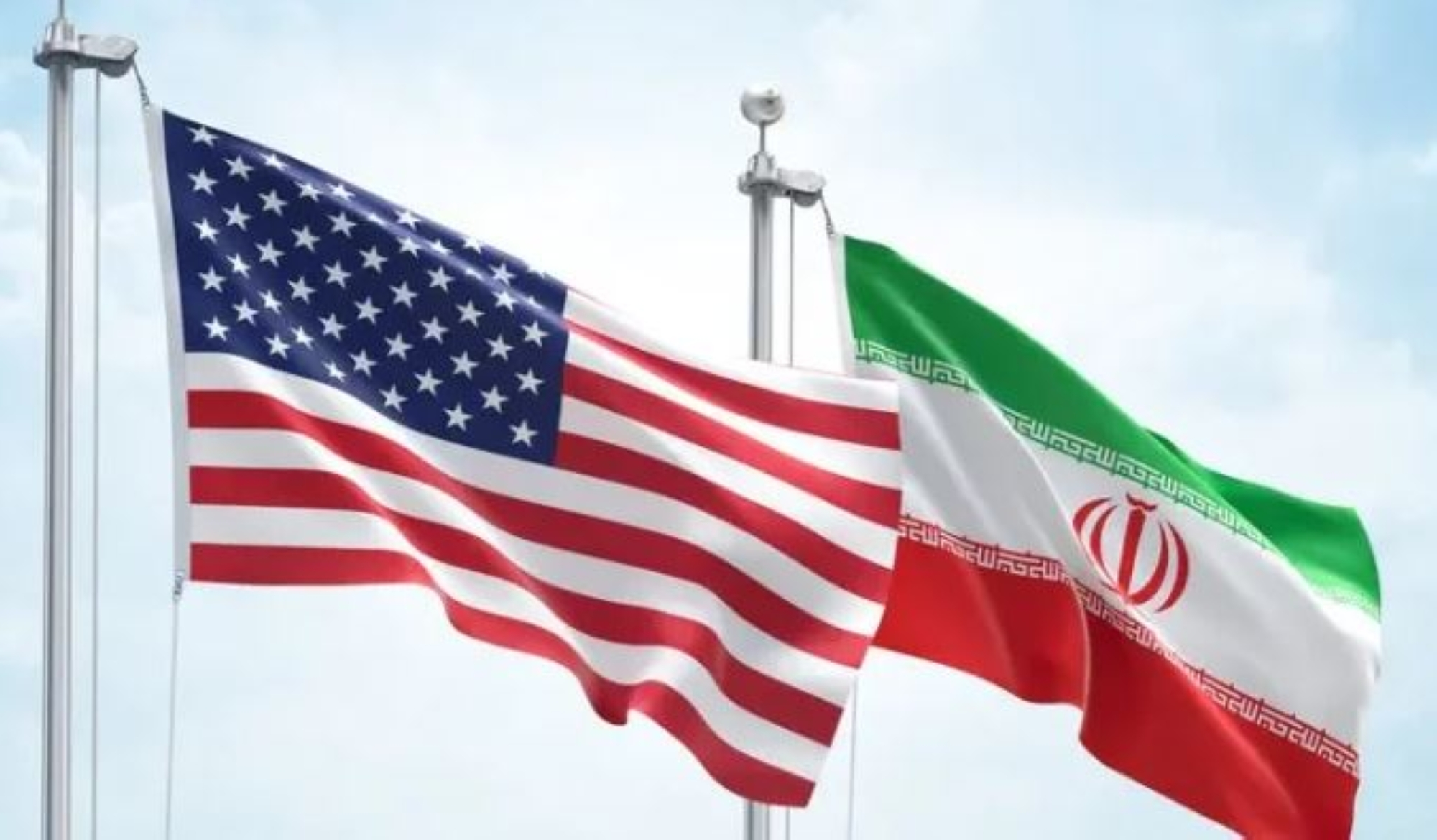
In a diplomatic move aimed at defusing the escalating crisis in the Middle East, Iran and the United States are resuming their nuclear talks in Türkiye, amid widespread international and regional anticipation of the results of this crucial round.
Details of the meeting in Istanbul
Informed sources told Reuters that US Special Envoy Steve Wittkopf will hold a crucial meeting with Iranian Foreign Minister Abbas Araqchi in Istanbul, Turkey. This meeting comes as part of intensive efforts to revive the long-stalled diplomatic process regarding Iran's nuclear program and to find common ground that would prevent a slide into open confrontation.
A diplomatic source in the region revealed that the talks will not be limited to the American and Iranian sides, but will also include representatives from influential regional powers, most notably Saudi Arabia and Egypt. The meetings are scheduled to be held at two levels: bilaterally between Washington and Tehran, and trilaterally with the regional parties, reflecting the desire of regional states to ensure that any future agreements take their security concerns into account.
Context of tension and military mobilization
These negotiations come at a highly sensitive time, as military tensions escalate in the Gulf. The talks coincide with a significant US naval buildup near Iranian territorial waters, a clear message of pressure from Washington. Meanwhile, Tehran faces unprecedented internal challenges, with the country experiencing what has been described as its most violent internal unrest since the 1979 revolution, further complicating the Iranian negotiating position.
US President Donald Trump insists that Iran must make substantial concessions regarding its nuclear program and regional activities, backing this demand with the deployment of a naval fleet to Iranian waters as a maximum pressure tactic. For his part, Ali Larijani, Secretary of Iran's Supreme National Security Council, confirmed that arrangements are underway for these negotiations, indicating Tehran's willingness to explore available diplomatic options.
Background of the crisis and the importance of negotiations
To understand the depth of these talks, one must consider the historical background of the nuclear issue. Since the United States withdrew from the Joint Comprehensive Plan of Action (JCPOA), also known as the Iran nuclear deal, in 2018, economic sanctions and a policy of "maximum pressure" have intensified, prompting Iran to gradually reduce its compliance with its nuclear commitments and increase its uranium enrichment levels. This situation has led to persistent instability in the region, punctuated by security incidents targeting maritime navigation and energy facilities.
This round of negotiations is of exceptional importance given its expected impact locally, regionally and internationally:
- On a regional level: The presence of Saudi Arabia and Egypt represents a qualitative development, as the countries of the region seek to ensure the security of navigation in vital waterways and prevent a nuclear arms race in the Middle East.
- On the international level: Global energy markets are closely monitoring these talks, as any easing of tensions would have a positive impact on the stability of oil prices and global supply chains.
- On the domestic front: Any diplomatic breakthrough could help alleviate the economic sanctions that are burdening the Iranian economy and fueling internal unrest.
All eyes remain on Istanbul to see if last-minute diplomacy will succeed in sparing the region the horrors of a potential military conflict and establishing a new phase of security and political stability.
Politics
Saudi Arabia offers condolences to Congo for the victims of the Rubaya mine collapse
The Kingdom expresses its solidarity with the Democratic Republic of Congo and offers condolences for the victims of the Rubaya mine collapse, which left more than 226 dead, affirming its support for the Congolese people.
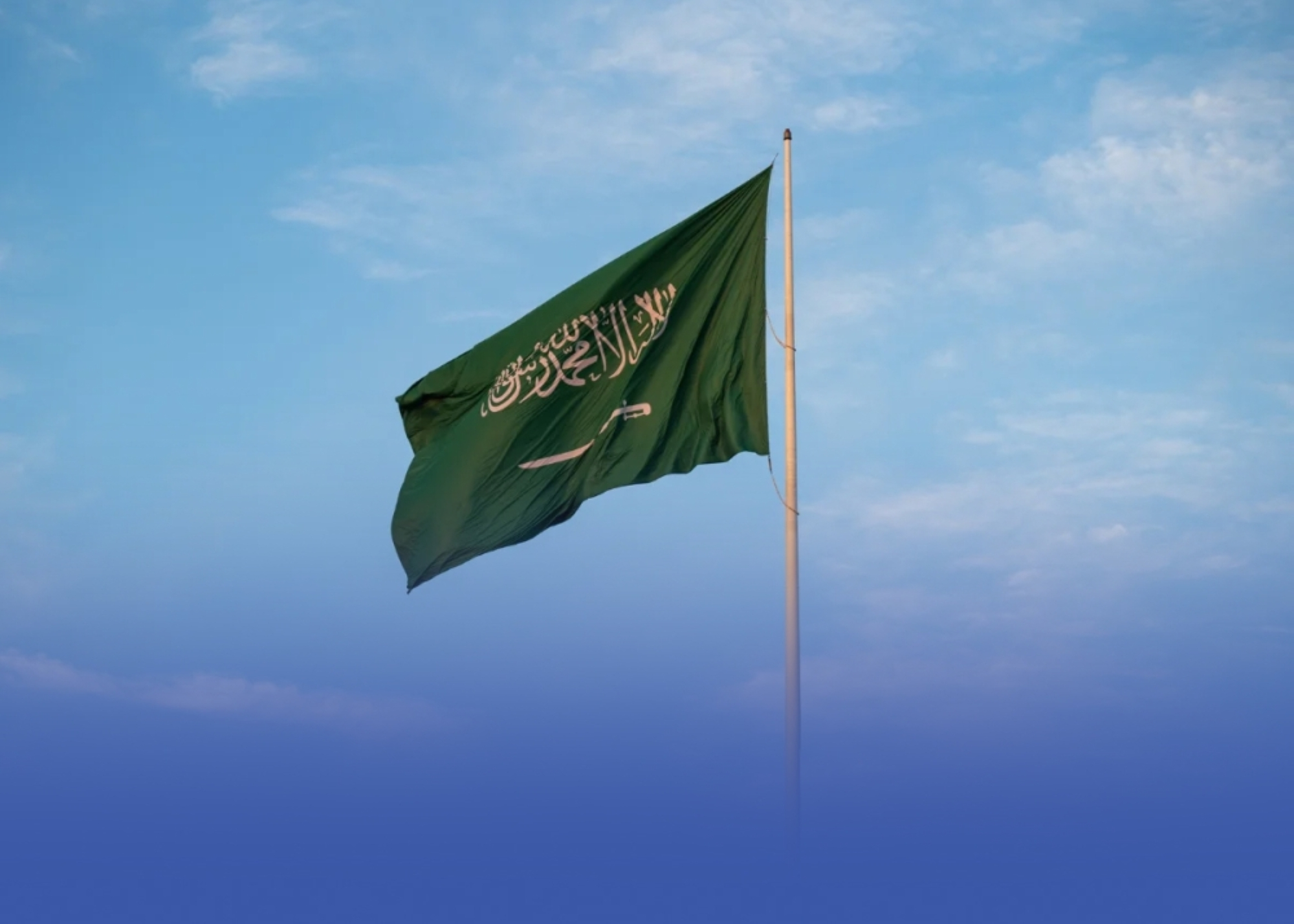
The Kingdom of Saudi Arabia expressed its sincere condolences and heartfelt sympathy to the Democratic Republic of Congo, its leadership, government and people, for the tragic incident of the collapse of a mining mine in the city of Rubaya, located in the east of the country, which resulted in hundreds of victims and injuries in a humanitarian disaster that shook local and international circles.
In its official statement, the Kingdom affirmed its full support and solidarity with the Democratic Republic of Congo in this painful tragedy, expressing its hope that this ordeal will be overcome, and wishing safety and security for the friendly Congolese people, and mercy for the victims, whose number exceeded 226 workers, in a heavy toll that reflects the magnitude of the disaster that befell the region.
Details of the disaster and the mining context in Congo
This incident once again highlights the numerous risks facing the mining sector in the Democratic Republic of Congo, particularly in the mineral-rich eastern regions. Rubaya is a vital center for the extraction of strategic minerals such as coltan and manganese, but mining operations are often carried out using traditional (artisanal) methods that lack even the most basic occupational safety standards, leaving workers vulnerable to frequent landslides, especially during the rainy season when the soil becomes increasingly fragile.
Human and economic dimensions
Mine accidents in the Democratic Republic of Congo are a chronic challenge for the country, where a large part of the local economy and population depends on artisanal mining as a primary source of livelihood, despite the high risks. Observers point to the high number of casualties in the Rubaya accident as being due to severe overcrowding at the excavation sites and the poor infrastructure of the tunnels, which turned the site into a death trap immediately after the collapse.
The Kingdom's diplomatic and humanitarian role
The statement of condolence and solidarity issued by the Kingdom of Saudi Arabia reflects its unwavering commitment to the principles of human fraternity and proactive diplomacy during times of crisis. The Kingdom consistently strives to extend bridges of communication and support to sisterly and friendly nations facing natural disasters and humanitarian crises, thereby reaffirming its leading role in strengthening international solidarity and bolstering the psychological and moral well-being of affected populations.
-
 Local news one week ago
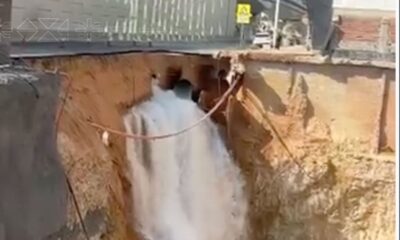
Landslide in Riyadh: Details of the incident in Al-Sahafa neighborhood and containment efforts
-
 Local news one week ago
The death penalty was carried out against a citizen who stabbed another to death in Tabuk
-

 Culture and Art, 1 week ago
Haifa Wehbe's absence in Riyadh: A photo crisis or a strained relationship with the media?
-
 Local news one week ago
Riyadh collapse: Emergency plans to secure water after a main pipeline burst
-

 Culture and Art, 1 week ago
City Kitchen series: A drama of conflict and the middle class during Ramadan
-

 Culture and Art, 1 week ago
The series "Kasra": Dawood Hussein in a moving social drama this Ramadan
-
 Local news one week ago
Applying for the 1447 Opportunities Program for Teachers via the Fares System
-
 Local News 5 days ago
Ramadan 2026 discounts in Saudi Arabia: Offers valid for 54 days