
Politics
Al-Issa: The adoption of the “Bridge Building Document” is an important step in joint Islamic action
The Secretary-General and Chairman of the Muslim Scholars Association, Sheikh Dr. Muhammad bin Abdulkarim Al-Issa, confirmed that the approval of the Council of Foreign Ministers

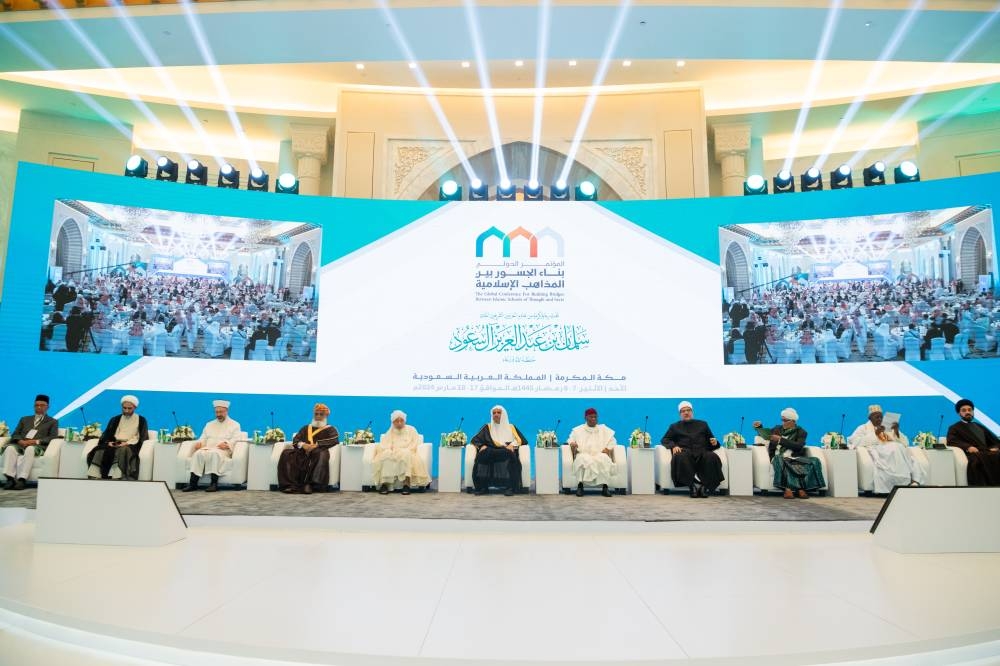
The Secretary-General and Chairman of the Muslim Scholars Association, Sheikh Dr. Muhammad bin Abdulkarim Al-Issa, affirmed that the approval by the Council of Foreign Ministers of the member states of the Organization of Islamic Cooperation of the “Document on Building Bridges Between Islamic Schools of Thought,” issued by the Muslim World League from the vicinity of the Holy Mosque last Ramadan, through its praise of its outcomes, represents an important qualitative leap in the course of joint Islamic action, through the combination of official support with scholarly activity, towards serving the Islamic nation, strengthening solidarity among its peoples, and confronting the causes of sedition, division, and conflict.
The Council had approved the document during its fiftieth session in the Cameroonian capital (Yaoundé), based on the member states’ awareness of the great importance of this historic document, which extended bridges to overcome the tragedies of the sectarian conflict with its false claim to the guidance of Islam, and to turn the page on a long-standing and multifaceted conflict, with its sterile arguments that went beyond effective and fruitful dialogue to descend into squabbles that only increased our unified nation’s dispersal and division, and the resulting pains and tragedies that prevented the Islamic nation from effectively playing its leading role and its civilizational witness within the framework of its commonalities, “and each has its own sectarian identity that is discussed within the framework of effective dialogue and its high etiquette.”.
The document consists of 28 articles covering all aspects of diversity, difference, and plurality among Islamic schools of thought. Its vision is based on adhering to the guidance of the Holy Book and the purified Prophetic Sunnah to unify the word and action. Its declaration was issued at the conclusion of a comprehensive conference in Makkah during Ramadan of 1445 AH, under the generous patronage of the Custodian of the Two Holy Mosques, King Salman bin Abdulaziz, may God protect him, and with broad participation from senior muftis and scholars from various Islamic schools of thought and sects around the world.
While the Islamic peoples await the fruits of this historic document, Al-Issa expressed his sincere thanks and deep appreciation to the Custodian of the Two Holy Mosques, King Salman bin Abdulaziz, and the Crown Prince, Prime Minister, Prince Mohammed bin Salman bin Abdulaziz, for their generous patronage and great support for the “Building Bridges Between Islamic Schools of Thought” conference, and for the great efforts made by the Kingdom of Saudi Arabia in general to unify the word of the Islamic nation and strengthen its solidarity, based on its pioneering Islamic role and the honor of serving the Two Holy Mosques and caring for their visitors.









Politics
Syria: Hezbollah members arrested in connection with the Mezzeh airport attacks and their weapons
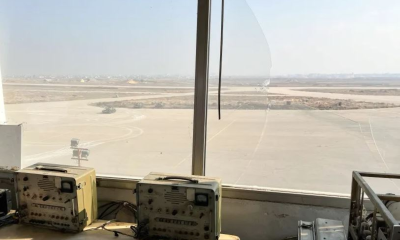
The Syrian Interior Ministry announced the arrest of a cell that carried out rocket attacks on Mezzeh military airport. Investigations revealed that the weapons used belonged to the Lebanese Hezbollah.
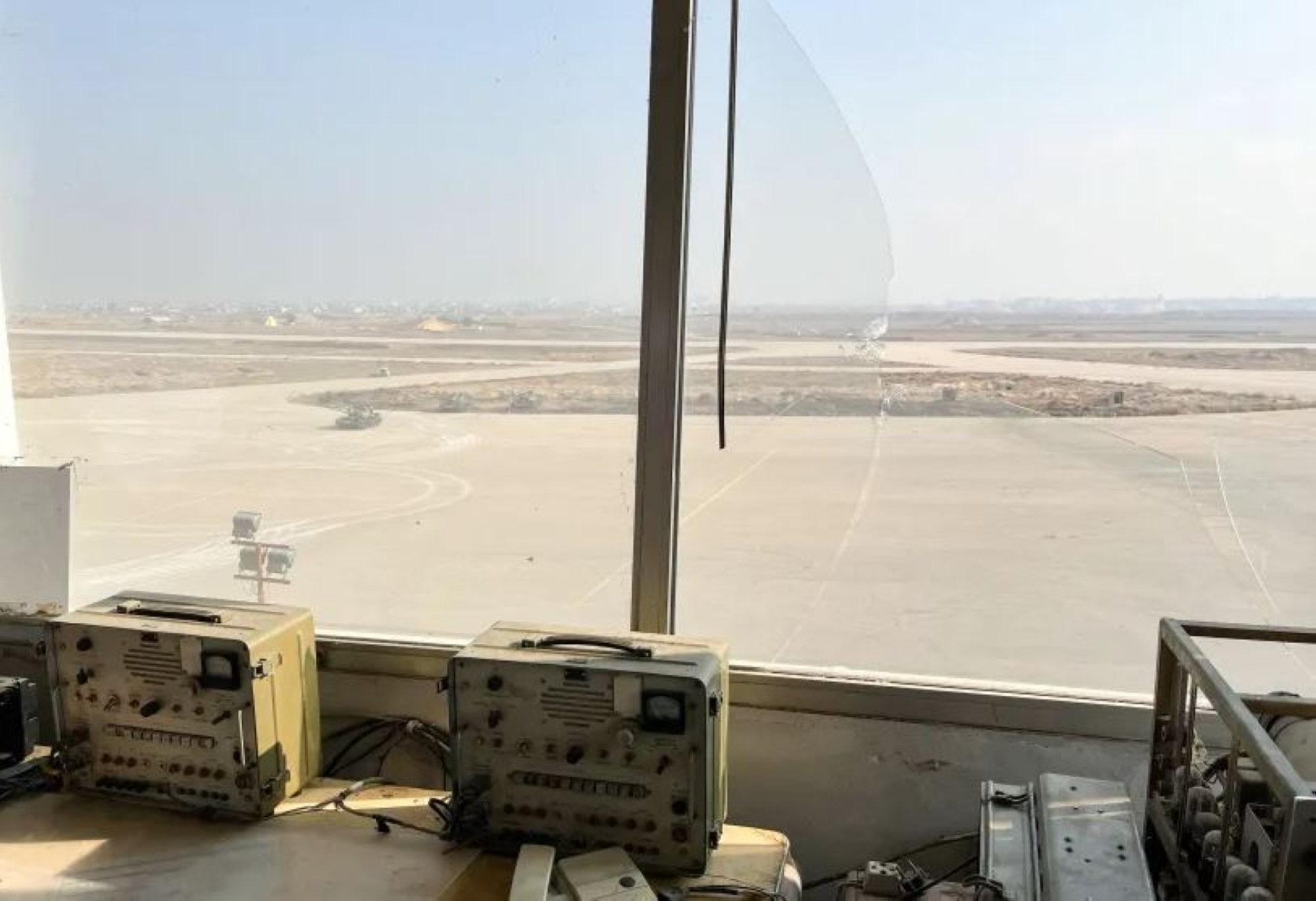
The Syrian Interior Ministry announced a major security achievement: the arrest of all members of a cell responsible for a series of rocket attacks targeting Mezzeh military airport, one of the most sensitive and strategic sites in the capital, Damascus. In an official statement, the ministry confirmed that initial investigations revealed a surprising detail regarding the source of the weapons used, indicating they belonged to the Lebanese group Hezbollah, a key ally of the Syrian government.
According to the statement, specialized security units successfully dismantled the cell after meticulous surveillance and monitoring of suspected launch sites in various areas of Damascus and its surroundings. The ministry explained that this group had carried out several attacks on the airport in recent months, causing significant security concerns. Intelligence efforts led to the identification of one of the main perpetrators, whose tracking led to the discovery and arrest of the remaining members of the network. The statement also indicated that initial investigations with the detainees revealed their connection to "external entities," without explicitly identifying them.
Context and historical background
This announcement is particularly significant given the strategic location of Mezzeh military airport. Situated west of Damascus, near the presidential palace and other key security and military installations, the airport serves as a major base for the Republican Guard and the Syrian Air Force. Throughout the years of the Syrian conflict, the airport has been a frequent target of airstrikes and missile attacks, most of which have been attributed to Israel, which systematically targets what it believes to be weapons shipments and sites belonging to Iran and Hezbollah in Syria. The airport's continued targeting is indicative of the regional conflict playing out on Syrian soil.
Importance and potential impacts
The exposure of this cell and the indictment of the weapons' source carry multiple implications, both domestically and regionally. Domestically, the Syrian government, through this announcement, seeks to reaffirm its security control over the capital and demonstrate its ability to thwart attacks targeting its strategic depth. Regionally, the indication that the weapons originated from Hezbollah, a close ally, raises complex questions. While coordination between the two sides exists at the highest levels, this announcement may point to the existence of networks operating outside of complete control or could be a political message to other regional actors. It also highlights the continued instability and proliferation of weapons in the region, further complicating efforts to achieve lasting stability in Syria.
Politics
A terrorist cell was dismantled in Damascus, and Hezbollah was accused of supplying it with weapons
The Syrian Interior Ministry announced the dismantling of a terrorist cell responsible for attacks in the Mezzeh neighborhood of Damascus, noting that the weapons and drones used were supplied by Hezbollah.
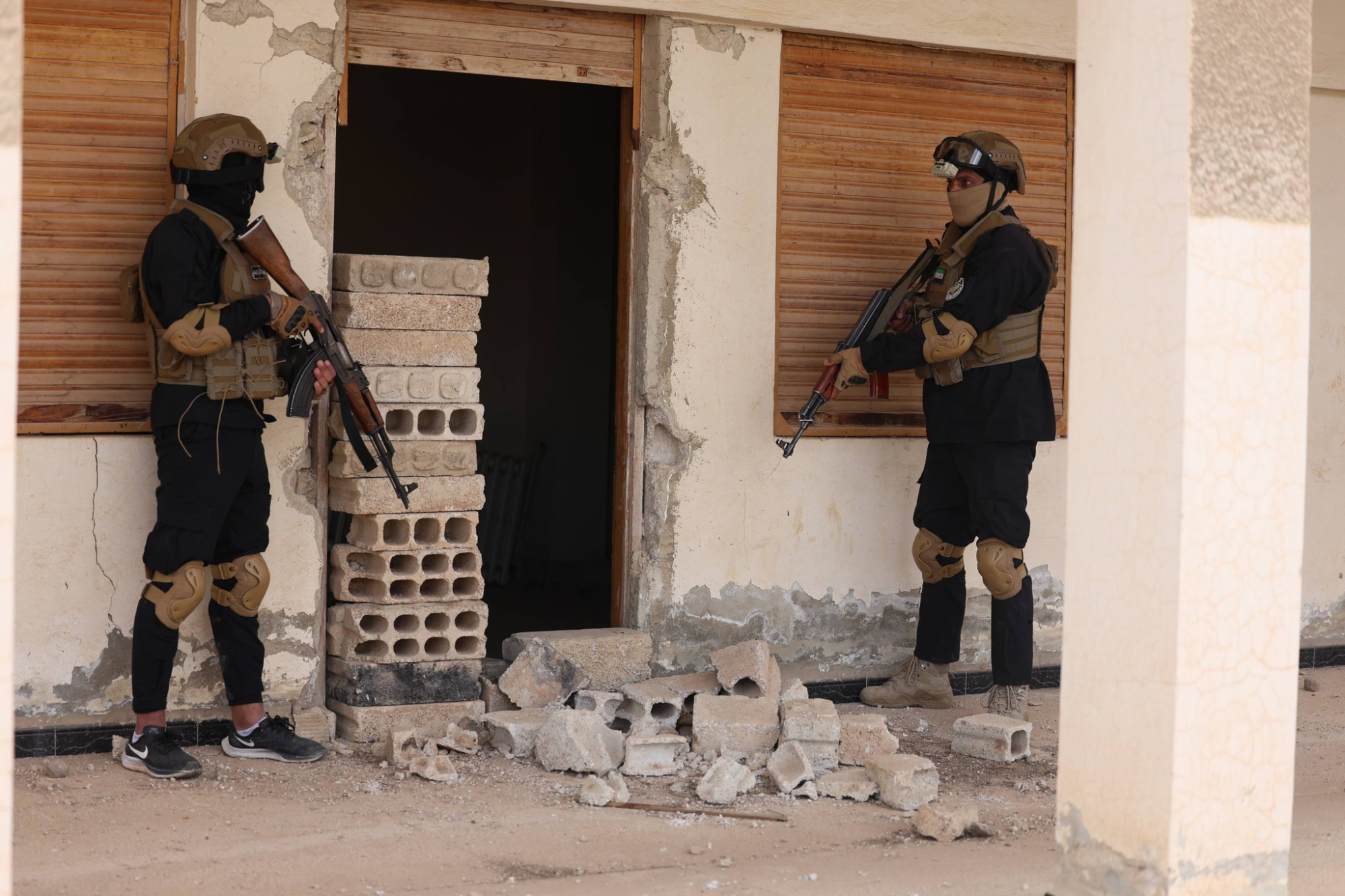
The Syrian Interior Ministry announced in an official statement that its security forces had successfully dismantled a terrorist cell it described as responsible for a series of rocket attacks targeting the Mezzeh district of Damascus last month. In a significant development, the ministry directly accused the Lebanese Hezbollah militia, an ally of Damascus, of supplying the cell with weapons, rockets, and drones.
According to the statement, the competent security services carried out a series of precise operations and diligent follow-up that led to the identification and arrest of all members of the cell. The ministry added that during the operations, a number of drones equipped to carry out further attacks were seized, in addition to missile launchers. Initial investigations with the detainees, according to the same source, revealed their links to foreign entities and that the source of the seized weapons used in the attacks was Hezbollah.
Background of the attacks and the importance of the Mezzeh neighborhood
This security operation follows several recent security incidents in Damascus. Syrian authorities had previously announced that three rockets landed in the Mezzeh district. One struck the dome of the Al-Muhammadi Mosque, another targeted a telecommunications building, and the third landed near Mezzeh Military Airport, without causing any injuries. The Mezzeh district is considered one of the most sensitive areas in the capital, housing important government and military installations, including Mezzeh Military Airport. It is also home to many high-ranking officials and influential figures, making it a strategic target for any party seeking to destabilize the capital.
Security and political context
Although the capital, Damascus, remained under the complete control of the Syrian government throughout the years of conflict, it was not immune to attacks and bombings intended to convey political and military messages. The dismantling of this cell represents a security success for the Syrian authorities in securing the capital, but it also reveals the continued existence of security gaps that could be exploited.
The repercussions of accusing Hezbollah
The Syrian Interior Ministry's formal and direct accusation against Hezbollah, a key strategic ally of the Syrian government in its conflict since 2011, represents a highly significant and complex political turning point. This announcement raises profound questions about the current nature of the relationship between the two allies and may indicate internal tensions or disagreements within the "axis of resistance." Regionally, this accusation could have far-reaching consequences, placing the relationship between Damascus and Beirut under renewed strain and providing ample ammunition for regional and international adversaries who have long accused the party of engaging in destabilizing activities in the region.
Politics
The Crown Prince contacted the King of Morocco to inquire about his health
Crown Prince Mohammed bin Salman made a telephone call to King Mohammed VI of Morocco to check on his health, in a gesture that reflects the depth of the historical and strategic relations between the two countries.
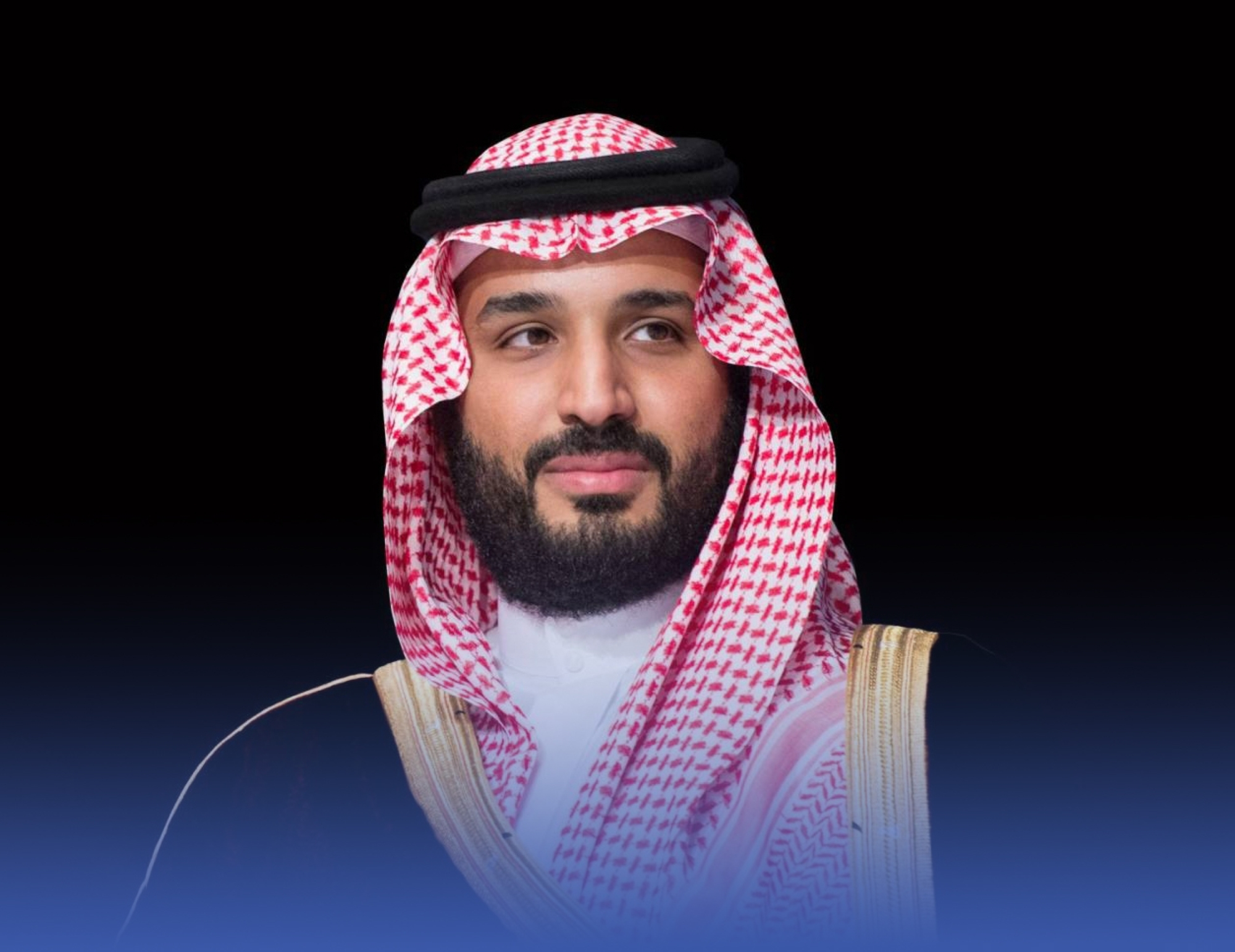
In a fraternal gesture reflecting the depth of the personal and historical ties between the leaderships of the two brotherly countries, His Royal Highness Prince Mohammed bin Salman bin Abdulaziz Al Saud, Crown Prince and Prime Minister, made a telephone call to His Majesty King Mohammed VI, King of the Kingdom of Morocco.
During the call, His Royal Highness the Crown Prince inquired about the health of His Majesty King Mohammed VI, expressing his sincere wishes for his continued good health and well-being. For his part, His Majesty the King of Morocco expressed his deep gratitude and appreciation to His Royal Highness the Crown Prince for these sincere and noble sentiments, which reflect the strength of the distinguished bilateral relations between the two kingdoms.
Historical background and established relationships
This contact is not merely a protocolary gesture, but a natural extension of the long-standing historical and strategic relationship between the Kingdom of Saudi Arabia and the Kingdom of Morocco. This relationship rests on solid foundations of Islamic solidarity, Arab identity, and a shared destiny, in addition to the close ties between the two countries' royal families. Riyadh and Rabat have consistently stood shoulder to shoulder in various regional and international forums, maintaining continuous coordination and converging visions on key regional and global issues, making their partnership a model for Arab-Arab relations.
Strategic and diplomatic importance
Such high-level contacts are of paramount importance, especially given the challenges facing the Arab region. They not only contribute to strengthening bilateral relations on the political and economic levels, but also send a clear message about the continuity of the strategic alliance between the two countries, which is considered a cornerstone of security and stability in the Arab and Islamic worlds. Furthermore, inquiring about the health of His Majesty King Mohammed VI, who enjoys a prominent position on the international stage, reflects Saudi Arabia's interest in the stability and prosperity of the Kingdom of Morocco, which has a positive impact on the entire region.
Humanitarian implications and reassuring messages
This contact comes in a context that highlights the human dimension of relations between the leaders, something highly valued in Arab culture. The Crown Prince's personal concern for the health of King Mohammed VI underscores that the relationship between the two countries transcends official frameworks, reaching the level of genuine brotherhood. At the same time, this gesture carries reassuring messages to the Moroccan people and to regional and international partners regarding His Majesty's health, thus strengthening confidence and stability. This direct communication affirms the ongoing consultation and coordination between the two leaderships to address shared challenges and realize the aspirations of their peoples for greater progress and prosperity.
-

 Local news one week ago
Landslide in Riyadh: Details of the incident in Al-Sahafa neighborhood and containment efforts
-
 Local news one week ago
The death penalty was carried out against a citizen who stabbed another to death in Tabuk
-

 Culture and Art, 1 week ago
Haifa Wehbe's absence in Riyadh: A photo crisis or a strained relationship with the media?
-

 Local news one week ago
First birth on the Riyadh train: A heartwarming story at Andalus station
-

 Local news one week ago
Riyadh collapse: Emergency plans to secure water after a main pipeline burst
-

 Culture and Art, 1 week ago
City Kitchen series: A drama of conflict and the middle class during Ramadan
-

 Culture and Art, 1 week ago
The series "Kasra": Dawood Hussein in a moving social drama this Ramadan
-

 Local News 6 days ago
Applying for the 1447 Opportunities Program for Teachers via the Fares System