
Politics
Ministry of Interior: Transfer of pilgrims between holy sites completed successfully
The Unified Media Operations Center for Hajj at the Ministry of Information held a media briefing yesterday evening for Hajj 1446-2025, with the participation of the spokesperson


The Unified Media Operations Center for Hajj at the Ministry of Media held yesterday evening the “Media Briefing for Hajj 1446 – 2025”, with the participation of the security spokesman for the Ministry of Interior, Colonel Talal bin Abdulmohsen bin Shalhoub, the official spokesman for the Ministry of Hajj and Umrah, Dr. Ghassan bin Rashid Al-Nuaimi, the official spokesman for the Ministry of Health, Engineer Khalid bin Saud Al-Tale’, and the spokesman for the transportation and logistics system in the Hajj season, Saleh bin Ibrahim Al-Zwaid.
The security spokesman for the Ministry of Interior, Colonel Talal bin Abdulmohsen bin Shalhoub, congratulated the pilgrims of the Sacred House of God on the occasion of Eid al-Adha, asking God to accept their Hajj and to return them to their families and homelands safe and sound, saying: “We thank God for His success in completing the pilgrims’ transportation operations during the journey of the holy sites successfully, as the guests of the Most Merciful returned this morning to Mina, after performing the Tawaf al-Ifadah and throwing the pebbles at Jamarat al-Aqaba, in an atmosphere of security and tranquility.”.
He explained that the Hajj security forces continue to perform their duties to protect the pilgrims and ensure their safety during their stay in Mina, and while performing their rituals in the Grand Mosque and the Jamarat facility. This includes organizing pedestrian traffic and managing crowds on all roads that connect the camps to the Jamarat facility and the Grand Mosque, whether in the circumambulation area and the Sa'i area, or at the entrances or around the stoning basins. He called on the pilgrims to continue to adhere to the instructions that regulate their movements during the days of Tashreeq, especially with regard to stoning the Jamarat, circumambulation and Sa'i, by adhering to the crowd schedules, following the specified routes when going and returning, not carrying luggage to the Jamarat facility and the Grand Mosque, and maintaining calmness and order in movement.
The pilgrims who intend to leave early on the second day of Tashreeq are urged to stay in their camps until the departure time specified by those in charge of serving them. Security statistics indicate the impact of the efforts made by all security agencies, which played an active role in the success of the approved operational plans. The total number of fake campaigns and unlicensed offices has reached (436) so far, and the number of decisions of the seasonal administrative committees has reached (418) decisions, and (462) violating transporters and contributors have been apprehended.
The security spokesman for the Ministry of Interior affirmed the continuation of security and organizational efforts in accordance with the approved plans, to ensure the safety of the pilgrims until they complete their rituals and return safely, asking God for success and guidance in performing this great honor, in a way that fulfills the aspirations of our wise leadership.
For his part, the official spokesman for the Ministry of Hajj and Umrah, Dr. Ghassan bin Rashid Al-Nuaimi, explained that the crowd management model is a Saudi industry, one of the most complex and advanced models, with huge numbers, and environmental, temporal and spatial constraints, yet it achieves the highest levels of safety and smoothness. During the days (8, 9 and 10) of Dhu al-Hijjah, a number of crowd management plans and operations were implemented. These plans included the movement of pilgrims to the holy sites, and (64%) of the pilgrims preferred to move to Mina to spend the day of Tarwiyah, and (36%) of them chose to move directly to Arafat.
He said: On the ninth day, the movement to Arafat was completed, and by sunset, the movement to Muzdalifah began. In Muzdalifah, 50% of the pilgrims chose to stay overnight, 30% expressed their desire to stay until midnight, and 20% preferred to stop during the day. Starting yesterday evening until 4:00 AM on the first day of Tashreeq, all pilgrims will, God willing, complete the stoning of the Jamarat al-Aqaba, according to the approved crowd management plans and schedules. The number of pilgrims who performed Tawaf al-Ifadah and Sa'i exceeded 436,000 by 6:00 PM today, according to the General Authority for the Care of the Affairs of the Grand Mosque and the Prophet's Mosque. The Authority launched a new electronic service on its website, which allows visitors to the Grand Mosque to know the real-time density in the Mataf and Sa'i areas, enabling them to choose the appropriate time to perform Tawaf and Sa'i.
He continued, saying: “We believe that the best service is the one that is not seen but felt. Thank God, all of what we mentioned was done with high smoothness, under the supervision of qualified field teams, and in coordination with the system’s partners, without recording any crowding or traffic jams. Technology works silently during Hajj, with the aim of alleviating the hardship for the pilgrims of the House of God. The “Nusk” card continued to play its pivotal role in controlling and organizing the pilgrims’ paths, as it has been used in more than (5.5) million electronic readings so far. The Nusk application and the interactive maps service helped guide more than (35) thousand pilgrims. More than (400) thousand bags for pilgrims were linked to “Nusk QR” for ease of transport and to protect them from loss. The “Nusk Care” centers provided more than (50) thousand guidance and directional services so far, distributed across more than (236) centers and contact points spread throughout Makkah and the Holy Sites. The (1966) call center provided more than (310) thousand services.” With a response speed of “3 seconds” to answer inquiries and provide guidance at all stages of Hajj.
He pointed out that, in terms of inspection tours, the “Compliance” centers have carried out more than (65) thousand inspection tours so far, which included the pilgrims’ residences and various service provision facilities, with the limited cases of deficiencies at a rate of only (10%), which were dealt with immediately by the specialized inspection teams, which was reflected in the level of field performance and the quality of services. Therefore, through the efficiency of the great awareness and organizational efforts made by the Ministry of Hajj and Umrah in cooperation with its partners in the Hajj system, these efforts contributed to a remarkable decrease in the number of observations recorded by a rate of more than (71%) compared to last year, from (23) to (6) thousand observations.
The official spokesperson for the Ministry of Hajj and Umrah concluded his statement by saying that, in light of the high temperatures, the Ministry of Hajj and Umrah reiterates the importance of adhering to the approved crowd management schedules and not violating them under any circumstances. Pilgrims are required to remain inside the camps during the daytime hours, from (10) am until (4) pm, during the days of Tashreeq, to avoid direct exposure to the sun's rays. The Ministry, along with its partners, continues to serve the guests of God until the completion of the season, God willing. The Kingdom of Saudi Arabia does not view organizing the Hajj as merely a task, but as a great honor with which we are religiously and historically connected, which it offers with a sense of responsibility and the spirit of Saudi generosity and hospitality. He prayed to God Almighty to accept the pilgrims' Hajj and that they return to their homes with tranquil hearts and lasting memories.
Related News
The official spokesperson for the Ministry of Health, Engineer Khalid bin Saud Al-Tale’, spoke about the movement of pilgrims from the plains of Arafat to Muzdalifah, passing through performing their rituals in Mina with high smoothness, noting that the roads have foot health teams and health units that were created on the pedestrian route that provided urgent health services immediately to the guests of God, according to advanced health services that keep pace with the best international standards, to make this religious ritual an easy health experience.
He pointed to the tangible impact of implementing the regulations, the most important of which was “No Hajj without a permit,” and the application of health requirements, including the principle of health capability, in addition to activating well-studied crowd management plans on the success of this Hajj season of the year (1446 AH). These diligent efforts had a clear and direct impact on reducing the number of health cases, and we witnessed a decrease of (90%) in cases of heat exhaustion for this year’s Hajj season compared to last year, which reflects our joint success in promoting the health and safety of the pilgrims. Despite the high temperatures, what pleased everyone was the commitment of the pilgrims and their adherence to the awareness instructions. A limited number of cases of heat exhaustion were dealt with, reaching (362) cases so far, with high efficiency until they recovered, thanks be to God Almighty.
He said: “In light of these blessed efforts, the number of health services provided up to the tenth day of Dhu al-Hijjah exceeded (125) thousand integrated services, including receiving more than (68) thousand cases in primary health care centers, providing urgent care to about (31) thousand cases in emergency departments, admitting more than (5) thousand cases to hospitals, including (2,453) cases in intensive care departments, performing (18) open heart operations, (216) cardiac catheterization operations, and providing more than (9,190) virtual services through the Health Virtual Hospital.”.
He added: “In the midst of this success that God has bestowed upon us in this year’s Hajj season, we emphasize the importance of pilgrims continuing to adhere to the crowd schedules and avoiding exposure to sunlight, especially during peak times, which extend from (10) am to (4) pm, using umbrellas, ensuring they drink sufficient amounts of fluids to prevent dehydration and exhaustion, taking regular rest periods, and not overexerting themselves, in order to protect their health. We urge them to contact the “937” call center and the “Sehhaty” application, as the health teams are fully prepared to meet all their needs for care and awareness, around the clock and in several languages.”.
The official spokesman for the Ministry of Health, Engineer Khalid bin Saud Al-Tale’, reassured everyone about the health condition of the pilgrims, as no outbreaks of diseases or diseases affecting public health were recorded among them, thanks to God and then thanks to the integrated efforts made by the various government agencies in the Kingdom, which worked in harmony and synergy in serving the pilgrims, reflecting their firm commitment to placing the health and safety of the guests of God at the forefront of their priorities, in accordance with the aspirations of the leadership - may God support them.
For his part, Saleh bin Ibrahim Al-Zwaid, spokesman for the transport and logistics system during the Hajj season, addressed the progress of the operational plans for the Al-Mashaaer train as planned. The train continued to provide its services for the fourth consecutive day, offering a safe and convenient transportation experience for pilgrims between the holy sites. He noted that yesterday, during the departure phase that began from sunset on the Day of Arafah until (12:30) after midnight, more than (294) thousand pilgrims moved from Arafat to Muzdalifah. Then, more than (349) thousand pilgrims moved by train from Muzdalifah to Mina in the subsequent phase. At nine o'clock this morning, the first day of Eid al-Adha, the fifth movement of the Al-Mashaaer train began, connecting the stations of Arafat, Muzdalifah, and Mina, reaching Mina Jamarat. This service will continue until sunset on the (13)th of Dhul-Hijjah.
He explained that the number of beneficiaries of the train so far has exceeded more than one million passengers who moved between the holy sites with complete ease and smoothness, reiterating the integrated effort undertaken by the General Transport Center of the Royal Commission for Makkah City and the Holy Sites, as it has, in cooperation with the relevant authorities, established a station to transport pilgrims from west of the Jamarat to the Grand Mosque with a capacity of up to transporting (20) thousand passengers per hour, through (100) articulated buses with a capacity of (125) passengers per bus, to facilitate their transport to perform Tawaf Al-Ifadah and complete their rituals in a dedicated shuttle route that separates the movement of buses from pedestrians, and reduces the time of the guests’ transfer from Mina to the Grand Mosque to about (20) minutes only, in addition to Makkah buses that connect more than (430) stops in (12) routes, including (4) stations in the central area serving transport to the Grand Mosque, and Makkah taxis located in (25) stops.
He praised the high overall rate of compliance of licensed transport companies with regulations and instructions. The Public Transport Authority's inspection teams carried out more than (300) thousand inspection operations and we observed high compliance rates. The National Center for Transport Safety plays an important role in supporting efforts to enhance safety levels by receiving reports related to the safety of the modes of transport used by pilgrims to ensure a safe and easy journey. He added that on the logistical side, Saudi Post “Subul” presented a partnership this year with the Ministry of Health through which it contributed to transporting more than (10,000) blood samples with high reliability, enhancing the readiness of hospitals, in addition to enabling (348) entities to carry out more than (63,000) operations through official mail during the Hajj season.
A spokesperson for the transport and logistics system announced the readiness of all entities within the system for the departure of pilgrims through (6) airports designated for them, whether for domestic or international pilgrims. He emphasized the importance of pilgrims adhering to instructions related to baggage handling and air transport requirements, especially regarding the permitted weights of bags and luggage. The transport and logistics system continues to dedicate all human and technical resources through more than (45) thousand national personnel to serve pilgrims and provide an easier Hajj experience, higher quality services, and smoother transportation until the end of the season and the departure of the last flights. This embodies the directives of the wise leadership - may God protect them - to provide all support and constant attention to serving pilgrims, so that they may perform their rituals with ease and peace of mind.



Politics
Britain imposes sanctions on Iranian officials over crackdown on protests
Britain announces new sanctions against 10 Iranian officials, including police and Revolutionary Guard commanders, in response to the crackdown on protesters. Learn more about the details and the implications of the decision.
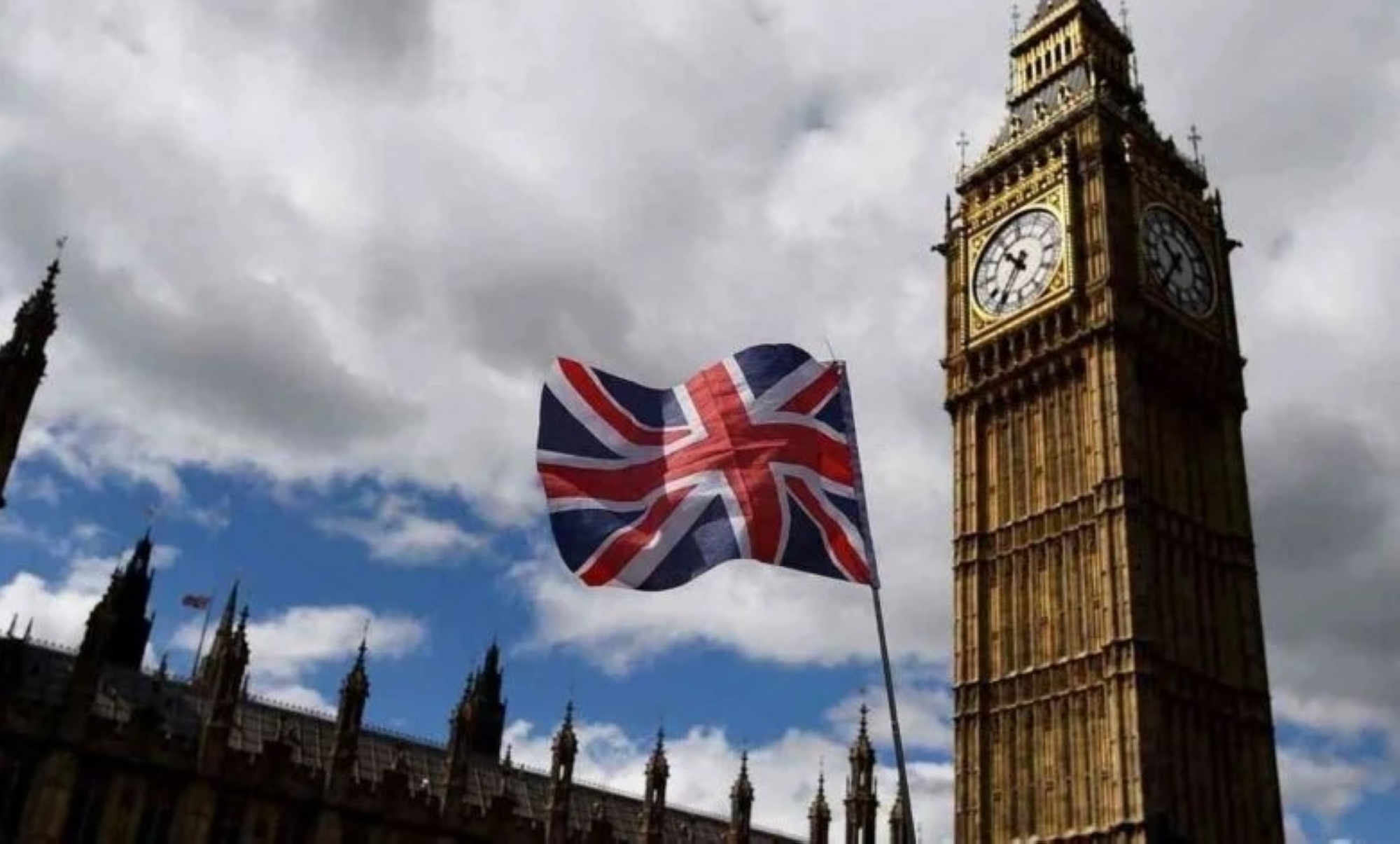
In a new escalation reflecting strained diplomatic relations between London and Tehran, the British government announced a package of tough sanctions targeting 10 prominent Iranian officials, as well as security entities, in response to what the United Kingdom described as "systematic violence" perpetrated by the authorities against protesters during the recent wave of protests in the country.
Details of the penalties and those covered by them
The new blacklist included high-ranking figures in the Iranian security and political hierarchy, most notably the Interior Minister and senior police commanders. The sanctions were not limited to individuals but also extended to the Iranian Law Enforcement Forces (FRAJA), considered the main arm responsible for dealing with protests on the ground.
The sanctions also targeted members of Iran's Revolutionary Guard, a businessman linked to it, and two judges, indicating a British focus on the security, judicial, and economic systems that support repression. These sanctions include freezing the financial assets of those sanctioned within the United Kingdom, imposing a comprehensive travel ban, and preventing them from holding any administrative positions or engaging in any business activities that fall under British law.
The official British position
Commenting on these decisions, British Foreign Secretary Yvette Cooper affirmed that this step comes within the framework of the United Kingdom's commitment to holding those responsible for human rights violations accountable. Cooper praised what she described as the "remarkable courage" shown by the Iranian people in the face of the security apparatus, considering the sanctions a clear message against the "violent campaign of repression" being waged by the authorities in Tehran.
General context and international dimensions
These sanctions come at a time when Iran is facing significant internal challenges, including widespread protests demanding political and social reforms. The authorities have responded to these movements with harsh security measures, drawing widespread criticism from international human rights organizations and Western governments.
Observers believe that the British move is not an isolated incident, but rather part of a broader coordinated effort among Western countries (including the United States and the European Union) to increase Tehran's political and economic isolation. These coordinated actions aim to pressure the Iranian regime to change its behavior regarding human rights, as well as other contentious issues such as its nuclear program and its regional role.
These sanctions are expected to lead to further stagnation in bilateral relations between the two countries, as Tehran usually considers such measures to be blatant interference in its internal affairs, which may lead to reciprocal diplomatic actions and an escalation in political rhetoric between the two capitals in the coming period.
Politics
Nuclear negotiations between Iran and the United States resume in Istanbul
Crucial nuclear negotiations between Iran and the United States have begun in Istanbul, with Saudi Arabia and Egypt in attendance, amid a US military buildup and demands for concessions to end the tension.
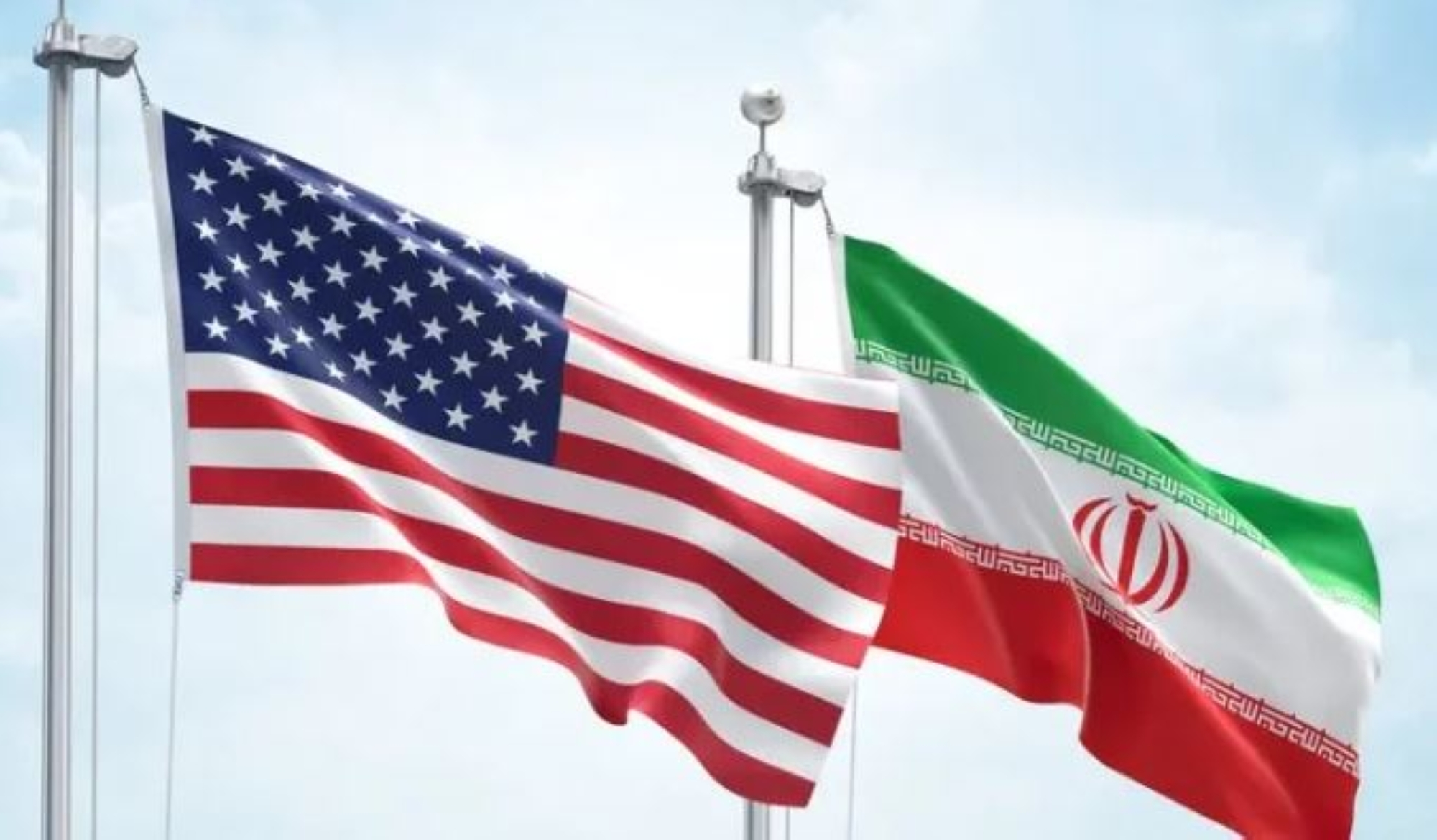
In a diplomatic move aimed at defusing the escalating crisis in the Middle East, Iran and the United States are resuming their nuclear talks in Türkiye, amid widespread international and regional anticipation of the results of this crucial round.
Details of the meeting in Istanbul
Informed sources told Reuters that US Special Envoy Steve Wittkopf will hold a crucial meeting with Iranian Foreign Minister Abbas Araqchi in Istanbul, Turkey. This meeting comes as part of intensive efforts to revive the long-stalled diplomatic process regarding Iran's nuclear program and to find common ground that would prevent a slide into open confrontation.
A diplomatic source in the region revealed that the talks will not be limited to the American and Iranian sides, but will also include representatives from influential regional powers, most notably Saudi Arabia and Egypt. The meetings are scheduled to be held at two levels: bilaterally between Washington and Tehran, and trilaterally with the regional parties, reflecting the desire of regional states to ensure that any future agreements take their security concerns into account.
Context of tension and military mobilization
These negotiations come at a highly sensitive time, as military tensions escalate in the Gulf. The talks coincide with a significant US naval buildup near Iranian territorial waters, a clear message of pressure from Washington. Meanwhile, Tehran faces unprecedented internal challenges, with the country experiencing what has been described as its most violent internal unrest since the 1979 revolution, further complicating the Iranian negotiating position.
US President Donald Trump insists that Iran must make substantial concessions regarding its nuclear program and regional activities, backing this demand with the deployment of a naval fleet to Iranian waters as a maximum pressure tactic. For his part, Ali Larijani, Secretary of Iran's Supreme National Security Council, confirmed that arrangements are underway for these negotiations, indicating Tehran's willingness to explore available diplomatic options.
Background of the crisis and the importance of negotiations
To understand the depth of these talks, one must consider the historical background of the nuclear issue. Since the United States withdrew from the Joint Comprehensive Plan of Action (JCPOA), also known as the Iran nuclear deal, in 2018, economic sanctions and a policy of "maximum pressure" have intensified, prompting Iran to gradually reduce its compliance with its nuclear commitments and increase its uranium enrichment levels. This situation has led to persistent instability in the region, punctuated by security incidents targeting maritime navigation and energy facilities.
This round of negotiations is of exceptional importance given its expected impact locally, regionally and internationally:
- On a regional level: The presence of Saudi Arabia and Egypt represents a qualitative development, as the countries of the region seek to ensure the security of navigation in vital waterways and prevent a nuclear arms race in the Middle East.
- On the international level: Global energy markets are closely monitoring these talks, as any easing of tensions would have a positive impact on the stability of oil prices and global supply chains.
- On the domestic front: Any diplomatic breakthrough could help alleviate the economic sanctions that are burdening the Iranian economy and fueling internal unrest.
All eyes remain on Istanbul to see if last-minute diplomacy will succeed in sparing the region the horrors of a potential military conflict and establishing a new phase of security and political stability.
Politics
Saudi Arabia offers condolences to Congo for the victims of the Rubaya mine collapse
The Kingdom expresses its solidarity with the Democratic Republic of Congo and offers condolences for the victims of the Rubaya mine collapse, which left more than 226 dead, affirming its support for the Congolese people.
The Kingdom of Saudi Arabia expressed its sincere condolences and heartfelt sympathy to the Democratic Republic of Congo, its leadership, government and people, for the tragic incident of the collapse of a mining mine in the city of Rubaya, located in the east of the country, which resulted in hundreds of victims and injuries in a humanitarian disaster that shook local and international circles.
In its official statement, the Kingdom affirmed its full support and solidarity with the Democratic Republic of Congo in this painful tragedy, expressing its hope that this ordeal will be overcome, and wishing safety and security for the friendly Congolese people, and mercy for the victims, whose number exceeded 226 workers, in a heavy toll that reflects the magnitude of the disaster that befell the region.
Details of the disaster and the mining context in Congo
This incident once again highlights the numerous risks facing the mining sector in the Democratic Republic of Congo, particularly in the mineral-rich eastern regions. Rubaya is a vital center for the extraction of strategic minerals such as coltan and manganese, but mining operations are often carried out using traditional (artisanal) methods that lack even the most basic occupational safety standards, leaving workers vulnerable to frequent landslides, especially during the rainy season when the soil becomes increasingly fragile.
Human and economic dimensions
Mine accidents in the Democratic Republic of Congo are a chronic challenge for the country, where a large part of the local economy and population depends on artisanal mining as a primary source of livelihood, despite the high risks. Observers point to the high number of casualties in the Rubaya accident as being due to severe overcrowding at the excavation sites and the poor infrastructure of the tunnels, which turned the site into a death trap immediately after the collapse.
The Kingdom's diplomatic and humanitarian role
The statement of condolence and solidarity issued by the Kingdom of Saudi Arabia reflects its unwavering commitment to the principles of human fraternity and proactive diplomacy during times of crisis. The Kingdom consistently strives to extend bridges of communication and support to sisterly and friendly nations facing natural disasters and humanitarian crises, thereby reaffirming its leading role in strengthening international solidarity and bolstering the psychological and moral well-being of affected populations.
-

 Local news one week ago
Landslide in Riyadh: Details of the incident in Al-Sahafa neighborhood and containment efforts
-
 Local news one week ago
The death penalty was carried out against a citizen who stabbed another to death in Tabuk
-

 Culture and Art, 1 week ago
Haifa Wehbe's absence in Riyadh: A photo crisis or a strained relationship with the media?
-
 Local news one week ago
Riyadh collapse: Emergency plans to secure water after a main pipeline burst
-

 Culture and Art, 1 week ago
City Kitchen series: A drama of conflict and the middle class during Ramadan
-

 Culture and Art, 1 week ago
The series "Kasra": Dawood Hussein in a moving social drama this Ramadan
-

 Local news one week ago
Applying for the 1447 Opportunities Program for Teachers via the Fares System
-

 Local News 6 days ago
Ramadan 2026 discounts in Saudi Arabia: Offers valid for 54 days